
MARPE patient selection:
CBCT criteria
and clinical indicators
Learn the evidence-based protocol for assessing midpalatal suture maturation, skeletal maturity, and maxillary transverse deficiency to optimize miniscrew-assisted expansion outcomes.
TL;DR MARPE patient selection depends on CBCT assessment of midpalatal suture maturation, skeletal maturity markers, and transverse maxillary deficiency severity. Proper CBCT imaging orthodontics protocols enable clinicians to distinguish candidates for successful skeletal expansion from those requiring alternative mechanics.
Selecting the right candidate for miniscrew-assisted rapid palatal expansion (MARPE) remains a cornerstone decision in contemporary orthodontic practice. In this article, Dr. Mark Radzhabov outlines a clinically actionable protocol for MARPE patient selection—focusing on CBCT imaging criteria, midpalatal suture assessment, and skeletal maturity indicators—drawing on over a decade of clinical practice and current evidence published through 2025 on ortodontmark.com. Proper patient selection maximizes treatment success and minimizes risk of failed expansion or unwanted dentoalveolar side effects.
What is CBCT imaging for
palatal expansion assessment?
Cone beam computed tomography (CBCT) has fundamentally transformed how clinicians approach CBCT palatal expansion assessment in three critical ways. First, it eliminates the superimposition and magnification errors inherent in two-dimensional radiographs, allowing precise visualization of the midpalatal suture architecture across its entire anteroposterior length. Second, axial and coronal views reveal asymmetries, pneumatization patterns, and suture morphology that are invisible on panoramic or periapical films. Third, CBCT enables measurement of palatal width, dentoalveolar height, and root proximity to planned miniscrew sites—information essential for safe placement and biomechanical planning.
The midpalatal suture maturation stage is the single most important predictor of skeletal versus dentoalveolar response in MARPE cases. Sutherland et al. (2015) classified suture maturation into five stages (A through E) based on CBCT appearance: stage A (minimal calcification, wide suture), through stage E (complete obliteration). Patients in stages A, B, and early C typically show greater skeletal contribution when expansion forces are applied, whereas stage D and E patients face predominantly dentoalveolar tipping and higher risk of root resorption. Routine CBCT imaging orthodontics protocols should include dedicated sagittal slices through the midpalatal suture and standardized axial images at the level of maxillary molars, premolars, and canines.
Beyond suture visualization, CBCT imaging orthodontics allows clinicians to assess bone density and cortical thickness around intended miniscrew placement zones. High cortical density in the palate improves miniscrew stability and load-bearing capacity. Additionally, three-dimensional visualization of the zygomatic process, pterygoid plates, and palatal vault anatomy reduces the risk of catastrophic placement errors—a particular concern when placing miniscrews in patients with unusual palatal anatomy or prior surgical history.
Assessing skeletal maturity and
midpalatal suture maturation
for optimal expansion response
Skeletal maturity evaluation extends far beyond chronological age; it integrates cervical vertebral maturation (CVM) stage, hand-wrist radiographs if available, and CBCT evidence of suture closure. Patients in the prepubertal and early pubertal stages (CVM 1–3) with stage A or B midpalatal sutures are ideal candidates for traditional tooth-borne rapid palatal expansion, as peak growth potential and suture malleability are at their maximum. However, in late pubertal or post-pubertal patients (CVM 4–6) with stage C, D, or E sutures, miniscrew-assisted mechanics become necessary to overcome increased suture resistance and achieve meaningful skeletal widening.
The transition from skeletal to dentoalveolar response is not abrupt but gradual. Clinicians must recognize that a 16-year-old with stage C maturation may still benefit from MARPE, whereas a 12-year-old with a fused stage E suture (a rare but documented scenario) would derive little skeletal benefit. CBCT palatal expansion assessment must therefore evaluate both the morphological stage and the patient's residual growth potential in concert. Archival studies suggest that even in late adolescents (ages 16–18) with stage C sutures, MARPE produces an average of 2–3 mm of skeletal expansion at the base of the nasal cavity, with the remainder of the 5–7 mm total expansion distributed as buccal tipping and transverse maxillary widening.
Patients over age 25 with stage D or E sutures should be counseled that skeletal expansion is unlikely; however, controlled dentoalveolar expansion combined with surgical orthognathic correction may still offer an optimal treatment pathway. Alternatively, some clinicians employ rapid palatal expansion in conjunction with low-intensity pulsatile forces to attempt to re-mobilize ossified sutures, though this approach remains controversial and requires longer activation periods and careful monitoring.
Transverse maxillary deficiency and
expansion indications
in mixed and permanent dentition
Defining transverse maxillary deficiency requires integration of skeletal, dental, and functional criteria. On clinical examination, posterior crossbite (unilateral or bilateral), narrow maxillary intercanine and intermolar widths, and buccal crossbite in the premolar or molar region are surface-level signs. However, CBCT imaging orthodontics reveals the underlying skeletal anatomy: true maxillary constriction versus normal skeletal width with dentoalveolar compensation. Patients with a narrow basal maxilla, steep palatal vault angle, and normal or narrow inter-molar skeletal distance are bona fide candidates for MARPE. Conversely, patients with an already-wide maxillary base who present with posterior crossbite due to mandibular prognathism or asymmetry should not undergo expansion; their problem lies in the mandible or in dentoalveolar positioning, not maxillary width.
CBCT criteria for rapid palatal expansion indications include: (1) sagittal maxillary width (measured at the level of the nasal floor between the piriform fossae) that is <2 standard deviations below the mean for age and sex; (2) absence of severe skeletal anterior-posterior maxillary deficiency (which may be better addressed via orthognathic surgery); (3) adequate palatal height and bone thickness to accommodate miniscrews safely; and (4) absence of cleft palate or prior palatal surgery that may compromise healing and suture stability. In the mixed dentition, expansion is particularly indicated when maxillary width limitation threatens normal eruption pathways of permanent canines and premolars or when severe dental crowding cannot be managed by arch form expansion alone.
A critical clinical decision point arises when a patient presents with severe transverse maxillary deficiency in stage D or E suture morphology: is MARPE still appropriate, or should surgical expansion be considered? Dr. Mark Radzhabov's clinical protocol emphasizes that even in skeletally mature patients with fused sutures, limited dentoalveolar expansion (3–4 mm) can be achieved with MARPE if the patient is informed that skeletal change is minimal and that their malocclusion may ultimately require surgical correction. The decision should be made collaboratively with the patient, informed by realistic expectations from the CBCT assessment.
Establishing a CBCT imaging protocol for
palatal expansion diagnosis
A robust CBCT protocol for expansion planning should include the following elements: (1) field of view (FOV) encompassing the entire maxilla from the nasal floor to the hard palate, ideally extended to include cervical vertebrae for CVM staging; (2) slice thickness of 0.5–1.0 mm to allow accurate suture visualization; (3) standardized head positioning (Frankfurt plane horizontal, sagittal plane vertical) to enable reproducible measurements across follow-up scans; and (4) dedicated multiplanar reconstruction (axial, coronal, and sagittal) with archival images burned to a secure server for longitudinal comparison.
Key anatomical landmarks for CBCT palatal expansion assessment include: the anterior nasal spine (ANS), posterior nasal spine (PNS), zygomatic process origins, first molar mesiobuccal roots, and the course of the greater palatine neurovascular bundle. Sagittal reconstructions through the midline allow stage assignment of the midpalatal suture; axial slices at the level of the hard palate anterior, middle, and posterior third reveal asymmetries and localized areas of early or late maturation. Coronal slices through the nasal cavity provide measurements of internal maxillary width (pyriform aperture width and nasal floor width) that correlate with skeletal expansion potential.
Miniscrew placement planning on CBCT should identify the optimal zone in the palatal vault—typically 6–7 mm posterior to the ANS and centered sagittally—where cortical bone is thickest, risk of root proximity is lowest, and biomechanical advantage for distal-palatal expansion is greatest. Virtual placement and angle measurement can reduce operative time and complication risk. Additionally, assessing palatal morphology (high-arched versus flat palate) and the presence of any accessory palatal foramina or anatomical variants ensures surgical safety and guides initial torque and load parameters during treatment.
Building a systematic MARPE
patient selection
flowchart for your practice
A practical workflow for MARPE patient selection begins with clinical triage: Does the patient present with posterior crossbite, severe maxillary constriction, or maxillary dental crowding that cannot be resolved by dentoalveolar arch expansion alone? If the answer is no, MARPE is not indicated, and the case should proceed along a conventional treatment pathway. If yes, proceed to CBCT imaging.
At the CBCT console, systematically assign a midpalatal suture maturation stage (A–E) and estimate skeletal maturity using cervical vertebral staging. Measure maxillary skeletal width at the pyriform aperture and nasal floor; if these measurements fall below the age-sex norm, confirm skeletal maxillary constriction. Next, assess bone density in the palatal vault and plan miniscrew placement zones on virtual models. Patients with stage A–C sutures, confirmed skeletal maxillary deficiency, and adequate palatal bone receive MARPE as a first-line treatment option. Patients with stage D or early E sutures should be counseled that skeletal response is limited; offer MARPE only if the patient understands dentoalveolar response predominates or if surgical expansion is deferred pending additional maturation.
Document your findings in a standardized CBCT report that includes: (1) suture stage and confidence in staging; (2) skeletal maxillary width measurements with age-sex percentiles; (3) assessment of palatal bone thickness and miniscrew placement zones; (4) any anatomical variants or contraindications (prior surgery, cleft, severe pneumatization); and (5) a clinical recommendation (MARPE versus tooth-borne RPE versus watchful waiting). This systematic approach, championed by Orthodontist Mark and reinforced across the MARPE literature, reduces treatment failures, improves patient communication, and optimizes outcomes.
Recognizing pitfalls in MARPE patient
selection
and skeletal expansion criteria
Pitfall 1: Over-relying on clinical crossbite alone. A patient with posterior crossbite does not automatically require skeletal expansion. If CBCT reveals a normal or wide skeletal maxilla with dentoalveolar compensation (e.g., buccal root torque, molar rotation, or mandibular laterality), correction of the crossbite may be achieved by dentoalveolar repositioning, bite-raising, or mandibular guidance—not palatal expansion. Misinterpreting this can lead to unnecessary MARPE and suboptimal final alignment.
Pitfall 2: Ignoring suture stage in skeletally mature patients. A 20-year-old with stage E fused suture will not achieve meaningful skeletal expansion, period. Proceeding with MARPE in this patient, hoping for a favorable response, wastes time and resources and frustrates the patient. The correct pathway is either acceptance of dentoalveolar-only expansion (with realistic patient counseling) or referral for surgical maxillary distraction osteogenesis or LeFort I advancement.
Pitfall 3: Inadequate palatal bone assessment. Some clinicians place miniscrews without carefully evaluating CBCT for cortical bone thickness, pneumatization, or anatomical variants. Poor miniscrew integration, early loosening, or infection can result. Modern CBCT imaging orthodontics demands virtual surgical planning and three-dimensional bone assessment to match miniscrew design (diameter, length, pitch) to the patient's anatomy.
Pitfall 4: Failing to counsel on realistic outcomes. A patient with stage C suture maturation and significant skeletal maxillary deficiency will achieve skeletal expansion—but typically 2–4 mm over a 6–12 month activation period, not 10 mm. Dentoalveolar tipping accounts for the remainder of observed widening. Dr. Mark Radzhabov emphasizes that transparent patient communication, anchored in CBCT-derived expectations, prevents post-treatment regret and reinforces the clinician's credibility.
MARPE patient selection in
special populations
Cleft palate patients present a unique challenge in MARPE patient selection. Many cleft patients have undergone palatal reconstruction (with mucoperiosteal flaps, bone grafting, or both), altering suture anatomy and healing potential. CBCT imaging in cleft patients must document the location and extent of prior surgical scars, presence of bone grafts, and integrity of the repaired palate. Traditional midpalatal suture staging (A–E) may not apply in cleft cases; instead, visual assessment of palatal bone continuity and thickness on CBCT is paramount. Some cleft patients can tolerate MARPE safely, but the decision requires careful CBCT review and discussion with any previous surgical team. Expansion rates may be slower, and infection risk slightly elevated; close follow-up is essential.
Syndromic and craniofacial growth variants (e.g., hemifacial microsomia, achondroplasia, or Apert syndrome) may present with asymmetric palatal anatomy, unusual bone density, or compromised suture morphology. CBCT assessment in these populations must account for the specific syndrome's effects on palatal development. Some syndromes feature delayed or abnormal suture maturation; others show precocious ossification. Individualizing skeletal expansion criteria based on CBCT findings in syndromic patients ensures appropriate timing and realistic outcome expectations.
Patients with prior orthognathic surgery or extensive orthodontic treatment history may have altered palatal bone density or miniscrew placement zones that are compromised. CBCT imaging must account for these factors. Additionally, patients with severe anterior-posterior maxillary deficiency (as confirmed by CBCT cephalometric analysis) may be better served by orthognathic LeFort I advancement than by MARPE alone; MARPE can be employed as an adjunctive procedure to enhance maxillary width prior to Le Fort surgery, but should not be viewed as a complete correction in severe Class III or severe anterior maxillary deficiency cases.
Free Clinical Guide
Which Expansion Appliance at Which Age?
Get Dr. Mark Radzhabov's guide to skeletal-expansion appliances — indications, pros & cons, and how to choose by patient age. Free to your inbox.
Prefer video? Watch the free demo lesson on MARPE appliance types, features and trade-offs.
Documented outcomes
Clinical cases from Dr. Mark Radzhabov's practice
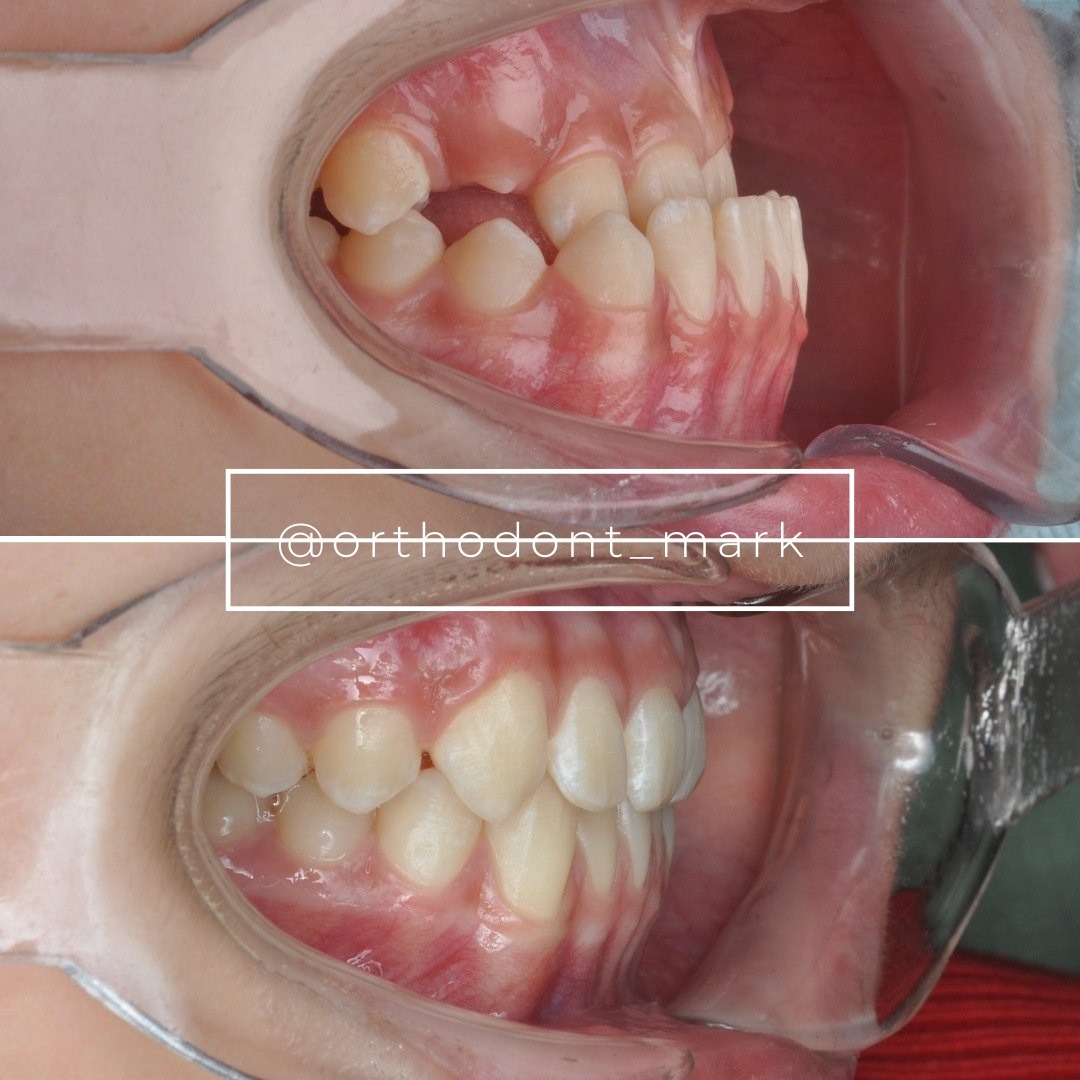
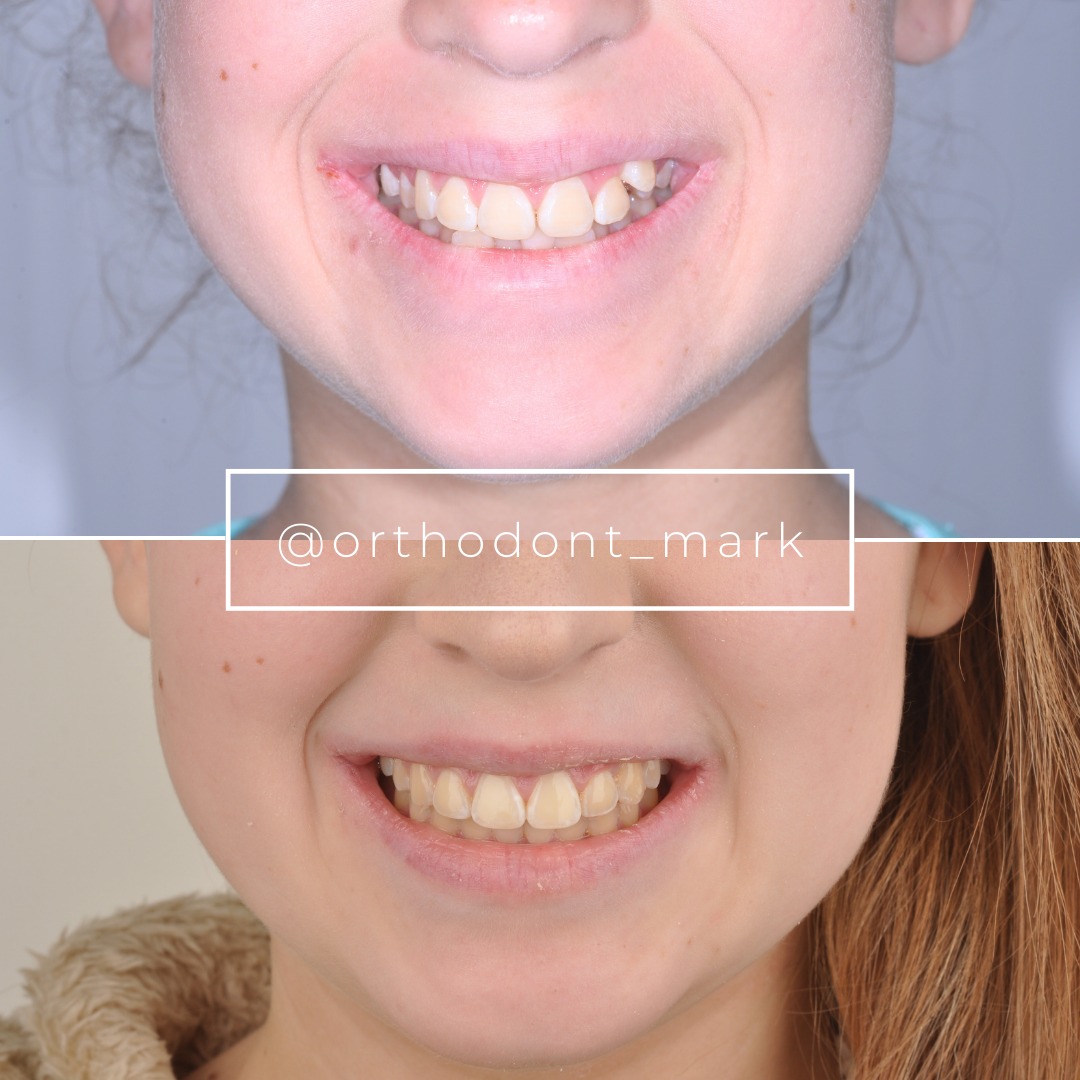
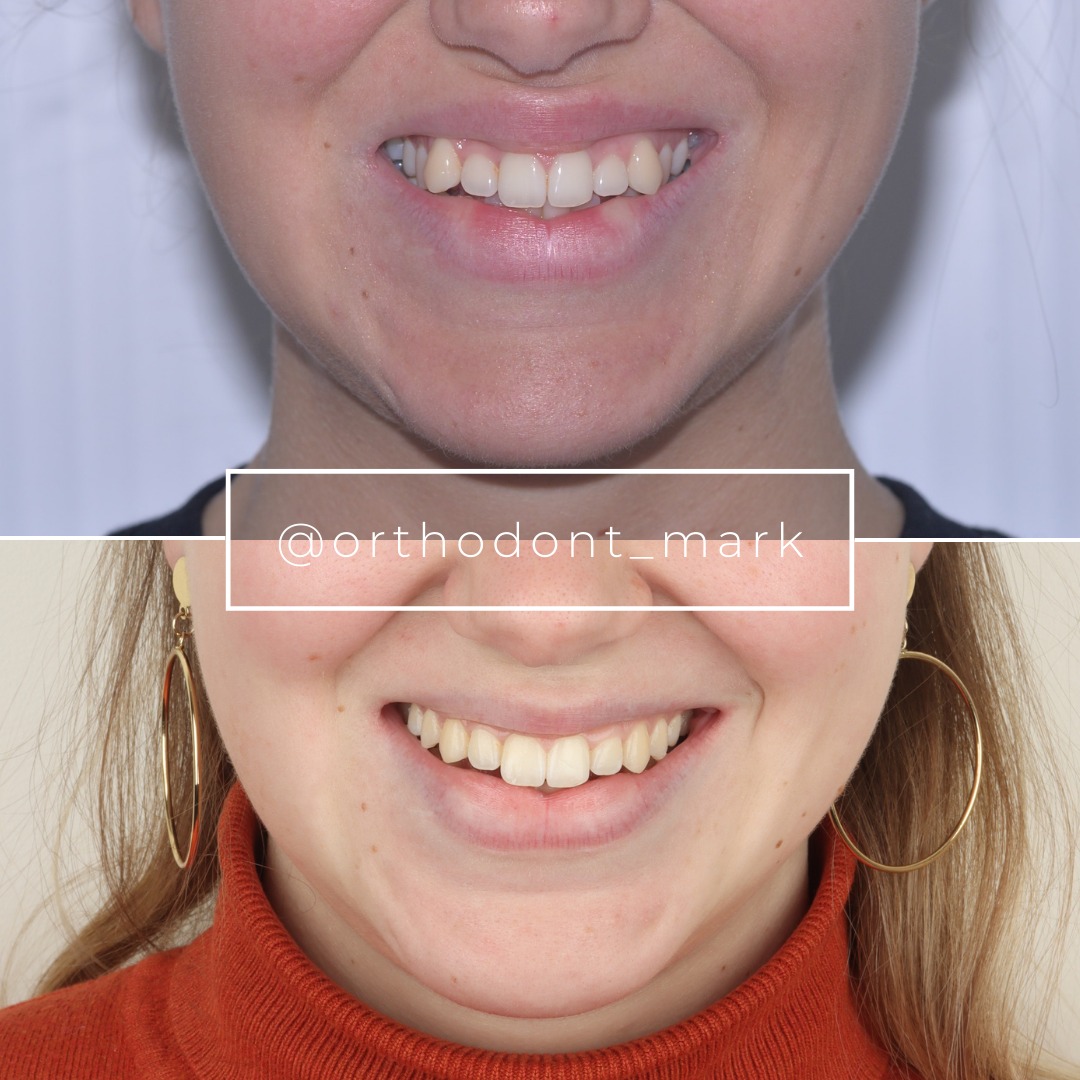
Learn the full MARPE protocol from Dr. Mark Radzhabov
Fundamental course covering CBCT patient selection, miniscrew planning, activation protocols, and 60+ clinical cases. Choose the access level that fits your practice.
Essentials of rapid palatal expansion for practicing orthodontists.
- Core RPE concepts and biomechanics
- 6 structured video lessons
- Clinical decision checklists
- Lifetime access to recordings
Deep-dive into MARPE protocol, diagnostics, and clinical execution.
- 6 modules covering MARPE from A to Z
- CBCT case selection walkthroughs
- Miniscrew placement and activation
- 60+ annotated clinical cases
- Direct Q&A with Dr. Mark Radzhabov
5-element medical consultation framework for dentists and orthodontists.
- Trust-building consultation protocol
- 5 lesson modules
- Templates for treatment plan delivery
- Works with any clinical specialty
Clinical FAQ
How do I assess midpalatal suture maturation on CBCT for MARPE patient selection?
Review sagittal slices through the midline and assign a stage (A–E) based on suture density, width, and calcification pattern. Stage A shows a wide, radiolucent suture; stage E shows complete obliteration. This classification predicts skeletal expansion response.
What is the optimal age window for MARPE in patients with stage C sutures?
Patients aged 14–18 with stage C maturation typically show the most favorable skeletal response (2–4 mm) with minimal dentoalveolar tipping. Beyond age 20, stage C patients achieve smaller skeletal gains and higher risk of root resorption.
Can MARPE be used successfully in stage D or E suture patients?
MARPE in stage D–E patients yields predominantly dentoalveolar expansion (3–4 mm) with minimal skeletal change. Success is possible if patients are counseled on limited skeletal potential and orthognathic correction may be needed later.
How do I measure skeletal maxillary width on CBCT for expansion indications?
Measure internal maxillary width (pyriform aperture width or nasal floor width) on coronal CBCT slices. Compare to age–sex reference values; ≥2 standard deviations below normal indicates skeletal maxillary constriction warranting expansion.
What CBCT field of view (FOV) is recommended for MARPE planning?
A FOV encompassing the entire maxilla from nasal floor to hard palate, with cervical vertebrae included for skeletal maturity staging. Slice thickness ≤1.0 mm allows accurate suture and bone visualization for miniscrew placement planning.
Should I obtain CBCT before recommending tooth-borne RPE or MARPE?
Yes. CBCT clarifies whether maxillary constriction is skeletal or dentoalveolar, suture maturation stage, and palatal bone quality. This information guides selection between tooth-borne RPE (suitable for younger, stage A–B patients) and MARPE (preferred for late pubertal and post-pubertal patients).
How do I identify safe miniscrew placement zones on CBCT?
Plan placement in the palatal vault 6–7 mm posterior to the anterior nasal spine, centered sagittally, where cortical bone is thickest. Assess root proximity and assess for greater palatine neurovascular bundle. Virtual surgical planning reduces operative risk.
Can I use CBCT to predict the amount of skeletal expansion I will achieve?
Suture stage is the strongest predictor: stage A–B typically yields 4–6 mm; stage C yields 2–4 mm; stage D–E yield <1 mm skeletal expansion. Patient age, growth stage, and activation rate refine this estimate.
What are the red flags on CBCT that contraindicate MARPE?
Stage E fused suture, severely compromised palatal bone (pneumatization, prior cleft repair without bone graft), absence of true skeletal maxillary constriction, or severe anterior-posterior maxillary deficiency better addressed by orthognathic surgery. Cleft palate requires case-specific assessment.
How should I document CBCT findings to support informed consent for MARPE?
Create a standardized report including suture stage, skeletal width measurements with percentiles, palatal bone assessment, miniscrew placement plan, and a clear recommendation (MARPE, RPE, or alternative). This supports patient communication and medical-legal clarity.
Strategic MARPE patient selection begins at the CBCT console: assess midpalatal suture maturation stage, confirm transverse maxillary deficiency, and evaluate skeletal and dental relationships before committing to miniscrew placement. Dr. Mark Radzhabov recommends integrating these CBCT criteria into your diagnostic flowchart for every patient presenting with maxillary constriction. For guidance on implementing this protocol in your practice or reviewing complex cases, visit ortodontmark.com to schedule a clinical consultation or explore Dr. Mark's comprehensive MSE treatment planning resources.

