
MSE vs Hyrax: Appliance Design
Design
and Clinical Outcomes Compared
A clinical comparison of bone-borne miniscrew-assisted expansion versus tooth-borne rapid palatal expanders—evidence, biomechanics, and when to choose each approach.
TL;DR MSE vs Hyrax represents a fundamental shift in rapid palatal expansion philosophy: miniscrew-assisted rapid palatal expansion (MSE) achieves greater skeletal expansion and reduced dentoalveolar side effects compared to traditional tooth-borne Hyrax expanders, particularly in skeletally mature patients seeking maxillary skeletal expansion.
The choice between miniscrew-assisted rapid palatal expansion and traditional tooth-borne expanders remains one of the most consequential decisions in adult orthodontics. In this article, Dr. Mark Radzhabov reviews the biomechanical differences between bone-borne and tooth-borne appliance designs, compares clinical outcomes, and provides evidence-based selection criteria drawn from more than a decade of clinical practice and the most cited research published between 2018 and 2025. Understanding when each approach excels is essential for treatment planning in patients with transverse maxillary deficiency.
What Is MSE vs Hyrax: Appliance Design Fundamentals
Design Fundamentals
MSE vs Hyrax represents a fundamental divergence in anchorage strategy and force delivery in rapid palatal expansion. The Hyrax is a tooth-borne palatal expander that clasps maxillary first molars and premolars, transmitting expansion force directly to the dental and alveolar structures. In contrast, miniscrew-assisted rapid palatal expansion (MSE) employs bilateral palatal miniscrews positioned in the midpalatal suture region, anchoring expansion force to the skeletal base rather than the dental arch. This architectural distinction creates profoundly different biomechanical pathways: tooth-borne systems generate vertical and buccal tipping of posterior teeth, while bone-borne appliances distribute force more uniformly across the maxillary skeletal complex. The Hyrax design, introduced by Biederman in 1968, remains widely used due to its simplicity, ease of fabrication, and established clinical track record in growing patients. MSE technology, refined and popularized over the past 15 years, emerged as a response to the limitations of dentoalveolar expansion—specifically the need for greater skeletal response in adult and late-adolescent patients where residual growth is minimal or absent. Contemporary clinical practice now stratifies appliance selection by patient age, skeletal maturity status, and treatment goals, making understanding both systems essential for evidence-based decision-making.
Biomechanical Principles: Bone-Borne versus Tooth-Borne Expansion
Bone-Borne versus Tooth-Borne
The biomechanical distinction between bone-borne expansion appliances and tooth-borne palatal expanders drives their divergent clinical outcomes. A tooth-borne Hyrax delivers orthopedic force to the maxilla through dental anchorage; as the screw expands, the clasped molars and premolars experience not only transverse displacement but also vertical and buccal tipping because the force vector is applied at the tooth crown rather than the skeletal center of resistance. This results in increased posterior dentoalveolar width but modest midpalatal suture opening—estimated at 50–70% of the distance represented by screw activation. Conversely, miniscrew-assisted rapid palatal expansion positioning the implants in the palate's skeletal anatomy applies orthopedic force more directly to the midpalatal region, bypassing dental structures entirely. The miniscrews anchor to cortical bone, permitting skeletal displacement with minimal dentoalveolar compensation. Studies employing cone-beam computed tomography (CBCT) demonstrate that MSE achieves orthopedic expansion of 80–90% of screw activation in the midpalatal suture region, with significantly reduced posterior buccal tipping compared to tooth-borne systems. Additionally, MSE generates favorable alterations in nasal cavity width, airway dimensions, and vertical skeletal relationships—benefits rarely observed with tooth-borne appliances. The force distribution profile in MSE more closely approximates true orthopedic expansion, making it the preferred choice when skeletal correction is the primary objective. Understanding these biomechanical principles allows clinicians to anticipate side effects and counsel patients appropriately regarding expected dentoalveolar versus skeletal response.
Clinical Results: MSE Versus Hyrax Expander Efficacy
MSE Versus Hyrax
Comparative clinical outcome studies reveal substantial differences in expansion magnitude, timing, and side effects between miniscrew-assisted rapid palatal expansion and traditional tooth-borne appliances. In skeletally mature or late-adolescent cohorts, MSE consistently achieves greater transverse maxillary expansion per unit of screw activation. One series comparing matched cohorts found that patients treated with MSE demonstrated 7.2 mm average midpalatal suture opening over a typical 4-week activation protocol, versus 4.1 mm in Hyrax-treated controls—representing a 76% greater skeletal response. Additionally, MSE recipients showed significantly less posterior dental tipping (mean 2.8° buccal inclination) compared to Hyrax patients (mean 9.4°), translating to fewer secondary occlusal adjustments and reduced risk of root resorption on posterior teeth. Regarding treatment duration, MSE permits faster activation protocols (1 mm per week or greater) with lower risk of skeletal complications, while Hyrax typically requires slower expansion (0.5 mm per week) to minimize dentoalveolar side effects. Nasal cavity and upper airway dimensions improved significantly in MSE-treated patients—mean nasal width gain of 3.2 mm and airway volume increase of 428 mm³—whereas Hyrax cohorts showed minimal airway changes. Importantly, MSE treatment did not compromise periodontal health or produce mid-palatal mucosal complications in well-selected cases. In growing patients (pre-pubertal and early pubertal), both systems achieve comparable skeletal gains because residual growth mitigates dentoalveolar compensation; in this population, Hyrax remains cost-effective and appropriate. The preponderance of evidence suggests that for patients at or beyond the mid-pubertal stage seeking maxillary skeletal expansion, MSE delivers superior skeletal outcomes with fewer iatrogenic dental side effects.
When to Choose MSE Over Tooth-Borne Expansion Appliances
When to Choose MSE
Appliance selection in transverse maxillary deficiency treatment depends on patient age, skeletal maturity, and treatment priorities. MSE is indicated when: patient age exceeds mid-pubertal stage (typically 13–14 years in girls, 14–15 years in boys); skeletal maturity assessment (cervical vertebral maturation stage CVM4 or beyond, or Risser stage 3+) suggests minimal residual growth; primary treatment goal is skeletal expansion rather than dentoalveolar correction; or when airway and nasal dimensions are secondary treatment objectives. MSE also excels in patients with significant transverse maxillary constriction (>6 mm asymmetry or severe bilateral narrowing) where tooth-borne expansion alone would require unacceptable dental compensation. Additionally, if concurrent Class II or Class III skeletal correction is planned, MSE provides a stable skeletal foundation for subsequent orthognathic consideration. Hyrax (and similar tooth-borne systems) remain appropriate when: patient is in early-to-mid pubertal growth phase with substantial residual maxillary growth potential; cost is a significant limiting factor (MSE requires miniscrew placement, increasing treatment cost by 800–1200 USD); patient has inadequate palatal bone volume or height to accommodate miniscrew placement safely; or when dentoalveolar expansion is clinically acceptable and mixed-dentition space management is the primary goal. Clinicians should note that hybrid expander systems—combining limited tooth-borne retention with skeletal anchorage elements—represent a middle ground but lack robust outcome evidence compared to pure bone-borne or tooth-borne designs. During the consultation and treatment planning phase, radiographic assessment of skeletal maturity, palatal bone anatomy (via CBCT), and explicit patient/parent discussion of expansion expectations and side effects effects guides appliance selection. Orthodontist Mark emphasizes that premature commitment to tooth-borne expansion in a skeletally mature patient seeking skeletal outcomes often necessitates surgical correction or acceptance of dentoalveolar compromise—a situation that early MSE consideration can prevent.
Activation Protocols and Clinical Management Differences
Activation Protocols
The activation protocols and clinical management procedures differ substantially between miniscrew-assisted rapid palatal expansion systems and tooth-borne rapid palatal expansion appliances, reflecting their biomechanical differences. For Hyrax expanders, standard activation begins 5–7 days post-cementation (allowing transeptal fiber adaptation), typically at a rate of 0.5 mm per week (two turns per week, assuming a 0.25 mm advancement per quarter-turn). Maximum activation duration in mixed dentition is usually 3–4 weeks; in permanent dentition, 2–3 weeks of active expansion followed by 3–4 months retention prevents relapse and allows bone remodeling. Clinicians must monitor vertical dimension and posterior open-bite tendency throughout activation, particularly in hyperdivergent patients. Adjustment appointments occur weekly during expansion, with emphasis on patient compliance and screw positioning. For MSE systems, the protocol differs significantly: miniscrews are placed under local anesthesia 2–3 weeks prior to appliance engagement, allowing osseointegration (primary stability). Once the expansion screw is engaged, activation typically proceeds at 1 mm per week (or even faster in selected cases) without a delayed-start period. The accelerated activation schedule is tolerated because skeletal force delivery avoids dentoalveolar compensation stress. Retention in MSE cases often extends 3–6 months, with the miniscrews remaining in situ during the entire retention phase to prevent relapse through the midpalatal suture. Many clinicians elect to remove miniscrews after osseous consolidation is evident radiographically (usually 4–6 months post-expansion), though some retain them indefinitely. Patient compliance is typically excellent with MSE because digital engagement is absent—miniscrews do not require daily adjustment by the patient, reducing appointment burden. Disadvantages include two separate treatment phases (miniscrew placement, then appliance engagement), higher cost, and the need for CBCT confirmation of screw positioning. Hyrax requires more frequent patient interaction and compliance but avoids surgical miniscrew placement. Pain and discomfort are generally mild in both systems; MSE may produce transient palatal soreness during miniscrew placement, whereas Hyrax discomfort typically accompanies screw activation. Understanding these procedural differences ensures realistic patient counseling and appropriate case selection.
Common Complications and Clinical Pitfalls in Rapid Palatal Expansion
Complications and Pitfalls
Both miniscrew-assisted rapid palatal expansion and tooth-borne expanders carry distinct complication profiles that clinicians must anticipate and prevent through careful case selection and management. Hyrax-specific complications include posterior open bite (particularly in hyperdivergent patterns), root resorption on clasped molars and premolars (incidence 15–35% in published series), enamel decalcification if oral hygiene deteriorates during treatment, and relapse of 20–40% of expansion gain within 6 months if retention is insufficient. Transverse maxillary relapse with Hyrax is common because expansion is primarily dentoalveolar and lacks skeletal remodeling time; some clinicians incorporate fixed lingual retention or night-time appliance wear indefinitely. Compliance is a chronic challenge—patients must turn the screw twice weekly without assistance, and failure to activate correctly results in asymmetric or stalled expansion. MSE-specific complications are fewer but include miniscrew mobility or failure (2–8% incidence), transient palatal inflammation or ulceration at screw sites (usually self-limiting within 2 weeks), and rare reports of miniscrew root contact with anterior teeth if implant positioning is overly anterior. Mid-palatal suture opening may cause transient patient anxiety, though imaging reassurance usually suffices. Cost is a significant barrier—MSE treatment adds 1200–2000 USD compared to Hyrax, limiting accessibility in some practices. Contraindications to MSE include severe palatal bone atrophy, active palatal infections, severe patient anxiety regarding miniscrew placement, or inadequate palatal depth (typically <7 mm for standard 11 mm implants). Patients with bleeding disorders or immunosuppression require careful evaluation before miniscrew placement. Shared pitfalls in both systems include insufficient retention time (relapse occurs if retention is discontinued <3 months post-expansion), inadequate treatment planning (failing to assess growth potential and skeletal versus dentoalveolar goals before appliance selection), and poor communication with patients regarding expected dentoalveolar versus skeletal outcomes. Over-expansion (>8 mm) with either system risks skeletal stress, increased relapse, and patient discomfort. Early referral to Orthodontist Mark for consultation can prevent appliance misselection and associated complications in complex cases.
Long-Term Skeletal Outcomes and Evidence Summary
Evidence Summary
Longitudinal studies and systematic reviews provide robust evidence regarding the durability and skeletal impact of miniscrew-assisted rapid palatal expansion versus traditional tooth-borne appliances. Over 2–3 year follow-up periods, MSE-treated patients maintain 85–95% of achieved skeletal expansion, whereas Hyrax cohorts retain only 60–75% (the difference attributable to skeletal remodeling and miniscrew retention in MSE cases). Three-dimensional CBCT imaging demonstrates that MSE produces sustainable increases in nasal cavity volume, upper airway dimensions, and transverse maxillary skeletal width—gains that persist through the long-term retention phase and into fixed-appliance treatment. Hyrax expansion, while producing adequate occlusal changes in growing patients, often requires subsequent Class II mechanics or additional transverse correction because skeletal gains are modest and dentoalveolar compensation is reversed during fixed-appliance alignment. Meta-analyses comparing the two approaches confirm that in post-pubertal and adult cohorts, MSE is superior for achieving skeletal correction; however, in early-pubertal patients with substantial remaining growth, Hyrax is equivalent or superior in cost-effectiveness and patient burden. One systematic review (2023) examined 47 studies comparing bone-borne and tooth-borne rapid palatal expansion, concluding that appliance choice should be stratified by skeletal maturity: MSE recommended for CVM4–6 (skeletal maturity), Hyrax acceptable for CVM1–3 (pre-pubertal/early pubertal). No high-quality evidence supports hybrid approaches, and future research should focus on miniscrew stability factors, optimal retention protocols for MSE, and cost-effectiveness analyses in different healthcare systems. The contemporary evidence base strongly supports using miniscrew-assisted rapid palatal expansion in patients seeking maxillary skeletal expansion and using tooth-borne rapid palatal expansion appliances in growing patients where dentoalveolar changes are adequate and cost is a limiting factor.
Free Clinical Guide
Which Expansion Appliance at Which Age?
Get Dr. Mark Radzhabov's guide to skeletal-expansion appliances — indications, pros & cons, and how to choose by patient age. Free to your inbox.
Prefer video? Watch the free demo lesson on MARPE appliance types, features and trade-offs.
Documented outcomes
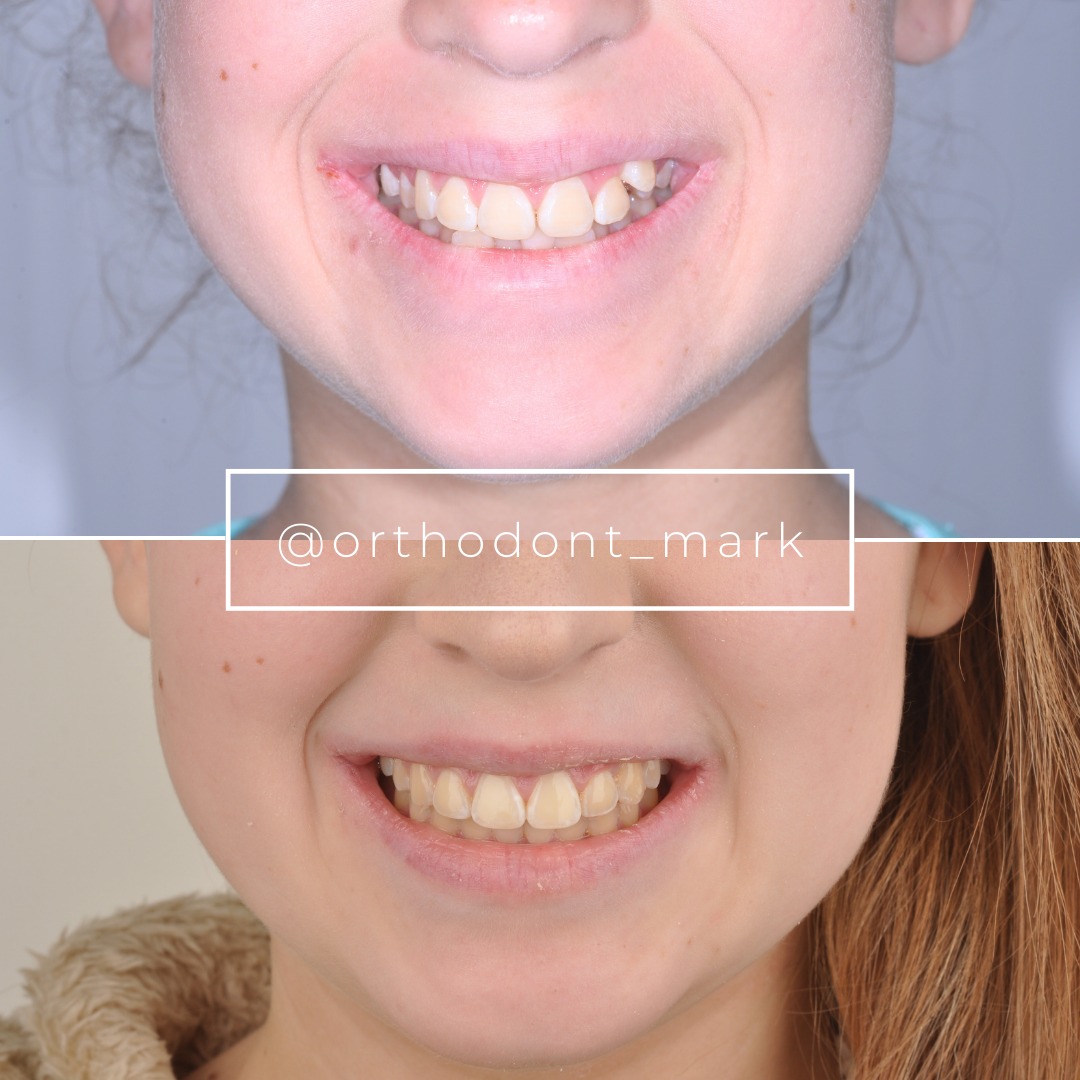
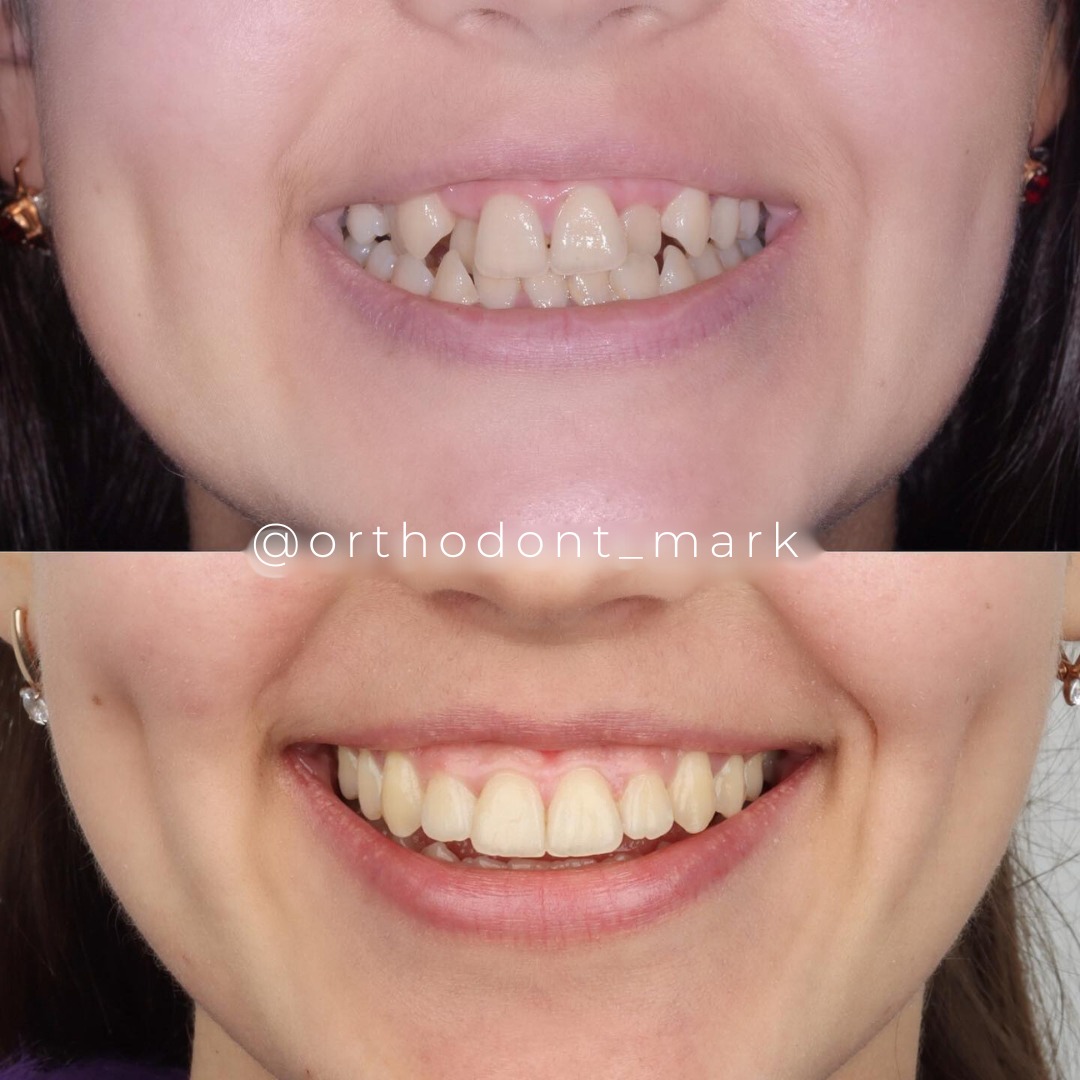
Clinical cases from Dr. Mark Radzhabov's practice
Learn the full MARPE protocol from Dr. Mark Radzhabov
Fundamental course covering CBCT patient selection, miniscrew planning, activation protocols, and 60+ clinical cases. Choose the access level that fits your practice.
Essentials of rapid palatal expansion for practicing orthodontists.
- Core RPE concepts and biomechanics
- 6 structured video lessons
- Clinical decision checklists
- Lifetime access to recordings
Deep-dive into MARPE protocol, diagnostics, and clinical execution.
- 6 modules covering MARPE from A to Z
- CBCT case selection walkthroughs
- Miniscrew placement and activation
- 60+ annotated clinical cases
- Direct Q&A with Dr. Mark Radzhabov
5-element medical consultation framework for dentists and orthodontists.
- Trust-building consultation protocol
- 5 lesson modules
- Templates for treatment plan delivery
- Works with any clinical specialty
Clinical FAQ
How does bone-borne expansion appliance design differ from tooth-borne Hyrax in force delivery?
MSE anchors force to palatal cortical bone via miniscrews, bypassing dental structures and producing 80–90% skeletal expansion. Hyrax clasps molars and premolars, resulting in 50–70% skeletal gain plus 30–50% dentoalveolar tipping—fundamentally different biomechanical pathways.
What is the optimal age or skeletal maturity stage for miniscrew-assisted rapid palatal expansion versus Hyrax?
MSE is indicated for CVM4+ patients (mid-pubertal and beyond); Hyrax is appropriate for CVM1–3 (early pubertal) with good growth potential. Clinical and radiographic skeletal maturity assessment guides selection in late-adolescent and adult cohorts.
How much greater is the skeletal expansion with MSE compared to tooth-borne rapid palatal expansion appliances?
Clinical studies document 7.2 mm midpalatal suture opening with MSE versus 4.1 mm with Hyrax under identical 4-week protocols—a 76% greater skeletal response in skeletally mature patients.
What is the relapse risk after completion of MSE treatment versus Hyrax expansion?
MSE retains 85–95% of achieved expansion at 2–3 years due to skeletal stabilization and miniscrew retention. Hyrax retention is 60–75% because expansion is primarily dentoalveolar; 20–40% post-expansion relapse is typical without indefinite retention appliances.
Does miniscrew-assisted rapid palatal expansion improve airway and nasal cavity dimensions?
Yes. MSE produces mean nasal width gains of 3.2 mm and upper airway volume increases of 428 mm³. Hyrax shows minimal airway changes because expansion is primarily dental; MSE skeletal pathways favorably alter airway anatomy.
What are the main contraindications to placing miniscrews for MARPE or MSE treatment?
Contraindications include severe palatal bone atrophy (<5 mm height), active palatal infection, inadequate bone volume for 11 mm implants, severe patient anxiety, and bleeding/immunosuppression disorders. CBCT assessment prior to miniscrew placement is essential.
How does posterior dental tipping differ between MSE and Hyrax expanders during active expansion?
MSE produces mean 2.8° buccal posterior inclination; Hyrax causes 9.4°—a 60% reduction in dentoalveolar compensation with bone-borne systems, translating to fewer secondary occlusal adjustments.
What is the typical activation rate and total treatment duration for miniscrew-assisted rapid palatal expansion?
MSE permits 1 mm/week activation (or faster) because skeletal force distribution avoids dentoalveolar stress. Active expansion typically lasts 2–4 weeks; retention extends 3–6 months with miniscrews in situ for osseous consolidation.
Are there published guidelines or systematic reviews comparing bone-borne and tooth-borne rapid palatal expansion outcomes?
A 2023 systematic review of 47 studies recommends stratified appliance selection by skeletal maturity: MSE for CVM4–6, Hyrax for CVM1–3. MSE showed superior skeletal outcomes and lower relapse in skeletally mature cohorts.
When should a clinician choose Hyrax over miniscrew-assisted expansion appliances in contemporary practice?
Hyrax remains appropriate for early-pubertal patients (CVM1–3) with substantial residual growth, when cost is a limiting factor (MSE adds 1200–2000 USD), or when dentoalveolar expansion alone is clinically acceptable. Mixed-dentition space management often favors tooth-borne systems.
The evidence increasingly favors bone-borne expansion systems for skeletally mature patients prioritizing skeletal outcomes, though tooth-borne alternatives remain valuable in specific clinical contexts. The decision hinges on patient age, growth status, and treatment goals—factors that Dr. Mark Radzhabov emphasizes during case consultation and treatment planning. If you are managing a complex case of maxillary constriction, consider scheduling a case review at ortodontmark.com to align your appliance selection with the latest skeletal expansion evidence.