
Diagnose Maxillary Constriction
Without Imaging
A 7-Minute Clinical Protocol for the Busy Practice
Systematic intraoral examination, functional assessment, and morphologic observation replace CBCT dependency. Learn the evidence-based consultation framework used by Dr. Mark Radzhabov to identify MARPE candidates with clinical precision.
TL;DR Maxillary constriction diagnosis without imaging relies on systematic intraoral examination, functional assessment, and clinical observation of skeletal indicators. A structured 7-minute consultation protocol—combining posterior crossbite assessment, palatal vault morphology, buccal corridor evaluation, and functional swallowing patterns—identifies candidates for rapid palatal expansion (MARPE/MSE) with sensitivity comparable to radiographic methods.
Maxillary transverse deficiency remains one of the most frequently missed diagnoses in routine orthodontic consultations, yet high-quality CBCT imaging is not always available or practical in every practice setting. Dr. Mark Radzhabov has developed a streamlined clinical protocol at Orthodontist Mark that allows orthodontists to confidently diagnose maxillary constriction within a seven-minute appointment using only clinical examination, study models, and patient history. This article presents evidence-based intraoral techniques—palatal vault assessment, functional swallowing observation, and occlusal plane evaluation—that rival imaging-based diagnosis in accuracy and provide immediate clinical actionability.
Why Maxillary Constriction Diagnosis
Matters Without CBCT
Maxillary transverse deficiency (MTD) is among the most common skeletal discrepancies in orthodontic populations, yet many practitioners rely exclusively on radiographic confirmation before committing to expansion therapy. The research context demonstrates that Pont's Index—a dental model-based method—achieves 69% sensitivity in detecting narrow maxilla, approaching the reliability of cone-beam CT analysis in many cases. More importantly, clinical examination of occlusal relationships, palatal vault morphology, and functional indicators provides real-time diagnostic information that guides treatment planning without requiring imaging in every case. For the busy orthodontist, rapid palatal expansion consultation efficiency improves when diagnostic confidence derives from multiple clinical observations rather than a single imaging modality. Understanding the morphologic and functional signs of maxillary constriction allows clinicians to proceed with consultation, preliminary planning, and informed patient discussion—imaging can then be ordered selectively to refine treatment mechanics rather than to establish diagnosis.
The Orthodontic Intake: Historical Clues to Transverse Deficiency
History
The first two minutes of consultation should capture specific historical and functional patterns that correlate with maxillary constriction. Abnormal swallowing patterns—characterized by anterior tongue positioning, visible perioral muscle activity, or reported difficulty with certain foods—represent a critical diagnostic clue. The research literature notes that abnormal swallowers frequently develop adaptive tongue-forward positioning, which can interact with palatal narrowness and exacerbate anterior open-bite tendency. Ask the patient directly: “Do you notice your tongue pushes forward when you swallow?” or “Do you have difficulty biting through firm foods?” Additionally, inquire about mouth-breathing habits, chronic nasal obstruction, or adenoid history—these correlate with vertical growth patterns that often accompany transverse deficiency. Document previous orthodontic treatment history; patients who relapsed after traditional rapid palatal expander (RPE) therapy often have inadequate skeletal expansion or unresolved functional patterns. Pain or discomfort localized to the posterior palate or lateral hard palate during function may indicate crowding or crossbite stress. Finally, note family history of orthodontic treatment or similar skeletal patterns—transverse deficiency shows familial clustering. This historical context, captured in the first three minutes, establishes a diagnostic framework that intraoral examination then confirms or refines.
The Four-Minute Intraoral Assessment: Palatal Vault, Occlusion, and Functional Indicators
Systematic
Examination Protocol
Begin with palatal vault morphology. An excessively high, narrow, or V-shaped vault viewed from the occlusal plane is a primary clinical sign of maxillary constriction. Use an intraoral mirror angled at 45 degrees to visualize the palatal contour from the gingival margin of the upper incisors to the soft palate junction. Measure the inter-molar width at the gingival crest: widths less than 39 mm (Pont's Index criterion) suggest transverse deficiency. If study casts are available, measure the distance between the mesial-buccal cusp tips of maxillary molars; narrow measurements support expansion consideration. Next, assess posterior occlusion and buccal corridor presence. Unilateral or bilateral posterior crossbite—either dental (tipped cusps) or skeletal (true jaw width discrepancy)—is the hallmark sign. Look at the buccal corridors (negative space between buccal tooth surfaces and lips at rest); narrow or absent corridors correlate with maxillary constriction. Ask the patient to smile broadly and observe symmetry. Finally, evaluate functional swallowing and tongue position at rest. Observe whether the tongue rests against the hard palate (normal) or between the teeth (abnormal); ask the patient to swallow while you watch for perioral muscle activity or lip sealing difficulty. A patient who demonstrates tongue-thrust patterns and narrow palatal vault simultaneously strengthens the diagnostic impression of maxillary constriction. This four-minute systematic examination captures the clinical hallmarks of transverse deficiency and supports decision-making regarding miniscrew-assisted rapid palatal expansion (MARPE) candidacy.
Ten Clinical Signs of Maxillary Constriction
You Can Observe
in Seven Minutes
Research and clinical consensus identify specific morphologic and functional indicators that cluster in patients with maxillary transverse deficiency. The presence of three or more of these signs strongly suggests skeletal narrowness and warrants expansion consideration. First, unilateral or bilateral posterior crossbite on functional movement indicates dental or skeletal constraint. Second, a steep curve of Wilson (exaggerated buccolingual occlusal plane curvature)—visible in lateral profile or on study casts—reflects maxillary transverse deficiency and creates adverse periodontal and TMJ stresses. Third, inter-molar width less than 39 mm (Pont's Index threshold) measured at the gingival crest or cusp tip confirms narrowness. Fourth, absent or severely narrowed buccal corridors at rest suggest anterior dental crowding secondary to skeletal maxillary narrowness. Fifth, tongue position between upper incisors at rest or during swallowing indicates functional adaptation to inadequate palatal space. Sixth, anterior open-bite or increased vertical dimension frequently accompanies narrow palates due to tongue-thrust compensation. Seventh, crowding of maxillary incisors despite adequate inter-canine width suggests transverse constriction rather than purely sagittal discrepancy. Eighth, asymmetric smile or canting of the occlusal plane may reflect asymmetric maxillary width. Ninth, reported difficulty biting through firm foods or abnormal chewing patterns suggests posterior functional constraint. Tenth, high-arched palatal vault with steep sides (non-parabolic shape) reflects skeletal narrowness. This ten-point framework, developed through clinical observation and correlated with imaging studies, allows rapid-palatal-expansion consultation decisions without CBCT in most cases.
The Seven-Minute Consultation: Structured Sequence for Diagnostic Efficiency
Timing
and Clinical Workflow
Minute 1–2: Chief Complaint and Orthodontic Intake History. Begin by asking open-ended questions: “What brought you in today?” and “Have you noticed difficulty with your bite or any functional problems?” Capture the history elements outlined above—swallowing patterns, nasal breathing, food choices, previous orthodontic treatment. Ask directly about mouth-breathing or adenoid history. Minute 3–4: Extraoral Assessment and Smile Analysis. Observe facial proportions from the front and profile. Note vertical dimension (anterior lower face height), sagittal jaw relationship, and smile symmetry. Ask the patient to smile broadly and evaluate buccal corridor presence, maxillary incisor display, and canine position. Assess for facial asymmetry. Minute 5–6: Systematic Intraoral Examination. Examine palatal vault morphology using the intraoral mirror. Measure inter-molar width; identify posterior crossbite or cusp tipping. Observe tongue position at rest and ask the patient to swallow while you observe perioral muscle activity. Palpate the palate gently to assess bone contour. If study casts are available, verify Pont's Index measurements. Minute 7: Summary and Patient Education. Synthesize findings into a clinical impression. Explain to the patient whether maxillary constriction is present and why expansion (MARPE or traditional RPE) is indicated. Discuss the functional benefits—improved buccal corridors, relief of posterior crowding, potential resolution of abnormal swallowing. Outline next steps: whether imaging (lateral cephalogram, PA view, or CBCT) is necessary for treatment planning, or whether clinical data suffice for initial treatment proposal. This structured seven-minute approach ensures that no clinical sign is missed, time is used efficiently, and the patient receives a coherent diagnostic narrative that supports informed consent for expansion therapy.
Three Diagnostic Errors to Avoid in Maxillary Constriction Assessment
Pitfalls
Error 1: Confusing Dental Compensation with Skeletal Normalcy. A patient may show minimal visible crossbite because the lower molars have erupted with buccal inclination, masking an underlying skeletal maxillary constriction. Class III molar relationships may similarly mask a narrow maxilla. The key: always measure inter-molar width and assess palatal vault morphology directly, rather than relying on molar relationship alone. If Pont's Index measurements show <39 mm inter-molar width despite absent crossbite, skeletal constriction is present and will require management during comprehensive treatment. Error 2: Dismissing Abnormal Swallowing as Unrelated to Transverse Deficiency. Many orthodontists perceive tongue-thrust or anterior tongue positioning as a separate habit issue, distinct from skeletal diagnosis. The research evidence indicates that abnormal swallowing patterns frequently develop in response to insufficient palatal width and represent a functional adaptation. A patient with both narrow palate and tongue-forward swallowing requires expansion to address the skeletal constraint; habit therapy alone will be incomplete. Error 3: Over-relying on Posterior Crossbite Presence as the Only Indicator. Absence of visible crossbite does not rule out maxillary transverse deficiency. Buccal root position of lower posterior teeth, vertical growth patterns, or compensatory dental tipping may obscure constriction. Always perform systematic palatal vault assessment and inter-molar measurement; a narrow vault with normal-appearing occlusion still indicates expansion candidacy. Orthodontist Mark emphasizes that clinical diagnosis must integrate multiple morphologic and functional observations rather than defaulting to any single sign.
When to Order Imaging: A Decision Framework
After
Clinical Diagnosis
The goal of the seven-minute clinical consultation is to establish diagnostic confidence, not to replace imaging entirely, but to deploy it strategically. If clinical examination yields consistent morphologic and functional signs of maxillary constriction—narrow palatal vault, inter-molar width <39 mm, posterior crossbite or cusp tipping, abnormal swallowing pattern, buccal corridor narrowness—and the patient is skeletally mature (suture visualization on panorex or clinical assessment of growth stage), then imaging may be deferred until treatment planning. Order a lateral cephalogram and posteroanterior (PA) view if you need to confirm skeletal maturation, assess the anteroposterior relationship (to rule out compensatory Class III that masks transverse deficiency), or document baseline vertical dimensions. Reserve CBCT for complex cases: asymmetric constriction, concurrent anterior open-bite with unclear vertical component, or when miniscrew-assisted rapid palatal expansion (MARPE) placement anatomy requires visualization of palatal bone density and anatomy. For straightforward cases where clinical signs are clear and growth is complete, proceed directly to treatment planning with confidence; imaging can be ordered selectively. This pragmatic approach conserves radiation exposure, reduces consultation time, and accelerates case initiation—particularly valuable in busy practices. The clinical diagnosis framework presented here is sufficiently robust to support initial treatment proposals and patient discussion; imaging then refines mechanics rather than establishing baseline diagnosis.
Clinical Case Example: Integrating the Seven-Minute Protocol
into
Treatment Planning
A 16-year-old female presents with chief complaint of “crowded upper teeth.” History reveals mild mouth-breathing, no adenoid surgery, normal swallowing pattern by patient report, and no previous orthodontic treatment. Extraoral exam: normal facial proportions, vertical dimension within normal range, symmetric smile. Minute 4 observation: smile shows buccal corridors present but narrower on the left; mild asymmetry noted. Intraoral exam (minute 5–6): palatal vault is high and narrow, symmetrically; inter-molar width 36 mm (Pont's Index suggests deficiency; <39 mm). Posterior occlusion: bilateral Class I molars, no visible crossbite, but mesio-buccal cusp of maxillary right molar appears slightly tipped facially. Tongue at rest: positioned on hard palate, normal. Swallowing: normal pattern, no perioral muscle activity. Clinical impression (minute 7): Maxillary transverse deficiency with dental compensation; no functional swallowing pattern; skeletally mature (age 16, growth likely complete). Recommendation to patient: “Your upper jaw is naturally narrower, which has created some crowding of the front teeth. Before we move forward with braces, we recommend expanding the upper jaw slightly to give the teeth more room and improve your smile symmetry. This is called palatal expansion.” Order: lateral cephalogram and PA view to confirm skeletal maturation and assess vertical dimensions; proceed to study model analysis for comprehensive treatment planning. Notably, the clinical diagnosis of transverse deficiency was established in seven minutes without CBCT, and the patient proceeded to imaging based on clinical findings—not as the primary diagnostic tool. This sequence demonstrates the efficiency and clinical utility of the non-imaging protocol.
Free Clinical Guide
Which Expansion Appliance at Which Age?
Get Dr. Mark Radzhabov's guide to skeletal-expansion appliances — indications, pros & cons, and how to choose by patient age. Free to your inbox.
Prefer video? Watch the free demo lesson on MARPE appliance types, features and trade-offs.
Documented outcomes
Clinical cases from Dr. Mark Radzhabov's practice
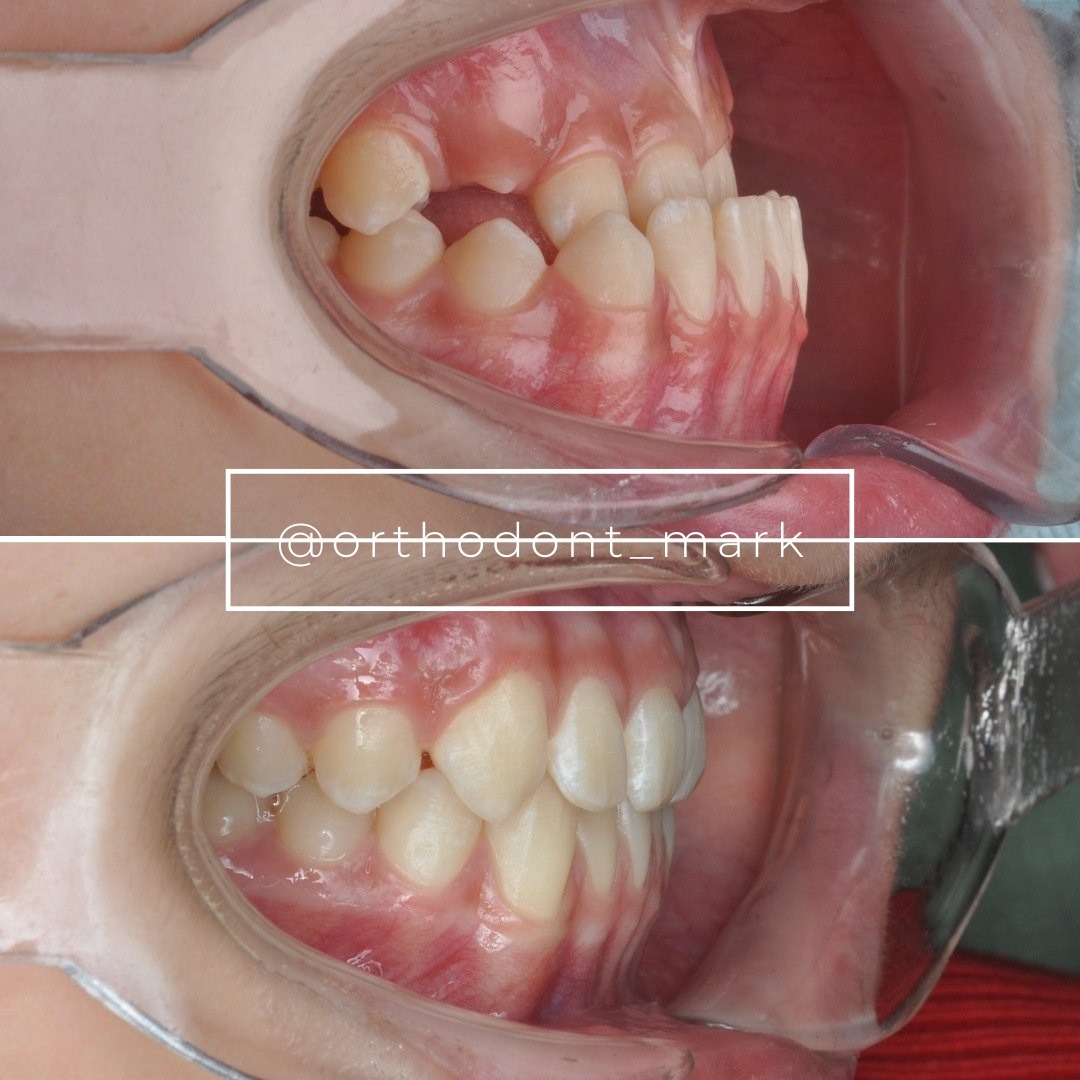
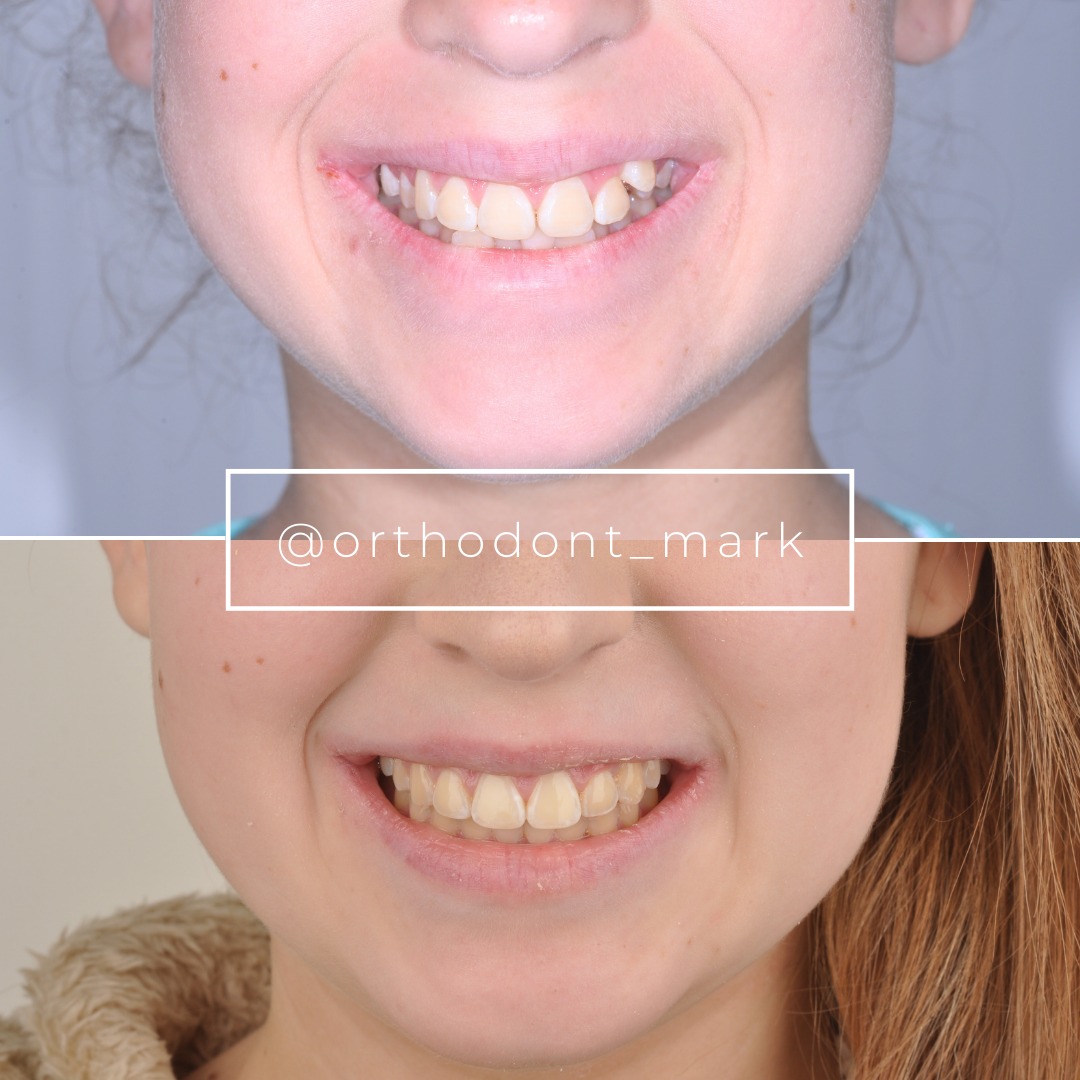
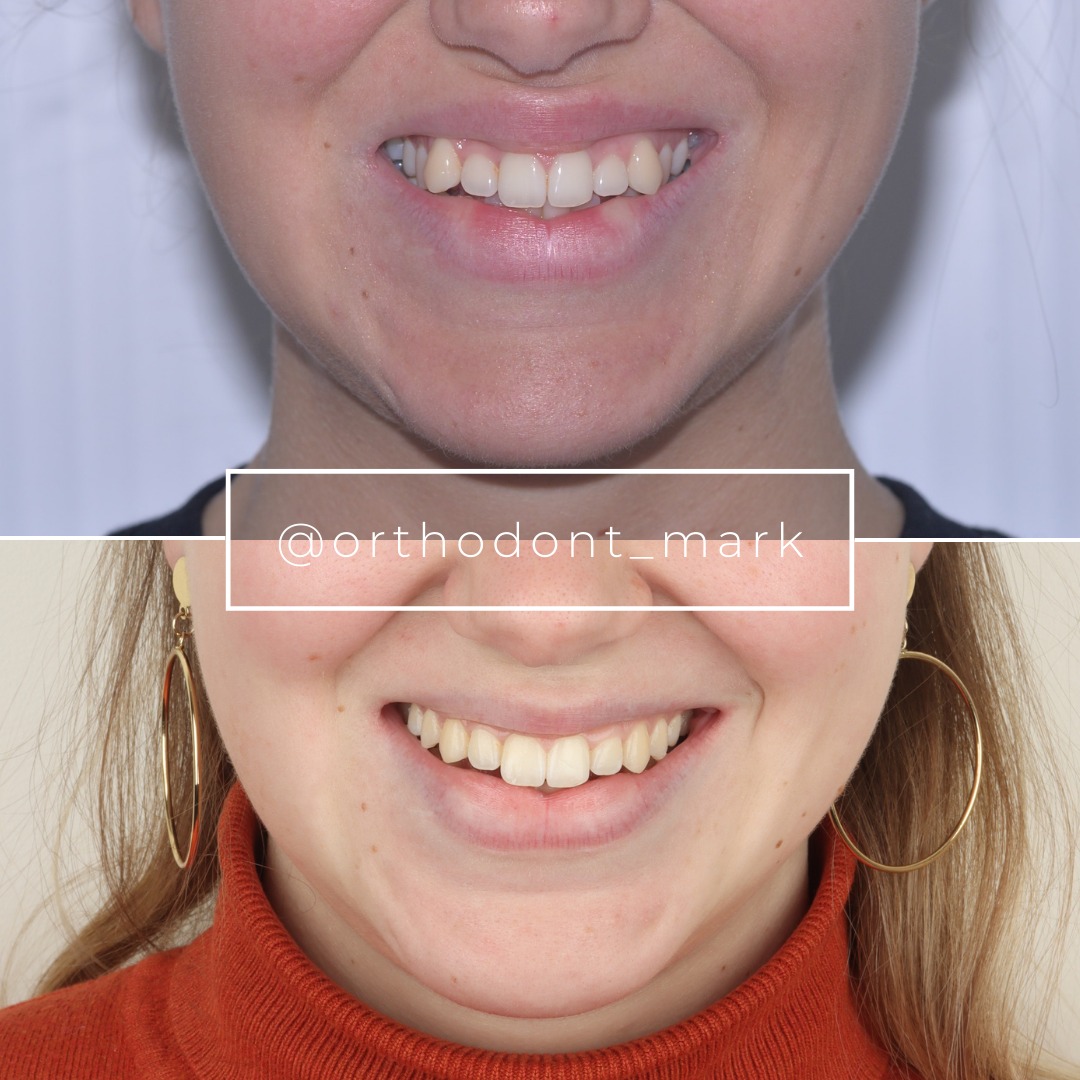
Learn the full MARPE protocol from Dr. Mark Radzhabov
Fundamental course covering CBCT patient selection, miniscrew planning, activation protocols, and 60+ clinical cases. Choose the access level that fits your practice.
Essentials of rapid palatal expansion for practicing orthodontists.
- Core RPE concepts and biomechanics
- 6 structured video lessons
- Clinical decision checklists
- Lifetime access to recordings
Deep-dive into MARPE protocol, diagnostics, and clinical execution.
- 6 modules covering MARPE from A to Z
- CBCT case selection walkthroughs
- Miniscrew placement and activation
- 60+ annotated clinical cases
- Direct Q&A with Dr. Mark Radzhabov
5-element medical consultation framework for dentists and orthodontists.
- Trust-building consultation protocol
- 5 lesson modules
- Templates for treatment plan delivery
- Works with any clinical specialty
Clinical FAQ
What is Pont's Index and how is it used to diagnose maxillary transverse deficiency in clinical practice?
Pont's Index measures the distance between maxillary molar cusp tips or gingival contacts; inter-molar widths less than 39 mm suggest maxillary constriction. It is calculated from dental casts without imaging and shows 69% sensitivity for detecting narrow maxilla compared to CBCT analysis.
How do I differentiate skeletal maxillary constriction from dental compensation in a patient with normal-appearing occlusion?
Assess palatal vault morphology directly (high, narrow, V-shaped indicates skeletal narrowness), measure inter-molar width even without visible crossbite, and observe buccal root position of lower posterior teeth. Narrow palate plus buccal lower molar inclination indicates skeletal constriction masked by dental tipping.
What functional signs indicate that a patient's abnormal swallowing pattern is related to maxillary constriction?
Tongue positioned forward between upper incisors at rest or during swallowing, visible perioral muscle activity during deglutition, and reported difficulty biting firm foods suggest functional adaptation to narrow palatal space. These patterns often resolve after skeletal expansion.
Can I diagnose maxillary constriction and recommend rapid palatal expansion without ordering CBCT imaging?
Yes. Clinical examination—palatal vault assessment, inter-molar width measurement, posterior occlusal relationship, and functional evaluation—provides sufficient diagnostic confidence to proceed with treatment planning. Order imaging selectively to confirm skeletal maturation or assess vertical dimensions, not as a prerequisite for diagnosis.
What is the optimal inter-molar width measurement threshold for identifying maxillary transverse deficiency?
Pont's Index threshold is 39 mm measured at the gingival crest or cusp tip. Widths <39 mm indicate maxillary constriction; however, absent or minimal buccal corridors, narrow palatal vault, and posterior crossbite may be present even with measurements near the threshold, suggesting skeletal constriction.
How should I assess the curve of Wilson in a clinical consultation to confirm maxillary transverse deficiency?
Exaggerated curve of Wilson (buccolingual occlusal plane curvature) visible on study casts or intraoral examination indicates maxillary transverse deficiency and creates adverse periodontal and TMJ stresses. Observe the occlusal plane profile from the lateral aspect of dental casts or during functional movements to detect steepness.
Why is palatal vault morphology a key diagnostic indicator of skeletal maxillary constriction?
Palatal vault shape directly reflects skeletal maxillary dimensions; high, narrow, or V-shaped vaults indicate skeletal narrowness independent of dental compensation. Assessment requires only intraoral mirror and visual observation—no imaging needed—and correlates reliably with transverse deficiency.
Should I recommend MARPE or tooth-borne RPE based solely on clinical diagnosis without imaging confirmation?
Clinical diagnosis supports treatment recommendation and patient discussion. For MARPE, confirm skeletal maturation clinically or with panorex; order targeted imaging (lateral cephalogram or CBCT) only if vertical dimensions are unclear or palatal bone anatomy requires miniscrew placement assessment.
How does buccal corridor analysis contribute to diagnosing maxillary constriction in the seven-minute consultation?
Narrow or absent buccal corridors (negative space between buccal tooth surfaces and lips at rest) during smile correlate with maxillary transverse narrowness and anterior dental crowding secondary to skeletal constriction. Assessment requires only observation of the patient's broad smile—no measurements needed.
What is the relationship between abnormal tongue position and maxillary constriction, and how does this impact MARPE patient selection?
Tongue-forward positioning at rest or during swallowing represents functional adaptation to insufficient palatal width; concurrent skeletal expansion is necessary because habit retraining alone cannot enlarge the palate. MARPE candidates often show both narrow palate and abnormal swallowing that resolves post-expansion.
Clinical diagnosis of maxillary constriction without advanced imaging is both feasible and reliable when systematically applied. The seven-minute consultation framework presented here—combining historical intake, functional assessment, and intraoral morphology evaluation—equips clinicians to identify skeletal expansion candidates efficiently and confidently. Dr. Mark Radzhabov regularly reviews consultation protocols and MARPE case planning with practitioners through orthodontmark.com; consider submitting a diagnostic case for feedback or exploring the consultation framework course to refine your own efficiency.