
Alginate Impression Quality Control
Quality Control
for Diagnostic Models
Master material handling, disinfection strategies, and model pouring to eliminate dimensional distortion and ensure diagnostic cast accuracy for treatment planning.
TL;DR Alginate impression quality control ensures dimensional accuracy of diagnostic models critical for treatment planning. Proper powder-water ratios, spray disinfection, and rapid pouring preserve model integrity; immersion disinfection risks significant dimensional distortion and is not recommended for clinical use.
Diagnostic model accuracy forms the foundation of sound treatment planning in orthodontics, particularly when planning skeletal expansion cases. This article examines alginate impression quality control protocols—including material selection, mixing ratios, disinfection strategies, and model pouring procedures—that directly impact the precision of diagnostic casts. Dr. Mark Radzhabov draws on established clinical practices and evidence from dental materials research to provide actionable guidance for maintaining alginate impression integrity from chairside capture through laboratory fabrication.
What Is Alginate Impression Quality Control?
Quality Control
Alginate impression quality control encompasses the standardized procedures that preserve dimensional accuracy from chairside through model fabrication. Unlike newer digital technologies, alginate remains widely used in many orthodontic practices because it is economical, simple to manipulate, and produces accurate diagnostic casts when handled correctly. The material itself—a derivative of brown algae—forms a reversible gel when mixed with water and calcium ions, creating an elastic impression capable of capturing fine anatomical detail. Quality control begins at the mixing stage and extends through disinfection and pouring. Each step introduces potential sources of distortion: improper powder-water ratios, inconsistent mixing time, inadequate disinfection protocols, and delayed pouring all compromise model accuracy. Clinicians who establish standardized workflows report fewer laboratory remakes, improved treatment plan confidence, and faster turnaround times. The evidence shows that a single-protocol approach—consistent ratios, spray-based disinfection, and rapid pouring—yields superior results compared to variable or ad hoc methods.
Powder-Water Ratio and
Mixing Accuracy
in Alginate Impression Techniques
The powder-water ratio is the single most critical variable in alginate impression material preparation. Standard alginate formulations typically call for a ratio of approximately 1 part powder to 1.5–2 parts water by volume, though manufacturers specify exact proportions on each container. Deviation from the specified ratio—even by 5–10%—produces measurable changes in gelation time, viscosity, and the mechanical properties of the final impression. Too much powder relative to water creates a thick, stiff mixture that is difficult to seat properly in the mouth and may not capture fine cuspal and incisal morphology. Conversely, excessive water delays gelation and increases the risk of distortion during removal from undercuts. Many clinicians use manufacturers' scoops and graduated water dispensers to ensure consistency, yet hand-measuring or eyeballing proportions remains common in some practices—a practice that introduces uncontrolled variability. Digital scales and pre-dosed capsule systems eliminate this source of error entirely. Temperature control of the water also influences gelation time: warm water accelerates setting, cold water delays it. Standard protocols recommend room-temperature water (18–22°C) to achieve predictable setting times of 2–4 minutes. When rapid impressions are required, a small reduction in water volume or use of warm water shortens gelation; when more working time is needed, cooler water extends it. Clinicians planning multiple impressions in a single appointment benefit from understanding this relationship and adjusting water temperature intentionally rather than allowing ambient temperature variation to drive unpredictable working times.
Disinfection Methods:
Spray vs. Immersion
and Impact on Diagnostic Model Accuracy
Infection control is non-negotiable in modern dental practice, yet the disinfection method chosen directly affects alginate dimensional stability. Research comparing spray and immersion disinfection reveals critical differences in how alginate responds to chemical exposure. Spray application delivers disinfectant in fine mist form, limiting penetration depth and contact time; immersion submerges the entire impression in liquid, producing prolonged exposure and significant water uptake or loss depending on the disinfectant pH and osmolarity. A 2010 in vitro study evaluating four common disinfectants—sodium hypochlorite, Micro 10, glutaraldehyde, and Deconex—found that immersion in Deconex and glutaraldehyde produced the greatest dimensional changes in both length and height of poured models. Micro 10 immersion showed the least change, yet spray disinfection with Micro 10, sodium hypochlorite, or glutaraldehyde all demonstrated superior dimensional stability compared to any immersion protocol. The authors concluded that spray application, rather than immersion, is the evidence-based standard for alginate disinfection. Practically, this means applying disinfectant spray evenly to all surfaces of the impression, allowing the specified contact time (typically 10 minutes) while the impression sits on a moisture-controlled surface or in a covered container, then rinsing gently with tap water before pouring. Immersion should be reserved only for those rare situations where spray application is impossible and must be limited to brief exposures (< 1 minute) with Micro 10 if dimensional accuracy is critical. Standard practice in evidence-based offices employs spray disinfection uniformly, eliminating the dimensional risk altogether.
Model Pouring Protocol and
Dimensional Stability
in Diagnostic Cast Fabrication
The interval between alginate impression capture and pouring with gypsum plaster or stone is a critical but often overlooked variable. Alginate is hygroscopic—it absorbs moisture from the environment—and can also lose water if exposed to low humidity or warm conditions. As moisture content changes, the impression dimensions shift measurably. Evidence-based practice dictates pouring impressions within 15–30 minutes of capture; delays beyond 60 minutes introduce uncontrolled dimensional changes that compromise diagnostic accuracy. When impressions must be stored, they should be sealed in a humid environment: placed in a labeled ziplock bag with a damp paper towel or stored in a closed container at room temperature. Some practices use high-humidity storage boxes; others wrap impressions loosely in a damp cloth and place them in plastic sleeves. The goal is to maintain relative humidity near saturation without allowing water to pool on the impression surface, which can cause localized distortion or mold growth. Type III dental stone plaster is the standard for diagnostic casts in orthodontics. The pouring technique itself influences final model accuracy: stone should be vibrated gently into the impression to eliminate air voids, then allowed to set undisturbed for a minimum of 30 minutes before removal from the impression. Rapid or careless removal can fragment the cast or produce incomplete surface reproduction. Skilled laboratory technicians and experienced clinicians who pour their own models understand that the final model is only as accurate as the impression and the pouring procedure that follows. For those planning skeletal expansion cases, where precise three-dimensional diagnosis is essential, this attention to detail in diagnostic model fabrication directly supports superior treatment planning.
Common Pitfalls in Alginate Impression
Quality Control
and Practical Solutions
Even experienced clinicians encounter preventable errors in alginate impression workflows. The most frequent pitfall is variable material preparation: clinicians mixing by feel or sight rather than using standardized measuring devices introduce uncontrolled variables that compound across multiple patients. A simple solution—adopting pre-dosed capsule systems or digital scales—eliminates this source of distortion entirely and requires minimal additional time or cost. A second common error is delayed pouring or improper storage. Impressions left on the operatory counter at room temperature for hours before reaching the laboratory arrive dimensionally distorted. Establishing a protocol where impressions are poured within 30 minutes of capture, or placed immediately in sealed humid storage with a laboratory requisition, prevents this costly mistake. Some practices designate a specific staff member responsible for impression handling, creating accountability and consistency. Third, inadequate disinfection or use of immersion methods not supported by evidence introduces both infection control gaps and dimensional inaccuracy. Training all clinical staff on spray-based disinfection protocols, the rationale for avoiding immersion, and the 10-minute contact time standard ensures compliance. Many offices post laminated protocol cards at each impressioning station as a visual reminder. Fourth, clinicians often fail to verify impression quality before sending to the laboratory. A well-captured alginate impression should show complete reproduction of all cusps, incisal edges, and marginal ridges without voids or bubbles. If an area is undercut or poorly captured, a second impression should be taken immediately rather than hoping the laboratory can “work with it.” Inspection takes seconds and prevents remakes that delay treatment planning.
Diagnostic Model Accuracy in
Skeletal Expansion Planning
and Treatment Prediction
In orthodontic cases involving palatal expansion—whether using tooth-borne RPE or miniscrew-assisted MARPE protocols—the diagnostic model serves as the baseline reference for assessing skeletal and dental changes throughout treatment. Inaccurate or distorted diagnostic casts lead to flawed treatment predictions, incorrect appliance design, and difficulty objectively measuring treatment progress. The transverse dimension of the maxilla, the position of maxillary molars, and the alignment of the anterior dentition must all be captured with high fidelity for reliable treatment planning. When diagnostic models show dimensional distortion due to poor alginate impression quality control, clinicians may misjudge the severity of crowding, misestimate the amount of expansion needed, or incorrectly predict molar positioning after expansion. These errors cascade through the treatment course. A model distorted by 1–2 mm in transverse dimension can meaningfully alter screw placement, predict appliance activation incorrectly, or result in under- or over-correction of the skeletal discrepancy. Clinicians planning expansion cases therefore benefit from the highest diagnostic accuracy achievable. Furthermore, diagnostic models are used for indirect bonding setup, virtual treatment planning, and comparison with final outcome casts. Poor initial model quality compromises all downstream applications. Advanced diagnostic techniques—including cone-beam computed tomography (CBCT) for skeletal assessment and intraoral digital scanning for detailed tooth position—complement traditional alginate impressions but do not wholly replace them. Many clinicians use both methods: CBCT for skeletal diagnosis and expansion planning, and alginate impressions for detailed cast-based cephalometric analysis and appliance fabrication. Maintaining high alginate impression quality control standards ensures that the diagnostic armamentarium is complete and reliable.
Free Clinical Guide
Which Expansion Appliance at Which Age?
Get Dr. Mark Radzhabov's guide to skeletal-expansion appliances — indications, pros & cons, and how to choose by patient age. Free to your inbox.
Prefer video? Watch the free demo lesson on MARPE appliance types, features and trade-offs.
Documented outcomes
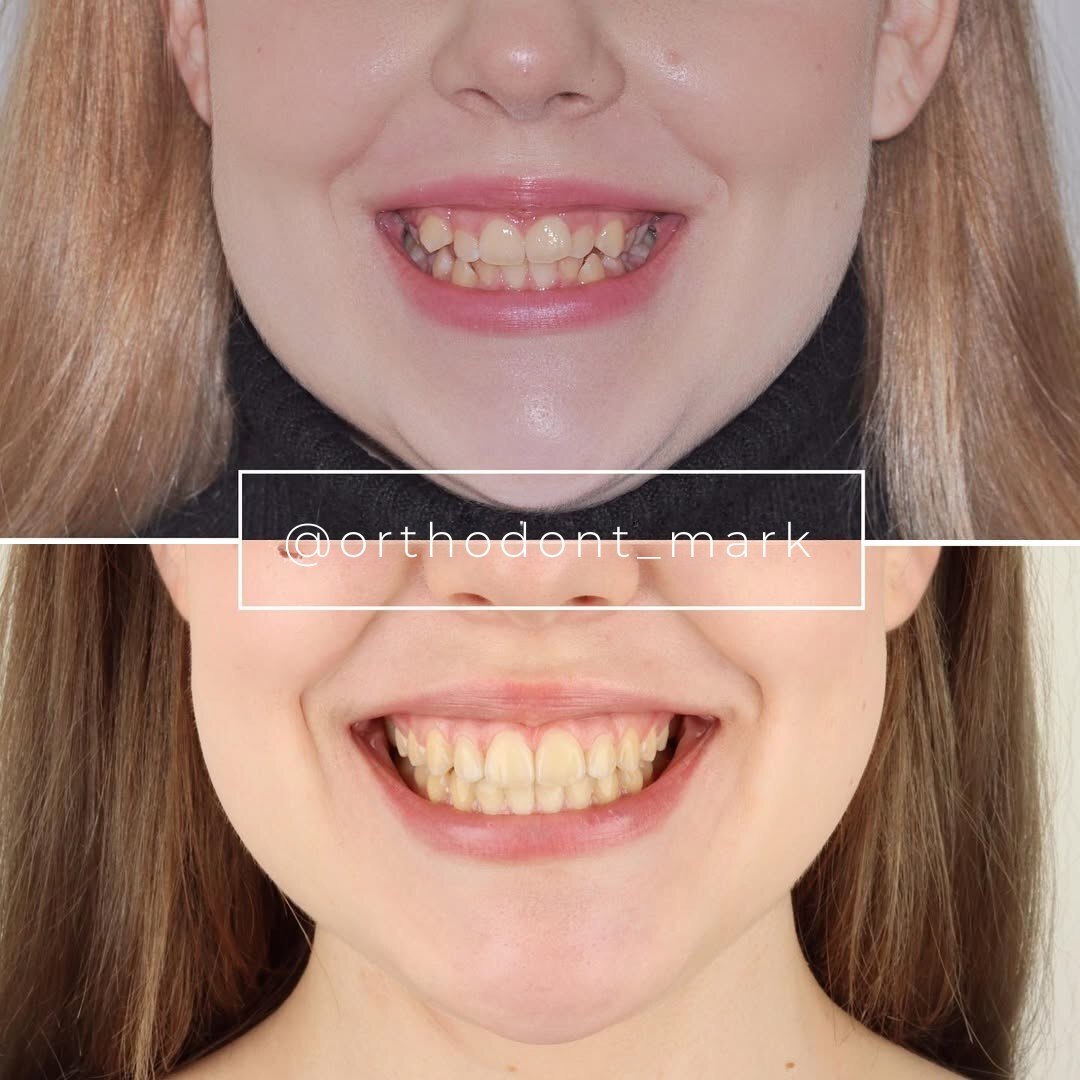
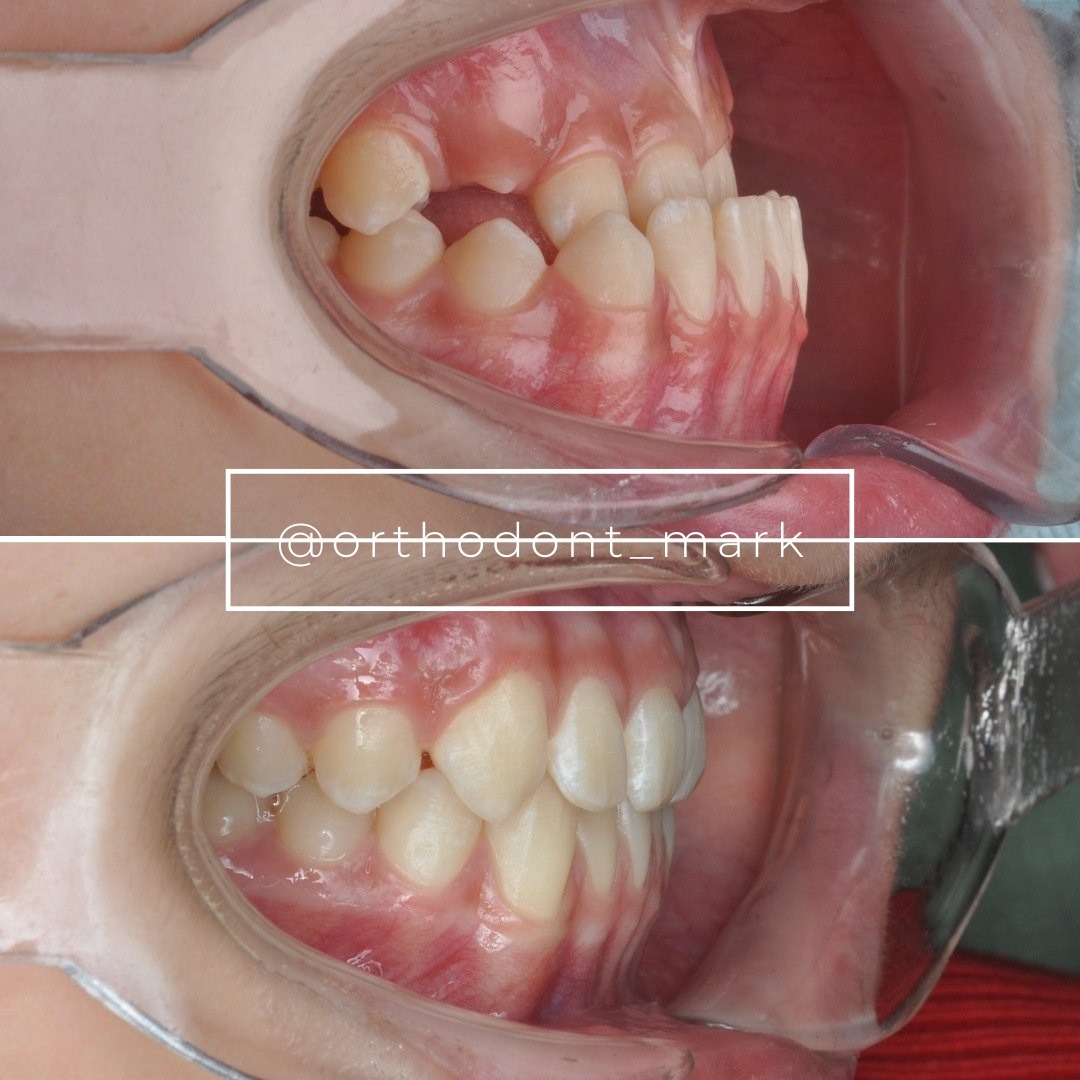
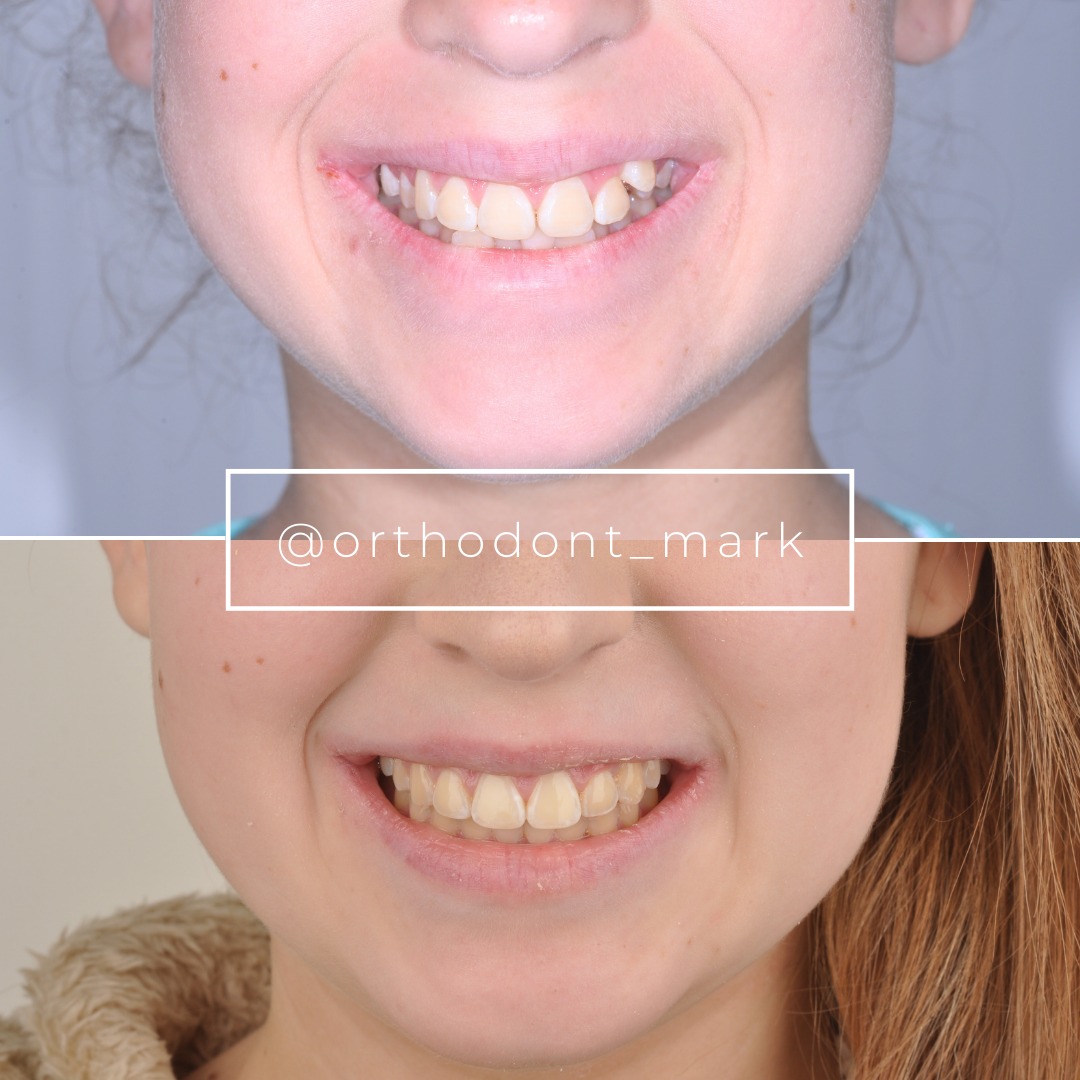
Clinical cases from Dr. Mark Radzhabov's practice
Learn the full MARPE protocol from Dr. Mark Radzhabov
Fundamental course covering CBCT patient selection, miniscrew planning, activation protocols, and 60+ clinical cases. Choose the access level that fits your practice.
Essentials of rapid palatal expansion for practicing orthodontists.
- Core RPE concepts and biomechanics
- 6 structured video lessons
- Clinical decision checklists
- Lifetime access to recordings
Deep-dive into MARPE protocol, diagnostics, and clinical execution.
- 6 modules covering MARPE from A to Z
- CBCT case selection walkthroughs
- Miniscrew placement and activation
- 60+ annotated clinical cases
- Direct Q&A with Dr. Mark Radzhabov
5-element medical consultation framework for dentists and orthodontists.
- Trust-building consultation protocol
- 5 lesson modules
- Templates for treatment plan delivery
- Works with any clinical specialty
Clinical FAQ
What is the optimal powder-water ratio for alginate impression mixing in orthodontic diagnostics?
Manufacturer specifications typically recommend 1 part alginate powder to 1.5–2 parts water by volume. Use pre-dosed capsules or calibrated scoops and graduated water dispensers; deviation beyond ±0.1 ml per measure produces clinically significant changes in gelation time and final impression properties.
Why is spray disinfection preferred over immersion for alginate impression quality control?
Spray application limits chemical penetration and contact duration, minimizing water uptake or loss. Immersion in Deconex and glutaraldehyde produces significant dimensional distortion; only Micro 10 immersion shows acceptable results but remains inferior to any spray method. Evidence-based practice recommends spray exclusively.
How long after alginate impression capture should diagnostic models be poured for maximum accuracy?
Pour impressions within 15–30 minutes of capture. Delays beyond 60 minutes without sealed humid storage introduce measurable dimensional changes due to alginate's hygroscopic nature and water loss at room temperature.
What storage conditions preserve alginate impression dimensional stability before pouring?
Place impressions in sealed plastic bags or containers with a damp paper towel or cloth to maintain high relative humidity (near saturation). Store at room temperature (18–22°C). Avoid direct sunlight or warm environments that accelerate water loss.
Which disinfectants produce the least dimensional change in alginate impressions when applied by spray?
Sodium hypochlorite, Micro 10, and glutaraldehyde all show minimal dimensional change when spray-applied at standard 10-minute contact times. Micro 10 spray and sodium hypochlorite spray are preferred in most evidence-based orthodontic practices for safety and accuracy profiles.
How does diagnostic model accuracy affect skeletal expansion treatment planning and MARPE appliance design?
Distorted diagnostic models compromise transverse dimension baseline assessment and alter predicted expansion vectors. Even 1–2 mm of dimensional error can lead to suboptimal miniscrew placement, incorrect activation protocols, and flawed outcome predictions for skeletal expansion cases.
What are the signs of an inadequate alginate impression that should trigger a retake?
Incomplete reproduction of cusps, incisal edges, or marginal ridges; presence of voids or bubbles in critical areas; visible undercuts or distortions. Retake immediately rather than requesting laboratory adjustments, which introduces additional dimensional error and delays treatment planning.
Does water temperature affect alginate gelation time and working time for clinical impressioning?
Yes. Room-temperature water (18–22°C) produces predictable 2–4 minute gelation. Warm water (25–28°C) accelerates setting for rapid impressions; cool water (10–15°C) extends working time. Intentional temperature adjustment maintains consistency when multiple impressions are required in one appointment.
Why should diagnostic models be inspected before laboratory submission, and what should clinicians verify?
Chairside inspection prevents remakes and treatment plan delays. Verify complete reproduction of all cusps, incisal edges, and marginal ridges; absence of voids or bubbles; clear visualization of marginal tissue contours. Poor impressions identified immediately save days in laboratory turnaround time.
How do pre-dosed alginate capsule systems improve quality control compared to hand-measured powder and water?
Capsule systems eliminate clinician variability in material proportions, ensuring identical powder-water ratios across all patients and operators. Preparation time increases by <30 seconds; consistency and predictability improve dramatically, reducing impression failures and diagnostic inaccuracy.
Alginate remains a practical, economical material for diagnostic impressions when quality control measures are rigorously applied. Clinicians who standardize powder-water ratios, employ spray-based disinfection, and minimize time between impression and pouring will significantly reduce diagnostic model distortion and improve case planning confidence. For detailed protocols tailored to your practice workflow—or to discuss impression strategies for complex expansion cases—visit ortodontmark.com or schedule a consultation with Dr. Mark Radzhabov.