
Clinic Workflow for Diagnosis,
Case Preparation
and Team Roles in MARPE Management
Implement a standardized diagnostic workflow that coordinates team roles, streamlines documentation, and optimizes case selection for rapid palatal expansion therapy.
TL;DR An organized clinic workflow for MARPE diagnosis and case preparation requires systematic diagnostic protocols, clearly defined team roles, and standardized case documentation. This article outlines the diagnostic workflow for rapid palatal expansion cases, including CBCT assessment, miniscrew planning, and interdisciplinary coordination for optimal outcomes.
Successful orthodontic treatment begins long before bracket placement. In this article, Dr. Mark Radzhabov outlines a practical, evidence-based clinic workflow for diagnosis, case preparation, and team coordination in MARPE cases—from initial consultation through miniscrew placement planning. Whether you're leading a solo practice or managing a multi-provider team, a standardized diagnostic workflow minimizes errors, reduces chair time, and improves predictability. This guide is designed for orthodontists, residents, and clinical coordinators who want to implement or refine their expansion case management protocol.
What Is an Orthodontic Diagnostic Workflow?
diagnostic workflow
An orthodontic diagnostic workflow is a systematic, step-by-step protocol that standardizes patient assessment, imaging analysis, team communication, and case preparation to ensure consistent, predictable outcomes in expansion therapy. Unlike ad-hoc consultations, a structured workflow reduces clinical variability, improves staff efficiency, and creates a documented record for treatment planning and informed consent. In practices managing skeletal expansion cases, this workflow bridges the gap between clinical observation and imaging data—particularly CBCT analysis for palatal expansion assessment. The foundation of any diagnostic workflow rests on three pillars: standardized patient intake and history, reproducible imaging protocols, and clearly assigned team responsibilities. Each element serves a specific diagnostic purpose. Patient intake identifies contraindications, medical history, and previous orthodontic treatment. Imaging captures the spatial relationship of skeletal and dental structures at rest. And team role clarity ensures that diagnostic findings are translated into actionable treatment recommendations without duplication or gaps. Orthodontist Mark emphasizes that even experienced practitioners benefit from documented workflows, because they force consistency and create quality control checkpoints.
Imaging Protocols for Palatal Expansion
Assessment
Cone-beam computed tomography (CBCT) is the diagnostic standard for evaluating transverse maxillary deficiency and planning miniscrew-assisted expansion. Unlike two-dimensional cephalographs, CBCT permits volumetric assessment of midpalatal suture separation, cortical bone thickness in potential miniscrew sites, nasal width, and palatal height—parameters essential for case selection and anchoring strategy. A 2022 randomized controlled trial demonstrated that both conventional RPE and MARPE achieved midpalatal suture separation rates near 90–95%, but MARPE produced greater increases in nasal width in the molar region and reduced buccal displacement of anchor teeth compared to tooth-borne expansion. This evidence underscores why imaging must inform device selection: skeletal versus dentoalveolar response depends on force distribution and bone density, both visible on CBCT. In your clinic workflow, establish a reproducible CBCT acquisition protocol—standardized patient positioning, field of view, and slice thickness—so that serial imaging before treatment (T0), immediately after expansion (T1), and after consolidation (T2) can be directly compared. Designate a team member to perform measurements: midpalatal suture opening, posterior nasal width, and buccal alveolar crest position at premolar and molar sites. Document these values in the treatment record and compare them against baseline and published normative data. This discipline prevents operator drift and creates a quality benchmark for your expansion outcomes.
Assigning Team Roles for Expansion
Cases
Skeletal expansion cases involve multiple clinical encounters and decision points. Without explicit role assignment, critical steps are overlooked, communication fails, and patients experience delays. A best-practice team structure includes four primary roles: clinical coordinator (intake & documentation), imaging technician (CBCT protocol & measurement), treatment coordinator (case discussion & informed consent), and surgeon or placing clinician (miniscrew insertion & activation protocol). Each role intersects with the orthodontist's diagnostic and prescriptive authority, but clarity about who does what prevents redundancy and speeds workflow. The clinical coordinator begins during the first visit: they capture chief complaint, medical history, allergy and medication status, and baseline photographs in a structured intake form. This person also prepares the patient for CBCT, explaining the radiation dose (typically 30–50 µSv for low-dose protocols) and what to expect. The imaging technician acquires CBCT according to the practice's standardized acquisition parameters and ensures reproducibility (patient position, FOV, slice thickness). When CBCT arrives, the imaging technician measures predefined landmarks—midpalatal suture width, alveolar bone thickness at planned miniscrew insertion sites, and nasal cavity dimensions—and logs these into the diagnostic summary. The treatment coordinator then schedules a case discussion appointment where the orthodontist reviews findings, discusses treatment options (MARPE vs. conventional RPE, for example), and obtains informed consent. Finally, the placing clinician—whether the orthodontist or an oral surgeon—follows a standardized miniscrew insertion protocol, including antiseptic preparation, anatomical verification, implant position, and torque specification. At each handoff, one person (typically the treatment coordinator) confirms task completion and flags any delays. This accountability structure is especially important in multi-provider practices or when expansion care spans multiple locations.
Diagnostic Criteria for Expansion Case Selection
Protocol
Not every case with transverse maxillary deficiency is appropriate for rapid palatal expansion. Patient age, skeletal maturity, bone density, periodontal health, and treatment goals all influence the decision between conventional tooth-borne RPE, miniscrew-assisted expansion (MARPE/MSE), and surgical-assisted expansion (SARPE). The evidence supports physiological age assessment—not chronological age—as the primary criterion. A 2022 Japanese cross-sectional study demonstrated that cervical vertebral maturation stages (CVMS) correlate reliably with maxillary and mandibular growth velocity. Specifically, significant increases in anterior nasal spine-posterior nasal spine distance (ANS–PNS) and mandibular dimensions occur at predictable CVMS thresholds (CVMS II–III in males, CVMS III–IV in males). This means your diagnostic workflow must include cephalometric growth assessment before committing to expansion. In adolescents with open growth (CVMS II–IV), conventional tooth-borne RPE or MARPE leverages residual suture compliance and growth potential. In skeletally mature patients (CVMS V–VI or fused sutures), MARPE or SARPE becomes necessary to overcome increased bone density and resistance. Your case selection checklist should include: (1) Growth stage via CVMS or other maturation index; (2) Midpalatal suture morphology on CBCT (complete fusion rules out rapid expansion); (3) Alveolar bone thickness and cortical density at planned miniscrew insertion sites; (4) Periodontal probing depths and gingival phenotype (thin biotype increases graft risk); (5) Airway status and sleep history (expansion may improve or worsen sleep-related breathing); (6) Patient compliance and motivation. Document each criterion in the diagnostic summary. If any criterion is unclear, request additional imaging or specialty consultation before proceeding.
Standardized Case Preparation & Informed Consent
Framework
Once diagnostic criteria are met and a treatment plan is chosen, your clinic workflow must include formal case documentation and informed consent. This step protects the patient by ensuring they understand the procedure, risks, and expected timeline. It also protects your practice by creating a contemporaneous record that demonstrates standard of care. A comprehensive expansion case preparation summary should include: (1) Diagnosis statement (e.g., transverse maxillary deficiency, CVMS III, patent midpalatal suture on CBCT); (2) Treatment plan and device choice (e.g., MARPE with dual 6 mm miniscrews, anticipated expansion goal 8 mm); (3) Baseline measurements (suture width, posterior nasal width, alveolar bone thickness, anchoring tooth dimensions); (4) Anticipated timeline: active expansion 8–12 weeks, consolidation 6 months, device removal month 9–12; (5) Patient instructions: activation schedule (e.g., 4 turns on day of placement, 3 turns daily × 10 days per cycle, then rest week), dietary modifications, hygiene protocol; (6) Potential risks and complications (root resorption, alveolar bone loss, nasal width asymmetry, miniscrew loosening, periodontal inflammation); (7) Monitoring schedule (recall every 1–2 weeks during active expansion, monthly during consolidation). Present this summary to the patient during a dedicated treatment planning visit—not during the insertion appointment. Allow time for questions. Provide a written copy to sign and file. Photograph the patient's pre-treatment occlusion and smile for baseline documentation. This deliberate pace demonstrates professionalism, reduces patient anxiety, and gives staff time to prepare for miniscrew placement. Coordinate with any surgical consultant (if MARPE placement is delegated) to confirm that both parties share the same activation protocol and consolidation timeline, because disagreements about pacing can undermine outcomes.
Workflow Mistakes to Avoid in Expansion Case Prep
Management
Skipping CBCT or relying solely on 2D imaging: Without volumetric suture assessment, you cannot verify suture patency or rule out fusion. Unexpected dense bone leads to treatment failure, increased patient cost, and potential miniscrew loss. Inconsistent imaging protocols: If CBCT positioning or slice thickness varies between baseline and follow-up, serial comparison becomes unreliable. Invest in staff training and use a positioning frame if necessary. Unclear role assignment: When no one is explicitly responsible for scheduling miniscrew insertion or tracking consolidation recalls, patients fall through the cracks. Delays accumulate, and expansion stalls. Assign ownership in writing. Activating without documented baseline: If you do not photograph or digitally record the patient's pre-treatment occlusion and suture position, you have no objective reference for progress. This becomes a liability if complications arise. Inconsistent activation schedule: Some practitioners tell patients to self-activate, others change the protocol mid-treatment. Variable activation leads to unpredictable bone response and higher complication rates. Document the protocol and enforce it consistently. Inadequate consent discussion: If the patient does not understand that expansion takes 6–12 months and requires monthly monitoring, expectations collapse by month 3. Invest 20 minutes in a dedicated treatment planning visit with written handouts. Failing to coordinate with miniscrew placing clinician: If the orthodontist and oral surgeon disagree about insertion position or activation pacing, the patient receives conflicting instructions and may lose confidence in both providers. Establish a shared protocol in writing before the first case. Neglecting periodontal assessment: Thin gingival biotype, high probing depths, or active inflammation at miniscrew sites predicts failure. Screen early and refer for perio consultation if needed. Following a standardized workflow does not guarantee perfection, but it eliminates preventable errors and creates accountability when problems occur.
Free Clinical Guide
Which Expansion Appliance at Which Age?
Get Dr. Mark Radzhabov's guide to skeletal-expansion appliances — indications, pros & cons, and how to choose by patient age. Free to your inbox.
Prefer video? Watch the free demo lesson on MARPE appliance types, features and trade-offs.
Documented outcomes
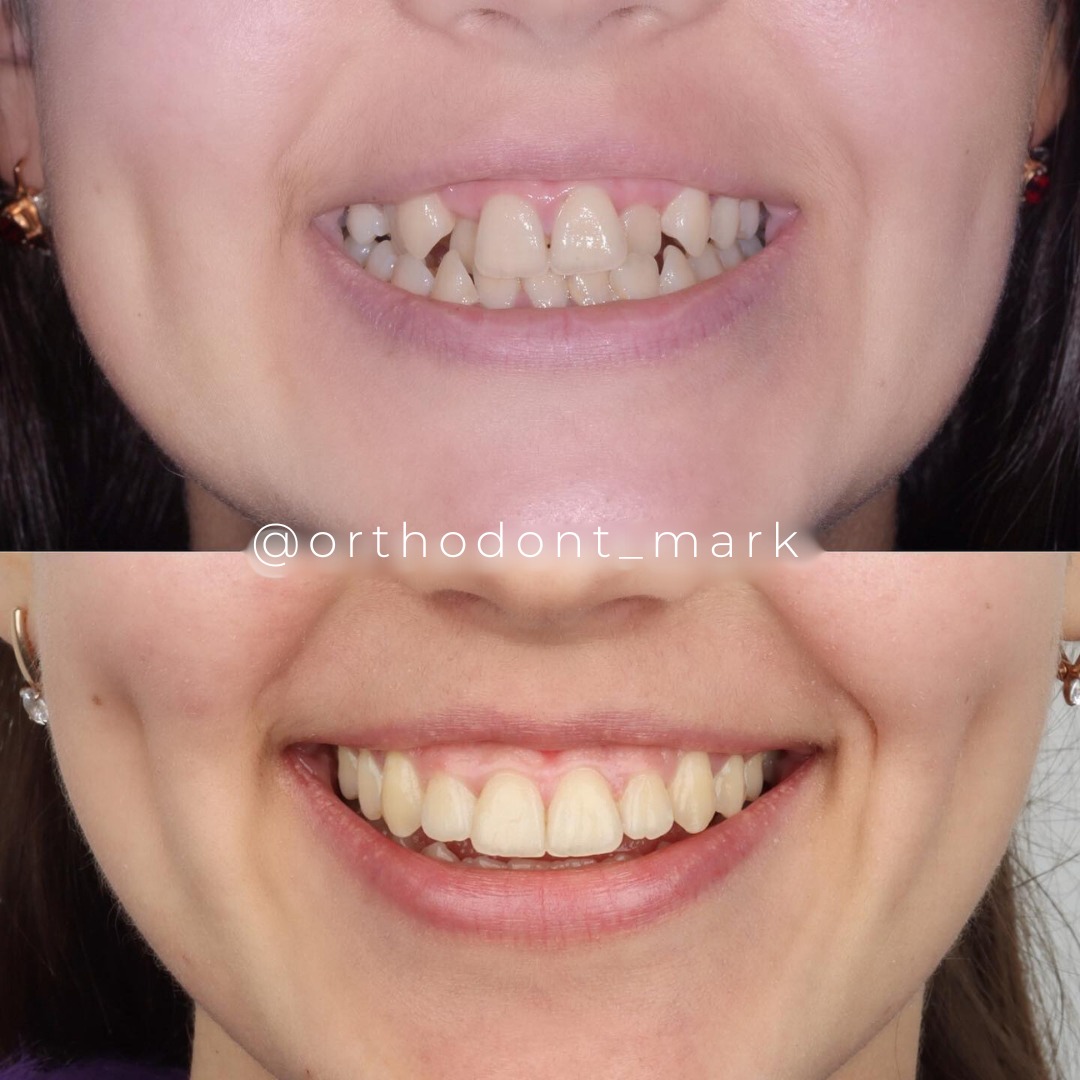
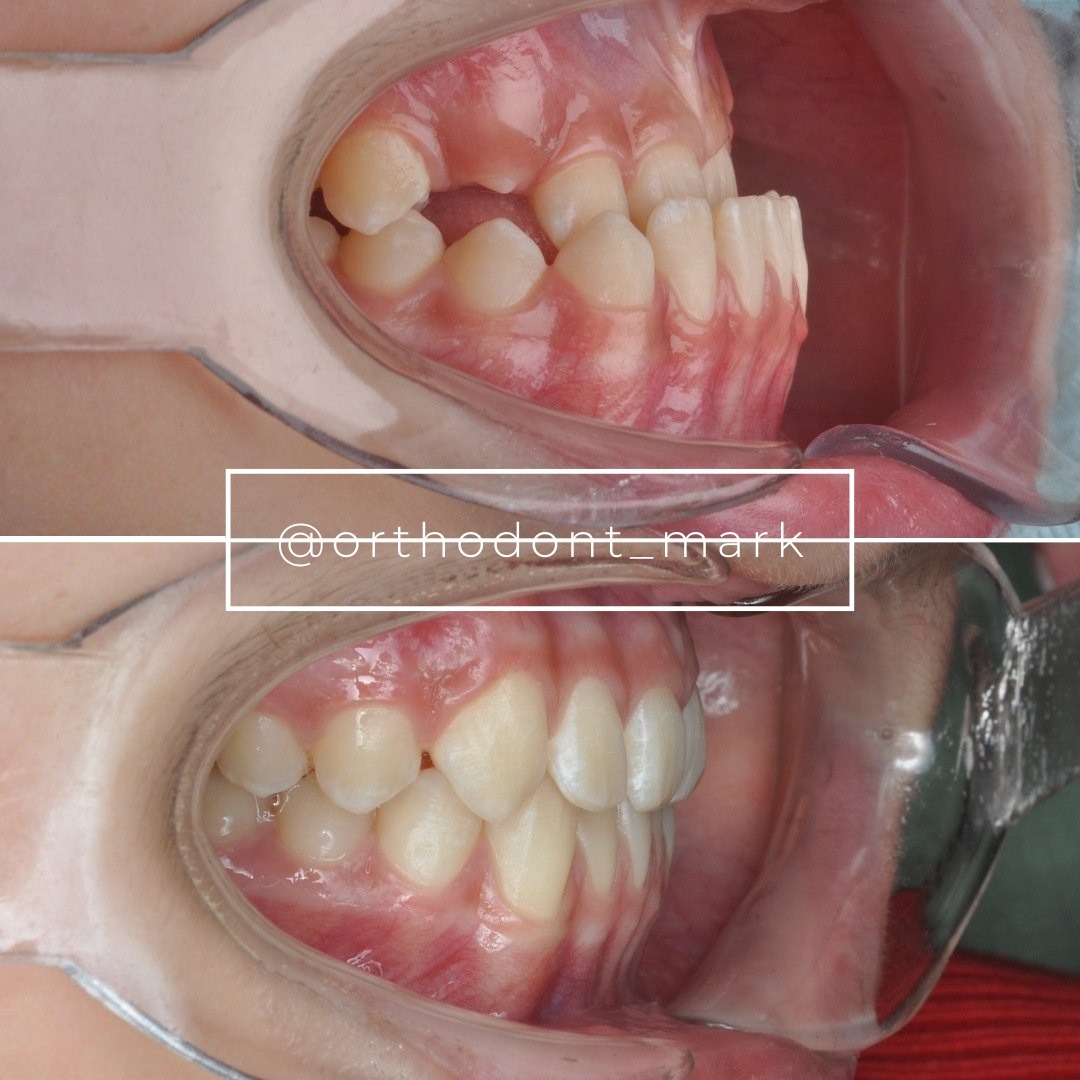
Clinical cases from Dr. Mark Radzhabov's practice

Learn the full MARPE protocol from Dr. Mark Radzhabov
Fundamental course covering CBCT patient selection, miniscrew planning, activation protocols, and 60+ clinical cases. Choose the access level that fits your practice.
Essentials of rapid palatal expansion for practicing orthodontists.
- Core RPE concepts and biomechanics
- 6 structured video lessons
- Clinical decision checklists
- Lifetime access to recordings
Deep-dive into MARPE protocol, diagnostics, and clinical execution.
- 6 modules covering MARPE from A to Z
- CBCT case selection walkthroughs
- Miniscrew placement and activation
- 60+ annotated clinical cases
- Direct Q&A with Dr. Mark Radzhabov
5-element medical consultation framework for dentists and orthodontists.
- Trust-building consultation protocol
- 5 lesson modules
- Templates for treatment plan delivery
- Works with any clinical specialty
Clinical FAQ
What imaging studies are mandatory before MARPE miniscrew placement?
Low-dose CBCT is the diagnostic standard; it reveals midpalatal suture patency, alveolar bone thickness at insertion sites, nasal anatomy, and baseline skeletal relationships. Lateral cephalograph or cone-beam sagittal slices assess growth stage (CVMS). Two-dimensional imaging alone is insufficient.
How do I assess skeletal maturity to decide between RPE and MARPE?
Use cervical vertebral maturation stages (CVMS) from lateral cephalograph. CVMS II–IV indicates residual growth and suture compliance; conventional RPE or MARPE both work. CVMS V–VI (mature/fused) favors MARPE or SARPE. Age alone is unreliable.
What alveolar bone thickness is required for safe miniscrew insertion in the palate?
Minimum 6–12 mm of cortical and cancellous bone combined is preferred. CBCT measurement ensures safe placement distance from tooth roots and blood vessels. Sites with <6 mm require lateral repositioning or alternative anchoring.
How should I assign team roles in a solo orthodontist practice versus a group practice?
Solo: orthodontist performs diagnosis; hire a clinical coordinator for intake/documentation and imaging technician to acquire CBCT. Group: distribute roles explicitly—one provider diagnoses, another coordinates treatment, a third may place miniscrews. Written role descriptions prevent overlap and gaps.
What is the standard activation protocol for MARPE, and can it vary by patient?
Typical: 4 turns day-of-insertion, 3 turns daily × 10 days, then 1-week rest; repeat cycle. Total active expansion ≥8 weeks; consolidation 6 months. Vary only if CBCT shows unexpected resistance or periodontal issues emerge; document changes and rationale.
How often should patients be recalled during the active expansion phase of MARPE treatment?
Every 1–2 weeks during active expansion to verify compliance, assess periodontal response, monitor for root resorption, and document progress with CBCT or clinical photos. Monthly recalls continue during 6-month consolidation period.
What periodontal factors contraindicate miniscrew-assisted expansion?
Probing depths >3 mm, active inflammation, thin gingival biotype (<2 mm), or high muscle pull in planned insertion sites. Refer to periodontist for evaluation or optimization before miniscrew placement to reduce graft risk.
Should CBCT be repeated during the consolidation phase of MARPE?
Yes, at T2 (after 3-month consolidation) to verify stable suture separation, assess bone fill, and document alveolar crest position. Comparison to T0 (baseline) and T1 (post-expansion) reveals skeletal and dentoalveolar changes and informs retention strategy.
How do I document informed consent for MARPE in a way that protects my practice?
Written consent form should include: diagnosis, treatment plan, anticipated timeline (8–12 weeks active + 6 months consolidation), activation protocol, risks (root resorption, bone loss, asymmetry, miniscrew loosening), monitoring schedule, and patient signature. File with chart and reference at each visit.
What should I do if a patient refuses CBCT or delayed imaging before miniscrew placement?
Defer miniscrew placement. Document the refusal in the chart and explain (in writing) that volumetric imaging is essential for safe placement and treatment planning. Offer low-dose CBCT as a standard of care; if refused, provide alternative options (e.g., defer expansion, consider conventional RPE if age-appropriate).
A well-structured diagnostic workflow and clear team assignments transform how your clinic manages complex skeletal expansion cases. By implementing systematic protocols for patient assessment, imaging analysis, and treatment planning, you create consistency, improve communication, and enhance clinical outcomes. Dr. Mark Radzhabov's framework—detailed throughout this article—is grounded in clinical practice and evidence-based protocols. Ready to audit your clinic workflow? Schedule a case review or enroll in Orthodontist Mark's advanced MARPE curriculum to build team competency.