The Diagnostic Conversation Framework
for MARPE patient assessment
A 4-Question Protocol Applied to Orthodontics
Master the Mayo Clinic diagnostic method adapted for skeletal expansion. Structure your consultations to uncover patient expectations, assess growth status, clarify treatment goals, and confirm commitment before recommending miniscrew-assisted palatal expansion or other skeletal interventions.
TL;DR A structured diagnostic conversation framework—adapted from Mayo Clinic methodology—guides clinicians through systematic patient assessment for MARPE and skeletal expansion. Four targeted questions address patient expectations, skeletal maturity, treatment goals, and commitment to care, enabling evidence-based treatment planning and informed consent.
Diagnosing the right patient for miniscrew-assisted rapid palatal expansion (MARPE) begins long before any surgical or interventional decision. At its core lies a clinical conversation—structured, intentional, and designed to extract the information needed for evidence-based treatment planning. In this article, Dr. Mark Radzhabov adapts the Mayo Clinic diagnostic conversation framework to orthodontics, demonstrating how four strategic questions unlock patient expectations, growth status, and candidacy for skeletal expansion. Mastering this diagnostic conversation technique transforms consultations into powerful diagnostic tools.
What Is a Diagnostic Conversation Framework?
diagnostic conversation
Building the foundation for informed treatment planning
A diagnostic conversation is a structured interview using targeted questions to assess patient expectations, clinical needs, skeletal maturity, and readiness for orthodontic treatment—particularly skeletal expansion procedures like MARPE. Unlike an unstructured consultation, this framework ensures no critical information is missed and that both clinician and patient share a common understanding of the problem and proposed solution. The Mayo Clinic diagnostic conversation model emphasizes four core elements: understanding the patient's chief concern, clarifying their expectations, assessing their readiness, and establishing shared decision-making. When adapted to orthodontics, this methodology becomes a powerful tool for screening candidates for miniscrew-assisted expansion and other advanced interventions. Quality diagnostic questioning helps differentiate between patients seeking cosmetic refinement and those with genuine skeletal limitations requiring intervention. Documentation of this conversation—through clinical notes, photographic records, and treatment discussion summaries—serves dual purposes: it ensures continuity of care and protects both clinician and patient in medicolegal contexts. As clinical research emphasizes, proper diagnosis is the cornerstone of quality care; systematic protocols elevate diagnostic thinking across your entire team.
The Four Core Questions in Orthodontic Diagnosis
diagnostic framework
Structured questioning for skeletal expansion candidacy
The Mayo Clinic diagnostic conversation rests on four sequential questions. When applied to orthodontics—especially for cases considering MARPE, MSE, or other miniscrew-assisted expansion—these questions create a logical diagnostic pathway. Question 1: What brings you in today? This open-ended inquiry allows patients to articulate their chief complaint in their own words. Some patients focus on esthetics (“my smile doesn't look balanced”), while others cite function (“my bite feels off”) or growth concerns (“my palate seems narrow”). Listening carefully to their framing reveals priorities and expectations. A patient concerned purely with upper incisor position may not be a good MARPE candidate if the true issue is transverse skeletal deficiency; conversely, a patient reporting breathing difficulties or speech changes may be an ideal candidate for skeletal expansion. Question 2: What do you hope treatment will accomplish? This second question explicitly surfaces patient expectations and goals. Some patients expect wholesale facial esthetics transformation; others seek specific corrections. For skeletal expansion assessment, this question helps determine whether the patient understands that MARPE addresses underlying skeletal anatomy rather than just moving teeth. Patients who expect a “quick fix” without understanding the 6–12 month expansion window may not be ideal candidates. Question 3: Are you ready to commit to this treatment? Before recommending miniscrew-assisted expansion or complex orthodontics, assess the patient's motivation, schedule flexibility, and financial readiness. Expansion appliances require frequent activations and monitoring. A patient unwilling to attend appointments or invest in care is at high risk for treatment failure, regardless of clinical indication.
Applying the Framework to MARPE and Skeletal Expansion Cases
clinical decision-making
Structured assessment for miniscrew-assisted expansion
Once you've asked the four core questions, you gather clinical intelligence to contextualize patient responses. This is where the diagnostic conversation becomes truly diagnostic—you're not simply listening; you're actively testing hypotheses. For MARPE candidacy, the diagnostic conversation must also surface skeletal maturity status. Ask directly: “Have you had any growth evaluation?” or “Do you know if your palatal sutures are still open?” Many adult patients don't realize that skeletal maturity is a critical variable in expansion planning. Cervical vertebral maturation staging (CVMS) from lateral cephalometric radiographs provides objective data on physiological age, which is often more relevant than chronological age for predicting remaining growth. A 16-year-old with CVMS stage IV (near-complete skeletal maturity) has different expansion potential than an 18-year-old with CVMS stage II (active growth phase). This clinical distinction directly shapes whether you recommend tooth-borne RPE, miniscrew-assisted MARPE, or surgical SARPE. Documentation of your diagnostic conversation should include the patient's stated goals, their understanding of the treatment timeline, and their commitment level. Photograph-based documentation—including smiles at rest and in function, frontal and lateral views—provides objective baseline records. These images later become powerful communication tools when discussing treatment progress; they help patients visualize changes that may be subtle to the untrained eye but clinically significant (gingival health improvements, smile arc refinement, transverse dimension gains from palatal expansion). Clinicians at Orthodontist Mark emphasize that the diagnostic conversation should occur during the initial consultation, before comprehensive records are collected. This approach allows you to screen for obvious contraindications (poor motivation, unrealistic expectations, financial barriers) and potentially save the patient and practice time and resources.
Documentation and Photo Protocol in the Diagnostic Conversation
patient communication
Creating records that support case planning and informed consent
A diagnostic conversation without documentation is a missed opportunity. Clinical notes should capture the patient's stated concerns, expectations, growth history (if known), and treatment preferences. In the context of MARPE assessment, document specifically: — Patient's chief complaint (transverse constriction, crowding, breathing concerns, etc.) — Previous orthodontic history (if any) and outcomes — Patient's understanding of skeletal versus dental correction — Growth status (age, CVMS stage if available, remaining growth potential) — Financial and scheduling readiness (can the patient commit to frequent activations?) — Explicit agreement to the proposed diagnostic plan (CBCT, models, cephalometric analysis) Photographic documentation at the diagnostic visit creates a visual baseline for treatment planning. Quality photos—standardized position, consistent lighting, natural smile—become essential reference points when discussing expansion gains with patients. As clinical practice demonstrates, patients struggle to perceive transverse expansion changes (the palate is largely invisible); photographs of the dental arch, however, clearly show changes in buccal corridor width and palatal vault depth over time. This visual evidence strengthens patient motivation and justifies ongoing appliance wear. A clear photo protocol—as emphasized in contemporary orthodontic practice—ensures that diagnostic information is comprehensive and communicable. Standard views include frontal (at rest and smiling), lateral profile (both sides), intraoral frontal, occlusal maxillary, and occlusal mandibular. For expansion cases, include a high-resolution occlusal photo showing palatal vault depth and width; this becomes a powerful before-and-after comparison tool. Modern scanning technology (intraoral or CBCT) complements traditional photography. An intraoral scan of the palatal vault and dental arch provides quantifiable baseline data. Some clinicians measure palatal vault dimensions directly from scans, creating objective metrics for expansion success—a practice that transforms patient conversations from “I notice your bite is better” to “Your palatal width has increased by 5.3mm.”
Avoiding Diagnostic Conversation Failures in Orthodontics
treatment planning
Red flags and corrective strategies
Even with a structured framework, diagnostic conversations can derail. Recognizing common pitfalls improves outcomes. Pitfall 1: Insufficient time for listening. Clinicians often interrupt patients mid-answer or jump to technical explanations before fully understanding the patient's perspective. The diagnostic conversation requires patience. Allow the patient 2–3 minutes of uninterrupted speaking time for their chief complaint. You gather more information through listening than through your own questioning. Pitfall 2: Assuming the patient understands skeletal versus dental concerns. Most patients don't distinguish between tooth movement and skeletal change. When discussing MARPE, explicitly explain that the goal is to expand the palate itself (bone), not just move teeth. Use simple visual aids—drawings, models, or digital simulations—to clarify this distinction. Many patients believe their crowding is purely dental when the underlying issue is transverse skeletal deficiency; this misunderstanding leads to inappropriate case selection and unrealistic expectations. Pitfall 3: Skipping the “commitment” question. Some clinicians feel it's impolite or premature to ask directly about a patient's ability or willingness to complete treatment. This hesitation is a clinical error. A patient who cannot attend biweekly activation appointments or who is financially unprepared is a poor MARPE candidate, regardless of clinical indication. Early identification of these barriers saves both parties time and frustration. Pitfall 4: Neglecting growth status assessment. Skeletal maturity profoundly affects treatment modality (RPE vs. MARPE vs. SARPE). Yet many initial consultations don't explicitly assess or document CVMS stage or remaining growth potential. If you haven't obtained a lateral cephalogram and assessed cervical vertebral maturation, you cannot yet make definitive recommendations for skeletal expansion. Frame this assessment as part of the diagnostic conversation: “To determine whether we expand with an appliance (MARPE) or whether surgery would be more effective, we need to understand your skeletal maturity. This requires a specific X-ray and analysis.” Pitfall 5: Conflating patient expectations with clinical recommendations. Some patients request MARPE because they've read about it online or heard about it from friends. Your diagnostic conversation should clarify whether MARPE is clinically indicated for *this* patient's specific problem. If the patient has residual growth potential and adequate maxillary transverse development, RPE may be more appropriate—and more evidence-supported. Conversely, if the patient is skeletally mature with true transverse deficiency, MARPE or SARPE becomes the right choice. Your diagnostic conversation must lead to *your* recommendation based on clinical evidence, not the patient's preferences alone.
Implementing the Diagnostic Framework in Your Orthodontic Practice
evidence-based consultation
Building systems for consistent diagnostic quality
A framework is only as valuable as its consistent implementation. To embed the four-question diagnostic conversation into your practice, design a systematic workflow. Step 1: Train your team. Your clinical and administrative staff should understand the framework and their role in it. Administrative staff can introduce the diagnostic conversation during scheduling: “Dr. Radzhabov will ask some questions to understand your specific concerns and goals—please plan for 15–20 minutes for this consultation.” This sets expectations and signals professionalism. Clinical assistants can prepare initial documentation forms that prompt clinicians to document the patient's chief concern, expectations, and growth status. Step 2: Create a diagnostic conversation checklist. Develop a simple one-page form to be completed during the initial consultation. Include fields for: — Chief complaint (patient's words) — Patient's stated treatment goal — Skeletal maturity assessment (age, CVMS stage if available) — Commitment level (availability, financial readiness) — Recommended next diagnostic step (radiographs, scans, cephalometric analysis) — Clinician's preliminary assessment and proposed treatment modality This checklist ensures no critical question is missed and creates a consistent record. Step 3: Allocate adequate time. A thorough diagnostic conversation requires 20–30 minutes, not the 10 minutes sometimes allotted to initial consultations. Block your schedule accordingly. The time investment during diagnosis pays dividends in reduced treatment complications, better patient compliance, and more efficient overall treatment courses. Step 4: Follow with comprehensive records. The diagnostic conversation informs which records you collect. If the patient is a potential MARPE candidate, obtain a lateral cephalogram (for CVMS assessment), CBCT (for palatal suture patency and overall skeletal anatomy), and standardized photographs. If the patient's concerns are primarily esthetic and growth is complete, you might defer CBCT. The conversation guides the diagnostic strategy. Step 5: Schedule a case presentation visit. After gathering comprehensive records, schedule a second visit (1–2 weeks later) to present findings and recommendations. During this presentation, reference back to the diagnostic conversation: “Remember you mentioned your main concern was your bite and breathing? The X-rays show exactly what we discussed—your palate is narrower than ideal, and that's contributing to both issues.” This continuity strengthens patient confidence in your diagnostic process.
Free Clinical Guide
Which Expansion Appliance at Which Age?
Get Dr. Mark Radzhabov's guide to skeletal-expansion appliances — indications, pros & cons, and how to choose by patient age. Free to your inbox.
Prefer video? Watch the free demo lesson on MARPE appliance types, features and trade-offs.
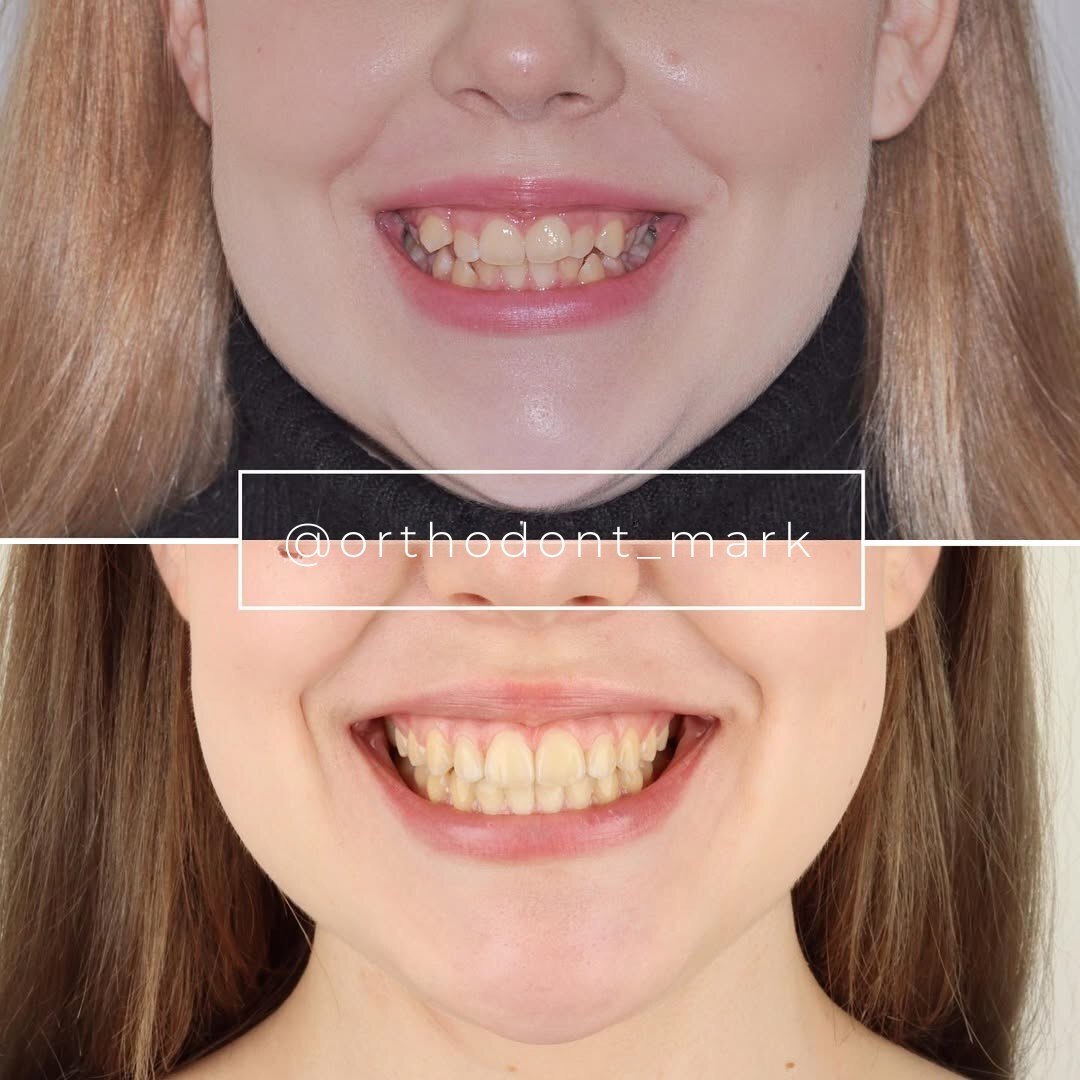
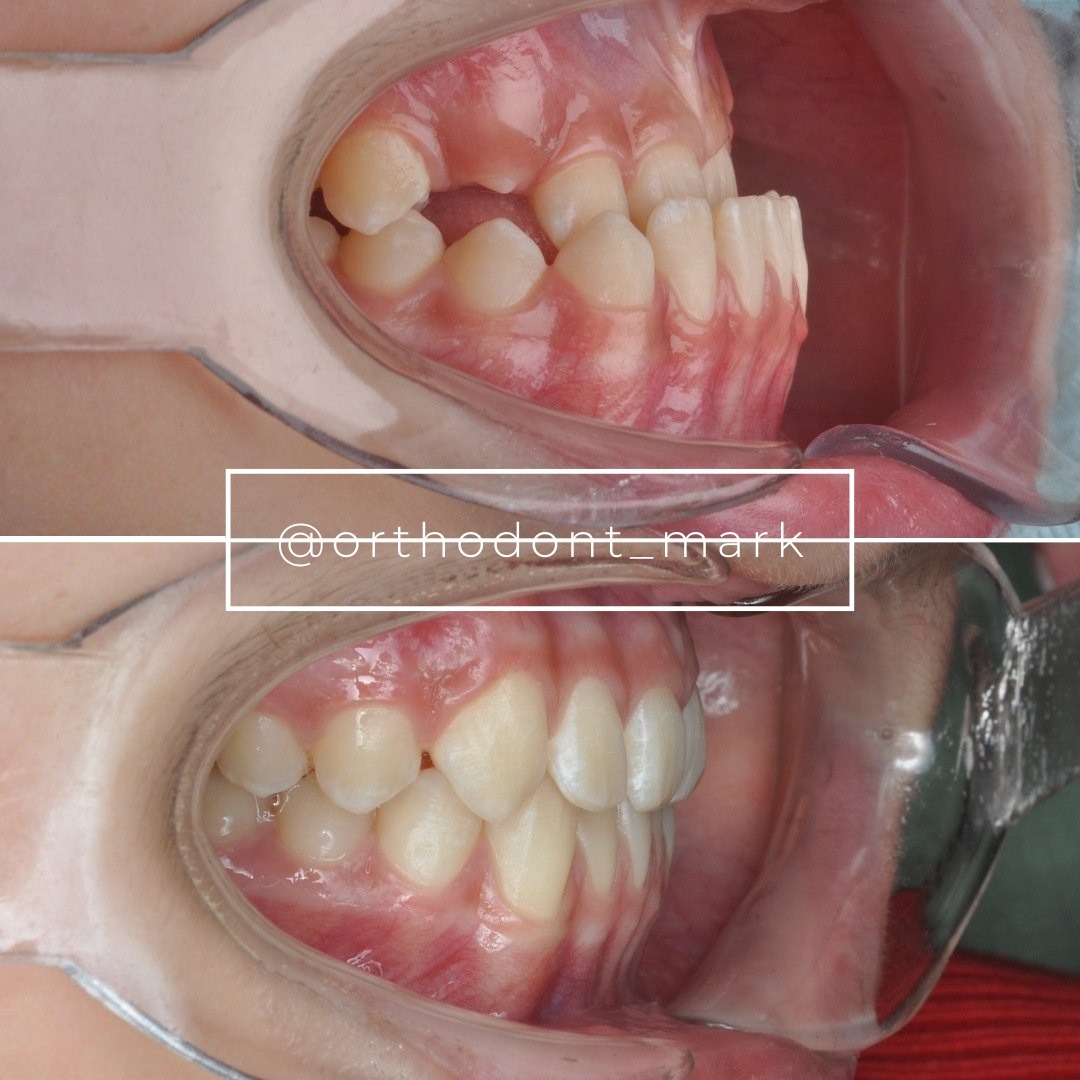
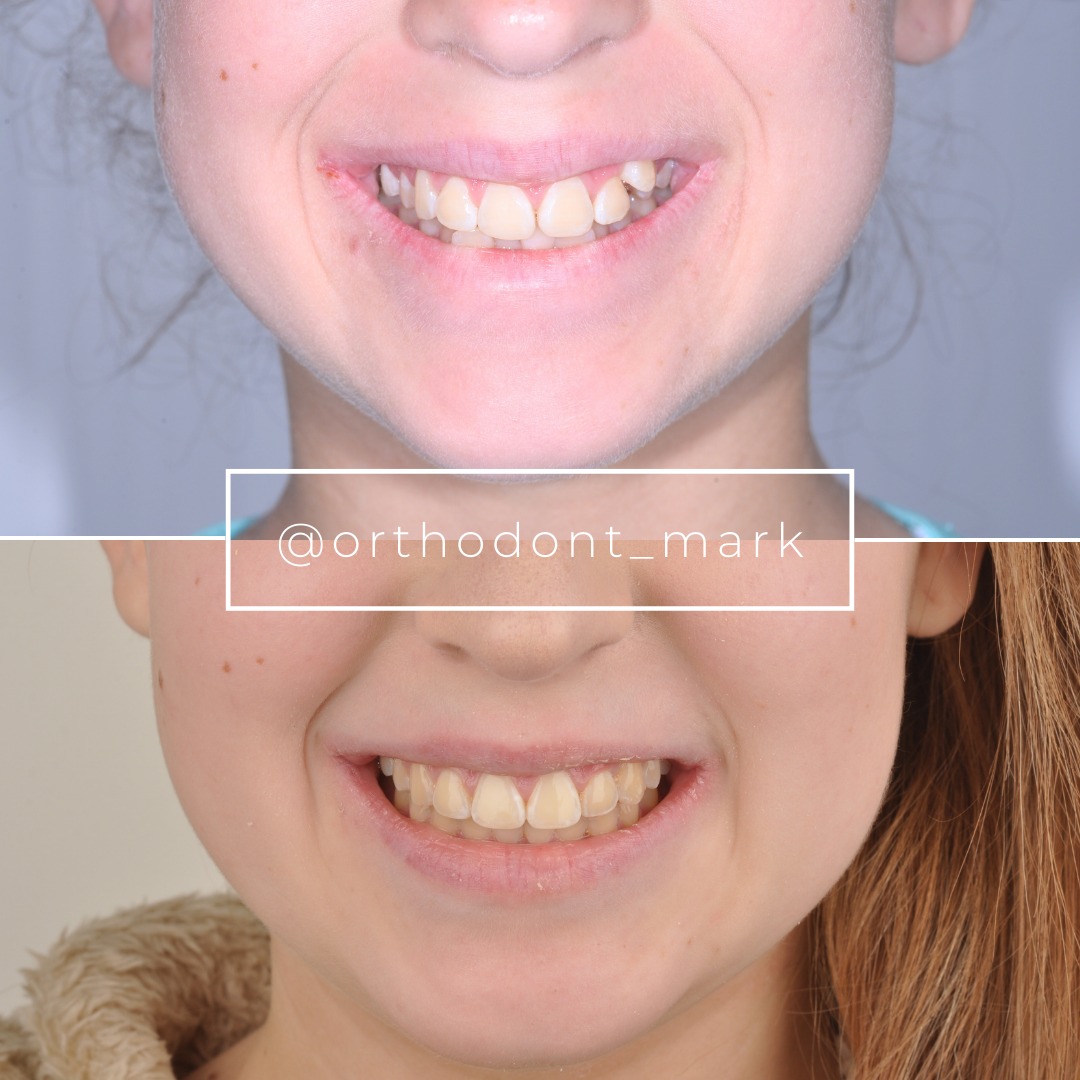
Documented outcomes
Clinical cases from Dr. Mark Radzhabov's practice
Learn the full MARPE protocol from Dr. Mark Radzhabov
Fundamental course covering CBCT patient selection, miniscrew planning, activation protocols, and 60+ clinical cases. Choose the access level that fits your practice.
Essentials of rapid palatal expansion for practicing orthodontists.
- Core RPE concepts and biomechanics
- 6 structured video lessons
- Clinical decision checklists
- Lifetime access to recordings
Deep-dive into MARPE protocol, diagnostics, and clinical execution.
- 6 modules covering MARPE from A to Z
- CBCT case selection walkthroughs
- Miniscrew placement and activation
- 60+ annotated clinical cases
- Direct Q&A with Dr. Mark Radzhabov
5-element medical consultation framework for dentists and orthodontists.
- Trust-building consultation protocol
- 5 lesson modules
- Templates for treatment plan delivery
- Works with any clinical specialty
Clinical FAQ
How do I assess skeletal maturity without a cephalogram during the initial diagnostic conversation?
Begin by asking the patient's age and whether growth has stabilized (e.g., recent growth spurts, voice changes, parent-reported growth patterns). Ask if previous cephalometric analysis has been performed. Document findings and explain that a lateral cephalogram is needed to assess cervical vertebral maturation (CVMS) stage—a critical factor in treatment modality selection for MARPE versus RPE.
What's the difference between patient expectations and clinical recommendations in the diagnostic conversation?
Patient expectations reflect what the patient hopes to achieve; clinical recommendations are your evidence-based assessment of the best treatment path. If a skeletally mature patient requests MARPE but has adequate transverse dimensions, you recommend against it. The diagnostic conversation clarifies this distinction and explains why your recommendation differs from the patient's initial preference.
Should I perform the diagnostic conversation before or after collecting comprehensive records?
The diagnostic conversation occurs during the initial consultation, *before* collecting comprehensive radiographs and scans. This early assessment allows you to screen for contraindications (poor motivation, financial barriers, unrealistic expectations) and ensures that subsequent record collection is targeted and purposeful, not routine.
How do I document a diagnostic conversation to ensure medicolegal protection?
Document the patient's stated chief complaint (in their words), their stated treatment goals, their understanding of skeletal versus dental correction, their commitment level (schedule/financial readiness), and your preliminary assessment. Include the date, your signature, and any explicit agreements about the diagnostic plan or proposed treatment modality.
What is CVMS (cervical vertebral maturation staging) and why is it relevant to MARPE candidacy?
CVMS uses lateral cephalometric radiographs to assess the maturation stage of cervical vertebrae (C2-C4), which correlates strongly with skeletal growth phase. CVMS stages II-III indicate active growth; CVMS IV-VI indicate minimal or completed growth. This determines whether tooth-borne RPE (if growing) or miniscrew-assisted MARPE (if mature) is appropriate.
What should I do if a patient has unrealistic expectations revealed during the diagnostic conversation?
Address it directly and compassionately. Explain that orthodontics addresses specific skeletal and dental concerns, not wholesale facial transformation. Use photographs and models to illustrate realistic outcomes. If the disconnect is too large, it's appropriate to recommend the patient seek a different provider or reconsider treatment timing.
How long should an initial diagnostic conversation take, and how do I allocate time in my schedule?
A thorough diagnostic conversation requires 20–30 minutes. Block your schedule to allow this time; rushing diminishes the quality of information gathered and signals to the patient that their concerns are not fully valued. This upfront time investment reduces misunderstandings and treatment complications downstream.
What photographs should I obtain during the diagnostic visit for a potential MARPE candidate?
Obtain frontal (at rest and smiling), lateral profile (both sides), intraoral frontal, and high-resolution occlusal (maxillary and mandibular). For expansion cases, prioritize clear occlusal photos showing palatal vault depth and transverse width; these become critical before-and-after comparison tools and objective evidence of treatment success.
How do I explain the difference between RPE and MARPE to a patient during the diagnostic conversation?
RPE (rapid palatal expansion) uses tooth-anchored force and works best in growing patients (CVMS II-III). MARPE (miniscrew-assisted) uses skeletal anchors and works in mature patients (CVMS IV-VI) when the palatal sutures are fused. Explain that the modality choice depends on whether growth is still occurring—something the X-rays will clarify.
What red flags during a diagnostic conversation suggest a patient is not ready for MARPE or complex orthodontics?
Red flags include: vague or constantly shifting chief complaints, unrealistic expectations despite explanation, inability to commit to frequent appointments, financial constraints limiting treatment, or resistance to the diagnostic plan (refusing radiographs or scans). These signals warrant either deferring treatment or recommending alternative providers.
The diagnostic conversation is the foundation of ethical, effective orthodontics. By implementing a structured four-question framework—grounded in the Mayo Clinic methodology and adapted for MARPE and skeletal expansion cases—you shift from reactive treatment to proactive clinical reasoning. This approach protects both patient and practitioner, ensures proper case selection, and sets realistic expectations before any appliance is placed. Consider enrolling in Dr. Mark Radzhabov's consultation planning course at Orthodontist Mark to deepen your mastery of diagnostic interviewing and case selection protocols.