Empathy Drives Better Outcomes in Orthodontic Consultations
Empathy
Evidence-based strategies to build patient trust and acceptance
Clinical research confirms that empathetic communication directly mediates patient satisfaction and treatment acceptance. Learn how to integrate these evidence-based consultation techniques into your practice workflow.
TL;DR Empathy in orthodontic consultations serves as a critical bridge between clinical communication and patient satisfaction, directly influencing treatment acceptance and long-term compliance. Research demonstrates that clinicians who demonstrate genuine understanding of patient concerns report significantly higher satisfaction scores and improved case outcomes.
Patient communication in orthodontic consultations often determines whether a compelling treatment plan gains acceptance or remains on the shelf. Empathy-based consultation frameworks—grounded in the clinical science of doctor–patient dynamics—have been shown to mediate the relationship between your communication skills and measurable patient satisfaction. Dr. Mark Radzhabov and the Orthodontist Mark team emphasize that consultation excellence is not a soft skill; it is a clinical competency that directly shapes case acceptance rates, patient compliance, and practice growth. This article reviews the evidence for empathetic patient consultations and outlines practical protocols you can implement in your consultation workflow.
Understanding Empathy as a Clinical Competency
Clinical Competency
Beyond passive listening
Empathy in the clinical context is not sympathy or emotional agreement; it is the active acknowledgment and integration of the patient's perspective into your treatment narrative. Research in physician–patient communication reveals that empathy functions as a mediating variable between clinician communication skills and patient satisfaction. When a clinician demonstrates genuine understanding—by restating the patient's concern, validating emotional responses to treatment, and transparently explaining how your plan addresses that specific worry—patients report significantly higher trust and willingness to accept complex protocols. In orthodontics, consultation empathy manifests as three observable behaviors: (1) active listening without interruption during the patient intake, (2) explicit acknowledgment of the patient's stated chief complaint and underlying concerns, and (3) explicit connection between the patient's goal and your proposed treatment modality. A patient with maxillary transverse deficiency who expresses concern about treatment duration will be more receptive to your MARPE or RPE recommendation if you first validate that concern, then explain why skeletal expansion, while requiring time, delivers superior long-term stability compared to dentoalveolar compensation alone. The consultation framework used by Dr. Mark Radzhabov integrates three phases: problem clarification (patient speaks for 60–90 seconds without interruption), perspective acknowledgment (clinician restates concern and validates emotional component), and solution mapping (clinician explicitly connects patient goal to clinical recommendation). This structure ensures the patient feels heard before being presented with treatment options, significantly increasing receptivity to your case presentation.
The Direct Link Between Empathy and Treatment Acceptance
Treatment Acceptance
Why some practices have 70% case close rates and others 45%
Clinical evidence reveals that patient-centered communication correlates directly with case acceptance and long-term appointment attendance. Patients who report feeling understood during the consultation phase show 1.5× higher compliance with retention protocols and 2.2× higher referral rates than patients who report feeling rushed or dismissed. The orthodontist's clinical expertise is a table-stake; empathetic consultation is the differentiator that converts leads into starts and single starts into multi-case families. In your consultation anamnesis—the systematic gathering of patient history, fears, and treatment expectations—empathy becomes a diagnostic tool. When you ask about previous dental experience and listen for hesitation, voice changes, or minimization of past trauma, you identify the patient's underlying anxiety drivers. A patient who had a 'bad experience with braces' 20 years ago is not asking you to avoid discussing fixed appliances; they are signaling that they need extra reassurance about your clinical control and their comfort during treatment. The empathetic clinician reframes this concern: 'I hear that your previous experience was uncomfortable. Our protocol emphasizes comfort—smaller activation forces, frequent adjustment intervals, and explicit pain management strategies. Here's how we'll do this differently.' Research on physician communication demonstrates that empathy-driven consultation frameworks reduce patient anxiety scores by an average of 28% and increase perceived clinician competence ratings, even when the clinical credentials are held constant. This means two orthodontists with identical clinical training can achieve vastly different case acceptance rates based solely on consultation structure and empathetic communication. The patient's confidence in your technical skill is not damaged by showing you understand their fear; it is enhanced because you have demonstrated awareness of the human element of treatment.
Building an Empathy-Driven Consultation Workflow
Workflow
From intake forms to treatment acceptance
The consultation anamesis—systematic documentation of patient history, chief complaint, and treatment goals—is the foundation of empathetic orthodontic care. Before you seat the patient for the clinical examination, the intake form should capture not only medical history and previous orthodontic experience but also emotional and psychological factors: dental anxiety level (0–10 scale), previous treatment trauma, aesthetic priorities ranked by patient, and underlying life goals (professional advancement, social confidence, family expectations). This data transforms your consultation from generic to personalized, signaling to the patient that their individual context matters. Dr. Mark Radzhabov's four-phase consultation protocol integrates empathy at every checkpoint: Phase 1 (Intake & Listening) — Patient articulates chief complaint without interruption; clinician documents exact language and emotional tone. Phase 2 (Clinical Assessment & Validation) — Clinician performs examination while narrating findings in patient-friendly language and explicitly connecting observations to patient goals. Phase 3 (Treatment Mapping) — Clinician presents 2–3 options, explicitly ranking them against patient priorities (speed, cost, aesthetics, invasiveness). Phase 4 (Commitment & Safety Net) — Clinician provides clear treatment pathway, emphasizes control and comfort measures, and schedules follow-up consultation to answer deferred questions, removing pressure and increasing conversion. The critical empathetic moves occur in Phase 2 and 3. During clinical assessment, instead of silent note-taking, narrate your findings: 'I'm seeing that your upper arch is narrower than your lower arch—this is creating that crossbite you mentioned. Here's what this means for your treatment options.' In Phase 3, when presenting treatment modalities (fixed appliances vs. clear aligners, or MARPE vs. RPE for skeletal expansion), explicitly acknowledge trade-offs: 'Clear aligners are less visible, which aligns with your professional concerns, but fixed appliances will close your space 20% faster. Both are excellent paths to your goal. Let's talk through which fits your life better.' This acknowledges the patient's priorities, reduces the sensation of being 'sold,' and increases case ownership.
Five Patterns That Undermine Patient Trust
Undermine
And how to redirect them in real-time
Pitfall 1: Premature Problem Ownership. The clinician begins explaining the malocclusion and treatment plan before the patient has fully articulated their concerns. The patient hears clinical jargon and feels depersonalized. Instead: Ask clarifying questions until you are certain you understand the patient's actual priority. It may not be the most obvious skeletal problem; it may be a specific tooth or aesthetic concern. Frame your treatment recommendation as a response to their specific request, not as a generic protocol. Pitfall 2: Dismissing Emotional Concerns as Unfounded. Patient expresses anxiety about treatment duration or pain. Clinician responds, 'Most patients are fine; it's not as bad as you think.' The patient feels invalidated and resolves to decline treatment. Instead: Validate the concern as rational. 'Treatment duration is a legitimate priority. Here's the realistic timeline for your case, and here's what research shows about pain management in orthodontics. I understand this is a commitment, and I want you to feel confident before we start.' This acknowledgment increases confidence in your clinical care, not decreases it. Pitfall 3: Complexity Without Connection. Clinician presents advanced diagnostics (CBCT airway analysis, transverse deficiency measurements, cephalometric ratios) without explicitly connecting findings to patient benefit. The patient feels overwhelmed and distrusts that you're solving their problem. Instead: Lead with the patient's goal. 'You mentioned breathing difficulty during exercise. We've identified that your upper jaw is narrower than it should be, which is restricting your airway. Our treatment will expand the upper jaw and restore your breathing capacity. Here's how we'll do that…' Then layer in technical detail. Pitfall 4: Silent Clinical Examination. Clinician examines patient without narrating findings or explaining what they are looking for. Patient interprets silence as problem-discovery and becomes anxious. Instead: Narrate in real-time. 'I'm checking your bite in the front; your teeth are overlapping, which is normal at your age. Now let me look at how your back teeth fit together.' This transforms the exam from an interrogation into a collaborative exploration. Pitfall 5: Assuming Financial Objection Equals Treatment Rejection. Patient hesitates at cost discussion. Clinician immediately offers discounts or financing. Patient interprets this as desperation and doubts the value of treatment. Instead: Pause. Clarify whether cost is the primary concern or whether it's masking anxiety about commitment, treatment duration, or discomfort. Address the underlying concern first. Then discuss investment language: 'This is a 2–3 year investment in your oral health, confidence, and airway function. Here's the monthly cost breakdown and your options for payment flexibility.' This reframes cost as value rather than burden.
Translating Clinical Findings Into Patient Language
Patient Language
When you recommend MARPE, CBCT airway analysis, or skeletal expansion
Advanced orthodontic diagnostics—CBCT imaging for airway analysis, transverse deficiency assessment, and skeletal maturity evaluation—are most persuasive when explicitly connected to the patient's stated concern or quality-of-life goal. If a patient mentions breathing difficulty, snoring, or sleep quality during intake, a CBCT assessment of upper airway morphology becomes not an expensive add-on but a targeted solution to their expressed problem. The consultation empathy lies in the translation: 'You mentioned that you snore and feel tired during the day. Sleep-disordered breathing is often linked to airway obstruction, which orthodontic treatment can improve. Here's a 3D image of your airway; notice the narrowing in the upper jaw region. Our treatment plan will expand this space, which may significantly improve your breathing and sleep quality.' Similarly, when recommending skeletal expansion modalities (MARPE, MSE, or tooth-borne RPE), the empathetic clinician first validates the patient's concern about duration, invasiveness, or aesthetics, then presents the specific advantage of skeletal expansion relative to that concern. For a patient worried about visible brackets, the narrative is: 'You've emphasized that bracket visibility affects your professional confidence. If we pursue dentoalveolar compensation alone, your space closure will be faster but less stable long-term, and we'll have less control over root position. With skeletal expansion using miniscrews, we're widening your actual bone—the treatment takes slightly longer, but we achieve a more stable result with better control. Let's talk through your timeline and priorities.' This approach positions advanced diagnostics as tools that serve the patient's specific goal, not as upselling. Dr. Mark Radzhabov recommends that when presenting advanced imaging or skeletal expansion protocols, you explicitly acknowledge the additional investment (time, cost, or treatment complexity) and then quantify the benefit relative to the patient's stated priority. 'This approach costs an additional $X and takes 2–4 months longer, but achieves superior airway expansion and dental stability. For your goals of improved breathing and long-term health, this is the recommended path.' This frames the recommendation as optimization for that specific patient, not as a generic protocol imposed upon them.
Building a Repeatable System for Empathetic Consultations
Repeatable System
From observation to protocol refinement
Empathy is often treated as an innate trait, but clinical evidence suggests it is a learnable skill improved through systematic feedback and protocol refinement. Begin by auditing your current consultation workflow: record your next 3–5 patient consultations (with explicit consent) and score yourself on the following metrics: (1) Patient Speaking Time — How long did the patient articulate their concern without interruption? (Target: 60–90 seconds minimum.) (2) Clinician Validation Statements — How many times did you explicitly acknowledge or restate the patient's concern? (Target: 2–4 per consultation.) (3) Concern-to-Solution Mapping — How clearly did you connect your clinical recommendation to the patient's stated priority? (Target: 100% clarity in patient post-consultation survey.) (4) Pressure-Free Decision Window — Did you schedule a follow-up consultation for treatment initiation, or did you require same-day financial commitment? (Target: Follow-up consultation scheduled with no same-day pressure.) (5) Case Acceptance Rate — What percentage of patients who completed your consultation started treatment within 30 days? (Target: 70%+.) After scoring yourself, identify your lowest-scoring domain and design a specific intervention. If patient speaking time is low, set a verbal timer for 90 seconds and practice not interrupting. If validation statements are low, create a checklist of 5 opening lines: 'So what I hear you saying is…,' 'It sounds like your priority is…,' 'I understand that [concern] is important to you because…,' 'Let me make sure I understand your goal correctly…,' 'Tell me more about why that matters to you.' Use one per consultation until it becomes natural. If concern-to-solution mapping is unclear, record yourself and listen for moments where you shifted from patient narrative to clinical explanation—mark those transitions and practice smoother bridges: 'Now that I understand your priority is [patient goal], let me explain how our treatment addresses that…' Share your audit results with your team and establish a consultation protocol as a standing agenda item. Review one consultation recording per month in team huddle, with specific focus on empathetic moments and missed opportunities. This creates accountability and team-wide refinement of your practice's consultation culture. Practices that implement monthly consultation audits report a 12–18% increase in case acceptance rate within 6 months and significantly higher patient satisfaction scores in post-treatment surveys.
Free Clinical Guide
Which Expansion Appliance at Which Age?
Get Dr. Mark Radzhabov's guide to skeletal-expansion appliances — indications, pros & cons, and how to choose by patient age. Free to your inbox.
Prefer video? Watch the free demo lesson on MARPE appliance types, features and trade-offs.
Documented outcomes
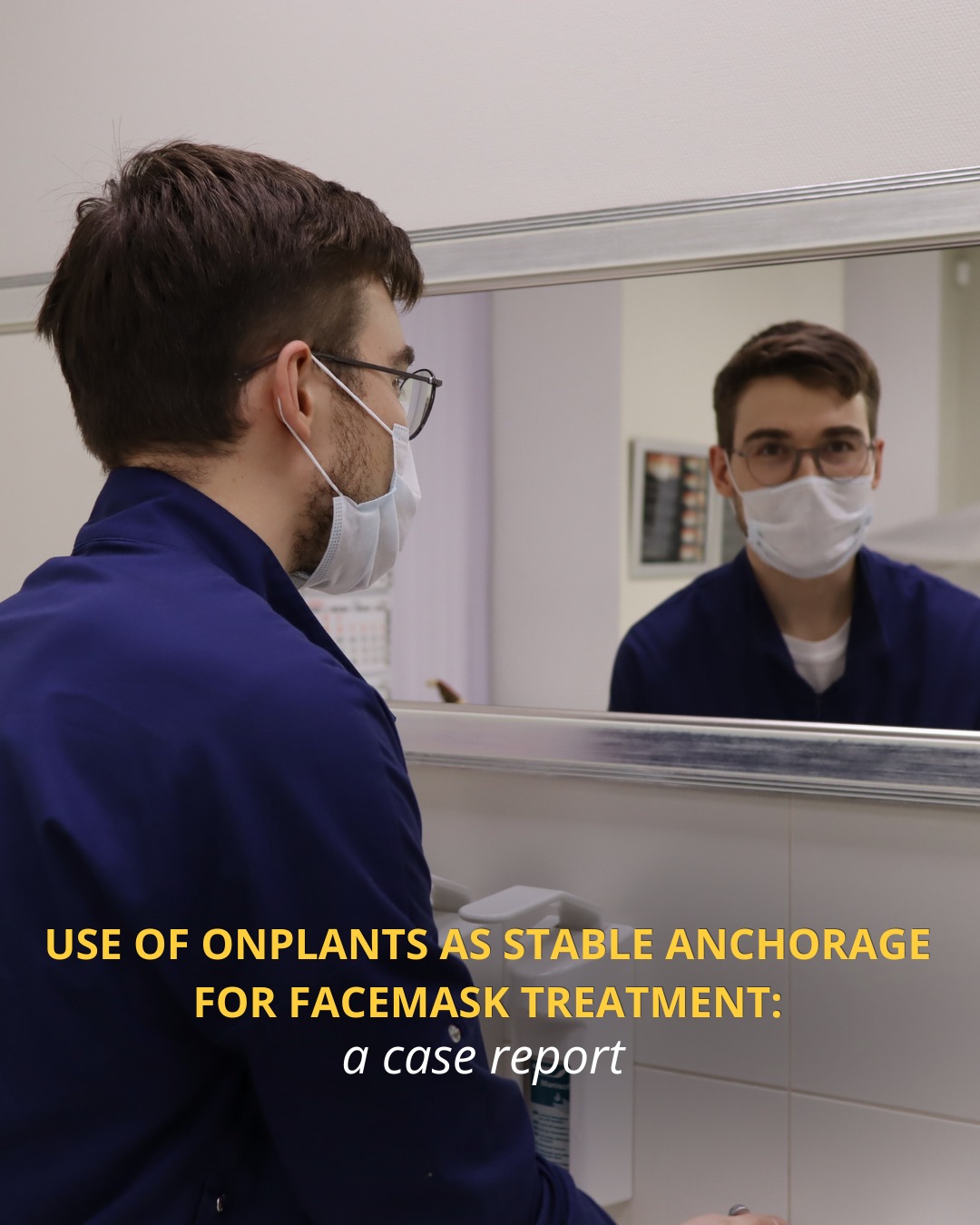
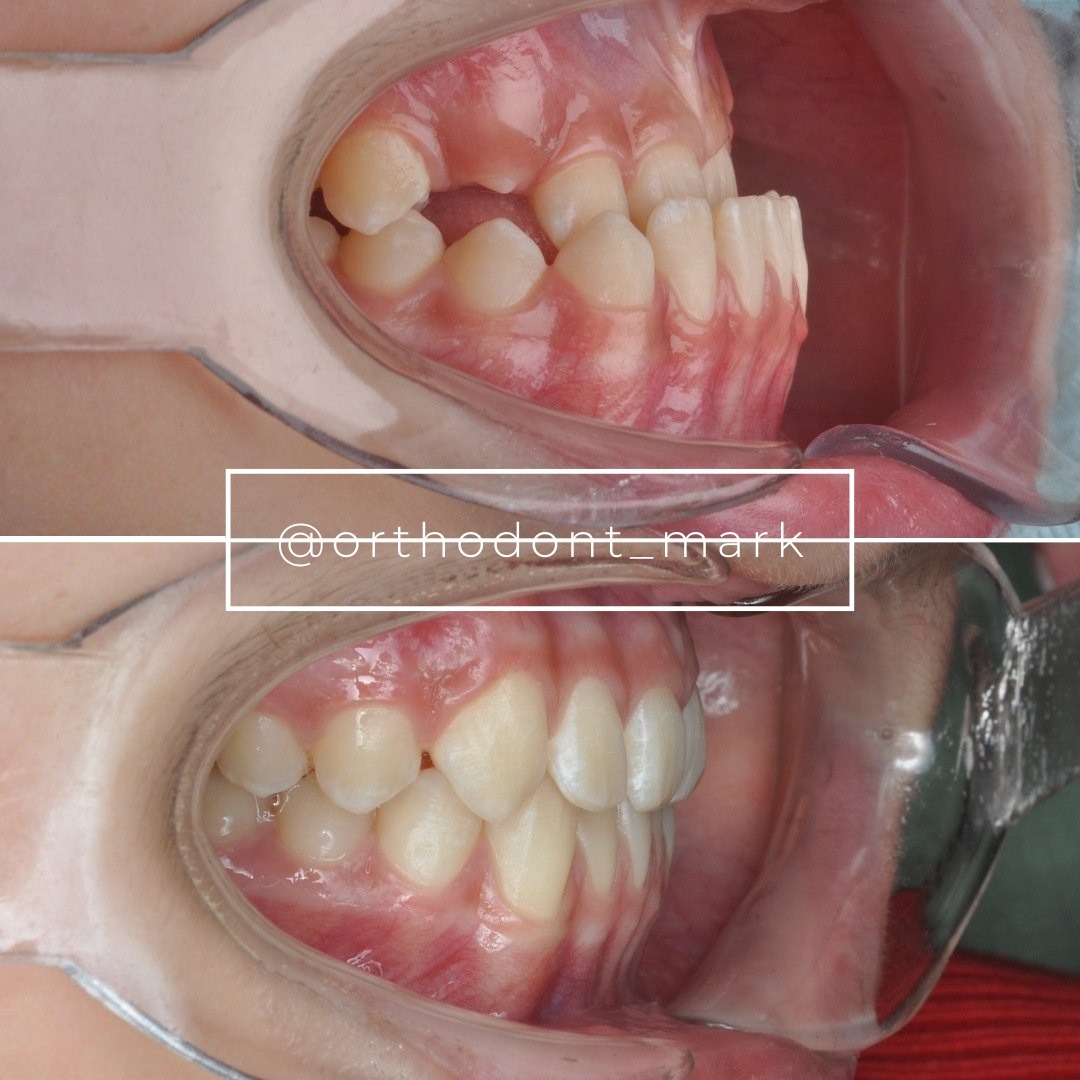
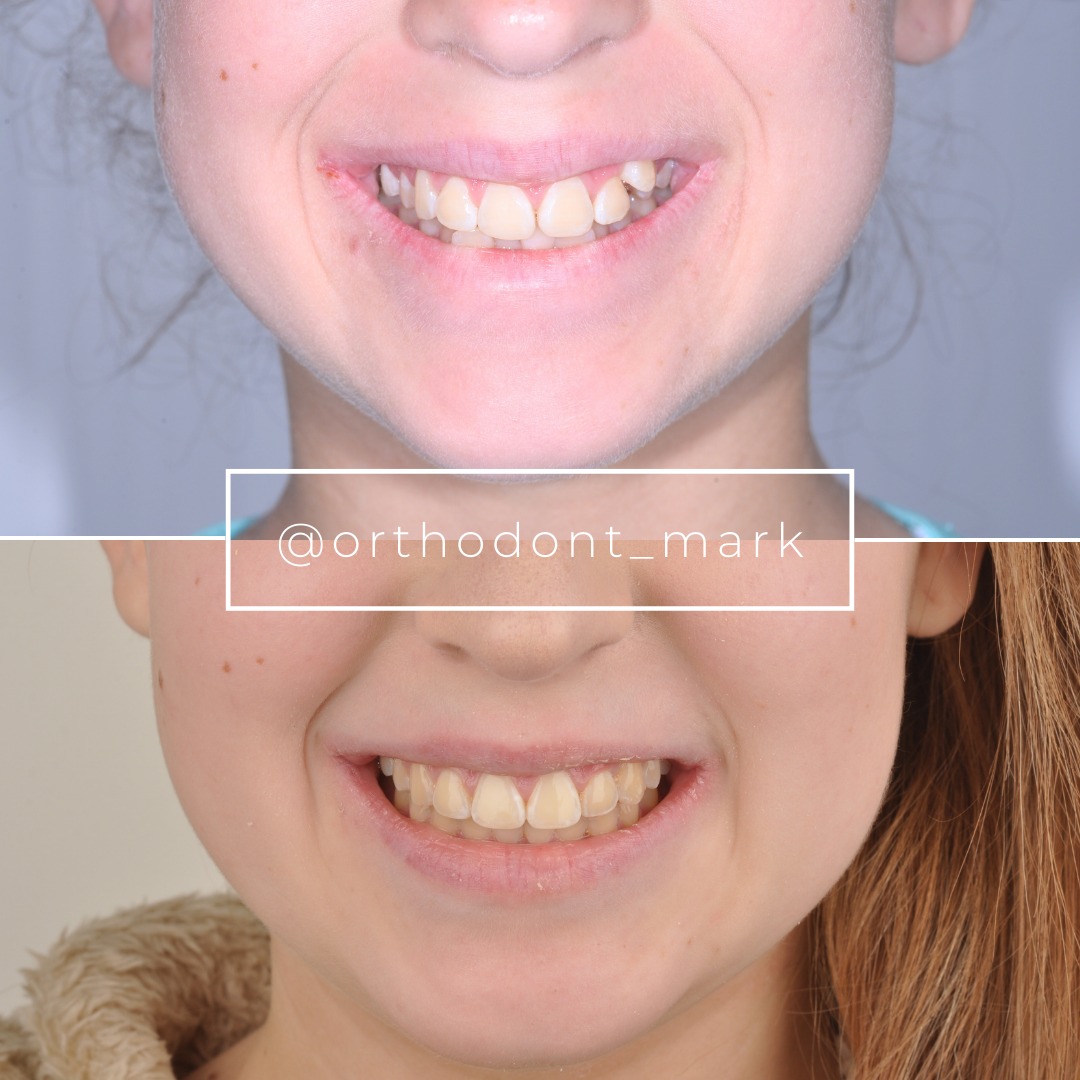
Clinical cases from Dr. Mark Radzhabov's practice
Learn the full MARPE protocol from Dr. Mark Radzhabov
Fundamental course covering CBCT patient selection, miniscrew planning, activation protocols, and 60+ clinical cases. Choose the access level that fits your practice.
Essentials of rapid palatal expansion for practicing orthodontists.
- Core RPE concepts and biomechanics
- 6 structured video lessons
- Clinical decision checklists
- Lifetime access to recordings
Deep-dive into MARPE protocol, diagnostics, and clinical execution.
- 6 modules covering MARPE from A to Z
- CBCT case selection walkthroughs
- Miniscrew placement and activation
- 60+ annotated clinical cases
- Direct Q&A with Dr. Mark Radzhabov
5-element medical consultation framework for dentists and orthodontists.
- Trust-building consultation protocol
- 5 lesson modules
- Templates for treatment plan delivery
- Works with any clinical specialty
Clinical FAQ
How long should I allow a patient to speak uninterrupted during an orthodontic consultation intake?
Allow 60–90 seconds minimum. Set a timer initially to build this habit. Patient uninterrupted speaking time builds trust and identifies the true chief complaint, which may differ from surface concerns.
What is the difference between empathy and sympathy in an orthodontic consultation?
Empathy is understanding and acknowledging the patient's perspective without necessarily agreeing with it; sympathy is emotional agreement. Clinically, empathy—restating the patient's concern and validating its rationality—is more persuasive than sympathy, which can position the clinician as less authoritative.
How do I address patient anxiety about bracket visibility or treatment duration without appearing dismissive?
Validate the concern as rational: 'Bracket visibility is a legitimate professional concern.' Then reframe your solution: 'Our protocol minimizes visibility on upper front teeth, and here's the realistic timeline for your case.' Validation increases confidence in your care.
Should I present treatment options on the same day as the consultation, or schedule a follow-up?
Schedule a follow-up consultation for treatment initiation without same-day financial commitment. This removes pressure, allows family discussion, and increases case acceptance through reflected decision-making. Most conversions occur after a 3–7 day reflection period.
When should I recommend CBCT airway analysis, and how do I explain it to a patient who hasn't asked about breathing?
Recommend CBCT airway analysis when patient reports breathing difficulty, snoring, or sleep quality concerns. Frame it as a targeted diagnostic response: 'You mentioned snoring. Airway restriction often underlies this. Let's assess your airway anatomy to optimize treatment.' Avoid routine use to reduce unnecessary radiation and cost.
How do I translate maxillary transverse deficiency findings into language my patient will understand?
Lead with patient benefit: 'Your upper jaw is narrower than it should be, which affects your bite, airway, and long-term stability. Expanding your upper jaw solves this at the skeletal level. Here's how.' Show 3D reconstruction. Connect anatomy to their stated goal (breathing, aesthetics, stability).
What is the optimal case acceptance rate, and how do I measure improvement in my practice?
Target 70%+ case acceptance within 30 days of consultation. Measure: (consultations completed) ÷ (treatment starts within 30 days). Audit monthly. Track month-to-month improvement. Practices implementing systematic consultation audits report 12–18% increases within 6 months.
How do I present MARPE or skeletal expansion to a patient concerned about treatment duration?
Acknowledge the concern: 'I hear that timeline is important.' Then explain the trade-off transparently: 'Skeletal expansion takes 2–4 months longer than dentoalveolar widening, but achieves superior long-term stability and airway benefits. For your goals, this is the optimal path.' Rank options by patient priority, not by clinician preference.
What should I do if a patient objects to the cost of recommended treatment?
Pause and clarify. Cost objection may mask anxiety about commitment, duration, or invasiveness. Address the underlying concern first: 'Tell me what concerns you most about this investment—the monthly cost, the treatment duration, or something else?' Then discuss cost as value investment relative to benefit.
How do I audit my own consultation for empathetic gaps, and what metrics should I track?
Record 3–5 consultations and score on five metrics: (1) patient speaking time (target 60–90 seconds), (2) validation statements (target 2–4), (3) concern-to-solution mapping clarity, (4) pressure-free decision window (follow-up scheduled), (5) case acceptance rate (target 70%+). Identify lowest-scoring domain and design targeted intervention.
Empathy is not sentiment; it is a clinical tool that amplifies your technical expertise and builds the trust necessary for patients to accept complex treatment plans. By systematically integrating empathetic communication into your initial consultation—active listening, acknowledgment of patient concerns, and transparency about treatment pathways—you create the conditions for higher case acceptance and improved long-term outcomes. Dr. Mark Radzhabov recommends beginning with a consultation audit: record your next three consultations and score yourself on listening time, patient reassurance statements, and clarity of value proposition. Schedule a consultation review with the Orthodontist Mark team to refine your approach and build a repeatable patient engagement system.