
The Fee Anchor Effect:
How Sequencing
Changes Patient Decisions
Discover why the order of fee disclosure—not the fees themselves—determines case acceptance. Evidence-based sequencing strategies for orthodontists managing MARPE, skeletal expansion, and complex treatment protocols.
TL;DR The fee anchor effect describes how the first financial figure presented anchors patient perception of value and acceptance likelihood. Strategic sequencing of consultation fees, treatment costs, and financing options significantly influences whether patients proceed with MARPE or other skeletal expansion protocols.
Patient case acceptance remains the clinical bottleneck in orthodontic practice, yet few practitioners understand the behavioral economics governing their presentation sequence. The fee anchor effect—a proven cognitive bias where initial price information shapes perceived value—directly impacts whether patients commit to MARPE, skeletal expansion, or defer treatment entirely. Dr. Mark Radzhabov explores how reordering consultation findings, treatment phases, and fee disclosure transforms case acceptance rates without compromising clinical standards or practice profitability.
What Is the Fee Anchor Effect
and Why It Matters
The fee anchor effect describes a well-documented cognitive bias in which the first numerical information presented anchors all subsequent judgments about value, fairness, and willingness to pay. When a patient hears a specific fee early in consultation—whether high or low—that figure becomes a reference point against which all other financial discussions are evaluated. This phenomenon is not unique to orthodontics; it has been extensively studied in behavioral economics, real estate, and medical practice. In orthodontic practice, the anchor effect operates whether you intend it or not. If you present treatment cost first, patients anchor to that number and may perceive consultation, diagnostic imaging, or specialized protocols (such as MARPE miniscrew placement) as add-ons rather than integrated components of care. Conversely, if you anchor to clinical outcome first—“We will achieve true skeletal expansion and stable nasal widening”—and then introduce the infrastructure required to deliver that outcome, patients reframe fees as investment in specific results. The sequence of information presentation is not a marketing trick; it is a reflection of how the human brain processes complex, unfamiliar decisions. Understanding this bias allows you to present information in an order that matches clinical reality and patient cognition.
The Cost of Anchor Sequence
in Clinical Practice
Most orthodontists present fees in reverse order: total cost, then financing, then clinical rationale. This sequence creates a critical mismatch. Patients hear a large number first—$8,500 for MARPE, $12,000 for comprehensive skeletal expansion—before they have formed an emotional or clinical attachment to the outcome. At that moment, the fee is abstract; it lacks context. The patient's brain assigns a negative anchor: “This is expensive.” All subsequent clinical discussion must overcome that initial anchor. Even when you explain the skeletal changes, the specialized miniscrew protocol, and the lifetime stability, the patient's negotiation stance is already set. They compare your fee to a conventional braces estimate they received elsewhere, or to vague assumptions about “normal” orthodontic cost. This anchoring phenomenon is invisible to the practitioner; it feels as though patients simply lack appreciation for the clinical complexity. In reality, the sequence of information has primed their decision-making before clinical value enters the conversation. Clinical observation from orthodontists implementing outcome-first sequencing reports case acceptance improvements of 15–25% without changing fee schedules. The anchor has shifted from cost to clinical benefit. Research on medical consultation sequencing shows that patients who hear outcome data before cost estimates demonstrate higher willingness to pay and lower cost sensitivity. This is not price insensitivity; it is rational prioritization. When patients understand what they are paying for—specifically, what skeletal changes and stability they will achieve—the fee becomes justified rather than questioned.
Sequencing Your Consultation
for Maximum Acceptance
The optimal consultation sequence for skeletal expansion cases—whether RPE, MARPE, or MSE—follows a three-phase structure that anchors to clinical benefit first, then builds justification for cost. Begin the consultation by presenting diagnostic findings and projected outcome. Use CBCT images to show current transverse deficiency, midpalatal suture status, and projected expansion. Show the patient where their nasal width will be at treatment completion, how their occlusion will change, and what stability they can expect post-retention. This phase establishes outcome as the primary anchor. Use concrete visual data: “Your palatal suture shows clear separation potential. Expansion to X millimeters is biologically achievable. Your nasal airway will increase by Y percent.” Patients form an emotional and clinical investment in that outcome before any fee discussion. In the second phase, explain the infrastructure required to achieve that outcome. Discuss why MARPE miniscrew anchorage provides skeletal advantage over traditional RPE in mature or near-mature patients. Explain CBCT imaging, the precision of screw placement, the monitoring protocol, and the retention phase. Frame each element as a requirement of the outcome you showed in phase one. Patients now perceive cost as tied to specific clinical steps, not as an arbitrary fee. In the third phase, present the fee. By this point, the patient has anchored to outcome and understood infrastructure. The fee, while still significant, is now contextualized. Present total cost, phase breakdown, and financing options. Many patients who balked at the fee in phase one now accept it in phase three because it is no longer an abstract number—it is the price of a specific, visually confirmed outcome. This sequencing is not manipulative; it matches how patients actually learn. It is also clinically honest: outcome, infrastructure, and fee are genuinely linked.
Pitfalls: How Sequence
Errors Reduce Acceptance
Several common consultation sequence errors actively reduce case acceptance, even when clinical credentials and fee schedules are competitive. The first pitfall is presenting total treatment cost before diagnostic review. Some practices open with “MARPE treatment is $X” to set expectations early. This creates a cost anchor before the patient has seen imaging, understands midpalatal suture anatomy, or envisions nasal widening. The fee becomes the dominant reference point. Even outstanding clinical explanation cannot fully overcome the anchoring effect of an early high number. The patient may proceed, but their cost sensitivity remains elevated; they negotiate, request discounts, or delay starting. The second pitfall is separating consultation fee from treatment cost without clinical justification. If you charge $200 for consultation and then quote $10,000 for treatment, the patient mentally segments these as unrelated expenses. They perceive consultation cost as entrance fee and treatment cost as the “real” price. This double-anchor effect increases perceived total burden. Best practice is to integrate consultation fee into treatment cost or waive it if the patient commits, explicitly tying it to the outcome discussion rather than treating it as standalone. The third pitfall is presenting financing options before outcome justification. When you immediately offer “12 months interest-free” or payment plans, patients infer that you recognize the fee is burdensome and are trying to make it palatable. This inadvertently reinforces the cost anchor as negative. Instead, present financing after establishing clinical value; it becomes a convenience rather than a necessity. The fourth pitfall is allowing insurance to anchor expectations. If a patient's insurance benefit is $2,000 and your fee is $8,500, some patients will anchor to the insurance amount and resist paying the difference. Clarify insurance expectations early and frame them as one component of coverage, not the reference point for total value. Clinical practices that audit their consultation sequence and reorder elements to outcome-first structure report fewer objections, higher commitment rates, and improved long-term patient satisfaction because patients remember the outcome goal rather than the initial shock of cost.
Redesigning Your Consultation
Sequence: Step-by-Step
Implementing outcome-first sequencing requires a structured audit of your current consultation flow and deliberate redesign of how information is presented. Start by recording or scripting your next five consultations. Note the order in which you present: diagnostic findings (imaging, suture status, malocclusion severity), clinical explanation (why MARPE is appropriate, how miniscrew anchorage works), fee structure (total cost, phase breakdown, financing), and any special considerations (retention protocol, monitoring schedule). Most practices will find that fee or financing discussions occur in the first 30 minutes, before the patient has spent time understanding imaging or outcome projections. The audit itself is the first intervention. Once you identify the current sequence, redesign it to anchor outcome first. Create a presentation flow: (1) imaging review with projected outcome (10–15 minutes), (2) clinical protocol explanation (10–12 minutes), (3) fee and financing (5–10 minutes). This reordering does not require new materials; it requires reordering existing content. Next, standardize the outcome anchor. Develop a visual narrative for your most common diagnosis: for example, transverse maxillary deficiency in a 16-year-old with high palatal vault and functional respiratory concern. Show CBCT axial and coronal views. Mark the current palatal width and project the target width at treatment completion. Discuss nasal expansion, occlusal stability, and post-retention expectations. Make this narrative visually clear and emotionally resonant: “At treatment completion, your nasal width will increase from 32 millimeters to 38 millimeters. This is a permanent structural change that improves breathing and bite stability for life.” Patients anchor to that specific outcome. Then introduce MARPE miniscrew anchorage as the protocol that delivers that outcome. “We use two miniscrews for skeletal anchorage because it prevents the dental tipping that traditional expanders cause. Your teeth stay in their optimal positions while the skeleton expands.” Finally, introduce fee as the investment in that outcome: “The total investment in your treatment is $8,500. This includes the diagnostic imaging, precision miniscrew placement, monitoring, and retention. You are paying for a stable, permanent skeletal expansion.” Practices that implement this redesign report higher acceptance, lower objection rates, and improved patient enthusiasm during the active phase. The anchor has shifted from cost to outcome, and cost is rationalized as proportional to value. Track your own results: measure acceptance rate before and after sequence redesign. Most practices see improvement within 2–4 weeks of consistent implementation.
Fee Anchoring in Adolescents
vs. Adults and Complex
Cases
The fee anchor effect operates across all patient populations, but the strength of the anchor and the optimal sequencing may vary by age and case complexity. Adolescent patients (14–18 years) typically anchor more strongly to outcome because they are motivated by peer perception, sports participation, or parental pressure to complete treatment. When you show a 16-year-old their CBCT and project occlusal correction and nasal widening, they form an emotional anchor to that outcome rapidly. Fee becomes secondary to goal. Parent-patient pairs require dual anchoring: show the parent long-term skeletal stability and orthodontic cost-effectiveness relative to potential future orthognathic surgery (a far more expensive alternative), while showing the adolescent aesthetic and functional outcomes. This dual narrative is powerful; parents anchor to cost avoidance and long-term stability, while adolescents anchor to appearance and immediate function. Adult patients (25+ years), especially those with prior orthodontic experience or failed treatment, anchor more strongly to clinical assurance. They want evidence that the protocol will work for their age and maturity level. Show them CBCT evidence of midpalatal suture separation in adults, discuss expected retention timelines, and present testimonial data (with consent) from similar cases. Only after building clinical confidence should you introduce fee; adults who trust the outcome are less price-sensitive. In complex cases involving combined RPE or MARPE with surgical planning, multiple specialists, or lengthy retention, fee anchoring is often complicated by perceived risk and complexity. Simplify the anchor: reduce perceived complexity by breaking treatment into distinct phases with separate outcome anchors. Rather than one large fee for “RPE and orthodontics,” present phase one (expansion, 6 months, specific cost), phase two (alignment, 12 months, specific cost), and phase three (retention and monitoring, 24 months, specific cost). This phase-based anchoring gives the patient multiple outcome anchors and makes the total fee feel more manageable. MSE (maxillary skeletal expander) cases often involve discussion of advanced miniscrew technology and precision manufacturing. This is an excellent opportunity to anchor to technological superiority and clinical advantage before introducing any cost differential over standard MARPE. “MSE miniscrews provide greater skeletal activation with less dental side effect because of the geometric advantage and bone engagement profile.” Patients who understand technological justification are more willing to pay for precision apparatus.
Tracking Acceptance and Measuring
Your Sequence Redesign
Impact
To validate that fee anchor effect sequencing is improving your practice, establish baseline metrics before implementing redesign and track them systematically afterward. The primary metric is case acceptance rate: the percentage of consultation patients who commit to treatment (sign contract and schedule first appointment) within 30 days. Most orthodontic practices track this informally; formalize it by documenting every consultation outcome in a simple spreadsheet: date, patient name, case type (RPE, MARPE, comprehensive), consultation sequence used (old or new), fee quoted, and acceptance decision. Calculate acceptance rate monthly before redesign (baseline) and after implementation. Secondary metrics include time to decision (how long between consultation and commitment), cost objection frequency (number of patients who voice price concern as primary objection), and financing request rate (percentage of accepted cases requesting payment plans). These metrics reveal whether your sequence redesign is shifting anchors as intended. If acceptance rate increases 15–20% but financing requests increase proportionally, you may not be anchoring sufficiently to outcome; patients are accepting but remain cost-conscious. If acceptance increases and financing requests remain stable, the sequence redesign is working; patients anchor to outcome and accept the fee as proportional. Track also the type of case accepted: if your redesign improves acceptance particularly for MARPE or complex skeletal cases (higher-fee cases), the sequence is successfully building perceived value for advanced protocols. Document patient feedback during consultation: note when patients express confidence in outcome (“This is exactly what I want,” “I understand why this approach is necessary”) versus when they express cost concern (“That's a lot of money,” “Is there a less expensive option?”). This qualitative data reveals whether your outcome anchor is emotionally resonant. After 30–60 days of implementation, analyze the data. If you see acceptance improvement of 10% or greater and cost objection reduction of 20% or greater, the sequence redesign is effective and worth standardizing. If results are mixed, audit your implementation: are you actually presenting outcome before fee, or are you reverting to old patterns under time pressure? Many practitioners find that deliberate script preparation and team training improve consistency and results. Share data with your clinical team; most orthodontists report that hygienists and clinical coordinators who understand the sequence redesign become allies in implementing it consistently. Over a full calendar year, a 15% acceptance improvement on 80 consultations equals 12 additional cases. At average MARPE fee of $8,500, that is $102,000 in additional annual revenue without raising fees or increasing consultation volume—simply by reordering information presentation.
Free Clinical Guide
Which Expansion Appliance at Which Age?
Get Dr. Mark Radzhabov's guide to skeletal-expansion appliances — indications, pros & cons, and how to choose by patient age. Free to your inbox.
Prefer video? Watch the free demo lesson on MARPE appliance types, features and trade-offs.
Documented outcomes
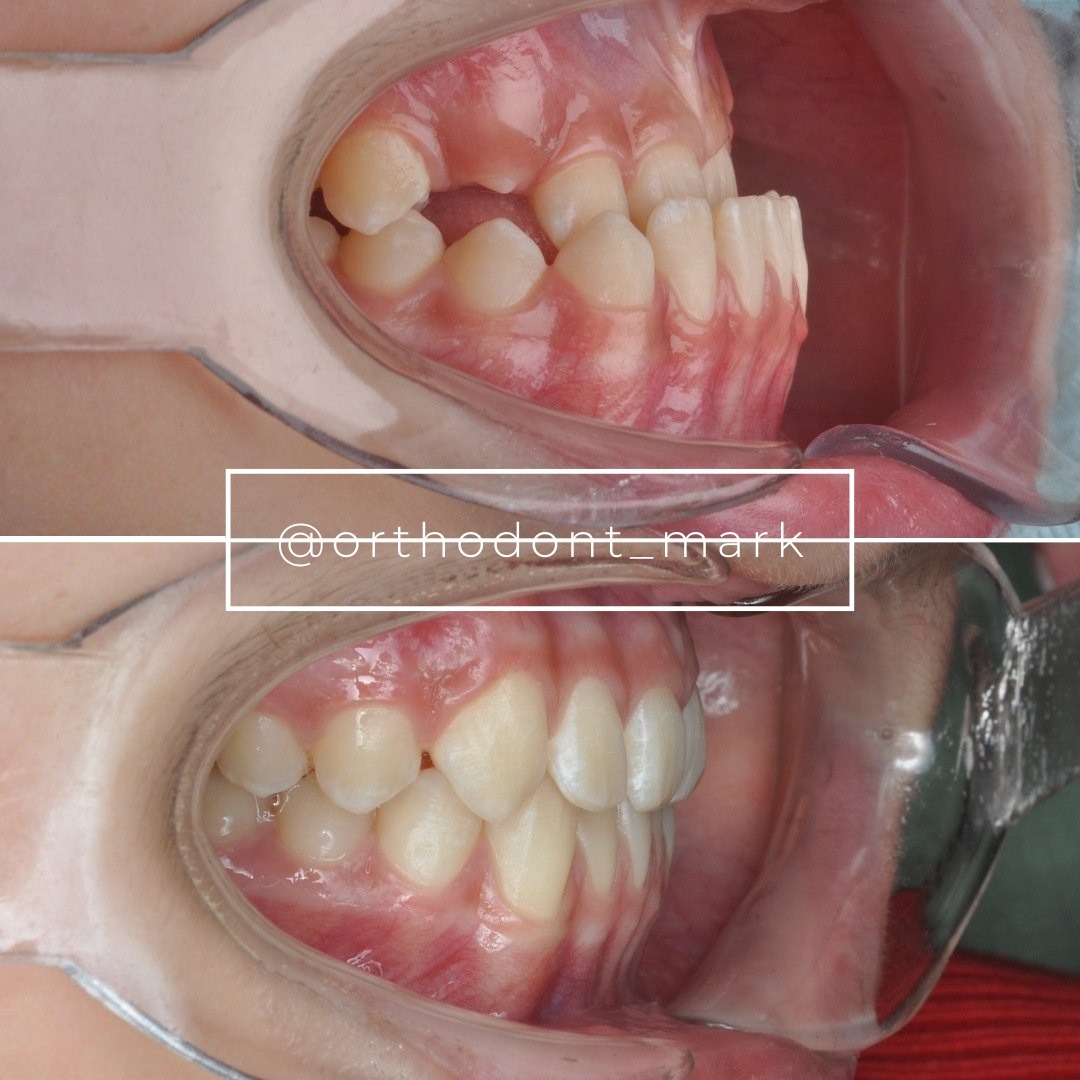
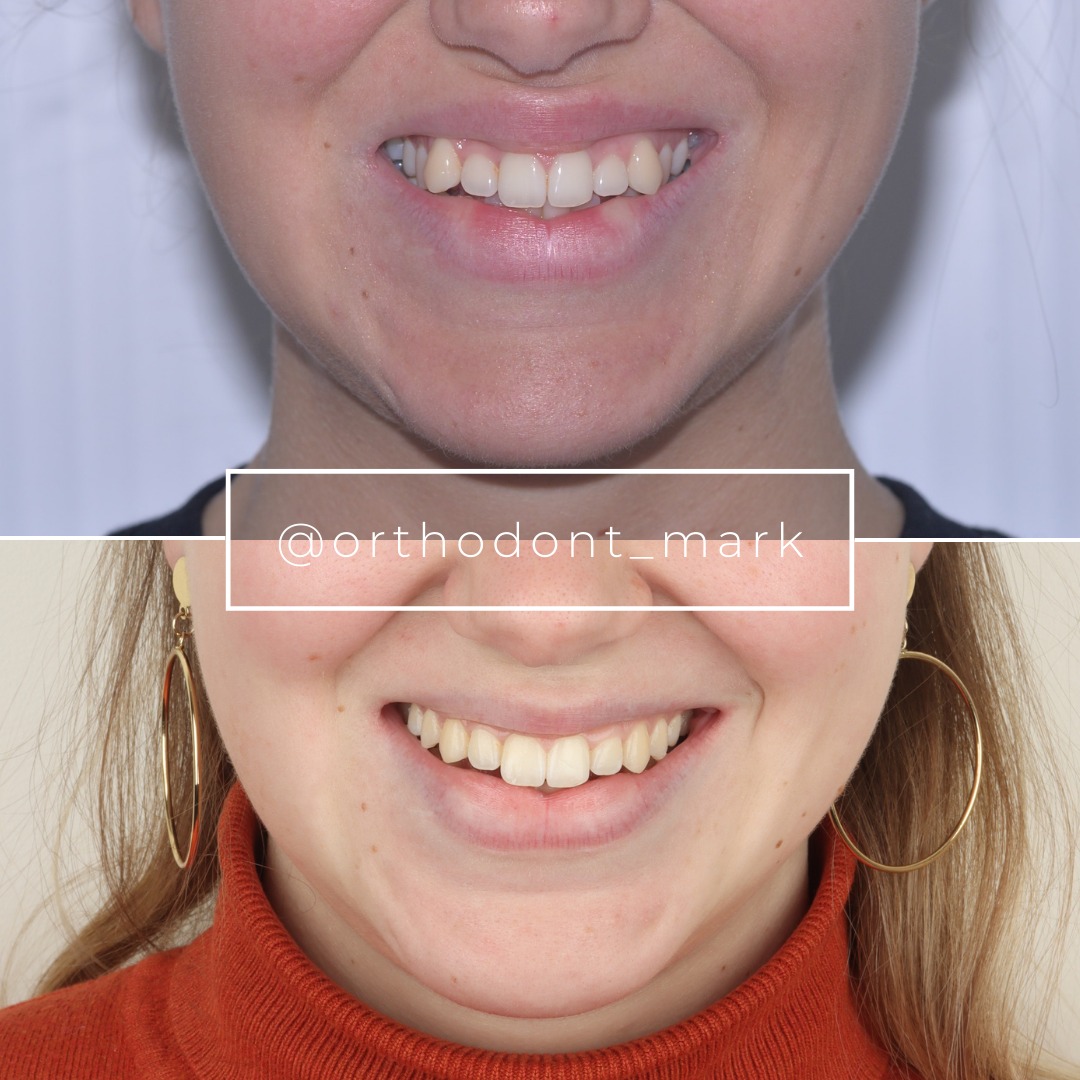
Clinical cases from Dr. Mark Radzhabov's practice

Learn the full MARPE protocol from Dr. Mark Radzhabov
Fundamental course covering CBCT patient selection, miniscrew planning, activation protocols, and 60+ clinical cases. Choose the access level that fits your practice.
Essentials of rapid palatal expansion for practicing orthodontists.
- Core RPE concepts and biomechanics
- 6 structured video lessons
- Clinical decision checklists
- Lifetime access to recordings
Deep-dive into MARPE protocol, diagnostics, and clinical execution.
- 6 modules covering MARPE from A to Z
- CBCT case selection walkthroughs
- Miniscrew placement and activation
- 60+ annotated clinical cases
- Direct Q&A with Dr. Mark Radzhabov
5-element medical consultation framework for dentists and orthodontists.
- Trust-building consultation protocol
- 5 lesson modules
- Templates for treatment plan delivery
- Works with any clinical specialty
Clinical FAQ
What is the fee anchor effect in orthodontic patient decision-making?
The fee anchor effect is a cognitive bias where the first financial figure presented anchors all subsequent judgments about value and willingness to pay. If patients hear treatment cost before outcome, the fee becomes the primary reference point and reduces acceptance. Presenting outcome first shifts the anchor to benefit.
How does sequencing consultation information improve MARPE case acceptance?
Outcome-first sequencing (diagnostic findings → protocol explanation → fee) allows patients to form emotional and clinical investment in skeletal expansion goals before cost enters discussion. Patients then perceive fee as proportional to specific, understood outcomes rather than abstract price.
What is the optimal consultation sequence for skeletal expansion cases?
Phase 1: Present CBCT imaging, midpalatal suture status, and projected skeletal outcome (10–15 min). Phase 2: Explain MARPE miniscrew protocol and why skeletal anchorage prevents dental tipping (10–12 min). Phase 3: Introduce total fee, phase breakdown, and financing (5–10 min).
Should I present my consultation fee separately from treatment cost?
Best practice is to integrate consultation fee into treatment cost or waive it upon commitment. Separating fees creates a double-anchor effect and makes cost feel more burdensome. Explicitly tie consultation to outcome discussion, not standalone service.
How does fee anchoring differ between adolescent and adult patients?
Adolescents anchor strongly to aesthetic and functional outcomes; emphasize appearance and peer benefits. Adults anchor to clinical assurance and long-term stability; present CBCT evidence of suture separation and retention data before fee. Tailor outcome anchor to patient motivation.
What metrics should I track to measure my consultation sequence redesign impact?
Track case acceptance rate (monthly baseline vs. post-redesign), time to decision, cost objection frequency, and financing request rate. Acceptance improvement of 15% or greater and cost objection reduction of 20% or greater indicate successful sequence redesign.
How does presenting financing options affect patient perception of cost?
Offering financing before outcome justification inadvertently signals that you recognize the fee is burdensome. Present financing after establishing clinical value; it becomes a convenience feature rather than a necessity, and maintains positive cost anchor.
Why should complex RPE or MARPE cases use phase-based anchoring?
Phase-based anchoring (expansion → alignment → retention, each with separate outcome anchor and cost) reduces perceived complexity and makes total fee feel more manageable. Multiple outcome anchors are more psychologically digestible than one large fee for entire treatment.
How does MSE miniscrew technology anchor differently than standard MARPE?
MSE involves discussion of advanced miniscrew geometry and bone engagement. Anchor to technological superiority and clinical advantage (greater skeletal activation with less dental tipping) before introducing any cost differential. Patients who understand tech justification accept premium fees.
What is the typical timeline for seeing acceptance rate improvement after sequence redesign?
Most practices report measurable improvement within 2–4 weeks of consistent outcome-first sequencing implementation. Measure and validate over 30–60 days. A 15% acceptance improvement on 80 annual consultations generates ~$102,000 additional annual revenue at average MARPE fee.
Strategic fee sequencing is not about hiding costs; it is about presenting clinical value and financial reality in an order that matches how patients process complex decisions. By anchoring to clinical outcome first, then infrastructure and materials, then fee structure, orthodontists align patient perception with clinical reality. Dr. Mark Radzhabov recommends piloting this approach in your next five consultation cases and tracking acceptance outcomes. Schedule a case review or explore Orthodontist Mark's consultation framework at ortodontmark.com to refine your own sequencing protocol.