
First-Consultation Checklist:
30 Items in 30 Minutes
An evidence-based protocol for orthodontists
Streamline patient intake, clinical examination, photographic documentation, and treatment planning with a clinically proven framework designed for efficiency and diagnostic accuracy.
TL;DR A structured first-consultation checklist for orthodontists ensures comprehensive patient assessment in 30 minutes. This evidence-based protocol integrates patient history, clinical examination, photographic documentation, and preliminary treatment planning to optimize diagnostic accuracy and clinical decision-making for skeletal expansion cases.
The first orthodontic consultation sets the foundation for successful treatment outcomes and patient satisfaction. A structured, time-efficient protocol ensures clinicians capture all essential diagnostic information—from detailed patient history and temporomandibular joint assessment to three-dimensional skeletal analysis—without overwhelming the appointment schedule. Dr. Mark Radzhabov shares a 30-item first-consultation checklist designed specifically for orthodontists evaluating candidates for rapid palatal expansion and other skeletal correction strategies. This evidence-based framework streamlines clinical workflow while ensuring no critical data points are missed.
Setting Up Your Patient Intake Form
and Initial Documentation
Before the patient enters the clinical space, a well-designed patient intake form should capture essential baseline data. This document—distributed during check-in—collects demographic information, chief complaint, medical and dental history, orthodontic history, periodontal health indicators, and temporomandibular joint (TMJ) symptoms. Research on orthodontic intake protocols emphasizes that structured documentation reduces chair time by 15–20% and improves treatment planning accuracy. The form should include yes/no responses for prior orthodontic treatment, extraction history, periodontal concerns, and dental anxiety levels. Pay particular attention to items addressing TMJ function, signs of bruxism, and history of orthodontic relapse, as these directly influence your approach to skeletal expansion and anchorage strategy. Many clinicians add a visual pain scale (0–10) for dental fear, enabling early identification of anxious patients who may benefit from modified communication strategies. Digital intake systems (tablet-based) streamline data entry and reduce paper waste while improving legibility for clinical review. The completed form becomes your clinical roadmap: annotate it during the consultation with observations and flag any red flags for follow-up during the examination.
Establishing Clinical Rapport and Understanding Patient Motivation
Patient
The opening interaction sets the emotional tone for the entire consultation. Greet the patient by name, establish eye contact, and spend 2–3 minutes in open-ended conversation before formal examination. Ask about their profession, daily stressors, and what specifically prompted their visit today. This brief rapport-building phase serves multiple clinical functions: it allows you to assess the patient's baseline anxiety level, identify their primary concern (aesthetic vs. functional vs. psychologically motivated), and gauge their level of medical literacy. During this conversation, observe whether the patient touches their face, exhibits nervous habits, or demonstrates signs of body dysmorphic concerns. Note whether their chief complaint aligns with objective clinical findings—if a patient emphasizes a concern you cannot clinically substantiate, this signals potential psychological distress beyond the scope of orthodontic intervention. Ask clarifying questions about their expectations: “What does your ideal smile look like?” and “How much time are you willing to invest in treatment?” Document their stated goals verbatim in your notes. This conversation also permits early identification of patient typology—anxious, demanding, reasonable, or dismissive—which informs your consultation style and treatment planning strategy. Explain confidentiality, answer preliminary questions, and establish yourself as a clinician who listens and respects their concerns before proceeding to clinical examination.
Comprehensive Intraoral and Extraoral Examination Protocol
Examination
Once rapport is established, transition into systematic clinical examination. Begin with extraoral assessment: observe facial symmetry, vertical proportions (anterior face height), and transverse width. Note the patient's rest position—mandibular posture often reveals functional habit patterns. Ask the patient to open maximally and observe whether opening is straight or deviates to one side (indicating condylar dysfunction or neuromuscular pattern). Palpate the temporomandibular joint bilaterally for tenderness, clicking, or popping. Test jaw closing: does the patient close directly into maximum intercuspation, or is there a “slide” from centric relation to centric occlusion (a sign of posterior interference)? Intraorally, begin with periodontal screening: assess gingival inflammation, bleeding on probing (if indicated), and bone loss signs. Check tooth mobility—any loose teeth suggest advanced periodontitis or orthodontic risk. Count present teeth and note missing or ectopic teeth. Evaluate occlusal plane canting and posterior bite collapse. Assess vertical overlap (overbite) and horizontal overlap (overjet) in centric occlusion. Document cross-bites (anterior or posterior), open-bite if present, and any functional habit signatures (scalloped palate, tongue thrust pattern, high palatal vault). Examine the palatal vault height and width—essential data for MARPE candidacy assessment. Check frenum attachment (high maxillary frenum may complicate expansion). Note any constriction of transverse maxillary dimensions or V-shaped arch form. Record the patient's oral hygiene status and cavity risk profile. If expansion is being considered, observe the width of palatal vault and potential for skeletal versus dental compensation. This systematic approach takes 7–8 minutes and generates the core clinical observations needed for treatment planning.
Standardized Photographic Protocol for Treatment Planning and Communication
Documentation
Photographic documentation serves three critical functions: it creates an objective baseline for measuring treatment progress, enables remote consultation and case review, and provides communication tools for patient education. Implement a standardized protocol to ensure consistency and completeness. Begin with extraoral photographs: frontal view at rest (natural head position, lips relaxed), frontal view with smile, and bilateral profile views at 90° and 45° angles. For each profile angle, capture both rest position and smile to assess buccal corridor display and vertical lip support. Ensure proper lighting (ideally daylight-balanced LED) and consistent head positioning—ears should be equidistant from the camera and level. Use retractors for intraoral photos showing anterior and posterior dentition with teeth in light contact and with teeth separated to assess overjet and vertical overlap. Include occlusal views of maxilla and mandible (straight down the occlusal plane, not angled). If evaluating for expansion, include a transverse occlusal view of the palate and vault height. Many clinicians document a “smile photo” with and without retractors to assess smile arc and buccal corridors. Organize photos in a template or software platform (digital photography management systems enable side-by-side comparison). Label each image with patient ID, date, and anatomical plane. This protocol—13–15 photos total—takes approximately 3 minutes once your team is trained. Digital organization enables rapid retrieval for treatment planning, insurance documentation, and patient communication during follow-up visits.
Strategic Use of Radiographs and Three-Dimensional Imaging
Imaging
Imaging prescription should be evidence-based and targeted, not routine “full-mouth” series on every new patient. Begin by reviewing prior radiographs and cephalometric records if available. Assess whether existing imaging is adequate (age-appropriate, recent, diagnostic quality) or whether new imaging is justified. For most new-patient consultations, a panoramic radiograph and lateral cephalogram provide foundational skeletal and dental data. Panoramic imaging reveals missing teeth, root morphology, presence of third molars, bone level assessment, and gross pathology. Lateral cephalometric analysis permits skeletal classification (Class I, II, III), vertical relationship assessment (hypodivergent vs. hyperdivergent), and sagittal jaw position relative to cranial base. For patients being considered for skeletal expansion (MARPE, MSE, or RPE), three-dimensional cone-beam computed tomography (CBCT) has become the gold standard for treatment planning. CBCT imaging permits assessment of midpalatal suture maturity (critical for expansion case selection), palatal bone density, maxillary skeletal dimensions, and nasal airway volume. While CBCT incurs higher radiation dose than 2D imaging, clinical judgment supports CBCT use in cases where expansion is being seriously considered because it directly influences treatment modality selection and predicted outcome. Document imaging findings systematically: skeletal pattern, vertical proportions, dental relationships, bone quality, airway patency, and any pathological findings. Correlate imaging findings with clinical observations (for example, a hyperdivergent pattern observed clinically should align with high FMIA and GOGN angles on cephalometrics). Do not order imaging just to order it—each radiograph should answer a specific clinical question and inform treatment planning.
From Diagnosis to Treatment Recommendation
Treatment
Once clinical examination and imaging are complete, synthesize findings into a coherent diagnostic summary and present preliminary treatment options. Begin by stating your overall diagnostic impression in clear language: “You have a Class II skeletal pattern with a narrow maxilla and upper dental crowding. Your jaw joints are functioning normally, and your oral health status is good.” Avoid jargon or speak only when the patient signals comprehension. Present the diagnosis as a description of the patient's current state, not as a judgment or criticism. Then, introduce treatment options. For most malocclusions, multiple treatment paths exist—for example, a patient with maxillary constriction might be managed with conventional fixed appliances (accepting some transverse limitation), or with a skeletal expansion appliance (MARPE, MSE, or RPE depending on age and suture maturity). Present each option with realistic estimates of treatment duration, anticipated outcomes, maintenance requirements, and cost. Be honest about limitations: for example, “Rapid palatal expansion works best in younger patients whose palatal suture is still somewhat flexible. In your case, we would likely recommend skeletal expansion with miniscrew support to achieve the dimensional change needed.” If expansion is recommended, explain the mechanism briefly and address common patient concerns (pain, speech changes, temporary appearance). Avoid over-promising outcomes; instead, describe the realistic range of expected result. Provide a written preliminary plan or summary that the patient can review at home. Clarify next steps: whether additional records (such as CBCT if not yet obtained) are needed before finalizing the plan, timeline for beginning treatment, and financial discussion points. End this phase by inviting questions and confirming the patient's readiness to proceed to the formal treatment planning phase (which may occur at a follow-up appointment after imaging and financial discussion).
Identifying Periodontal Risk, Airway Concerns, and Psychological Factors
Risk
Before finalizing treatment recommendations, screen systematically for contraindications and complicating factors. Periodontal health directly impacts treatment feasibility: patients with active periodontal disease, severe bone loss, or poor oral hygiene require periodontal clearance before orthodontic appliance placement. Document gingival recession, pocket depths (via gentle probing), and bleeding tendency. If periodontal concerns exist, refer to a periodontist and delay appliance placement until clearance is provided. Airway assessment is increasingly recognized as relevant to orthodontic treatment planning, particularly for expansion cases. Ask about snoring, witnessed apnea episodes, daytime somnolence, or nasal obstruction. Note any clinical signs: mouth breathing at rest, high palatal vault (restricting airway), or restricted nasal airway (septation, turbinate hypertrophy). While orthodontics alone does not treat sleep apnea, expansion therapies can contribute to airway opening in selected cases. If airway concerns are present, consider CBCT assessment of nasopharyngeal airway volume and refer to an otolaryngologist or sleep medicine specialist if indicated. Psychological screening is equally critical: identify patients with body dysmorphic disorder, unrealistic expectations, or active psychiatric illness requiring specialist management. These patients may not be appropriate candidates for elective orthodontic treatment and should be referred for psychological evaluation before proceeding. Finally, assess compliance likelihood: does the patient demonstrate good daily oral hygiene, commitment to appointment attendance, and realistic understanding of treatment demands? Patients with poor compliance profiles require enhanced motivation strategies or may need to defer treatment until readiness improves. Document all red flags and contraindications clearly in the patient's chart, and discuss findings with the patient in a non-judgmental, health-focused manner.
Organizing Records and Scheduling Next Steps
Records
Immediately after the patient leaves, dedicate 2 minutes to comprehensive chart documentation while clinical details are fresh. Record the chief complaint in the patient's own words. Summarize extraoral findings (facial proportions, asymmetries, rest posture, TMJ assessment). Document intraoral examination findings systematically (dentition, occlusion, periodontal status, habit signatures). Note imaging findings and any interpretive observations. Summarize the diagnostic impression and treatment options discussed. Document patient's questions, concerns, and preliminary treatment interest. Record any red flags or contraindications identified, along with referral recommendations (periodontics, otolaryngology, psychology, etc.). Attach or link photographic documentation and imaging studies to the electronic record. Provide the patient with a written summary sheet before departure—this might include diagnosis in plain language, preliminary treatment options with estimated timelines, fee estimates (to discuss with front desk), and a checklist of any outstanding records or referrals needed. Schedule follow-up appointment for treatment plan finalization (typically 1–2 weeks after initial consultation, once CBCT or additional records are obtained if indicated). Confirm financial discussion will occur at next appointment. Send a follow-up email or text reminder 24 hours before the next appointment, reinforcing the patient's commitment and clarifying any questions that arose after the initial visit. This systematic documentation ensures continuity of care, provides a legal record of informed consultation, and enables rapid retrieval of information for subsequent treatment planning or specialist referral.
Free Clinical Guide
Which Expansion Appliance at Which Age?
Get Dr. Mark Radzhabov's guide to skeletal-expansion appliances — indications, pros & cons, and how to choose by patient age. Free to your inbox.
Prefer video? Watch the free demo lesson on MARPE appliance types, features and trade-offs.
Documented outcomes
Clinical cases from Dr. Mark Radzhabov's practice
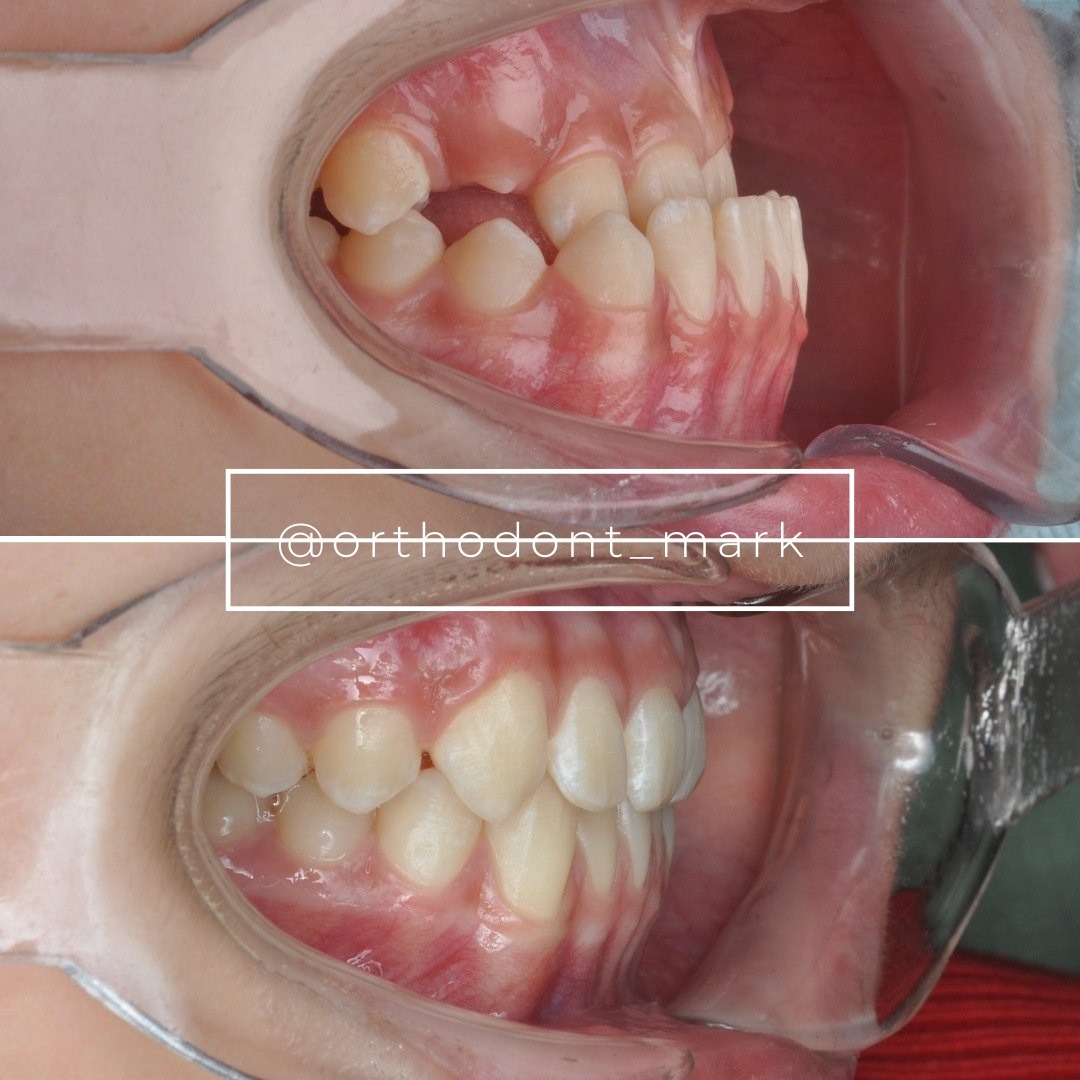
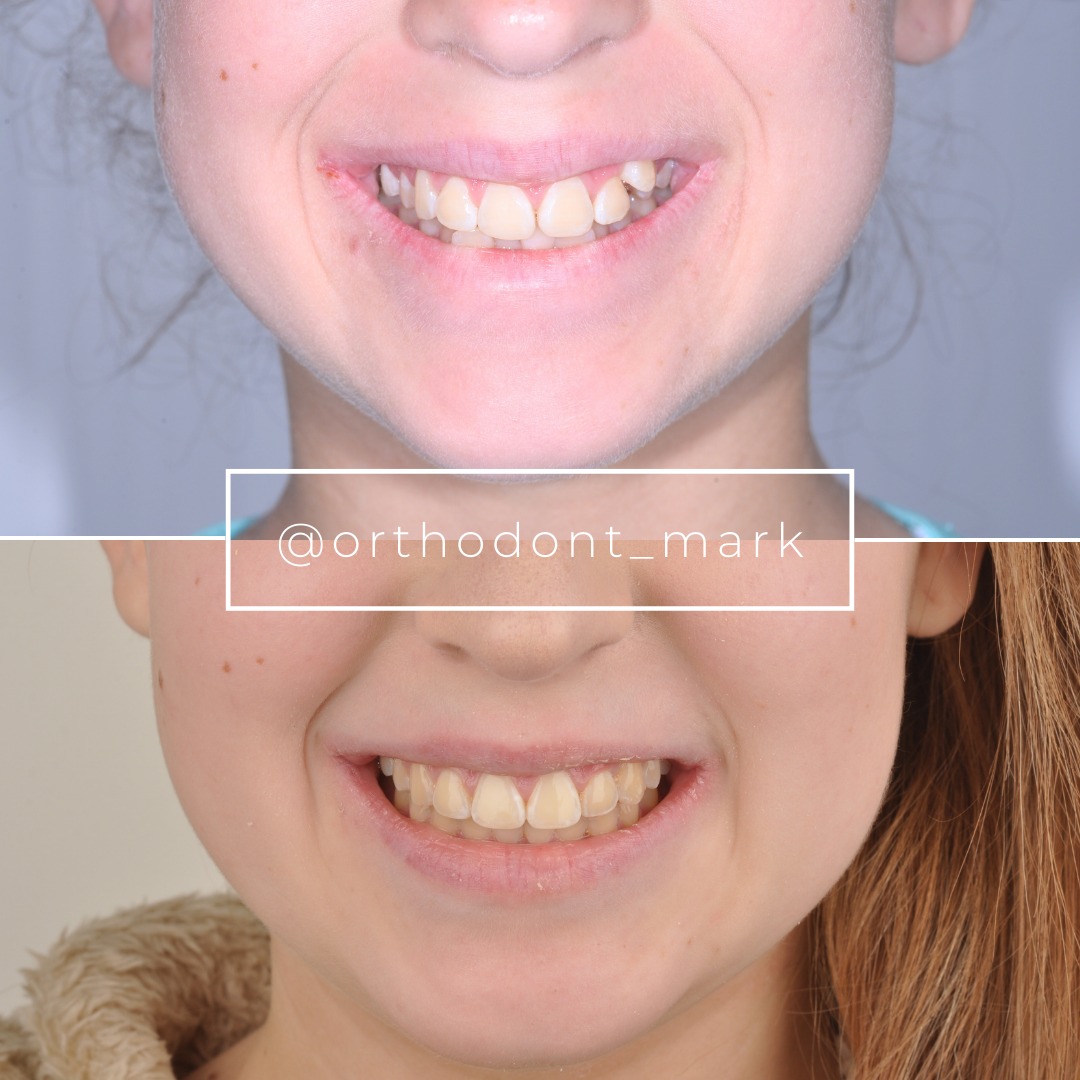
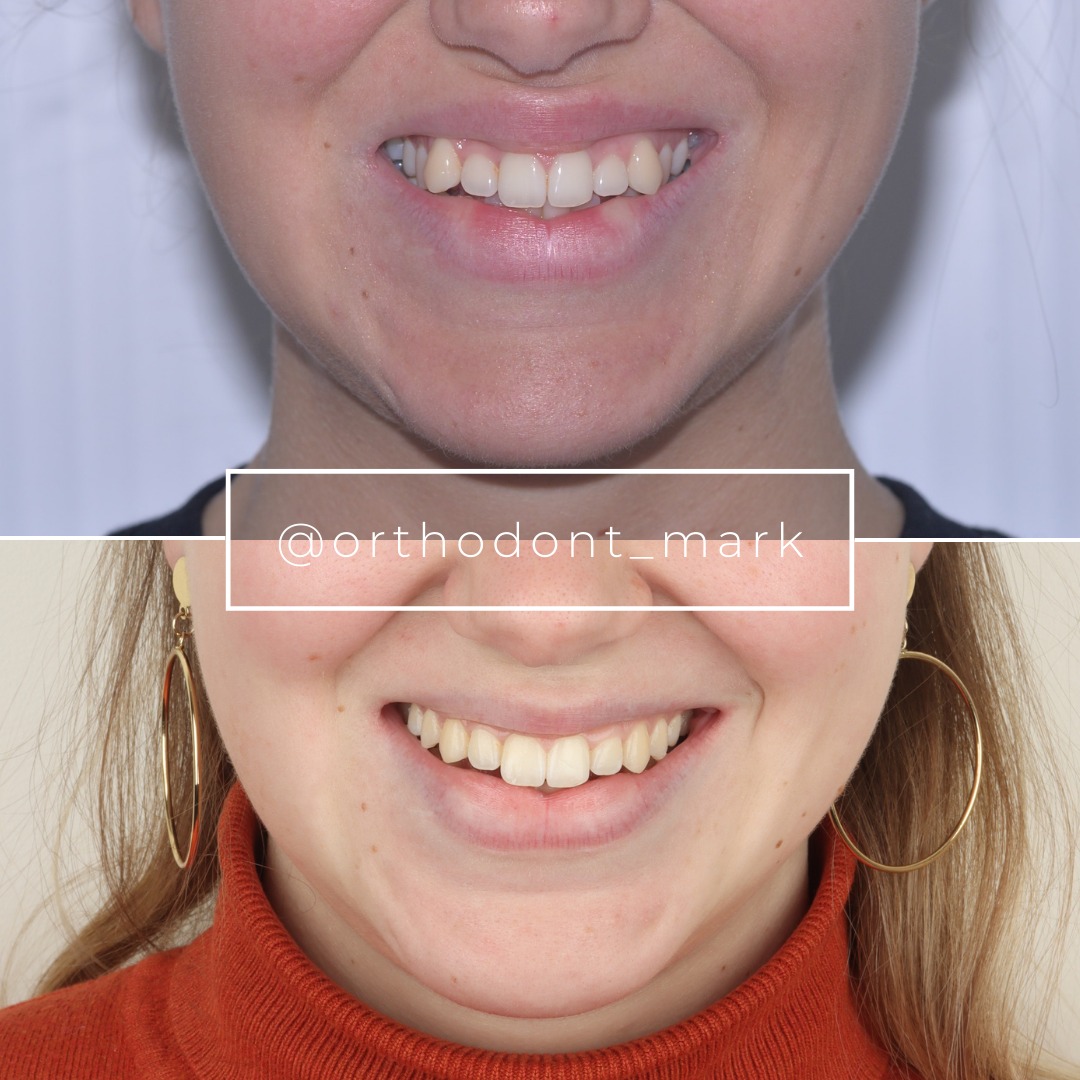
Learn the full MARPE protocol from Dr. Mark Radzhabov
Fundamental course covering CBCT patient selection, miniscrew planning, activation protocols, and 60+ clinical cases. Choose the access level that fits your practice.
Essentials of rapid palatal expansion for practicing orthodontists.
- Core RPE concepts and biomechanics
- 6 structured video lessons
- Clinical decision checklists
- Lifetime access to recordings
Deep-dive into MARPE protocol, diagnostics, and clinical execution.
- 6 modules covering MARPE from A to Z
- CBCT case selection walkthroughs
- Miniscrew placement and activation
- 60+ annotated clinical cases
- Direct Q&A with Dr. Mark Radzhabov
5-element medical consultation framework for dentists and orthodontists.
- Trust-building consultation protocol
- 5 lesson modules
- Templates for treatment plan delivery
- Works with any clinical specialty
Clinical FAQ
What is the optimal structure for an orthodontic patient intake form to capture expansion-relevant data?
Include chief complaint, prior orthodontic history, extraction pattern, TMJ symptoms, periodontal health, dental anxiety level, medication list (bisphosphonates, anticoagulants), and family history of malocclusion. Prioritize yes/no items for TMJ dysfunction and habit history (tongue thrust, mouth breathing) relevant to expansion candidacy assessment.
How do I efficiently screen for temporomandibular joint dysfunction during a first consultation?
Ask about pain, clicking, or restricted opening. Observe mandibular opening path (straight vs. deviation). Palpate bilateral TMJ at opening and closing. Test for “slide” from centric relation to centric occlusion (posterior interference). Document findings and refer for specialist evaluation if symptoms present.
What intraoral observations are most predictive of MARPE or MSE candidacy?
Assess palatal vault height and width, transverse maxillary constriction, dental crowding pattern, and presence of posterior cross-bites. Palpate palatal bone thickness and assess frenum attachment. These observations, combined with CBCT imaging of suture maturity and bone density, guide expansion modality selection.
How should I present diagnosis and treatment options to ensure patient acceptance?
Use clear, non-jargon language to describe the patient's current state (e.g., “narrow upper jaw with crowded front teeth”). Present multiple treatment options with realistic timelines, outcomes, and costs. Avoid over-promising; instead describe realistic ranges. Invite questions and provide a written summary for home review.
What imaging is appropriate to prescribe at the initial consultation?
Panoramic radiograph and lateral cephalogram are foundational for all new patients. CBCT is justified when skeletal expansion (MARPE, MSE, RPE) is being seriously considered, as it assesses suture maturity and bone density—data that directly influence treatment planning and modality selection.
How do I identify patients with psychological contraindications to elective orthodontic treatment?
Screen for body dysmorphic disorder (excessive focus on minor flaws), unrealistic expectations unaligned with clinical findings, and active psychiatric illness. Document observations in neutral language. Refer for psychological evaluation if concerns arise; these patients benefit from specialist assessment before treatment commitment.
What red flags at the first consultation should delay treatment or prompt referral?
Active periodontal disease (gingival bleeding, pocket depth >3mm, bone loss), poor oral hygiene, signs of sleep apnea (snoring, mouth breathing, airway obstruction), and psychological risk factors. Refer to periodontist, otolaryngologist, or psychologist as indicated before appliance placement.
How many intraoral and extraoral photographs are needed for comprehensive documentation?
Capture 5 extraoral views (frontal rest, frontal smile, bilateral profile rest and smile) and 8–10 intraoral views (anterior retracted, bilateral buccals, maxillary and mandibular occlusal, transverse, smile intraoral). Total protocol takes 3 minutes once team is trained.
How should I address periodontal concerns identified at the first consultation?
Document gingival recession, pocket depths, and bleeding findings. If active disease present, refer to periodontist before orthodontic appliance placement. Educate patient on oral hygiene importance and discuss periodontal clearance timeline. Defer treatment until periodontal health is optimized.
What should I include in the written summary document given to patients at the end of the consultation?
Diagnosis in plain language, preliminary treatment options with timelines and fee estimates, oral hygiene instructions, airway or periodontal findings if relevant, and a checklist of next steps (imaging, referrals, treatment plan finalization date). This document reinforces discussion and supports informed decision-making.
Implementing a standardized first-consultation checklist transforms appointment efficiency and diagnostic confidence. The 30-item protocol presented here—covering patient communication, clinical examination, and preliminary treatment planning—is grounded in best practices documented across contemporary orthodontic literature. Dr. Mark Radzhabov recommends this framework for all new patient evaluations, particularly when assessing candidacy for MARPE and skeletal expansion therapies. Review the complete checklist with your clinical team, adapt it to your practice workflow, and consider enrolling in the Orthodontist Mark consultation mastery course for advanced case documentation strategies.

