The Four-Key Orthodontic
Consultation Framework
Every Orthodontist Should Use
A systematic protocol for comprehensive patient assessment, diagnostic communication, and skeletal expansion case planning—grounded in evidence and clinical best practice.
TL;DR An effective orthodontic consultation framework integrates comprehensive patient assessment, diagnostic imaging interpretation, clinical communication, and treatment plan presentation. The four-key consultation framework guides clinicians through patient history and functional examination, skeletal and dental analysis, airway and sleep-disordered breathing screening, and structured case discussion—improving case acceptance and clinical outcomes in MARPE and growth-modification therapy.
The orthodontic consultation framework remains a cornerstone of clinical success, yet many practitioners lack a systematic approach to patient assessment, diagnostic interpretation, and treatment discussion. In this article, Dr. Mark Radzhabov outlines a four-key orthodontic consultation framework—patient intake protocol, diagnostic imaging analysis, clinical examination structure, and case presentation—drawn from evidence-based guidelines and 10+ years of clinical orthodontic practice. This framework is especially valuable when evaluating candidates for skeletal expansion and growth-modification therapy, where comprehensive pre-treatment assessment directly influences treatment outcome and patient compliance.
What Is the Orthodontic Consultation Framework?
systematic protocol
The orthodontic consultation framework is a systematic, four-step clinical protocol that standardizes patient intake, diagnostic assessment, clinical examination, and treatment case presentation to maximize case acceptance and treatment success. This structured approach is not simply an administrative convenience; it is a clinical necessity that ensures reproducibility, reduces diagnostic error, and builds patient confidence in your treatment recommendations. The four pillars of this framework are: (1) comprehensive patient intake and anamnestic collection, (2) multimodal diagnostic imaging interpretation and airway analysis, (3) detailed skeletal and functional examination, and (4) structured case discussion and treatment plan presentation. Each pillar addresses a distinct clinical question and generates actionable data that informs your diagnosis and treatment strategy. When evaluating candidates for skeletal expansion—whether growing patients suitable for rapid palatal expander therapy or adults considering miniscrew-assisted expansion—this framework prevents premature treatment planning. Comprehensive patient history, functional examination, and airway assessment are especially critical, as they reveal contraindications or comorbidities (such as sleep-disordered breathing or temporomandibular joint dysfunction) that may influence your mechanistic choice or timing of intervention. Dr. Mark Radzhabov and the Orthodontist Mark team have refined this framework across hundreds of clinical cases, finding that practices implementing all four pillars report higher case acceptance rates, improved patient compliance, and more predictable skeletal and dentoalveolar outcomes.
Patient Intake Protocol: Building the Clinical
Narrative
The patient intake and anamnestic history form the foundation of all subsequent clinical decisions. A structured intake questionnaire—addressing chief complaint, family orthodontic history, previous treatment, medical comorbidities, functional limitations, and psychosocial factors—establishes the clinical narrative and flags contraindications or special considerations before diagnostic imaging or examination. Key anamnestic elements include: (1) documentation of previous orthodontic or surgical treatment (including timing and outcome), (2) presence of dental anxiety or previous adverse experiences, (3) medical history relevant to bone physiology or wound healing (e.g., bisphosphonate use, uncontrolled diabetes, immunosuppression), (4) functional complaints such as difficulty chewing, open mouth posture, or sleep-related symptoms, and (5) chief complaint specificity (e.g., “narrow smile arc” vs. “difficulty chewing” vs. “cosmetic concern with midline”). For patients considering skeletal expansion or miniscrew-assisted expansion, intake should specifically address family history of skeletal problems (transverse maxillary deficiency clusters in families), timing of previous expander therapy if applicable, and functional limitations related to airway or masticatory function. Patients with a history of sleep disturbance, witnessed apnea events, or daytime somnolence should be flagged for airway assessment during the diagnostic phase. A well-structured intake form reduces clinical time, ensures consistency across all new patients, and provides written documentation that supports informed consent and treatment planning. Electronic capture of anamnestic data also enables trend analysis across your patient population—identifying which presenting conditions respond best to which mechanistic approaches.
Diagnostic Imaging: Skeletal Analysis and Airway
Assessment
Multimodal diagnostic imaging is the second pillar of the framework, providing objective measurement of skeletal dimensions, dental relationships, and upper airway morphology. Standard orthodontic records (lateral and frontal cephalograms, intraoral/extraoral photographs, and maxillary/mandibular dental casts) enable quantification of sagittal and vertical skeletal relationships, overjet/overbite, and arch form asymmetries. Cone-beam computed tomography (CBCT) has become increasingly valuable in orthodontics, particularly for assessment of transverse maxillary deficiency, temporomandibular joint morphology, and upper airway dimensions in patients with suspected sleep-disordered breathing. In growing patients, transpalatal width measurement (the distance between the closest points of the maxillary first molars) is a practical, measurable parameter: a transpalatal width of 36–39 mm is typical, whereas widths less than 35 mm indicate significant transverse deficiency warranting skeletal expansion therapy. For patients under consideration for skeletal expansion—whether via rapid palatal expander in growing patients or miniscrew-assisted expansion in non-growing or skeletally mature patients—CBCT analysis should include: (1) quantification of maxillary skeletal width and depth, (2) assessment of alveolar bone thickness at proposed miniscrew insertion sites, (3) evaluation of nasal airway patency and palatal vault height, and (4) identification of any anatomic variants (e.g., accessory nasal septa, deviated septum) that may affect post-expansion airway improvement. Upper airway analysis via CBCT is increasingly recognized as clinically relevant, especially in patients presenting with open mouth posture, sleep symptoms, or significant maxillary constriction. However, CBCT should be prescribed judiciously using the ALADAIP principle (As Low As Diagnostically Acceptable being Indication-Oriented and Patient-specific) to minimize radiation exposure—particularly in growing children.
Clinical & Functional Examination: Quantifying
Skeletal Relationships
The clinical and functional examination is where diagnostic hypotheses generated by history and imaging are either confirmed or refuted through direct observation and measurement. This third pillar includes comprehensive extraoral and intraoral assessment, quantification of skeletal and dental relationships, evaluation of jaw function, and notation of asymmetries or special anatomic features. Extraoral examination should document facial form (dollichocephalic vs. brachycephalic), anterior facial height proportions, lip posture (competence and thickness), nasal airway appearance, and any obvious asymmetries of the chin or lower facial thirds. Intraoral examination includes assessment of gingival and periodontal health, presence of dental anomalies (agenesis, supernumeraries, ectopic eruption), overjet and overbite measurement, posterior crossbite presence or absence, and quantification of arch width discrepancy. For patients under consideration for skeletal expansion, specific measurements are critical: (1) intermolar width in both maxilla and mandible (and the width discrepancy), (2) the degree and directionality of any posterior crossbite, (3) presence of anterior crossbite or edge-to-edge contact, (4) the amount of buccal alveolar bone thickness at the planned miniscrew insertion sites (estimated clinically and confirmed by CBCT), and (5) jaw opening range and condylar position during the opening trajectory. Patients with severely restricted jaw opening or condylar displacement warrant temporomandibular joint imaging before expansive therapy. Functional examination should include assessment of jaw closing pathway (laterotrusive deviations), centric relation-to-intercuspal position discrepancy, and presence of parafunctional habits (tongue thrusting, thumb sucking, cheek biting). These functional patterns often underlie relapse risk and inform retention strategy post-treatment.
Case Discussion & Treatment Plan Presentation:
Evidence-Based Communication
The fourth and final pillar is the structured case discussion and treatment plan presentation. At this stage, all diagnostic data—history, imaging, clinical examination findings—are synthesized into a clear, evidence-based narrative that addresses the patient's chief complaint and presents a realistic treatment roadmap. The case discussion should translate technical diagnostic findings into patient-centered language, distinguish skeletal from dentoalveolar findings, and explain the biological rationale for the recommended treatment approach. For patients being evaluated for skeletal expansion, the case discussion should explicitly address: (1) the magnitude and location of transverse deficiency (e.g., “Your upper jaw is narrower than your lower jaw by approximately X mm; this contributes to your crossbite and narrow smile”), (2) the expected biological response to the proposed treatment (e.g., “With miniscrew-assisted expansion, we expect about 7–8 mm of skeletal widening over 4–5 months, with an additional 2–3 mm of dental compensation”), (3) post-expansion changes in nasal airway and breathing (where applicable), (4) expected timeline from active expansion through retention, and (5) patient responsibilities (compliance with retention, habit modification, follow-up appointments). It is critical to distinguish between expected skeletal response (based on age and bone density) and dentoalveolar response. Growing patients undergoing rapid palatal expander therapy or miniscrew-assisted rapid palatal expansion (MARPE) in older adolescents can expect greater skeletal contribution; skeletally mature adults show primarily dentoalveolar compensation unless sutural separation is specifically targeted. Presenting these distinctions clearly prevents unrealistic expectations and supports long-term compliance. Finally, the case discussion should address retention strategy early. Patients should understand that transverse relapse is common (5–25% loss of correction in the year following active expansion) and that retention protocol directly impacts long-term stability. Offering multiple treatment options—where clinically appropriate—and inviting patient questions builds trust and increases case acceptance.
Structuring the Consultation: Workflow and Practical
Tools
Implementing the four-key orthodontic consultation framework requires systematic workflow integration and practical tools to streamline each pillar without sacrificing depth. Many successful orthodontic practices use digital intake forms, structured examination templates, and presentation software that accelerate the process while ensuring no diagnostic step is missed. Digital anamnestic collection (web-based or tablet-administered before the patient's first visit) saves chair time and ensures standardized data capture across all new patients. The form should include dropdown menus for common responses, free-text fields for open-ended complaints, and checkboxes for medical/surgical history elements relevant to bone physiology (e.g., bisphosphonate use, bleeding disorders, prior orthognathic surgery). Patients complete the form in the waiting area, and the clinician reviews it during the examination to prioritize diagnostic questioning. During the clinical examination phase, a standardized examination template (paper or digital) guides the clinician through all four components: extraoral assessment, intraoral findings, radiographic measurements, and functional tests. Using the same template for every patient builds clinical pattern recognition—you become faster at identifying anomalies because you follow the same sequence each time. Photographic documentation (smile, profile, intraoral occlusion) taken during examination serves as a visual baseline for patient education and post-treatment comparison. For treatment case presentation, consider using a combination of printed photographs, radiographs, 3D CBCT reconstructions (if available), and a written treatment proposal that the patient can take home and review. Many patients benefit from seeing their occlusion superimposed on 3D reconstructions (available through modern orthodontic software) to visualize expected changes. Writing a brief one-page treatment proposal—outlining chief complaint, diagnosis, treatment approach, timeline, and estimated cost—increases perceived professionalism and gives patients time to reflect before financial commitment. Dr. Mark Radzhabov has developed template-based consultation workflows that reduce average new-patient consultation time from 90 minutes to 60 minutes without reducing diagnostic thoroughness—the key is removing administrative and redundant questioning by using standardized forms and digital data capture.
Free Clinical Guide
Which Expansion Appliance at Which Age?
Get Dr. Mark Radzhabov's guide to skeletal-expansion appliances — indications, pros & cons, and how to choose by patient age. Free to your inbox.
Prefer video? Watch the free demo lesson on MARPE appliance types, features and trade-offs.
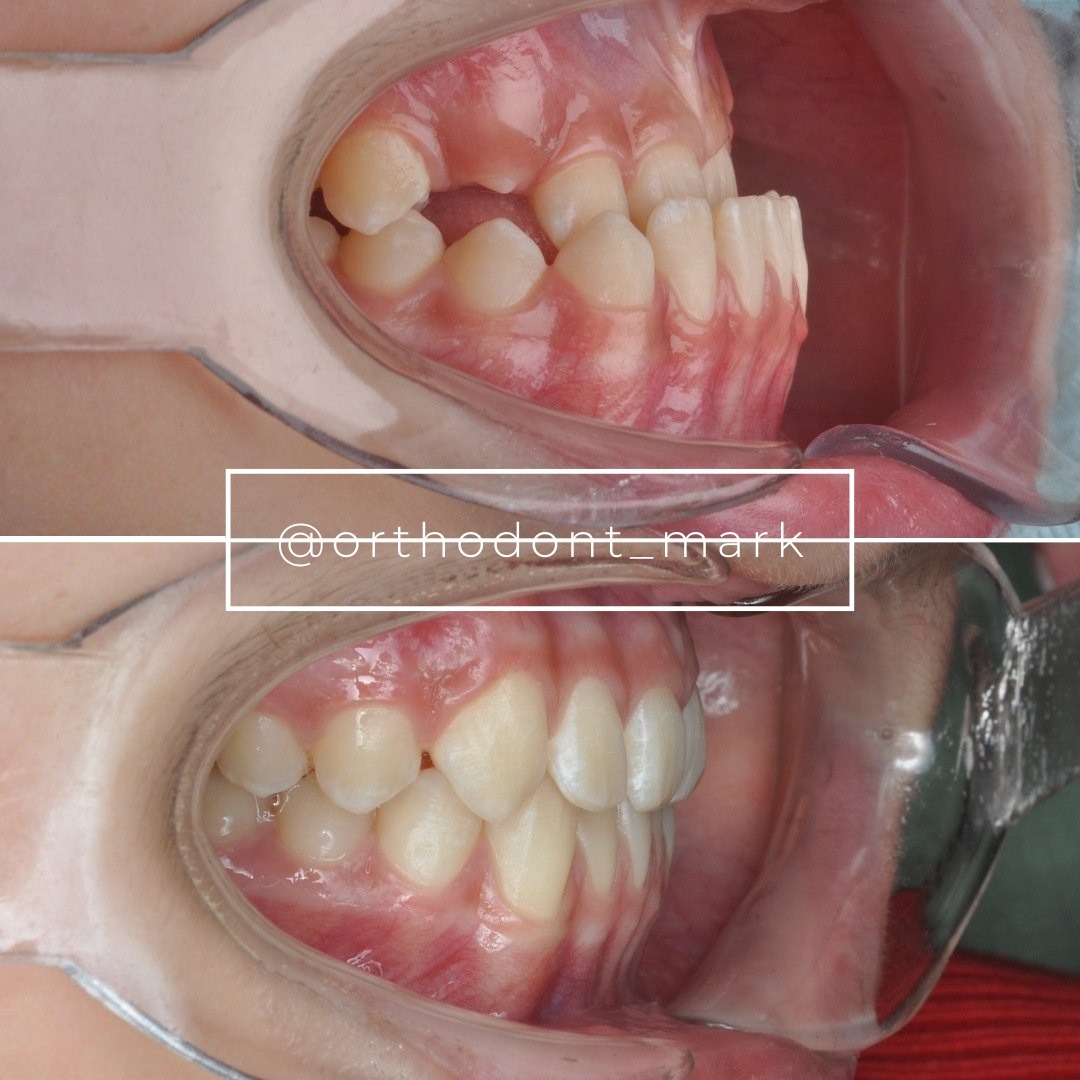
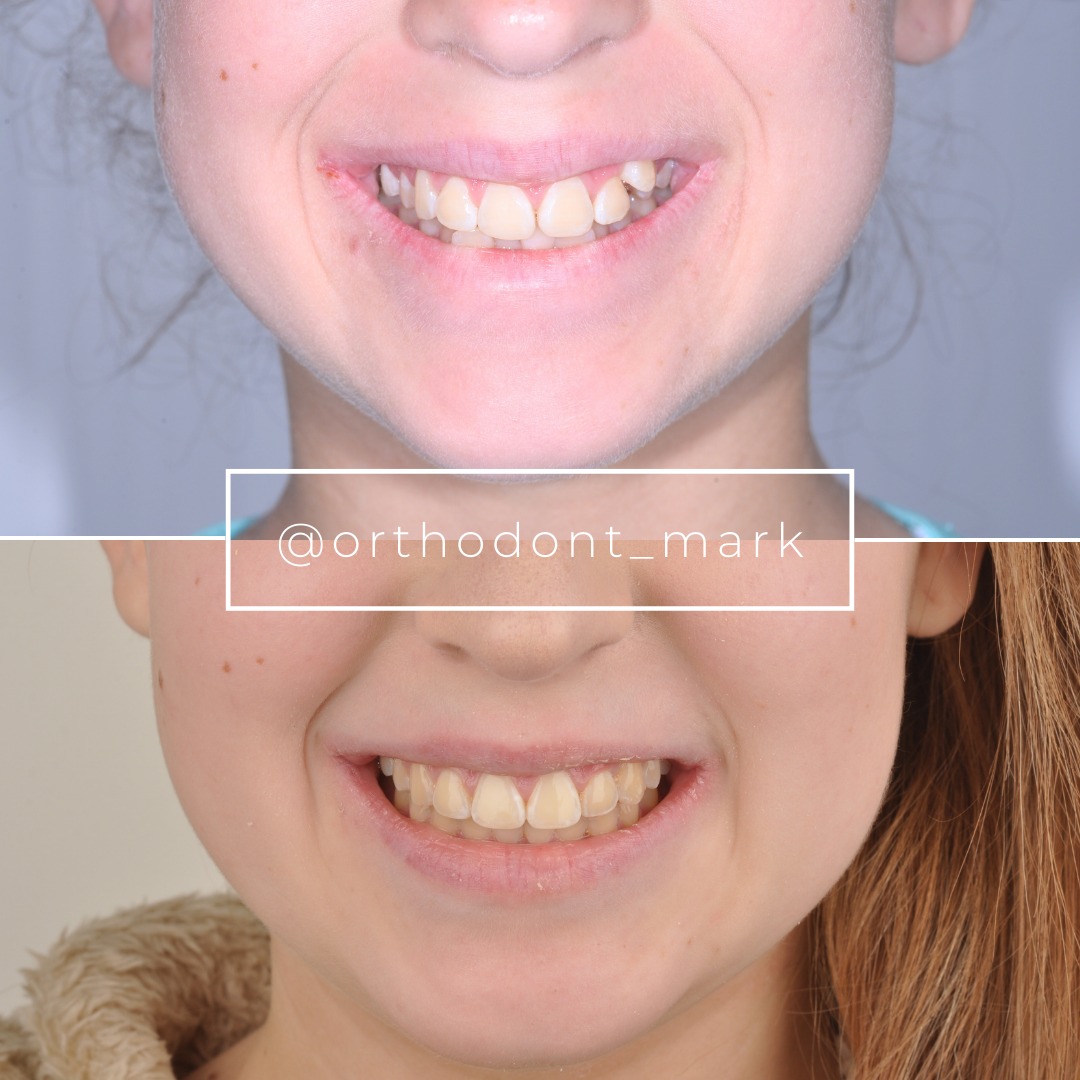
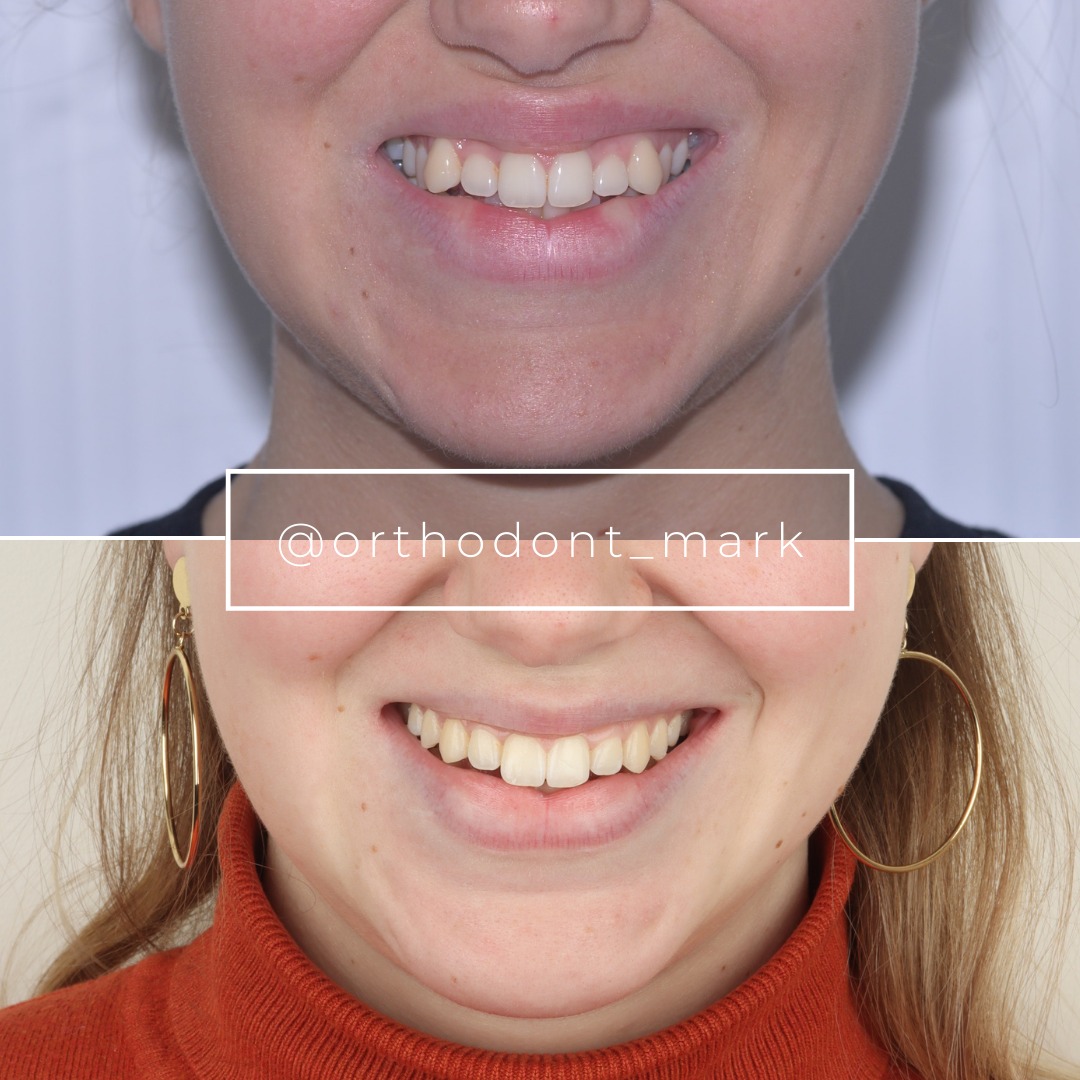
Documented outcomes
Clinical cases from Dr. Mark Radzhabov's practice
Learn the full MARPE protocol from Dr. Mark Radzhabov
Fundamental course covering CBCT patient selection, miniscrew planning, activation protocols, and 60+ clinical cases. Choose the access level that fits your practice.
Essentials of rapid palatal expansion for practicing orthodontists.
- Core RPE concepts and biomechanics
- 6 structured video lessons
- Clinical decision checklists
- Lifetime access to recordings
Deep-dive into MARPE protocol, diagnostics, and clinical execution.
- 6 modules covering MARPE from A to Z
- CBCT case selection walkthroughs
- Miniscrew placement and activation
- 60+ annotated clinical cases
- Direct Q&A with Dr. Mark Radzhabov
5-element medical consultation framework for dentists and orthodontists.
- Trust-building consultation protocol
- 5 lesson modules
- Templates for treatment plan delivery
- Works with any clinical specialty
Clinical FAQ
What are the key elements of a comprehensive orthodontic patient intake form?
Essential elements include chief complaint, medical/surgical history (bisphosphonate use, bleeding disorders), previous orthodontic treatment, family skeletal history, dental anxiety level, sleep-related symptoms, functional limitations (chewing, breathing), and parafunctional habits. Digital capture before appointment saves chair time.
How do I assess transverse maxillary deficiency during clinical examination?
Measure intermolar and intercanine widths in maxilla and mandible; compare with cephalometric norms. Clinically, observe posterior crossbite, buccal alveolar bone thickness, and any functional shift of the mandible during closure. Confirm with CBCT transpalatal width measurement (normal 36–39 mm).
What airway parameters should I assess before recommending skeletal expansion?
Evaluate upper airway morphology and patency on CBCT, measure minimum airway cross-sectional area and anteroposterior dimension at the level of the soft palate and oropharynx, and correlate with patient symptomatology (sleep disturbance, daytime somnolence). Consider sleep physician referral if OSA is suspected.
When is CBCT indicated in orthodontic case planning?
CBCT is indicated for assessment of transverse maxillary deficiency, temporomandibular joint morphology, detection of dental anomalies (agenesis, supernumeraries, ectopic eruption), evaluation of upper airway in sleep-disordered breathing, and pre-operative planning for miniscrew insertion. Prescribe judiciously using ALADAIP principle to minimize radiation.
How do I present expected skeletal vs. dentoalveolar changes to patients considering MARPE?
State specific millimeters: “Skeletal expansion is typically 7–8 mm; dental movement adds 3–4 mm, for total 10–12 mm arch widening.” Explain that skeletally mature patients show primarily dentoalveolar response unless sutural separation is targeted. Quantifying expectations prevents post-treatment dissatisfaction.
What is the optimal age window for recommending miniscrew-assisted expansion (MARPE) vs. conventional RPE?
Growing patients (pre-pubertal and pubertal) respond best to conventional RPE due to greater sutural plasticity. Non-growing or skeletally mature adolescents and adults (typically age 14+) are candidates for MARPE, which provides skeletal anchoring and more predictable expansion when sutures are fused.
How do I screen for sleep-disordered breathing during the orthodontic consultation?
Include anamnestic questions about witnessed apnea events, daytime somnolence, morning headaches, and sleep position. Note open mouth posture and high palatal vault during clinical exam. If symptoms present, refer for sleep physician evaluation and consider CBCT airway analysis to assess airway patency before expansion therapy.
What periodontal and bone thickness factors should guide miniscrew insertion site selection?
Assess gingival biotype (thick vs. thin), alveolar bone height and volume at proposed insertion sites (palatal midline, alveolar crest region), and proximity to tooth roots and nasal structures via CBCT. Thick biotype and adequate bone volume predict better osseointegration and lower miniscrew failure rates.
How should I address transverse relapse risk and retention strategy during case discussion?
Explain that 5–25% relapse of transverse correction is common post-treatment and occurs primarily in the year following active expansion. Discuss retention protocol early: fixed palatal appliances, removable expanders, or combination therapy depending on patient compliance and retention goals. Early discussion prevents surprise and increases buy-in.
What is the most effective way to present treatment options and increase case acceptance in a consultation?
Present multiple clinically valid options (e.g., RPE vs. MARPE in appropriate-age patients), quantify expected outcomes for each, discuss pros/cons, and invite patient/parent input on timing and approach. Written one-page treatment proposal summarizing diagnosis, plan, timeline, and cost allows patients to review at home and increases acceptance.
Implementing a structured orthodontic consultation framework accelerates case acceptance, improves treatment predictability, and deepens clinician confidence in diagnosis and treatment planning. Whether you are evaluating a growing patient for RPE or assessing an adult for miniscrew-assisted expansion, the four-key protocol ensures no clinical variable is overlooked. Dr. Mark Radzhabov teaches this framework in depth within the Orthodontist Mark clinical education program—request a case review consultation or explore advanced MARPE and growth-modification protocols on ortodontmark.com.