
Intraoral Scanning vs Traditional Impressions
Scanning vs Impressions
at Your First Consultation
Systematic review of accuracy, speed, and patient comfort to guide your intake protocol and improve diagnostic workflow.
TL;DR Intraoral scanning vs traditional impressions differs in accuracy, speed, and patient experience. Digital scans demonstrate excellent reproducibility and patient comfort with comparable or superior accuracy for treatment planning, while traditional alginate impressions remain clinically viable when cost and operator experience are primary considerations.
The choice between intraoral scanning and traditional impression techniques at your first orthodontic consultation fundamentally shapes your diagnostic workflow, treatment planning, and patient experience. In this article, Dr. Mark Radzhabov reviews the clinical evidence comparing these two methods—examining accuracy, scanning time, patient comfort, and practical integration into modern orthodontic practice. Whether you are managing palatal expansion cases or standard malocclusion, understanding the strengths and limitations of each technique ensures you select the approach that best serves your patient population and clinical goals.
What Is Intraoral Scanning vs Traditional Impressions?
Intraoral scanning
And when should each be used
Intraoral scanning vs traditional impressions represents a fundamental shift in how orthodontists capture initial diagnostic records. Intraoral scanners use structured light or laser technology to acquire a three-dimensional STL (stereolithography) file of the dentition and palate in real time, generating a virtual digital model without intermediate steps. Traditional impression techniques—most commonly alginate, a fast-set elastomeric material—produce a negative mold that is poured in gypsum to create a physical study model. Both methods provide the dental arch models needed for diagnosis, treatment planning, and appliance fabrication. A 2023 systematic review examining 35 studies found that intraoral scanners demonstrated satisfactory to excellent reproducibility and shorter scanning times compared with conventional techniques, while accuracy remained controversial depending on the arch type and scanner system used. Alginate impressions, by contrast, remain reliable when mixed at proper powder-to-water ratios and poured promptly, though they require physical storage space and introduce potential distortion during handling. The choice between digital and conventional methods should be informed by clinical evidence rather than tradition alone.
How Accurate Is Intraoral Scanning
Compared to Impressions?
Understanding three-dimensional deviations
Accuracy in orthodontic records depends on two metrics: trueness (how close the scan matches the reference model) and precision (reproducibility across multiple scans). A 2023 network meta-analysis comparing 26 intraoral scanners across 53 studies found that accuracy of IOSs scans were not significantly different from reference scans for dentate arches, suggesting digital impressions are equivalent to or superior to traditional methods for standard cases. However, the same analysis revealed significant accuracy differences between individual scanner systems and clinical scenarios—particularly in partially edentulous arches with implants, where traditional impressions may retain an advantage. Three-dimensional superimposition studies have shown that dual-arch impression techniques produce larger deviations than full-arch conventional impressions, a finding that favors comprehensive digital scanning when seeking to minimize error. Intraoral scanners also eliminate polymerization shrinkage (a persistent problem with gypsum poured from alginate), reducing the need for distortion compensation. For MARPE or skeletal expansion assessment, precise three-dimensional records of palatal anatomy and molar positioning are essential; most modern intraoral scanners capture this detail with mean deviations <50 micrometers, well within clinically acceptable tolerances. The literature suggests that scanner selection should match your clinical focus—general dentate cases benefit equally from either method, while complex or mixed dentition cases may warrant the objective precision of digital capture.
Scanning Time and Patient Comfort: Digital Wins
scanning time
The evidence for switching your protocol
One of the most compelling clinical advantages of intraoral scanning is dramatically reduced chair time. A 2023 systematic review reported that digital scanning requires significantly shorter times compared with conventional impression techniques, a benefit that compounds across a high-volume consultation schedule. Alginate impressions require powder dispensing, water measurement, spatulation, proper tray insertion, setting time (typically 2–3 minutes), and careful removal to avoid tearing—cumulative steps that routinely exceed 10 minutes per arch when executed carefully. By contrast, trained operators can capture a complete digital scan in 3–5 minutes per arch, with immediate visualization on screen and the option to retake any region instantly without material waste or patient discomfort. Patient comfort represents a secondary but clinically important advantage: gag reflex is significantly reduced with intraoral scanners because the wand is smaller and does not pack material into the palate or pharynx. Studies show improved patient comfort compared with conventional techniques, a factor that enhances compliance at the first visit and builds rapport—particularly important when planning complex cases such as palatal expansion assessment, where future patient cooperation is essential. Digital records also eliminate the need for physical model storage, reduce shipping delays to the lab, and allow instant digital communication with your technician or treatment coordinator. For practices managing high caseloads or planning multiple expansion cases, the cumulative time savings justify the scanner investment within 12–18 months.
Reproducibility: Can You Trust Your Digital Records?
Reproducibility
Serial scanning and longitudinal monitoring
Reproducibility—the ability to produce identical or near-identical results on repeated scanning—is essential for longitudinal treatment monitoring and forensic accuracy. Intraoral scanners demonstrate satisfactory to excellent reproducibility across multiple studies, with precision errors typically ranging from 10 to 50 micrometers when the same operator rescans the same patient. This level of consistency allows reliable comparison of pre-treatment, progress, and post-treatment records without confounding variables introduced by impression material distortion or technician casting variation. Traditional alginate impressions show greater variability in reproducibility because the material itself is subject to dehydration, dimensional change after pouring, and technician-dependent cast trimming. For clinicians planning serial CBCT or digital scanning to monitor expansion response, the superior reproducibility of intraoral scanners provides objective data for assessing skeletal and dental changes—critical when counseling patients on treatment progress and modifying mechanics accordingly. The STL files generated by intraoral scanners are also permanently archived in digital format, eliminating the physical storage burden of plaster models and enabling instant retrieval for patient education, insurance documentation, or treatment planning refinement. Dr. Mark Radzhabov emphasizes that reproducible records form the foundation of evidence-based treatment modification; when expansion rates or skeletal response deviate from expected trajectories, having precise baseline and interval scans allows rapid diagnosis of mechanical failure or skeletal variation.
How to Integrate Scanning into Your Consultation
How to integrate
And when to retain traditional impressions
Transitioning from traditional impressions to intraoral scanning does not require an all-or-nothing approach. Operator learning curve is real: studies indicate a 50–100 case experience window before proficiency reaches the level of an alginate specialist. Consider a hybrid protocol: scan all dentate, caries-free cases at consultation to build speed and confidence, while retaining alginate backup impressions for heavily restored, periodontally compromised, or high-gag-reflex patients where scanner tolerance is marginal. Software integration is equally important—ensure your chosen scanner's STL output is compatible with your lab's CAD/CAM workflow, your patient management system, and your long-term digital archive. Establish a checklist: (1) verify adequate lip retraction and dry the palate; (2) use powder or retraction cord only when necessary; (3) capture the full arch including tuberosity and anterior palate in one continuous scan; (4) confirm file integrity before dismissing the patient; (5) immediately upload to your cloud storage or lab portal. For pediatric or limited-mouth-opening patients, portable handheld scanners may pose challenges—maintain alginate as your safety net. If you are planning rapid palatal expansion or MARPE assessment, digital scanning of palatal vault anatomy, molar axis, and first-molar vertical position provides superior three-dimensional detail compared with alginate impressions, particularly when combined with CBCT for skeletal planning. The most successful practices use a pragmatic blended approach: digital scanning as the default for routine cases, with alginate maintained for exceptions.
Common Pitfalls in Digital Scanning at Consultation
Common pitfalls
And how to prevent diagnostic failure
Intraoral scanning failures typically stem from technique rather than technology. Inadequate isolation and moisture control is the leading cause: saliva, blood, or lip moisture on the occlusal surfaces breaks the light reflection and creates voids in the scan. Establish a dry-field protocol using gauze, a lip retractor, and brief air-drying before scanning. Incomplete arch capture is the second common error—operators who rush often skip the anterior palate, canine regions, or tuberosities, forcing the lab to extrapolate missing anatomy or request a rescan. Train yourself to mentally divide each arch into four zones (incisors, canines, premolars, molars + palate/tuberosity) and verify all zones before uploading. Scanner drift or stitching errors occur when the operator moves the wand too quickly or loses tracking—most modern scanners alert you audibly if tracking is lost, but some operators ignore the warning and proceed. Always scan until the software confirms completion. Software compatibility failures are largely preventable: test your scanner's export protocol with your lab and practice management system before your first case, not after. For expansion assessment, a common error is failing to capture the full palatal vault and its three-dimensional contours—if your scanner defaults to arch view only, manually adjust the capture volume to include the palate. Finally, over-reliance on scanning without clinical examination can mask mucosal pathology, severe crowding, or oral hygiene issues that a physical cast or direct visualization would reveal. Digital records are a tool, not a replacement for clinical judgment.
Free Clinical Guide
Which Expansion Appliance at Which Age?
Get Dr. Mark Radzhabov's guide to skeletal-expansion appliances — indications, pros & cons, and how to choose by patient age. Free to your inbox.
Prefer video? Watch the free demo lesson on MARPE appliance types, features and trade-offs.
Documented outcomes
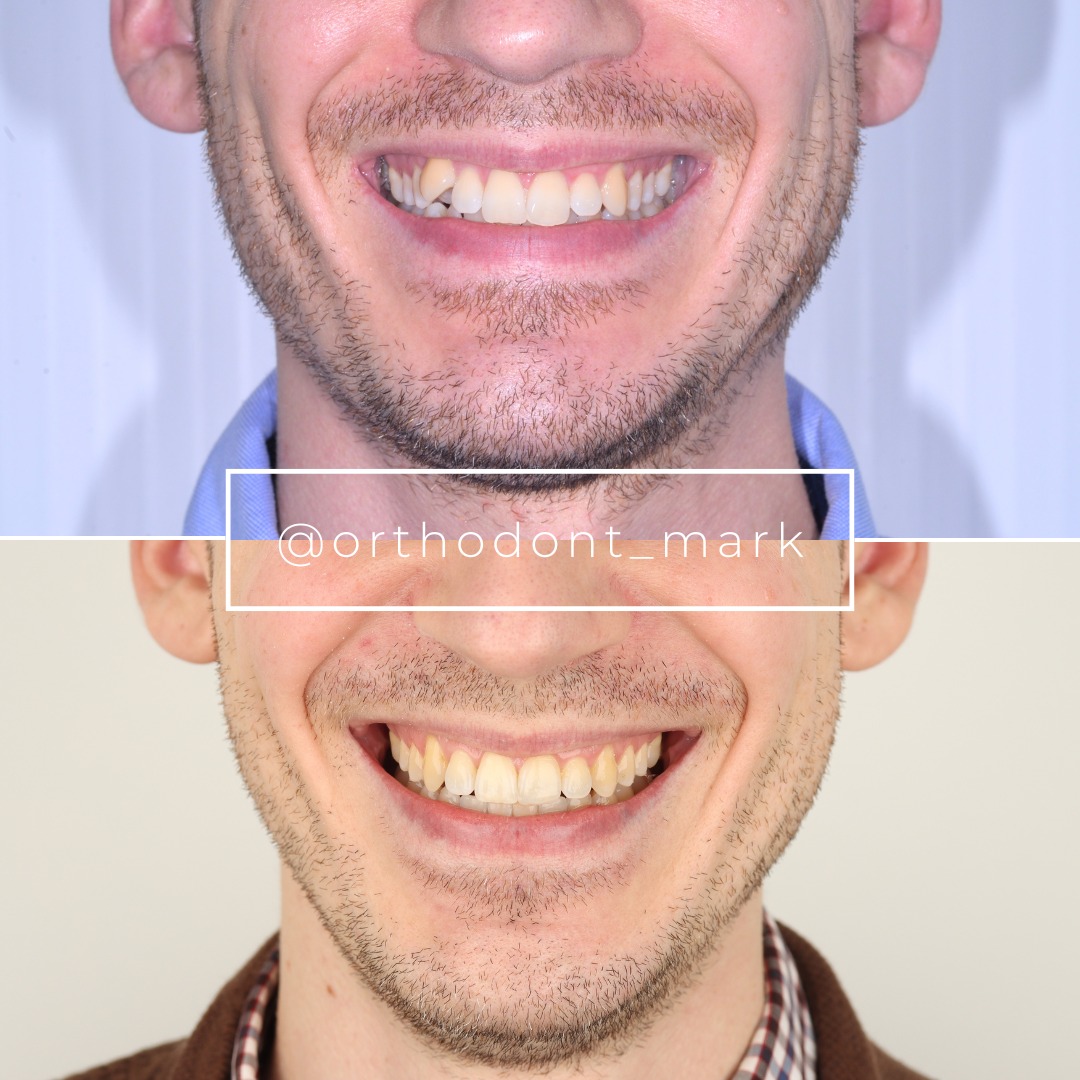
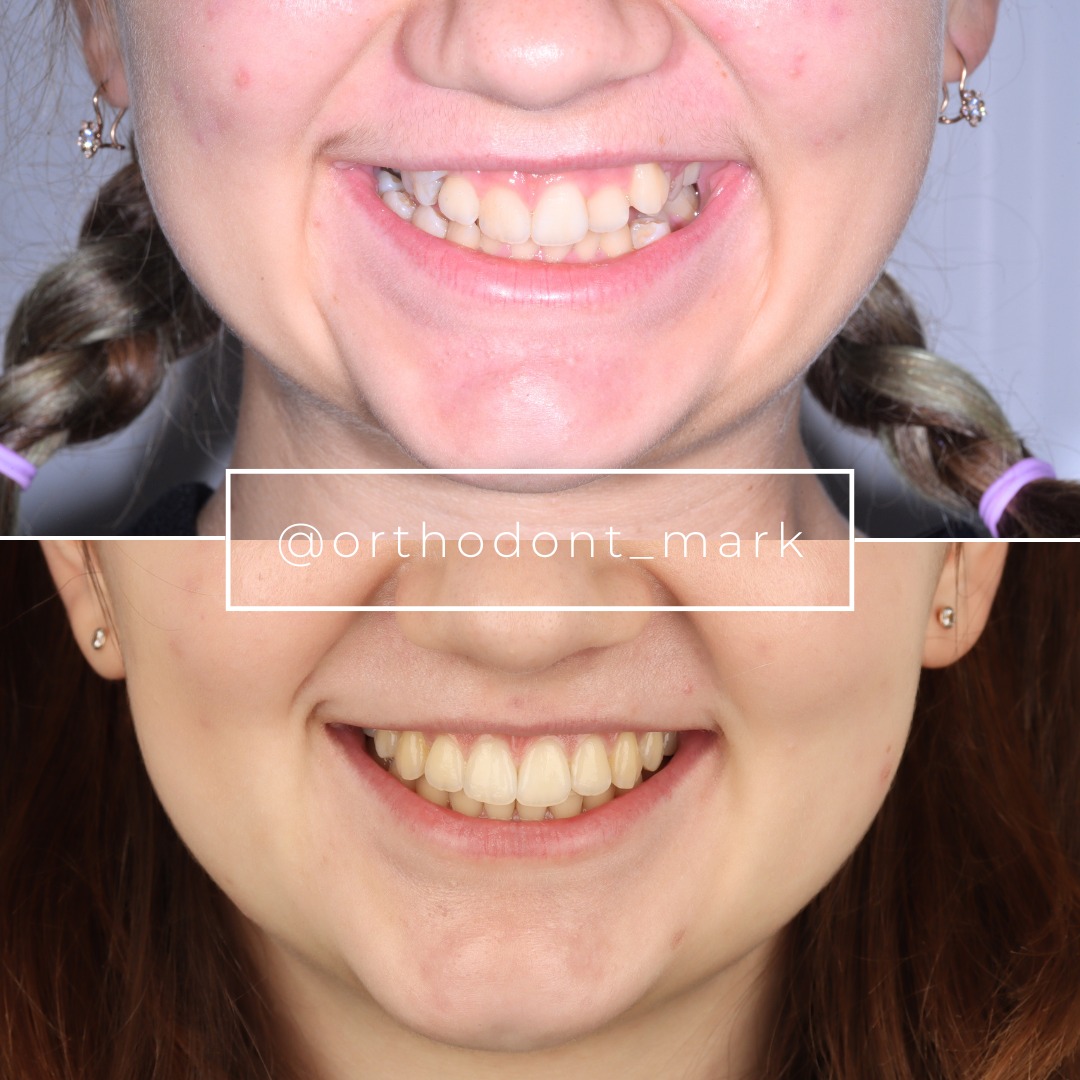
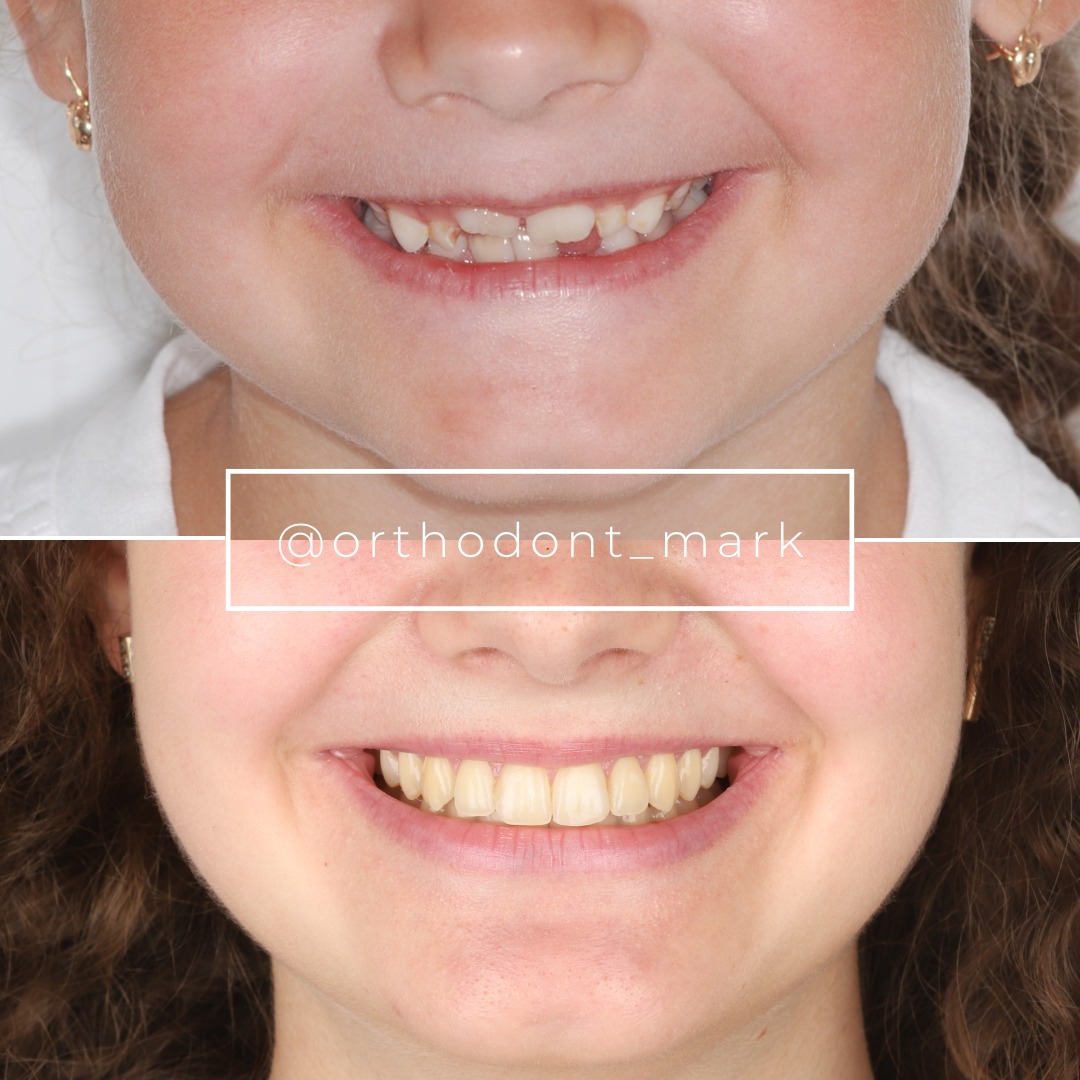
Clinical cases from Dr. Mark Radzhabov's practice
Learn the full MARPE protocol from Dr. Mark Radzhabov
Fundamental course covering CBCT patient selection, miniscrew planning, activation protocols, and 60+ clinical cases. Choose the access level that fits your practice.
Essentials of rapid palatal expansion for practicing orthodontists.
- Core RPE concepts and biomechanics
- 6 structured video lessons
- Clinical decision checklists
- Lifetime access to recordings
Deep-dive into MARPE protocol, diagnostics, and clinical execution.
- 6 modules covering MARPE from A to Z
- CBCT case selection walkthroughs
- Miniscrew placement and activation
- 60+ annotated clinical cases
- Direct Q&A with Dr. Mark Radzhabov
5-element medical consultation framework for dentists and orthodontists.
- Trust-building consultation protocol
- 5 lesson modules
- Templates for treatment plan delivery
- Works with any clinical specialty
Clinical FAQ
What is the mean accuracy of intraoral scanners compared to reference STL files for complete-arch dentate scanning?
A 2023 network meta-analysis found no significant accuracy differences between intraoral scanner STL files and reference scans for dentate arches (p > 0.05), with typical trueness deviations < 50 micrometers.
How much faster is intraoral scanning compared to traditional alginate impressions at consultation?
Digital scanning typically requires 3–5 minutes per arch, while alginate impressions routinely require 10+ minutes including spatulation, insertion, setting, and removal—a 50–70% time reduction per patient.
Can intraoral scanners capture sufficient palatal detail for MARPE or rapid expansion planning?
Yes. Modern intraoral scanners capture full three-dimensional palatal vault, molar position, and arch anatomy with < 50 micrometers deviation, providing superior detail compared to alginate impressions for expansion vector planning.
What is the learning curve for orthodontists transitioning from impressions to digital scanning?
Most operators achieve proficiency after 50–100 supervised cases, depending on prior digital experience and scanner model familiarity. Early cases should focus on dentate, low-complexity patients.
Should I eliminate alginate impressions entirely, or maintain a hybrid protocol?
A pragmatic hybrid approach is recommended: digital scanning as default for routine cases, with alginate backup reserved for heavily restored, periodontally compromised, or severely limited-opening patients.
How do I ensure my intraoral scanner STL files integrate seamlessly with my lab's CAD/CAM workflow?
Test scanner export protocols with your lab and practice management system before your first patient case. Verify file format, resolution, and compatibility with appliance design software.
What is the reproducibility of intraoral scanners when rescanning the same patient for longitudinal monitoring?
Intraoral scanners demonstrate satisfactory to excellent reproducibility, with precision typically 10–50 micrometers on rescanning—enabling reliable serial comparison for treatment progress monitoring.
Are intraoral scanners more comfortable for patients than alginate impressions?
Yes. Studies report improved patient comfort with digital scanning because the wand is smaller, does not pack material into the pharynx, and eliminates gag reflex associated with alginate trays.
What is the most common technical error that compromises intraoral scan quality at consultation?
Inadequate isolation and moisture control. Saliva and moisture on occlusal surfaces break light reflection and create voids. Establish dry-field protocol with gauze, retractors, and air-drying.
Does digital scanning provide better three-dimensional data for surgical expansion planning compared to traditional impressions?
Yes. Digital scans capture complete palatal vault geometry and arch relationships in three dimensions, superior to alginate casts for surgical planning, miniscrew positioning, and skeletal vector assessment.
At your next consultation, the decision between intraoral scanning and traditional impressions should be guided by evidence, not habit. Both methods provide clinically adequate models for diagnosis and appliance fabrication, but digital scanning offers measurable advantages in reproducibility, chair time, and patient satisfaction—particularly valuable when managing complex skeletal expansion cases. Dr. Mark Radzhabov recommends evaluating your practice's current workflow and patient demographics to determine the optimal starting point. Consider reviewing your consultation protocol or enrolling in a digital workflow course at Orthodontist Mark to refine your intake records and diagnostic accuracy.

