
Intraoral Scanner Accuracy:
When It Works
and When It Doesn't
A data-driven review of scanner performance across clinical scenarios, helping you select the right IOS for your diagnostic workflow.
TL;DR Intraoral scanner accuracy differs significantly based on clinical arch type. Systematic evidence shows IOSs achieve comparable accuracy to reference standards for dentate and fully edentulous arches, but performance varies between implant scenarios and individual scanner systems. Clinicians must select scanners matched to their intended use case.
Intraoral scanner accuracy remains a critical factor in digital orthodontic diagnosis and treatment planning. In this article, Dr. Mark Radzhabov examines the evidence-based performance of contemporary intraoral scanning systems—which clinical scenarios favor digital capture, how accuracy varies between scanner platforms, and practical protocols for integrating IOS data into skeletal expansion planning and appliance fabrication. Understanding the nuances of intraoral scanning helps clinicians maximize diagnostic confidence and minimize rework in fully digital workflows.
What Is Intraoral Scanner Accuracy?
Trueness and Precision
Intraoral scanner accuracy is the degree to which a digital 3D representation matches the actual tooth and arch anatomy, measured by trueness (closeness to a reference standard) and precision (consistency between repeated scans). In orthodontics, this distinction matters enormously: a scanner can be precise (repeatable) yet systematically inaccurate (biased away from true dimensions), or vice versa. The global market for intraoral scanners has grown dramatically—valued at $382.52 million in 2020 and projected to reach $875.60 million by 2030—driven by the promise of faster workflows and reduced chair time.
However, not all intraoral scanning systems perform equally across all clinical situations. A comprehensive network meta-analysis examined 53 studies spanning 26 different intraoral scanner systems and found that accuracy performance depends heavily on the clinical arch type being scanned. For dentate arches, edentulous arches without implants, and fully edentulous arches with implants, the evidence shows that contemporary IOSs achieve accuracy comparable to reference standard scans. However, the picture becomes more complex in partially edentulous cases with implants, where significant accuracy deviations emerged.
For clinicians integrating intraoral scanning into diagnosis and planning—whether for conventional appliances or advanced procedures like miniscrew-assisted expansion planning—understanding these nuances is essential. The quality of your baseline digital model directly affects the reliability of treatment planning calculations, appliance design, and outcome prediction. This article distills the evidence on scanner accuracy, identifies which systems performed best in different scenarios, and provides practical guidance for selecting and using an IOS in your practice.
How Intraoral Scanner Performance Varies
by Clinical Scenario
The evidence-based foundation for understanding IOS performance comes from systematic comparison of multiple scanner systems against standardized reference models. The study methodology is rigorous: researchers generate reference standard tessellation language (STL) files from high-precision scans, then compare test scans from candidate intraoral scanners using quantitative metrics—mean absolute deviation (MAD) and root mean square (RMS) values—to assess both trueness and precision.
For dentate arches (natural teeth, fully erupted), the evidence shows that contemporary intraoral scanners perform reliably and are not significantly different from reference scans. Three different IOS systems demonstrated this level of accuracy across multiple studies. This is the most favorable scenario for digital scanning: intact dentition provides abundant optical landmarks, high contrast edges, and consistent geometry. In routine orthodontic diagnosis and treatment planning, dentate-arch scanning represents your highest-confidence scenario.
For fully edentulous arches without implants, performance remains comparable to reference standards, with three IOS systems showing equivalent accuracy. However, this scenario is less common in contemporary orthodontics. More clinically relevant is the fully edentulous arch with osseointegrated implants—a scenario that arises in older patients or those with congenital missing teeth. Here, one IOS system demonstrated reference-standard accuracy; however, limited comparative data exist, suggesting this is an area where more evidence is needed.
The critical finding emerged in partially edentulous arches with implants. In this mixed scenario—some natural teeth, some implants—significant accuracy differences were observed compared to reference scans. This is clinically important because many adult patients present with a mix of natural dentition and prior implant work. The geometric complexity of scanning both tooth enamel and implant abutments, with potential soft-tissue shadows and undercuts, introduces systematic biases that current IOS technology does not fully compensate for.
Selecting and Validating Your Intraoral Scanner
for Diagnostic Reliability
The evidence that different intraoral scanners perform at different levels of accuracy across clinical scenarios has a direct implication for your practice: scanner selection should be matched to your primary use case. If your practice predominantly treats fully dentate orthodontic patients, the choice of IOS matters less—most contemporary systems perform adequately for this scenario. However, if you routinely work with mixed dentition, implant cases, or adult patients with prior restorative work, the specific IOS you choose becomes material to diagnostic accuracy.
Beyond system choice, practical validation protocols can improve confidence in your digital models. One study comparing alginate impressions and intraoral scanning in a pediatric population found that digital scanning was accurate across anterior-posterior measurements, intercanine distance, and other key landmarks. However, alginate impressions showed a significantly higher intercanine distance than the control typodont, suggesting that impression distortion remains a real phenomenon even with traditional methods. For pediatric appliance fabrication, the evidence supports digital scanning as a viable alternative or complement to alginate impressions, particularly when chairside time efficiency is a priority.
In your diagnostic workflow, consider dual validation when scanning high-stakes cases: compare the IOS STL file with clinical photographs, periapical radiographs, or existing study models if available. If you detect discrepancies—particularly in posterior or interimplant regions—do not automatically trust the scan. Request a rescan, adjust scanner positioning, or consider a conventional impression as a safety measure. For treatment planning with miniscrew-assisted expansion protocols, the baseline model accuracy is foundational; small errors in arch dimension or inclination can compound across the entire expansion phase.
Optimizing Intraoral Scanning Technique
to Minimize Error
Intraoral scanner accuracy is not solely determined by the device—operator technique, patient factors, and data processing all contribute to final model quality. Research comparing conventional dual-arch impressions with full-arch impressions and digital scanning revealed that scanning approach affects the magnitude of error. The biggest dimensional differences emerged between intraoral scans and dual-arch (two separate) impressions, whereas full-arch impressions and digital scans showed smaller deviations when compared to each other. This suggests that capturing the complete arch in a single, unified scan reduces geometric distortion compared to piecemeal approaches.
For your scanning protocol, adopt these evidence-aligned practices: (1) Capture the complete arch in a single continuous scan rather than separate anterior and posterior regions, when the software allows. This reduces stitching error and geometric discontinuity. (2) Include adequate soft-tissue reference points—vestibule, palate, and retromolar areas—to anchor the 3D geometry and provide geometric stability for the STL output. (3) Ensure adequate lighting and moisture control to maximize optical contrast; dried mucosa and light refraction are common sources of scan failure and require rescanning. (4) Perform one high-quality scan rather than multiple rapid scans; averaging multiple scans does not necessarily improve accuracy if each individual scan contains systematic bias.
From a time-efficiency perspective, intraoral scanning offers clear advantages over conventional impressions: impression time is shorter, elimination of pour-up and model trimming reduces laboratory turnaround, and digital files are instantly available for treatment planning or appliance design. In pediatric cases without caries, digital scanning can compress the time from initial consultation to appliance fabrication—a clinical advantage that supports patient acceptance and reduces appointment burden.
Recognizing Scenarios Where Intraoral Scanning
Requires Extra Caution
Understanding where intraoral scanning performs poorly is as important as knowing where it succeeds. The evidence clearly identifies partially edentulous arches with implants as a scenario where accuracy degrades significantly compared to reference standards. Clinically, this occurs when you are scanning a mix of natural tooth crowns and implant abutments—a common situation in adult patients with prior implant therapy. The optical challenge arises because tooth enamel and implant abutment surfaces have different light-reflection properties, and the transition zone between natural tooth and implant-supported crown can create ambiguous geometry that the scanner's software struggles to triangulate accurately.
Beyond arch type, specific anatomic factors introduce risk of scanning error: (1) Deep bites and anterior overjet create optical shadows in the anterior region, particularly in the interdental papillae and under-incisor areas. (2) Severe crowding reduces optical access to proximal surfaces and can result in incomplete or distorted geometry, especially in posterior regions where access is limited. (3) Implant tilting or angulation relative to adjacent teeth increases the geometric complexity; the scanner must accurately capture the abutment angle, which differs from the more predictable inclination of natural tooth crowns. (4) Soft-tissue hyperplasia or bleeding obscures tooth geometry and introduces optical noise that degrades STL precision.
When you encounter these scenarios, consider a hybrid approach: use intraoral scanning for the dentate regions (where accuracy is high), supplement with conventional impressions for the edentulous/implant regions, or request a second scan with modified patient positioning and retraction to improve optical clarity. For high-stakes treatment planning—particularly when planning skeletal expansion with miniscrew insertion—do not rely solely on a digital scan if the clinical situation falls into a known high-risk category. Validation against clinical exam findings and radiographic landmarks is essential.
Connecting Scanner Accuracy to Treatment Planning
and Appliance Design
For orthodontists integrating intraoral scanning into comprehensive treatment planning, the clinical value lies not in the scan itself but in the decisions it informs. Whether you are performing routine bracket placement or planning miniscrew-assisted expansion, the accuracy of your baseline model becomes the foundation for all subsequent calculations. If the baseline scan contains systematic errors—undersized or oversized arch dimensions, distorted inclinations, or inaccurate molar positions—those errors propagate through your treatment plan.
The practical implication is straightforward: do not treat the IOS STL as infallible. Before committing to a treatment plan based primarily on digital models, cross-reference key measurements against clinical examination and radiographic findings. For sagittal correction cases, compare digital overjet and overbite to your clinical measurement. For transverse expansion cases, verify arch width and midline deviation clinically. For cases involving implants or congenitally missing teeth, carefully review the digital anatomy against your clinical impressions—this is precisely where the evidence tells us accuracy is lower.
When integrating diagnostic scans into skeletal expansion planning, request that the STL file includes adequate soft-tissue boundaries (palate, vestibule, and retromolar regions). This provides geometric context and allows more reliable identification of anatomic landmarks for screw placement and expansion axis determination. Many appliance design laboratories and 3D printing services now accept IOS files directly for appliance fabrication; ensure that your chosen partner has validated their software algorithms against the specific scanner platform you use, since accuracy can vary depending on the STL export format and processing chain.
Free Clinical Guide
Which Expansion Appliance at Which Age?
Get Dr. Mark Radzhabov's guide to skeletal-expansion appliances — indications, pros & cons, and how to choose by patient age. Free to your inbox.
Prefer video? Watch the free demo lesson on MARPE appliance types, features and trade-offs.
Documented outcomes
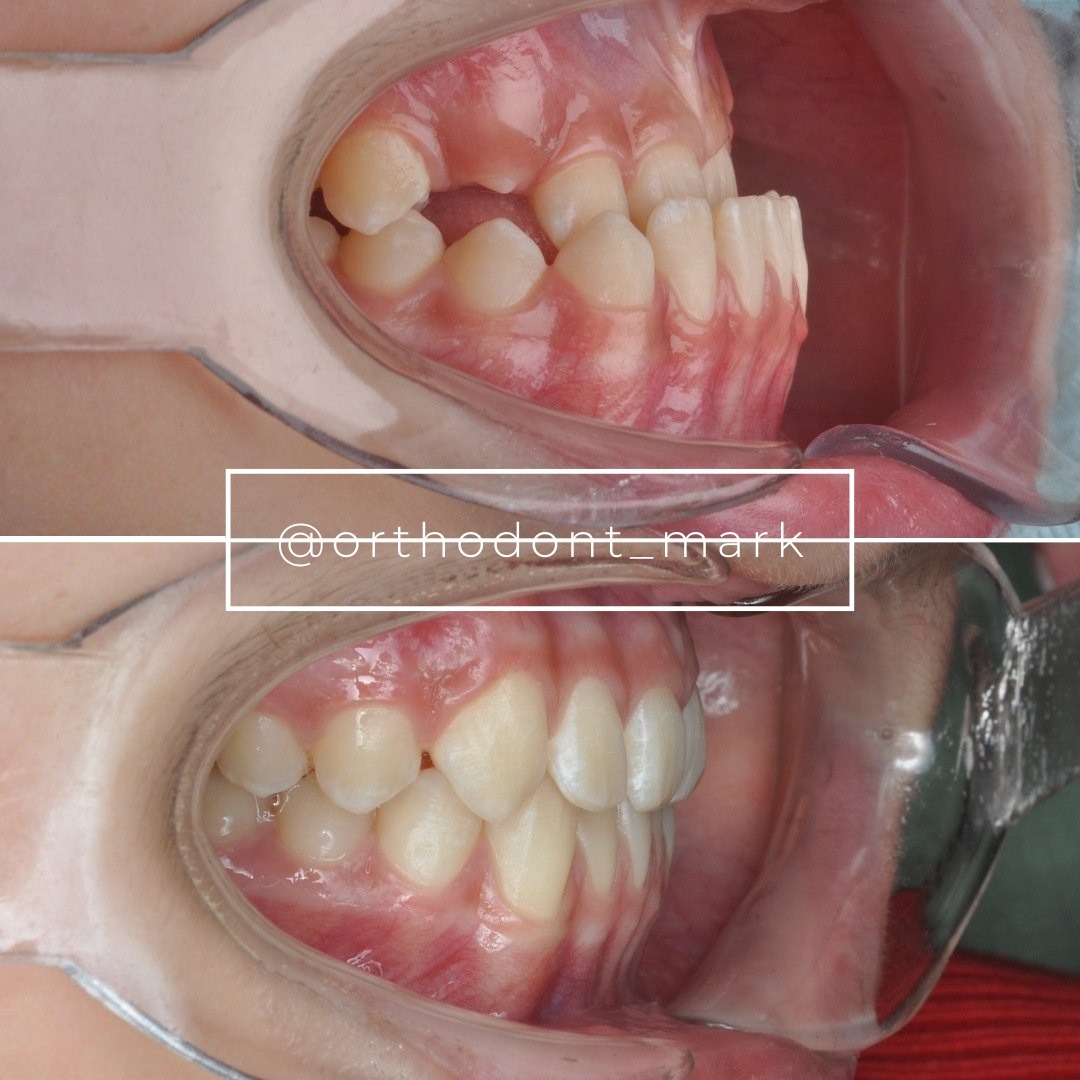
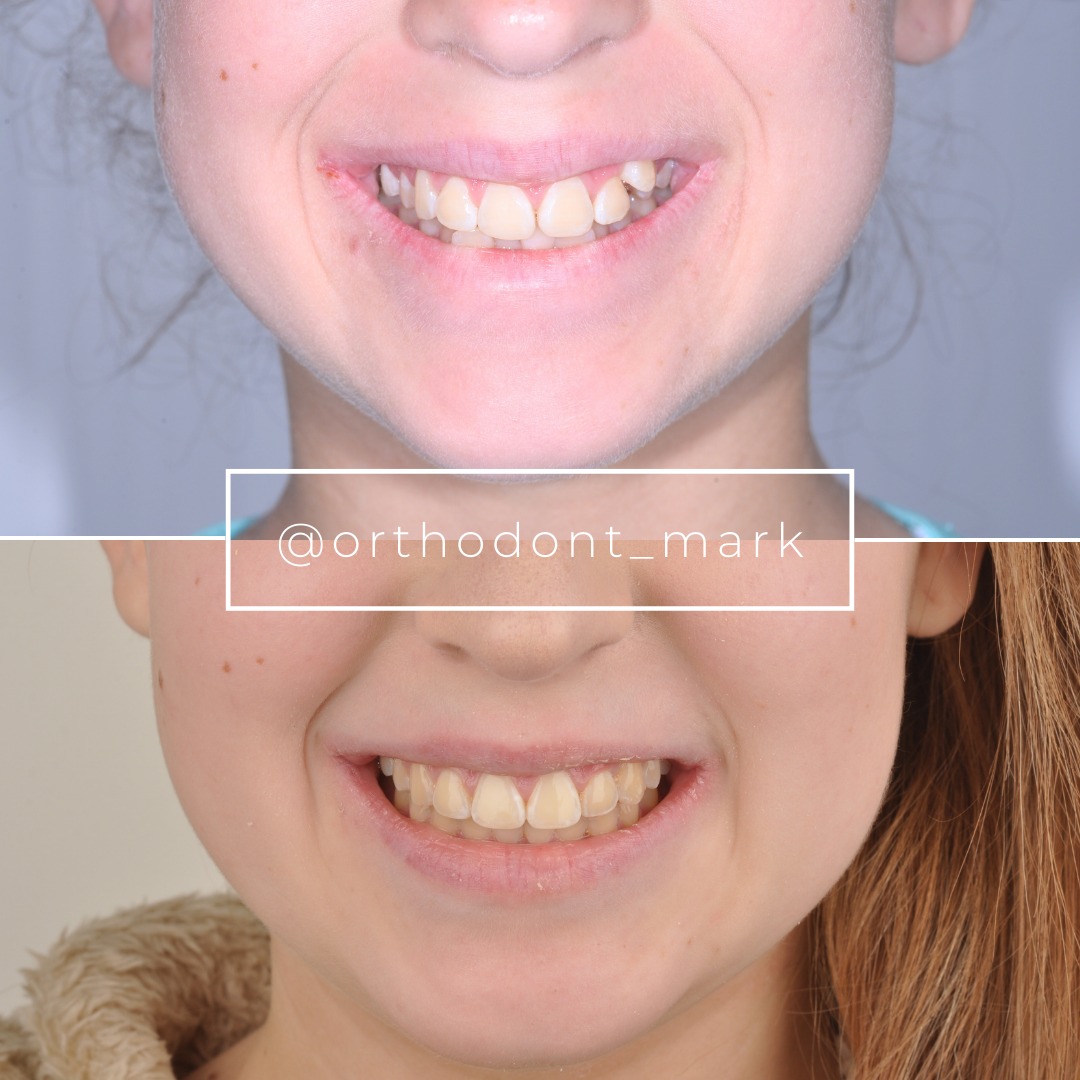
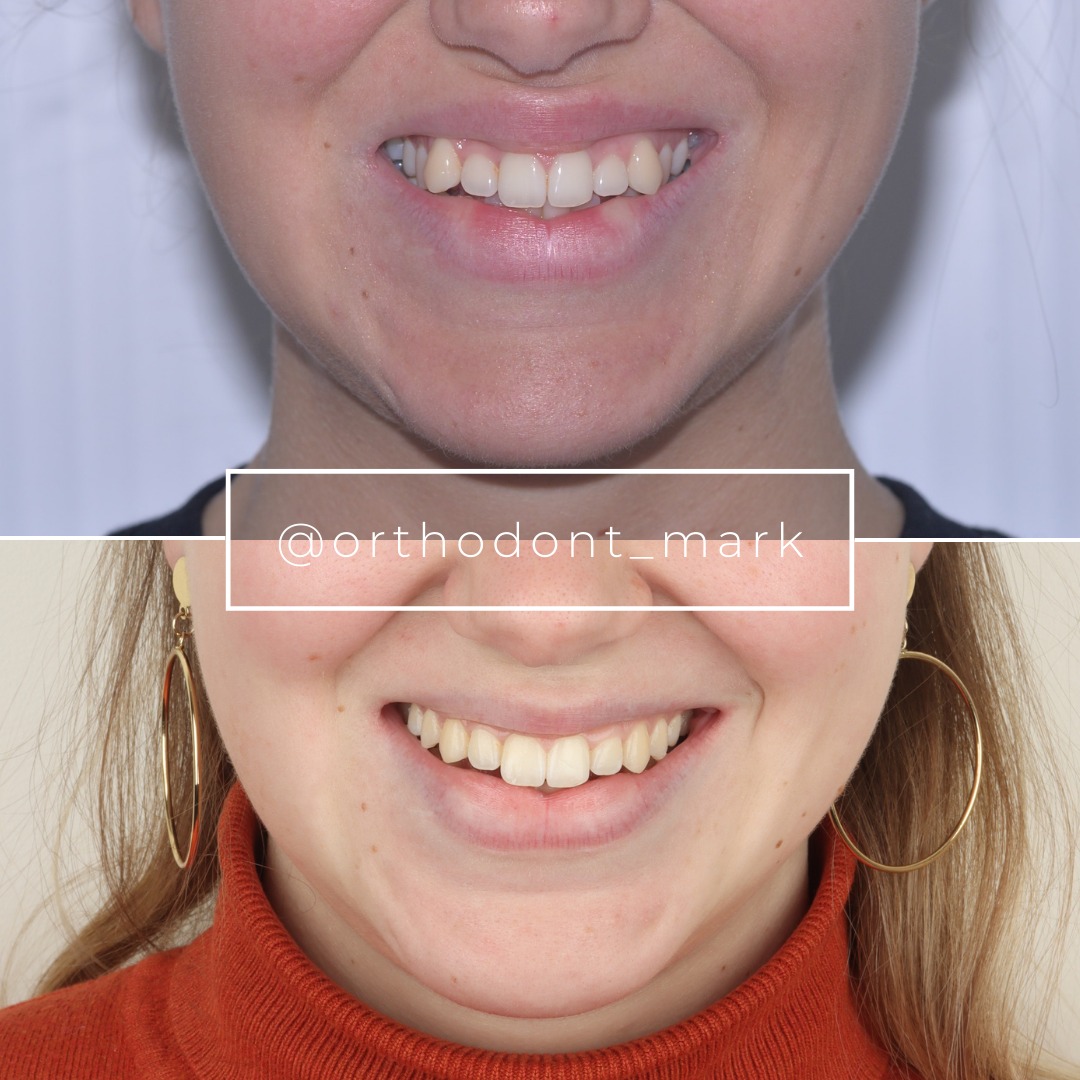
Clinical cases from Dr. Mark Radzhabov's practice
Learn the full MARPE protocol from Dr. Mark Radzhabov
Fundamental course covering CBCT patient selection, miniscrew planning, activation protocols, and 60+ clinical cases. Choose the access level that fits your practice.
Essentials of rapid palatal expansion for practicing orthodontists.
- Core RPE concepts and biomechanics
- 6 structured video lessons
- Clinical decision checklists
- Lifetime access to recordings
Deep-dive into MARPE protocol, diagnostics, and clinical execution.
- 6 modules covering MARPE from A to Z
- CBCT case selection walkthroughs
- Miniscrew placement and activation
- 60+ annotated clinical cases
- Direct Q&A with Dr. Mark Radzhabov
5-element medical consultation framework for dentists and orthodontists.
- Trust-building consultation protocol
- 5 lesson modules
- Templates for treatment plan delivery
- Works with any clinical specialty
Clinical FAQ
What is the difference between scanner trueness and precision in orthodontic diagnosis?
Trueness is how closely a scan matches a reference standard (accuracy to reality); precision is how consistently repeated scans match each other. Both matter. A scanner can be precise but systematically biased, or truthy but inconsistent—neither is ideal for treatment planning.
Which intraoral scanner systems showed the best accuracy across all clinical scenarios?
Evidence does not rank one scanner as universally superior. Instead, 26 systems were compared across four arch types. Accuracy depends on the specific clinical scenario. Select based on your most common case type and validate with your own clinical experience.
Is intraoral scanning accurate enough for mixed dentition and implant cases?
Not reliably. Evidence shows significantly degraded accuracy in partially edentulous arches with implants. In these cases, consider hybrid approaches: digital scanning for natural tooth regions, conventional impressions for implant zones, or dual validation before treatment planning.
How does intraoral scanning accuracy compare to conventional alginate impressions for pediatric appliances?
Clinical studies show digital scanning is accurate for key landmarks (intercanine distance, anterior-posterior measurements) in pediatric models. Alginate impressions showed slight expansion of intercanine width. Digital scanning offers faster chairside time and reduced laboratory turnaround.
What scanning technique minimizes geometric error in the final digital model?
Capture the complete arch in a single continuous scan rather than separate anterior and posterior regions. Include soft-tissue reference points (vestibule, palate, retromolar areas). Ensure adequate moisture control and lighting to maximize optical contrast and reduce rescanning.
Should I rely solely on an intraoral scan for MARPE or miniscrew-assisted expansion planning?
No. Validate digital baseline measurements against clinical examination and radiography, especially for landmark identification and arch dimension assessment. Small baseline errors compound across the entire expansion phase—clinician verification is essential.
What are the main anatomic factors that reduce intraoral scanner accuracy?
Deep bite and anterior overjet create optical shadows. Severe crowding limits interdental access. Implant tilting increases geometric complexity. Soft-tissue hyperplasia or bleeding obscures tooth geometry. Recognize these risk factors and apply extra caution or hybrid methods.
How should I handle a case where the intraoral scan disagrees with my clinical examination?
Do not ignore the discrepancy. Request a rescan with modified patient positioning and retraction to improve optical clarity. If the error persists in high-risk regions (implants, deep bite, crowding), supplement with a conventional impression for that zone.
Does the intraoral scanner software (STL processing algorithm) affect the accuracy of the final model?
Yes. Different scanners export STL files with different processing chains. Ensure your appliance design lab or 3D printer has validated their algorithms against your specific IOS platform to minimize software-related distortion.
What is the current market growth rate for intraoral scanners, and does higher adoption mean better clinical reliability?
Intraoral scanning market projected to grow at 18.6% annually through 2030, valued at $875.60 million by 2030. Market growth reflects adoption, not necessarily universal superiority over traditional methods. Evidence-based selection remains essential.
The accuracy of intraoral scanning is not universal—it depends on your specific clinical context, patient anatomy, and scanner platform. Rather than adopting a one-size-fits-all approach, evidence supports matching scanner selection to the arch type and treatment goal. To explore how digital diagnostics integrate into your MARPE planning or skeletal expansion protocol, consider a case review or consultation with Dr. Mark Radzhabov through the Orthodontist Mark platform, where evidence-based scanning workflows are systematically applied.