
Build an Orthodontic Case Library
That Works for You
During Every Consultation
Systematize your documentation. Organize your cases. Close more patients with confidence. A case library accelerates consent and anchors clinical communication in evidence.
TL;DR An orthodontic case library is a systematized collection of documented before-and-after cases used during consultations to improve patient understanding, set expectations, and accelerate treatment acceptance. A complete photo protocol, structured intake documentation, and organized digital galleries enable clinicians to match patient presentations with comparable outcomes and demonstrate evidence-based treatment planning.
Building a curated orthodontic case library for consultations accelerates patient education and dramatically improves informed consent. Dr. Mark Radzhabov advocates for systematic case documentation as a core clinical tool—one that bridges diagnostic findings, patient concerns, and treatment outcomes in real time. This article outlines a practical framework for developing, organizing, and deploying a case library during consultations, drawing on consultation protocols, complete photo documentation standards, and skeletal expansion case examples from contemporary orthodontic practice.
Why Your Intake Form Matters
More Than Data
It's Your First Diagnostic Conversation
The intake form serves dual purposes: it captures essential diagnostic information and simultaneously communicates clinical seriousness to the patient. A comprehensive intake documents chief complaint, dental history, previous orthodontic treatment, periodontal status, temporomandibular joint concerns, and psychological readiness. This structured approach prevents gaps in diagnosis and allows you to stratify cases during consultation—distinguishing aesthetic concerns from functional limitations, identifying anxious patients early, and flagging contraindications (such as severe periodontal disease or unmanaged TMJ dysfunction) before detailed examination. During consultation, the intake becomes a reference anchor. You can reference specific answers—“I see you mentioned previous orthodontic treatment; let me show you cases where we've refined prior outcomes”—which personalizes the conversation and demonstrates attentiveness. Moreover, completed intake forms create a searchable archive. When you encounter a new patient with, say, anterior dental open bite and specific age parameters, you can rapidly retrieve comparable historical cases from your library. This continuity between intake data and case selection strengthens your evidence-based presentation and reduces consultation time.
Complete Photo Protocol for Consultation
Documentation Standards
A complete photo protocol captures three categories of images: facial (frontal and profile), intraoral (teeth and occlusion), and functional (smiling and at rest). Standardized positioning ensures that cases are comparable across years and that patients can visualize their specific presentation alongside treated outcomes. Frontal photography should show the patient at rest (neutral expression), with a natural smile, and with retractors to visualize tooth position unambiguously. Profile views at 90° and 45° angles reveal sagittal relationships and lip support; these angles are particularly valuable when discussing maxillary advancement or open-bite correction. Intraoral photography documents both the maxillary and mandibular occlusion with teeth closed, as well as transverse relationships (frontal, occlusal) and sagittal characteristics (lateral/profile occlusal view). Standardized lighting, camera distance, and patient head position eliminate variables and allow genuine before-and-after comparison. When building your case library, store images in a folder structure organized by diagnosis (e.g., Class II/1, anterior open bite, transverse deficiency) and treatment modality (conventional appliances, skeletal expansion cases, miniscrew-assisted orthodontics). This taxonomy makes case selection intuitive: when a new patient presents with transverse maxillary constriction, you can immediately locate comparable skeletal expansion cases documented with identical photographic angles.
Organizing Cases by Diagnosis & Treatment
The Taxonomy That Works
Organize your case library using a two-level hierarchy: primary diagnosis (e.g., Class II Division 1, anterior open bite, transverse maxillary constriction) and secondary treatment descriptor (conventional fixed appliances, rapid palatal expansion, skeletal expansion via miniscrew anchorage). This structure allows rapid retrieval during consultation. When a new patient presents with skeletal Class II and a narrow palate, you can immediately access cases of comparable skeletal patterns treated with similar protocols—whether conventional RPE or miniscrew-assisted rapid expansion (MARPE). Within each diagnostic category, prioritize cases that match your new patient across three parameters: age, skeletal pattern, and treatment scope. A 12-year-old with transverse constriction and open growth potential is best matched against prepubertal rapid palatal expansion cases, while a 35-year-old with identical transverse constriction is matched against MARPE or SARPE outcomes. This age-stratified matching prevents overpromising and sets realistic expectations. Additionally, curate a “signature case” for each diagnosis—one exceptional outcome that represents your best work and serves as the aspirational endpoint. Keep signature cases in a prominent folder for rapid access during consultations.
Using Cases During the Consultation Appointment
Step-by-Step Integration
Structure the consultation in five phases, integrating cases strategically. Phase 1 is preparation: review the completed intake form before the patient enters. Identify the chief complaint, previous treatment history, and any red flags (anxiety, psychological concerns, unrealistic expectations). Phase 2 is rapport-building: greet the patient, ask open-ended questions, and listen carefully to confirm your intake interpretation. Identify the patient's motivation tier: aesthetic, functional, or psychologically driven. At this stage, do not rush to the examination. Phase 3 is clinical examination and documentation: perform intraoral and functional assessment with special attention to temporomandibular joint status, position of the eighth teeth (third molars), and forced mandibular positioning. Take a complete photo protocol. Phase 4—where cases enter—is treatment planning and case presentation. Based on your examination, retrieve 2–3 comparable cases from your library. Present the first case as a direct match: “This patient presented at your age with a similar bite pattern. Here's what we achieved over 18 months.” Show before photos, describe the treatment protocol briefly, and display final outcomes. The second case can illustrate a variation (e.g., if you used skeletal expansion for one similar patient and conventional mechanics for another, showing both outcomes demonstrates individualized planning). Phase 5 is closure: summarize the plan, answer questions, and confirm next steps. Cases are most powerful when presented as visual anchors—not as promises. Frame them as representative outcomes, not guaranteed results. If your new patient is particularly anxious, show a case of a similar anxious patient who completed treatment successfully; this peer validation accelerates buy-in.
Curating Skeletal Expansion Cases for Your Library
Age-Matched Documentation
Skeletal expansion cases—whether rapid palatal expansion (RPE) in growing patients or miniscrew-assisted rapid palatal expansion (MARPE) in adults—merit a dedicated subset within your case library. These cases address one of the most common consultation questions: “Can my narrow palate be widened without surgery?” The answer depends entirely on skeletal maturity, and your case library must reflect age-stratified outcomes. For growing patients (ages 7–16), curate 3–4 RPE cases showing clear skeletal widening, stable archform expansion, and subsequent comprehensive appliance placement. These cases should demonstrate incisor flaring and transverse maxillary correction without the need for SARPE. For adolescents approaching skeletal maturity (ages 16–18), include cases where you transitioned from RPE to fixed appliances, showing that early expansion enabled subsequent dental alignment without compromise. For adults (age 18+), organize your MARPE cases by age decade (18–25, 25–35, 35–45) and by comorbidity (simple constriction vs. constriction with skeletal Class II or vertical excess). This age-matched organization directly addresses the patient's question: “Do you have other patients like me who had this done successfully?” When a 32-year-old with transverse constriction and mild Class II enters your consultation, you immediately show MARPE cases from your 25–35 adult cohort—proving that skeletal expansion works in non-growing patients and demonstrating the timeline and outcomes your new patient can expect.
Digital Tools & File Structure for Rapid Retrieval
Systems That Scale
Store your case library digitally in a folder hierarchy that mirrors your diagnostic taxonomy. Use your practice management software (PMS) to tag cases with searchable metadata: diagnosis, age at treatment onset, treatment modality (RPE, MARPE, fixed appliances, extraction, non-extraction), and outcome status (active, completed, stable). This tagging system allows instant filtering. When a new patient is scheduled, your front desk or coordinator can populate a digital folder with pre-retrieved comparable cases before the consultation begins. Additionally, maintain a “consultation deck”—a presentation template (PowerPoint, iPad app, or web-based viewer) that displays before-and-after images side-by-side with key metrics (treatment duration, appliance type, outcome variables). This presentation should load in seconds during the consultation. Include brief clinical notes for each case: chief complaint, treatment rationale, key challenges, timeline, and retention strategy. These notes anchor the visual presentation and allow you to narrate the case coherently. For MARPE and skeletal expansion cases, include a small diagram showing the transverse widening achieved (measured in mm) and any change in vertical dimension, so the patient understands the three-dimensional outcome. Finally, document informed consent: if a case is published or presented educationally, ensure HIPAA compliance and obtain written permission for its use in consultations.
Selecting Cases Based on Patient Psychology
Matching Motivation to Outcome
Case selection during consultation must account for patient psychology—not just diagnosis. Contemporary consultation protocols emphasize that patient type (anxious, skeptical, motivated) influences which case demonstrates credibility most effectively. When you identify an anxious new patient (perhaps previously burned by a poor treatment experience), retrieve a case of another anxious patient who completed treatment successfully. Show the journey: initial fear, gradual confidence, positive outcome. Anxious patients respond to reassurance and peer validation more than to statistical outcomes. Conversely, skeptical or highly educated patients (dentists, physicians, engineers) respond to detailed clinical rationale and measured outcome data. For these patients, use cases with documented CBCT imaging, linear measurements of transverse widening, or objective occlusal metrics. Show the before CBCT, describe the skeletal response, show the after CBCT with quantified change. This evidence-based narrative persuades skepticism more effectively than a verbal explanation. For patients with strong aesthetic motivation (often younger, social-media-aware), present cases with high-resolution smile photos, functional images, and before-and-after Instagram-quality composites. These patients are motivated by visual transformation and peer comparison; giving them a case with similar starting aesthetics and a dramatic smile outcome anchors their decision. By contrast, patients with primarily functional motivation (difficulty chewing, speech concern, TMJ symptoms) need cases showing functional improvement alongside aesthetic change. Always present both dimensions to comprehensive cases—the smile is the hook, but the comfort and function are the retention drivers.
Building Your Library Systematically Over Time
The Long View
Begin your case library with your most confident outcomes from the past 2–3 years. Select one exceptional case per primary diagnosis (Class II, Class III, open bite, transverse, combination). These “signature cases” form your foundation. Then, systematically add cases: every month, document and file one new completed case during your progress appointments. Within 12 months, you will have accumulated 12 curated, well-documented cases. Within 3 years, you will have a library of 36+ organized cases spanning multiple diagnoses, ages, and treatment modalities. As your library grows, patterns emerge. You will notice that certain treatment approaches yield faster stability, higher patient satisfaction, or better long-term outcomes in your hands. These patterns allow you to refine your treatment philosophy and counsel new patients with greater precision. Your cases become your clinical evidence base—not textbook evidence, but your evidence. This personalization is powerful: when you tell a new patient, “In my 10 years of practice, I've treated 18 cases with your exact bite pattern, and here's what I consistently observe,” you are citing from your library, and that clinical authority resonates deeper than any published study. Finally, use your case library to teach your team. During morning huddles or lunch-and-learns, present a case and discuss the clinical decision-making. This anchors your treatment philosophy in the team's mind and ensures consistent patient communication across appointments. Your case library becomes your practice standard.
Free Clinical Guide
Which Expansion Appliance at Which Age?
Get Dr. Mark Radzhabov's guide to skeletal-expansion appliances — indications, pros & cons, and how to choose by patient age. Free to your inbox.
Prefer video? Watch the free demo lesson on MARPE appliance types, features and trade-offs.
Documented outcomes
Clinical cases from Dr. Mark Radzhabov's practice
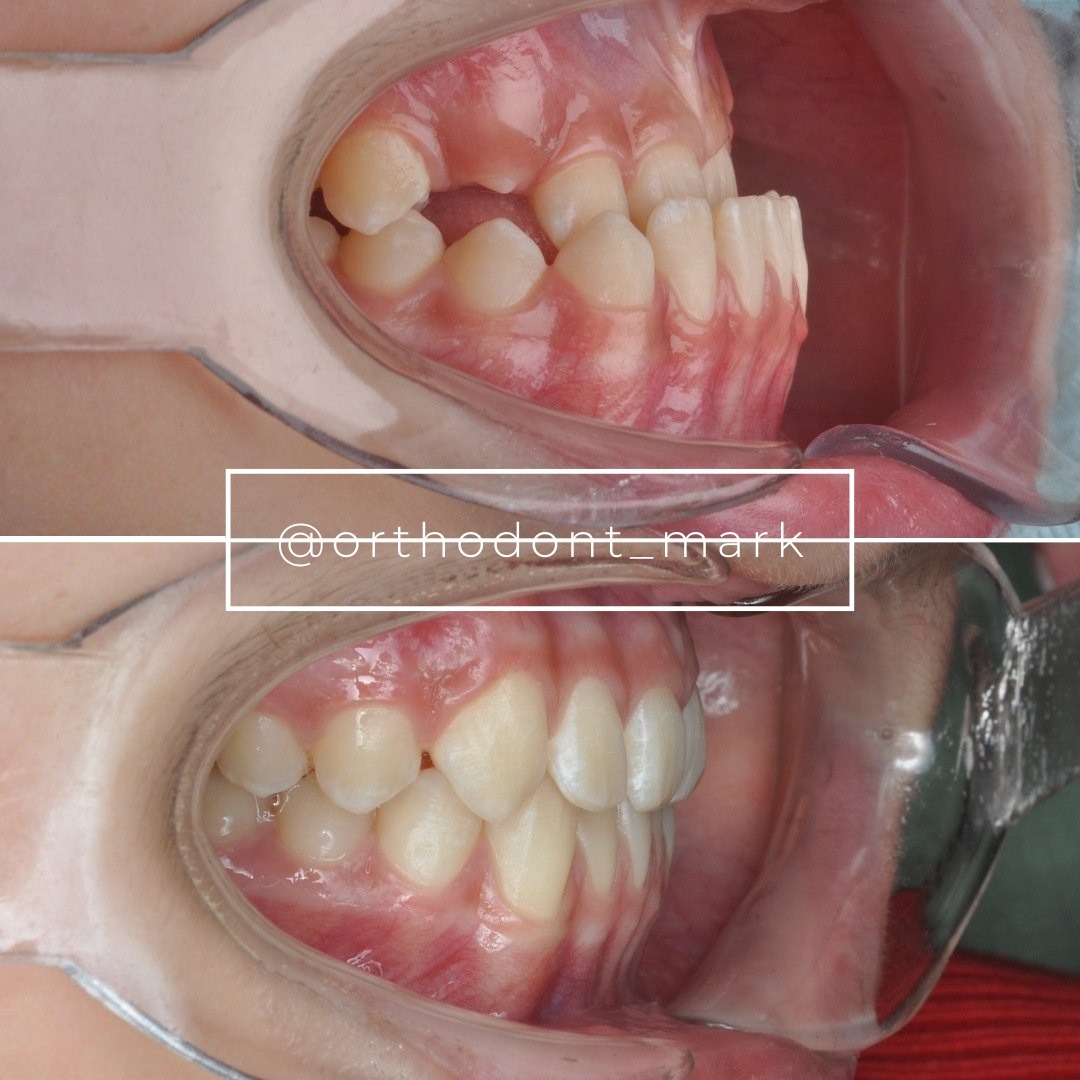
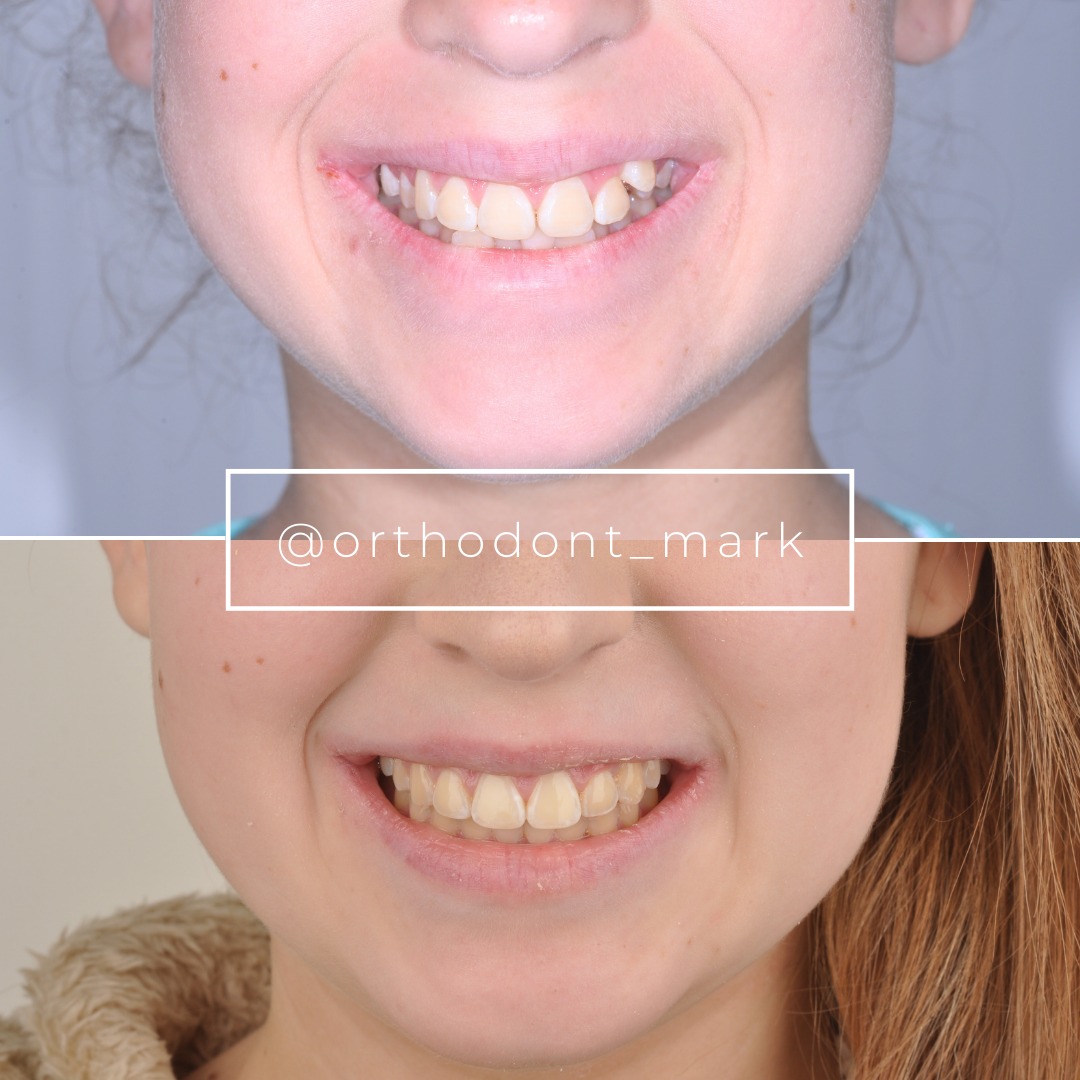
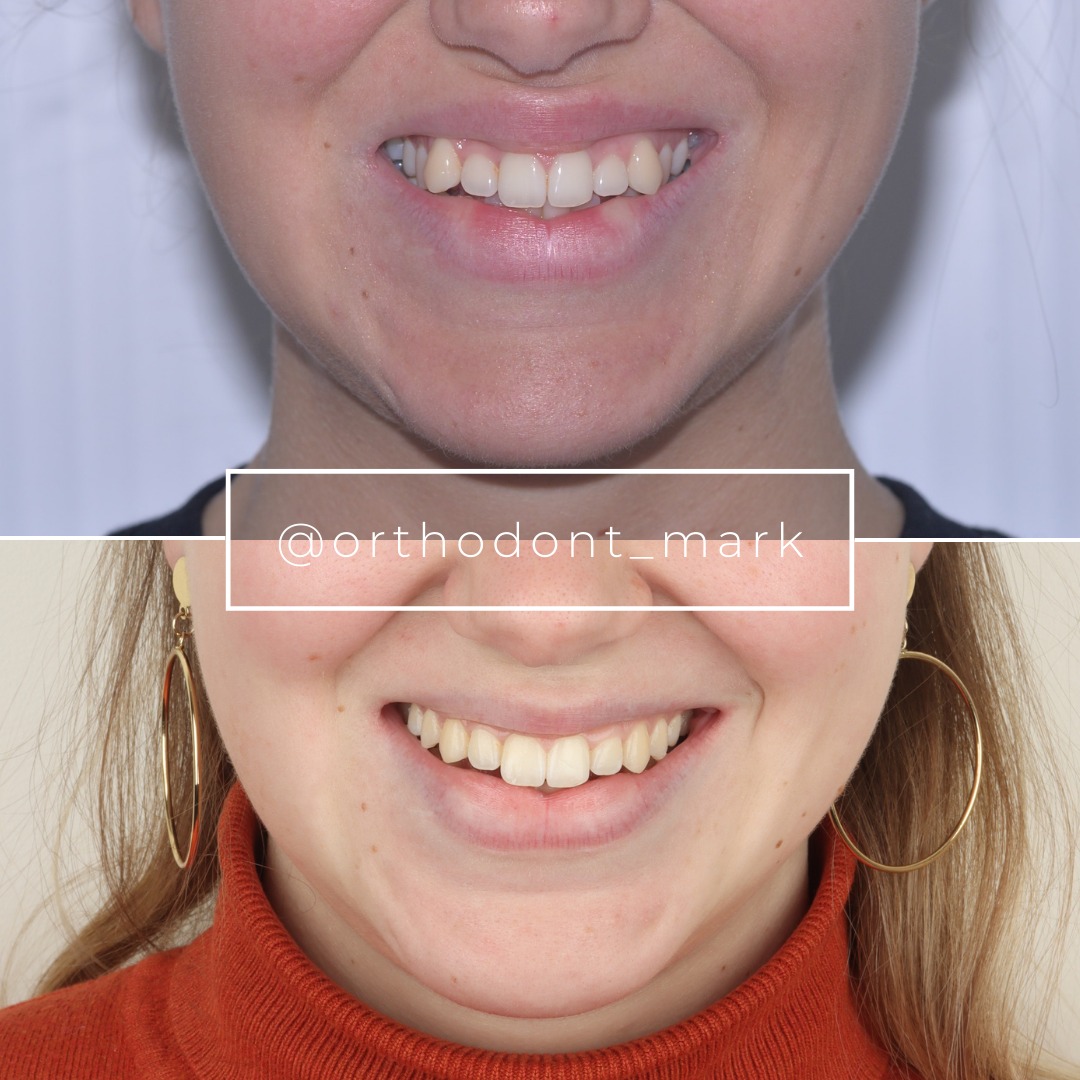
Learn the full MARPE protocol from Dr. Mark Radzhabov
Fundamental course covering CBCT patient selection, miniscrew planning, activation protocols, and 60+ clinical cases. Choose the access level that fits your practice.
Essentials of rapid palatal expansion for practicing orthodontists.
- Core RPE concepts and biomechanics
- 6 structured video lessons
- Clinical decision checklists
- Lifetime access to recordings
Deep-dive into MARPE protocol, diagnostics, and clinical execution.
- 6 modules covering MARPE from A to Z
- CBCT case selection walkthroughs
- Miniscrew placement and activation
- 60+ annotated clinical cases
- Direct Q&A with Dr. Mark Radzhabov
5-element medical consultation framework for dentists and orthodontists.
- Trust-building consultation protocol
- 5 lesson modules
- Templates for treatment plan delivery
- Works with any clinical specialty
Clinical FAQ
What should a complete orthodontic photo protocol include for consultation use?
Frontal (at rest, smile, retracted), profile (90° and 45°), intraoral occlusal maxillary and mandibular (closed and open), and functional smile views. Standardized positioning ensures before-and-after comparability and rapid case retrieval during consultations.
How should I organize skeletal expansion cases in my consultation library?
Organize by age cohort and modality: growing patients (7–16) with RPE cases; adolescents (16–18) with RPE-to-appliance transitions; young adults (18–25) and mature adults (35+) with MARPE outcomes. Age-matched matching directly addresses patient concerns about non-surgical correction.
How many cases do I need in my consultation library to be effective?
Start with 15–25 representative cases across your most common presentations. Prioritize 1–2 signature cases (best outcomes) per primary diagnosis. A mature library of 36+ cases provides excellent coverage and consultation flexibility within 3 years.
What is the best way to match cases to a new patient during consultation?
Match on three parameters: age, skeletal pattern, and treatment scope. A 35-year-old with constriction should see adult MARPE cases, not childhood RPE cases. Matched case selection prevents overpromising and sets realistic expectations.
Should I use CBCT imaging in my consultation case presentations?
Yes, for skeptical or professionally educated patients. CBCT before-and-after with quantified skeletal change (transverse widening in mm, vertical change) builds credibility. For other patients, high-resolution smile photos are often more persuasive.
How do I organize digital case files for rapid retrieval during consultations?
Use folder hierarchy mirroring diagnosis (Class II/Class III/Open Bite/Transverse). Tag with metadata (age, modality, outcome status). Create a consultation deck template with before-and-after images side-by-side and key metrics. Load in ≤5 seconds during the appointment.
How should I structure the consultation appointment to integrate cases effectively?
Five phases: (1) Preparation and intake review, (2) Rapport building and active listening, (3) Clinical exam and photo documentation, (4) Case presentation with 2–3 matched outcomes, (5) Treatment plan summary and next steps. Cases anchor Phase 4.
What psychological factors should influence case selection for consultation?
Match to patient type: anxious patients need peer validation; skeptical/educated patients need data; aesthetically motivated patients need smile outcomes; functionally motivated patients need comfort and TMJ outcomes. Frame cases as representative, not guaranteed.
How do I obtain HIPAA consent for using cases in consultations?
Obtain written consent from patients at treatment completion. Specify permitted uses: in-office consultation, educational presentations, online content (if applicable). De-identify cases if published. Maintain confidentiality in all digital storage and retrieval systems.
What metrics should I document in my consultation case presentations?
Record treatment duration, appliance type, chief complaint and rationale, key challenges encountered, final occlusal metrics (overjet, overbite, molar relationship), transverse widening (if applicable), and retention approach. Narrative documentation anchors visual outcomes.
A well-organized case library transforms consultations from verbal explanations into visual demonstrations of treatment possibility. Clinicians who invest in systematic documentation and organized digital galleries report higher patient acceptance rates, more accurate expectation-setting, and stronger doctor-patient rapport. Dr. Radzhabov's consultation methodology emphasizes that cases—not testimonials—anchor patient decision-making. Begin with a structured intake form, implement a standardized photo protocol, and curate 15–25 representative cases across your most common presentations. The effort pays dividends in every consultation.