
Orthodontic Patient Examination
Protocol
A Step-by-Step Diagnostic Workflow
Master the comprehensive examination sequence—from intake questionnaire through functional assessment—to ensure accurate diagnosis and informed treatment planning in every case.
TL;DR A systematic orthodontic patient examination protocol integrates patient history, extraoral and intraoral assessment, functional evaluation, and diagnostic imaging to establish accurate diagnosis and guide treatment planning. This step-by-step approach ensures no clinical findings are overlooked and supports informed clinical decision-making.
The success of orthodontic treatment depends on a thorough, systematized patient examination conducted at the initial consultation. Dr. Mark Radzhabov emphasizes that a comprehensive orthodontic patient examination protocol—encompassing detailed history-taking, clinical observation, functional assessment, and radiographic analysis—forms the foundation for accurate diagnosis and evidence-based treatment planning. This article outlines each phase of the examination workflow, drawing on clinical best practices and contemporary diagnostic standards to help orthodontists and residents standardize their assessment procedures.
Structured Patient History and Intake Forms
Intake
Building the clinical foundation
A comprehensive patient intake establishes medical and dental history, chief complaint, previous orthodontic treatment, and relevant habits or concerns that may affect diagnosis and treatment planning. The intake questionnaire should systematically address past dental experiences, anxiety levels, family history of periodontal disease, previous extractions, and any temporomandibular joint symptoms. This documentation becomes the baseline record and informs clinical decisions about treatment timing, appliance selection, and patient communication strategy.
Documenting patient expectations and understanding their motivation for seeking treatment is equally important. Some patients present with primarily aesthetic concerns, others with functional or health-related objectives. Identifying the patient's primary concern—aesthetic, medical, or psychological—allows the clinician to tailor the treatment discussion and set realistic expectations. A standardized intake form reduces variability across your practice and ensures consistent capture of critical diagnostic information.
Pay particular attention to items related to growth status, previous orthodontic treatment, oral habits, periodontal health, and airway-related symptoms. These factors directly influence whether miniscrew-assisted expansion or other skeletal interventions are appropriate for your patient. The intake also provides an opportunity to assess patient reliability and cooperation potential, which are essential for successful treatment outcomes.
Extraoral Examination: Facial Morphology and Symmetry
Extraoral
Analyzing skeletal and soft-tissue relationships
The extraoral examination begins with observation of the patient at rest, in natural head position, before any clinical manipulation or retraction. Document facial symmetry, vertical proportions (upper, middle, and lower facial heights), sagittal jaw relationships, and any signs of mouth breathing (lip incompetence, anterior open bite tendency). Assess the patient's natural smile—the buccal corridors, gingival display, and smile arc—as these features influence aesthetic outcomes and patient satisfaction.
Evaluate the anteroposterior relationship of the maxilla and mandible relative to the cranial base. Observe whether the mandible appears to be in a forward posture, indicating potential condylar displacement or forward tongue posture, or if it appears retruded. Note any functional shift—instances where the patient closes into a protrusive or lateral position to achieve tooth contact. These functional patterns are critical diagnostic indicators that may not be apparent from photographs or cephalometric analysis alone.
Document the vertical dimension of the lower face, observing whether the patient exhibits a hyperdivergent (long lower face), hypodivergent (short lower face), or normodivergent pattern. This skeletal characteristic influences growth prediction, treatment mechanics, and whether miniscrew-assisted expansion or other 3D skeletal interventions are indicated. Temporomandibular joint assessment, including palpation for tenderness or clicking and passive range-of-motion testing, should be performed at this stage to identify any joint pathology that may contraindicate aggressive mechanical forces.
Complete Photographic Protocol in Orthodontic Practice
Photographic
Standardized image acquisition and documentation
A complete photographic protocol provides objective documentation of baseline facial and intraoral morphology, supports treatment communication with the patient, and creates a visual record for longitudinal comparison. The extraoral series should include frontal views at rest and with smiling, lateral views at 90° and 45° angles, and incisal views demonstrating the smile arc and buccal corridors. Standardized photography requires consistent patient positioning—natural head position, relaxed facial musculature, and ears visible and level on both sides of the frame to assess facial symmetry.
The intraoral photographic series documents the dentition and occlusal relationships in multiple planes. Include retracted frontal views with teeth in contact and teeth parted (approximately 3–4 mm), occlusal views of the maxillary and mandibular arches, and right and left buccal views. Proper lighting, mirror placement, and patient cooperation are essential for image quality. Poor-quality photographs necessitate retaking, so investing in standardized technique during the initial examination saves time during case review and patient communication.
Photography at the initial examination serves multiple purposes: it provides a permanent record of the starting point, facilitates visual comparison with post-treatment records, supports informed consent discussions when patients see their baseline occlusion objectively documented, and creates a reference for monitoring changes during active treatment. Digital image management systems should organize photos consistently to allow efficient retrieval and comparison throughout the patient's care.
Intraoral Assessment: Dentition, Periodontium, and Occlusion
Intraoral
Documenting teeth, tissues, and functional relationships
The intraoral examination systematically evaluates the health and position of each tooth, the condition of the gingival and periodontal tissues, the presence or absence of caries and restorations, and the existing occlusal relationships. Begin by counting and identifying all teeth present, noting any congenitally missing or supernumerary teeth, impacted teeth, or retained primary dentition. Assess tooth size, shape, and color anomalies that may affect final aesthetic outcomes. Document the presence and location of caries, restorations, and endodontic treatment, as these factors may influence tooth movement mechanics or extraction decisions.
Evaluate periodontal health by inspecting the gingival margin for recession, examining for bleeding on probing, and assessing plaque control. Gingival recession, previous periodontal disease, or compromised attachment may contraindicate aggressive movement, require protective mechanics, or necessitate pre-orthodontic periodontal treatment. The presence of inflammation or poor oral hygiene habits should be addressed before initiating comprehensive orthodontic treatment, as active periodontal disease and poor plaque control significantly compromise treatment outcomes and long-term stability.
Assess occlusal relationships in the vertical, transverse, and sagittal planes. Document overbite (overjet) and overbite (vertical overlap), noting whether the overbite is open or deep. Evaluate posterior crossbite presence or absence on each side and the midline relationship of the maxillary dental midline to the mandibular dental midline and to the facial midline. Document the sagittal molar relationship (Angle Class I, II, or III) on each side, as asymmetries are common. Observe the buccolingual inclination of teeth and any rotations. Crowding severity, spacing patterns, and incisor proclination or retroclination should be quantified to guide appliance selection and mechanics planning.
Functional and Habit Assessment in Orthodontic Diagnosis
Functional
Identifying tongue thrust, mouth breathing, and oral dyspraxia
Functional assessment evaluates swallowing patterns, tongue posture at rest and during function, mouth breathing vs. nasal breathing, and the presence of persistent oral habits such as finger or thumb sucking. Tongue thrust—characterized by forward positioning of the tongue between the incisors during swallowing—is a common finding in patients with anterior open bite or skeletal protrusion patterns. While historically believed to cause malocclusion, tongue thrust is typically a compensatory pattern that develops secondary to the existing skeletal or dental abnormality; however, unaddressed tongue thrust may complicate post-treatment stability.
Observe the patient's resting tongue position—whether it rests on the palate (normal) or between the teeth or on the floor of the mouth (abnormal). Document habitual mouth breathing, which may be evident from the patient's resting lip posture, xerostomia (dry mouth), or comments about nasal obstruction. Mouth breathing is associated with forward head posture, increased lower facial height, and anterior open bite tendency. Assessment of nasal patency and identification of airway restriction may warrant referral for ENT or sleep medicine evaluation, particularly if sleep-disordered breathing symptoms are reported.
The presence of other habits—such as nail biting, lip biting, or cheek sucking—should be noted, as these behaviors may complicate treatment response and retention. A clinician's ability to identify and discuss these patterns with patients in a non-judgmental manner enhances treatment compliance. Dr. Mark Radzhabov's clinical approach emphasizes that functional evaluation provides insight into the underlying drivers of the patient's malocclusion and informs whether myofunctional therapy, habit cessation, or airway management may be necessary adjuncts to orthodontic treatment.
Radiographic Assessment: Cephalometric and Advanced Imaging
Radiographic
3D diagnosis and skeletal maturation assessment
Radiographic imaging is essential for assessing skeletal relationships, dental root positions, and identifying pathology or anatomic anomalies not visible on clinical examination. A lateral cephalometric radiograph provides sagittal plane analysis of the maxilla, mandible, and their relationships to the cranial base, supporting documentation of skeletal pattern classification (Class I, II, or III) and vertical skeletal characteristics. Cephalometric measurements such as ANB angle, maxillary and mandibular planes, incisor inclinations, and soft tissue metrics guide treatment planning and are referenced throughout active treatment to monitor mechanical changes.
Panoramic radiography documents the entire dentition, root morphology, alveolar bone support, and presence of impacted or supernumerary teeth. Identification of impacted teeth—particularly maxillary canines or second molars—influences treatment mechanics and timeline. Assessment of root development and apical closure guides decisions regarding extraction timing in growing patients. Radiographic evaluation of alveolar bone height, particularly in the anterior region, is critical for patients with periodontal compromise; bone loss may restrict movement mechanics or contraindicate certain procedures.
Cone-beam computed tomography (CBCT) has expanded diagnostic capability in contemporary orthodontics. CBCT imaging is indicated for patients with complex 3D skeletal patterns, suspected pathology, impacted teeth requiring surgical-orthodontic planning, or when airway assessment is clinically relevant. Research indicates that CBCT upper airway analysis requires further validation but can provide morphologic information regarding airway dimensions in patients with sleep-disordered breathing symptoms or skeletal patterns suggesting airway compromise. However, CBCT should be prescribed selectively according to clinical indication and the principle of ALADA (As Low As Diagnostically Acceptable), balancing diagnostic benefit against radiation exposure, particularly in growing patients.
Cervical vertebral maturation stage (CVMS) assessment from lateral cephalometric or cervical spine radiographs provides physiological age information that is more clinically relevant than chronological age for growth prediction and treatment timing decisions. Research demonstrates that CVMS reliably indicates the growth stage of the maxilla and mandible, allowing clinicians to identify patients in active growth phases when skeletal interventions may be most effective.
Case Presentation and Preliminary Treatment Plan Development
Treatment Planning
From diagnosis to informed consent discussion
Once all clinical, functional, and radiographic data have been collected and analyzed, synthesis of findings into a coherent diagnosis guides treatment planning. Begin the case presentation to the patient by summarizing what you observed: the patient's chief complaint, the skeletal and dental characteristics documented during examination, and the functional patterns identified. Organize your explanation from general (skeletal pattern) to specific (individual tooth positions and movements required).
Present a preliminary treatment plan that addresses the patient's primary concern while explaining how your proposed mechanics will address the underlying skeletal or dental abnormality. For example, if a patient presents with skeletal Class II maxillary protrusion and anterior crowding, explain whether distal movement of maxillary molars, incisor proclination reduction, extractions, or skeletal correction (such as miniscrew-assisted expansion if applicable) would best meet treatment objectives. Clearly outline the expected treatment duration, frequency of appointments, estimated costs, and realistic aesthetic and functional outcomes.
Allow the patient opportunity to ask questions and express concerns before committing to treatment. Clarify which findings are aesthetic concerns (that may require refinement rather than correction) versus functional or health-related issues (that justify active treatment). Ensure the patient understands the rationale for any recommended adjunctive care—periodontal pre-treatment, myofunctional therapy, airway evaluation, or extraction procedures—and their importance to successful outcomes. Document the patient's agreement to the proposed plan and their understanding of risks, benefits, and alternatives before scheduling records completion and appliance placement.
Free Clinical Guide
Which Expansion Appliance at Which Age?
Get Dr. Mark Radzhabov's guide to skeletal-expansion appliances — indications, pros & cons, and how to choose by patient age. Free to your inbox.
Prefer video? Watch the free demo lesson on MARPE appliance types, features and trade-offs.
Documented outcomes
Clinical cases from Dr. Mark Radzhabov's practice
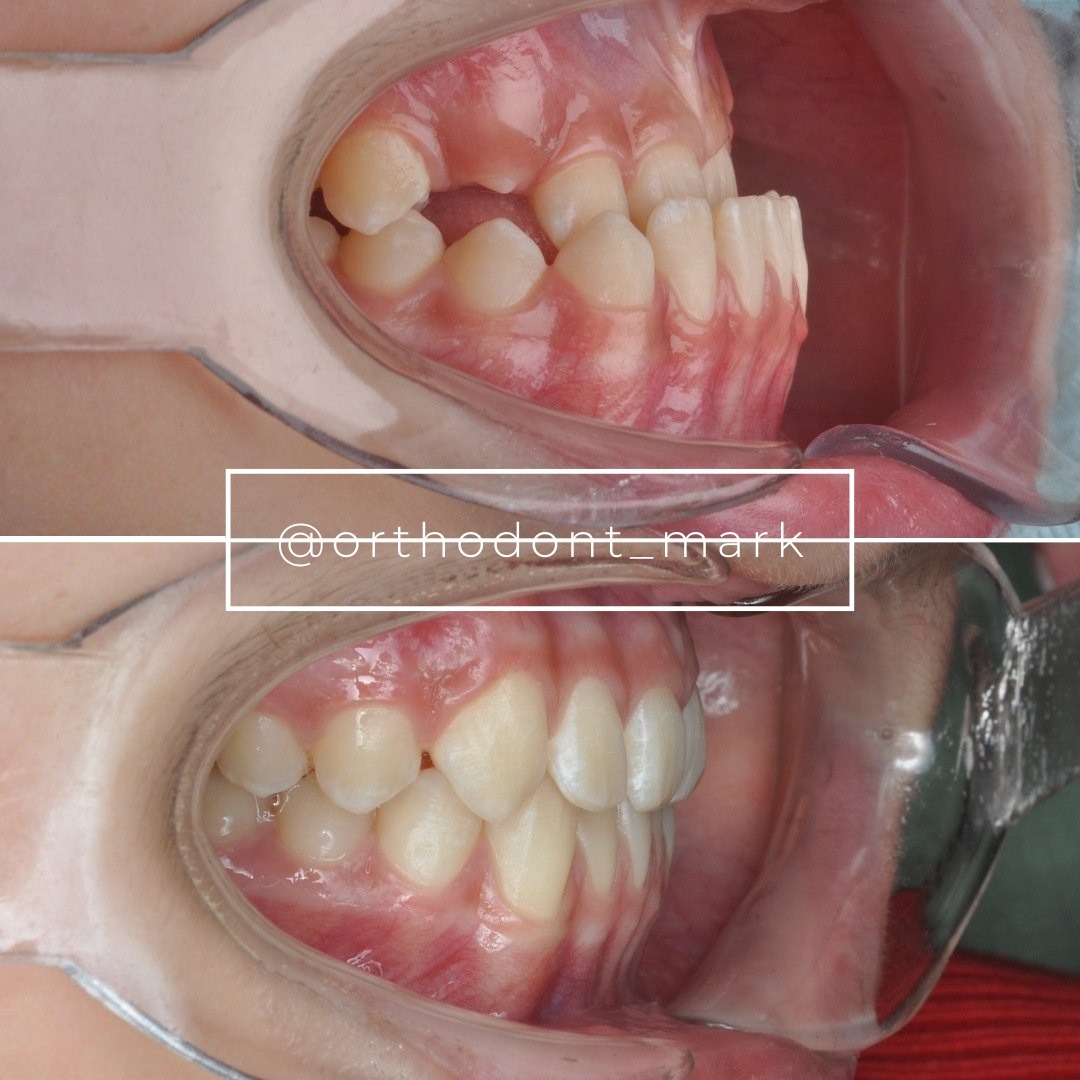
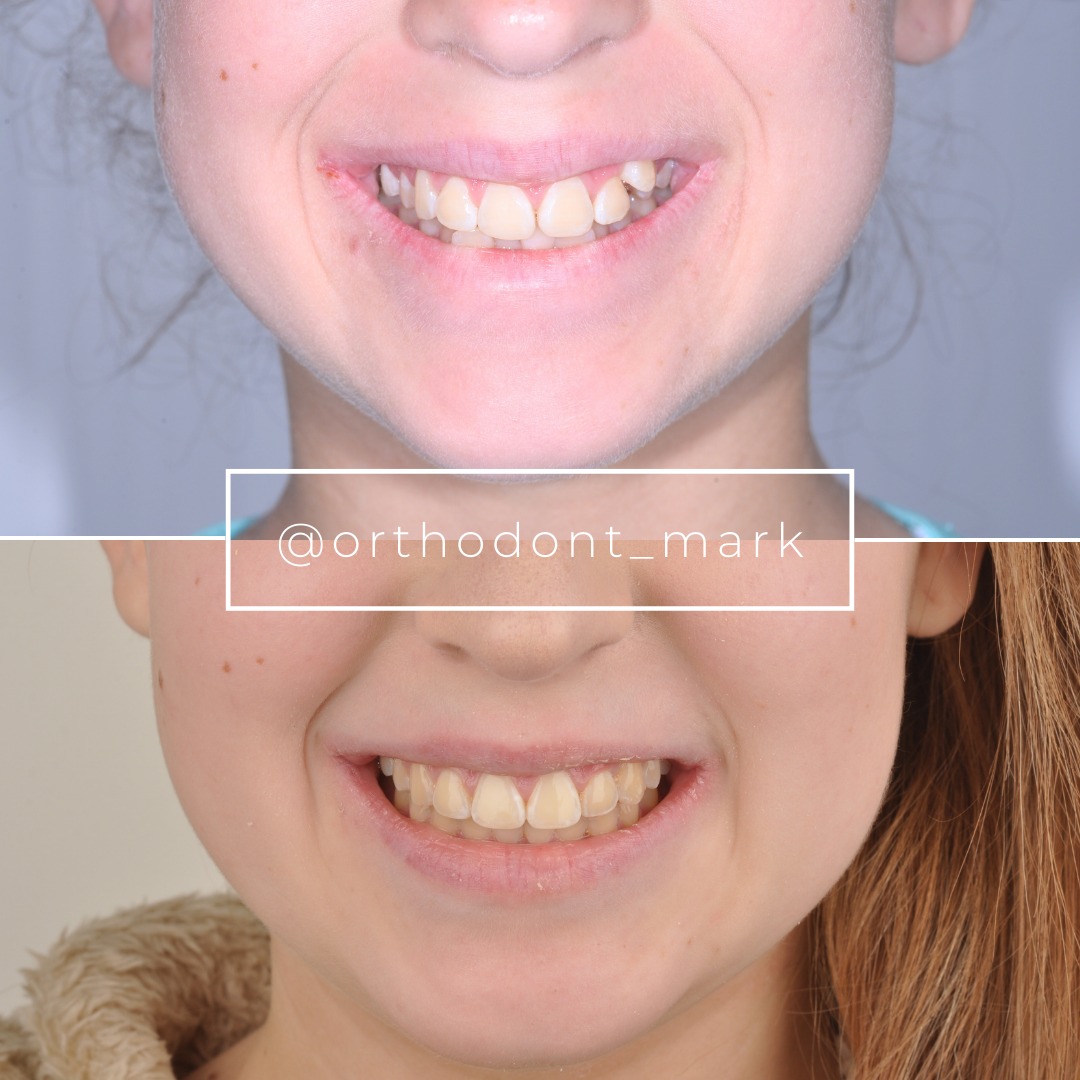
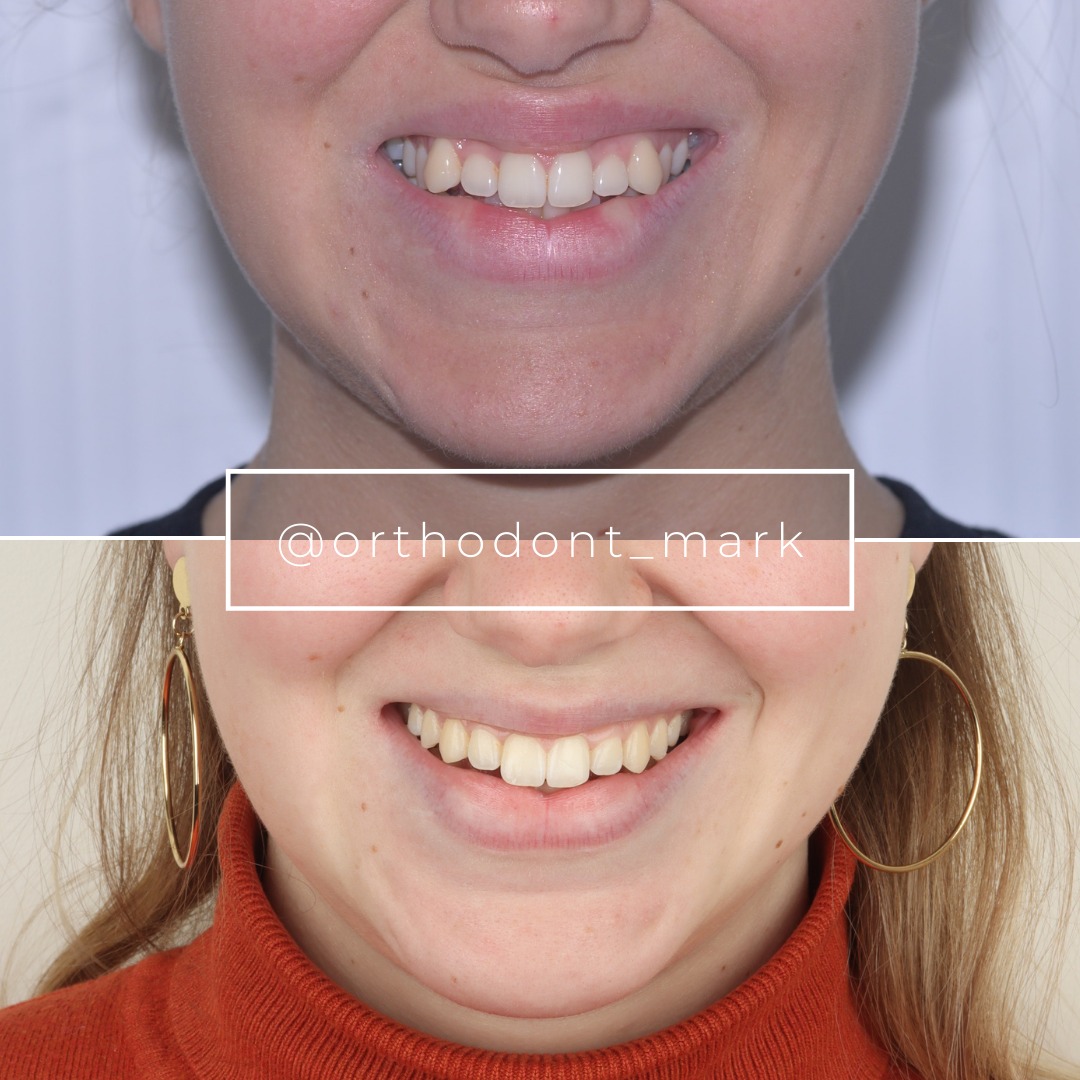
Learn the full MARPE protocol from Dr. Mark Radzhabov
Fundamental course covering CBCT patient selection, miniscrew planning, activation protocols, and 60+ clinical cases. Choose the access level that fits your practice.
Essentials of rapid palatal expansion for practicing orthodontists.
- Core RPE concepts and biomechanics
- 6 structured video lessons
- Clinical decision checklists
- Lifetime access to recordings
Deep-dive into MARPE protocol, diagnostics, and clinical execution.
- 6 modules covering MARPE from A to Z
- CBCT case selection walkthroughs
- Miniscrew placement and activation
- 60+ annotated clinical cases
- Direct Q&A with Dr. Mark Radzhabov
5-element medical consultation framework for dentists and orthodontists.
- Trust-building consultation protocol
- 5 lesson modules
- Templates for treatment plan delivery
- Works with any clinical specialty
Clinical FAQ
What is the optimal structure for a comprehensive orthodontic patient examination protocol?
Begin with structured intake (medical/dental history, chief complaint), perform extraoral and intraoral examinations in natural head position, assess functional patterns (tongue thrust, breathing, TMJ), obtain standardized photography and radiographs, analyze findings, and present preliminary diagnosis with informed consent discussion before treatment initiation.
Why is assessment of cervical vertebral maturation important in orthodontic diagnosis?
CVMS provides physiological age assessment more accurate than chronological age for predicting growth velocity and identifying peak growth phases. This guides timing of skeletal interventions and helps determine whether patients are in optimal windows for growth modification or skeletal procedures.
What functional patterns should be evaluated during orthodontic examination?
Assess resting and functional tongue position, swallowing pattern (note engagement of facial musculature), nasal vs. oral airway dominance, mouth breathing signs, TMJ function (pain, clicking, restricted opening), and current or historical oral habits such as thumb sucking or nail biting.
How does intraoral assessment guide extraction or non-extraction treatment planning?
Documented crowding severity, incisor proclination, arch perimeter deficiency, and periodontal support inform whether extractions are necessary for alignment. Detailed intraoral records allow comparison with cephalometric findings to determine whether dentoalveolar compensation is possible or skeletal mechanics are required.
When is CBCT imaging indicated in the comprehensive orthodontic examination?
CBCT is indicated for complex 3D skeletal patterns, suspected pathology, impacted teeth requiring surgical planning, or when airway assessment is clinically relevant. CBCT should be prescribed selectively per ALADA principles, balancing diagnostic benefit against radiation exposure, particularly in growing patients.
What does a complete photographic protocol include in orthodontic practice?
Extraoral: frontal at rest and smile, lateral 90° and 45° on both sides, incisal view. Intraoral: retracted frontal with teeth in contact and parted, maxillary and mandibular occlusal views, right and left buccal views. Standardized positioning ensures consistent baseline documentation for comparison.
How should functional findings influence appliance selection and mechanics planning?
Tongue thrust or mouth breathing may indicate need for myofunctional therapy concurrent with orthodontics. Forward tongue posture may complicate post-treatment stability. TMJ dysfunction or restricted opening may contraindicate aggressive vertical or protrusive mechanics. Functional assessment guides individualized mechanics selection.
What periodontal factors identified during examination may affect treatment feasibility?
Gingival recession, plaque control deficiency, active inflammation, and alveolar bone loss limit movement mechanics and may require pre-orthodontic periodontal treatment. Compromised bone support may contraindicate aggressive extractions or movement toward alveolar defects.
How does documentation of previous orthodontic treatment influence current case planning?
Previous treatment history reveals what mechanics were used, how the patient responded, stability outcomes, and whether relapse or new problems have developed. This informs decisions regarding whether to re-treat, use different mechanics, or address underlying functional issues not corrected in prior treatment.
What steps optimize patient communication and informed consent during case presentation?
Summarize findings from general (skeletal pattern) to specific (individual teeth), address patient's chief complaint first, explain proposed mechanics clearly, outline realistic treatment timeline and outcomes, distinguish aesthetic vs. functional objectives, discuss adjunctive care, and document patient understanding and agreement before starting treatment.
Implementing a standardized orthodontic patient examination protocol reduces diagnostic error, improves treatment outcomes, and strengthens clinical communication with patients and referring providers. Whether preparing for MARPE or traditional appliance therapy, a complete initial assessment ensures all skeletal, dental, and functional factors are documented and considered. Dr. Mark Radzhabov recommends recording comprehensive photographic and radiographic documentation at baseline to support longitudinal case management and to provide objective reference points for monitoring treatment progress throughout care.