
Orthodontic Patient History Collection
Patient History
Evidence-Based Intake & Assessment Protocol
Structured anamnesis forms, medical screening, and pre-exam assessment enable clinically informed diagnosis and improve case selection for routine and advanced treatments.
TL;DR Collecting a comprehensive orthodontic patient history before clinical examination requires structured intake procedures, detailed medical anamnesis forms, and systematic screening for skeletal, functional, and systemic factors that influence treatment planning. A thorough orthodontic patient history form captures growth status, airway function, temporomandibular joint health, and previous dental treatment, enabling precise diagnosis and informed case selection.
Collecting a comprehensive orthodontic patient history is the clinical foundation of accurate diagnosis and predictable treatment outcomes. In this article, Dr. Mark Radzhabov examines evidence-based intake procedures, anamnesis documentation, and pre-examination screening protocols used across contemporary orthodontic practices. Whether managing conventional expansion or advanced cases requiring miniscrew-assisted systems, a detailed patient assessment before the clinical exam identifies skeletal maturity, growth patterns, and medical factors that determine case complexity, surgical need, and treatment approach. Orthodontists who invest in systematic history-taking reduce diagnostic error and improve case selection.
What is Orthodontic Patient History Intake?
history intake
Orthodontic patient history collection is a systematic intake process that documents medical background, growth status, functional characteristics, and treatment goals before clinical examination and diagnosis. Unlike general dental patient questionnaires, an orthodontic-specific anamnesis form targets growth stage, airway anatomy, joint function, and skeletal patterns relevant to bite correction and expansion planning. A well-designed orthodontic intake form captures presenting concern, previous orthodontic treatment, family history of crowding or skeletal discrepancy, and systemic conditions (sleep apnea, asthma, cleft history, or orthognathic surgery history). Many practices now integrate digital intake systems that streamline data collection and flag high-risk factors—such as advanced age, severe vertical excess, or airway narrowing—before the doctor enters the room. The gold standard approach involves three components: (1) a comprehensive printed or digital anamnesis form completed by the patient at least 10–15 minutes before the appointment, (2) a structured clinical interview during the consultation, and (3) documented objective findings from intraoral and extraoral screening. This layered assessment reduces missed history, improves informed consent, and supports evidence-based case selection.
Essential Medical and Functional Screening
medical screening
The orthodontic patient history must systematically address four domains: (1) medical and pharmacological history, (2) growth and skeletal maturity, (3) airway and temporomandibular joint (TMJ) function, and (4) previous dental and surgical history. Medical screening should identify cardiovascular disease, diabetes, autoimmune conditions, or medications (bisphosphonates, corticosteroids) that alter bone remodeling or increase orthodontic risk. Growth assessment requires documentation of last growth spurt, menarchal age in females, and parental heights—landmarks that guide skeletal age estimation and treatment planning timing. Airway function has emerged as a critical intake variable, particularly for patients considered for palatal expansion or skeletal correction. Document sleep disturbance, snoring, witnessed apnea, daytime somnolence, and nasal obstruction history. Many clinicians now incorporate a validated screening tool such as the STOP-BANG or Epworth Sleepiness Scale into their anamnesis forms. TMJ screening—including clicking, locking, pain, or deviation during opening—influences incisor positioning and treatment modality selection. Previous orthodontia, orthognathic surgery, or periodontal disease also shapes case complexity and retention planning. Dr. Mark Radzhabov emphasizes that thorough functional assessment before diagnosis is particularly important in cases requiring miniscrew-assisted rapid palatal expansion or advanced skeletal correction, where airway anatomy and bite stability directly influence outcomes.
Building an Effective Orthodontic Intake Form
intake form
A clinically actionable orthodontic intake form balances comprehensiveness with practicality. Best-practice structure typically includes: (1) demographic and contact information, (2) chief complaint and treatment goals, (3) medical and surgical history, (4) medications and allergies, (5) growth and pubertal timeline, (6) functional screening (airway, TMJ, speech), (7) previous dental treatment and orthodontia, (8) family history of malocclusion or skeletal patterns, and (9) psychosocial factors (motivation, compliance history, anxiety level). The anamnesis form should use clear language and avoid jargon; many clinics provide both patient-friendly and clinician-reference versions. Question formatting matters: yes/no checkboxes followed by open-ended detail lines (“If yes, describe…”) optimize data capture. Many modern practices use tablet-based intake systems that flag answers triggering deeper clinical investigation—for example, positive sleep apnea screening automatically queues airway assessment during the clinical exam. Logistical timing is critical: provide the form 10–15 minutes before the appointment so review time is built in, and assign a clinical coordinator to verify completeness and clarify ambiguous entries. A study of intake efficiency showed that practices using structured forms with pre-exam review reduced unplanned consultation time by 15–20% and improved diagnostic accuracy. Document the patient's responses and your clinical observations in a consolidated summary before the exam begins, ensuring diagnosis and treatment planning are grounded in evidence rather than impression.
Pre-Examination Screening and Risk Stratification
screening
Once the orthodontic patient history form is completed, a systematic pre-examination screening distills key findings into a risk profile that guides the clinical exam and diagnosis. Create a checklist addressing: (1) skeletal maturity status (pre-pubertal, pubertal, post-pubertal, or skeletally mature), (2) airway risk (low, moderate, or high based on history and screening tools), (3) TMJ or functional concerns, (4) orthodontic complexity (routine, moderate, advanced), and (5) medical or social factors affecting treatment feasibility. Severe skeletal Class II, Class III, vertical excess, or open bite with poor airway requires early consideration of surgical feasibility or advanced expansion mechanics. Patients screened as high-risk for sleep-related breathing should prompt consultation with sleep medicine or ENT before treatment planning. Similarly, positive TMJ history warrants a detailed functional exam and may influence incisor positioning or interarch relationship correction strategy. When treatment planning for skeletal expansion—such as miniscrew-assisted rapid palatal expansion or other advanced modalities—risk stratification from the intake history becomes essential. Pre-existing airway narrowing, high-angle skeletal pattern, or severe vertical dimensions influence whether expansion should be pursued and how aggressively. Documenting these factors in a clinical summary before diagnosis ensures informed consent and sets realistic outcome expectations. Practices using systematic risk stratification reduce post-treatment surprises and support evidence-based case selection.
Optimizing Patient History Collection Workflow
workflow
High-performing orthodontic practices standardize the patient history collection and intake procedure into a reliable workflow. Assign responsibility: designate a clinical coordinator or assistant to distribute the anamnesis form, ensure completion, and perform a preliminary review before the doctor's evaluation. Use electronic health records (EHR) systems that link intake data, imaging, and clinical notes so history is accessible at every appointment and trends are visible. Establish a culture of thoroughness: train team members to recognize incomplete answers and ask clarifying questions rather than assuming. Create a template summary—a one-page clinical impression incorporating history highlights, risk factors, and diagnostic focus—that the doctor reviews immediately before entering the exam room. This pre-exam summary accelerates diagnosis and ensures the clinical exam targets specific concerns flagged during intake. Consider annual updates: for established patients returning for retreatment or retention review, update the anamnesis form annually to capture new medical history, medications, or functional changes. Many practices find that brief interval updates (5–10 minutes) catch clinically relevant changes and reinforce patient engagement. Implement quality checks: periodically audit intake completeness and accuracy across your practice. Track metrics such as form completeness rate, time to completion, and frequency of post-exam clarifications. Feedback loops with your team improve form design, coordinator training, and clinical efficiency. A culture of precision in orthodontic patient assessment sets the foundation for clinical excellence across all cases.
Free Clinical Guide
Which Expansion Appliance at Which Age?
Get Dr. Mark Radzhabov's guide to skeletal-expansion appliances — indications, pros & cons, and how to choose by patient age. Free to your inbox.
Prefer video? Watch the free demo lesson on MARPE appliance types, features and trade-offs.
Documented outcomes
Clinical cases from Dr. Mark Radzhabov's practice
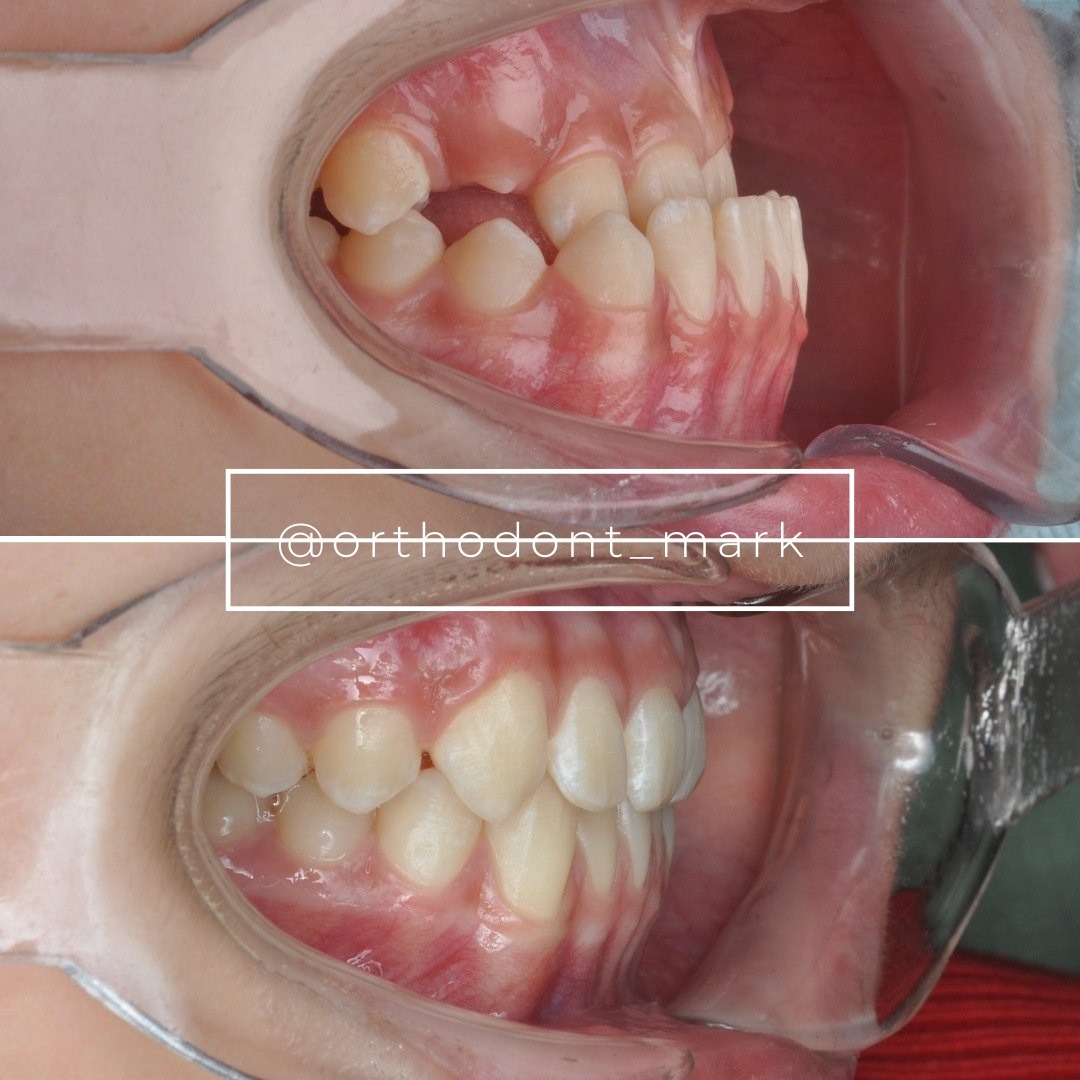
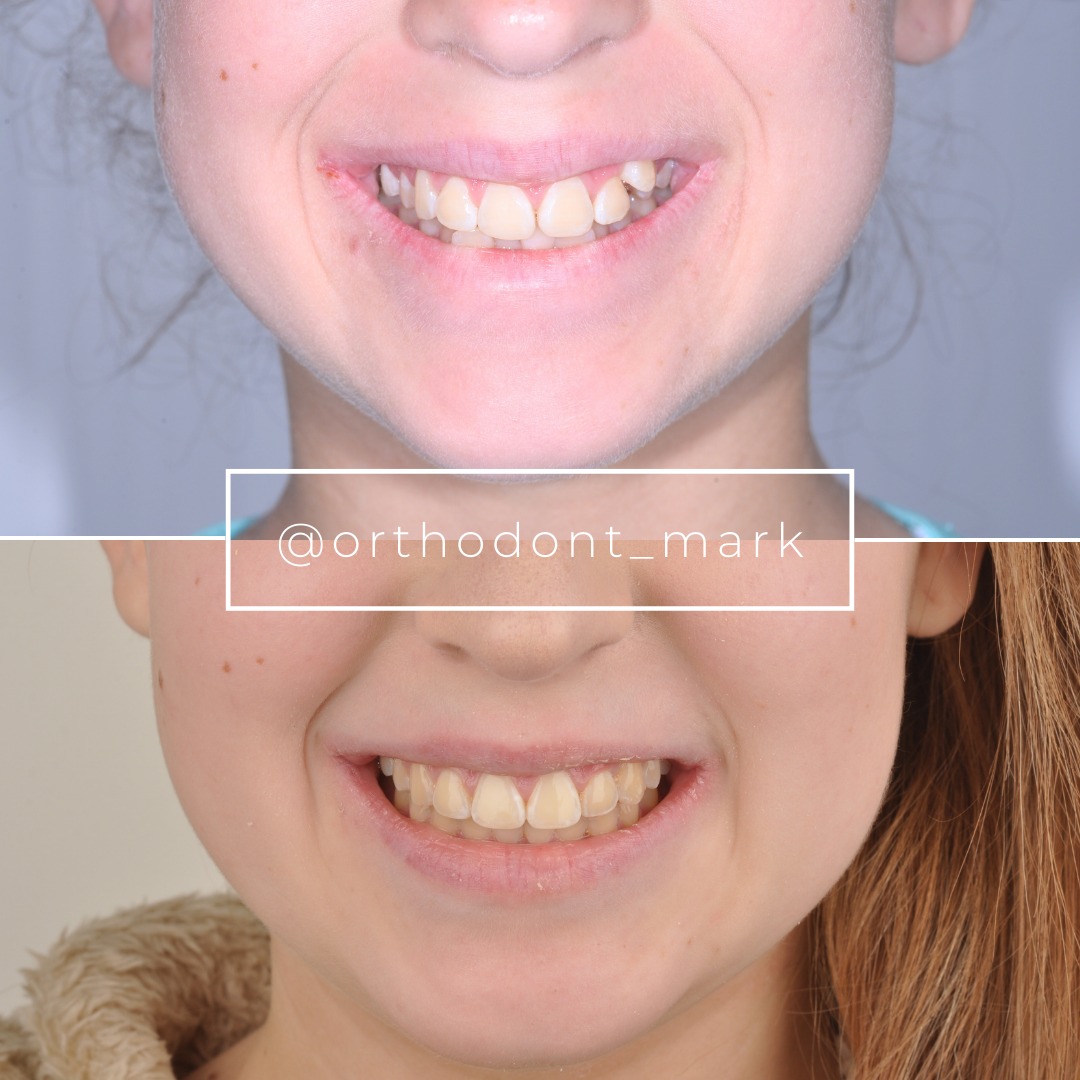
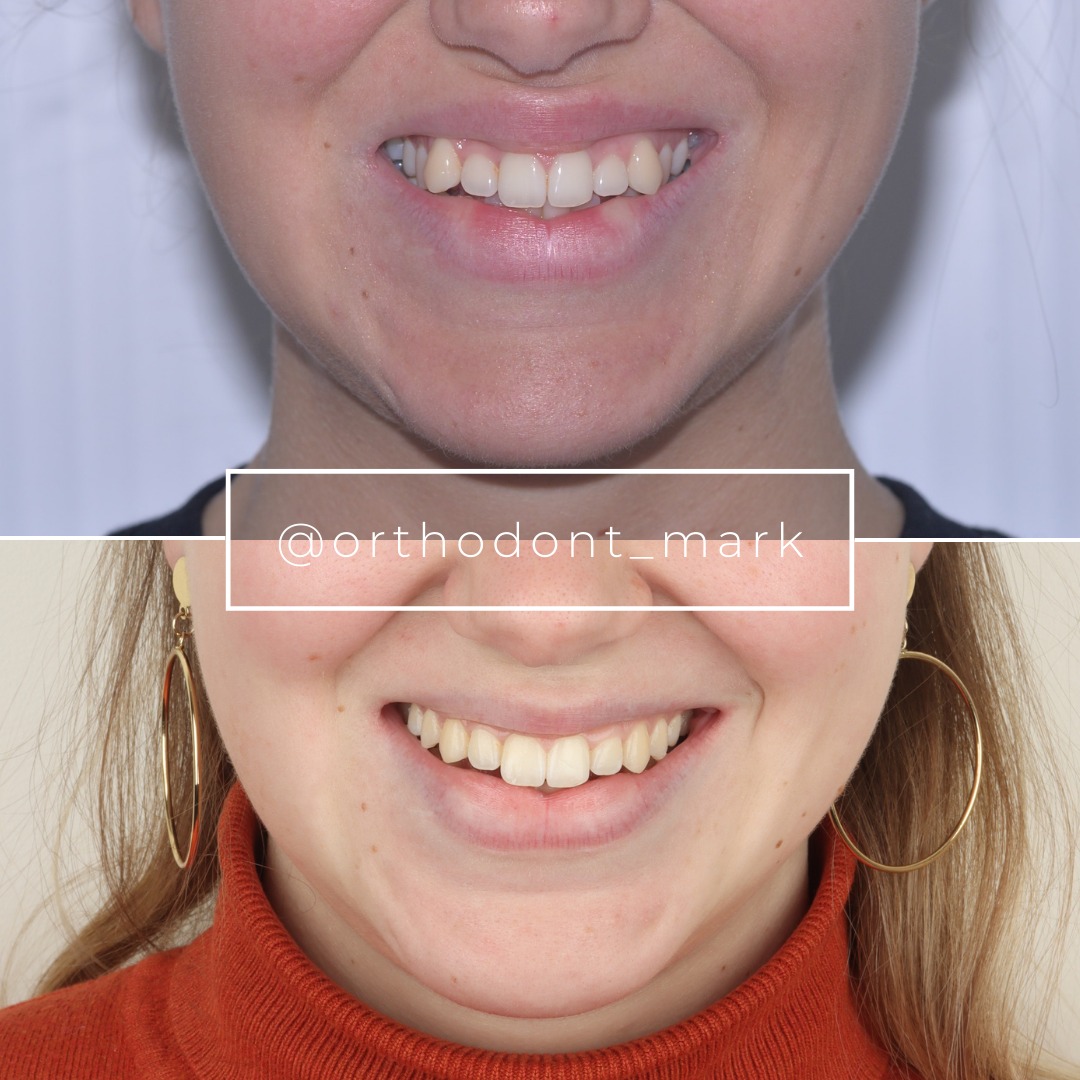
Learn the full MARPE protocol from Dr. Mark Radzhabov
Fundamental course covering CBCT patient selection, miniscrew planning, activation protocols, and 60+ clinical cases. Choose the access level that fits your practice.
Essentials of rapid palatal expansion for practicing orthodontists.
- Core RPE concepts and biomechanics
- 6 structured video lessons
- Clinical decision checklists
- Lifetime access to recordings
Deep-dive into MARPE protocol, diagnostics, and clinical execution.
- 6 modules covering MARPE from A to Z
- CBCT case selection walkthroughs
- Miniscrew placement and activation
- 60+ annotated clinical cases
- Direct Q&A with Dr. Mark Radzhabov
5-element medical consultation framework for dentists and orthodontists.
- Trust-building consultation protocol
- 5 lesson modules
- Templates for treatment plan delivery
- Works with any clinical specialty
Clinical FAQ
What specific questions should an orthodontic intake form include to assess skeletal maturity?
Document menarchal age, last growth spurt timing, parental height, and general growth pattern. Ask about recent changes in shoe size or height. Confirm pubertal stage and consider radiographic assessment (cervical vertebral maturation or hand-wrist films) if maturity status is unclear or critical for treatment planning.
How do I screen for airway and sleep-related concerns during orthodontic patient consultation?
Include questions about snoring, witnessed apnea, daytime somnolence, nasal obstruction, and sleep quality. Use validated screening tools like STOP-BANG (four yes/no items: snoring, tiredness, observed apnea, blood pressure). Refer high-risk patients to sleep medicine before proceeding with expansion or surgical planning.
What is the best timing for completing the orthodontic patient history form?
Provide the form 10–15 minutes before the scheduled appointment so it is completed before the clinical exam. This allows the clinical team to review responses, clarify ambiguities, and prepare a summary for the orthodontist, reducing unplanned consultation time and improving diagnostic efficiency.
Which medical conditions or medications should raise red flags in orthodontic patient history?
Bisphosphonates, corticosteroids, and immunosuppressive medications affect bone metabolism. Uncontrolled diabetes increases periodontal risk. Cardiovascular disease, cleft history, and previous orthognathic surgery alter treatment sequencing. Document allergies and anticoagulant use, which impact emergency protocols and surgical planning.
How should TMJ dysfunction history influence orthodontic case selection and treatment planning?
Patients with TMJ clicking, locking, or pain require detailed functional assessment before treatment. Avoid aggressive incisor torquing or bite-opening mechanics. Consider modified occlusal positioning, retained anterior guidance, and long-term retention. Coordinate with TMJ specialists if dysfunction is significant.
What is the role of family history in orthodontic patient assessment and diagnosis?
Family history of crowding, skeletal Class II or Class III, open bite, or vertical excess predicts similar patterns in the patient and may influence growth prognosis. Document parental malocclusion and facial patterns to contextualize the patient's presenting concern and set realistic outcome expectations.
How can digital intake systems improve orthodontic patient history collection?
Tablet or web-based forms streamline data entry, reduce missing information via mandatory fields, flag risk factors automatically, and integrate seamlessly into electronic health records. Digital systems save time, improve accuracy, and allow real-time clinical alerts (e.g., sleep apnea screening results) before the doctor meets the patient.
What pre-examination screening protocol should guide clinical decision-making in advanced skeletal cases?
Create a one-page risk summary documenting skeletal maturity, airway status, TMJ function, previous orthodontia, medical contraindications, and case complexity. Stratify patients as low, moderate, or high risk. This summary directs the clinical exam and ensures diagnosis is grounded in history rather than impression alone.
How frequently should established patients' orthodontic anamnesis be updated?
Update the anamnesis form annually or at major treatment transitions (retreatment, retention review). Brief interval updates capture new medications, health changes, or functional concerns. Systematic updates reinforce patient engagement and catch clinically relevant changes that influence ongoing treatment or retention planning.
What metrics should orthodontic practices track to assess intake form effectiveness and team compliance?
Monitor form completion rate (target >95%), average time to completion, frequency of post-exam clarification questions, and accuracy of risk flagging. Audit intake data quarterly; provide feedback to clinical coordinators on completeness. Track metrics linking intake quality to diagnostic accuracy and patient satisfaction.
Systematic orthodontic patient history collection—supported by validated screening forms, medical anamnesis review, and structured intake procedures—improves diagnostic accuracy and informs evidence-based treatment planning. Dr. Mark Radzhabov emphasizes that thoroughness at the intake stage pays dividends in case selection, informed consent, and clinical outcomes. If you are refining your orthodontic intake protocol or exploring advanced case management for skeletal concerns, we invite you to review detailed case studies or schedule a peer consultation through Orthodontist Mark.