
Photography Protocol in Orthodontics:
Intake to Diagnosis
Mastering the Complete Diagnostic Workflow
From patient positioning and lighting standards to collage assembly and smile analysis, this evidence-based protocol transforms raw images into actionable diagnostic data that guides treatment planning and protects your practice.
TL;DR A systematic orthodontic photography protocol documents facial structure, smile aesthetics, and hard and soft tissue condition from intake through diagnosis, enabling accurate treatment planning and legal protection. Photography protocol standards include extraoral (frontal, profile at 90° and 45°, smile) and intraoral (frontal, lateral, occlusal) views with consistent positioning and lighting.
Photography protocol in orthodontics serves as the foundation for accurate diagnosis, evidence-based treatment planning, and patient communication throughout care. Orthodontist Mark emphasizes that well-executed diagnostic photography captures not only obvious malocclusions but subtle soft tissue changes, gingival contours, and smile aesthetics that plaster models and radiographs alone cannot reliably document. This article outlines the complete photographic intake and diagnostic workflow—from patient positioning to collage assembly—helping you standardize records, develop clinical thinking, and protect your practice through meticulous visual documentation.
What Is Orthodontic Photography Protocol?
protocol
Orthodontic photography protocol is a standardized system of extraoral and intraoral image capture performed at intake and key treatment milestones to document facial structure, occlusion, smile aesthetics, and hard and soft tissue condition for diagnosis, planning, and medico-legal protection. A systematic approach to clinical photography serves four core functions: enabling accurate diagnosis and treatment planning by capturing facial proportions and soft tissue relationships; documenting progress in smile aesthetics, gingival recession, enamel demineralization, and enamel fractures—changes difficult to track via plaster models or radiographs alone; establishing a legal record that protects you in disputed cases; and enhancing patient communication by creating a visual baseline that clarifies treatment rationale. Unlike radiographic or cast documentation, photography preserves real-time soft tissue position, muscle tone, and functional relationships that inform decisions about expansion strategy, functional appliance timing, and smile arc management. Many successful orthodontic practices delegate photography to clinical assistants, but this responsibility requires training in positioning, lighting, and image quality standards to ensure consistent, repeatable records.
Complete Extraoral Photography Technique
Extraoral
Frontal, Profile, and Smile Views
The complete extraoral photography set includes frontal views (at rest, natural smile, and with smile guide), profile views at 90° and 45° from the horizontal, and close-up smile images. Patient positioning is essential: ask the patient to pull hair behind the ears, relax facial musculature, and focus straight ahead as if for a passport photograph. Ensure the head is not tilted backward—if the patient leans back, ask them to lower the chin until the Frankfort horizontal is parallel to the floor. Check ear position symmetrically; both ears should be visible at equal height on either side. For profile images, position the patient perpendicular to the camera plane, then rotate 45° for a three-quarter view that reveals buccal overjet and facial convexity. Natural lighting or ring flash minimizes shadows and provides consistent illumination across the face. A smile guide (such as the Emmer probe or an 'E' or 'A' phoneme) helps standardize lip position and muscle activation. Consistency in camera-to-patient distance (typically 60–90 cm for frontal views) ensures reproducible magnification and allows meaningful before-and-after comparison. Digital cameras with 50–100 mm macro lenses are standard; smartphone photography has become acceptable in some practices if lighting control is maintained.
Intraoral Photography: Occlusal and Lateral Views
Occlusal
Capturing Transverse and Sagittal Dimensions
Intraoral photography documents the dentition, gingival health, and functional relationships that cannot be fully assessed extraorally. The essential intraoral set includes frontal views with teeth in centric occlusion and with teeth separated (showing frenum, midline, and anterior overjet), right and left lateral views (with teeth together and separated), maxillary and mandibular occlusal views, and sagittal views from below showing the sagittal step and vertical relationships. Patient cooperation is vital: use cheek retractors to expose teeth and gingiva without distorting soft tissue, and ensure the patient maintains a relaxed posture. Proper lighting—typically a ring flash on the intraoral camera—is non-negotiable; underexposed or shadow-filled intraoral images lose diagnostic value. Occlusal views of both arches should show the full dentition from distal of one side to distal of the opposite side, centered midline. Lateral views capture the buccal embrasure, gingival papilla height, and cusp-to-cusp relationships that inform treatment sequencing. Many practices photograph at least 8–10 intraoral angles; Orthodontist Mark's clinical model includes frontal with retractors, frontal separated, right lateral, left lateral, maxillary occlusal, mandibular occlusal, and sagittal views, providing a complete functional and structural record.
From Photography to Clinical Insight
Clinical
Using Images in Diagnosis and Treatment Planning
Once you have captured a complete extraoral and intraoral set, the next critical step is assembling a diagnostic collage that distills key findings into a visual narrative for case discussion. Group images by anatomical and functional domains: extraoral (frontal rest, smile, profile views) for skeletal and lip support assessment; intraoral frontal (occlusal and separated) for overjet, overbite, and midline evaluation; intraoral occlusal and lateral (right and left) for transverse and sagittal relationships; and functional views (sagittal step, lateral profile, frenum position) for habit assessment and soft tissue planning. Organize the collage chronologically or by clinical priority, placing the most diagnostic images prominently. This visual organization reinforces clinical thinking—your team can discuss findings efficiently, and you can communicate rationale to the patient in a structured way. Photography reveals details that skeletal classification alone cannot capture: lip support and smile arc (relevant to anterior position and retention strategy), gingival display and contour (affecting smile aesthetics and recession risk), tongue position and functional patterns (informing myofunctional therapy integration), and maxillary transverse width relative to mandibular width (guiding expansion decisions). Studies on myofunctional therapy outcomes show that integrating functional assessment photographs—including tongue position and swallowing pattern—with orthodontic records strengthens the rationale for interdisciplinary care and improves treatment stability.
Building Your Intake and Diagnostic Photography Protocol
intake
Step-by-Step Implementation
A sustainable photography protocol begins with clear role definition and training. Assign photography to a clinical assistant and establish a checklist to ensure no views are missed. The intake appointment should flow as follows: (1) Preliminary questionnaire and consultation to establish rapport and identify patient concerns (dental, aesthetic, or functional); (2) Photography—begin with relaxed frontal, frontal smile, profile at 90°, and profile at 45° in a controlled, well-lit environment; (3) Intraoral imaging—frontal with retractors (teeth together and separated), bilateral lateral views, maxillary and mandibular occlusal views, and sagittal step view; (4) Clinical examination—assess temporomandibular joint comfort, mandibular position and functional shift, tongue size and posture, oral breathing habits, and any forced positioning that must be noted on the record; (5) Collage assembly—group images by anatomical domain for case discussion with your team; (6) Preliminary treatment plan discussion—use the collage to present findings and outline options. Photography during this phase is not cosmetic but diagnostic: lighting should be neutral, patient should be relaxed, and positioning should be reproducible. Many practices photograph at each treatment phase (e.g., at appliance placement, at active treatment midpoint, at debond) to document progress and guide clinical decisions. Dr. Mark Radzhabov's clinical model emphasizes that the diagnostic phase is when your team develops the strongest clinical thinking—photography combined with systematic case discussion creates the foundation for successful treatment planning, whether you're planning simple alignment or complex skeletal expansion.
Medico-Legal Protection and Patient Communication
Protection
Why Complete Documentation Matters
Comprehensive photography provides legal protection in disputed cases and strengthens patient confidence. By capturing baseline images of occlusion, gingival health, enamel surface condition, and soft tissue position at intake, you establish an objective record of the patient's initial state. Changes in gingival recession, enamel demineralization, or tooth position can be documented and tracked over time—evidence that is difficult to reconstruct from memory or incomplete records. This documentation is particularly valuable in cases involving myofunctional therapy or functional appliance use, where patient compliance with exercises and habit modification affects outcomes; photographs showing tongue posture and lip positioning reinforce the rationale for behavioral intervention and can demonstrate progress when patients see visual results. In consultation, showing patients their own baseline photographs creates buy-in by visualizing the problem before explaining the solution. Many practices photograph smile aesthetics in detail (smile arc, buccal corridors, gingival display, and midline alignment) because these are patient priorities; by documenting baseline smile anatomy alongside the treatment plan, you communicate that aesthetic goals are taken seriously and tracked throughout care. In the event of a disagreement over treatment outcomes, a thorough photographic record—paired with informed consent and progress notes—demonstrates professional care and reduces liability exposure.
Free Clinical Guide
Which Expansion Appliance at Which Age?
Get Dr. Mark Radzhabov's guide to skeletal-expansion appliances — indications, pros & cons, and how to choose by patient age. Free to your inbox.
Prefer video? Watch the free demo lesson on MARPE appliance types, features and trade-offs.
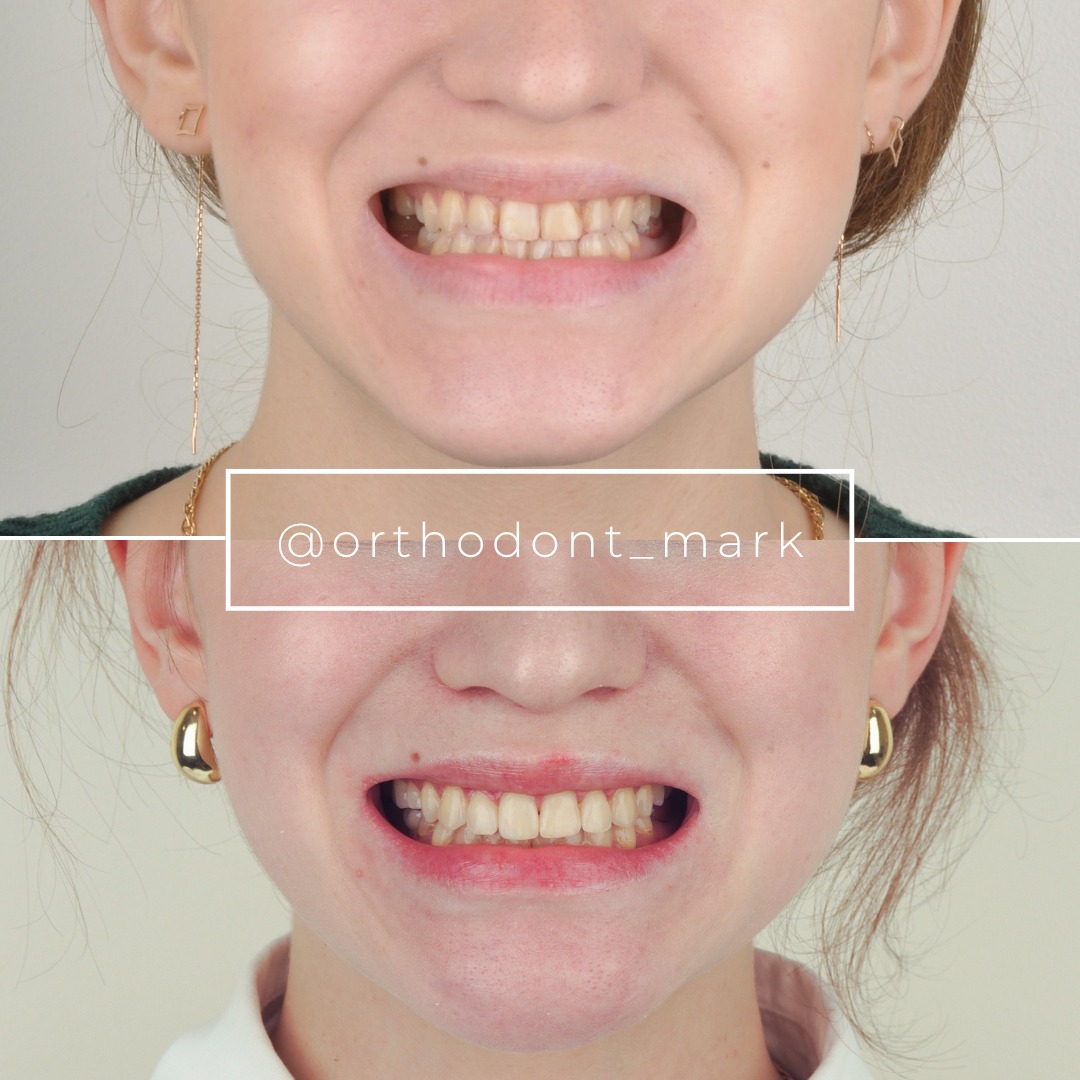
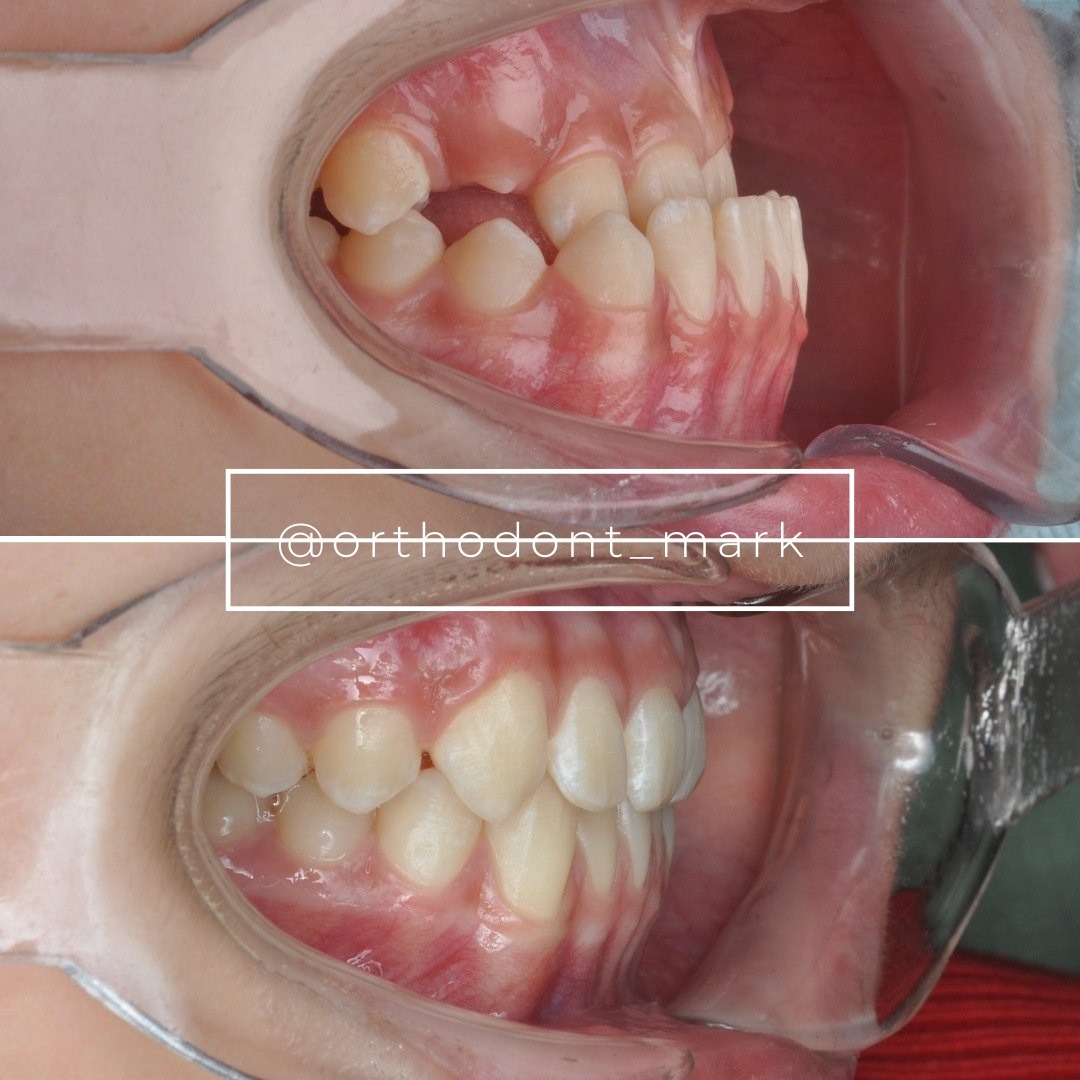
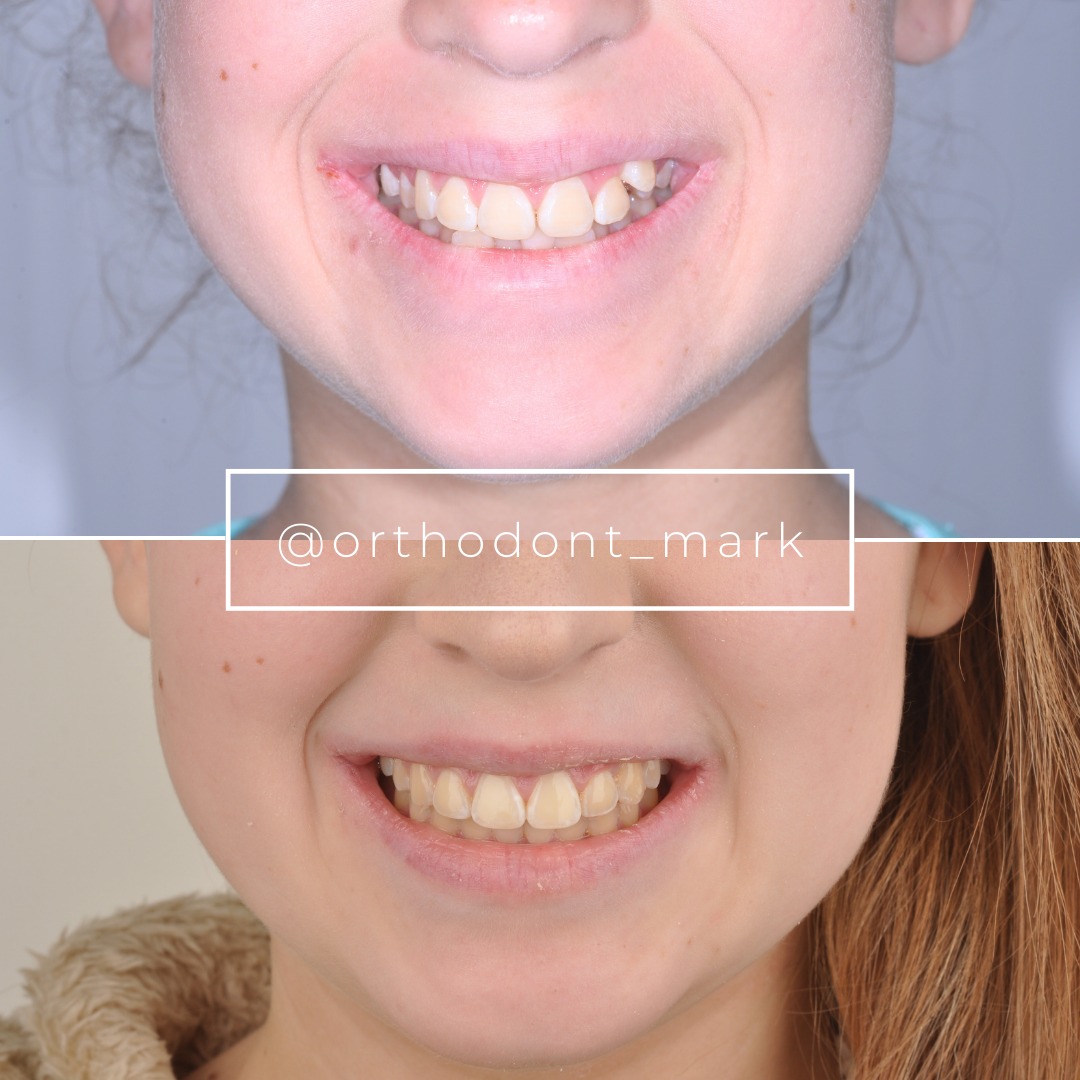
Documented outcomes
Clinical cases from Dr. Mark Radzhabov's practice
Learn the full MARPE protocol from Dr. Mark Radzhabov
Fundamental course covering CBCT patient selection, miniscrew planning, activation protocols, and 60+ clinical cases. Choose the access level that fits your practice.
Essentials of rapid palatal expansion for practicing orthodontists.
- Core RPE concepts and biomechanics
- 6 structured video lessons
- Clinical decision checklists
- Lifetime access to recordings
Deep-dive into MARPE protocol, diagnostics, and clinical execution.
- 6 modules covering MARPE from A to Z
- CBCT case selection walkthroughs
- Miniscrew placement and activation
- 60+ annotated clinical cases
- Direct Q&A with Dr. Mark Radzhabov
5-element medical consultation framework for dentists and orthodontists.
- Trust-building consultation protocol
- 5 lesson modules
- Templates for treatment plan delivery
- Works with any clinical specialty
Clinical FAQ
What is the optimal camera distance and lens focal length for extraoral orthodontic photography?
Use 50–100 mm focal length at 60–90 cm camera-to-patient distance for frontal views. This minimizes facial distortion and ensures consistent magnification for reliable before-and-after comparison.
How should I position a patient for accurate profile photography at 45 degrees?
Rotate the patient's body 45° from perpendicular, keeping the Frankfort horizontal parallel to the floor. Both ears should be visible at equal height. Check for chin tilt—no backward lean.
What intraoral views are essential for assessing transverse maxillary width and palatal vault?
Maxillary occlusal view showing full arch from distal molar on one side to distal on the opposite side. Include a lateral view at 45° angle to assess vault height and any constriction patterns.
How do diagnostic photographs improve treatment planning for expansion cases?
Occlusal views and lateral photographs reveal maxillary transverse discrepancy, arch form asymmetry, and molar class relationships—critical data for deciding between rapid palatal expander (RPE) or miniscrew-assisted expansion strategies.
What functional observations should be documented alongside diagnostic photographs?
Tongue size and position, oral vs. nasal breathing, swallowing pattern, and any forced mandibular positioning during examination. These guide decisions about myofunctional therapy integration and habit-breaking strategies.
Can smartphone photography replace professional equipment for orthodontic documentation?
Smartphone photography is acceptable if ring light or consistent studio lighting is used and camera-to-patient distance is standardized. Professional cameras with macro lenses remain the gold standard for consistent image quality.
How should gingival recession and soft tissue changes be tracked via photography?
Photograph intraoral frontal views with retractors at baseline and each treatment phase. Document gingival contour, recession depth, and papilla shape. These changes are difficult to assess from models or radiographs alone.
What is the difference between smile arc and buccal corridors in aesthetic assessment photography?
Smile arc is the relationship between the maxillary incisor curvature and the lower lip curvature during smile. Buccal corridors are spaces between buccal tooth surfaces and lip commissures. Both should be assessed in high-resolution smile photographs.
How does interdisciplinary case documentation—combining photography with myofunctional therapy records—improve treatment outcomes?
Baseline photographs showing tongue position and lip posture paired with functional therapy notes justify the need for combined care, improve patient compliance, and provide visual evidence of progress that motivates adherence.
What should be included in a diagnostic collage for case discussion with the treatment team?
Organize images by anatomical domain: extraoral (frontal rest, smile, bilateral profile), intraoral occlusal (frontal, maxillary, mandibular), lateral (bilateral), and functional views. Place most diagnostic images prominently for clear narrative.
A clear, repeatable photography protocol transforms your diagnostic confidence and treatment outcomes. By implementing systematic extraoral and intraoral imaging from the first appointment, you create a visual baseline that guides every decision point and protects your practice in disputes. Dr. Mark Radzhabov's clinical model emphasizes that photography is not an administrative task but a core diagnostic instrument; consider enrolling in his consultation and case review program to refine your intake workflow and master smile analysis documentation standards.