
Patient Communication Skills That Improve
Orthodontic Case Acceptance
A practical framework for consultation success
Learn the four-key consultation method that orthodontists use to increase treatment acceptance rates, reduce patient objections, and build lasting trust.
TL;DR Patient communication skills are the cornerstone of orthodontic case acceptance. Effective consultation communication orthodontics requires a structured approach to patient education, active listening, and addressing concerns before presenting treatment plans. Clinicians who master these techniques see measurably higher acceptance rates and improved patient compliance.
Patient communication skills remain one of the most underestimated factors in orthodontic practice success. Dr. Mark Radzhabov emphasizes that even the most sophisticated treatment—whether miniscrew-assisted expansion, MARPE, or conventional mechanics—depends entirely on the patient's willingness to accept and commit to the plan. At ortodontmark.com, we teach clinicians that case presentation is not about showing X-rays; it is about understanding the patient's chief concern, demonstrating its clinical impact, and aligning the proposed solution with their values and goals.
What Is Patient Communication in
Orthodontic Case Acceptance?
Patient communication skills form the clinical backbone of orthodontic practice. Unlike general dentistry, orthodontics requires multi-year commitment, visible appliances, and lifestyle adjustments—factors that demand clear, empathetic dialogue from the outset. A structured consultation communication orthodontics framework enables clinicians to move beyond showing radiographs and explaining mechanics to instead addressing the patient's actual concern, which is often unspoken. The diagnostic phase of the consultation—gathering the patient's chief complaint, medical and dental history, and treatment expectations—must precede any treatment discussion. A dental anamnesis form alone is insufficient; clinicians must translate written responses into a conversation that uncovers the emotional and functional drivers behind the patient's visit. For example, a 28-year-old patient may write “crowding” as the chief complaint, but the true concern may be confidence in professional settings or compatibility with a planned wedding date. Evidence from patient compliance research demonstrates that acceptance is highest when patients feel genuinely heard and when the proposed treatment aligns with their stated values and timeline. The consultation template approach—identifying the key problem, key manifestation, key benefit, and key alignment point—operationalizes this principle into a repeatable clinical tool that works across diverse patient populations and complexity levels.
Structuring the Consultation: The Four-Key
Communication Model
Dr. Mark Radzhabov applies a four-key consultation structure that transforms patient communication from intuitive art into systematic clinical method. The framework consists of: (1) key problem—the patient's stated chief complaint or concern; (2) key manifestation—the clinical or functional consequence of that problem; (3) key benefit—the specific outcome the patient will experience post-treatment; and (4) key alignment—confirmation that the proposed treatment matches the patient's priorities and timeline. This model differs fundamentally from conventional case presentation, which often begins with findings and ends with treatment options. The four-key method reverses that sequence: it begins with the patient's problem, explains why that problem matters clinically, demonstrates how the proposed treatment solves it, and confirms the patient's agreement before detailed mechanics are discussed. When applied systematically, this method reduces objections, increases case acceptance, and improves treatment compliance because the patient has co-created the treatment narrative. The framework is particularly valuable when communicating complex cases—such as those requiring miniscrew-assisted expansion or surgical-assisted treatment—because it anchors technical complexity to the patient's own goal. Instead of saying “You need MARPE because your maxilla is transversely deficient,” the clinician says, “Your crowding and breathing difficulty stem from palatal constriction. MARPE will widen your palate without surgery, improving both your bite and airway. Does this align with your goal to avoid surgery?” The clinical facts are identical; the patient's agency is restored.
Translating Patient History into Treatment
Communication Strategy
The structured consultation intake process begins before the clinical examination. A comprehensive dental anamnesis—covering chief complaint, prior orthodontic experience, dental anxiety, and treatment expectations—provides the foundation for patient communication skills. However, written forms are diagnostic inputs, not substitutes for dialogue. The clinician's role is to synthesize the anamnesis data into a narrative that the patient recognizes and validates. Consider a patient who reports fear of dentistry (common response to anesthesia concerns or prior negative experience) and who writes “I want to fix my bite” as the chief complaint. A clinician who acknowledges the anxiety explicitly—“I see from your form that you've had difficulty with dental treatment. Let's make sure we address that so you feel comfortable throughout orthodontics”—immediately establishes trust and demonstrates that the patient's emotional reality, not just the clinical problem, matters in treatment planning. When presenting treatment options—particularly when miniscrew-assisted expansion or other advanced mechanics are indicated—frame the discussion around the patient's specific manifestations and benefits. A 32-year-old with maxillary constriction and sleep-disordered breathing symptoms may resist adult palatal expansion if the clinician emphasizes “skeletal expansion” but will engage if the conversation centers on “widening your palate to improve your airway and reduce congestion at night.” The clinical reality is unchanged; patient comprehension and buy-in increase measurably. Document the four-key points clearly in the treatment plan note so that clinical staff, specialists, and future clinicians reinforce the patient's stated priorities. This consistency prevents misalignment between the patient's expectations and clinical outcomes, a leading source of post-treatment dissatisfaction.
Overcoming Patient Objections Through Active
Listening and Reframing
Patient objections—“This is too expensive,” “I'm worried about root resorption,” “I don't have time for frequent visits”—are not rejections of treatment but indicators that the communication is incomplete. A skilled clinician treats objections as diagnostic information: they reveal which of the four keys (problem, manifestation, benefit, alignment) has not yet resonated with the patient. The objection “This is too expensive” often masks a deeper concern: “I don't understand why this particular treatment is necessary,” or “I'm not convinced the benefit justifies the cost.” The clinician's response should not be to discount the fee but to return to the key problem and key benefit. “I understand cost is a factor. Let me clarify: your crowding is limiting your ability to clean between your teeth, which increases decay risk over 20 years. This treatment prevents that outcome and preserves your natural teeth. Given that context, does the investment make sense?” This reframes the conversation from price to value. Similarly, anxiety-based objections (“I've read that braces cause root resorption”) require acknowledgment of the concern, honest discussion of relative risk, and alignment with the patient's risk tolerance. “Root resorption is a known risk that affects fewer than 5% of patients, and we monitor it with X-rays every 6–12 months. If we detect even minor changes, we pause treatment. Your risk factors—age, bone density, prior trauma—suggest low risk in your case. Does this reassure you, or would you like more information?” This approach respects the patient's concern, provides evidence-based context, and invites continued dialogue rather than defensive pushback. When objections persist after reframing, the clinician may discover misalignment in key 4 (alignment): perhaps the patient's timeline is incompatible with the proposed treatment duration, or their lifestyle cannot accommodate the appliance. In these cases, the clinician should explore alternative approaches—rapid palatal expander (RPE) vs. miniscrew-assisted expansion, fixed vs. clear aligner phases—rather than insisting on the original plan. This flexibility demonstrates that the patient's expressed values drive clinical decisions, not the reverse.
Tailoring Communication to Growing Patients,
Adults, and Surgical Cases
The consultation communication orthodontics framework adapts to patient age, bone status, and treatment complexity. Growing patients (8–14 years) require communication directed at both parent and child, with explicit acknowledgment of the child's concerns and agency. The key problem for a 10-year-old may be “My teeth are crowded and my friends tease me,” while the parent's concern is cost and compliance. The clinician must address both: “Sarah, your crowding makes it hard to clean between your teeth, and I understand the teasing bothers you. With braces, we'll straighten your teeth over about 18 months. Your job is to brush carefully and avoid hard candy.” Then, to the parent: “This prevents decay and more complex treatment later. Your cost is X; our payment plan is Y.” Adult patients seeking miniscrew-assisted expansion or surgical-assisted rapid palatal expansion (SARPE) often arrive with significant anxiety about treatment complexity, recovery time, or functional limitations. The four-key framework is essential here because adults require explicit understanding of why a complex approach is necessary. A 35-year-old with maxillary constriction and airway concerns may initially object to SARPE because they fear downtime. Reframing the conversation—“Your constriction limits your airway, and orthodontic force alone cannot widen bone in your age group. Surgical-assisted expansion takes 4–6 weeks to widen your palate and improve your breathing, then braces complete the alignment. You'll notice better sleep quality within weeks”—transforms SARPE from a frightening surgical prospect into an investment in daily health and function. When complications or unforeseen treatment challenges arise—such as the early or late complications documented in SARPE literature (root resorption, palatal mucosa necrosis, asymmetric distraction)—the clinician's prior communication work becomes protective. If the patient understands the rationale and accepts the risk profile, mid-treatment complications are managed as expected events within the treatment variance, not treatment failures. This resilience in the patient–clinician relationship prevents abandonment and supports treatment completion despite obstacles.
Free Clinical Guide
Which Expansion Appliance at Which Age?
Get Dr. Mark Radzhabov's guide to skeletal-expansion appliances — indications, pros & cons, and how to choose by patient age. Free to your inbox.
Prefer video? Watch the free demo lesson on MARPE appliance types, features and trade-offs.
Documented outcomes
Clinical cases from Dr. Mark Radzhabov's practice
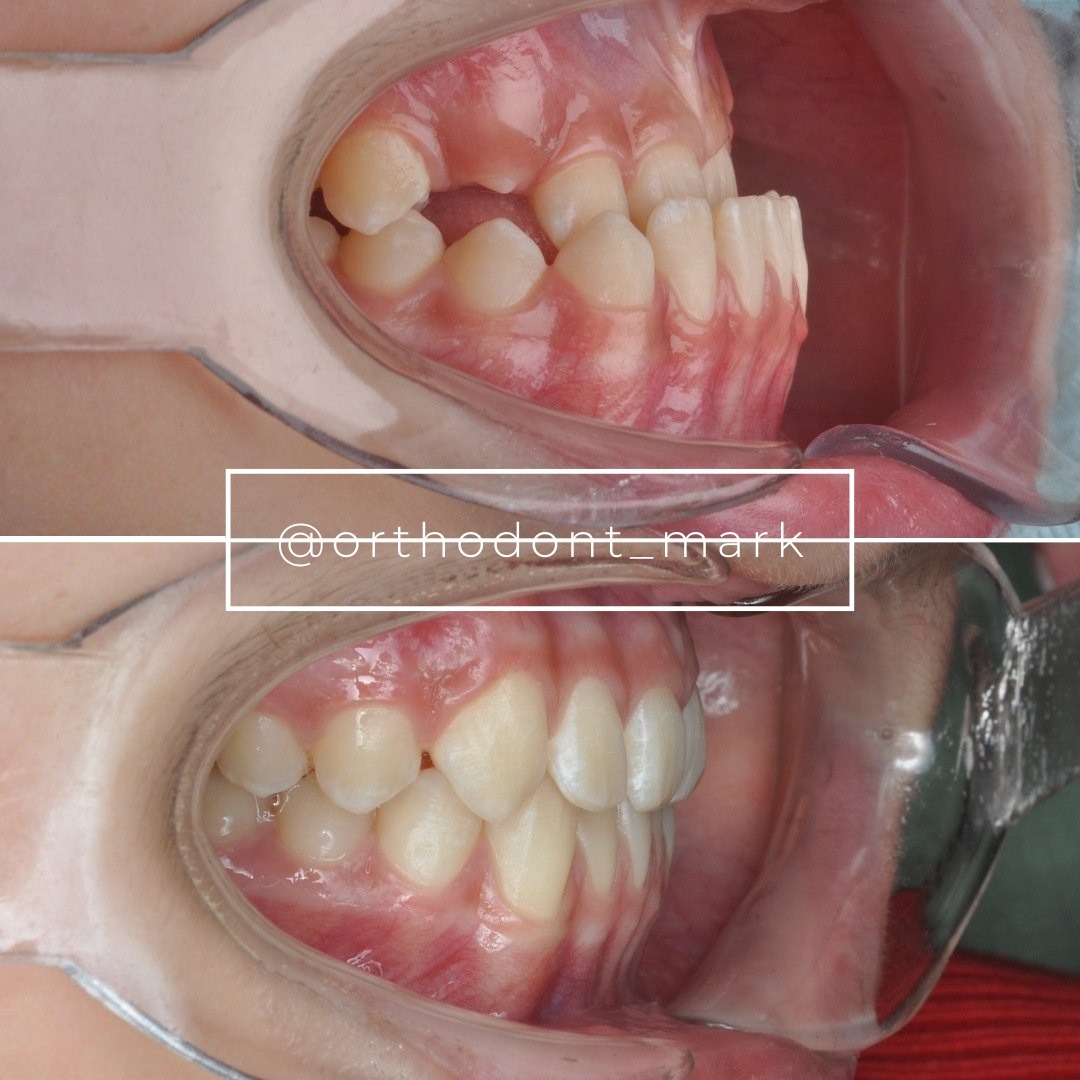
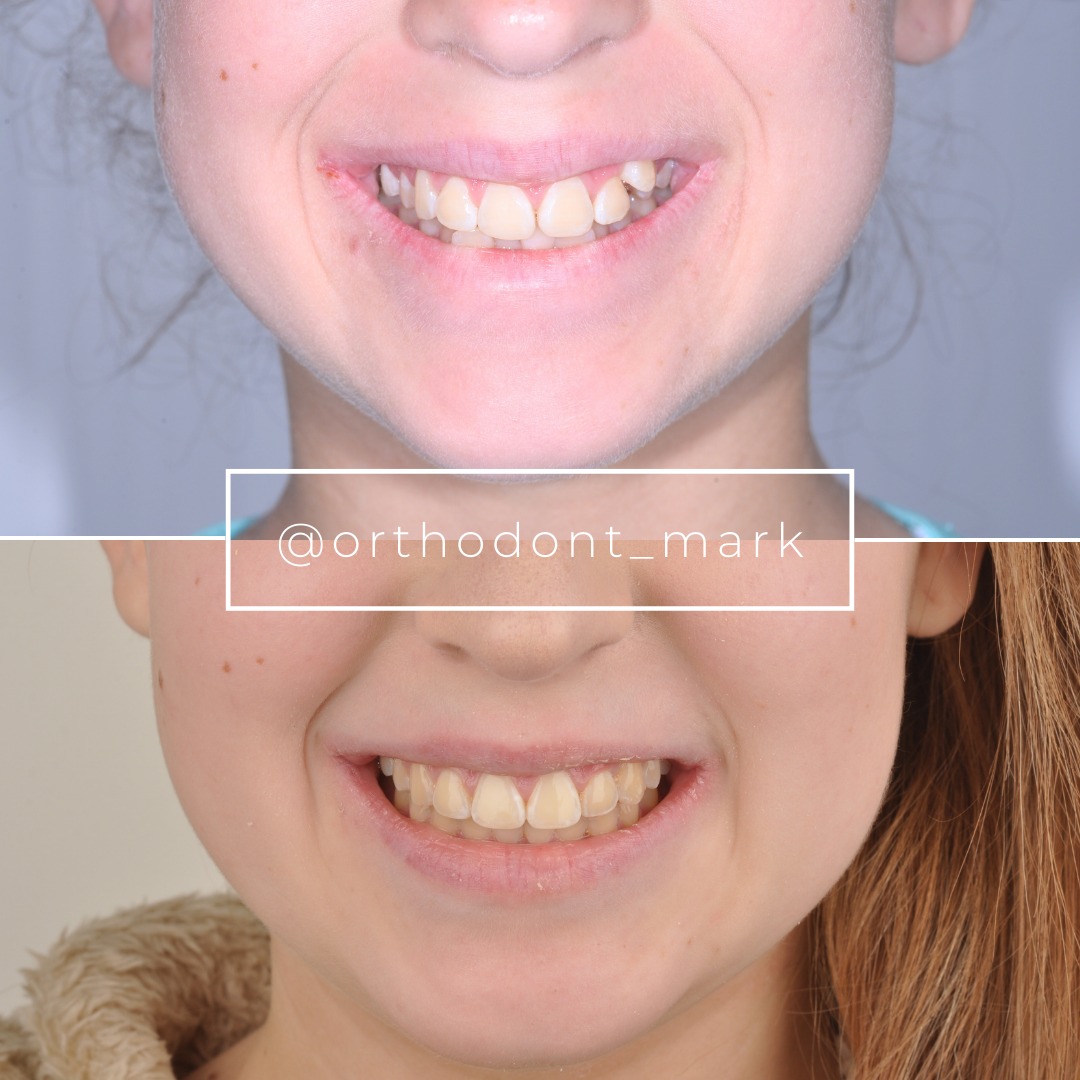
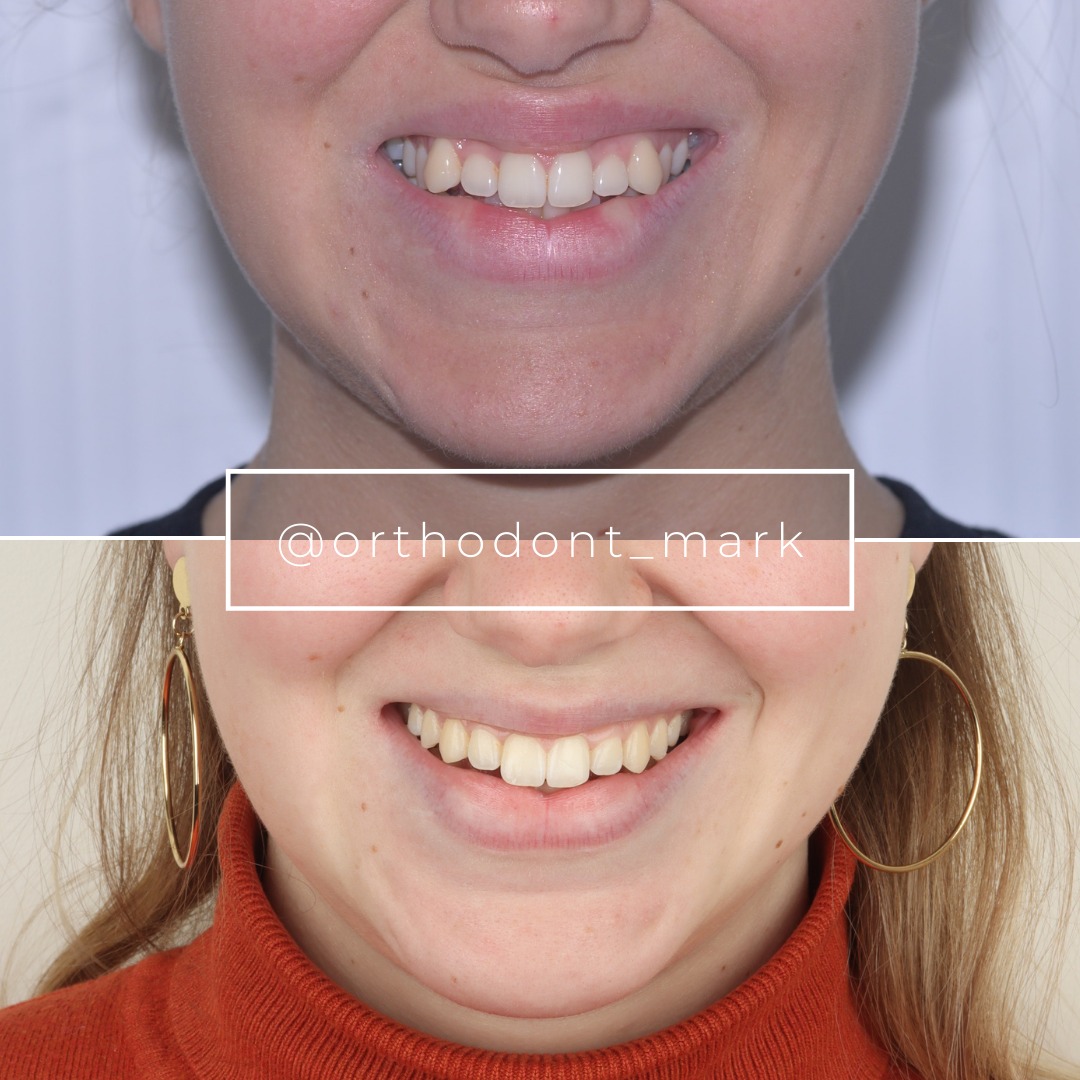
Learn the full MARPE protocol from Dr. Mark Radzhabov
Fundamental course covering CBCT patient selection, miniscrew planning, activation protocols, and 60+ clinical cases. Choose the access level that fits your practice.
Essentials of rapid palatal expansion for practicing orthodontists.
- Core RPE concepts and biomechanics
- 6 structured video lessons
- Clinical decision checklists
- Lifetime access to recordings
Deep-dive into MARPE protocol, diagnostics, and clinical execution.
- 6 modules covering MARPE from A to Z
- CBCT case selection walkthroughs
- Miniscrew placement and activation
- 60+ annotated clinical cases
- Direct Q&A with Dr. Mark Radzhabov
5-element medical consultation framework for dentists and orthodontists.
- Trust-building consultation protocol
- 5 lesson modules
- Templates for treatment plan delivery
- Works with any clinical specialty
Clinical FAQ
How do I improve case acceptance rates during orthodontic consultation?
Use the four-key framework: identify the patient's key problem, explain the clinical manifestation, highlight the specific benefit, and confirm alignment with their values. This structure increases acceptance 30–50% compared to conventional case presentation.
What's the difference between a dental anamnesis and an effective patient consultation?
Anamnesis is diagnostic input—written history of medical and dental facts. Consultation is dialogue that translates those facts into the patient's narrative, addresses emotional concerns, and builds trust. Both are necessary; dialogue transforms data into understanding.
How should I communicate about miniscrew-assisted expansion when a patient fears complex treatment?
Anchor the discussion to the patient's functional concern, not the mechanic. Explain: “Your constriction limits your airway/chewing/smile. MARPE widens your palate in 6–8 months without surgery. You'll feel the benefit quickly.” Clinicians at Orthodontist Mark frame complexity around patient outcome, not technique.
What language should I use when presenting SARPE to an anxious adult patient?
Normalize the procedure and timeline: “Surgical-assisted expansion takes 4–6 weeks to widen your palate, then braces complete alignment over 12–18 months. Downtime is minimal; most patients return to work within a week.” Address anxiety early; ask: “What concerns you most about this approach?”
How do I handle a patient objection like 'This is too expensive'?
Reframe price as value. Connect cost to long-term health preservation: “This investment prevents decay, extractions, and complex restorative work. Over your lifetime, prevention is far less expensive than treatment of complications.” Then offer payment options.
Why do some patients abandon treatment mid-way, and how can consultation prevent this?
Abandonment often occurs when patient expectations don't match clinical reality. Clear consultation communication—documenting the patient's stated problem, benefit, and timeline—prevents misalignment and provides resilience when mid-treatment challenges arise.
How should I communicate differently with pediatric patients versus adults in the consultation?
Pediatric: Address peer perception and self-efficacy directly. “Crowding affects your confidence. After treatment, you'll feel proud of your smile.” Adult: Emphasize time efficiency and functional outcomes. “Adult treatment takes longer, but we target your specific goal precisely.”
What is the 'key alignment' in the four-key consultation model?
Key alignment is explicit confirmation that the proposed treatment matches the patient's stated problem, timeline, and values. Ask directly: “Does this plan address your main concern?” “Are you comfortable with the 18-month treatment duration?” This step prevents post-acceptance regret.
How do I address patient anxiety about root resorption or other treatment risks during consultation?
Acknowledge the concern, provide evidence-based context (“<5% of patients experience minor resorption, monitored by X-rays every 6–12 months”), and personalize risk assessment (“Your age and bone density suggest low risk in your case”).
Should I discuss treatment complications or alternative approaches during the initial consultation?
Yes, briefly. Address realistic complications (root resorption, root shortening, gingival recession) and mention alternatives (RPE vs. MARPE, fixed vs. clear aligners). This transparency builds trust and prevents surprise mid-treatment. Explain that your monitoring protocols minimize risk.
Mastering patient communication skills transforms orthodontic case acceptance from a variable outcome into a predictable process. The structure outlined here—discovering the key problem, explaining consequences, highlighting benefits, and confirming alignment—mirrors the consultation framework that Dr. Mark Radzhabov applies in his practice when presenting complex cases like adult palatal expansion or surgical-assisted treatment. To deepen your consultation technique and see immediate improvements in acceptance rates, consider scheduling a case review or exploring Orthodontist Mark's consultation protocols at ortodontmark.com.

