
Photography Without Studio Lights:
Minimalist Consultation Photo Protocol
A practical system for every orthodontist
Build a diagnostic-grade photo protocol using portable equipment and natural lighting. Master the essential documentation standard that strengthens diagnosis, team communication, and medicolegal protection.
TL;DR Photography without studio lights is achievable through a systematic consultation photo protocol that captures diagnostic records and documents treatment progress. A clear, portable photography protocol enables accurate diagnosis, improves patient communication, and protects practitioners in clinical disputes—essential competencies for modern orthodontic practice.
Quality clinical photography is foundational to modern orthodontic consultation and treatment planning. Dr. Mark Radzhabov emphasizes that a systematic consultation photo protocol—implemented without expensive studio lighting—enables accurate diagnosis, builds clinical thinking, and creates a permanent medicolegal record. In this article, we outline a minimalist, evidence-based approach to extraoral and intraoral photography that can be executed in any clinical setting using portable equipment and natural lighting, drawing on Dr. Mark's clinical experience and the diagnostic workflow documented at ortodontmark.com.
Why a Minimalist Consultation Photo Protocol
Strengthens Your Diagnostics
A clear photography protocol is the foundation of quality diagnosis. Well-executed clinical photographs allow you to assess facial structure, smile aesthetics, and the condition of soft and hard tissues in the oral cavity—information that plaster models and radiographs alone cannot capture. Gingival recessions, enamel demineralizations, enamel cracks, and muscular asymmetries are best documented and tracked through intraoral and extraoral photography.
In clinical practice, photographs serve three essential functions: they enable accurate initial diagnosis and treatment planning, they document clinical changes that are difficult to track on models or radiographs, and they create a medicolegal record that protects you in the event of patient disputes. Photography is not administrative overhead—it is active clinical thinking. When a trained assistant executes a consistent photo protocol, the entire team develops stronger clinical reasoning.
The minimalist approach—using natural lighting, portable positioning aids, and standardized angles—removes the barrier of expensive equipment or studio setup. What matters is consistency and completeness, not cost. Many busy orthodontic practices defer photography because studio lighting feels like an added burden; a portable, straightforward protocol removes that excuse and becomes embedded in the consultation workflow.
Core Extraoral and Intraoral Photography
Views in the Minimalist Protocol
A complete intraoral and extraoral photography sequence need not be complex. The essentials include frontal and profile views at rest and with smile, intraoral occlusal views, and lateral views at multiple angulations. The order and angle standardization are what matter; lighting consistency is achieved through positioning relative to a window or single overhead source, not through studio equipment.
Extraoral views should include: (1) frontal view at rest with relaxed facial posture and hair pulled back, head level with ears symmetrically visible; (2) frontal view with smile, capturing the smile arc and buccal corridors; (3) frontal view with “Ema” (maximal incisor display) or similar probe to standardize incisor visibility; (4) right and left profile views at 90 degrees and 45 degrees at rest; (5) right and left profile views at 90 degrees and 45 degrees with smile. Consistency in head position is critical: ears must be equidistant from the camera, the head must be neither tilted nor retrognathic, and the Frankfurt horizontal should be parallel to the floor.
Intraoral views encompass: (1) frontal view with teeth occluded and lips retracted; (2) frontal view with teeth slightly parted and lips retracted to show overbite and overjet; (3) occlusal view of the upper arch; (4) occlusal view of the lower arch; (5) right and left buccal views with teeth occluded to assess transverse relationships; (6) lingual or sagittal views if indicated by specific treatment concerns. A mouth retractor—even a simple inexpensive plastic one—standardizes lip retraction and allows consistent framing. As Dr. Mark emphasizes in his consultation methodology, assistants trained in this sequence can execute it in under five minutes per patient, making it a routine part of intake rather than an optional extra.
Executing Quality Photos
Without Studio Equipment
The minimalist approach leverages natural window light combined with a single overhead or side-mounted light source. Position the patient in front of a window with soft, diffuse daylight; supplementary light from a desk lamp or ceiling fixture can fill shadows without creating multiple shadow planes. The goal is even, shadowless illumination of the face and mouth—not dramatic or artistic lighting, which reduces diagnostic clarity.
Head position is more critical than lighting hardware. When photographing the frontal view, position your camera at eye level, with the patient's eyes looking straight ahead as if at a mirror (“like a passport photo,” as Dr. Mark instructs his teams). The patient's ears must be visible on both sides of the head and symmetrically positioned. If the head tilts or the chin recedes, ask the patient to lower the chin slightly until the head is neutral. For profile views, rotate the patient's body 90 degrees and repeat the neutral positioning—chin neither thrust forward nor retracted. Many patients unconsciously adopt a canted head posture or forward head position; verbal and tactile cues to relax the posture are essential.
For intraoral photography, use a single mouth retractor held gently by the patient or assistant. Tilt the patient's head back slightly (10–15 degrees) to optimize the lighting angle into the mouth. Focus on the occlusal plane, not the lips. A simple directional light source (ring light, LED headlamp, or overhead fixture angled into the mouth) eliminates the dark shadow at the posterior palate and improves visibility of posterior teeth. Consistency matters more than perfection: if all intraoral photos are lit and angled the same way, the slight imperfections become invisible and do not detract from diagnostic value.
Building Photography Into Your Consultation
Process
Photography should occur early in the consultation, after the anamnesis and general assessment but before the detailed intraoral exam. This timing allows the patient to relax and positions the photograph as a diagnostic tool rather than an afterthought. In Dr. Mark's consultation model, the sequence includes (1) intake anamnesis and patient history, (2) general rapport-building and problem identification, (3) photography protocol, (4) detailed clinical examination noting features not visible in photographs (such as TMJ function, forced jaw positions, and functional shifts), and (5) case discussion and preliminary treatment plan.
Assign photography to a trained assistant who understands the sequence and the clinical reason for each view. This delegation serves two purposes: it frees the clinician to observe the patient's behavior and responses, and it reinforces to the assistant that photography is an active diagnostic tool, not a clerical task. Brief the assistant before each patient on any specific views required (e.g., “This patient has a suspected transverse discrepancy—make sure you capture the buccal views”). After each session, review 2–3 photographs with the assistant to reinforce consistency and troubleshoot positioning or lighting issues.
Store photographs in a secure, time-stamped folder linked to the patient chart. If possible, have the clinician review the images together with the patient during the case discussion, pointing out specific features visible in the photographs that align with treatment objectives. This visual feedback significantly improves patient understanding and agreement with the proposed treatment plan. Many practices create a “before” collage for the patient file; this simple practice documents the consultation moment and creates a powerful reference for post-treatment comparison.
Mistakes That Compromise Your Photo
Protocol
The most common error is inconsistent head positioning. If frontal photos are taken with the head tilted, ears asymmetric, or chin retracted, later profile views taken at correct angles will appear incongruent. The patient and clinician will unconsciously distrust the images. To avoid this, standardize your patient positioning instructions: “Pull your hair back behind your ears,” “Look straight ahead at the camera,” “Relax your face,” “Make sure I can see both ears equally.” If the head is canted, gently ask the patient to lower the chin. Repeat this instruction for every patient, and within a few weeks, your assistants will do this automatically.
A second pitfall is poor lighting in intraoral views. Many practices attempt intraoral photography with ambient room light, resulting in dark, low-contrast images of posterior teeth and palate. This defeats the diagnostic purpose. Invest in an inexpensive ring light (under $50) or LED headlamp (under $100). Position it so light enters the mouth from above and slightly to the buccal side, illuminating the occlusal plane and anterior teeth uniformly. One additional light source fixes this problem entirely.
A third error is failing to photograph both sides of the buccal views and profile. Asymmetries—whether in canine relationships, vertical dimension, or sagittal relationships—are often unilateral. If you photograph only the right side, you miss a Class II on the left or a posterior cross-bite on one side. A complete protocol requires right and left views for profile and buccal angles. As Dr. Mark's consultation framework notes, if you do not photograph it, you are relying on memory and palpation alone—both prone to error and indefensible in a dispute.
Photography as Clinical Protection and Team
Communication
Photograph-based documentation is powerful medicolegal protection. In the event a patient disputes treatment outcomes or disputes arise regarding consent or initial status, timestamped photographs of baseline conditions—occlusal relationships, gingival health, smile aesthetics, hard tissue conditions—provide objective evidence of what was present at consultation. Without such documentation, your case notes alone may be insufficient to defend your clinical decisions. This is not litigation thinking; it is professionalism. A clear, complete photographic baseline is an ethical standard in modern orthodontics.
Beyond medicolegal benefit, photographs serve as a shared diagnostic language for your team. When you hold a case discussion—whether with an associate, a myofunctional therapist, or a periodontist—photographs allow all participants to refer to the same visual features. The myofunctional therapist can see the tongue position during rest and swallowing; the periodontist can assess gingival health and biotype; an associate can review your diagnostic thinking without requiring a separate full exam. This visual common ground strengthens interdisciplinary communication and prevents misunderstanding or duplication of effort.
In team-based consultations, photographs also document the consultation moment itself. You can review the collage with the patient, answer questions, and build agreement on treatment objectives in real time. Many practices print or display a simple before-and-after collage in the patient file. This artifact—seemingly simple—demonstrates thoroughness and professionalism. It also serves as a psychological anchor: the patient sees the documented problem and the proposed solution simultaneously, which increases treatment acceptance and reduces later dissatisfaction.
Free Clinical Guide
Which Expansion Appliance at Which Age?
Get Dr. Mark Radzhabov's guide to skeletal-expansion appliances — indications, pros & cons, and how to choose by patient age. Free to your inbox.
Prefer video? Watch the free demo lesson on MARPE appliance types, features and trade-offs.
Documented outcomes
Clinical cases from Dr. Mark Radzhabov's practice
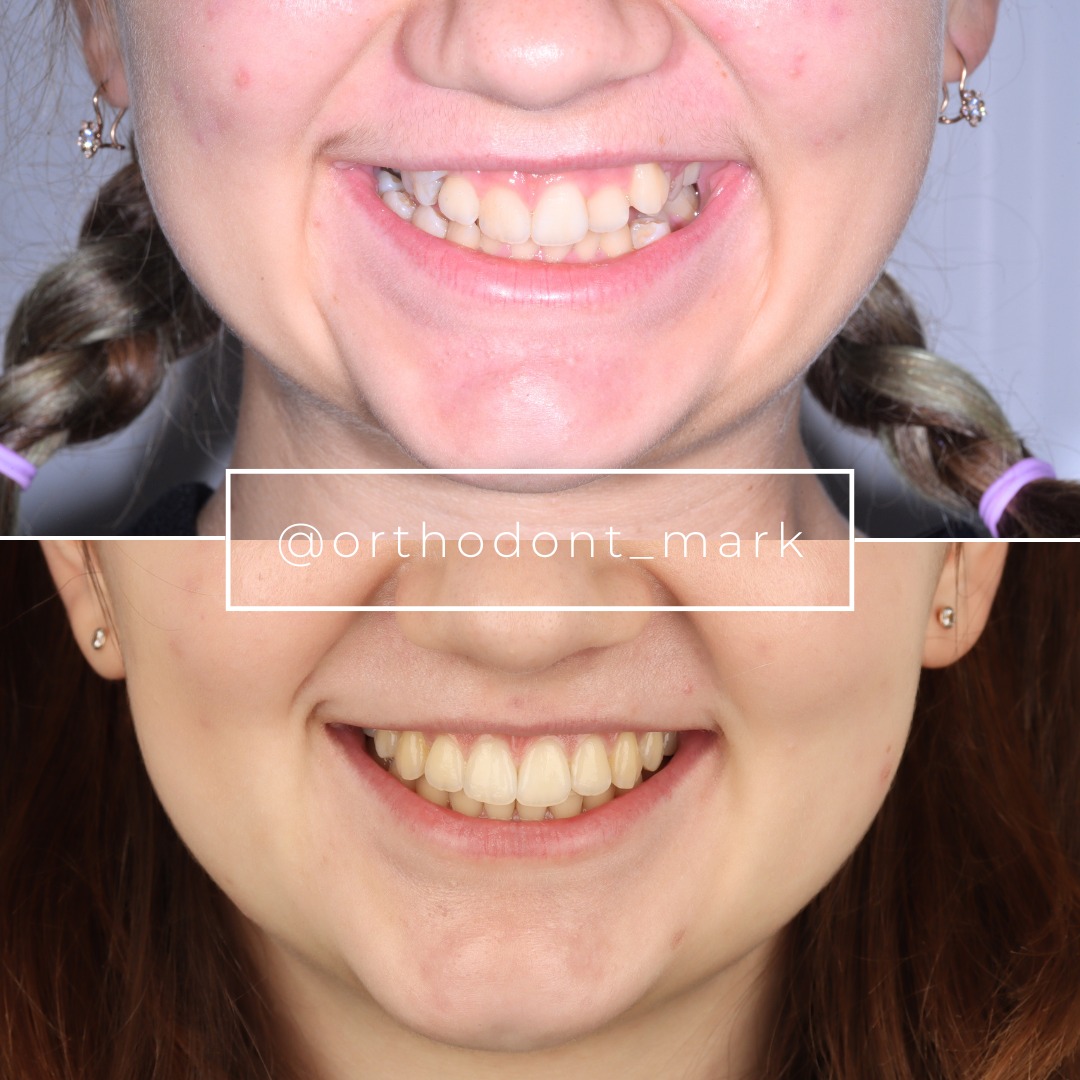
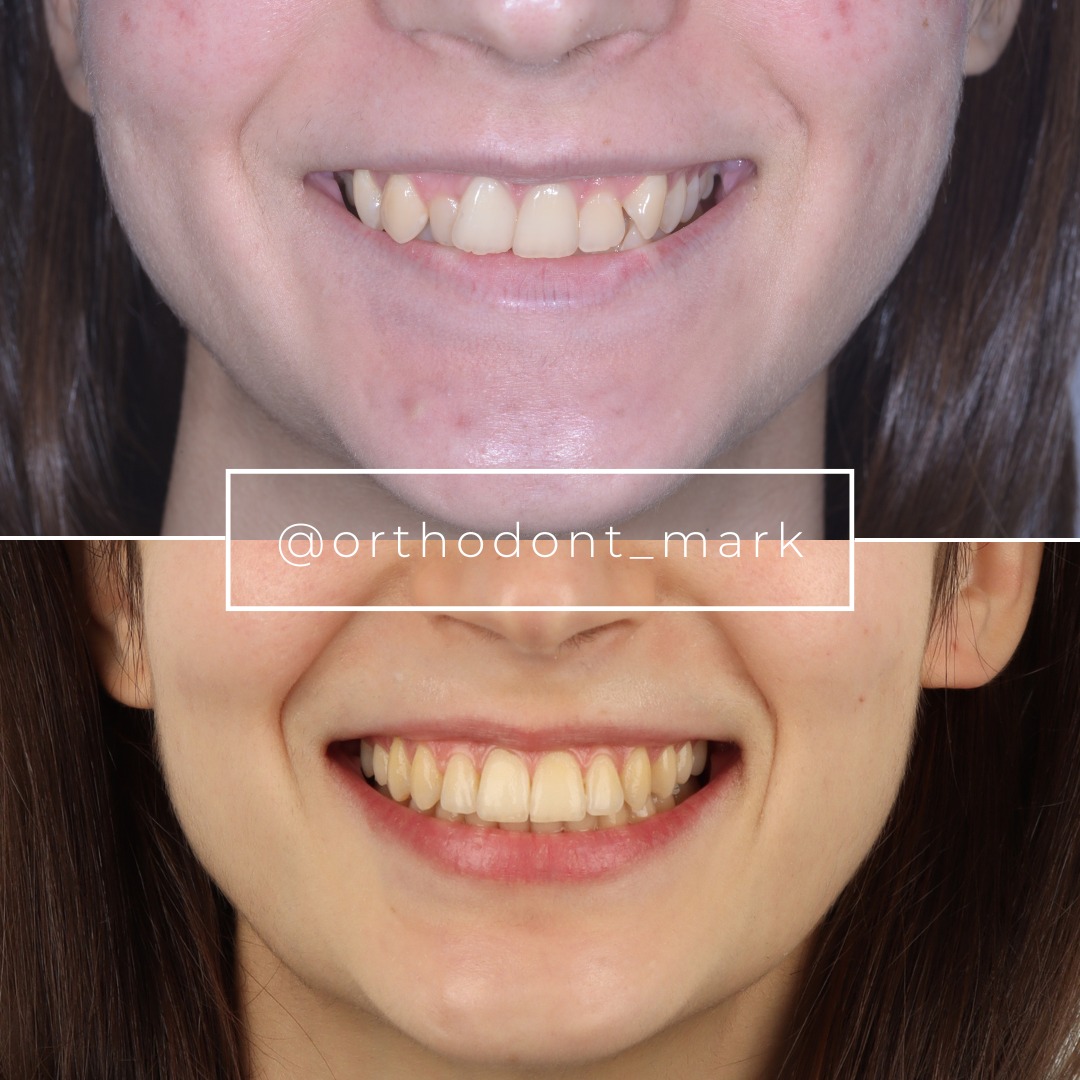
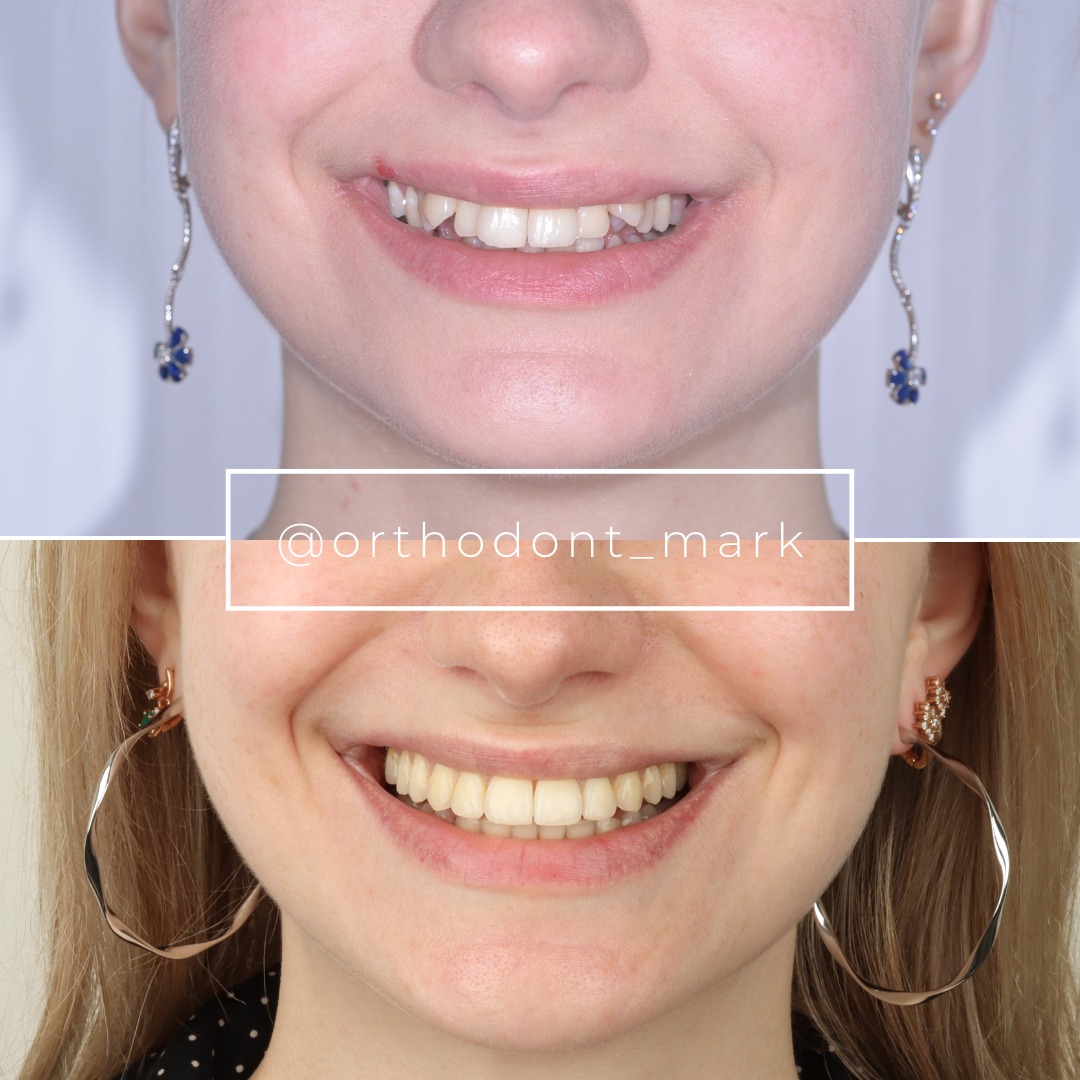
Learn the full MARPE protocol from Dr. Mark Radzhabov
Fundamental course covering CBCT patient selection, miniscrew planning, activation protocols, and 60+ clinical cases. Choose the access level that fits your practice.
Essentials of rapid palatal expansion for practicing orthodontists.
- Core RPE concepts and biomechanics
- 6 structured video lessons
- Clinical decision checklists
- Lifetime access to recordings
Deep-dive into MARPE protocol, diagnostics, and clinical execution.
- 6 modules covering MARPE from A to Z
- CBCT case selection walkthroughs
- Miniscrew placement and activation
- 60+ annotated clinical cases
- Direct Q&A with Dr. Mark Radzhabov
5-element medical consultation framework for dentists and orthodontists.
- Trust-building consultation protocol
- 5 lesson modules
- Templates for treatment plan delivery
- Works with any clinical specialty
Clinical FAQ
What is the minimum number of views required in a complete consultation photo protocol?
A functional protocol includes: 4 extraoral frontal views (rest, smile, maximal incisor display, retracted lips), 4 profile views (90° and 45° each side at rest and smile), and 6 intraoral views (occlusal upper and lower, buccal right and left, sagittal if indicated). This 14–16 view sequence captures diagnostic essentials in under 5 minutes.
How do I achieve consistent intraoral lighting without studio equipment?
Use a single inexpensive ring light or LED headlamp ($50–100) positioned above and to the buccal side of the mouth. Tilt the patient's head back 10–15 degrees to direct light into the occlusal plane. Avoid multiple light sources, which create confusing shadow planes. Test one image, adjust positioning, and repeat for consistency.
What head positioning cues eliminate the most common photography errors?
Instruct the patient: 'Pull your hair back, look straight ahead like a passport photo, relax your face.' Verify ears are equally visible and symmetric. If tilted or retrognathic, cue 'lower your chin slightly.' Repeat these three instructions for every patient to build automatic compliance within your team.
How should I integrate photography into my consultation workflow timing?
Photograph after anamnesis and general rapport-building but before detailed intraoral exam. This sequence allows patient relaxation, frees the clinician to observe non-verbal cues, and positions photography as a diagnostic tool rather than an administrative afterthought. Total time: 3–5 minutes per patient.
Why is it essential to photograph both right and left buccal views and profiles?
Asymmetric malocclusions (unilateral Class II, one-sided cross-bite, asymmetric vertical relationships) are common. Single-side documentation misses these features. Bilateral photography is non-negotiable for complete diagnosis and medicolegal protection.
What is the best approach to assign and train an assistant for photo protocol consistency?
Delegate to one trained team member. Provide a written checklist of all views. Brief the assistant on case-specific priorities. Review 2–3 sample images each week. Reinforce that photography is active diagnostic thinking, not clerical work. Consistency develops within 2–3 weeks.
How do I use baseline photographs to improve patient case acceptance?
During case discussion, display 2–3 selected images on a screen or printed collage. Point out the specific malocclusion features visible in the photographs. Link these features to your proposed treatment objectives. Visual anchoring of the problem significantly increases patient understanding and treatment acceptance.
What medicolegal value does a complete consultation photo protocol provide?
Timestamped baseline photographs document occlusion, gingival health, enamel condition, and smile aesthetics at consultation. This objective record protects the clinician in disputes regarding consent, treatment outcomes, or adverse effects by providing evidence of initial status independent of patient memory.
How should I store and archive consultation photographs in the patient file?
Create a time-stamped folder linked to the patient chart with the consultation date. Organize images by view sequence (extraoral, intraoral). Archive a printed collage in the paper file if you maintain one. Enable secure digital access for team review during treatment planning and progress assessments.
Can I use natural window light alone, or is supplementary lighting necessary for intraoral photography?
Natural window light is adequate for extraoral photography if positioned consistently. Intraoral photography requires supplementary light (ring light, LED headlamp, or overhead source) to illuminate the mouth without shadow. One additional light source, not studio setups, solves this problem and requires minimal investment.
A structured consultation photo protocol is not optional: it forms the backbone of diagnostic accuracy, team communication, and treatment documentation. Whether you photograph with natural light or minimal supplementary lighting, consistency and standardization matter far more than equipment cost. Dr. Mark Radzhabov's approach demonstrates that assistants trained in a clear photo protocol elevate the entire consultation experience. Implement these principles in your practice today, and consider enrolling in a detailed case review or consultation documentation course to refine your diagnostic workflow.

