How to Present a Treatment Plan
Patients Actually Understand
Strategies for high case acceptance in MARPE and skeletal expansion
Master the visual, verbal, and temporal frameworks that help patients grasp complex orthodontic mechanics—and commit to treatment.
TL;DR Effective treatment plan presentation combines three elements: visual clarity through CBCT-based imagery, age-specific biomechanical explanations, and staged communication of complexity. Patients who understand the biological rationale and expected timeline for expansion show higher compliance and satisfaction with skeletal expansion cases.
Patient comprehension of orthodontic treatment remains one of the highest predictors of case acceptance and compliance. In this article, Dr. Mark Radzhabov outlines evidence-based frameworks for presenting treatment plans—particularly for complex cases like MARPE and skeletal expansion—drawing on clinical experience and peer-reviewed documentation of patient communication strategies. Whether you work with growing patients or adult non-responders, mastering the presentation of your treatment plan directly impacts your practice's case acceptance rate and long-term clinical success.
Why Presentation Quality Directly
Affects Your Case Acceptance Rate
Patient comprehension and case acceptance are not separate from clinical skill—they are a direct extension of it. When a patient declines a treatment plan, the reason is rarely technical complexity; it is almost always because the patient does not understand the problem, the solution, or the timeline. Research in healthcare communication consistently shows that patients who understand the rationale for treatment, the expected timeline, and the role they play in compliance demonstrate significantly higher acceptance rates and better long-term outcomes. In orthodontic practice, this principle becomes even more critical in cases involving skeletal deficiencies requiring expansion or correction. A patient who cannot visualize the before-and-after, or who does not grasp why miniscrew-assisted expansion differs from conventional approaches, will hesitate at the financial and time commitment. Conversely, a patient who sees clear diagnostic imaging, understands the biological window (age-dependent skeletal response), and receives a transparent timeline will move forward with confidence. The most effective presenters in orthodontics are not necessarily those with the most advanced technical skills—they are those who can translate those skills into language, imagery, and narrative that resonates with the patient's goals and concerns. This is a learned skill, not an innate trait. Dr. Mark Radzhabov emphasizes that the consultation room is where clinical decisions are made or rejected, and mastering presentation is therefore as important as mastering the mechanics themselves.
Using CBCT Imaging to Build Patient
Understanding and Trust
Cone-beam computed tomography (CBCT) has transformed the diagnostic landscape in orthodontics, and its visual power extends equally to patient communication. When you present a CBCT-derived sagittal or coronal view showing transverse maxillary deficiency, the skeletal nature of the problem becomes tangible to the patient in a way that 2D intraoral photographs cannot achieve. This shift from abstract clinical language to concrete 3D visualization is one of the most powerful tools in your presentation arsenal. For cases involving miniscrew-assisted expansion (MARPE), CBCT imaging allows you to demonstrate not only the problem but also the precision of your planned solution. You can show the planned miniscrew insertion sites, the expansion vector, and the anticipated skeletal response—three elements that build confidence in the treatment plan's feasibility. Similarly, when comparing MARPE to conventional rapid palatal expansion (RPE), low-dose CBCT evidence shows measurable differences in skeletal versus dentoalveolar response, differences that are far more persuasive when visualized than when described verbally. Clinical studies comparing conventional expansion to miniscrew-assisted approaches document that MARPE groups showed greater nasal width increases and less buccal tooth displacement compared to RPE. These findings, when presented to a patient via before-and-after CBCT reconstructions, underscore the biological rationale for selecting one technique over another. The patient moves from asking “Why does this cost more?” to understanding “Why this approach will give me better skeletal results.”
The Three-Layer Presentation Model
for Skeletal Expansion Cases
Effective communication in complex orthodontic cases follows a layered structure: diagnosis (what is the problem), biology (why it exists and how it responds), and mechanics (how we will correct it). This sequence respects cognitive load and allows the patient to build understanding incrementally rather than absorbing technical detail in isolation. Layer 1: Diagnosis and Patient Goals Begin with the patient's chief complaint and aesthetic concern, then connect it to the skeletal finding. For example: “You mentioned wanting a wider smile. Our imaging shows your upper jaw is actually narrower than optimal, and this is contributing to the crowding we see. This is a skeletal issue, not just a tooth arrangement problem.” This framing positions the diagnosis as the foundation for everything that follows. Layer 2: Age-Dependent Biology Explain the biological window for expansion response. In growing patients, the midpalatal suture remains open, allowing direct skeletal expansion with conventional RPE. In post-pubertal or adult patients, the suture has fused, requiring miniscrew anchoring to bypass dental side effects and achieve true skeletal widening. This explanation answers the patient's implicit question: “Why can't we just use what you used on my sister?” By grounding the treatment recommendation in skeletal biology rather than technique preference, you position yourself as evidence-driven, not equipment-driven. Layer 3: Mechanics and Timeline Only after diagnosis and biology should you present the specific mechanics. Show the screw placement, explain activation protocol, and present the timeline. A typical MARPE case involves 8–10 weeks of active expansion, followed by 6 months of consolidation before removal. Break this into phases: “Weeks 1–2 we establish bone response, weeks 3–10 we achieve expansion, months 2–8 we allow bone to solidify.” This temporal framework makes a 14-month commitment feel manageable because it is broken into distinct phases with different patient responsibilities.
Building a Presentation Library for
Consistent, Professional Communication
The most successful practices develop a visual library of before-and-after cases, annotated CBCT images, and timeline graphics that can be shown to every consultation patient. This library serves multiple functions: it standardizes your presentation (reducing variability and improving consistency), it reduces consultation time (you are not creating new visuals for each case), and it builds trust (patients see successful outcomes from similar cases). For MARPE and skeletal expansion cases specifically, your library should include: (1) sagittal and coronal CBCT views showing transverse deficiency; (2) axial views demonstrating midpalatal suture and planned miniscrew placement; (3) post-treatment axial and coronal reconstructions showing achieved widening; and (4) timeline graphics showing activation protocol, consolidation period, and total treatment duration. Each image should be annotated with simple language—draw arrows to point out the skeletal change, label the suture or screw, and highlight the anatomical change that the patient will perceive. For comparison cases (MARPE versus conventional RPE in an adult candidate, for example), create side-by-side comparisons showing skeletal versus dentoalveolar response. Research comparing these approaches documents that MARPE achieves greater nasal width gains and reduced buccal tooth displacement. When this data is visualized on your patient's own imaging, it becomes personal evidence rather than abstract research. The patient sees exactly why miniscrew anchoring justifies its additional cost and complexity in their specific case. Digital presentation platforms (iPad-based consultation apps, cloud-based patient portals) allow you to annotate images in real-time during consultation, creating a dynamic narrative rather than a static presentation. This interactivity increases patient engagement and comprehension—patients can ask questions about specific anatomical structures as they appear, rather than trying to understand pre-made slides.
Adapting Your Presentation for
Growing vs. Skeletally Mature Patients
The biological window for expansion response differs fundamentally between growing and mature patients, and your presentation must reflect this. A 14-year-old with an open midpalatal suture and a 40-year-old with a fused suture require entirely different explanations for why you are recommending the same visual outcome via different mechanics. For growing patients, your messaging emphasizes natural skeletal response: “Your upper jaw is still developing. We can guide that growth in the wider direction using a palatal expander. Your bones are still soft enough to respond to the expansion forces we'll apply.” This narrative positions treatment as working with the body's natural developmental process, not against it. The timeline is shorter (8–10 weeks of active expansion, often with less consolidation time required in growing patients). Parents appreciate hearing that treatment harnesses developmental potential rather than fighting biology. For skeletally mature patients, the messaging shifts to precision and biomechanical necessity: “Your jaw's growth plates have closed, so the suture in the roof of your mouth is now fused. To achieve the skeletal widening you need without unwanted side effects on your teeth, we use titanium screws anchored to bone. This allows us to move the skeleton directly, bypassing the teeth.” This explanation answers the implicit concern: “Why is this more complicated at my age?” By framing miniscrew anchoring as a precision tool suited to adult skeletal anatomy, you position it as the correct choice, not a workaround. Comparative data from randomized trials shows that both approaches achieve significant expansion, but MARPE demonstrates greater skeletal nasal width increases and reduced dentoalveolar side effects in non-growing patients. When presenting to adults, emphasize this distinction: “This method gives us better skeletal results and protects your natural teeth from unwanted movement.” This messaging transforms cost and complexity into clinical advantages.
Turning Patient Hesitation Into
Informed Confidence
Even a well-structured presentation will encounter objections. The most skilled communicators do not avoid objections—they anticipate them and reframe them as questions that strengthen rather than weaken the case. For skeletal expansion cases, the most common hesitations involve cost, duration, and uncertainty about outcome. Objection: “Why is this more expensive than a standard expander?” Reframe as a value comparison. “A conventional expander costs less upfront but achieves only partial skeletal correction and requires your teeth to move, often creating crowding that needs later fixing. MARPE costs more because it delivers true skeletal widening and protects your existing tooth positions. You're investing in a better outcome, not paying extra for the same result.” Support this with your side-by-side CBCT comparisons showing the difference in skeletal gain. Objection: “Fourteen months is too long. Can't you just straighten my teeth faster?” Reframe as a choice between speed and stability. “We could move your teeth faster, but that wouldn't fix the jaw width problem underneath. In 14 months, we solve the root cause. After treatment, your smile will be stable for life because we corrected the foundation, not just rearranged the surface.” This positions the timeline as an investment in long-term success, not inefficiency. Objection: “What if the expansion doesn't work?” This reveals the patient's fear of failure. Reframe with outcome data. “In our protocol, we achieve the target expansion in over 90% of cases. We monitor your progress monthly with imaging, so if we see the suture isn't separating as expected, we adjust the protocol. You're not guessing—you're being guided by data every step.” Reference your outcome statistics or peer-reviewed evidence on MARPE success rates. The key to reframing is never dismissing the concern; instead, translate it into a deeper clinical question that you can answer with evidence. Dr. Mark Radzhabov's approach to consultation emphasizes that every objection is a patient trying to understand risk—your job is to make that risk transparent and manageable.
Documenting the Presentation and
Reinforcing Patient Understanding
The consultation does not end when the patient says yes. Documentation and follow-up communication are essential tools for reinforcing understanding, managing expectations, and protecting your practice legally. After every consultation, provide the patient with written or digital documentation of what was discussed: diagnosis, recommended treatment, timeline, cost, and expected outcomes. This documentation should include copies of the annotated imaging shown during consultation, a printed timeline graphic, and a summary paragraph written in plain language. For example: “We discussed that your upper jaw is narrower than optimal, contributing to crowding and your narrow smile. We recommend miniscrew-assisted expansion (MARPE) because at age 32, your jaw has finished growing, making skeletal expansion the most effective approach. Treatment will involve 8 weeks of active expansion, followed by 6 months of bone consolidation. Total treatment time is approximately 14 months. After expansion, we will proceed with tooth alignment and bite correction.” This written summary serves as informed consent documentation and as a reference point if the patient has questions after leaving your office. A pre-treatment communication (email, portal message, or printed form) sent 1–2 weeks before appliance placement can also reinforce the protocol and manage expectations about discomfort, activation schedule, and dietary modifications during expansion. This reduces surprise and anxiety on placement day and signals that you are organized and detail-oriented—qualities that build confidence in complex cases. Finally, during treatment, monthly progress updates with imaging comparisons reinforce the biological response. When a patient sees their own CBCT images from month 1, month 3, and month 6 showing progressive suture separation and nasal width gain, compliance with retention and consolidation protocols dramatically improves. The patient is no longer following instructions blindly; they are watching their own skeletal change in real time.
Free Clinical Guide
Which Expansion Appliance at Which Age?
Get Dr. Mark Radzhabov's guide to skeletal-expansion appliances — indications, pros & cons, and how to choose by patient age. Free to your inbox.
Prefer video? Watch the free demo lesson on MARPE appliance types, features and trade-offs.
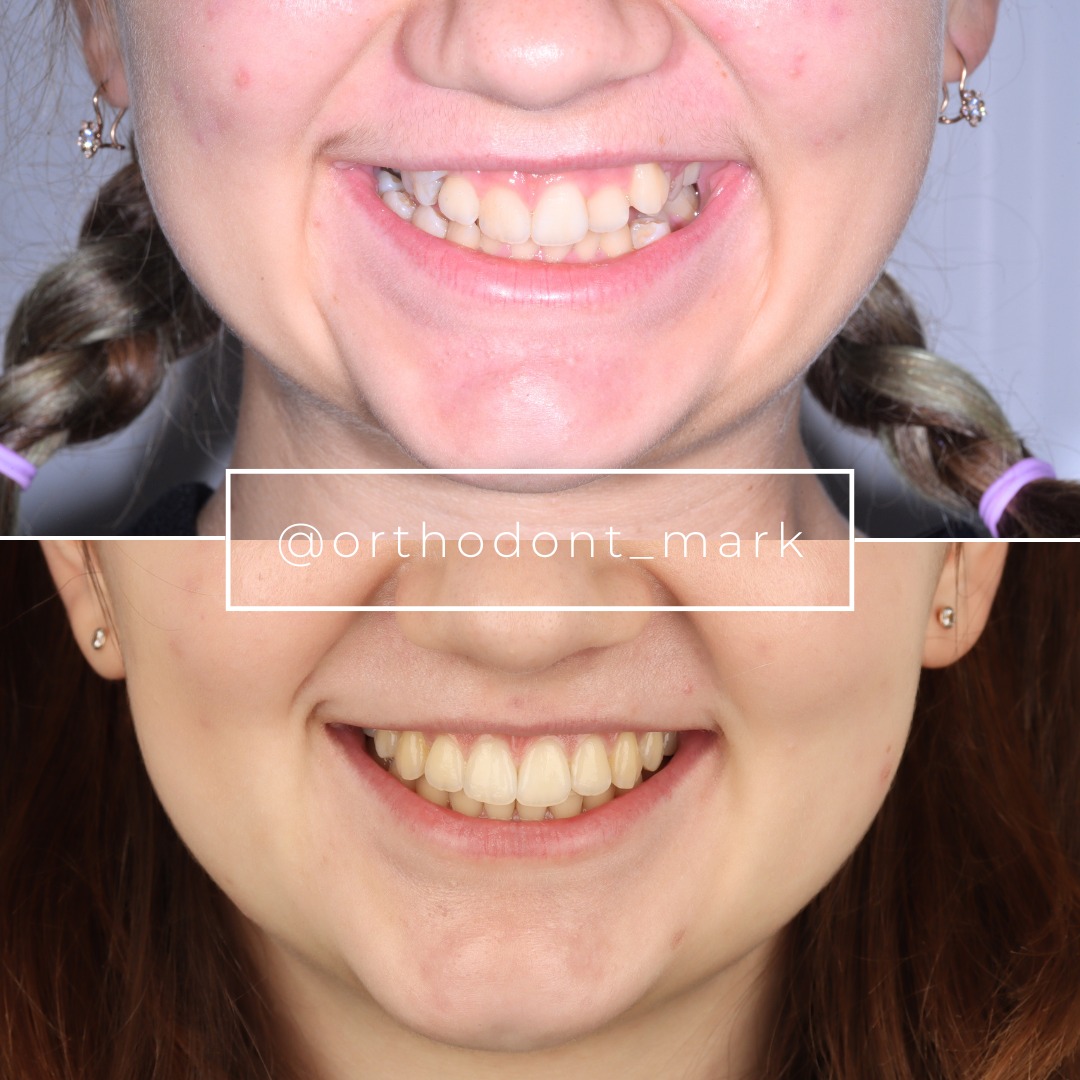
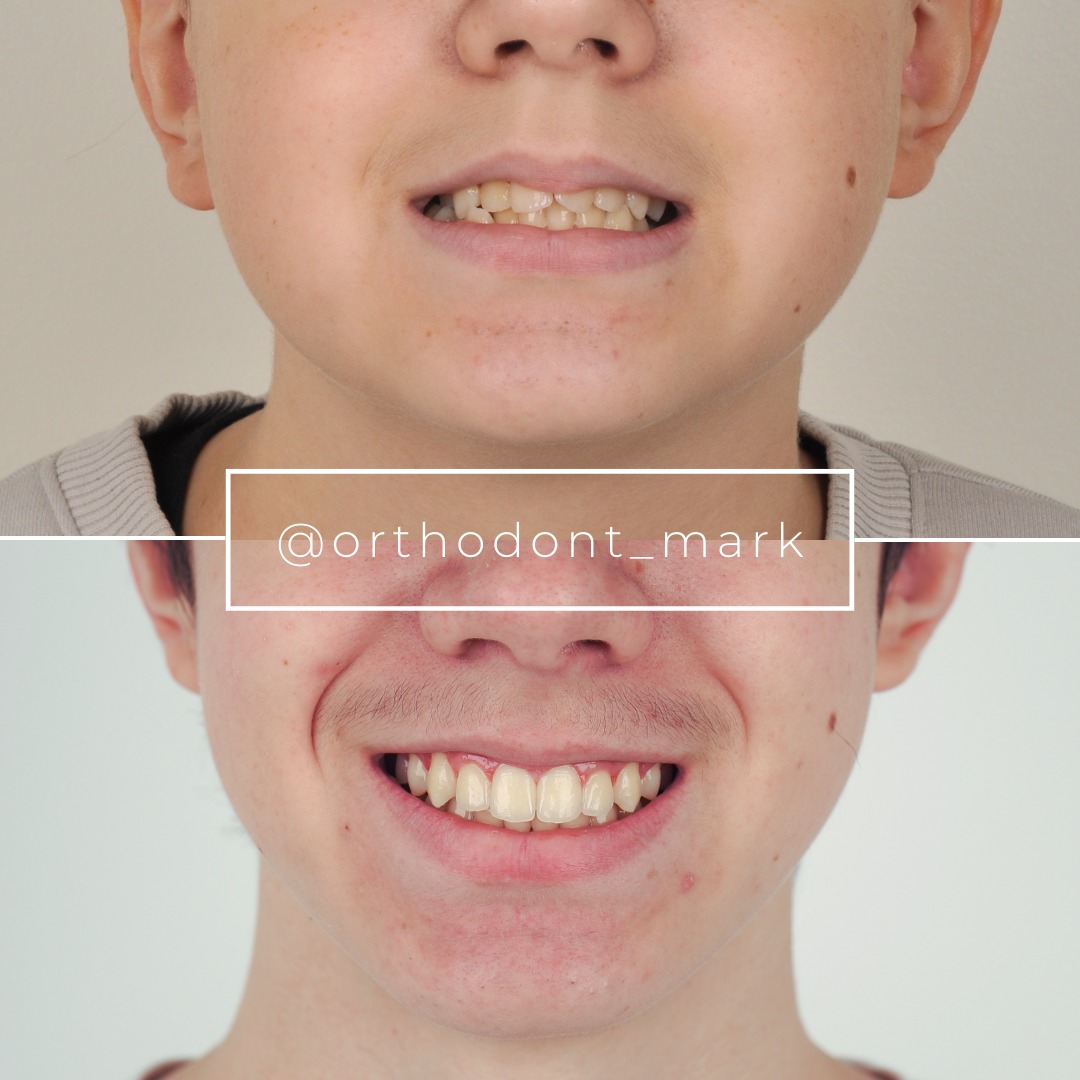
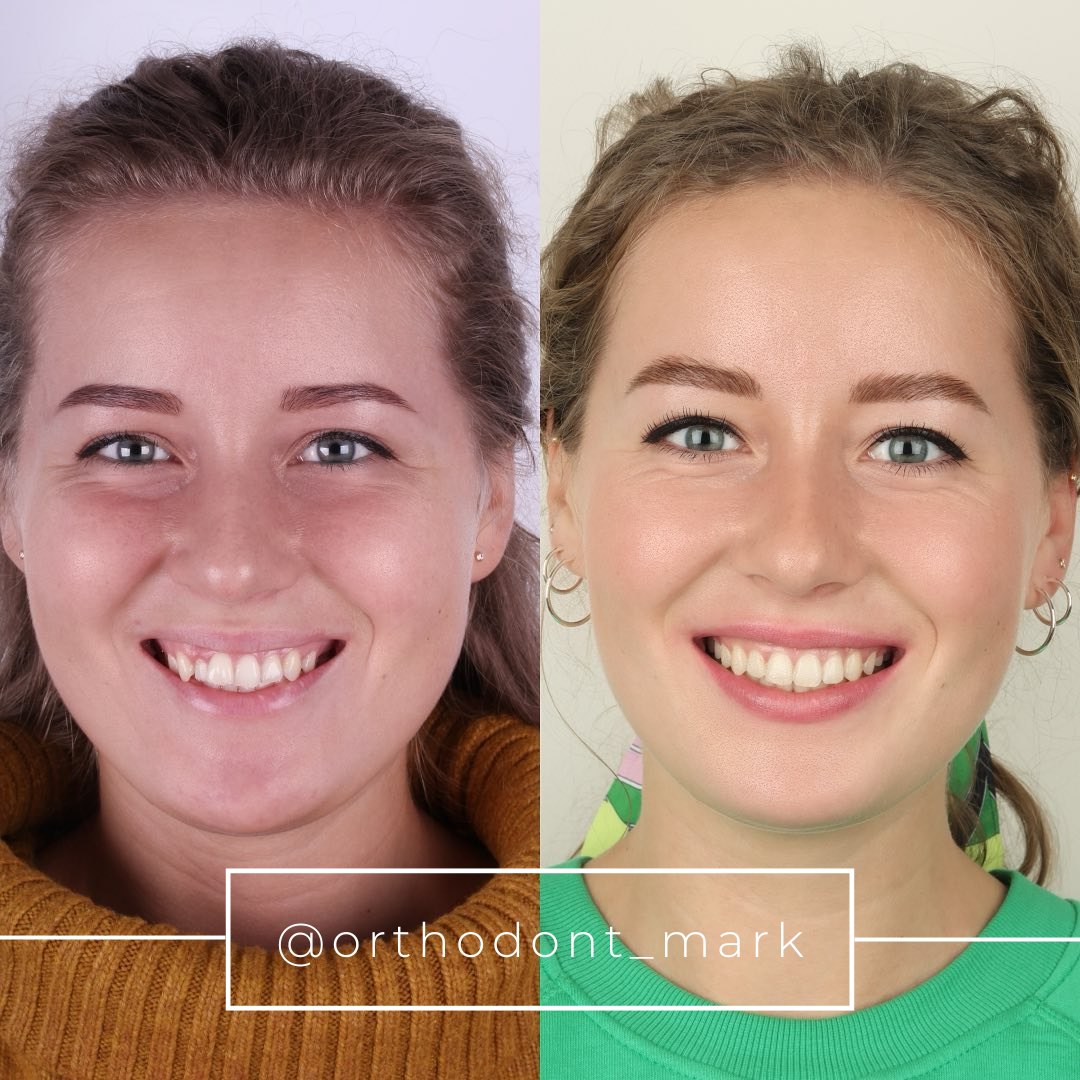
Documented outcomes
Clinical cases from Dr. Mark Radzhabov's practice
Learn the full MARPE protocol from Dr. Mark Radzhabov
Fundamental course covering CBCT patient selection, miniscrew planning, activation protocols, and 60+ clinical cases. Choose the access level that fits your practice.
Essentials of rapid palatal expansion for practicing orthodontists.
- Core RPE concepts and biomechanics
- 6 structured video lessons
- Clinical decision checklists
- Lifetime access to recordings
Deep-dive into MARPE protocol, diagnostics, and clinical execution.
- 6 modules covering MARPE from A to Z
- CBCT case selection walkthroughs
- Miniscrew placement and activation
- 60+ annotated clinical cases
- Direct Q&A with Dr. Mark Radzhabov
5-element medical consultation framework for dentists and orthodontists.
- Trust-building consultation protocol
- 5 lesson modules
- Templates for treatment plan delivery
- Works with any clinical specialty
Clinical FAQ
What is the optimal age to present miniscrew-assisted expansion versus conventional RPE?
MARPE is most effective in post-pubertal or skeletally mature patients (typically age 13+) when the midpalatal suture is fused or semi-fused. Conventional RPE is preferred in growing children (age <12) with open sutures. Transition zone (ages 12–14) may use either, depending on skeletal maturity assessment via CBCT.
How do I explain the difference between skeletal and dentoalveolar expansion to patients?
Use side-by-side CBCT axial views. Point out: skeletal change = jaw bone widening at the midpalatal suture; dentoalveolar change = tooth crowns spreading outward while roots tilt. Show patients that MARPE achieves more skeletal gain with less unwanted tooth tilt, justifying the technique choice and cost difference.
What visual aids are most effective for building case acceptance in consultation?
Annotated CBCT sagittal and axial views, before-and-after case photos, phased timeline graphics, and miniscrew placement diagrams. Digital platforms allowing real-time annotation outperform static slides. Include measurements (nasal width, jaw width increases) to ground discussion in objective data.
How should I frame the 14-month MARPE timeline to prevent patient rejection due to duration?
Break into three phases: active expansion (8 weeks), bone consolidation (6 months), and final alignment (remaining time). Describe each phase's distinct goals and patient responsibilities. Patients accept long timelines when phases are clear and progress is visible; reframe 14 months as “two-month intensive phase, then passive stabilization,” not one monolithic commitment.
What should I include in written informed consent documentation for skeletal expansion cases?
Diagnosis statement, recommended treatment with rationale, expected timeline with phase breakdown, cost and payment terms, expected outcomes with imaging examples, risks and potential modifications, patient responsibilities (activation, compliance, retention), and follow-up schedule. Include copies of diagnostic imaging shown in consultation.
How do I respond when a patient says 'Can't you just use a cheaper expander instead of MARPE?'
Reframe as outcome comparison: “A standard expander costs less but achieves only partial skeletal widening and moves teeth outward, often requiring later correction. MARPE delivers true skeletal correction and protects tooth position long-term. You're investing in a better foundation, not just a lower price.” Support with side-by-side CBCT evidence.
Should I present expansion outcomes differently to parents versus adolescent patients?
Yes. For parents: emphasize developmental opportunity, growth guidance, and long-term stability (“We're guiding natural jaw development”). For adolescents: focus on smile aesthetics and functional benefits (“Wider smile, better breathing, better proportions”). Adjust complexity of anatomical explanation to audience maturity.
What metrics should I track and share to demonstrate treatment progress during MARPE?
Monthly: screw activation count, patient comfort/discomfort rating, suture separation on CBCT or radiographs (axial views), nasal width measurements, and dental tipping assessment. Share imaging progress monthly—visual documentation of suture separation dramatically improves patient confidence and consolidation phase compliance.
How can I build a reusable presentation library for MARPE and skeletal expansion cases?
Maintain 8–12 well-documented before-and-after cases with annotated CBCT reconstructions, timeline graphics, and progress imaging at key checkpoints. Use consistent labeling and color-coding. Store in patient portal or iPad app for real-time annotation during consultations. Update library quarterly with new successful cases.
What is the most effective way to handle patient anxiety about miniscrew placement and activation discomfort?
Acknowledge discomfort honestly but contextualize it: “Mild pressure and soreness for 2–3 days after placement and activation, resolved by day 5. This is normal bone response, not damage.” Show timeline graphic of expected sensation phases. Provide pre- and post-placement instructions. Follow up 48 hours post-placement to reinforce that initial discomfort is expected and temporary.
The clinician who learns to translate skeletal biomechanics and timeline into patient-centered language will consistently achieve higher case acceptance rates and stronger treatment compliance. Start by mapping your current presentation against the frameworks in this article: visual aids, age-specific rationales, and transparent timeline communication. For detailed case examples and live presentation templates, visit ortodontmark.com or schedule a consultation with Dr. Mark Radzhabov to review your current case presentation strategy.