
Smile Aesthetics Documentation:
Beyond the Standard 9 Shots
A comprehensive protocol for diagnosis, planning, and patient communication
Systematically document smile aesthetics across multiple planes and functional states. Capture tissue changes, transverse features, and functional positions that radiographs and casts cannot reveal—building diagnostic confidence and medico-legal clarity.
TL;DR Smile aesthetics documentation extends far beyond the conventional nine-photo protocol. A comprehensive smile aesthetics photography system captures transverse, sagittal, and functional elements—gingival recession, enamel demineralization, tissue changes—that plaster models and radiographs cannot track, protecting the clinician and supporting treatment planning and relapse prevention.
Smile aesthetics documentation remains central to orthodontic diagnosis, treatment planning, and medico-legal protection. This article reviews an evidence-based photography protocol that extends beyond the standard nine extraoral and intraoral images, incorporating transverse and sagittal views, functional records, and detailed tissue assessment. Dr. Mark Radzhabov's clinical framework demonstrates how systematic documentation builds clinical thinking, tracks soft-tissue changes throughout treatment, and creates an auditable record for each patient.
What Is a Comprehensive Smile Aesthetics
Documentation System?
A comprehensive smile aesthetics documentation system extends the conventional nine-photograph protocol to include transverse, sagittal, and functional views, along with detailed tissue assessment in both relaxed and dynamic states. This framework recognizes that standard extraoral and basic intraoral images, while necessary, do not capture the full dimensional and functional complexity of the dentofacial complex. Gingival recessions, enamel demineralization, cracks, margin adaptations, and muscle function—changes that are difficult or impossible to track on plaster models or radiographs—become visible and measurable in systematic photographic records. The protocol also documents forced and natural head positions, asymmetries, and muscle tone, which are essential for diagnosis but fleeting in the clinical chair. By establishing a clear, repeatable photographic methodology from the first appointment, assistants develop clinical thinking while building an auditable baseline against which meaningful progress can be objectively assessed throughout treatment.
Why Smile Aesthetics Documentation
Matters in Orthodontic Practice
The primary clinical value of comprehensive smile aesthetics documentation lies in tracking soft-tissue and enamel changes that are invisible to model analysis and radiographic assessment. Gingival recessions, which may progress or resolve during treatment, are best documented and monitored through high-resolution, standardized intraoral photography. Similarly, white-spot lesions, enamel surface cracks, and margin adaptations—hallmarks of iatrogenic or patient-related damage—require photographic baseline and comparison images to establish causality and extent. A second critical function is diagnostic clarity: photographs allow you to assess facial structure, smile aesthetics, soft-tissue support, and the interaction between dental position and lip drape in ways that three-dimensional models cannot replicate. The photographic record also serves a medico-legal function, documenting the state of the dentition and periodontium at baseline, during treatment, and at conclusion. This creates an objective, time-stamped record that protects both clinician and patient in cases of dispute or delayed complaint.
The Complete Smile Aesthetics Photography
Protocol Breakdown
The extraoral foundation begins with frontal (frontal rest and frontal smile) and bilateral profile views. Frontal rest records the patient's natural lip and facial tone at baseline; frontal smile captures the dynamic relationship between tooth display, gingival contour, and lip curvature. Bilateral profile views should be captured at both 90° (true sagittal) and 45° angles to assess profile convexity, chin position, and temporal changes. Critically, the photographer must standardize head position: ears level, Frankfurt plane parallel to the floor, and no backward tilt of the head (which artificially flattens the profile and masks vertical relationships). Intraoral records follow a sequence: retracted frontal with teeth in centric occlusion, retracted frontal with teeth slightly parted (to assess interincisor angulation and gingival architecture), and 'Emma' or forced-bite position (maxillary closure or slight protrusion) to document interarch relationships without neuromuscular compensation. Occlusal views of the maxillary and mandibular arches capture transverse and buccolingual positioning, and close-up anterior views document incisor alignment, contact points, and tissue margins.
Execution Standards for Smile Aesthetics
Photography Quality and Reproducibility
Technical consistency is non-negotiable for meaningful serial documentation. All extraoral photographs should be captured at a fixed distance (typically 1.2–1.5 meters) under standard lighting (daylight or consistent studio light) to allow valid size and color comparison over time. Head position must be standardized: ears level, midsagittal plane vertical to the camera, and Frankfurt plane parallel to the floor. Many clinicians ask patients to position their head “as if for a passport photo”—a powerful anchor for consistency. Intraoral images require retraction adequate to visualize the full arch without excessive mucosal trauma; cheek and lip retractors should be placed gently and consistently. Lighting must be sufficiently bright to eliminate shadow and render enamel surface detail and gingival margin position clearly. Digital images should be captured at high resolution (at least 12 megapixels) and stored in lossless formats to permit future zoom and measurement without degradation. Organization is equally important: create a standardized folder structure and naming convention (e.g., “Patient_Name_YYYY-MM-DD_Frontal_Smile”) to enable rapid retrieval and comparison. As emphasized in clinical protocols, this administrative discipline develops diagnostic thinking in team members and reduces time spent searching for records during treatment review.
Smile Aesthetics and Myofunctional
Documentation
Myofunctional status—tongue posture, swallowing pattern, and labial muscle tone—exerts profound influence on treatment stability and long-term esthetic outcome. Abnormal swallowing does not develop during orthodontic treatment; rather, it is a pre-existing condition often overlooked at the initial examination. Research has shown that many patients with malocclusion also exhibit atypical swallowing, tongue-thrust, or oral breathing, and that these habits, if unaddressed, lead to relapse and compromised stability. Photographic documentation of myofunctional status should include the patient's tongue position at rest (compare to palatal contact or anterior position), forced-bite or 'Emma' position (to assess true skeletal and dental interarch relationships without neuromuscular compensation), and ideally a dynamic record of the patient's natural swallowing or oral motor pattern. Such documentation becomes especially valuable when interdisciplinary myofunctional therapy is planned: a baseline photograph of abnormal tongue posture or lip incompetence provides objective evidence of the need for speech-language pathology referral and creates a comparison point for outcome assessment. Patients who receive integrated orthodontic-myofunctional therapy show significantly better long-term stability than those treated with orthodontics alone when functional deficits are present. Documenting these features photographically ensures that the entire team—orthodontist, myofunctional therapist, and referring physician—shares a common visual baseline.
Smile Aesthetics Photography in Patient
Consultation and Engagement
High-quality photographic records transform the consultation into a collaborative diagnostic experience. Rather than describing findings verbally, you can display the photographs on a monitor or tablet and walk the patient through the analysis: pointing out gingival asymmetries, smile arc relationships, buccal corridor width, or profile convexity with visual evidence. This approach serves multiple functions. First, it validates the patient's concerns by demonstrating that specific findings have been measured and documented—not assumed. Second, it educates the patient about the biomechanics and esthetics that will drive treatment planning: “This photograph shows your smile arc is flat; we will create vertical tooth display and lift your upper lip line during treatment.” Third, it establishes realistic expectations by showing the patient how their specific anatomy—facial proportions, gingival display, lip support—constrains esthetic outcomes. Collages or before-and-after compilations also serve a powerful motivational function, especially when reviewed at midtreatment or upon removal of appliances. Patients who see objective photographic evidence of change—gingival recession healing, enamel surface improvement, or smile symmetry correction—report higher satisfaction and compliance. Finally, keep in mind that photographs are often the first diagnostic tool shared with anxious or morphophobic patients (those with distorted perception of minor esthetic concerns). A systematic consultation that begins with questions about the patient's background, concerns, and expectations, proceeds through objective photographic and clinical examination, and concludes with a collaborative discussion of findings (not a rushed prescriptive plan) builds trust and filters out unrealistic expectations early.
Avoiding Documentation Errors and
Inconsistencies
The most common failure in practice documentation is inconsistency born from lack of protocol or delegation without training. Assistants asked to “take photos” without clear standards will vary camera distance, head position, lighting, and retraction—rendering serial comparison meaningless. Similarly, clinicians who photograph only at baseline and final appointment miss the opportunity to detect and address treatment-related complications (white-spot lesions, gingival recession, enamel crazing) before they become irreversible. A second pitfall is poor image organization: photographs stored in random folders or unnamed with wrong date lead to retrieval failures and frustration, which ultimately discourages future documentation. Third, many clinicians neglect the transverse and functional views, defaulting to extraoral frontal and profile only. This misses important interdental contact changes, buccolingual tipping, and myofunctional findings that may predict relapse. Fourth, inadequate lighting or retraction produces shadow, glare, and obscured gingival margins—reducing diagnostic utility and creating a poor visual impression in patient collages. Finally, failure to obtain baseline photographs before fixed appliance placement eliminates the ability to track early white-spot lesion formation or gingival inflammation during the first weeks of treatment, when prevention is most effective. To prevent these errors, create a written protocol, train all staff on positioning and lighting, establish a standard naming and folder structure, and commit to photographic records at baseline, midtreatment (around 6–9 months), and final appliance removal.
Smile Aesthetics Documentation and Clinical
Decision-Making
Photographs are the bridge between diagnostic findings and treatment strategy. A clear, organized baseline photographic record—combined with model analysis, cephalometric assessment, and functional observation—supports systematic treatment planning and team discussion. When presenting complex cases involving skeletal expansion (such as MARPE or rapid palatal expansion considerations), smile esthetics documentation provides the esthetic context that cephalometric measurements alone cannot convey: Does the patient need maxillary widening to correct a narrow smile arc and excessive buccal corridors? Will expanded transverse maxillary width improve smile symmetry? Baseline photographs and transverse views answer these questions visually. Similarly, documentation of gingival contour, smile arc, and lip support at baseline allows realistic prediction of esthetic outcomes and establishes the baseline against which treatment success is measured. When interdisciplinary care is planned—for example, orthodontic treatment combined with myofunctional therapy to address atypical swallowing—the photographic record of baseline tongue posture and lip competence becomes a shared diagnostic language for the team. Finally, photographs taken during active treatment (at 6–9 months) provide evidence of early white-spot lesion development or gingival recession, prompting timely preventive intervention and documentation of the clinic's diligence in monitoring tissue health. This iterative, evidence-based approach to documentation elevates orthodontics from a procedure-focused discipline to a diagnostic and preventive science.
Free Clinical Guide
Which Expansion Appliance at Which Age?
Get Dr. Mark Radzhabov's guide to skeletal-expansion appliances — indications, pros & cons, and how to choose by patient age. Free to your inbox.
Prefer video? Watch the free demo lesson on MARPE appliance types, features and trade-offs.
Documented outcomes
Clinical cases from Dr. Mark Radzhabov's practice
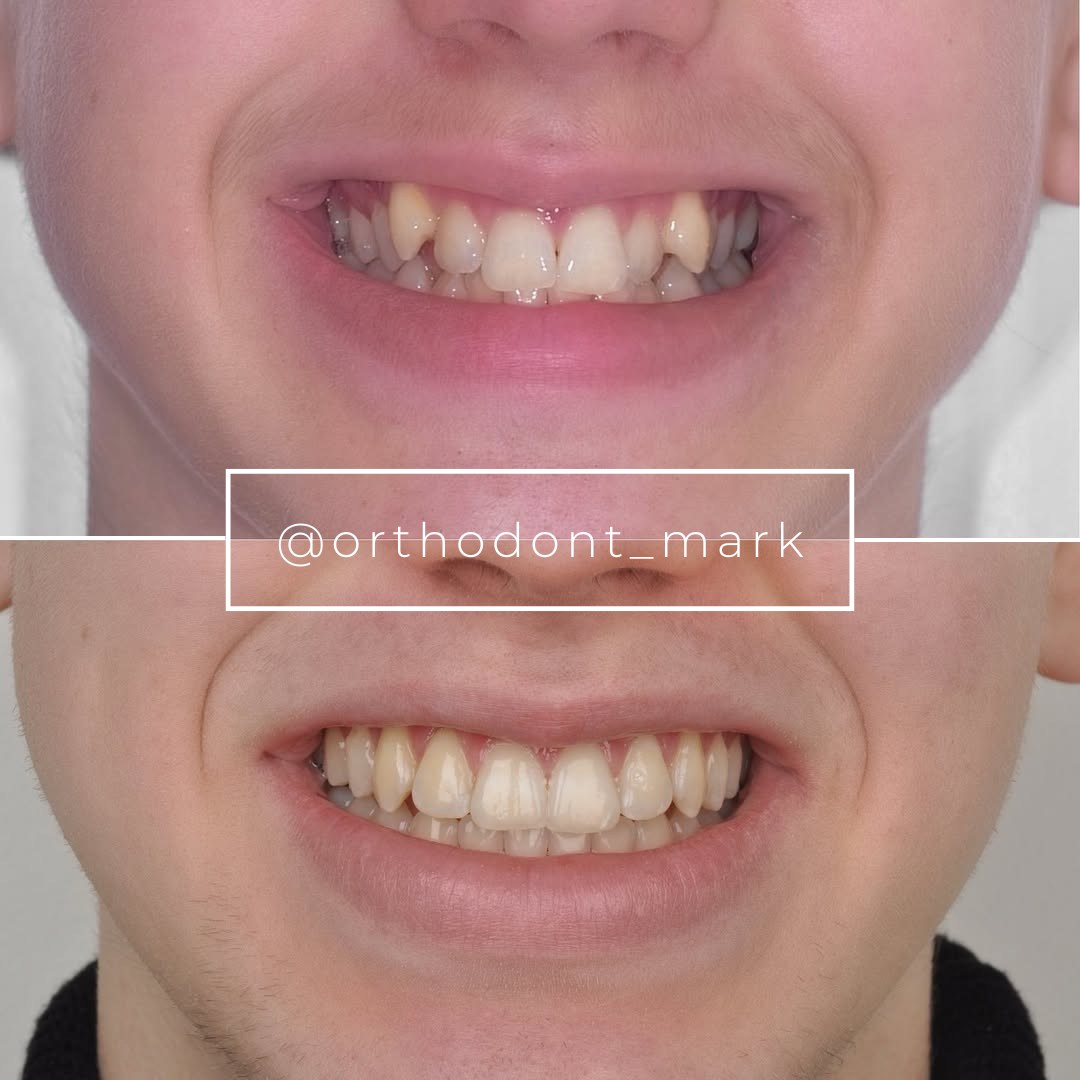
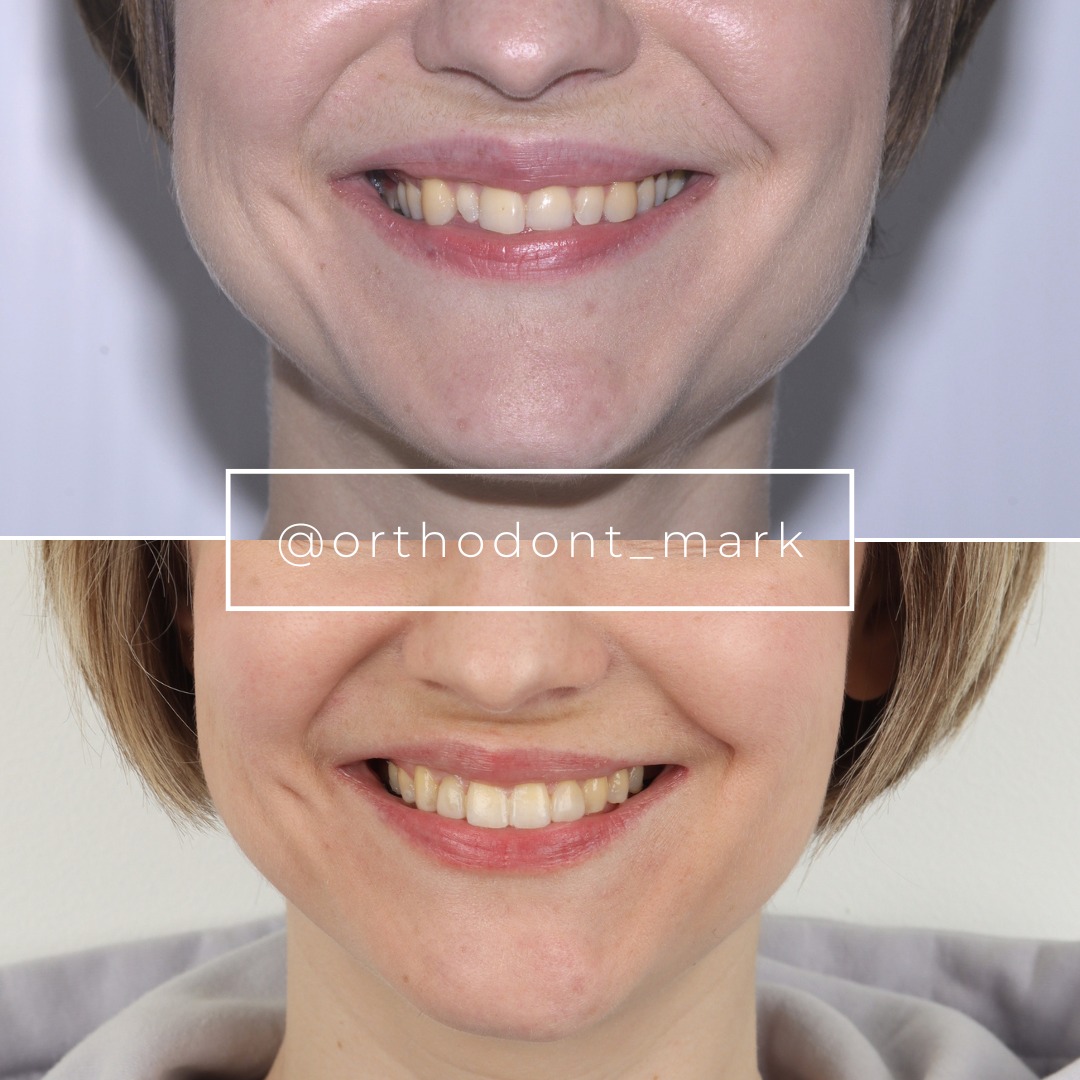
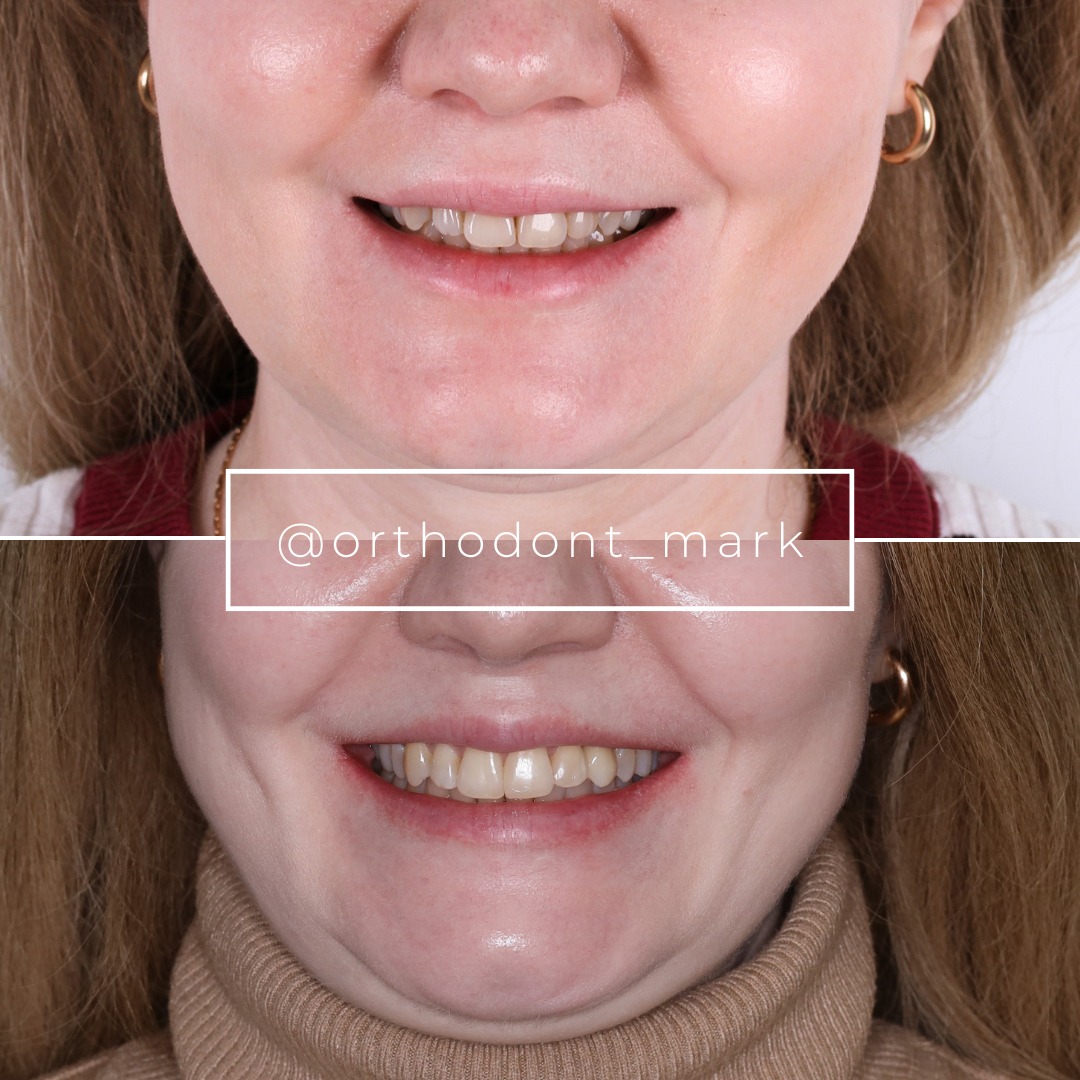
Learn the full MARPE protocol from Dr. Mark Radzhabov
Fundamental course covering CBCT patient selection, miniscrew planning, activation protocols, and 60+ clinical cases. Choose the access level that fits your practice.
Essentials of rapid palatal expansion for practicing orthodontists.
- Core RPE concepts and biomechanics
- 6 structured video lessons
- Clinical decision checklists
- Lifetime access to recordings
Deep-dive into MARPE protocol, diagnostics, and clinical execution.
- 6 modules covering MARPE from A to Z
- CBCT case selection walkthroughs
- Miniscrew placement and activation
- 60+ annotated clinical cases
- Direct Q&A with Dr. Mark Radzhabov
5-element medical consultation framework for dentists and orthodontists.
- Trust-building consultation protocol
- 5 lesson modules
- Templates for treatment plan delivery
- Works with any clinical specialty
Clinical FAQ
What views are essential in a complete smile aesthetics documentation protocol?
Frontal rest and smile, bilateral profiles at 90° and 45°, retracted intraoral views (centric and parted), occlusal views of maxillary and mandibular arches, 'Emma' or forced-bite position, and close-up anterior images. This 14+ view protocol captures esthetics, function, and tissue detail.
How does smile aesthetics photography improve patient communication during consultation?
Photographs provide objective visual evidence of findings (gingival asymmetry, smile arc, buccal corridors). Displaying them on a monitor during consultation validates concerns, educates patients about biomechanical constraints, and builds realistic expectations for treatment outcomes.
Why is baseline smile aesthetics documentation critical before fixed appliance placement?
Baseline photographs establish a medico-legal record of baseline tissue health and esthetics. Early mid-treatment images (6–9 months) detect white-spot lesions or gingival changes enabling timely prevention. Final comparison demonstrates treatment-related changes objectively.
What is the 'Emma' position and why document it in smile aesthetics photography?
'Emma' (or forced-bite position) is a light maxillary protrusion or centric closure capturing true interarch relationships without tongue or lip compensation. It reveals skeletal and dental Class independent of neuromuscular habit, aiding diagnosis and treatment planning.
How should head positioning be standardized during extraoral smile aesthetics photography?
Frankfurt plane parallel to floor, ears level, midsagittal plane perpendicular to camera, no backward head tilt. Instruct patients to position 'as if for a passport photo.' Fixed distance (1.2–1.5 m) and consistent lighting ensure valid size and color comparison across time.
What documentation standards prevent white-spot lesion development going undetected?
Photograph at baseline, 6–9 months into treatment, and appliance removal. High-resolution intraoral close-ups with retraction clearly show enamel surface changes. Early detection enables fluoride application or dietary counseling to prevent progression.
How does smile aesthetics photography support interdisciplinary orthodontic-myofunctional treatment?
Baseline photographs of tongue posture, lip competence, and forced-bite relationships provide objective evidence for myofunctional therapy referral and enable comparison across treatment. Shared visual records strengthen team communication and outcome assessment.
Why are transverse and occlusal views essential in smile aesthetics documentation?
Occlusal views reveal buccolingual tipping, transverse midline discrepancies, and arch symmetry—findings invisible in frontal or sagittal photographs. These predict smile asymmetry and stability, informing decisions about expansion or buccolingual correction.
What common mistakes undermine the diagnostic utility of smile aesthetics photography?
Inconsistent head positioning, variable lighting, poor retraction producing shadows, poor image organization, and documentation only at baseline and final. Solution: written protocol, staff training, standardized naming/storage, and mid-treatment photography.
How does smile aesthetics documentation provide medico-legal protection in orthodontic practice?
Time-stamped, high-resolution photographs of baseline, mid-treatment, and final status create objective records of tissue health, esthetic outcomes, and treatment-related changes. This defensible documentation protects both clinician and patient in case of dispute or delayed complaint.
Comprehensive smile aesthetics documentation is not administrative overhead—it is clinical intelligence. By capturing transverse features, functional positions, and tissue-level detail from the outset, you establish a baseline against which meaningful change can be measured and defended. Explore Dr. Mark Radzhabov's full consultation and documentation framework at ortodontmark.com, or submit a case for clinical review to refine your own protocol.