
Unilateral MARPE:
Intentional Asymmetric Expansion
When bilateral protocols miss the target
Clinical protocol for selective miniscrew placement, asymmetrical activation, and predictable skeletal correction in transverse midline deviation. Evidence-based framework from Orthodontist Mark.
TL;DR Unilateral MARPE is a custom miniscrew-assisted rapid palatal expansion technique designed to correct asymmetric transverse maxillary deficiency by placing asymmetrical skeletal anchors. Unlike bilateral MARPE, this approach delivers targeted force to one side, producing differential skeletal and dental expansion based on individual anatomy and treatment goals.
Asymmetric transverse maxillary deficiency presents a clinical challenge that bilateral protocols often cannot address optimally. In this article, Dr. Mark Radzhabov explores the rationale, biomechanics, and clinical execution of intentional unilateral MARPE — a precision variation of miniscrew-assisted rapid palatal expansion that selectively loads one side of the palate to achieve asymmetric skeletal correction. Drawing on current evidence and over a decade of clinical observation, this guide explains patient selection, miniscrew placement strategy, activation protocols, and expected skeletal changes. Understanding when and how to apply asymmetrical loading transforms treatment outcomes in cases with midline deviation, unilateral constriction, or functional asymmetries.
What Is Unilateral MARPE and Why It Matters
Unilateral
Custom skeletal expansion for midline deviation
Unilateral MARPE is a custom miniscrew-assisted rapid palatal expansion technique that applies asymmetrical force delivery to correct one-sided transverse maxillary deficiency. Unlike conventional bilateral MARPE, which expands the entire palate symmetrically, unilateral protocols strategically place miniscrews on one or both sides with differential activation schedules to produce selective skeletal correction. This approach addresses genuine anatomic asymmetries: unilateral constriction, functional midline deviation, or cases where one side of the palate has significantly greater restriction than the other. The technique leverages the same skeletal anchorage principles that make MARPE effective — direct loading of the maxillary skeleton independent of dental support — but tailors the vector and magnitude of force to match the individual's asymmetric anatomy. Clinicians who recognize asymmetry rather than forcing bilateral symmetry achieve superior occlusal and skeletal outcomes, particularly in non-growing or post-pubertal patients where orthopedic flexibility is limited.
Patient Selection and Diagnosis for Asymmetric Expansion
diagnosis
CBCT mapping and functional assessment
Patient selection for unilateral MARPE begins with low-dose CBCT imaging to quantify the degree and location of transverse asymmetry. Measure intercanine width, interpremolar width, and intermolar width at both the buccal and palatal surfaces. Asymmetry greater than 3–4 mm between sides suggests that bilateral protocols will overcorrect one side and undercorrect the other. Assess the midpalatal suture on CBCT: in skeletally immature patients (ages 10–14), unilateral MARPE is rarely necessary because bilateral RPE or MARPE will still achieve uniform expansion. However, in adolescents approaching skeletal maturity or young adults with fused or partially fused sutures, asymmetric cases become ideal candidates. Functional evaluation is equally critical: observe whether the patient closes with a functional midline shift, whether one side of the maxilla is palpably narrower, or whether existing dental relationships (e.g., unilateral posterior crossbite) reflect underlying skeletal asymmetry. Document the side-to-side difference in palatal depth and width using cephalometric or CBCT cross-sections. Unilateral MARPE design is particularly indicated when asymmetry exceeds the capacity of selective unilateral dental correction and when the clinician aims to minimize overexpansion of the less-restricted side.
Strategic Miniscrew Positioning for Asymmetrical Loading
Positioning
One-sided or differential bilateral anchors
Miniscrew placement for unilateral MARPE requires careful three-dimensional planning based on CBCT anatomy. Two primary strategies exist: (1) Unilateral anchor: place miniscrews on the more-restricted side only, anchoring the expansion device to one side and allowing the opposite side to passively follow dental drift, or (2) Bilateral anchors with differential loading: place miniscrews bilaterally but activate them asymmetrically — for example, a 1:2 or 1:3 activation ratio between sides. For unilateral placement, the clinician positions screws in the palatal vault between the roots of the first and second molars, slightly lateral to midline on the restricted side. Maintain 5–7 mm interdental distance and ensure the apical third of the screw thread engages cortical bone. For bilateral placement with asymmetric activation, position both screws according to standard MARPE anatomy but prepare the activation mechanism (e.g., two independent screws within a single frame or a split-design expansion screw) to allow differential turns. Verify screw position and parallelism on periapical radiographs immediately post-placement. The PSM BENEfit system and comparable platforms offer modular components that facilitate asymmetric screw configurations, enabling clinicians to customize the device to individual palatal anatomy. Proper placement prevents screw mobility and ensures predictable force transmission during activation.
Activation Schedule and Asymmetrical Force Magnitude
Activation
Selective turns and monitoring intervals
Activation of unilateral MARPE differs fundamentally from bilateral protocols in frequency and magnitude. For unilateral-anchor designs, activate the screw at the restricted side as per standard MARPE protocol: typically 4–6 turns on day 0 (the day of placement or after one week of healing) and then 3–4 turns per day thereafter for 8–12 weeks, depending on patient age and skeletal status. Monitor the midline marker to confirm that the patient's midline is drifting toward the expanded side, not remaining centered. If the midline does not shift after 2–3 weeks, the opposite side may be compensating. Consider placing a second screw on the contralateral side with reduced activation. For bilateral anchors with asymmetric activation, establish an activation ratio from the outset. A common protocol is a 2:1 ratio (e.g., 2 turns per day on the restricted side, 1 turn per day on the contralateral side). An alternative is a 3:1 or 4:1 ratio for cases with severe asymmetry. Record the specific ratio in the patient's chart and educate the patient on exact activation mechanics to prevent errors. Clinical observation and patient feedback guide protocol adjustment: if pain or tissue blanching appears exaggerated on one side, reduce that side's activation. Consolidation periods (when no activation occurs) are identical to bilateral MARPE: typically 1–2 weeks after reaching the treatment goal to allow initial stability, followed by 3–6 months of retention with the device in place. Monitor midline position, overjet, and occlusal relationships at each visit to ensure asymmetry is resolving toward the target.
Expected Skeletal Changes and CBCT Monitoring
skeletal changes
Differential expansion documented by imaging
Skeletal response to unilateral MARPE has not been extensively isolated in the literature. However, extrapolation from bilateral MARPE studies and clinical observation suggests specific patterns. Midpalatal suture separation occurs on the activated side with high frequency (≥85%), though the rate may be slightly lower in skeletally mature patients. The nasal floor widens preferentially on the expanded side, and the greater palatine foramen separates more on that side. Asymmetric nasal expansion is a hallmark finding: cross-sectional CBCT imaging at the molar region shows greater nasal width on the expanded side and minimal change on the contralateral side when unilateral activation is used. This asymmetry is intentional and expected. Document this with CBCT at three time points: (1) pre-treatment, (2) immediately post-expansion (typically week 12–14), and (3) post-retention (week 20–26). Measure intercanine width, intermolar width, and palatal depth bilaterally. The restricted side should approach symmetry with the contralateral side by the end of retention. In bilateral-anchor, asymmetrically-activated protocols, both sides expand but at different rates, resulting in a more gradual correction of midline deviation. Dental compensation is generally less pronounced with MARPE than with RPE because miniscrew anchors do not rely on dental support. However, some buccal tipping of the first molars on the activated side is expected. This typically resolves during subsequent fixed-appliance treatment. Failure to observe midpalatal suture separation after 8–10 weeks suggests either incomplete activation by the patient or a fused suture — consider temporary pause in activation, confirm compliance, and if separation remains absent, transition to surgical-assisted expansion.
Common Pitfalls and Complications in Asymmetric Design
pitfalls
How Orthodontist Mark avoids them
Several pitfalls arise in unilateral or asymmetrically-activated MARPE. Incomplete patient compliance with asymmetric activation ratios is the most frequent error: if a patient is supposed to activate one side 2 turns per day and the other 1 turn per day, confusion or lapses in instruction often lead to symmetric or reversed activation. Prevent this by providing written, visual instructions (photos or diagrams) and confirming understanding during placement. Verify activation at each visit by measuring the screw protrusion and asking the patient to demonstrate the activation motion. Screw mobility or loosening compromises the entire protocol. Asymmetric force on a loose screw amplifies the problem by creating unpredictable movement on one side while the other remains stable. Avoid this through meticulous placement in cortical bone, immediate post-placement radiographs, and clinical checks for mobility at weeks 2 and 4. Overcorrection of one side occurs when the non-activated or less-activated side undergoes passive dental drift beyond the target width. This can be arrested by placing a miniscrew on that side and activating it at a reduced rate. Midline persistence or reversal — where the midline fails to shift or drifts in the wrong direction — signals either patient non-compliance or inadequate force on the restricted side. Adjust activation or add a contralateral screw. Soft-tissue impingement is more likely in unilateral designs if the expanded side is not monitored for mucosal blanching or discomfort. Perform intraoral palpation at every visit and reduce activation if tissue irritation appears. Orthodontist Mark emphasizes that asymmetric protocols demand higher clinical vigilance than bilateral MARPE and recommend shorter visit intervals (every 2–3 weeks initially) to catch compliance or anatomic issues early.
Coordinating Unilateral MARPE With Comprehensive Treatment
integration
Timing and appliance strategy
Unilateral MARPE is rarely a standalone treatment. It resolves transverse asymmetry but requires comprehensive fixed-appliance therapy to address anteroposterior and vertical relationships and to finalize dental alignment. The timing of transition from MARPE to full fixed appliances is critical. After the consolidation period (week 20–26 from placement), the miniscrews remain in place for an additional 3–6 months if possible to lock in the skeletal changes. During this period, band the first molars to monitor stability and begin sectional mechanics on the less-affected arch if needed. Once consolidation is complete, place full fixed appliances, starting with the maxillary arch. The expanded palatal vault may require a wider initial wire or segmented mechanics to avoid excessive force. Use 0.014″ or 0.016″ NiTi initially and progress slowly. Expect some relapse of maxillary expansion (typically 1–3 mm) during the first 6 months of fixed-appliance therapy. Overexpand by 2–3 mm if relapse is anticipated based on individual factors (e.g., older patient, more mature suture). The miniscrews are typically removed after 6–12 months of fixed-appliance treatment when stable two-point contacts are established in the molar region. Remove screws carefully under local anesthesia, verify the palatal mucosa heals without complications, and monitor the sutural area on CBCT at the end of treatment to confirm stability. Coordinate with your orthodontic laboratory and consider digital treatment planning (intraoral scan or CBCT segmentation) to map the post-MARPE anatomy and plan archwire sequences that respect the newly achieved transverse dimensions.
Free Clinical Guide
Which Expansion Appliance at Which Age?
Get Dr. Mark Radzhabov's guide to skeletal-expansion appliances — indications, pros & cons, and how to choose by patient age. Free to your inbox.
Prefer video? Watch the free demo lesson on MARPE appliance types, features and trade-offs.
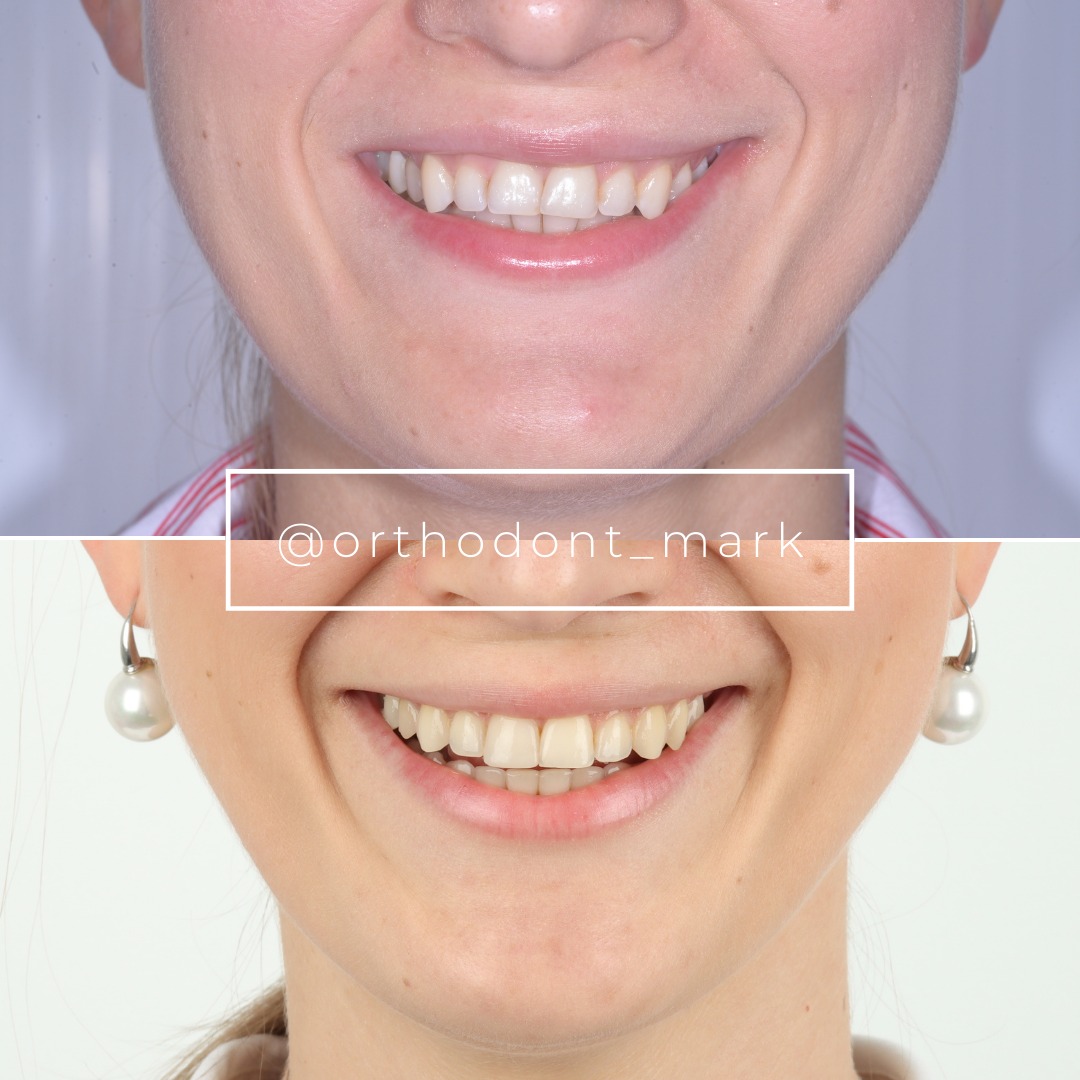
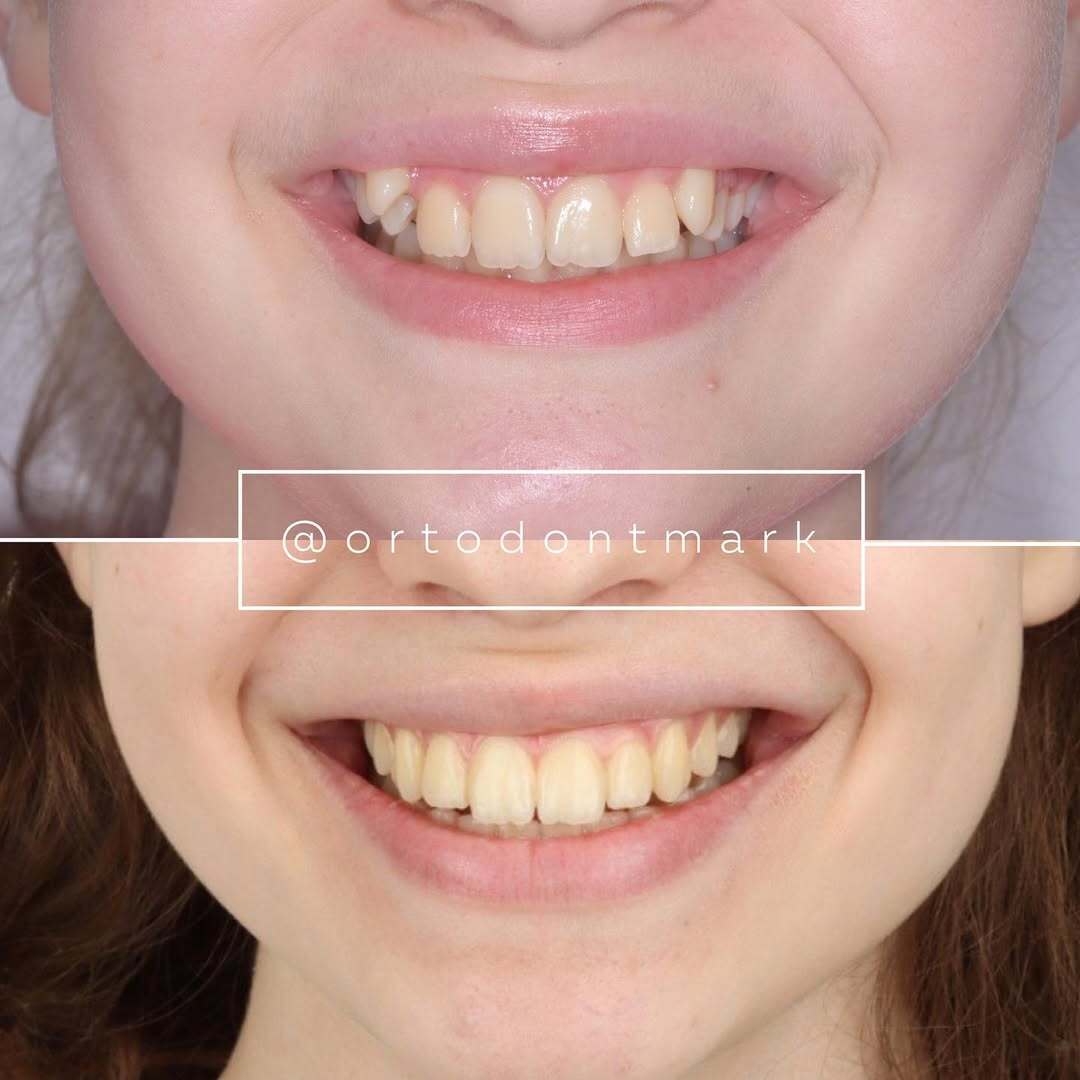
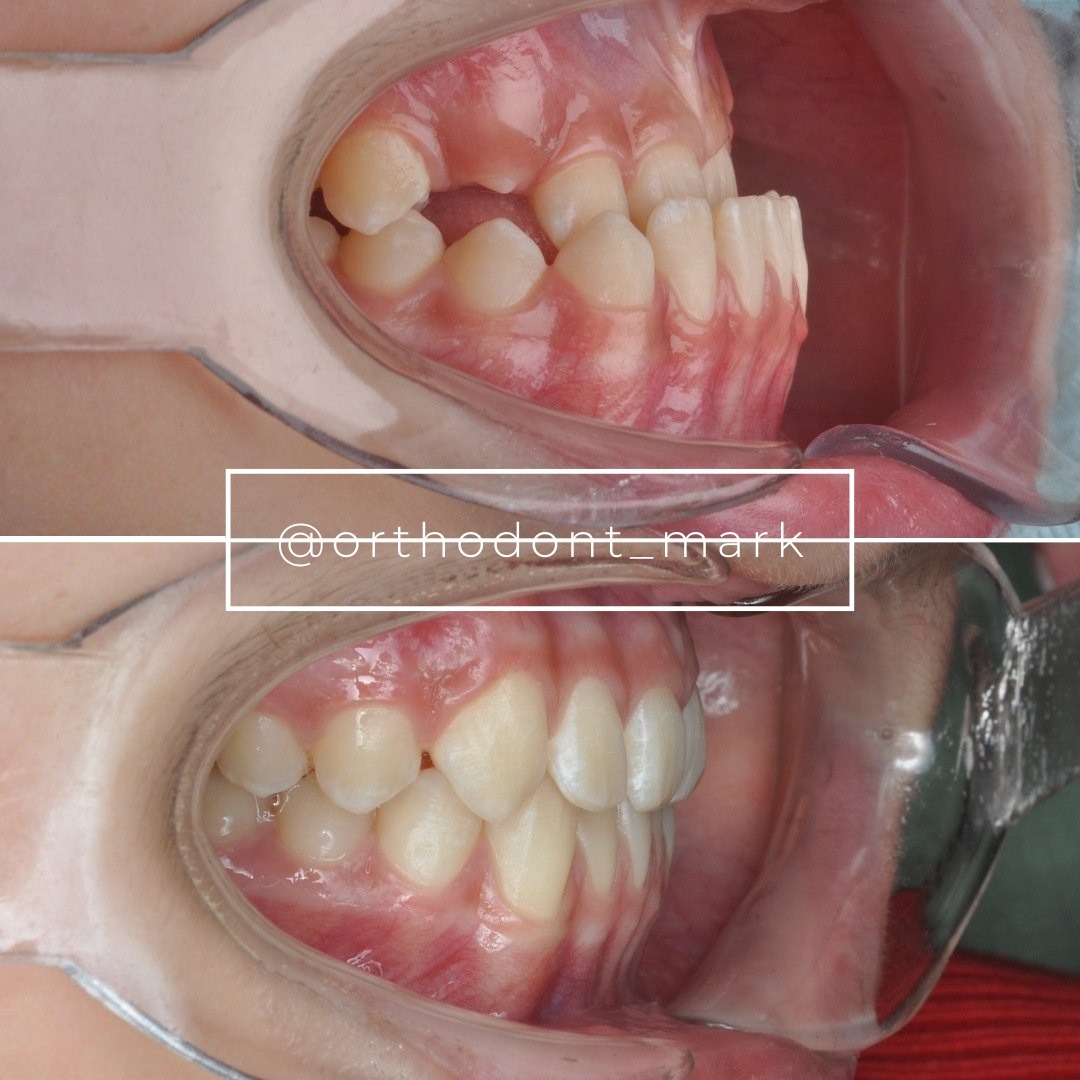
Documented outcomes
Clinical cases from Dr. Mark Radzhabov's practice
Learn the full MARPE protocol from Dr. Mark Radzhabov
Fundamental course covering CBCT patient selection, miniscrew planning, activation protocols, and 60+ clinical cases. Choose the access level that fits your practice.
Essentials of rapid palatal expansion for practicing orthodontists.
- Core RPE concepts and biomechanics
- 6 structured video lessons
- Clinical decision checklists
- Lifetime access to recordings
Deep-dive into MARPE protocol, diagnostics, and clinical execution.
- 6 modules covering MARPE from A to Z
- CBCT case selection walkthroughs
- Miniscrew placement and activation
- 60+ annotated clinical cases
- Direct Q&A with Dr. Mark Radzhabov
5-element medical consultation framework for dentists and orthodontists.
- Trust-building consultation protocol
- 5 lesson modules
- Templates for treatment plan delivery
- Works with any clinical specialty
Clinical FAQ
What is the optimal age for unilateral MARPE in patients with asymmetric transverse deficiency?
Unilateral MARPE is most effective in adolescents (ages 12–16) approaching skeletal maturity and in young adults (up to age 30) with partially fused or fused midpalatal sutures. In younger children (under 12) with open sutures, bilateral RPE or symmetric MARPE is preferred because orthopedic response is superior.
How do I determine whether a patient needs unilateral versus bilateral MARPE expansion?
Measure intercanine, interpremolar, and intermolar widths bilaterally on CBCT. If asymmetry exceeds 3–4 mm between sides and functional examination confirms one-sided constriction, unilateral or asymmetrically-activated MARPE is indicated. Bilateral MARPE is appropriate for symmetric transverse deficiency.
Can unilateral miniscrew placement alone achieve adequate expansion, or do I need bilateral screws?
Unilateral placement can work if the opposite side is loose or elastic and can drift passively. However, bilateral placement with asymmetric activation (e.g., 2:1 ratio) offers superior control and prevents unexpected movement on the contralateral side. Choose based on anatomic constraints and desired load distribution.
What activation frequency should I use for a 2:1 unilateral MARPE protocol?
Activate the restricted side at 3–4 turns per day and the contralateral side at 1–2 turns per day, maintaining the 2:1 ratio consistently. Adjust if midline deviates excessively or if tissue blanching occurs. Total active phase is typically 8–12 weeks depending on the extent of asymmetry and patient age.
How do I monitor whether unilateral MARPE is expanding asymmetrically as intended?
Assess the midline marker on intraoral photographs at every visit. It should migrate toward the expanded side. Measure intermolar and interpremolar widths bilaterally at weeks 4, 8, and 12. Obtain CBCT imaging immediately post-expansion and post-retention to quantify nasal width and suture separation asymmetry.
What should I do if the patient's midline does not shift after 3–4 weeks of asymmetric activation?
First, verify patient compliance by checking screw protrusion and asking the patient to demonstrate activation. If compliance is confirmed, place a miniscrew on the contralateral side and activate it at a reduced rate to break the mechanical stalemate and allow midline movement.
How long should miniscrews remain in place after the active expansion phase?
Maintain miniscrews for a consolidation period of 1–2 weeks post-expansion (with no activation) and then 3–6 additional months while integrated into retention or early fixed-appliance therapy. Remove them after 6–12 months of fixed-appliance treatment once stable molar contacts are established.
What is the expected skeletal change in nasal width and palatal depth with unilateral MARPE?
Expect 2–4 mm increase in nasal width on the expanded side and minimal (0–1 mm) change on the contralateral side. Palatal depth remains relatively stable. These asymmetric changes should be documented on CBCT at three time points: pre-treatment, post-expansion, and post-retention.
How do I integrate unilateral MARPE with fixed-appliance therapy without losing skeletal gains?
Place full fixed appliances after consolidation (week 20–26), starting with maxillary arch. Use segmented mechanics initially and anticipate 1–3 mm relapse. Overexpand slightly (2–3 mm) if relapse is expected. Maintain miniscrews during the first 6–12 months of fixed-appliance treatment for stability.
Are there complications or relapse patterns specific to unilateral miniscrew-assisted expansion?
Asymmetric MARPE carries risks of screw mobility (especially on the less-loaded side), patient non-compliance with differential activation, and unpredictable midline drift if force vectors are misaligned. Monitor every 2–3 weeks initially and use intraoral palpation to detect loosening early. Expect 10–15% relapse over 1 year without fixed-appliance retention.
Intentional unilateral MARPE represents a significant refinement in skeletal expansion capability, extending MARPE beyond bilateral symmetry to address genuine anatomic asymmetries. The evidence supports its efficacy when miniscrew placement and activation protocols are precisely tailored to the individual case. If you manage complex asymmetric cases or want to refine your custom MARPE design, consider reviewing Dr. Radzhabov's case methodology and submitting challenging cases for consultation at ortodontmark.com. The future of maxillary expansion lies in precision-matched mechanics.