
The Audible MARPE:
Using Crack Sounds and Resistance
as Diagnostic Signals
Real-time tactile and auditory feedback during MARPE activation reveals the quality of skeletal response. Learn to interpret resistance patterns and suture opening sounds as clinical markers of successful expansion.
TL;DR Audible crack sounds and resistance changes during MARPE activation provide real-time diagnostic feedback on midpalatal suture separation. Clinicians can use tactile resistance patterns to monitor skeletal response, distinguish effective expansion from dentoalveolar movement, and identify cases requiring modified activation protocols. Progressive decreases in resistance often signal parallel suture opening.
The audible and tactile feedback generated during miniscrew-assisted rapid palatal expansion (MARPE) activation offers clinicians immediate, chair-side diagnostic insight into suture separation behavior. Unlike tooth-borne rapid palatal expansion (RPE), MARPE systems transmit force through skeletal anchorage, creating distinct resistance signatures and, in many cases, perceptible crack or pop sounds as the midpalatal suture opens. This article examines the clinical significance of MARPE activation sounds, resistance patterns, and how to interpret them as diagnostic signals of successful skeletal expansion. Dr. Mark Radzhabov demonstrates practical protocols for monitoring these tactile and auditory cues throughout treatment, enabling evidence-based decisions on activation pace and consolidation timing.
What Is Audible MARPE Feedback?
diagnostic signal
Miniscrew-assisted rapid palatal expansion generates measurable resistance and, frequently, audible sounds as palatal bone and the midpalatal suture respond to orthopedic force. Unlike conventional tooth-borne expanders, which transmit most force through dental roots and periodontal support, MARPE systems anchor directly to skeletal bone via bicortical titanium miniscrews. This fundamental difference in force pathway creates distinct mechanical feedback signatures. Clinicians report a spectrum of auditory phenomena during MARPE activation: subtle clicks or pops, pronounced cracking sounds similar to joint manipulation, and progressive changes in the “feel” or resistance of the expansion screw as treatment progresses. These sounds correlate with phases of midpalatal suture separation and bone remodeling. The first-turn activation often produces minimal sound or resistance. By mid-expansion, distinct cracking or popping may occur as the suture fibers separate and the nasal aperture widens. Late-stage activations frequently show reduced resistance, indicating bone reorganization and decreased mechanical impedance at the suture interface. The resistance you feel when turning the MARPE screw is inversely related to the appliance's penetration depth and the density of palatal cortical bone at the miniscrew interface. As expansion progresses and bone remodeling accelerates, this resistance typically decreases, offering a tactile marker of active skeletal response. Understanding this progression allows clinicians to distinguish true skeletal opening from dentoalveolar tipping and to identify cases in which resistance remains abnormally high, signaling potential complications or inadequate suture separation.
Reading Resistance Changes Throughout
the Expansion Phase
Systematic observation of MARPE expansion resistance yields predictable patterns that map to skeletal change. Initial activations (turns 1–4) typically exhibit moderate to high resistance as the screw mechanism overcomes static friction and initial bone inertia. Palatal cortical density and miniscrew diameter directly influence this baseline resistance. Deeper bicortical anchorage generates higher resistance than superficial monocortical fixation, reflecting greater mechanical leverage across palatal and nasal cortical layers. As expansion continues (turns 5–15), resistance often plateaus or, in many cases, gradually increases as the screw approaches fuller engagement and lateral suture stress concentrates. Clinically, this mid-phase elevation may be accompanied by the most prominent audible cracking—a sign that the midpalatal suture fibers are separating under progressive load. Patients sometimes report a sensation of pressure or mild discomfort during this phase, though pain should not be expected. If significant pain occurs, activation should be paused and imaging considered. Late-stage activations (turns 16 and beyond) frequently show a notable decrease in resistance—the “give” or sudden ease some clinicians describe when turning the screw. This reduction correlates with successful midpalatal suture opening and reorganization of the nasal and palatal skeletal architecture. A sustained, unexplained increase in resistance during late-phase expansion, by contrast, may indicate incomplete suture separation, asymmetric opening, or TAD loosening, warranting pause and radiographic assessment. Dr. Mark Radzhabov recommends documenting screw resistance and any audible phenomena at each appointment, noting the turn number, sound quality, and subjective resistance level, to build a clinical reference library for your own patients.
Interpreting Audible Crack Sounds and
Suture Opening Feedback
Mechanisms
The audible crack or pop heard during MARPE activation represents acoustic energy released by rapid strain relief in palatal bone and fibroblast-rich suture tissue. These sounds typically emerge when stress concentration at the midpalatal suture reaches a threshold sufficient to cause microscopic fiber separation and bone microfracture at the suture interface. Importantly, the presence of an audible sound does not automatically indicate success, nor does its absence signal failure. Rather, sound character and timing offer contextual clues about expansion dynamics. A sharp, discrete crack early in the expansion sequence (turns 5–10) often suggests that palatal cortical bone and suture fibers are separating efficiently under orthopedic load. Multiple cracks or a series of small pops during sequential activations may indicate progressive, parallel suture separation—the clinical ideal. Conversely, a single, isolated loud crack followed by silence and sustained high resistance in subsequent turns could signal asymmetric or incomplete opening, particularly if resistance does not subsequently decrease. In such cases, pause activation, obtain radiographic confirmation (CBCT if available to assess midpalatal suture separation geometry), and consider whether bicortical fixation is present or whether a single miniscrew may have loosened. Tactile resistance alone may be more reliable than auditory feedback, as sound depends on ambient conditions, chair noise, and clinician's hearing acuity. Resistance that decreases progressively over the expansion phase, accompanied by reduced patient discomfort and stable TAD position, signals favorable skeletal response and appropriate activation pacing. High, unchanging resistance despite multiple activations warrants investigation: consider radiographic assessment, evaluation of TAD stability, and possible modification of activation protocol (slower pace, longer intervals between turns).
Systematic Monitoring and Activation
Decision-Making
Protocols
Effective clinical use of MARPE diagnostic feedback requires a standardized approach to observation and documentation. At each appointment, record: the date, turn number, resistance level (subjective scale: low, moderate, high), audible phenomena (silence, click, crack, pop), patient discomfort level, and any other clinical observations (appliance looseness, soft tissue irritation, asymmetric expansion appearance). Over serial appointments, patterns emerge that guide your next activation decisions. If resistance decreases progressively and audible cracking occurs during the first 50% of planned expansion, maintain your scheduled activation pace (typically 4 turns per day in initial phase, tapering to 3 turns per day). This pattern usually indicates efficient skeletal response. Maintain scheduled follow-up imaging (CBCT at mid-expansion and post-expansion) to confirm midpalatal suture separation and assess dentoalveolar side effects. If, however, resistance remains elevated beyond the first 20–25 turns without decrease, obtain radiographic confirmation and consider: adjusting to a slower pace (e.g., 2 turns daily instead of 4), increasing time intervals between turns, or consulting imaging to assess TAD stability and suture geometry. Patient feedback is equally important. Pain or severe discomfort during or after activation is not normal. Communicate that expansion should be pressure-like but not painful. If a patient reports sudden sharp pain or significant swelling, pause further activation until you have ruled out infection, tissue trauma, or TAD displacement. Rare but serious complications include TAD fracture, suture perforation with nasal or cranial involvement, and palatal soft tissue damage. Familiarity with abnormal resistance patterns—sudden complete loss of resistance mid-activation, grinding or catching sensations, or extreme pain—helps you identify these complications early.
Skeletal Expansion Diagnostic Signals:
MARPE vs. Conventional RPE
Conventional tooth-borne rapid palatal expansion devices generate resistance and audible feedback primarily from dental root stress, periodontal fiber strain, and alveolar bone bending. The cracking or popping often heard during RPE typically reflects dentoalveolar movements rather than midpalatal suture separation. Resistance in RPE tends to remain high throughout expansion because the force is distributed across multiple tooth roots and periodontal ligaments. Resistance does not decrease as substantially as in MARPE because the suture opening is coincidental to tooth movement, not the primary target. In contrast, miniscrew-assisted rapid palatal expansion isolates the skeletal response. Resistance patterns and audible feedback more directly reflect midpalatal suture mechanics because the force pathway bypasses dental roots entirely. This skeletal isolation offers a clearer “mechanical signal” of true suture opening. When a clinician feels resistance decrease during MARPE activation and hears a discrete crack, that feedback is far more likely to represent midpalatal suture fiber separation and palatal bone remodeling than dentoalveolar tipping. A prospective randomized clinical trial comparing RPE and MARPE using low-dose CBCT found that MARPE achieved greater nasal width increase and greater maxillary skeletal width with less buccal displacement of anchor teeth. This superior skeletal efficiency correlates with the quality of diagnostic feedback available to the clinician: precise resistance and auditory cues allow real-time monitoring of skeletal response, enabling activation adjustments that optimize expansion parallel to the suture rather than biased toward dental compensation.
Correlating Clinical Feedback with
Radiographic Assessment
While chair-side auditory and tactile feedback provide valuable real-time guidance, radiographic confirmation ensures that clinical interpretation aligns with actual skeletal change. Low-dose cone-beam computed tomography (CBCT) at baseline, mid-expansion, and post-expansion stages offers the gold standard for assessing midpalatal suture separation, degree of skeletal versus dentoalveolar expansion, nasal cavity widening, and TAD position stability. CBCT imaging during mid-expansion (approximately turns 15–20, depending on planned total expansion) allows you to confirm that midpalatal suture separation is progressing. If clinical resistance has decreased and you have documented audible cracking, CBCT should reveal widening of the suture space and separation of palatal and nasal cortical plates. If resistance remains high despite multiple activations and CBCT shows minimal suture separation, this mismatch signals that expansion force is being absorbed by dentoalveolar mechanisms rather than true skeletal opening. You may then decide to modify your activation pace, investigate TAD stability, or consider whether anatomic factors (extreme palatal bone density, unfavorable suture architecture) warrant protocol adjustment. Asymmetric resistance or a consistent lateral bias in the feel of the screw—where turning feels restricted on one side—may indicate uneven miniscrew engagement or asymmetric suture opening. Radiographic imaging can confirm whether one miniscrew is contributing disproportionately or whether the suture is separating asymmetrically. This information informs whether you need to re-evaluate TAD placement in future cases or adjust your activation approach (e.g., alternating sides, reducing activation frequency temporarily, or consulting imaging prior to resuming full-pace activation).
Free Clinical Guide
Which Expansion Appliance at Which Age?
Get Dr. Mark Radzhabov's guide to skeletal-expansion appliances — indications, pros & cons, and how to choose by patient age. Free to your inbox.
Prefer video? Watch the free demo lesson on MARPE appliance types, features and trade-offs.
Documented outcomes
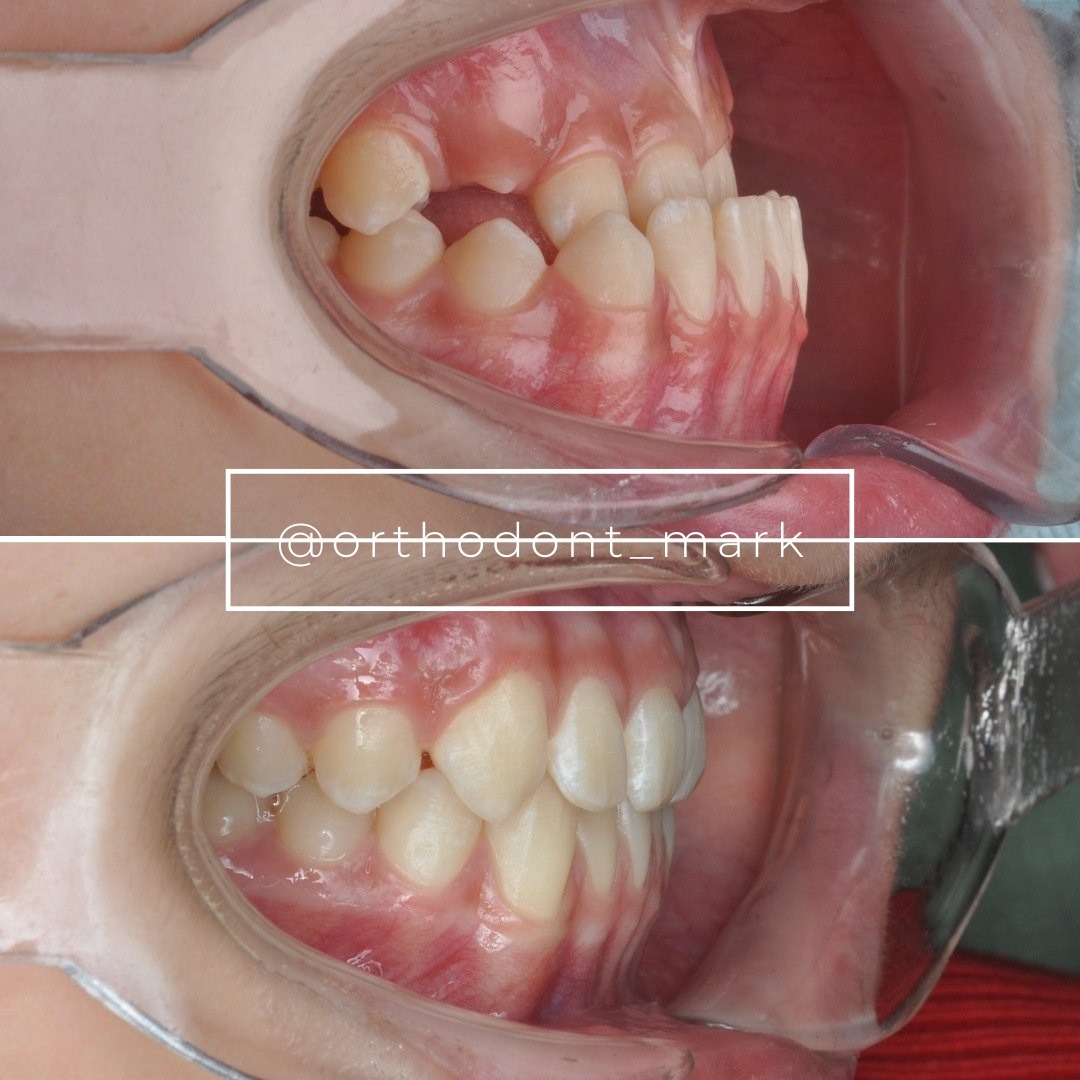
Clinical cases from Dr. Mark Radzhabov's practice


Learn the full MARPE protocol from Dr. Mark Radzhabov
Fundamental course covering CBCT patient selection, miniscrew planning, activation protocols, and 60+ clinical cases. Choose the access level that fits your practice.
Essentials of rapid palatal expansion for practicing orthodontists.
- Core RPE concepts and biomechanics
- 6 structured video lessons
- Clinical decision checklists
- Lifetime access to recordings
Deep-dive into MARPE protocol, diagnostics, and clinical execution.
- 6 modules covering MARPE from A to Z
- CBCT case selection walkthroughs
- Miniscrew placement and activation
- 60+ annotated clinical cases
- Direct Q&A with Dr. Mark Radzhabov
5-element medical consultation framework for dentists and orthodontists.
- Trust-building consultation protocol
- 5 lesson modules
- Templates for treatment plan delivery
- Works with any clinical specialty
Clinical FAQ
What does an audible crack sound during MARPE activation actually represent?
A discrete crack or pop typically reflects midpalatal suture fiber separation and bone microfracture at the suture interface as stress concentration reaches a threshold. This sound indicates active skeletal response, especially if resistance subsequently decreases. Sound alone is not diagnostic. Interpret it alongside resistance trends and radiographic findings.
How should I interpret resistance patterns across the phases of MARPE expansion?
Early phase (turns 1–20): moderate to high resistance, first cracks emerging. Mid-phase (turns 21–40): resistance may plateau or peak. Prominent cracking common. Late phase (turns 41+): resistance typically decreases as bone remodels. Progressive decrease in resistance signals favorable skeletal response and parallel suture opening.
What does sustained high resistance without audible feedback indicate?
Sustained high resistance beyond the first 25 turns, without progressive decrease or audible cracking, may signal incomplete midpalatal suture separation, asymmetric opening, TAD loosening, or inadequate bicortical fixation. Pause expansion, obtain CBCT imaging, and assess miniscrew stability before resuming activation.
How do I distinguish true skeletal expansion from dentoalveolar compensation?
MARPE resistance patterns and audible feedback more directly reflect midpalatal suture mechanics than conventional RPE because force bypasses dental roots. Progressive resistance decrease and discrete cracking during MARPE correlate with skeletal opening. CBCT confirmation shows greater nasal width and less anchor tooth buccal displacement compared to RPE.
Should patients experience pain during MARPE activation, and what does abnormal pain signify?
Expansion pressure is normal. Significant pain is not. Severe discomfort, sharp pain, or sudden swelling during activation may indicate tissue trauma, TAD fracture, or infection. Pause further activation and obtain imaging. Communicate clearly that expansion should feel like pressure, not pain.
What is the optimal activation pace if resistance decreases and audible cracking is present?
Progressive resistance decrease and discrete cracking during early expansion phases (turns 5–20) indicate efficient skeletal response. Maintain your standard pace (e.g., 4 turns daily during intensive phase, then 3 turns daily). Reassess with CBCT midway through planned expansion to confirm suture opening.
How do I document MARPE diagnostic feedback systematically to improve future cases?
At each appointment, record turn number, subjective resistance (low/moderate/high), audible phenomena (silence/click/crack/pop), patient discomfort, and TAD stability. Over serial visits, patterns emerge that guide activation decisions and inform protocol refinement for comparable future cases.
When should I obtain radiographic imaging to confirm MARPE expansion is progressing correctly?
Obtain baseline CBCT, mid-expansion CBCT (around turns 15–20), and post-expansion CBCT. Mid-expansion imaging is critical if clinical resistance trends conflict with your expectations or if you suspect asymmetric suture opening or inadequate separation.
What does a sudden complete loss of resistance during MARPE activation indicate?
Sudden complete loss of resistance may signal TAD fracture, loss of TAD engagement, or catastrophic bone failure (rare). Immediately stop activation, assess appliance integrity and TAD stability visually and tactilely, and obtain imaging. This is an abnormal finding requiring clinical investigation.
How does bicortical TAD fixation affect MARPE resistance and diagnostic feedback quality?
Bicortical fixation (engagement of both palatal and nasal cortical bone) increases baseline resistance due to greater mechanical leverage but enhances TAD stability and parallel suture opening. Resistance patterns are more reliable. Monocortical fixation generates lower resistance but offers less stability and may skew opening asymmetrically. Bicortical is preferred for diagnostic clarity.
Interpreting audible MARPE feedback requires systematic observation of resistance trends, sound quality, and patient comfort throughout the expansion phase. Clinicians who develop sensitivity to these tactile and auditory diagnostic signals can refine activation protocols in real time, improve patient safety, and optimize outcomes. Successful skeletal expansion depends not only on appropriate case selection and bicortical TAD fixation, but also on your ability to read and respond to the appliance's mechanical signals. Dr. Mark Radzhabov encourages practitioners to log their observations systematically and consider enrolling in advanced MARPE case-review courses at ortodontmark.com to sharpen these critical diagnostic skills.