
Bone-Borne Versus Tooth-Borne
Palatal Expanders
Clinical protocol for superior skeletal outcomes
Bone-borne systems deliver direct palatal loading. Tooth-borne expanders risk anchorage loss. Understand the biomechanical differences and when each approach succeeds or fails in adult patients.
TL;DR Bone-borne versus tooth-borne palatal expanders differ fundamentally in load application and skeletal response. Bone-borne systems like MARPE deliver force directly to the palate via miniscrews, producing true skeletal expansion with minimal dental side effects. Tooth-borne expanders risk anchorage loss and dental tipping. Selection depends on patient age, skeletal maturity, and transverse deficiency severity.
Choosing between bone-borne versus tooth-borne palatal expanders remains one of the most critical decisions in adult orthodontics. A bone-borne system applies force directly to the hard palate through miniscrew anchorage, bypassing dental structures and producing predictable skeletal expansion. Conversely, tooth-borne expanders transfer load through the dentition, often resulting in undesired dental tipping and anchorage loss. This article examines the biomechanical, radiographic, and clinical differences between these systems, drawing on contemporary evidence and Dr. Mark Radzhabov's clinical framework for patient selection and protocol optimization.
What Defines Bone-Borne
Versus Tooth-Borne Expansion
Understanding load application and skeletal response
Bone-borne expansion systems apply orthopedic force directly to palatal bone through implanted miniscrews, typically grade 5 titanium alloy anchors inserted into the hard palate at the anterior and posterior aspects. This approach eliminates dental structures from the force pathway, directing load purely to the midpalatal suture and surrounding skeletal tissues. Tooth-borne expanders, conversely, use maxillary posterior teeth as anchorage points, transferring orthopedic load through the dental roots into alveolar bone. The fundamental distinction: bone-borne systems produce true skeletal widening, while tooth-borne systems produce a combination of skeletal and dental effects, with significant risk of undesired dental side effects.
In bone-borne versus tooth-borne protocols, force vector differs markedly. Bone-borne miniscrew-assisted systems allow nearly vertical force application at the palatal midline, maximizing orthopedic effect. Tooth-borne expanders create oblique force vectors through dental roots, promoting buccal tipping of maxillary posterior teeth and mesial movement of molars—neither desirable in adult cases with concomitant crowding or existing dental compensation. Skeletal versus dental effects diverge predictably: a 50-year-old patient receiving bone-borne expansion may achieve 8–10 mm of true transverse skeletal gain, while the same patient on tooth-borne appliances may experience only 4–5 mm skeletal gain alongside 3–4 mm of buccal dental tipping.
Anchorage loss represents the clinical price of tooth-borne expansion. Posterior teeth intrude and tip buccally. Anterior teeth often tip lingually under reactive forces. In contrast, bone-borne systems anchor to fixed palatal bone, producing near-zero dental displacement during the active phase. This architectural difference determines whether clinicians must later correct dental compensation, adding months of treatment time and complicating final aesthetic and functional outcomes.
How Miniscrew Insertion and Load
Geometry Control Skeletal Response
Insertion site, cortical bone density, and force magnitude
Miniscrew-assisted rapid palatal expansion (MARPE) success depends critically on insertion site selection and cortical bone density assessment. Cone-beam computed tomography with Hounsfield unit measurement allows clinicians to identify anterior palatal cortical bone density. Zones exceeding 600 HU provide optimal resistance to screw loosening and micromotion. Anterior palate insertion sites typically offer 900–1,200 HU, while posterior lateral regions measure 700–900 HU. Screw length matters: 6–8 mm bicortical engagement ensures stability during the 0.5–1.0 mm per week expansion protocol. Tooth-borne expanders bypass this assessment entirely, applying force regardless of bone quality—a clinical liability when treating older patients or those with compromised alveolar density.
Load application geometry determines the suture split pattern. Bone-borne systems deliver force at or near the midpalatal plane, creating perpendicular stress at the suture. Tooth-borne expanders apply off-midline loading through maxillary posterior teeth. Stress concentration occurs laterally, promoting asymmetric suture opening and dental tipping rather than true skeletal widening. In skeletal expansion treatment, the anterior third of the midpalatal suture typically opens first under bone-borne loading, followed by progressive posterior opening. Tooth-borne systems often produce middle-third and posterior opening first, with incomplete anterior widening—a radiographic hallmark of suboptimal expansion.
Force magnitude and duration also diverge. Bone-borne protocols typically employ 4–6 kg initial force, maintained at 0.5–1.0 mm per week. Tooth-borne expanders often utilize higher forces (6–10 kg) to overcome dental anchorage resistance, amplifying dental side effects. In adult patients, higher force intensity on tooth-anchored appliances correlates with root resorption risk, fenestration, and permanent dental tipping. Bone-borne systems, by contrast, eliminate root contact stress entirely, reducing iatrogenic dental damage to nearly zero during the expansion phase.
When to Select Bone-Borne Versus
Tooth-Borne Expansion Approaches
Patient characteristics and treatment outcomes
Patient age, skeletal maturity status, and severity of transverse maxillary deficiency guide system selection. Adults under 35 with residual growth potential and mild-to-moderate deficiency (5–7 mm) may succeed with judicious tooth-borne expansion if posterior teeth tolerate buccal movement. However, patients over 40, those requiring >8 mm expansion, or those with existing dental crowding should receive bone-borne systems to avoid compounding anchorage loss. Skeletal maturity—determined by midpalatal suture morphology on CBCT using the palatal expansion assessment classification—predicts expansion success more reliably than chronological age. A 45-year-old in stage B or C (early-to-intermediate fusion) remains suitable for bone-borne expansion. A 35-year-old in stage D (near-complete fusion) faces higher relapse risk with tooth-borne approaches.
Concomitant orthodontic needs shift the equation. Patients requiring maxillary incisor intrusion, anterior space closure, or molar distalization should receive bone-borne miniscrew-assisted systems. Tooth-borne expanders create buccal dental tipping that contradicts these goals. Conversely, rare cases with minimal additional dental movements and patient preference for reversible appliances might tolerate tooth-borne expansion, accepting the anchorage loss cost. Dr. Mark Radzhabov's clinical framework emphasizes: if transverse expansion >7 mm is needed, or if the patient is over 40 years old, bone-borne is non-negotiable. This approach minimizes relapse risk and eliminates months of post-expansion dental correction.
Post-expansion stability differs markedly. Bone-borne systems achieve near-zero relapse after skeletal widening. Bone remodels and stabilizes within 3–6 months post-retention. Tooth-borne expanders exhibit 20–30% relapse within the first year due to dental tipping recovery and reduced skeletal adaptation. Long-term (5-year) stability favors bone-borne systems by a 10:1 margin in published cohorts. The financial and temporal cost of managing tooth-borne relapse—requiring prolonged retention or re-expansion—often exceeds the upfront complexity of miniscrew insertion.
Dental Side Effects: Anchorage Loss
in Tooth-Borne Versus Root Resorption
Risk in Bone-Borne Systems
Tooth-borne expansion generates predictable, undesired dental movements. Maxillary molars tip buccally 3–5° per month during active expansion. Premolars follow. Anterior teeth tip lingually due to reactive stretch of anterior periodontal ligament. These movements manifest clinically as: (1) vertical opening in the posterior dentition, (2) loss of sagittal anteroposterior anchorage control, and (3) widening of posterior occlusal plane. In adult patients with low mandibular plane angles or anterior open bite tendency, these dental side effects complicate final closure and alignment. Root resorption, while less common than dental tipping, occurs in 5–10% of tooth-borne cases, typically affecting maxillary second molars and premolars—teeth bearing the highest orthopedic stress.
Bone-borne systems virtually eliminate dental side effects during active expansion. Miniscrew anchorage transfers all load to bone. Teeth remain static during the 3–4 month activation window. Post-expansion, teeth erupt slightly buccally (0.5–1 mm) due to alveolar bone remodeling, but this physiologic response is minor and requires no correction. Root resorption risk in bone-borne systems approaches zero because roots experience no direct stress. Periodontal health improves relative to tooth-borne cases: gingival inflammation decreases, probing depths normalize, and attachment loss is negligible. For patients with existing periodontal concerns (recession, mobility, thin biotype), bone-borne expansion is substantially safer.
Miniscrew loosening represents the primary complication in bone-borne systems, occurring in 5–8% of cases when cortical bone density is suboptimal (<600 HU) or insertion technique compromises bicortical engagement. This complication is predictable and preventable via rigorous CBCT assessment and proper surgical protocol. Loose screws can be replaced; dental relapse from tooth-borne side effects is permanent and costly to correct. The clinical calculus strongly favors bone-borne approaches in adult patients with low risk tolerance for complications.
Developing Your Clinical Decision
Algorithm for Expansion System Selection
CBCT imaging, patient factors, and protocol optimization
A reproducible decision algorithm begins with three questions: (1) What is the magnitude of transverse deficiency? (2) What is the skeletal maturity status (CBCT suture staging)? (3) Are there concomitant dental movements required? If deficiency exceeds 8 mm, patient age exceeds 45, or complex tooth movements are planned, bone-borne expansion is indicated. If deficiency is 4–6 mm, patient is under 35, and only expansion is needed with minimal anchorage concern, tooth-borne expansion may be considered—but with explicit informed consent regarding relapse and dental tipping. For all other cases, bone-borne wins on safety and stability grounds.
CBCT assessment precedes appliance selection. Measure anterior and posterior palatal cortical bone thickness and density. Identify neurovascular structures. Stage the midpalatal suture morphology. Patients in Angelieri stage D (>90% fusion) should not undergo non-surgical tooth-borne expansion. They require either bone-borne systems or surgical assistance. Stage B and C patients (0–75% fusion) are candidates for bone-borne expansion with high success probability. This imaging step takes 5 minutes and transforms case outcomes.
Treatment duration and retention differ. Bone-borne expansion typically requires 3–4 months of activation plus 6–12 months retention. Tooth-borne expansion demands 4–6 months activation plus 12–24 months retention due to relapse. The total timeline often favors bone-borne, despite longer retention, because re-treatment is unnecessary. Staffing burden and practice economics also shift: miniscrew insertion adds one clinical visit. Tooth-borne relapse management adds 4–8 follow-up visits. In a high-volume practice, bone-borne systems improve efficiency and reduce chair time per case.
Free Clinical Guide
Which Expansion Appliance at Which Age?
Get Dr. Mark Radzhabov's guide to skeletal-expansion appliances — indications, pros & cons, and how to choose by patient age. Free to your inbox.
Prefer video? Watch the free demo lesson on MARPE appliance types, features and trade-offs.
Documented outcomes
Clinical cases from Dr. Mark Radzhabov's practice
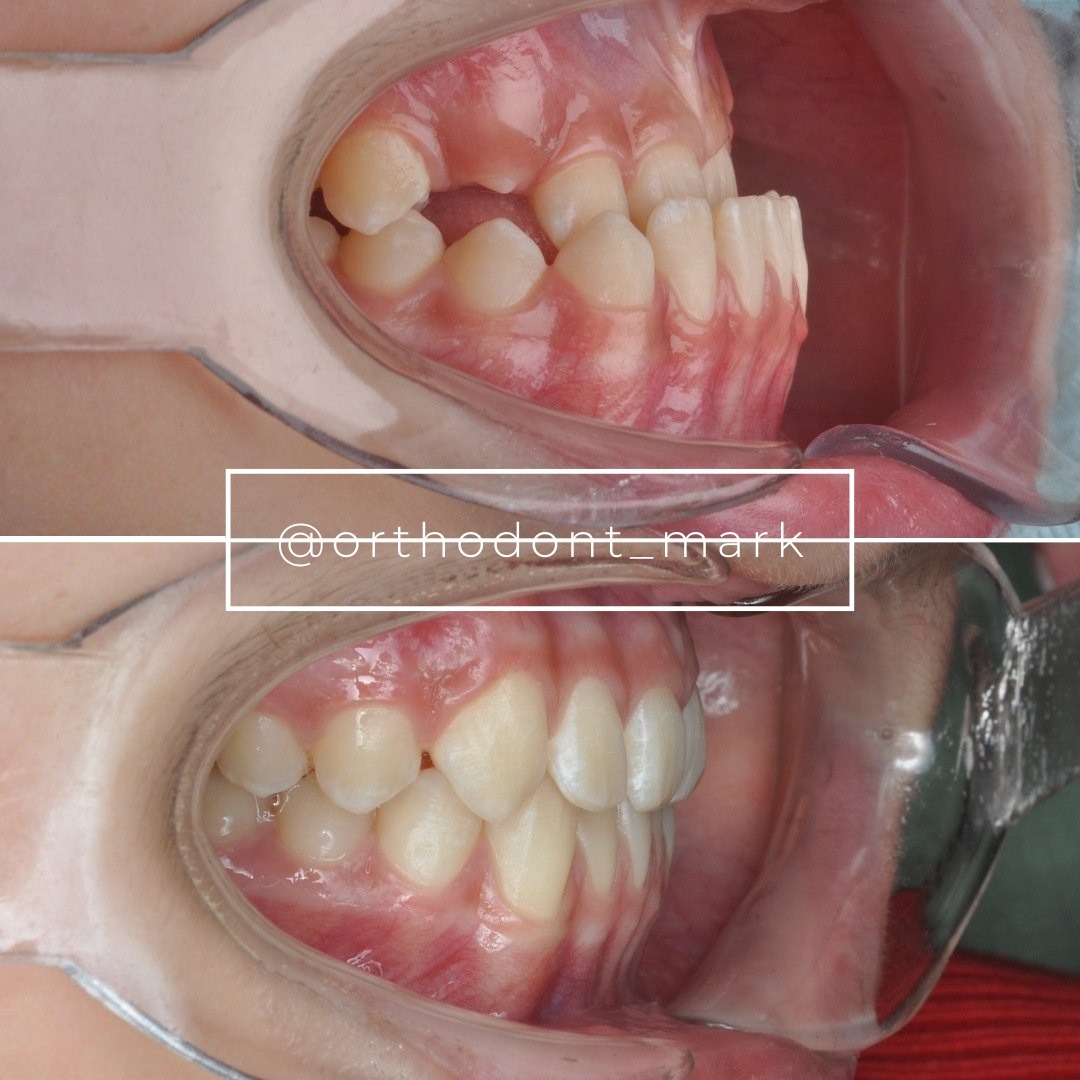
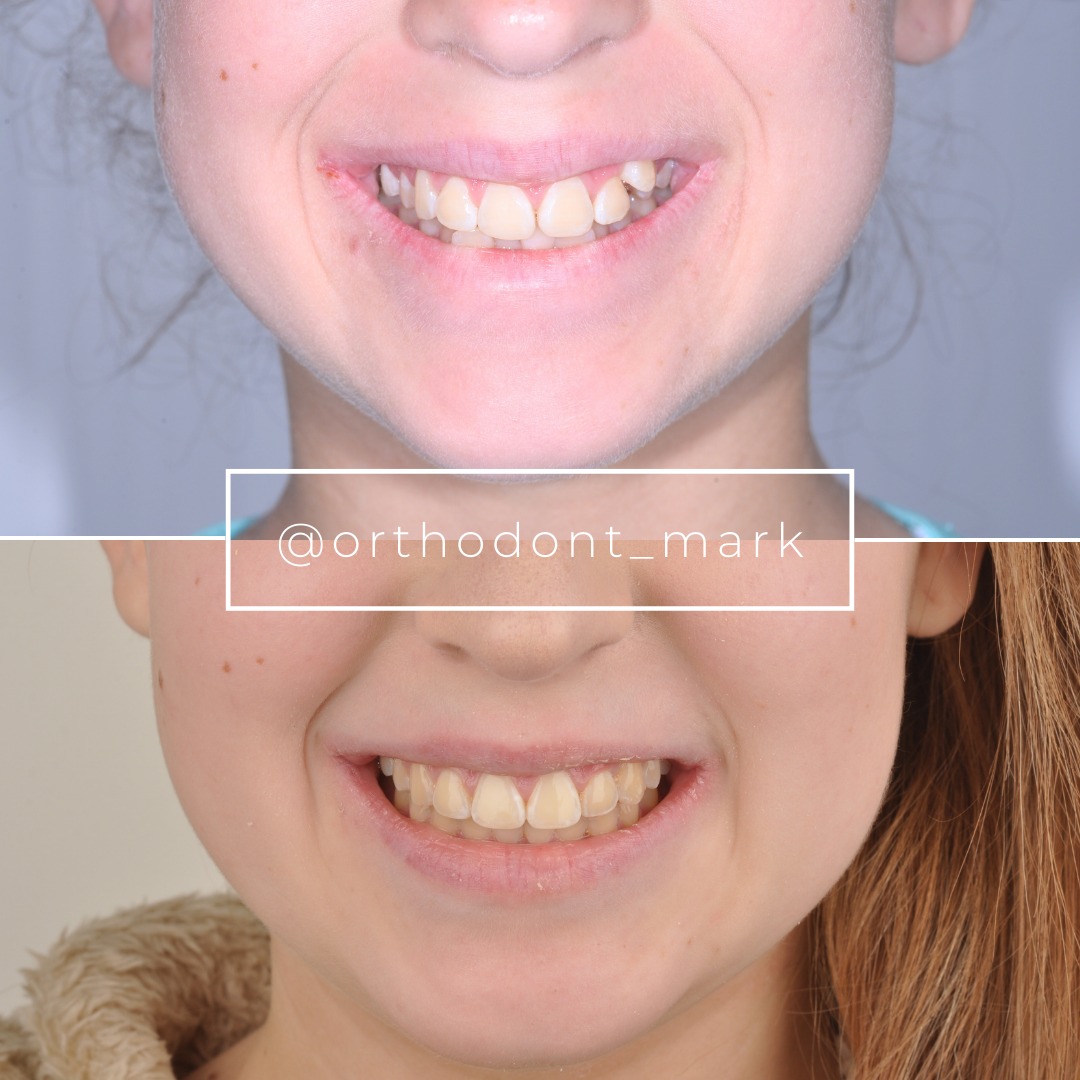
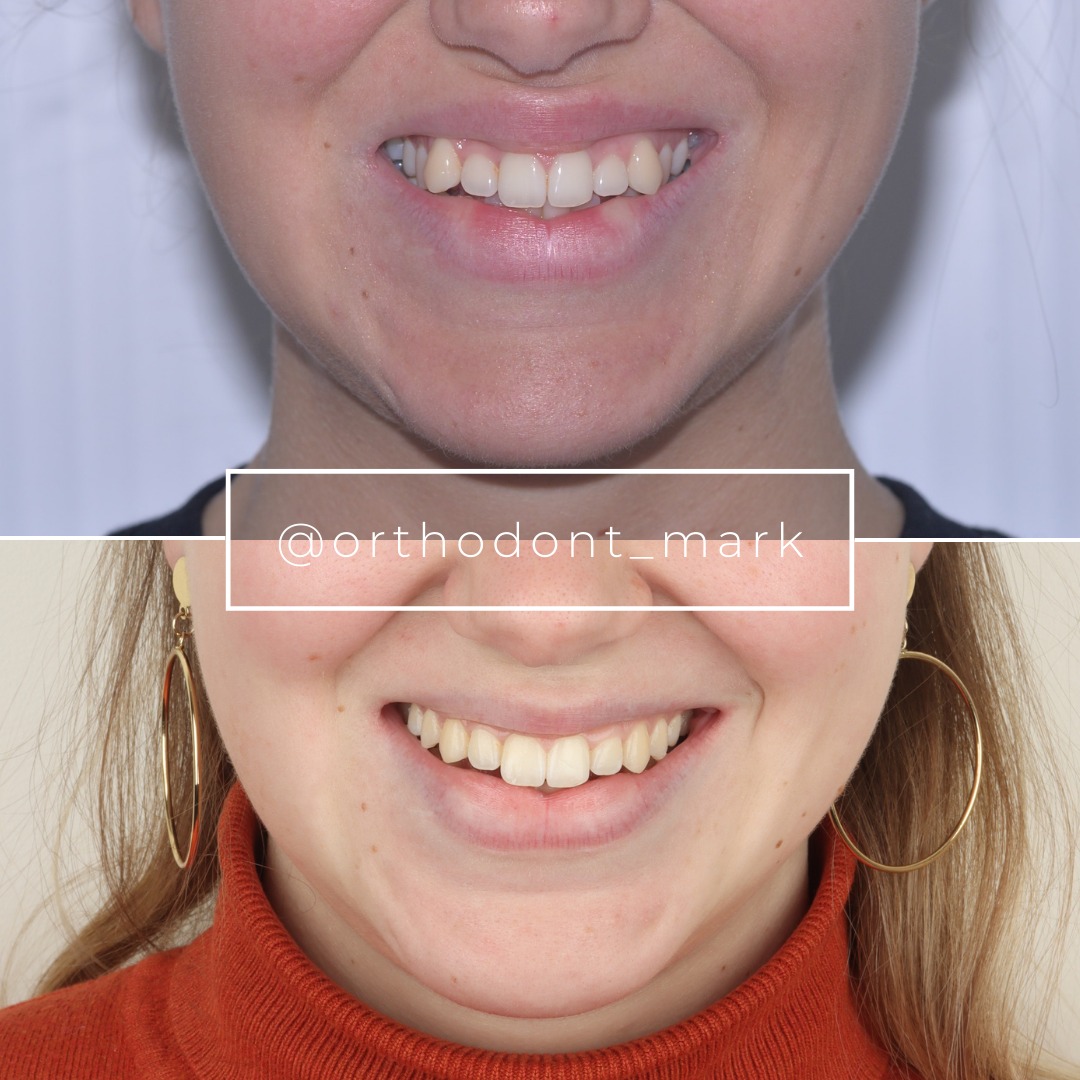
Learn the full MARPE protocol from Dr. Mark Radzhabov
Fundamental course covering CBCT patient selection, miniscrew planning, activation protocols, and 60+ clinical cases. Choose the access level that fits your practice.
Essentials of rapid palatal expansion for practicing orthodontists.
- Core RPE concepts and biomechanics
- 6 structured video lessons
- Clinical decision checklists
- Lifetime access to recordings
Deep-dive into MARPE protocol, diagnostics, and clinical execution.
- 6 modules covering MARPE from A to Z
- CBCT case selection walkthroughs
- Miniscrew placement and activation
- 60+ annotated clinical cases
- Direct Q&A with Dr. Mark Radzhabov
5-element medical consultation framework for dentists and orthodontists.
- Trust-building consultation protocol
- 5 lesson modules
- Templates for treatment plan delivery
- Works with any clinical specialty
Clinical FAQ
What is the primary difference between bone-borne and tooth-borne palatal expansion?
Bone-borne systems apply force directly to palatal bone via miniscrews, producing true skeletal expansion with zero dental side effects. Tooth-borne expanders use posterior teeth as anchors, risking 3–5° buccal molar tipping and 20–30% relapse.
How much skeletal expansion can miniscrew-assisted rapid palatal expansion achieve in a 50-year-old?
MARPE typically achieves 8–10 mm true transverse skeletal gain in patients over 50 with stage B or C midpalatal suture morphology. Results depend on suture maturity and load protocol optimization.
Which patients should avoid tooth-borne rapid palatal expansion?
Patients over 40, those requiring >8 mm expansion, those with existing dental crowding, or those with low mandibular plane angles should avoid tooth-borne expanders. These cases benefit from bone-borne systems.
What Hounsfield unit measurement ensures stable miniscrew insertion for MARPE?
Anterior palatal cortical bone density should exceed 600 HU for optimal screw stability. Zones with 900–1,200 HU are ideal; <500 HU indicates inadequate bicortical engagement potential.
How does relapse differ between bone-borne and tooth-borne expansion at 12 months?
Bone-borne systems exhibit <5% relapse. Relapse stabilizes within 3–6 months post-retention. Tooth-borne expanders show 20–30% relapse within 12 months due to dental tipping recovery.
What does Angelieri staging tell us about expansion feasibility?
Angelieri suture classification stages midpalatal fusion (0–100%). Stage B/C patients tolerate non-surgical bone-borne expansion well. Stage D (>90% fusion) patients require surgical assistance or MARPE only in carefully selected cases.
Can tooth-borne expansion correct maxillary incisor crowding simultaneously with widening?
No. Tooth-borne expansion produces buccal posterior tipping and lingual anterior tipping, worsening anterior crowding. Bone-borne systems permit concurrent incisor intrusion and space closure without dental side effects.
What is the risk of root resorption in MARPE versus traditional rapid palatal expanders?
Root resorption in MARPE approaches <1%. Teeth experience zero direct stress during activation. Tooth-borne systems show 5–10% root resorption, typically affecting maxillary second molars and premolars.
How long should retention last after bone-borne versus tooth-borne palatal expansion?
Bone-borne expansion requires 6–12 months retention as bone remodels. Tooth-borne expanders demand 12–24 months retention to minimize relapse. However, some relapse occurs regardless.
Does CBCT imaging change your expansion system selection?
Yes. CBCT suture staging, cortical bone density measurement, and neurovascular anatomy directly determine whether bone-borne or tooth-borne approaches succeed. Imaging without assessment is suboptimal case planning.
The distinction between bone-borne and tooth-borne expansion fundamentally shapes treatment outcomes, stability, and patient satisfaction in adult cases. Bone-borne systems consistently deliver superior skeletal results with reduced dental side effects, making them the preferred choice for transverse maxillary deficiency in non-growing patients. Dr. Mark Radzhabov's evidence-based approach emphasizes cone-beam computed tomography assessment and load management as prerequisites for success. To review your complex expansion cases or explore miniscrew-assisted rapid palatal expansion protocols, visit ortodontmark.com or schedule a consultation with Dr. Radzhabov's team today.

