
SARPE lessons that improve
MARPE
How surgical principles optimize miniscrew-assisted expansion
Adult skeletal expansion success depends on understanding midpalatal suture anatomy, stress distribution, and force vectors—all principles rooted in surgical expansion research. Learn how SARPE evidence elevates MARPE outcomes.
TL;DR SARPE surgical principles—midpalatal split efficacy, sutural opening patterns, and stress distribution—directly inform MARPE miniscrew placement and activation protocols. A randomized low-dose CBCT trial (Chun et al. (2022), BMC Oral Health) found midpalatal suture separation in 95% of MARPE and 90% of conventional RPE cases, with greater nasal width gains and reduced buccal tooth movement in the MARPE arm, making surgical-derived biomechanical insights essential for adult skeletal expansion.
Adult transverse maxillary deficiency often requires skeletal expansion strategies that bridge the gap between traditional rapid palatal expansion and surgical correction. Dr. Mark Radzhabov and the evidence-based orthodontic community increasingly recognize that understanding surgical-assisted rapid palatal expansion (SARPE) principles—particularly sutural response, stress concentration, and osteotomy design—yields powerful clinical insights for miniscrew-assisted rapid palatal expansion (MARPE) and maxillary skeletal expansion protocols. This article translates key surgical lessons into practical MARPE treatment planning: how to predict midpalatal split success, optimize miniscrew biomechanics, and minimize unwanted dentoalveolar side effects. Whether you are refining your expansion protocols or deciding between surgical and non-surgical approaches, understanding the anatomical and biomechanical foundations from SARPE literature will sharpen your clinical decision-making.
What Is the Connection Between
SARPE and MARPE?
Surgical-assisted rapid palatal expansion (SARPE) was developed in the 1980s to overcome the increased resistance of the midpalatal suture in skeletally mature patients. In SARPE, oral surgeons create strategic osteotomies—typically in the anterior nasal spine, lateral maxillary walls, and pterygomaxillary regions—to mechanically interrupt sutural fusion and allow controlled expansion. The choice of surgical approach has long been debated: some surgeons perform complete midpalatal split, while others achieve expansion without splitting the suture, each with distinct outcomes regarding efficacy and patient comfort. Miniscrew-assisted rapid palatal expansion (MARPE) emerged as a less-invasive alternative by applying the same biomechanical goal—midpalatal suture separation—using temporary skeletal anchorage and optimized activation protocols. What makes this evolution clinically powerful is that MARPE borrows directly from SARPE principles: the recognition that force vector control, stress concentration zones, and anterior maxillary anatomy dictate whether true skeletal expansion occurs or whether the appliance simply tilts and distorts the dentoalveolar complex. By studying surgical SARPE cases—particularly imaging of suture opening patterns, bone stress distribution, and the relationship between force application and maxillary movement—orthodontists have learned to predict MARPE success, optimize miniscrew placement, and understand when a patient may benefit from either approach.
Midpalatal Suture Anatomy and
Opening Patterns
What SARPE taught us about skeletal response
One of the most critical lessons from SARPE research is that the midpalatal suture does not open uniformly. In surgical cases where imaging (CBCT) is obtained before and after osteotomy, the suture separation is greatest in the anterior region (anterior nasal spine area) and progressively decreases posteriorly, with the pterygomaxillary junction offering the most resistance. This anatomical reality fundamentally influenced how MARPE systems are designed: miniscrews are typically positioned in the mid-palate to apply force through the dental midline, attempting to recreate the anterior-driven stress pattern observed in successful SARPE cases. SARPE literature also demonstrates that the width of suture opening varies with the magnitude and direction of applied force. When surgeons perform complete midpalatal splits as part of SARPE, they observe radiographic evidence of bone separation at the suture—a hallmark of true skeletal expansion. In contrast, a randomized low-dose CBCT trial (Chun et al. (2022), BMC Oral Health) showed that midpalatal suture separation occurs in 95% of MARPE and 90% of conventional RPE cases, with greater increases in nasal width in the molar region and at the greater palatine foramen when compared to tooth-borne rapid palatal expansion (RPE). These findings validate that MARPE, when properly executed, achieves the anatomical goal that SARPE sets out to accomplish—but through controlled biomechanics rather than surgical intervention. Understanding which patients have patent, partially fused, or fully fused sutures before treatment begins is essential. CBCT assessment of midpalatal suture maturity, a practice borrowed directly from surgical planning protocols, now informs MARPE case selection.
How SARPE Force Vectors Optimize
MARPE Activation
Protocol refinement through surgical evidence
A central finding in surgical rapid palatal expansion literature is that the direction and magnitude of applied force critically determine whether expansion is purely skeletal or whether it is contaminated by dentoalveolar compensation. In SARPE, the surgeon's osteotomy design essentially controls the stress field: by separating the maxilla above the level of tooth apices and posterior to the anterior nasal spine, surgical force application avoids excessive tipping of the supporting teeth. This principle translated into MARPE design has profound implications: miniscrew placement in the mid-palatal vault (rather than at the alveolar crest) and careful force vector alignment reduce unwanted buccal tooth movement and tilting. Studies comparing conventional RPE (tooth-borne) with MARPE have revealed a striking difference: MARPE patients show significantly less buccal displacement of anchor teeth (first premolars and molars) through both the expansion and consolidation phases. This is the direct result of applying force through skeletal rather than dental anchors—exactly what SARPE achieves surgically. Furthermore, MARPE activation protocols (typically 3–4 turns per day following laser corticotomy or minimal surgical preparation) reflect lessons learned from SARPE about optimal force magnitude and timing. Surgical cases taught orthodontists that rapid suture disruption followed by sustained, gradual force application allows bone consolidation to occur without excessive patient discomfort or relapse. In clinical practice, this translates to MARPE protocols that include a brief intensive expansion phase (8+ weeks) followed by 6 months of retention—a timeline validated by surgical expansion experience.
Patient Selection and Suture
Maturity Assessment
Integrating SARPE diagnostics into MARPE planning
One of the most valuable contributions SARPE research has made to orthodontics is the recognition that age alone does not determine suture fusion status. Surgical series have documented considerable individual variability in midpalatal suture maturity, and this variability is not directly correlated with chronological age—particularly in young adults. This insight has revolutionized MARPE case selection: rather than assuming all adults over 18 require surgery, clinicians now perform CBCT assessment of midpalatal suture maturity before committing to surgical or non-surgical treatment. Patients with patent or partially fused sutures are excellent MARPE candidates. Those with fully ossified sutures may still respond to MARPE but with greater force requirements, or may genuinely benefit from SARPE or surgical-facilitated expansion. The comparative effectiveness data is instructive: traditional RPE is most effective when initiated before the suture begins fusing (typically mid-teenage years), SARPE is reserved for skeletally mature patients with advanced fusion, and MARPE fills an important middle ground—patients aged 16–50 with variable suture maturity who wish to avoid surgery. A systematic diagnostic approach—initial CBCT assessment, evaluation of sutural morphology, and consideration of patient preferences—allows clinicians to confidently triage cases. Orthodontist Mark emphasizes that this decision tree was forged through decades of surgical expansion literature: each SARPE case taught surgeons something about individual anatomy, and that collective knowledge now guides non-surgical alternatives. By adopting surgical assessment standards into routine MARPE workup, orthodontists improve case selection accuracy and patient satisfaction.
MARPE Activation and Consolidation
Informed by SARPE Outcomes
Evidence-based timing and force magnitude
SARPE surgical outcomes have provided a wealth of data on what happens when the midpalatal suture is forcibly opened and then allowed to consolidate. These cases showed that the most stable results occur when rapid initial separation is followed by a prolonged consolidation phase—typically 6 months or longer—to allow new bone formation and sutural healing. This insight directly informs MARPE activation protocols. Rather than applying continuous expansion forces for extended periods, the evidence-based MARPE approach involves: Intensive expansion phase (8–10 weeks): 3–4 turns per day following miniscrew placement and optional laser corticotomy. This rapid phase exploits sutural compliance and mimics the acute surgical opening seen in SARPE. Patient discomfort during this phase is generally mild to moderate, comparable to or less than tooth-borne RPE, as force is distributed through skeletal rather than dental structures. Consolidation phase (6 months): Minimal or no activation allows new bone to form within the opened suture and surrounding maxilla. SARPE literature documents that early loading during this phase increases relapse risk. Therefore, retention of the activated position is prioritized. Some clinicians apply a brief secondary activation cycle (3–4 turns) at the midpoint of consolidation if initial opening is insufficient, but this is guided by clinical observation and imaging rather than routine protocol. Retention and follow-on orthodontics: After consolidation, the miniscrews are typically left in place for several more months or removed, depending on whether additional skeletal expansion is needed or whether fixed appliance alignment therapy is initiated. The timeline mirrors SARPE post-operative management, where initial healing is protected before functional demands resume. Pain and swelling profiles in MARPE patients during intensive expansion are generally mild, and patient tolerance is high—attributes that SARPE research has shown improve when force is applied through non-dental anchors.
Avoiding Dentoalveolar Side Effects
Through Surgical Biomechanics
Why MARPE outperforms tooth-borne RPE in adults
SARPE surgical literature contains detailed analyses of what goes wrong when expansion is poorly executed: excessive buccal tipping of support teeth, loss of anchorage control, palatal tipping of the maxilla, and asymmetric opening. These complications motivated surgeons to design osteotomies that bypass the dental roots entirely, allowing maxillary expansion without dental load. MARPE systems inherit this surgical wisdom: by anchoring to miniscrews embedded in the palatal bone, not to teeth, the appliance avoids the dentoalveolar compensation that plagues conventional RPE in adults. Comparative CBCT studies have quantified this advantage: MARPE patients show significantly less buccal displacement of premolars and molars compared to RPE patients treated with equivalent amounts of expansion (35 turns in one randomized trial). The difference is not marginal—buccal tooth movement reduction can exceed 50% in MARPE cohorts. Additionally, the nasal cavity widens more substantially in MARPE cases, with greater increases in nasal width at the molar region and greater palatine foramen, reflecting true skeletal expansion rather than dental accommodation. These skeletal gains come with reduced long-term relapse because the opened suture (not stretched teeth) is the source of change. Pain and swelling during MARPE are generally minimal, particularly when miniscrews are placed in keratinized palatal mucosa with adequate thickness and when expansion is gradual. Patient tolerance in MARPE cohorts tends to be higher than in conventional RPE or SARPE (which involves surgical recovery), making MARPE an attractive option for adults who value non-invasive treatment but require true skeletal change.
Comparative Efficacy: RPE vs. SARPE
vs. MARPE
Where skeletal expansion truly succeeds
A comprehensive view of the expansion literature reveals a hierarchy of effectiveness tied to skeletal maturity and treatment approach. Conventional rapid palatal expansion (RPE) achieves excellent results in children and adolescents before midpalatal suture fusion is advanced—typically effective through the mid-to-late teenage years. As skeletal maturity advances (late teens into adulthood), suture resistance increases and RPE becomes progressively less effective. Some practitioners observe minimal expansion in fully mature adults, necessitating surgical intervention. Surgically assisted rapid palatal expansion (SARPE) is the traditional gold standard for skeletally mature adults with fully ossified sutures. SARPE achieves profound skeletal change but at the cost of surgical morbidity, surgical fees, and postoperative recovery time. SARPE with midpalatal split demonstrates superior efficacy compared to SARPE without split (greater diastema, radiographic suture separation), though both approaches show similar patient discomfort profiles immediately post-surgery and at 14 days post-surgery. Miniscrew-assisted rapid palatal expansion (MARPE) represents a middle-ground solution: efficacy comparable to SARPE (95% suture separation in the MARPE arm of Chun et al. (2022), BMC Oral Health, versus 90% for conventional RPE) without surgical invasion. MARPE is most effective in patients aged 16–45 with variable suture maturity. Excellent results are documented even in patients with partially fused sutures, where SARPE would be mandatory. The skeletal gains achieved by MARPE—measured as increases in nasal width, greater palatine foramen width, and true midpalatal suture opening on CBCT—mirror those seen in SARPE cohorts. Additionally, MARPE achieves these skeletal results while minimizing dentoalveolar side effects (buccal tooth movement, tilting, anchorage loss) that can complicate both RPE and SARPE cases.
Free Clinical Guide
Which Expansion Appliance at Which Age?
Get Dr. Mark Radzhabov's guide to skeletal-expansion appliances — indications, pros & cons, and how to choose by patient age. Free to your inbox.
Prefer video? Watch the free demo lesson on MARPE appliance types, features and trade-offs.
Documented outcomes
Clinical cases from Dr. Mark Radzhabov's practice
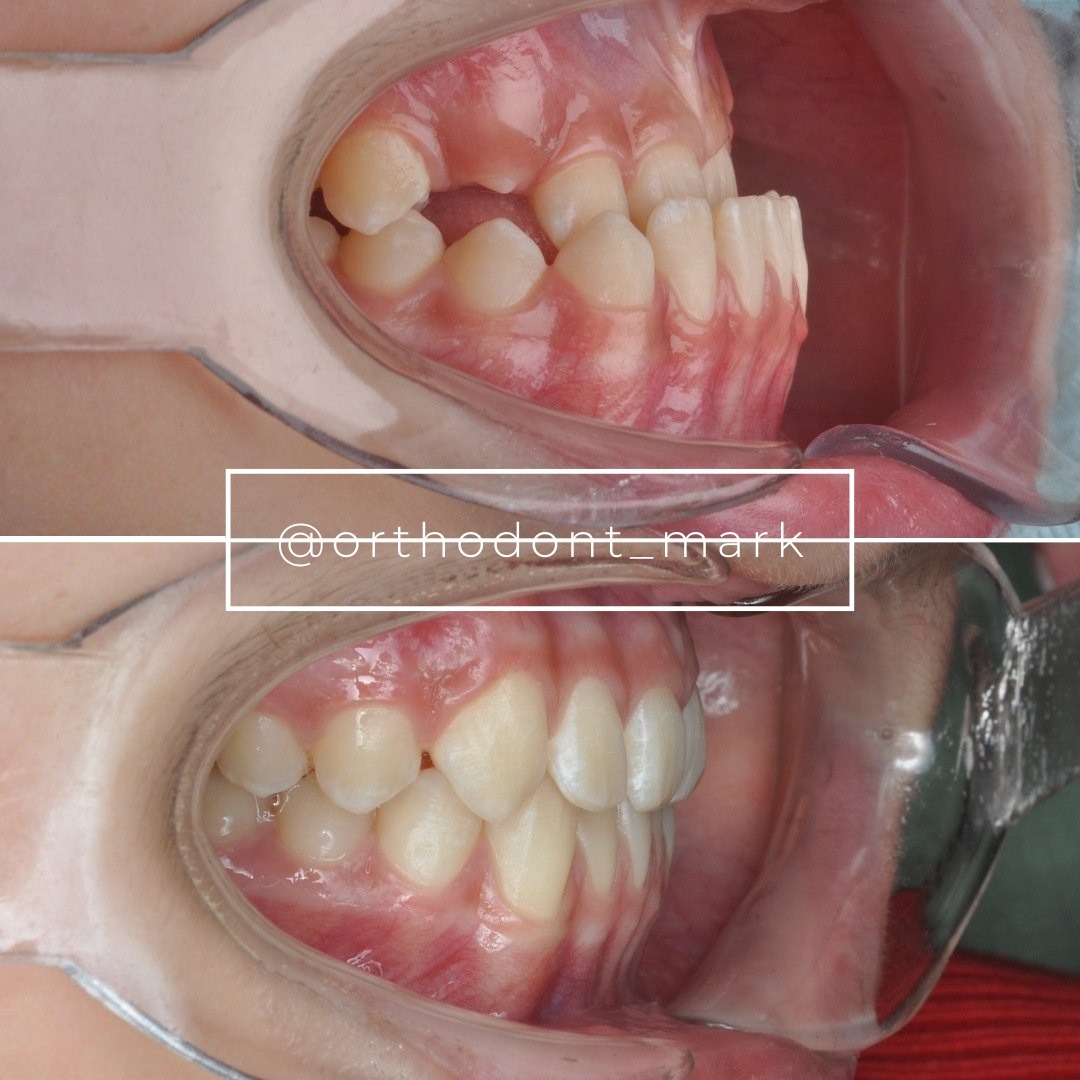
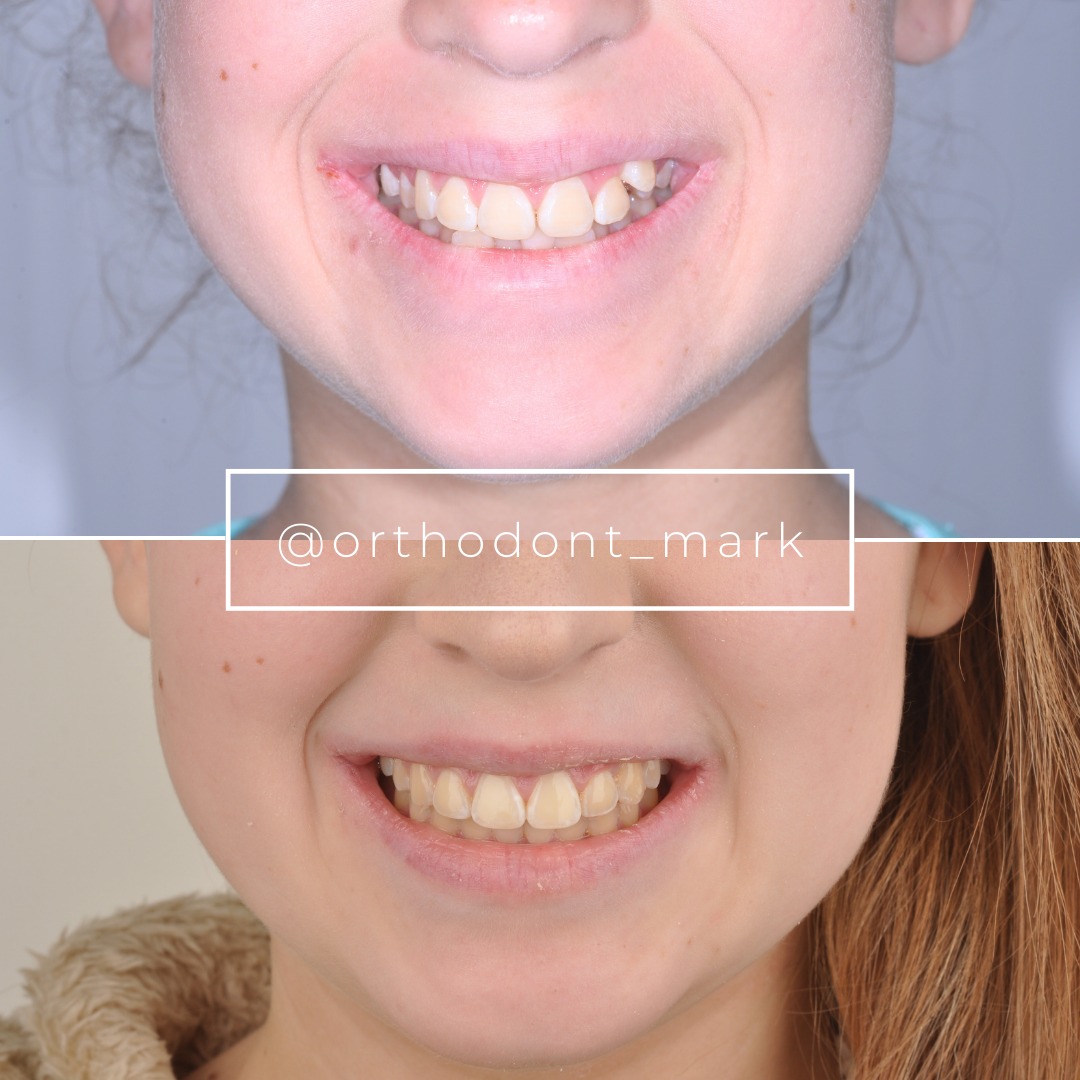
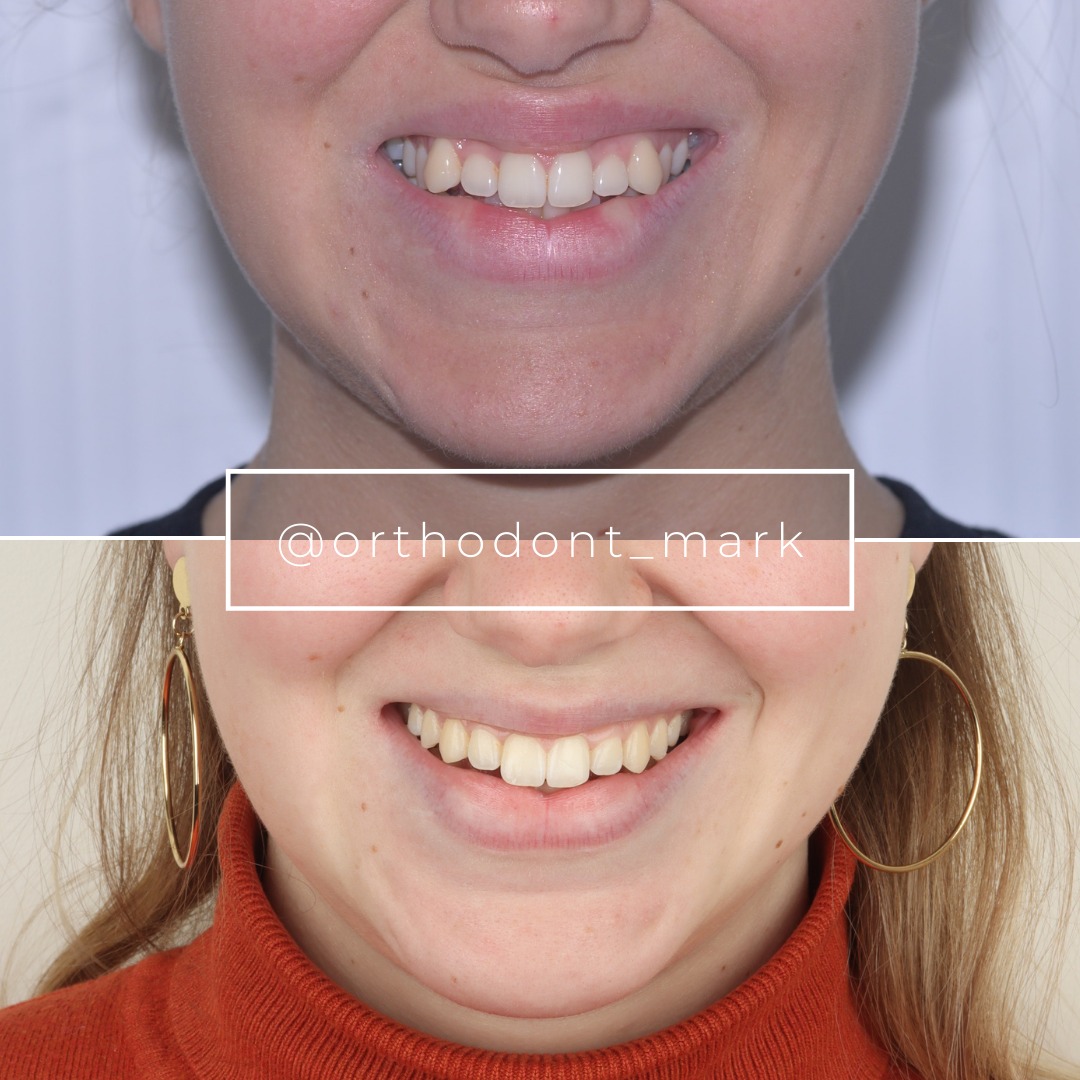
Learn the full MARPE protocol from Dr. Mark Radzhabov
Fundamental course covering CBCT patient selection, miniscrew planning, activation protocols, and 60+ clinical cases. Choose the access level that fits your practice.
Essentials of rapid palatal expansion for practicing orthodontists.
- Core RPE concepts and biomechanics
- 6 structured video lessons
- Clinical decision checklists
- Lifetime access to recordings
Deep-dive into MARPE protocol, diagnostics, and clinical execution.
- 6 modules covering MARPE from A to Z
- CBCT case selection walkthroughs
- Miniscrew placement and activation
- 60+ annotated clinical cases
- Direct Q&A with Dr. Mark Radzhabov
5-element medical consultation framework for dentists and orthodontists.
- Trust-building consultation protocol
- 5 lesson modules
- Templates for treatment plan delivery
- Works with any clinical specialty
Clinical FAQ
How do SARPE surgical principles directly improve MARPE miniscrew placement?
SARPE osteotomy design teaches that force applied above tooth apices and through the midpalatal vault avoids dentoalveolar tipping. MARPE miniscrews are positioned in the mid-palate—not at the alveolar crest—to replicate this force vector and reduce unwanted tooth movement.
What is midpalatal suture maturity assessment and why is it essential for MARPE?
CBCT evaluation of suture morphology (patent, partially fused, fully ossified) predicts MARPE responsiveness. Borrowed from surgical planning, this assessment differentiates patients suitable for MARPE, tooth-borne RPE, or SARPE, improving case selection accuracy.
What does the research show about midpalatal suture separation frequency in MARPE cases?
A prospective randomized CBCT trial (Chun et al. (2022), BMC Oral Health) reported midpalatal suture separation in 95% of MARPE and 90% of conventional RPE cases, comparable to SARPE efficacy. Greater increases in nasal width and palatine foramen width occur in MARPE compared to tooth-borne RPE.
How does miniscrew-assisted expansion reduce buccal tooth displacement compared to conventional RPE?
Force applied through skeletal anchors (miniscrews) bypasses teeth, whereas RPE loads the dental structures directly. MARPE achieves 50% less buccal tooth movement through expansion and consolidation phases compared to RPE with equivalent expansion.
What is the evidence-based MARPE activation protocol derived from SARPE outcomes?
SARPE surgical cases showed rapid initial separation followed by prolonged consolidation yields stable results. MARPE mirrors this: 3–4 turns daily for 8+ weeks (intensive phase), then 6 months retention without activation, minimizing relapse.
Why is a 6-month consolidation retention period critical after MARPE expansion?
SARPE literature documented that premature loading during bone healing increases relapse. MARPE consolidation allows new bone formation within the opened suture. Early activation or fixed appliance placement risks instability.
How does MARPE patient comfort compare to conventional RPE and surgical SARPE?
MARPE produces minimal pain and swelling—force is distributed through bone, not teeth. Patient tolerance exceeds tooth-borne RPE (which causes buccal tipping discomfort) and SARPE (surgical recovery). Most patients tolerate MARPE well throughout treatment.
What skeletal changes distinguish MARPE from tooth-borne rapid palatal expansion?
MARPE generates true skeletal change: greater increases in nasal width (molar region), palatine foramen width, and documented midpalatal suture separation on CBCT. RPE in adults typically produces dental tipping without substantial skeletal gain.
When should clinicians choose MARPE over surgical SARPE expansion?
MARPE is ideal for ages 16–45 with variable sutural maturity who wish to avoid surgery. SARPE is reserved for fully ossified sutures unresponsive to MARPE or when maximum skeletal gain is required. Patient preference and anatomy guide the choice.
How does laser corticotomy complement MARPE miniscrew-assisted expansion?
Optional laser corticotomy (transmucosal decortication) reduces bone density around miniscrews and the palatal suture, potentially accelerating suture separation and improving MARPE responsiveness in cases of advanced sutural fusion.
The transition from SARPE to MARPE represents a fundamental shift in orthodontic philosophy: replacing surgical intervention with strategic miniscrew anchorage and biomechanical precision. By borrowing surgical principles—particularly the importance of midpalatal suture maturity assessment, anterior stress relief, and proper force vector control—you can optimize miniscrew-assisted rapid palatal expansion outcomes and reduce the need for invasive procedures in many adult patients. Dr. Mark Radzhabov's clinical teaching emphasizes that skeletal orthodontics thrives when surgical and non-surgical disciplines converge. Start by reviewing your recent expansion cases for suture opening patterns, buccal tooth movement, and patient comfort metrics. Then consider how SARPE-derived insights can refine your protocols. Consult with our clinical team for a comprehensive MARPE treatment planning session tailored to your patient population.

