
Digital Planning for MARPE:
CBCT to Appliance Design
Evidence-based workflow for skeletal expansion
Master the 3D planning protocol that separates predictable skeletal expansion from trial-and-error outcomes. Learn miniscrew positioning, CBCT measurement landmarks, and appliance design criteria used by leading clinicians.
TL;DR Digital planning for MARPE integrates cone-beam computed tomography (CBCT) imaging, miniscrew positioning analysis, and 3D appliance design to optimize skeletal expansion outcomes. CBCT enables precise measurement of midpalatal suture anatomy, alveolar bone thickness, and anchor tooth morphology—essential data for predictable bone-borne or hybrid expansion in skeletally mature patients.
Digital planning for MARPE represents a paradigm shift in how orthodontists approach maxillary transverse deficiency in skeletally mature patients. By integrating cone-beam computed tomography (CBCT) imaging with 3D treatment planning software and custom appliance fabrication, clinicians can now predict skeletal response, minimize dentoalveolar side effects, and optimize miniscrew positioning before insertion. Dr. Mark Radzhabov, drawing on evidence-based protocols documented at ortodontmark.com, explains how this workflow transforms clinical outcomes and reduces the guesswork inherent in conventional planning methods.
Understanding CBCT Imaging in
Rapid Maxillary Expansion Planning
Cone-beam computed tomography (CBCT) is the cornerstone of modern MARPE planning, providing three-dimensional data unavailable on conventional 2D radiographs. A low-dose CBCT protocol—typically 10–15 µSv—captures the entire maxilla, palate, miniscrew insertion sites, and surrounding bone anatomy in sufficient detail for surgical and prosthetic planning without excess radiation burden. Standard imaging parameters should include scan field of view (FOV) of 10–15 cm with voxel size of 0.2–0.3 mm to resolve minuscrew threads, alveolar bone margins, and midpalatal suture anatomy.
The CBCT scan is ideally acquired in a relaxed seated position, with the patient's head aligned to the Frankfurt horizontal plane. This standardized positioning ensures reproducible measurement of transverse maxillary dimensions and symmetric assessment of bilateral anatomical landmarks. Most digital planning workflows require scanning prior to any miniscrew placement, allowing the clinician to map bone density zones, identify neurovascular anatomy, and measure available interdental space for optimal screw positioning. Post-expansion CBCT (acquired at T1: immediately after expansion completion and T2: 3 months post-expansion during consolidation) documents skeletal separation of the midpalatal suture, transverse skeletal expansion, and dentoalveolar tipping patterns.
Evidence from a prospective randomized clinical trial comparing conventional rapid palatal expanders (RPE) and miniscrew-assisted RPE showed that CBCT-guided planning enabled midpalatal suture separation in 95% of MARPE cases, compared to 90% in tooth-borne RPE groups. The ability to visualize suture anatomy in three dimensions before treatment reduces the risk of asymmetric expansion and improves patient communication regarding expected skeletal outcomes.
Key CBCT Measurement Landmarks for
Miniscrew Positioning
CBCT analysis identifies five essential anatomical zones that dictate miniscrew placement and expansion appliance design. The midpalatal suture, measured in the sagittal plane at the level of the first molars (posteriorly) and first premolars (anteriorly), reveals bone density and suture separation potential. Sutures displaying high bone density benefit from slower activation protocols (0.5–1 mm per week) to allow stress relief and parallel separation; sutures with lower density and visible radiolucency may tolerate accelerated expansion (1.5–2 mm per week).
Palatal bone thickness, measured perpendicular to the palatal vault in the coronal plane, determines miniscrew insertion depth and primary stability. Bone thickness ≥6 mm at the intended insertion site ensures adequate screw engagement (minimum 4–5 mm) while maintaining a safety margin above the palatal mucosa and neurovascular bundle. The greater palatine foramen (GPF), visible on coronal CBCT slices, marks the posterior limit of safe insertion; miniscrews placed anterior to the GPF avoid impingement of the greater palatine artery and nerve.
Assessment of alveolar bone buccal plate thickness in both the premolar and molar regions predicts dental tipping response during expansion. Studies comparing bone-borne maxillary expanders (BAME) with hybrid tooth-bone systems (MSE) found that BAME appliances achieve greater skeletal contribution (83% skeletal vs. 56% in MSE) because miniscrew anchors eliminate dental tipping forces. However, buccal plate thickness <4 mm in anterior zones requires careful monitoring for gingival recession during fast expansion protocols.
The interdental space between anchor teeth (typically first molars and second premolars) must be measured mesiodistally to accommodate miniscrew head diameter (typically 5.5–7 mm for dual-screw designs). Insufficient interdental space may necessitate miniscrew placement in edentulous zones (e.g., extraction sites) or acceptance of single-screw anchor designs with lower rigidity and greater risk of asymmetric expansion.
The 3D Digital Treatment Planning Workflow:
Six-Step Protocol
Step 1: CBCT Import and Segmentation. Raw DICOM data is imported into dedicated orthodontic planning software (e.g., Dolphin 3D, InVivo, or similar platforms). The software segments maxillary bone, dental roots, and soft tissue using automatic or semi-automatic algorithms. The clinician reviews the segmentation for accuracy, correcting any over- or under-inclusion of bone at critical sites (palate, buccal plates, miniscrew insertion zones). Segmentation errors in the palatal region directly propagate into inaccurate expansion predictions.
Step 2: Landmark Identification and Measurement. Using the segmented 3D model, the clinician places bilateral landmarks on the midpalatal suture (anterior and posterior), maxillary central incisor apices, first premolar buccal roots, and first molar roots. Linear and angular measurements are performed in all three planes (axial, sagittal, coronal) to quantify transverse maxillary width, molar-to-molar distance, and asymmetry. Asymmetries >3 mm warrant adjusted activation protocols or selective miniscrew positioning to correct during expansion.
Step 3: Miniscrew Positioning Simulation. The clinician positions virtual miniscrew models (dual or single placement) on the 3D palatal model, ensuring bone-to-screw contact, avoidance of roots and neurovascular structures, and adequate interdental space. Optimal miniscrew placement places the screw heads 5–7 mm anterior to the midpalatal suture and 3–4 mm lateral to the suture midline bilaterally. The software calculates insertion angles, insertion depth, and primary stability estimates based on bone density mapping.
Step 4: Appliance Design and Expansion Vector Prediction. Using the positioned miniscrews as anchors, the clinician designs the expansion appliance geometry. For MARPE with posterior body-to-body contact, the screw-to-screw distance and activation mechanism are optimized to produce parallel midpalatal suture separation. The software can simulate incremental expansion (0.5 mm per turn, typical for 4-turn-per-day protocols) and predict skeletal separation versus dental tipping at each increment. Clinical data shows that bone-borne designs achieve 5.9 mm total expansion at the molar level with 56–83% skeletal contribution depending on screw type.
Step 5: 3D Appliance Fabrication. Once the digital design is finalized, the appliance is fabricated using digital milling (subtractive manufacturing) from titanium or PEEK discs, or 3D printing (additive manufacturing) with medical-grade resin or titanium powder. Digital fabrication ensures precision fit to the segmented palatal anatomy and reproducible screw positioning. Printed appliances are then finished, polished, and sterilized per manufacturer specifications.
Step 6: Pre-insertion Review and Patient Communication. The 3D plan is reviewed with the patient, showing predicted skeletal expansion, timeline (typically 8–12 weeks active expansion plus 6 months retention), and expected transverse width increase. This visual communication improves informed consent and patient compliance with activation protocols.
Activation Protocol and Consolidation
Timeline in Digital MARPE
After miniscrew insertion and appliance seating, activation begins immediately or within 24–48 hours. Standard activation protocols call for 4 turns per day (1 mm per day) during the first week, followed by 3 turns per day (0.75 mm per day) for weeks 2–8. This graduated approach allows initial bone remodeling and stress dissipation during the most aggressive expansion phase. Total expansion time ranges from 8 to 12 weeks, depending on initial transverse deficiency and patient response.
CBCT imaging at completion of active expansion (T1) confirms midpalatal suture separation and quantifies skeletal versus dentoalveolar contributions. Data from comparative studies shows that MARPE achieves greater nasal width increase and greater palatine foramen (GPF) expansion compared to tooth-borne RPE, indicating substantial skeletal response when properly anchored. Immediately after expansion completion, miniscrew activation is halted and the appliance is locked or de-activated to prevent over-expansion.
Consolidation occurs over a minimum 6-month period, during which the expanded midpalatal suture stabilizes through new bone formation and remodeling of the palatal mucosa. A follow-up CBCT at 3 months post-expansion (T2) documents stability; 95% of properly planned MARPE cases show no relapse between T1 and T2, confirming skeletal adaptation. After 6 months, the appliance and miniscrews are removed, and fixed or removable retention (palatal arch, transpalatal bar, or Essix appliance) is placed to prevent transverse relapse during subsequent orthodontic alignment.
Clinical observation: Dr. Mark Radzhabov's protocol integrates quarterly CBCT review during consolidation only if clinical signs of asymmetric relapse appear; routine consolidation CBCT in uncomplicated cases is rarely necessary and increases radiation exposure without altering management.
Bone-Borne Versus Hybrid Expansion Appliances:
Skeletal Outcomes and Trade-Offs
The choice between pure bone-borne maxillary expanders (BAME) and hybrid tooth-bone systems (e.g., MSE) is a critical decision point in digital planning. Bone-borne designs anchor exclusively to miniscrews in the palate, producing 83% skeletal expansion and minimal dentoalveolar tipping. This approach is ideal for patients with thin buccal plates or periodontal concerns where dental tipping could compromise gingival attachment. However, BAME designs require absolute skeletal fixation; any micromotion between screws and bone increases friction and may degrade screw threads.
Hybrid designs use two anterior miniscrews for skeletal anchorage but retain contact with molars via solder joints or digital fabrication. Hybrid systems achieve 56% skeletal contribution with greater dental buccal tipping but produce wider total transverse expansion (5.9 mm vs. 4.7 mm at molars in comparable cases). The dental component can be advantageous in cases requiring simultaneous buccal alveolar widening or in patients with minimal skeletal potential due to delayed presentation (post-suture fusion). Hybrid designs are also more forgiving of screw micromotion and allow minute adjustments without compromising stability.
Digital planning software can simulate both designs on the same 3D model, allowing the clinician to predict expansion magnitude and pattern for each approach. Selection depends on: (1) patient age and skeletal maturity (younger = greater skeletal response expected); (2) buccal bone thickness (thin = bone-borne preferred); (3) periodontal health (compromised periodontium = bone-borne); (4) treatment goals (purely skeletal vs. combined skeletal-dental widening). The digital workflow ensures this decision is made with explicit anatomical data rather than empirical guessing.
Comparative CBCT evidence shows that regardless of BAME vs. hybrid selection, miniscrew-assisted designs produce significantly less buccal bone loss and dental tipping compared to conventional tooth-borne RPE. This skeletal-dominant outcome is the primary clinical advantage of digital MARPE planning over historical rapid palatal expansion methods.
Five Pitfalls in Digital MARPE Planning
and How to Prevent Them
Pitfall 1: Poor CBCT Segmentation Leading to Inaccurate Miniscrew Placement. If bone segmentation includes soft tissue or excludes cortical bone at insertion sites, miniscrew trajectory and depth calculations are incorrect. Solution: Always manually review and edit the segmented 3D model in axial, sagittal, and coronal views before proceeding to landmark placement. Spot-check miniscrew insertion angles on multiple reformatted planes.
Pitfall 2: Neglecting Asymmetric Suture Anatomy. Not all midpalatal sutures are symmetric; posterior narrowing or anterior flare affects expansion trajectory. If planning assumes a perfectly parallel suture but reality shows asymmetry, expansion becomes canted. Solution: Measure suture width at anterior (premolar), middle (at incisive foramen), and posterior (molar) levels. If asymmetry >2 mm, plan asymmetric miniscrew positioning or prepare for corrective micro-adjustments after T1 CBCT.
Pitfall 3: Insufficient Consolidation Period and Premature Relapse. Some clinicians remove appliances at 4 months, believing suture fusion is complete. Skeletal remodeling, particularly in adult bone, requires minimum 6 months. Early removal risks relapse of 1–2 mm. Solution: Commit to minimum 6-month retention and confirm stability on T2 CBCT (3-month post-expansion) before discharge.
Pitfall 4: Ignoring Greater Palatine Artery Risk During Posterior Screw Placement. Miniscrews placed posterior to the greater palatine foramen risk hemorrhage during insertion. CBCT measurement of foramen location is mandatory. Solution: Always measure the distance from intended screw placement to the GPF on coronal CBCT. Safe distance is ≥8 mm anterior to the foramen. If uncertain, place screws 10 mm anterior to the suture in the premolar region rather than risk vascular injury.
Pitfall 5: Over-Expansion Driven by Appliance Geometry Rather Than Clinical Suture Separation. Some clinicians activate based on calendar dates rather than CBCT confirmation of suture separation, resulting in over-expansion and unilateral dentoalveolar tipping. Solution: Obtain interim CBCT at 4 weeks to confirm parallel suture separation. If separation is asymmetric (one side >1.5 mm ahead), halt expansion, reassess miniscrew position, and resume with adjusted activation side.
Sequencing MARPE Within the Comprehensive
Treatment Plan
Digital MARPE planning does not exist in isolation; it must integrate with the broader orthodontic sequence. In a typical non-extraction case with maxillary transverse deficiency and posterior crossbite, the MARPE expansion phase (weeks 0–12) precedes comprehensive bracket therapy by 8–12 weeks to allow suture consolidation. During the consolidation period, early bonding of maxillary and mandibular appliances can begin on expanded dental units, leveraging the newly created transverse space to reduce or eliminate extraction need.
In adult extraction cases requiring MARPE, extraction planning must account for the transverse gain. Some orthodontists prefer to complete MARPE first (0–6 months), then extract premolars if needed (e.g., in severe sagittal discrepancy cases). Others prefer simultaneous expansion and extraction, reducing overall treatment time. Digital planning allows simulation of both pathways—comparing final dentoalveolar fit and transverse bone utilization—to guide the decision. Pre-MARPE CBCT serves as the baseline for treatment planning; post-MARPE CBCT (at 3–6 months) becomes the new reference geometry for bracket positioning and arch form selection.
Retention design is also informed by digital MARPE planning. The digital 3D model predicts the post-expansion transverse width; a fixed palatal arch or bonded transpalatal bar is fabricated to fit the post-expansion anatomy. If retention is placed before miniscrew removal (e.g., bonding a fixed lingual wire to molars on the final activation day), suture stability is enhanced by preventing any micro-relapse during the early consolidation phase.
Dr. Mark Radzhabov's clinical experience emphasizes that the digital MARPE plan is not a static document but a living reference that guides bracket slot positioning, arch form sequencing, and retention design. Practices integrating 3D MARPE planning report improved efficiency, reduced unplanned extractions, and more predictable final transverse dimensions compared to historical 2D approaches.
Free Clinical Guide
Which Expansion Appliance at Which Age?
Get Dr. Mark Radzhabov's guide to skeletal-expansion appliances — indications, pros & cons, and how to choose by patient age. Free to your inbox.
Prefer video? Watch the free demo lesson on MARPE appliance types, features and trade-offs.
Documented outcomes
Clinical cases from Dr. Mark Radzhabov's practice
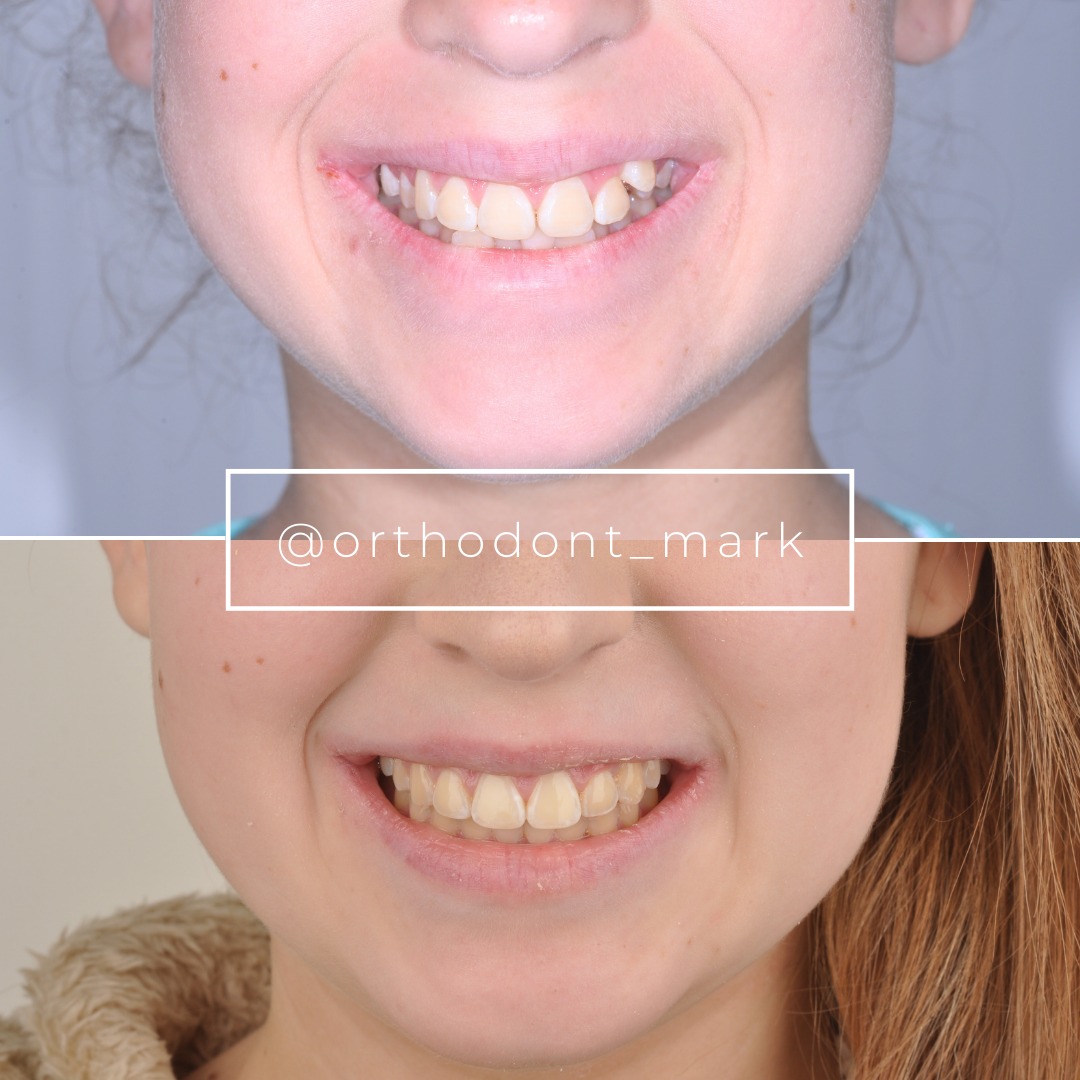
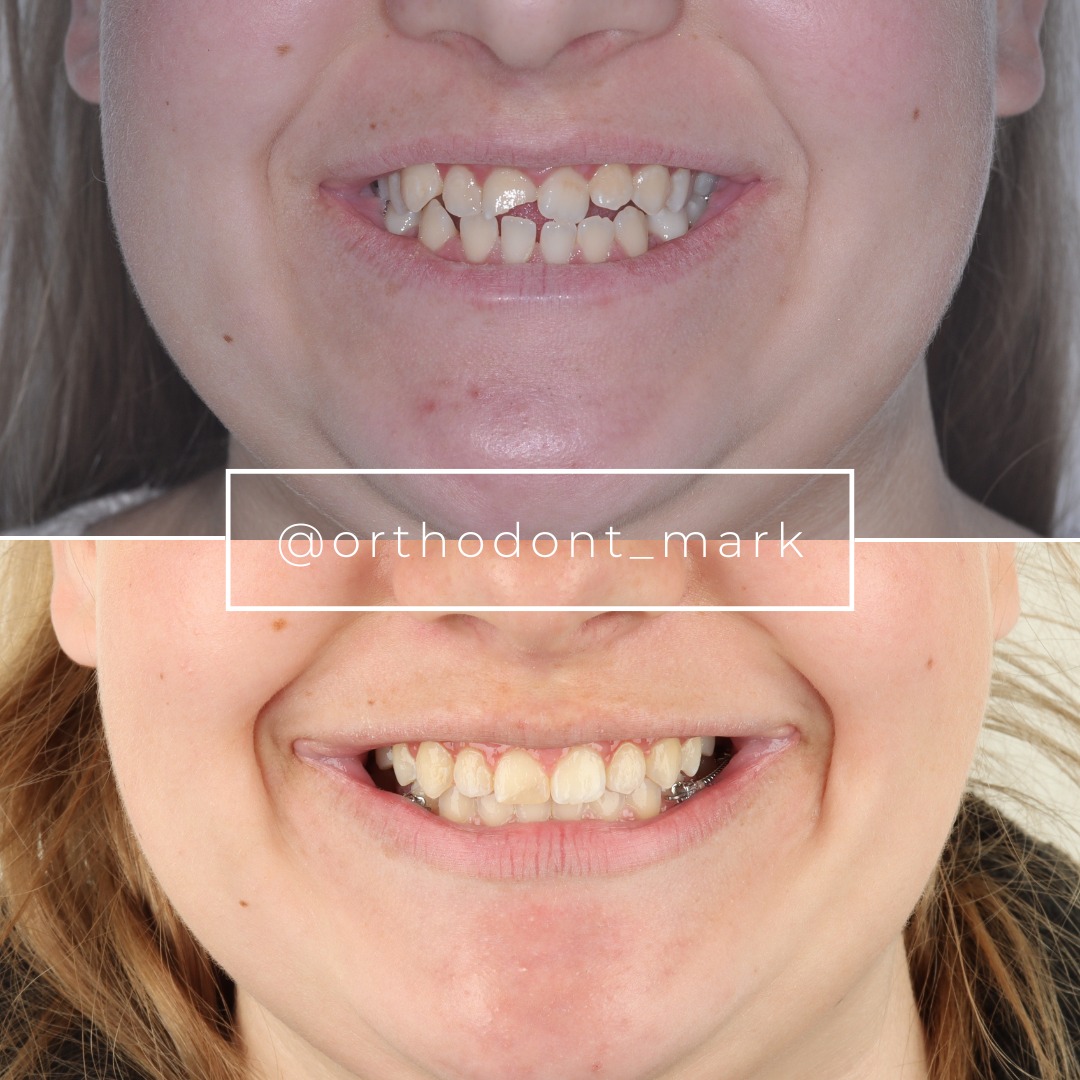
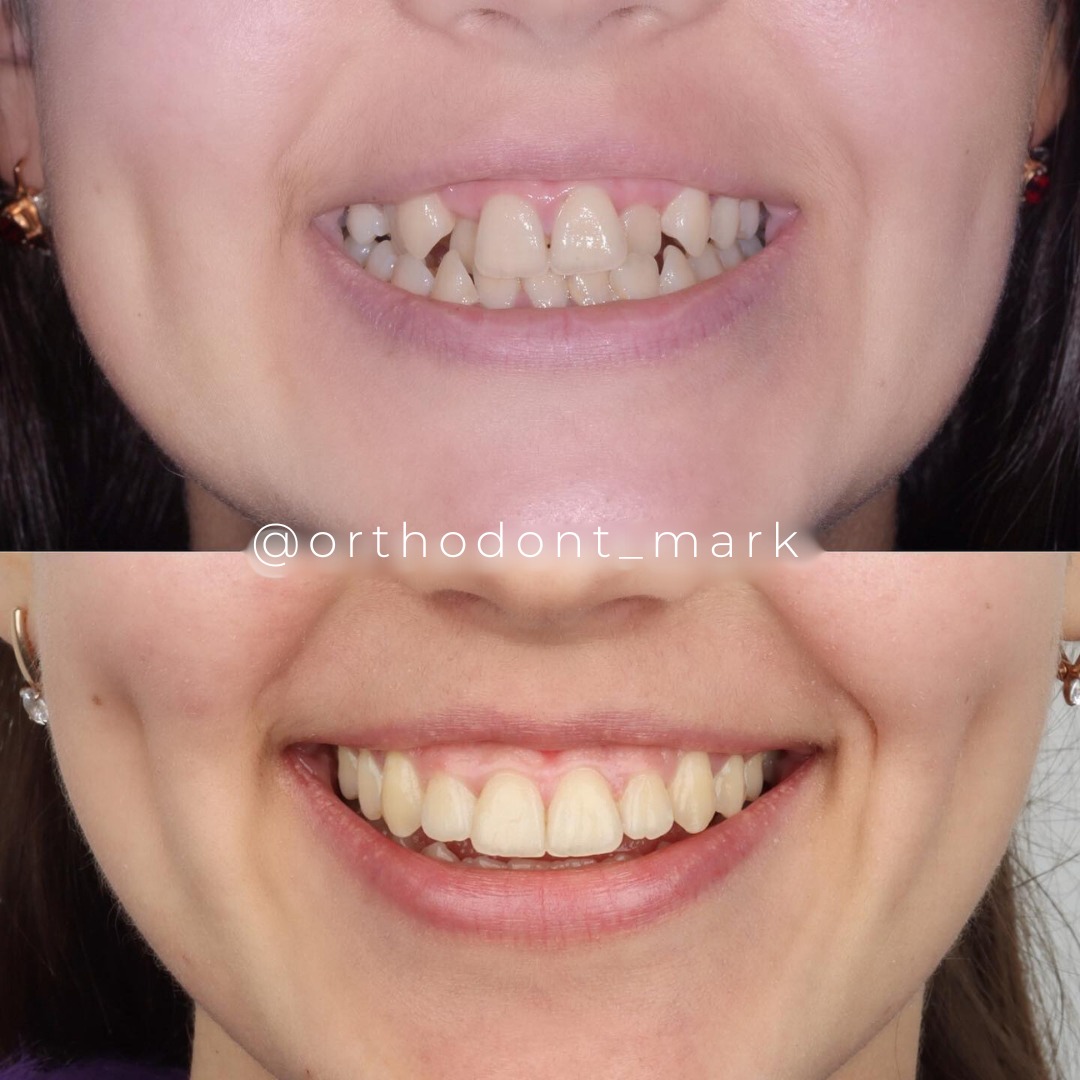
Learn the full MARPE protocol from Dr. Mark Radzhabov
Fundamental course covering CBCT patient selection, miniscrew planning, activation protocols, and 60+ clinical cases. Choose the access level that fits your practice.
Essentials of rapid palatal expansion for practicing orthodontists.
- Core RPE concepts and biomechanics
- 6 structured video lessons
- Clinical decision checklists
- Lifetime access to recordings
Deep-dive into MARPE protocol, diagnostics, and clinical execution.
- 6 modules covering MARPE from A to Z
- CBCT case selection walkthroughs
- Miniscrew placement and activation
- 60+ annotated clinical cases
- Direct Q&A with Dr. Mark Radzhabov
5-element medical consultation framework for dentists and orthodontists.
- Trust-building consultation protocol
- 5 lesson modules
- Templates for treatment plan delivery
- Works with any clinical specialty
Clinical FAQ
What is the optimal CBCT voxel size and FOV for MARPE miniscrew planning?
FOV 10–15 cm with voxel size 0.2–0.3 mm is standard. Larger voxels (>0.4 mm) blur miniscrew thread anatomy; smaller voxels increase radiation dose without clinical benefit. Verify that palate, maxilla, and lateral palatal walls are fully included in the scan to avoid replication artifacts during planning.
How far anterior to the greater palatine foramen should miniscrews be placed?
Minimum 8 mm anterior; 10 mm is safer. Measure foramen location on coronal CBCT at the level of the first molar. If uncertain of anatomy, place screws in the premolar region (5–7 mm anterior to suture) rather than risk greater palatine artery impingement.
What is the clinical difference between bone-borne maxillary expanders and hybrid MSE systems?
BAME: 83% skeletal, minimal dental tipping, best for thin buccal plates or compromised periodontium. MSE: 56% skeletal, greater dental buccal widening, better if additional alveolar expansion is desired. CBCT allows clinician to simulate both and choose based on patient anatomy.
How long should consolidation occur after MARPE expansion completion?
Minimum 6 months. Skeletal remodeling and suture fusion in adults require this timeline. T2 CBCT at 3 months confirms stability; if no relapse is evident, appliance removal and fixed retention may begin at 6 months without further imaging.
Can asymmetric midpalatal suture anatomy affect expansion outcomes?
Yes. Sutures wider anteriorly or posteriorly may cause canted expansion. Measure suture width at anterior, middle, and posterior levels on CBCT. If asymmetry >2 mm, plan asymmetric miniscrew positioning or prepare for micro-adjustments after initial T1 CBCT confirmation.
What are the activation rates (turns per day) for MARPE in typical rapid protocols?
Standard: 4 turns per day (1 mm/day) week 1, then 3 turns per day (0.75 mm/day) weeks 2–8 for total 8–12 weeks active expansion. Graduated activation allows bone remodeling. Slower protocols (1–2 turns per day) may be used if bone density is high or patient tolerance is limited.
How do I select between digital CAD/CAM appliance fabrication and traditional construction-bite MARPE?
Digital fabrication offers superior precision, reproducible screw positioning, and reduced chairside adjustments. Construction-bite methods are cheaper but require more clinical refinement. If CBCT planning is available, digital fabrication justifies the cost through reduced delivery chair time and improved stability.
What percentage of patients achieve midpalatal suture separation with MARPE?
CBCT-guided MARPE achieves 95% midpalatal suture separation, conventional RPE 90% (Chun et al. (2022), BMC Oral Health). The 5% difference reflects miniscrew-assisted rigidity and controlled expansion vector. Non-separation (<5%) warrants increased activation rate or evaluation for sutural fusion and patient maturity.
Should I order interim CBCT imaging during the active expansion phase?
Yes, at 4 weeks to confirm parallel suture separation. If expansion is asymmetric (one side >1.5 mm ahead), halt expansion and reassess miniscrew position. Routine consolidation CBCT is unnecessary unless clinical relapse is suspected—Dr. Mark Radzhabov recommends limiting radiation to T0, T1 (immediately post-expansion), and T2 (3 months post-expansion).
How does digital MARPE planning improve patient communication and consent?
3D visualization shows predicted skeletal expansion, expected timeline (8–12 weeks active + 6 months retention), and transverse width increase in millimeters. Patients understand outcomes better than 2D drawings, improving compliance and realistic expectations. Digital models can be printed or viewed on tablet for explicit informed consent.
The shift from 2D radiographs to 3D digital planning in MARPE represents a maturation of skeletal expansion therapy. By leveraging CBCT data, orthodontists gain unprecedented insight into skeletal versus dental contributions, allowing them to select between bone-borne, hybrid, or traditional miniscrew placement strategies with confidence. If you are preparing to integrate digital MARPE planning into your practice, consider scheduling a case review or consulting Dr. Mark Radzhabov's clinical protocols at ortodontmark.com to align your workflow with current evidence.