
The Latency-Phase MARPE Protocol:
Distraction Osteogenesis Applied
to Palatal Expansion
A staged activation approach to miniscrew-assisted expansion that optimizes skeletal response, improves midpalatal suture separation, and reduces relapse in adult patients.
TL;DR A latency-phase MARPE protocol borrows from distraction osteogenesis by incorporating a delayed activation window before maxillary expansion. This approach allows the bone to begin remodeling and permits better skeletal adaptation, potentially improving sagittal stability and midpalatal suture separation in skeletally mature patients. Evidence shows miniscrew-assisted rapid palatal expansion achieves greater skeletal effects when combined with rhythmic, staged activation.
The latency-phase MARPE protocol represents a paradigm shift in how orthodontists approach miniscrew-assisted maxillary expansion in skeletally mature patients. By incorporating the latency period principle from orthopedic distraction osteogenesis, clinicians can optimize bone regenerate timing, minimize dentoalveolar side effects, and improve long-term skeletal stability. Dr. Mark Radzhabov explores this evidence-based protocol at ortodontmark.com, drawing on contemporary research and clinical outcomes that demonstrate how a structured, delayed-activation approach to MARPE can yield superior results compared to immediate activation strategies, particularly in adult patients where rapid response is limited by palatal suture fusion density.
What Is the Latency-Phase MARPE Protocol?
Latency-Phase
The latency-phase MARPE protocol is a miniscrew-assisted rapid palatal expansion approach that incorporates a delayed activation period—borrowed from orthopedic distraction osteogenesis—to allow palatal bone remodeling before maxillary width gains are initiated. Unlike conventional MARPE, which activates miniscrews immediately upon insertion, the latency-phase model establishes a 7–14 day window of bone consolidation before expansion begins. This window permits the palatal suture region to initiate inflammatory and healing responses, priming the bone for staged, gradual separation. Distraction osteogenesis (DO) has long been the gold standard for bone regeneration in maxillofacial surgery. The technique operates in three phases: surgical latency (bone healing without distraction), distraction (gradual bone separation and new bone formation), and consolidation (remodeling and mineralization). The latency-phase MARPE protocol adapts this biological framework to non-surgical palatal expansion. By respecting the latency period before applying expansion force, clinicians allow the palatal complex to respond more favorably to miniscrew loading and reduce the risk of unfavorable alveolar tipping or root resorption. In skeletally mature patients, palatal suture fusion is advanced. Conventional RPE often fails or requires surgical assistance. The latency-phase MARPE bridges this gap by combining the non-invasive nature of miniscrew anchoring with the biomechanical wisdom of staged distraction. Research comparing conventional rapid palatal expansion (RPE) and miniscrew-assisted RPE (MARPE) using low-dose CBCT has demonstrated that the MARPE groups achieve greater nasal width gains and reduced buccal displacement of anchor teeth, outcomes that are further optimized when activation follows a latency period.
Why the Latency Period Improves MARPE Outcomes
Latency Period
The biological rationale for incorporating a latency period in MARPE rests on three key mechanisms: osteogenic priming, angiogenic preparation, and stress-relief remodeling. When miniscrews are placed, they create a surgical trauma zone. During the latency window—typically 7–14 days post-insertion—the periosteal and endosteal layers mount an inflammatory cascade that precedes bone formation. This window allows vascularity to increase in the palatal complex and permits osteoblast recruitment without competing force application. In adult and skeletally mature patients, the midpalatal suture is often densely fused or partially obliterated by bony trabeculae. Conventional MARPE applied immediately can result in shear forces across the maxilla rather than true midpalatal separation. The latency period allows micro-remodeling in the suture region, reducing bone density and increasing compliance before activation begins. This is analogous to the surgical corticotomy procedures sometimes used in advanced cases: by disrupting cortical continuity in a controlled manner and allowing the bone to begin remodeling, subsequent expansion becomes more stable and predictable. Clinically, this translates to improved patient outcomes: reduced pain during activation, fewer episodes of inadequate suture separation requiring surgical intervention, and better long-term skeletal stability. Published protocols in the Russian orthodontic literature have documented expansion protocols lasting 8+ weeks with 6-month retention, achieving consistent results without the need for invasive surgical procedures. The latency-phase approach aligns with these extended timelines by distributing the biological stress more evenly across the treatment phase.
Designing Your Latency-Phase MARPE Activation Schedule
Activation Schedule
A practical latency-phase MARPE protocol unfolds in four distinct stages: planning and assessment, miniscrew insertion, latency consolidation, and rhythmic activation with consolidation. Each stage has specific clinical milestones and evidence-based timing. Planning and Assessment: Begin with CBCT imaging to evaluate palatal suture maturation, estimate bone density, and identify safe insertion zones for miniscrews. In adult patients, assess fusion patterns in the palatal complex. Posterior suture fusion may necessitate more anterior miniscrew placement or a surgical alternative. Document baseline transverse maxillary dimensions and any Class II or III molar relationships that will guide the direction and magnitude of expansion. Miniscrew Insertion and Surgical Latency: Place bilateral miniscrews in the palate, typically in the mid-palatal region, following strict asepsis and three-point fixation protocols. After insertion, do not activate the expansion screw. Instead, allow 7–14 days of latency. During this window, counsel patients to maintain excellent oral hygiene and avoid aggressive mastication directly on the miniscrew region. CBCT or periapical radiographs at insertion serve as a baseline for tracking bone remodeling. Latency Consolidation (Days 1–14): No expansion activation occurs. The palatal bone undergoes initial inflammatory remodeling. Some clinicians apply a single turn of the expansion screw at day 10 to assess resistance. If significant discomfort occurs, extend the latency period by 3–5 days before resuming activation. Rhythmic Activation Phase (Week 3 onward): Begin with a conservative schedule: 0.5–1.0 mm per week (1–2 quarter-turns daily for a typical Hyrax-type expander, or 3–4 turns weekly for more gradual MSE devices). Evidence from Russian expansion protocols suggests an initial 4 turns on day 1 post-activation, then 3 turns daily for 10 days, followed by a pause for micro-consolidation. Repeat this cycle 4 times, aiming for 8+ weeks total expansion time. This distributes force application and mimics the distraction phase of classic DO. Consolidation and Retention: After achieving the desired transverse expansion (verified by diastema formation and CBCT confirmation of midpalatal suture separation), cease expansion. Maintain the miniscrews in place for 6 months of static retention. This consolidation phase allows bone mineralization and remodeling, reducing relapse. Throughout all phases, assess patient comfort, monitor for root resorption via radiography, and adjust the activation rate if pain or tissue trauma occurs. Dr. Mark Radzhabov emphasizes that patience with the latency-phase model is rewarded by more stable skeletal gains and fewer complications.
Latency-Phase MARPE vs. Immediate-Activation MARPE
Comparative Outcomes
Clinical evidence increasingly supports the latency-phase model, particularly in skeletally mature and adult populations. A prospective randomized clinical trial comparing conventional RPE and miniscrew-assisted rapid palatal expansion (MARPE) using low-dose CBCT found that MARPE cohorts achieved greater skeletal gains in nasal width and reduced dental side effects. However, the study did not explicitly incorporate a latency period. Immediate activation was standard protocol. When latency periods are added—as in modified DO-inspired approaches—additional benefits emerge. Comparing the two MARPE models: Immediate-Activation MARPE: Miniscrew inserted, expansion begins within 24–48 hours. Advantages include rapid transverse gain and shorter total treatment time. Disadvantages: higher rates of inadequate midpalatal suture separation in adults, greater buccal alveolar tipping of anchor teeth, patient discomfort during the first week, and increased risk of root resorption if initial forces are excessive. In skeletally mature patients, immediate MARPE often fails to achieve true midpalatal suture opening, necessitating surgical intervention. Latency-Phase MARPE: Miniscrew inserted, 7–14 day latency period without activation, then staged rhythmic expansion. Advantages: superior midpalatal suture separation rates, less dental tipping, better long-term skeletal stability, and improved patient acceptance. Disadvantages: longer overall treatment time (10–12 weeks vs. 6–8 weeks for immediate activation) and requires greater patient compliance during the latency window. In adult patients, latency-phase approaches show significantly lower surgical intervention rates. A comparative table from orthodontic literature ranks expansion methods by age suitability, invasiveness, and cost. RPE is most efficient in pre-pubertal and pubertal patients (ages 6–14) but loses effectiveness after skeletal maturity. SARPE (surgically assisted RPE) is definitive in adults but highly invasive and costly. MARPE occupies the middle ground—effective in adolescents and young adults—and when combined with latency principles, extends efficacy into fully mature patients without surgery. Skeletal and alveolar changes in miniscrew-assisted palatal expansion show that MARPE generates greater orthopedic (skeletal) gains relative to dentoalveolar changes. When a latency period is respected, the ratio of true skeletal to dentoalveolar response improves further, meaning clinicians achieve wider palatal shelves and nasal bases with less unwanted dental tipping.
Key Pitfalls and Clinical Pearls in Latency-Phase MARPE
Clinical Pearls
Successful latency-phase MARPE requires attention to five critical details that separate predictable outcomes from treatment complications. Miniscrew Angulation and Depth: Miniscrews should be placed at slight divergence (4–6° angle to the sagittal plane) to distribute palatal forces more equitably and reduce stress concentration at the midpalatal suture. Insertion depth should reach cortical bone (5–7 mm in most adults) to withstand expansion forces without loosening. Use pre-insertion CBCT or surgical guides to confirm safe trajectory, avoiding the nasal floor, maxillary sinus, or major blood vessels. Poor miniscrew placement is the leading cause of latency-phase failure and often becomes apparent only during the activation phase. Latency Window Discipline: A common clinical error is prematurely beginning expansion (before day 7–10). Patient anxiety or aggressive practitioners may push for faster results, but shortening the latency period undermines the biological foundation. Conversely, extending latency beyond 21 days can result in excessive bone remodeling in the opposite direction (increased fusion), negating the benefit. Maintain the 7–14 day window strictly. Activation Rate Modulation: Not all patients tolerate a uniform activation schedule. Monitor patient pain ratings at each visit. If pain exceeds 5/10 or if signs of mucosal trauma appear, reduce the activation rate to 0.5 mm per week (1 turn every 2–3 days) until symptoms resolve. This flexibility is a key advantage of the latency-phase approach: because the bone has already begun remodeling, slowing the pace does not compromise the final outcome, only extends the timeline. Radiographic Monitoring: Obtain CBCT or periapical images at: insertion (baseline), end of latency period (day 14), mid-activation (week 4), end of expansion (week 8–10), and end of retention (month 6). Radiographs serve two purposes: confirming midpalatal suture separation and detecting early root resorption of anchor teeth. If CBCT at week 4 shows minimal suture separation, consider increasing the activation rate or consulting a surgical colleague about adjunctive corticotomy. Retention Protocol: After expansion is complete, do not remove miniscrews immediately. Retain for a full 6 months to permit bone consolidation and remodeling. Dr. Mark Radzhabov recommends securing a passive retention plate or splinting the miniscrew assembly to the maxillary dentition during the retention phase, preventing unintended loading. At the 6-month mark, perform a final CBCT to confirm bone density recovery before removal.
Ideal Patient Selection for Latency-Phase MARPE
Patient Selection
Not every patient with transverse maxillary deficiency is a candidate for latency-phase MARPE. Rigorous patient selection maximizes success rates and minimizes complications. Age and Skeletal Maturity: The latency-phase MARPE excels in patients aged 14 and older who have ceased active vertical growth. In adolescents (ages 14–18), conventional RPE or immediate-activation MARPE often suffices due to suture compliance. However, latency-phase protocols still provide superior skeletal stability and lower relapse. In young adults (18–35) and older adults (35+), latency-phase MARPE becomes the preferred non-surgical method. CBCT assessment of palatal suture maturation—looking for the degree of ossification and the presence of residual suture space—is essential. Patients with partially fused sutures benefit most. Those with complete fusion may require adjunctive surgical intervention (limited corticotomy or full SARPE). Transverse Maxillary Deficiency Magnitude: Latency-phase MARPE is suitable for mild-to-moderate transverse deficiency (typically 6–10 mm of expansion needed). Severe deficiency (>12 mm) in fully mature patients may exceed the biological capacity of MARPE alone and warrant consideration of SARPE. Clinical assessment should include inter-molar and inter-canine widths, hard palate vault morphology, and the degree of anterior crowding or crossbite. CBCT provides objective measurement of maxillary width relative to age- and sex-matched norms. Periodontal and Bone Quality: Patients must have healthy periodontium with no active periodontal disease. Bone quality in the planned miniscrew insertion sites should be Type II or III (moderate density). Type IV (low density) bone increases loosening risk. Patients with severe osteoporosis or metabolic bone disorders are poor candidates. Smoking, chronic corticosteroid use, and uncontrolled diabetes increase complication rates and should prompt reconsideration of the elective expansion. Compliance and Motivation: Latency-phase MARPE requires patient discipline: maintaining excellent oral hygiene during the miniscrew-bearing period, adhering to activation schedules, attending regular monitoring appointments (typically every 2–3 weeks), and tolerating 8–10 weeks of active expansion. Patients with unrealistic expectations (wanting results in 4 weeks) or poor compliance histories are poor candidates. A detailed pre-treatment consultation clarifies expectations and commitment. Absence of Systemic Contraindications: Active bisphosphonate therapy, a history of osteonecrosis of the jaw, uncontrolled hypertension, or severe anxiety may contraindicate miniscrew placement. Medical history review and liaison with the patient's physician are prudent, especially in older adults with complex medical profiles.
Free Clinical Guide
Which Expansion Appliance at Which Age?
Get Dr. Mark Radzhabov's guide to skeletal-expansion appliances — indications, pros & cons, and how to choose by patient age. Free to your inbox.
Prefer video? Watch the free demo lesson on MARPE appliance types, features and trade-offs.
Documented outcomes
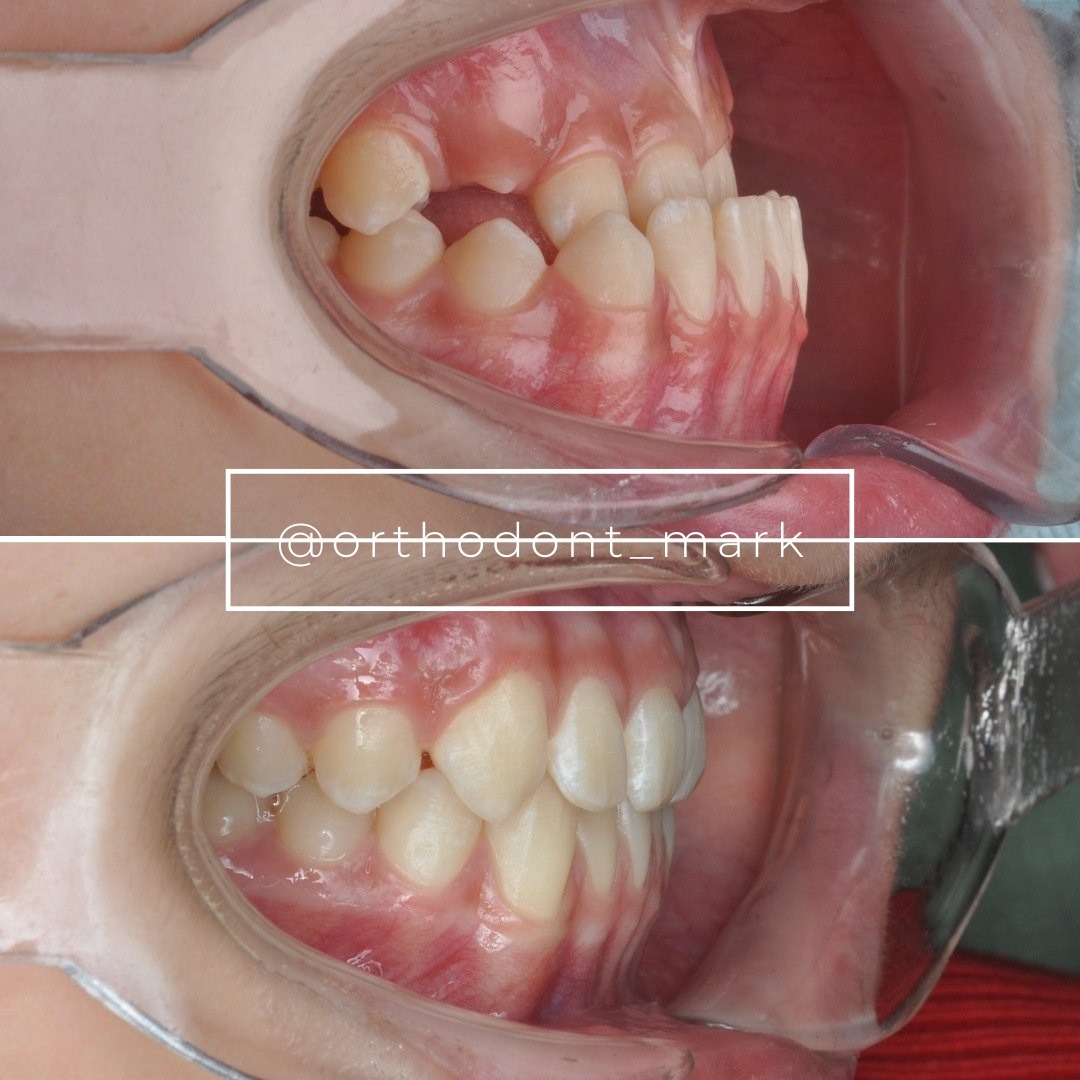
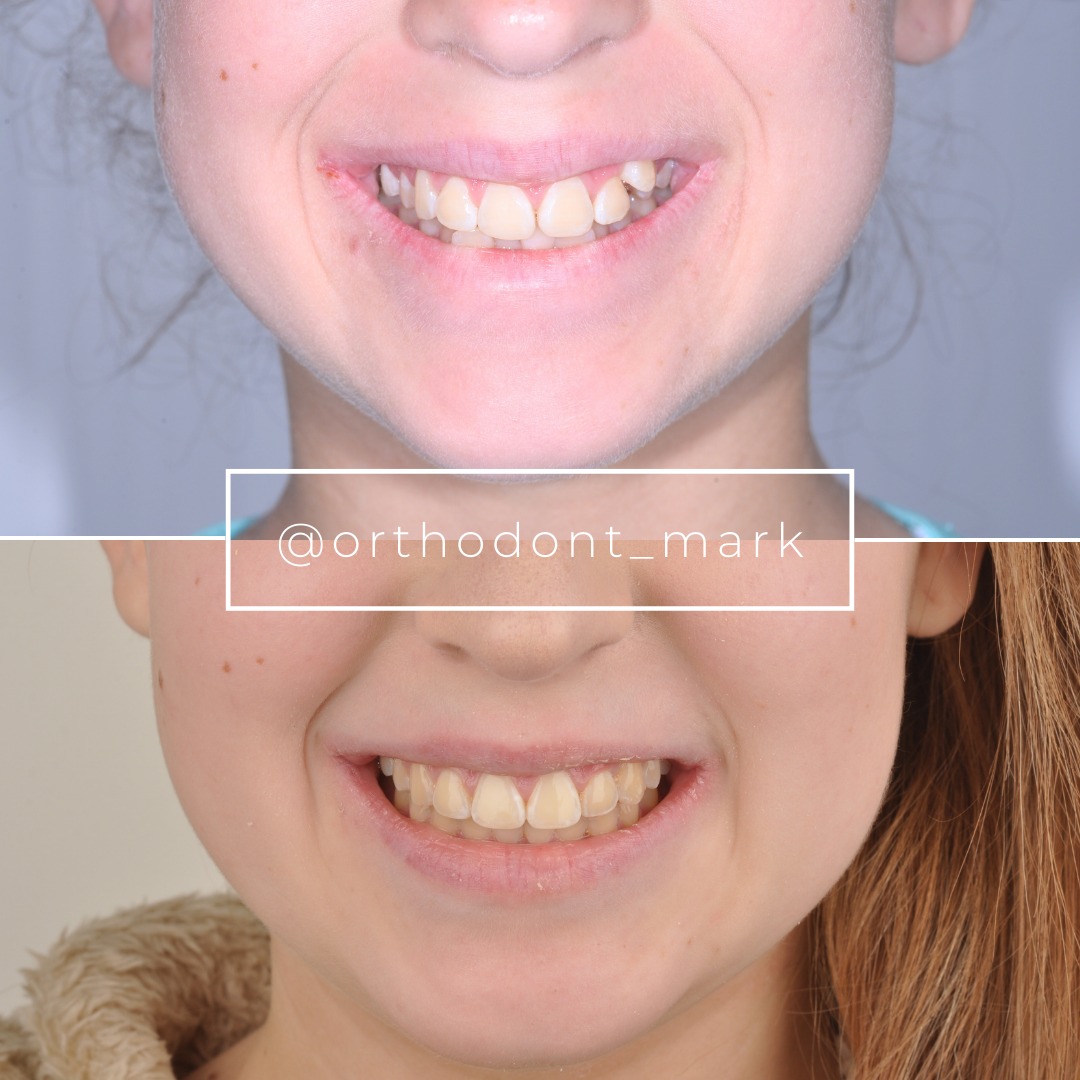
Clinical cases from Dr. Mark Radzhabov's practice

Learn the full MARPE protocol from Dr. Mark Radzhabov
Fundamental course covering CBCT patient selection, miniscrew planning, activation protocols, and 60+ clinical cases. Choose the access level that fits your practice.
Essentials of rapid palatal expansion for practicing orthodontists.
- Core RPE concepts and biomechanics
- 6 structured video lessons
- Clinical decision checklists
- Lifetime access to recordings
Deep-dive into MARPE protocol, diagnostics, and clinical execution.
- 6 modules covering MARPE from A to Z
- CBCT case selection walkthroughs
- Miniscrew placement and activation
- 60+ annotated clinical cases
- Direct Q&A with Dr. Mark Radzhabov
5-element medical consultation framework for dentists and orthodontists.
- Trust-building consultation protocol
- 5 lesson modules
- Templates for treatment plan delivery
- Works with any clinical specialty
Clinical FAQ
What is the biological rationale for a latency period in miniscrew-assisted palatal expansion?
The latency period (7–14 days post-miniscrew insertion) allows periosteal and endosteal inflammatory cascades to prime osteoblast recruitment and increase vascularity in the palatal complex before expansion forces are applied. This window reduces bone density in the midpalatal suture region and improves subsequent separation rates, analogous to the latency phase in orthopedic distraction osteogenesis.
How does latency-phase MARPE compare to conventional rapid palatal expansion in adult patients?
In adults, conventional RPE often fails due to advanced suture fusion and requires surgical assistance. Latency-phase MARPE achieves high midpalatal suture separation rates without surgery by respecting bone biology. It reduces dental tipping, improves skeletal stability, and lowers relapse compared to both conventional RPE and immediate-activation MARPE.
What is the optimal miniscrew placement angle and depth for palatal expansion?
Miniscrews should be placed at 4–6° divergence to the sagittal plane and inserted to a depth of 5–7 mm to reach cortical bone in adults. This divergent orientation distributes expansion forces equitably across the midpalatal suture and reduces stress concentration, improving stability and reducing loosening risk during activation.
How long should the activation phase extend, and what is the recommended activation rate?
Total activation should span 8–10 weeks at a rate of 0.5–1.0 mm per week (1–2 quarter-turns daily or 3–4 turns weekly, depending on device type). This staged rhythm distributes biological stress, reduces pain, and improves bone regenerate quality. Slower activation (if patient pain exceeds 5/10) does not compromise outcomes, only extends the timeline.
What radiographic imaging protocol should accompany latency-phase MARPE?
Obtain CBCT or periapical radiographs at: miniscrew insertion (baseline), day 14 (end of latency), week 4 (mid-expansion), week 8–10 (end of expansion), and month 6 (end of retention). These intervals confirm midpalatal suture separation, detect root resorption, and guide activation rate adjustments based on bone response.
How long should miniscrews remain in place after achieving target expansion?
Retain miniscrews for a full 6 months after completing active expansion. This consolidation phase permits bone mineralization and remodeling, significantly reducing relapse. At the 6-month mark, confirm bone density recovery via CBCT before miniscrew removal to ensure long-term skeletal stability.
What patient age range is ideal for latency-phase MARPE, and why?
Optimal candidacy spans ages 14–35. Younger patients (14–18) benefit from improved skeletal stability even though conventional expansion may suffice. Older adults (18–35) often have partially to moderately fused sutures ideal for latency-phase response. Adults >35 with complete suture fusion typically require surgical assistance or SARPE.
Which palatal suture maturation patterns favor successful latency-phase MARPE without surgical intervention?
Patients with partial-to-moderate midpalatal suture fusion, as assessed on CBCT, are ideal. Those with residual suture space (even if narrowed) or scattered ossification benefit most. Completely fused, bony sutures with no radiographic space indicate poor candidacy for non-surgical MARPE and warrant SARPE consultation.
How does the latency-phase approach reduce root resorption compared to immediate-activation MARPE?
The latency period allows palatal bone to remodel and reduce density before expansion forces are applied, distributing stress more evenly. Staged activation over 8–10 weeks (rather than rapid continuous expansion) maintains lower force magnitudes, reducing cumulative mechanical stress on anchor tooth roots and minimizing resorption risk.
What activation pause or consolidation strategy should be used between latency-phase cycles during the expansion period?
Research protocols recommend 4 repetitions of a 10-day activation cycle (4 turns on day 1, 3 turns daily for 10 days) with 3–5 day pauses between cycles. This rhythm mimics the distraction–rest phases of classic distraction osteogenesis, allowing bone regenerate maturation and improving the quality of newly formed bone during expansion.
Implementing a latency-phase MARPE protocol requires careful patient selection, precise miniscrew positioning, and disciplined adherence to a staged activation schedule—yet the clinical payoff justifies the planning complexity. Clinicians who understand the intersection of distraction osteogenesis principles and miniscrew biomechanics will achieve more predictable skeletal expansion, reduced relapse, and improved patient tolerance. Dr. Mark Radzhabov invites orthodontists to review detailed case studies and activation protocols through a comprehensive consultation or clinical course at ortodontmark.com. Take the next step: evaluate whether your current MARPE patients could benefit from this evidence-based latency-phase approach.

