
Reading Expansion Resistance
to Map Suture Fusion
A diagnostic protocol for skeletal expansion assessment
Learn how miniscrew-assisted rapid palatal expansion resistance patterns reveal suture maturity stage, predict skeletal response, and guide clinical decision-making in adult patients.
TL;DR Expansion resistance during MARPE activation serves as a diagnostic marker of midpalatal suture fusion stage. As activation progresses, resistance changes indicate whether the suture is opening (decreasing force) or remains fused (sustained or increasing force). Monitoring this feedback helps clinicians predict skeletal response and distinguish between cases suitable for continued orthodontic expansion versus those requiring surgical intervention.
The midpalatal suture resistance pattern during miniscrew-assisted rapid palatal expansion reveals critical information about skeletal maturity and fusion status that cannot be fully predicted by age or radiographic imaging alone. As Orthodontist Mark demonstrates in his clinical framework, the expander itself becomes a diagnostic instrument—one that provides real-time feedback about suture mobility, bone density, and the likelihood of achieving true skeletal expansion. This article explores how clinicians can systematically interpret resistance feedback during MARPE activation, map the stages of suture fusion through force-response monitoring, and make evidence-based decisions about treatment progression, force magnitude, and the need for surgical adjuncts. Understanding this diagnostic application transforms activation from a mechanical protocol into a precision assessment tool.
What Is Expansion Resistance
and Why It Matters
in Adult Cases
Expansion resistance during MARPE activation is the mechanical force and compliance feedback encountered as the appliance opens the midpalatal suture. Unlike static radiographic assessment, which provides a single-point-in-time view of suture ossification, resistance monitoring is dynamic—it evolves as bone remodels, the suture begins to separate, or it remains fused. The resistance pattern serves as a real-time indicator of suture maturity and skeletal constraint.
In skeletally immature patients (typically pre-pubertal or early pubertal), the midpalatal suture offers minimal resistance because it consists primarily of fibrous tissue and cartilage. Activation feels smooth. Force required is low. And the expander responds with visible spacing between maxillary incisors within days. In contrast, skeletally mature patients—particularly those in whom the suture has begun ossification—present markedly higher resistance. The activation becomes stiffer, the expander travels slower, and spacing may be delayed or absent, signaling that skeletal separation is incomplete or that the suture has achieved substantial bony union.
Clinical research emphasizes that individual variability in suture maturation is not directly age-dependent, particularly in young adults. A 22-year-old may have a fully patent suture, while another may show significant ossification at age 19. This variability is precisely why diagnostic resistance reading—rather than age-based protocols alone—is essential for precision orthodontics. By monitoring how the expander responds during the first few days and weeks of activation, clinicians gain actionable evidence about whether that specific patient's suture is likely to open and whether skeletal expansion is feasible.
How to Read Resistance Patterns
Throughout Activation
and Predict Skeletal Response
Systematic resistance reading begins at the first activation and continues throughout the expansion phase. Dr. Mark Radzhabov's clinical framework divides this monitoring into three distinct stages: initial engagement, active opening, and stabilization. At each stage, the resistance profile carries diagnostic meaning.
Initial Engagement (Days 1–3): When the first expansion turns are applied, note the ease or difficulty of the activation. A smooth turn with minimal resistance and tactile feedback suggests a patent, fibrocartilaginous suture with high skeletal capacity. Conversely, a stiff turn, difficulty in screw rotation, or visible discomfort reported by the patient (beyond normal pressure sensations) may indicate suture ossification or high bone density. Within 48–72 hours, a diastema should begin to appear in patients with open sutures. Its absence—despite multiple turns—is the first diagnostic red flag suggesting incomplete skeletal opening.
Active Opening (Weeks 1–4): As expansion continues, monitor the resistance trajectory. In favorable cases, resistance typically decreases slightly as the suture begins to separate and bone remodels, allowing easier screw turns and faster skeletal movement. The diastema widens progressively. In contrast, sustained or increasing resistance—with minimal diastema widening despite continued activation—indicates that the suture is not opening as expected. The appliance may be meeting bone-to-bone resistance rather than fibrocartilaginous compliance. At this point, a diagnostic cone-beam computed tomography (CBCT) or periapical radiograph can confirm whether the suture is actually separating at the interdentalspace, validating the clinical resistance reading.
Stabilization and Post-Activation Assessment (Weeks 4–12): Once target expansion is achieved, resistance patterns shift. In successful cases, the expander becomes increasingly stable. Force required for final turns decreases further. And tissue remodeling is evident on follow-up imaging. If resistance remains high and skeletal opening is limited, the case may be candidates for modified force protocols, surgical adjuncts, or transition to fixed appliances for dentoalveolar compensation. This three-stage resistance model aligns with evidence on bicortical TAD fixation, which—as clinical data supports—enhances stability and promotes parallel midpalatal suture opening compared to monocortical designs.
Factors That Influence Expansion
Resistance and Force Response
Expansion resistance is not determined by suture fusion status alone. Several biomechanical and anatomical variables modulate the force-response relationship and must be considered during diagnostic interpretation.
TAD Fixation Type and Depth: Bicortical fixation (engaging both palatal and nasal cortical bone) provides superior stability and distributes force more evenly across the midpalatal suture, resulting in lower and more predictable resistance. Monocortical fixation (palatal cortex only) concentrates force, increasing localized stress and often producing higher resistance feedback. Additionally, deeper TAD placement inversely correlates with resistance magnitude—deeper screws encounter less cantilever stress and transmit force more efficiently through bone, reducing the apparent resistance during activation. Clinicians should standardize TAD placement to depth to allow valid resistance comparisons across cases.
Screw Diameter and Material: Stainless steel miniscrews are mechanically stiffer than titanium alloys and may produce higher resistance feedback during activation. On the maxilla, where bone density in the palatal region is high, titanium screws are typically preferred to reduce patient discomfort and allow smoother activation. Force transmission is more efficient in smaller-diameter, deeply placed screws, which can counterintuitively reduce perceived resistance despite equivalent skeletal loading.
Skeletal Maturity and Bone Density: The primary determinant of resistance is the maturation stage of the midpalatal suture and surrounding palatal bone density. Skeletally mature patients with ossified sutures and dense cortical bone exhibit significantly higher resistance. Conversely, patients in active growth phases show minimal resistance. Individual bone density variation—independent of age—also affects feedback. A 25-year-old with dense palatal bone and an early-fused suture may show resistance equivalent to a 35-year-old, while another 25-year-old with patent suture and lower bone density may show minimal resistance.
These variables collectively mean that resistance feedback must be interpreted contextually, integrating activation ease, diastema timing, imaging confirmation, and patient age and growth status. Resistance alone is not a definitive diagnostic test, but it is a sensitive real-time indicator that, combined with clinical observation and radiographic validation, enables precise skeletal status assessment.
Diagnostic Activation Protocol:
Translating Resistance
into Clinical Action
A systematic diagnostic activation protocol allows clinicians to move beyond trial-and-error force protocols and instead match treatment intensity to individual skeletal capacity. The protocol consists of a structured 4-week observation and assessment window.
Week 1–2: Baseline Resistance Assessment. Apply standard activation (typically 0.25–0.5 mm per day, twice daily) and document: ease of screw rotation (smooth, moderate, or stiff), patient-reported discomfort level (pressure vs. sharp pain), and diastema appearance. A smooth turn with visible diastema by day 3 confirms skeletal opening and licenses continuation. A stiff turn with delayed or absent diastema warrants CBCT imaging to assess suture separation radiographically.
Week 2–4: Response Monitoring and Threshold Testing. In cases showing initial skeletal response, continue standard activation and monitor the resistance trajectory. Decreasing resistance with progressive diastema indicates a favorable case. Continue at current force. In cases with high initial resistance or delayed response, consider diagnostic imaging. If CBCT confirms suture separation despite high resistance, the skeletal response is occurring—continue cautiously. If imaging shows minimal separation despite multiple turns, pivot to either: (a) reduced activation frequency (once daily instead of twice); (b) surgical consultation for SARME (surgically assisted rapid maxillary expansion). Or (c) transition to dentoalveolar compensation with fixed appliances.
Weeks 4–12: Consolidation and Outcome Validation. Once target expansion is achieved, assess final resistance, suture separation width on imaging, and skeletal outcomes (maxillary width gain, molar width, vertical changes). Compare actual skeletal gain to predicted values based on early resistance patterns. High-responder cases (low initial resistance, progressive diastema, decreasing force over time) typically achieve 90–100% of planned expansion. Low-responder cases (high initial resistance, minimal diastema, sustained force) often achieve 50–70% skeletal gain, with remaining expansion being dentoalveolar.
This protocol-driven approach enables early identification of non-responders, reduces prolonged force application in cases unlikely to succeed with MARPE alone, and supports informed discussion with patients about realistic outcomes and the potential role of surgical adjuncts. Orthodontist Mark's clinical framework emphasizes that the first two weeks of activation provide the most diagnostic signal, making early, aggressive monitoring essential for precision treatment planning.
Common Misinterpretations
of Resistance Feedback
and Evidence-Based Alternatives
Resistance-reading methodology is increasingly evidence-based, yet clinical pitfalls remain common. Recognizing them improves diagnostic accuracy.
Pitfall 1: Equating High Resistance with Treatment Failure. High resistance does not automatically mean skeletal expansion is impossible. Factors such as TAD depth, fixation type, bone density, and screw diameter independently modulate resistance without precluding skeletal opening. A 40-year-old with dense palatal bone and bicortical fixation may present high resistance yet still achieve meaningful skeletal expansion if the suture is patent. Conversely, a patient with lower resistance due to monocortical fixation and shallow placement may show poor skeletal response despite easier activation. The diagnostic question is not “Is resistance high?” but “Is skeletal opening occurring despite resistance?” Answer this through imaging, not force feedback alone.
Pitfall 2: Ignoring Diastema Timing as a Critical Diagnostic Marker. The appearance of a maxillary incisor diastema within 72 hours is the single most reliable early indicator of active skeletal suture opening. Absence of diastema by day 7, despite multiple activation turns, is a strong diagnostic red flag—more reliable than resistance magnitude alone. Some clinicians continue activation indefinitely, hoping for delayed diastema opening. Evidence suggests that if skeletal separation is not evident within the first 2 weeks, continued conventional MARPE activation is unlikely to produce meaningful skeletal gain. Early imaging and consideration of alternative approaches is more evidence-aligned.
Pitfall 3: Neglecting Bicortical Fixation as a Diagnostic Tool. Bicortical TAD placement enhances skeletal opening and reduces resistance variability, making resistance feedback more interpretable. Monocortical fixation introduces high baseline resistance that can obscure true skeletal response, making it a poor diagnostic choice in uncertain cases. If resistance feedback is clinically ambiguous, optimizing TAD fixation design (bicortical, appropriate depth) and repeating the assessment is more evidence-based than continuing with suboptimal biomechanics.
Pitfall 4: Confusing Skeletal Expansion Resistance with Patient Discomfort. Patient-reported pain or discomfort during activation is influenced by anesthesia diffusion, individual pain threshold, and activation frequency—not solely by skeletal resistance. Some patients with low skeletal resistance report significant discomfort (especially with bicortical placement in the nasal region, where anesthesia is limited). Others with high skeletal resistance tolerate activation well. Discomfort is a valid clinical signal to adjust activation frequency or consider sedation, but it is not a reliable diagnostic proxy for skeletal constraint. Use mechanical resistance (ease of screw turns) and skeletal signs (diastema, imaging) as primary diagnostics.
Resistance Feedback in the Context
of Suture Maturity Staging
and Treatment Decision-Making
Resistance reading achieves maximum diagnostic value when integrated with radiographic suture assessment and skeletal maturity indicators. A multi-modal diagnostic approach combines three data streams: clinical resistance patterns, radiographic suture morphology, and skeletal maturity markers.
Clinical Resistance Data: Low, decreasing resistance + visible diastema by day 3 = skeletal opening likely. High, sustained resistance + absent or delayed diastema = skeletal opening uncertain or limited. This provides immediate, real-time signal.
Radiographic Suture Maturity: Cone-beam CBCT imaging taken at baseline and at 2–4 weeks reveals the stage of midpalatal suture ossification (fibrocartilaginous, partially ossified, or advanced ossification) and confirms whether the suture is actually separating at the level of the imaging slice. Evidence shows that individual maturation is not age-correlated. Thus, baseline CBCT is essential for patients in the young-adult range (18–30 years) where suture variability is highest. A patient with a radiographically open, fibrocartilaginous suture but high resistance feedback may be a candidate for increased force or verification of TAD placement. Conversely, a patient with partial ossification on CBCT but low clinical resistance may represent an early responder with favorable skeletal capacity.
Skeletal Maturity Markers: In addition to suture imaging, assess cervical vertebral maturation (CVM) stage, hand-wrist maturity if available, or age-specific growth prediction models. Patients in CVM stages 5–6 or beyond age 17–18 are considered skeletally mature, but individual ossification timing varies widely. Integrating CVM stage with suture maturity and resistance feedback provides the most complete picture. A CVM-5 patient with a radiographically open suture and low activation resistance is an excellent candidate for MARPE. A CVM-6 patient with partial ossification and high resistance warrants careful consideration of surgical adjuncts.
Treatment Decision Thresholds: Based on integration of these three data streams, clinicians can establish evidence-aligned decision points: (a) continue MARPE at standard force if resistance is low, diastema appears by day 3, and CBCT confirms suture opening; (b) consider modified MARPE (reduced frequency, optimized TAD placement, or increased force) if resistance is high but CBCT shows patent suture and diastema is emerging; (c) pivot to SARME or dentoalveolar compensation if resistance is high, CBCT shows ossified suture, and diastema is absent by week 2. This decision tree, implemented early (by week 2–4 of activation), prevents prolonged ineffective treatment and supports informed patient counseling about realistic outcomes and timeline.
Free Clinical Guide
Which Expansion Appliance at Which Age?
Get Dr. Mark Radzhabov's guide to skeletal-expansion appliances — indications, pros & cons, and how to choose by patient age. Free to your inbox.
Prefer video? Watch the free demo lesson on MARPE appliance types, features and trade-offs.
Documented outcomes
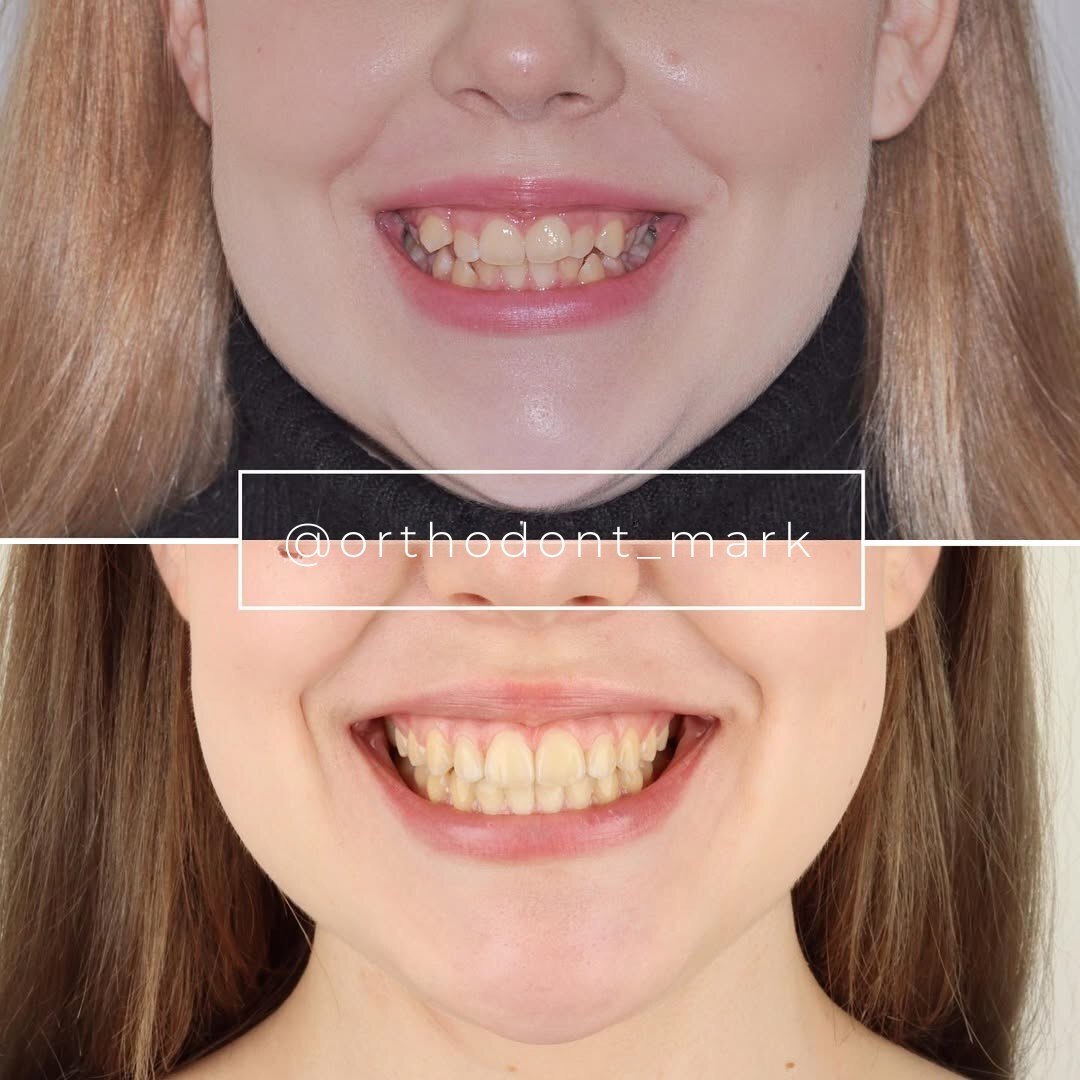
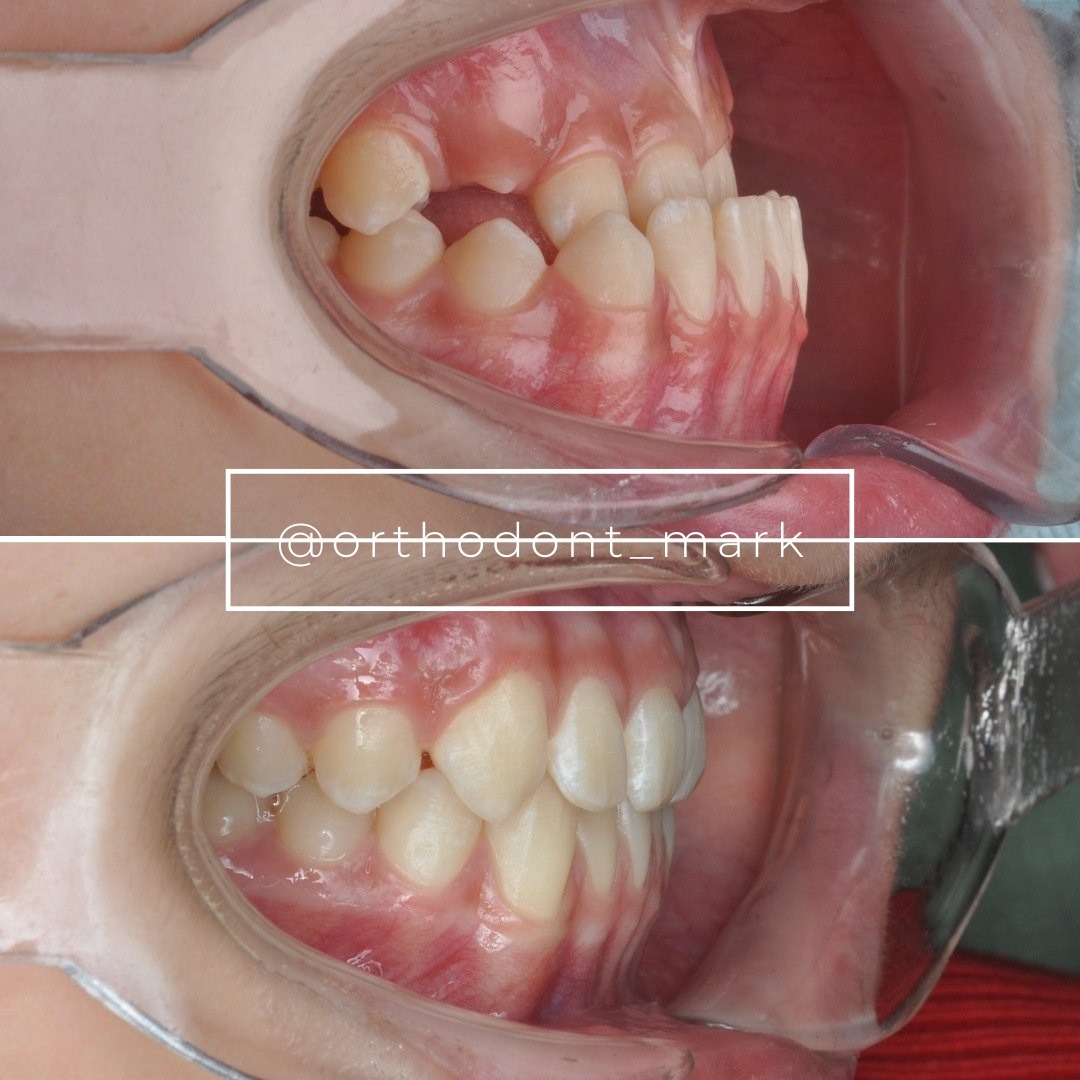
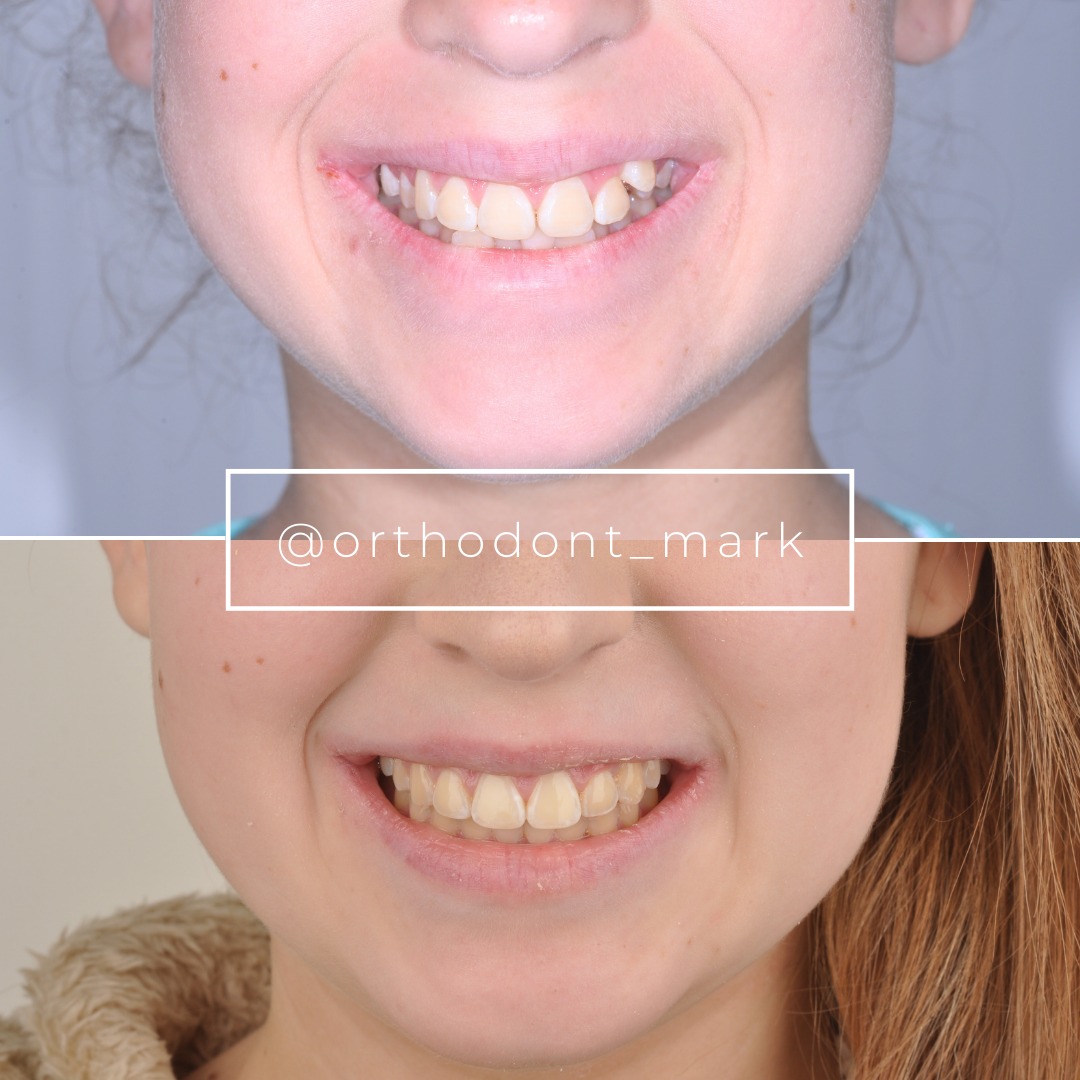
Clinical cases from Dr. Mark Radzhabov's practice
Learn the full MARPE protocol from Dr. Mark Radzhabov
Fundamental course covering CBCT patient selection, miniscrew planning, activation protocols, and 60+ clinical cases. Choose the access level that fits your practice.
Essentials of rapid palatal expansion for practicing orthodontists.
- Core RPE concepts and biomechanics
- 6 structured video lessons
- Clinical decision checklists
- Lifetime access to recordings
Deep-dive into MARPE protocol, diagnostics, and clinical execution.
- 6 modules covering MARPE from A to Z
- CBCT case selection walkthroughs
- Miniscrew placement and activation
- 60+ annotated clinical cases
- Direct Q&A with Dr. Mark Radzhabov
5-element medical consultation framework for dentists and orthodontists.
- Trust-building consultation protocol
- 5 lesson modules
- Templates for treatment plan delivery
- Works with any clinical specialty
Clinical FAQ
What does smooth, decreasing expansion resistance indicate about midpalatal suture maturity?
Smooth, progressively easier activation with decreasing force feedback indicates a patent, fibrocartilaginous suture with high skeletal capacity. This pattern, especially if accompanied by visible diastema within 72 hours, strongly predicts successful skeletal expansion and favorable MARPE response.
How do I distinguish between high resistance caused by bone density versus suture ossification?
Assess diastema appearance and CBCT imaging. High resistance with visible diastema and evidence of suture separation on imaging indicates high bone density but patent suture—skeletal opening is occurring. High resistance without diastema and radiographic evidence of ossification indicates suture fusion, not density alone.
Why is diastema timing more diagnostic than activation force alone?
Diastema appearance within 72 hours is the earliest clinical sign of active skeletal suture opening, independent of resistance magnitude. Force feedback depends on TAD design, depth, and bone density. Diastema is a direct indicator of skeletal response. Absence of diastema by day 7 despite activation is a stronger red flag than high resistance.
What is the clinical difference between bicortical and monocortical TAD fixation in terms of resistance feedback?
Bicortical fixation engages both palatal and nasal cortical bone, enhancing stability and distributing force more evenly, typically resulting in lower and more predictable resistance. Monocortical fixation concentrates force on the palatal cortex, producing higher resistance and more variable feedback, making diagnostic interpretation less reliable.
Can a patient with high expansion resistance still achieve successful skeletal opening?
Yes. High resistance does not preclude skeletal opening if the suture is patent and skeletal response is occurring (confirmed by diastema and CBCT). Resistance depends on TAD depth, diameter, material, and bone density. Validate skeletal opening through imaging. Do not rely on force feedback alone.
When should I consider switching from MARPE to surgical expansion based on resistance feedback?
If resistance is high, diastema is absent by day 7, and CBCT imaging confirms ossified suture or minimal separation by week 2–4, pivot to surgical consultation. Continuing conventional MARPE beyond this window is unlikely to produce meaningful skeletal gain and delays definitive treatment.
How does TAD insertion depth affect expansion resistance patterns?
Deeper TAD placement inversely correlates with resistance magnitude. Deeper screws encounter less cantilever stress and transmit force more efficiently through bone, reducing perceived resistance. Standardize depth across cases to allow valid resistance comparison and diagnostic interpretation.
What role does skeletal maturity staging play in interpreting expansion resistance?
Skeletal maturity (assessed via CVM, hand-wrist maturity, or CBCT suture imaging) predicts baseline resistance and response capacity. Skeletally immature patients show minimal resistance and high skeletal response. Mature patients show higher resistance and variable skeletal response. Integrate maturity staging with resistance feedback for complete diagnostic picture.
How should I document and track resistance changes throughout the activation phase?
Chart activation ease (smooth, moderate, stiff) at each turn, diastema width, and patient discomfort at each visit. Compare resistance trajectory: decreasing resistance indicates favorable skeletal opening. Sustained high resistance suggests limited skeletal response. This documentation supports treatment decisions and outcome prediction.
Is patient-reported discomfort during MARPE activation a reliable indicator of skeletal resistance or suture status?
No. Discomfort depends on anesthesia diffusion, individual pain threshold, and activation frequency—not skeletal constraint. Some patients with low skeletal resistance report high discomfort. Others with high skeletal resistance tolerate activation well. Use mechanical resistance and skeletal signs (diastema, imaging) as primary diagnostics, not patient pain reports.
Reading expansion resistance is not merely a technical skill—it is a cornerstone of evidence-based skeletal expansion practice. By systematically monitoring force feedback, resistance trajectory, and clinical signs of suture opening, orthodontists can confidently distinguish between patients who will benefit from continued MARPE activation and those who require surgical assistance or alternative approaches. Dr. Mark Radzhabov's clinical protocol emphasizes this diagnostic sensitivity as a means to individualize treatment and improve outcomes. If you are managing complex adult expansion cases or treating patients with uncertain skeletal maturity, consider scheduling a case review through Orthodontist Mark's consultation service or enrolling in the advanced MARPE diagnostic course to refine your resistance-reading methodology and expand your clinical capabilities.