
The Expander Library: Cataloguing 15
MARPE Designs by Force Profile
Evidence-based appliance selection for transverse maxillary correction
Comprehensive comparison of bone-borne, hybrid, and tooth-borne miniscrew expanders with clinically actionable force mechanics and skeletal response data.
TL;DR MARPE designs vary significantly in force profile, skeletal response, and dental side effects. Bone-borne expanders (BAME) deliver 83% skeletal expansion with minimal dental tipping, while hybrid designs (MSE) achieve 56% skeletal contribution and greater dentoalveolar change. Design selection should align with patient age, treatment timeline, and transverse deficiency magnitude.
Miniscrew-assisted rapid palatal expansion has transformed transverse maxillary correction across age groups, yet clinician selection between the 15+ available MARPE designs remains largely empirical. In this comprehensive catalog, Dr. Mark Radzhabov systematizes these appliances by force profile—anchoring strategy, screw configuration, and load delivery—with evidence from comparative CBCT studies showing measurable differences in skeletal versus dentoalveolar response. This reference is designed for practicing orthodontists and residents who need a decision tree: which design maximizes midpalatal split without surgical intervention, which minimizes unwanted dental tipping, and which suits adult versus adolescent patients.
Understanding MARPE Force Profiles
force delivery
and skeletal response
A MARPE design's force profile determines the ratio of skeletal expansion to dental tipping—a distinction with profound clinical implications. Pure bone-borne appliances (BAME) anchor exclusively to palatal miniscrews, producing greater nasal widening and midpalatal suture separation while minimizing buccal dental displacement. Hybrid designs (MSE, BENEfit systems) combine screw anchorage with tooth contact, increasing dentoalveolar involvement but offering easier patient tolerance and simpler fabrication. Traditional tooth-borne Hyrax variants, when supported by miniscrews, occupy a middle ground: moderate skeletal gains with predictable dental response. Understanding these biomechanical differences is essential for case selection. A prospective randomized clinical trial comparing RPE and MARPE groups found that MARPE achieved greater nasal width at the molar region and greater palatine foramen widening, with less buccal anchor tooth displacement than conventional expansion—advantages rooted in the miniscrew's ability to bypass dental resistance. Clinicians selecting among available designs must align appliance mechanics with patient anatomy, growth status, and treatment goals.
Bone-Anchored Maxillary Expanders (BAME)
skeletal contribution
and minimal dental compromise
Bone-anchored maxillary expanders represent the skeletal gold standard for transverse correction. Pure BAME systems deliver 83% skeletal contribution to total maxillary expansion, compared to 56% for hybrid designs—a clinically significant difference in cases where true orthopedic change is the objective. This superior skeletal response occurs because miniscrew anchorage bypasses the dental apparatus entirely, directing expansion force directly to the midpalatal suture and surrounding bone. Radiographic studies using cone-beam CT confirm that BAME appliances produce significantly less dental buccal tipping and less buccal bone reduction than MSE designs when measured immediately after expansion. The trade-off is simpler case management: BAME systems require no tooth contact, reducing chairside adjustment time and patient discomfort during activation. However, BAME design demands precise palatal anatomy assessment—miniscrew placement sites must avoid vascular structures and accommodate the device's profile without mucosal impingement. Clinicians employing skeletal expansion systems should obtain preoperative CBCT imaging to map palatal anatomy and confirm adequate space for bilateral miniscrew placement. For adolescents and young adults with significant transverse deficiency and incomplete skeletal maturity, BAME designs often represent the most efficient path to orthopedic correction.
Hybrid Tooth-Bone Expanders (MSE & BENEfit)
40% dental
involvement offers versatility
Hybrid MARPE designs—exemplified by the maxillary skeletal expander (MSE) and the BENEfit system—blend miniscrew and dental anchorage to achieve balanced skeletal and dentoalveolar correction. MSE and comparable hybrid systems achieve approximately 56% skeletal expansion at the first molar, with the remaining 44% distributed across dentoalveolar tipping and alveolar bending. This 40–44% dental component, while higher than pure BAME systems, remains substantially lower than conventional RPE and offers distinct clinical advantages: easier patient tolerance, faster treatment cycles, and greater flexibility in space management. The hybrid approach is particularly valuable in cases where mild to moderate dentoalveolar correction accompanies skeletal expansion—for example, when a patient presents with transverse maxillary deficiency and mild posterior crossbite with some dental component. BENEfit system catalogs include Hybrid Hyrax variants designed for miniscrew support, offering modular anchorage options and simplified fabrication compared to fully custom MSE appliances. Hybrid systems are well-tolerated by adolescents because tooth contact distributes activation loads, reducing the sharp force discontinuities seen in pure bone-borne designs. Midpalatal suture separation occurs reliably in both bone-borne and hybrid systems—literature reports 83–100% complete midpalatal split regardless of design—confirming that both approaches effectively interrupt skeletal resistance. The choice between BAME and hybrid systems should reflect your specific patient's treatment priorities: if pure skeletal expansion is paramount, BAME delivers superior orthopedic gains. If balanced correction with some dentoalveolar involvement is acceptable or desirable, hybrid designs simplify clinical management.
Mapping the MARPE Design Landscape
bone-borne, hybrid,
and tooth-borne variants
The contemporary MARPE landscape encompasses at least 15 distinct appliance designs, each with specific anchorage and force-delivery characteristics. Pure bone-borne systems (BAME category) include designs with bilateral miniscrew anchorage and no tooth contact—these represent the skeletal-first approach. Hybrid systems include the maxillary skeletal expander (MSE) with titanium miniscrews and integrated tooth contact arms. The BENEfit system with modular Hybrid Hyrax variants. And several custom laboratory designs offering intermediate skeletal-to-dentoalveolar ratios. Tooth-borne MARPE variants include miniscrew-supported Hyrax designs that retain the jackscrew mechanism while anchoring to palatal screws rather than teeth—useful for cases where traditional RPE failed or where hybrid support is desired. Additional designs include the DynaSystem, the EASE expander, and proprietary institutional variants developed by major orthodontic centers. Classification by force profile yields clearer selection criteria: ask whether your case prioritizes pure skeletal gain (BAME), balanced correction (MSE/BENEfit hybrid), or familiar Hyrax mechanics with miniscrew backup (tooth-borne MARPE). Activation protocols vary by design—some designs use quarter-turn daily protocols (1 mm per week), others use cyclical expansion-rest cycles to minimize patient discomfort and reduce the risk of posterior nasal airway syndrome. Dr. Mark Radzhabov recommends reviewing the manufacturer's specifications and your own clinical experience before committing to a single design, as patient factors (age, baseline transverse deficiency magnitude, respiratory status, compliance) should inform appliance selection more than design complexity alone.
Treatment Planning by Patient Profile
Age-dependent
efficacy and invasiveness
MARPE device selection must account for skeletal maturity, transverse deficiency severity, and patient age. Adolescents with open palatal sutures benefit from bone-borne systems, which maximize orthopedic response while the suture remains amenable to separation. CBCT studies confirm that midpalatal suture opening occurs reliably in both adolescents and young adults, even when skeletal maturity is advanced. However, the absolute magnitude of skeletal expansion varies with maturity: younger patients (ages 12–16) typically achieve greater suture separation and nasal widening per activation cycle, while older adolescents and young adults show more modest skeletal gains and relatively greater dentoalveolar compensation. For young adults with completely ossified sutures, MARPE remains effective but requires longer activation phases and may necessitate surgical corticotomy assistance to ensure complete midpalatal split. A Russian patent protocol describes an 8+ week expansion phase with laser-assisted corticotomy in skeletally mature patients, followed by a 6-month retention period, yielding reliable skeletal widening without invasive surgery. Comparative effectiveness data show that RPE, SARPE (surgical), and MARPE each have age-dependent efficacy profiles: RPE is most efficient in growing children. SARPE requires surgical intervention in adults. MARPE occupies the middle ground, offering robust outcomes in adolescents and young adults with moderate surgical risk. Clinically actionable decision rule: if patient age < 16 and sutures appear patent on CBCT, prioritize bone-borne or hybrid MARPE designs; if age > 18 and complete ossification is evident, consider hybrid systems (which distribute force across alveolar bone) or surgical consultation. Invasiveness ranking favors MARPE (minimally invasive miniscrew placement) over SARPE (palatal incision and surgical exposure), making it the preferred intermediate option in most cases.
MARPE versus RPE: Key Skeletal Differences
MARPE minimizes
unwanted tooth movement
Direct comparison between conventional rapid palatal expansion (RPE) and miniscrew-assisted designs reveals important skeletal and dentoalveolar distinctions. MARPE systems consistently produce greater nasal widening at the molar region and greater palatine foramen widening compared to RPE, indicating more efficient midpalatal suture separation and skeletal widening. More critically, MARPE dramatically reduces buccal displacement of anchor teeth: dental tipping and buccal bone loss are significantly less in MARPE groups than in RPE groups when equivalent expansion amounts are delivered. Periodontal outcomes favor MARPE—less buccal alveolar bone reduction and more stable anchor tooth positions reduce long-term periodontal risk. In one prospective randomized trial, MARPE groups showed 90–95% complete midpalatal suture separation rates, comparable to RPE, but with markedly superior skeletal pattern changes and reduced dentoalveolar side effects. The mechanism is clear: RPE distributes expansion force through the dental roots and alveolar bone, producing both skeletal and significant dentoalveolar changes. MARPE bypasses the dental apparatus by anchoring to bone directly, allowing skeletal gains with minimal tooth displacement. This distinction is clinically crucial in cases with limited alveolar bone reserve, significant anterior crowding, or patients with existing periodontal compromise—populations where minimizing additional dental tipping is paramount. Cost and invasiveness comparisons favor MARPE over surgical alternatives (SARPE) while delivering outcomes superior to conventional RPE in terms of skeletal efficiency and dentoalveolar stability. For most orthodontists managing transverse maxillary deficiency in adolescents and young adults, MARPE represents the evidence-preferred approach when skeletal expansion is the primary goal.
Choosing Your MARPE Design: A Clinical Decision Tree
Match anatomy,
skeletal maturity, and goals
Systematic device selection begins with three clinical questions: (1) What is the patient's skeletal maturity and palatal suture status? (2) How severe is the transverse deficiency, and is the dental component significant? (3) What is my clinical team's experience and comfort level with miniscrew-assisted mechanics? For skeletal-first cases in adolescents with patent sutures and no significant dental crowding, bone-borne systems (BAME) are optimal—they maximize skeletal gain and minimize dentoalveolar compensation. Preoperative CBCT is mandatory: assess palatal depth (adequate space for bilateral miniscrew placement), bone thickness (minimum 4–5 mm for screw stability), and vascular anatomy (avoid lateral palatal artery). For cases with mixed skeletal and dentoalveolar components—transverse deficiency plus mild crowding or posterior crossbite with dental involvement—hybrid systems (MSE, BENEfit Hybrid Hyrax) offer flexibility and easier clinical management. Hybrid designs tolerate patient noncompliance better than bone-borne systems because tooth contact distributes activation loads. For clinicians transitioning from conventional RPE to miniscrew-assisted mechanics, miniscrew-supported Hyrax variants (tooth-borne MARPE) provide a familiar activation mechanism with the added benefit of skeletal anchorage support—reducing dentoalveolar side effects while preserving the jackscrew protocol clinicians already understand. Activation protocols should be tailored: quarter-turn daily expansion (1 mm per week) is standard, but some clinicians employ cyclical expansion (4–5 days expansion, 2–3 days rest) to improve patient comfort and reduce posterior nasal airway syndrome risk. After expansion is complete, retention phases typically last 6 months to allow midpalatal suture consolidation and bone remodeling. Dr. Mark Radzhabov recommends creating a personal miniscrew-MARPE protocol document for your practice, including your preferred device(s), activation schedule, CBCT assessment criteria, and miniscrew placement coordinates—this standardization improves consistency and reduces learning curve complications.
Activation Protocols and Clinical Adjustments
Managing
dentoalveolar effects and patient comfort
Successful MARPE outcomes depend on rigorous activation discipline and proactive management of predictable side effects. Standard quarter-turn daily activation (equivalent to 0.25 mm per turn, approximately 1 mm per week) balances orthopedic efficiency against patient tolerance. Some clinicians and manufacturers recommend cyclical activation—four to five days of expansion followed by two to three days of rest—to reduce acute pain, minimize posterior nasal airway syndrome, and allow temporary stress relaxation in the midpalatal suture and surrounding bone. However, cyclical protocols extend overall treatment time. Most evidence supports continuous daily activation as the most efficient approach for achieving complete midpalatal split within 8–12 weeks. Dental tipping remains the primary dentoalveolar complication, occurring even with MARPE due to normal biomechanical response, especially in hybrid systems where tooth contact is active. Radiographic monitoring (CBCT or periapical imaging at T1 [immediate post-expansion] and T2 [after 3-month consolidation]) allows quantification of dental tipping and guides subsequent dentoalveolar correction decisions. In cases showing excessive buccal tipping of anchor teeth (first premolars and molars), hybrid systems may shift loads to reduce dental compensation. Alternatively, subsequent fixed appliance therapy addresses residual tipping as part of comprehensive treatment. Posterior nasal airway syndrome (narrowed nasopharyngeal airway leading to respiratory symptoms) represents a secondary concern, particularly in patients with preexisting adenoid hypertrophy or narrow airway anatomy. Preoperative sleep-disordered breathing screening is prudent in high-risk populations. Activation adjustments—reducing expansion speed, implementing cyclical protocols, or extending the overall timeline—may mitigate airway encroachment. Patient compliance with activation (especially in tooth-borne or hybrid systems requiring daily home activation) directly impacts treatment success. Clear written and video instructions, regular phone check-ins, and periodic in-office verification of screw position reduce noncompliance significantly.
Evidence-Based MARPE Outcomes Across Design Types
Midpalatal suture
separation, skeletal gains, and safety
Randomized controlled trials and comparative CBCT studies establish clear efficacy benchmarks for MARPE designs across skeletal maturity groups. Midpalatal suture separation occurs reliably in 90–100% of adolescent and young adult patients, regardless of whether bone-borne, hybrid, or tooth-borne miniscrew-supported designs are employed. This consistency confirms that miniscrew anchorage effectively interrupts skeletal resistance, making complete midpalatal split a reliable treatment goal rather than an uncertain outcome. Skeletal expansion magnitudes differ by design: bone-borne systems (BAME) achieve 83% skeletal contribution, while hybrid designs (MSE) achieve 56% skeletal contribution at the first molar—a difference that translates to 1.1 mm greater absolute skeletal widening in bone-borne systems when identical total expansion (5.9 mm vs. 4.7 mm) is delivered. Nasal widening at the molar region shows significantly greater increases in MARPE compared to conventional RPE, indicating more efficient midpalatal suture separation. Dentoalveolar side effects are substantially lower with MARPE than with RPE: buccal anchor tooth displacement, buccal alveolar bone loss, and root resorption are all reduced. Periodontal health post-expansion is more stable in MARPE groups, a clinically significant finding for long-term retention stability. Comparative analysis of RPE, SARPE, and MARPE shows cost-benefit and invasiveness trade-offs: RPE is least invasive but offers poor skeletal contribution in older patients. SARPE delivers excellent skeletal gains but requires surgical intervention. MARPE occupies the evidence-preferred middle ground for most adolescents and young adults. Safety data document no serious adverse events in reported series of several hundred patients across designs, though patient selection (avoiding severe medical comorbidity, airway compromise, and uncontrolled behavior during activation) remains prudent.
Free Clinical Guide
Which Expansion Appliance at Which Age?
Get Dr. Mark Radzhabov's guide to skeletal-expansion appliances — indications, pros & cons, and how to choose by patient age. Free to your inbox.
Prefer video? Watch the free demo lesson on MARPE appliance types, features and trade-offs.
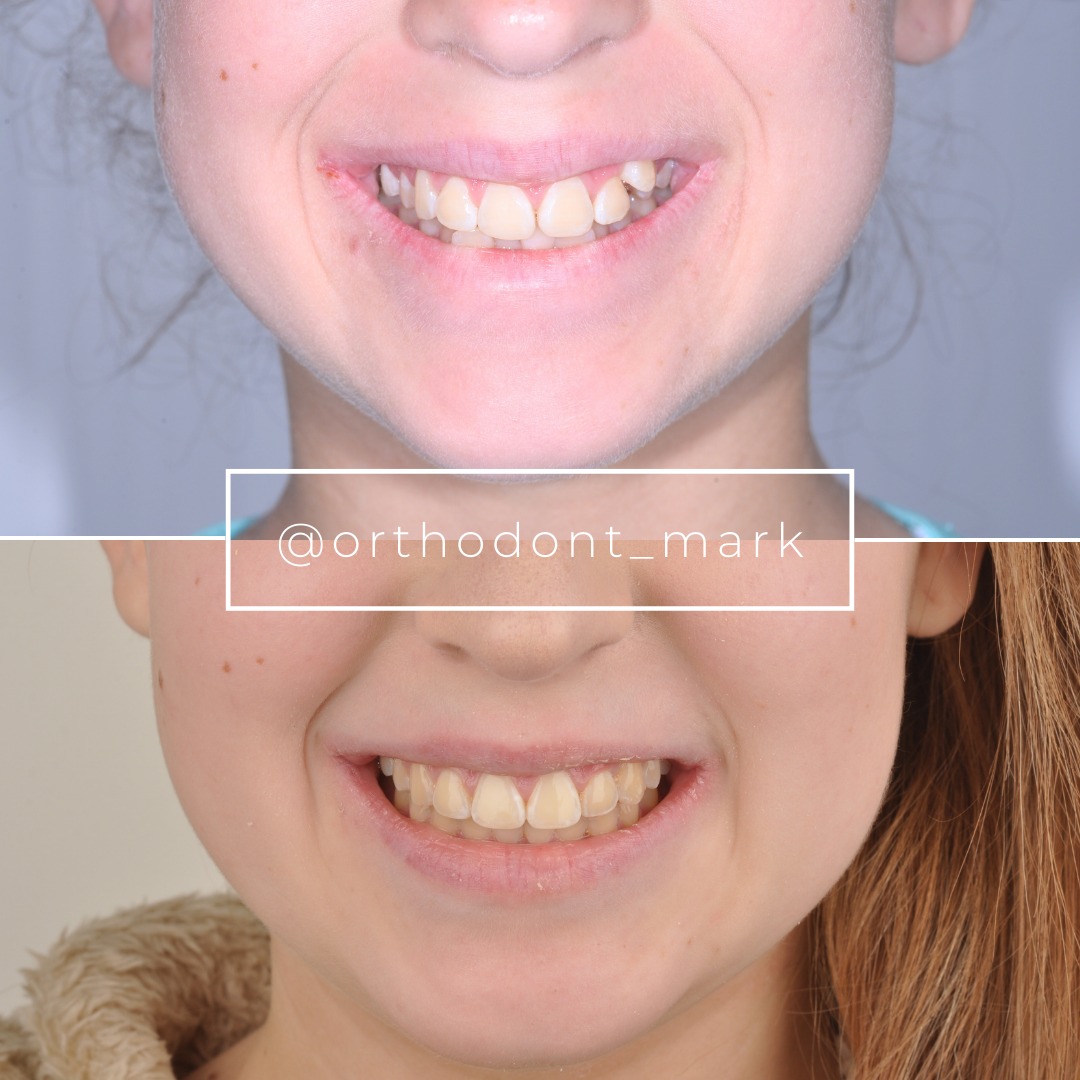
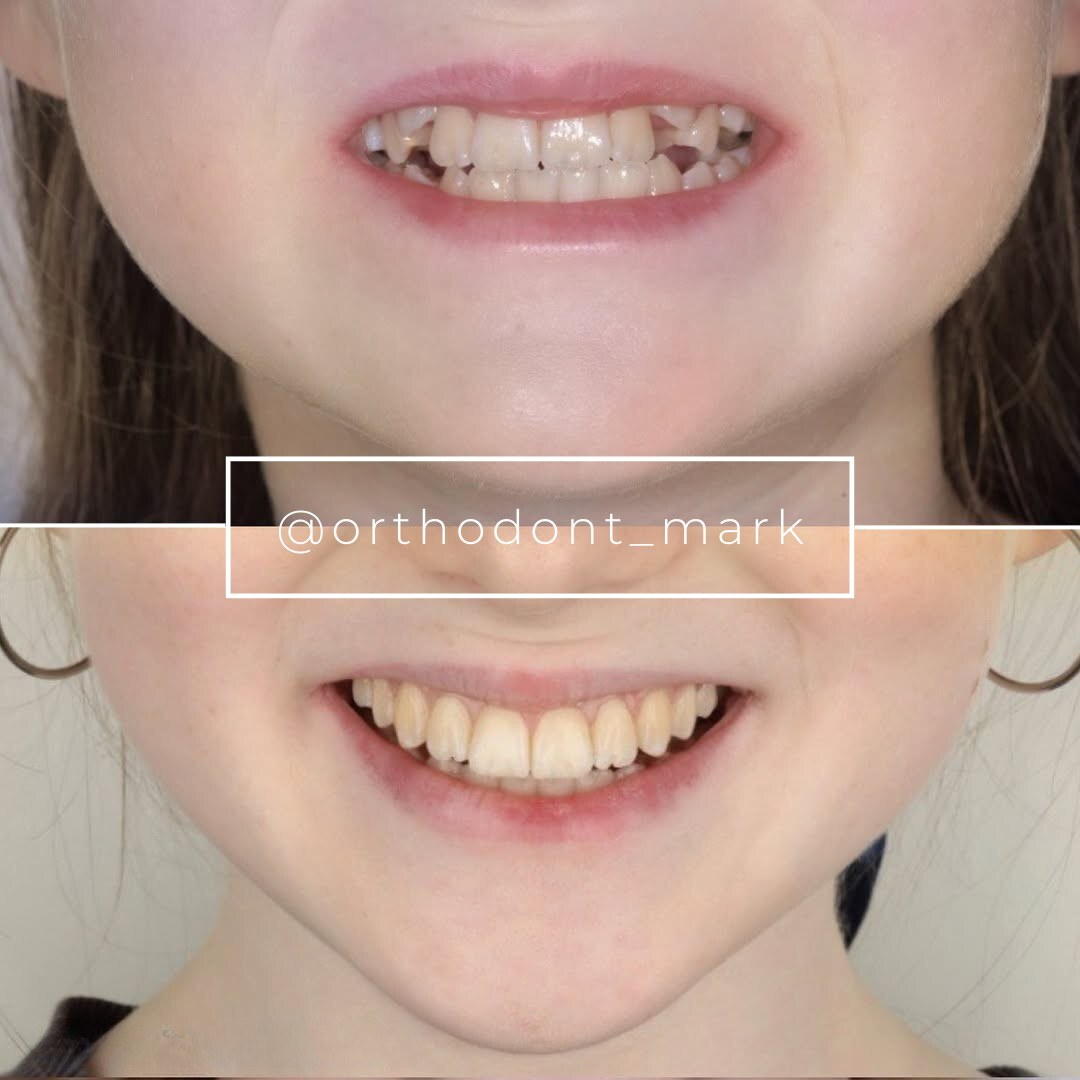
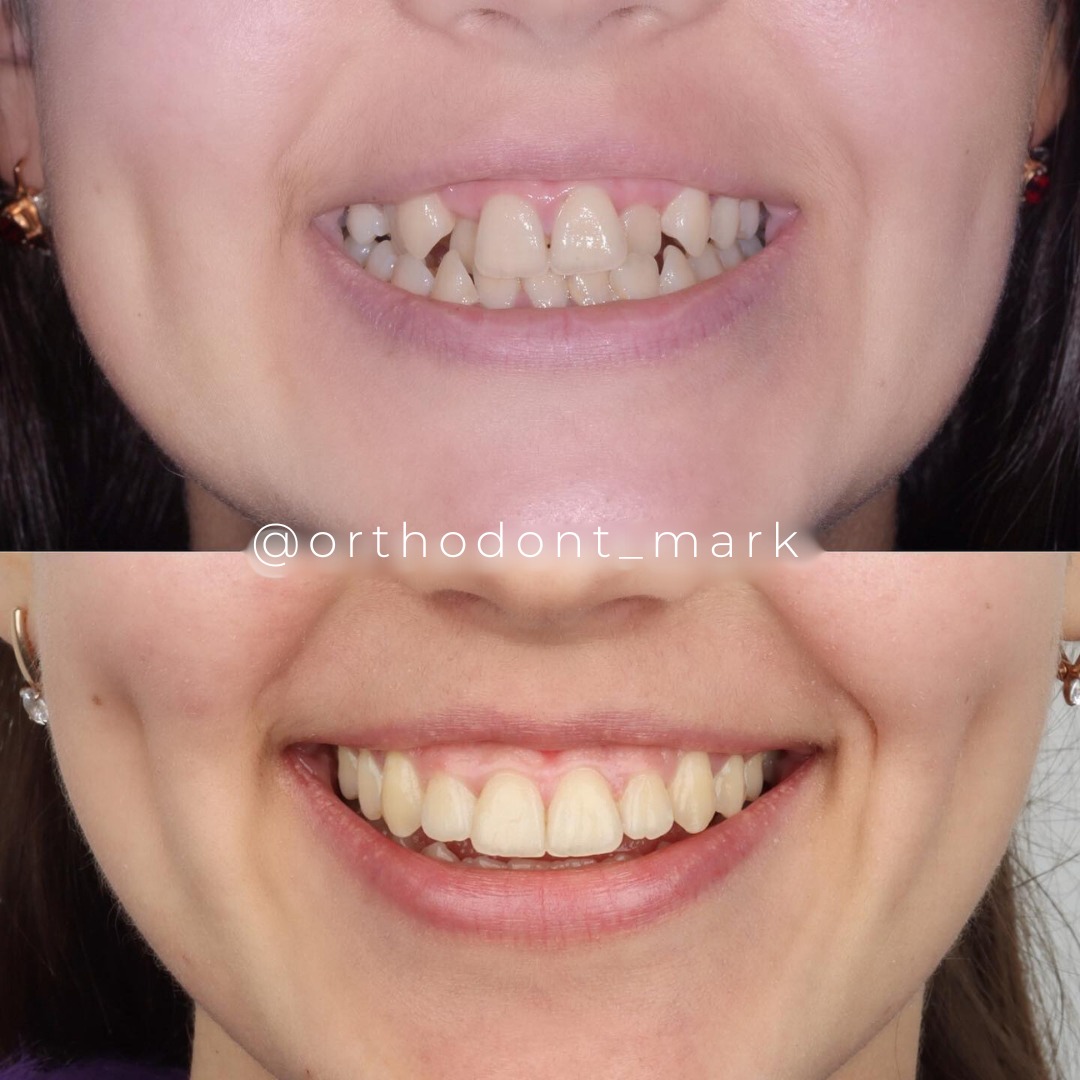
Documented outcomes
Clinical cases from Dr. Mark Radzhabov's practice
Learn the full MARPE protocol from Dr. Mark Radzhabov
Fundamental course covering CBCT patient selection, miniscrew planning, activation protocols, and 60+ clinical cases. Choose the access level that fits your practice.
Essentials of rapid palatal expansion for practicing orthodontists.
- Core RPE concepts and biomechanics
- 6 structured video lessons
- Clinical decision checklists
- Lifetime access to recordings
Deep-dive into MARPE protocol, diagnostics, and clinical execution.
- 6 modules covering MARPE from A to Z
- CBCT case selection walkthroughs
- Miniscrew placement and activation
- 60+ annotated clinical cases
- Direct Q&A with Dr. Mark Radzhabov
5-element medical consultation framework for dentists and orthodontists.
- Trust-building consultation protocol
- 5 lesson modules
- Templates for treatment plan delivery
- Works with any clinical specialty
Clinical FAQ
What is the primary advantage of bone-borne MARPE designs (BAME) over hybrid systems (MSE)?
BAME systems deliver 83% skeletal expansion versus 56% for MSE, with minimal dental tipping and buccal alveolar bone loss. BAME is ideal when pure orthopedic correction is the goal and dentoalveolar involvement should be minimized.
How often should I activate a MARPE appliance, and what is the standard turn protocol?
Standard protocol is one quarter-turn (0.25 mm) daily, yielding approximately 1 mm per week expansion. Some clinicians use cyclical activation (4–5 days on, 2–3 rest) for improved patient comfort, though continuous activation is more efficient.
At what age is MARPE most effective, and does skeletal maturity affect outcomes?
MARPE works reliably in adolescents (ages 12–18) and young adults (18–25+). Younger patients achieve greater absolute skeletal expansion per cycle. Older, more mature patients show more dentoalveolar compensation. Preoperative CBCT palatal suture assessment guides design selection.
What is the difference between miniscrew-supported Hyrax (tooth-borne MARPE) and pure bone-borne systems?
Miniscrew-supported Hyrax retains the familiar jackscrew mechanism with palatal screw anchorage, offering moderate skeletal gain (60–70%) and predictable dental response. Pure bone-borne systems bypass teeth entirely, maximizing skeletal gain (83%) but requiring precise palatal anatomy.
How long should MARPE expansion phase last, and how long is retention?
Expansion phase typically lasts 8–12 weeks (until complete midpalatal split is confirmed radiographically). Retention lasts 6 months minimum to allow midpalatal suture consolidation and bone remodeling before removing the appliance.
What CBCT measurements confirm complete midpalatal suture separation and adequate skeletal expansion?
CBCT at T1 (immediate post-expansion) should show visible space in the midpalatal suture region. Molar and premolar maxillary width measurements and nasal cavity width confirm orthopedic gains. T2 (three-month consolidation) CBCT documents final skeletal and dentoalveolar changes.
Can MARPE be used in skeletally mature adults with completely ossified palatal sutures?
Yes, MARPE works in mature adults, though skeletal gains are more modest and dentoalveolar compensation increases. Extended expansion phases and consideration of surgical corticotomy assistance may improve skeletal outcomes in fully ossified cases.
What is posterior nasal airway syndrome, and how do I reduce the risk in MARPE patients?
Rapid maxillary expansion can narrow the nasopharyngeal airway, causing respiratory symptoms. Preoperative screening for adenoid hypertrophy and sleep-disordered breathing is prudent. Slower activation or cyclical protocols may mitigate risk in high-risk patients.
How do I choose between MARPE and surgical rapid palatal expansion (SARPE) for a young adult with transverse deficiency?
MARPE is preferred for most adolescents and young adults due to minimal invasiveness, cost-effectiveness, and reliable outcomes. SARPE is reserved for skeletally mature patients with severely ossified sutures, severe transverse deficiency, or when MARPE fails to achieve adequate split.
What preoperative assessment should I perform before selecting a specific MARPE design for my patient?
Obtain CBCT to assess palatal depth, bone thickness (minimum 4–5 mm for screw stability), vascular anatomy, and midpalatal suture patency. Evaluate skeletal maturity, baseline transverse deficiency magnitude, and dentoalveolar crowding to select bone-borne (skeletal-first) or hybrid (balanced) design.
Selecting the right MARPE design for your specific case involves matching force profile to skeletal maturity, baseline transverse deficiency, and anchorage objectives. Bone-borne and hybrid systems each offer distinct trade-offs in skeletal gain versus dental side effects—information now catalogued and comparable in one reference. Dr. Mark Radzhabov recommends reviewing your patient's CBCT anatomy and anticipated expansion magnitude before device selection. Consider a case consultation through ortodontmark.com or enrollment in his advanced MARPE protocol course to deepen your appliance decision-making framework.