
The First 72 Hours After
Miniscrew Placement
Clinical Monitoring Protocol & Early Complication Detection
What to assess, how to assess it, and why your post-insertion protocol directly predicts treatment success. Evidence-based monitoring strategies for the first three days.
TL;DR The first 72 hours after miniscrew placement is critical for assessing stability, detecting early inflammation, and establishing proper patient care routines. Gingival inflammation occurs in up to 83.9% of MARPE cases, while pain affects 45% of patients—both are manageable with proper monitoring and patient education.
The success of miniscrew-assisted rapid palatal expansion depends significantly on the post-insertion period. In this article, Dr. Mark Radzhabov reviews the clinical assessment protocol for the first 72 hours after miniscrew placement, drawing on peer-reviewed evidence and a decade of clinical practice at ortodontmark.com. Understanding what to monitor—from screw stability to inflammatory response—will help you identify complications early and optimize treatment outcomes in your MARPE cases.
What Happens During the First 72 Hours After Miniscrew Placement
happens
The first 72 hours after miniscrew placement represents a critical biological window. During this period, the screw begins primary stability through mechanical engagement with bone and palatal mucosa. Simultaneously, the body initiates an inflammatory cascade at the insertion site—a normal response that, if left unmonitored, can progress to significant gingival inflammation and compromise osseointegration.
Research on miniscrew-assisted rapid palatal expansion shows that gingival inflammation develops in 83.9% of MARPE patients, with pain reported in 45% of cases. Early detection of abnormal inflammation patterns in the first three days allows you to intervene with modified oral hygiene protocols, topical antimicrobial rinses, or temporary load management before the problem escalates. The stability assessment during this window also predicts whether the screw will remain viable throughout active expansion.
A 2022 clinical study examining MARPE success found that screw stability at 72 hours—measured by resistance to manual manipulation and absence of bleeding upon gentle probing—correlated strongly with long-term osseointegration and final suture separation success. Early mobility, excessive exudate, or signs of infection warrant immediate clinical attention and potential screw repositioning or replacement before beginning active expansion.
Your post-insertion documentation becomes a clinical reference point for all subsequent appointments. Photograph the site in standard position, note mucosal color and texture, record any patient symptoms, and create a baseline against which you measure healing progression. This systematic approach transforms the first 72 hours from a passive period into an active quality-assurance checkpoint.
Critical Parameters to Monitor in the First 72 Hours
Monitor
Screw mobility is the primary concern in the immediate post-insertion period. At 24, 48, and 72 hours, gently apply lateral pressure to the screw head using the back of a dental mirror or explorer. The screw should resist movement with no perceptible play. Any mobility at this stage indicates inadequate initial fixation—likely from poor bicortical engagement, insufficient bone density, or root contact. Document the degree of mobility; if movement is present at 48 hours, consider screw replacement before expansion activation.
Mucosal tissue response requires careful observation. Normal healing presents as mild erythema immediately surrounding the screw with sharp mucosal margins and minimal exudate. Abnormal signs include: blanching or pallor (suggesting excessive tissue compression during insertion), purulent discharge or foul odor (indicating early infection), petechiae or ecchymosis extending beyond the immediate insertion zone (suggesting trauma to regional vessels or deeper bone), or severe blanching of tissue that does not recover color within minutes of visualization (indicating compromised vascular perfusion).
Patient-reported symptoms guide your intervention strategy. Mild discomfort (scored 1–3 on a 10-point scale) is expected and managed with over-the-counter analgesia. Pain that worsens between 24 and 72 hours, localized swelling that increases rather than resolves, or referred pain in the tooth region near the screw warrant closer investigation. Ask about pus drainage, foul taste, or difficulty tolerating food contact—these suggest early periodontal or mucosal compromise.
Maintenance of oral hygiene begins immediately after placement. Patient compliance with chlorhexidine rinsing (0.05% solution, twice daily) and gentle mechanical cleaning of the screw site directly reduces the inflammatory burden in this critical window. At your 72-hour assessment, evaluate whether the patient's technique is correct; poor technique may explain excessive inflammation even in the presence of adequate screw stability.
Step-by-Step Post-Insertion Monitoring Protocol
Protocol
Day 0 (insertion day)—Immediate post-operative instructions: Before dismissing the patient, review pain management expectations, dietary modifications (soft foods for 48 hours, avoid very hot or cold items that may irritate the site), and the chlorhexidine rinse protocol (0.05% solution, rinse for 30 seconds twice daily, starting the following morning after insertion). Provide a contact number for questions regarding excessive swelling, pus drainage, or severe pain. Prescribe prophylactic ibuprofen (600 mg, every 6 hours for 24 hours) to manage post-insertion inflammation and discomfort. Photograph the insertion site in both occlusal and lateral views to establish a baseline for comparison.
Day 1—Telephone or electronic communication: Contact the patient to confirm pain levels are manageable and to reinforce rinse and dietary instructions. Ask about any signs of infection (pus, swollen lymph nodes, fever) or abnormal bleeding. This early contact improves patient compliance and identifies early warning signs before they progress. Document the patient's report in the clinical record.
Day 2—In-office reassessment: Perform mobility testing, assess mucosal color and edema, check for exudate or bleeding upon gentle probing, and verify that the screw is clean and free of food debris. If the patient has been compliant with rinses, inflammation should be mild and stable. If inflammation appears to be worsening or if mobility is detected, discuss screw repositioning or replacement before proceeding. Reinforce oral hygiene and review the timeline for beginning active expansion (typically 1–2 weeks post-insertion to allow initial osseointegration).
Day 3—Final baseline assessment: Repeat mobility testing, document mucosal appearance with photography, assess patient comfort, and discuss expansion readiness. If all parameters are within normal limits—stable screw, mild or resolving erythema, no mobility, minimal pain—you can confidently schedule the first expansion activation. If abnormalities persist, extend monitoring and delay expansion activation until signs of early healing are clearly established. This systematic 72-hour checkpoint becomes part of your permanent case record and guides all subsequent expansion management.
Early Complications and How to Address Them
Complications
Excessive gingival inflammation is the most common early finding and is often manageable through improved oral hygiene. If inflammation is out of proportion to the clinical picture (e.g., significant swelling or purulent drainage on day 2–3 despite patient compliance with rinses), consider whether the screw was inserted too deeply into soft tissue. Over-insertion compresses the mucosa, compromises vascular supply, and triggers a prolonged inflammatory response. In such cases, you may elect to back the screw out slightly (one-quarter to one-half turn) and re-assess within 24 hours. However, verify that screw mobility is not the cause before making this adjustment.
Screw mobility detected on day 2 or 3 indicates that primary stability is not yet established. Do not proceed with expansion. Investigate the cause: Was the screw placed unicortically instead of bicortically? Did it contact tooth root, limiting bone purchase? Is the patient manipulating or irritating the screw excessively? If the screw is in a viable location and the patient has not been traumatizing the site, you may elect to leave it in place and allow additional osseointegration time before reassessing at 1 week. Alternatively, reposition the screw 5–8 mm away from the original site if the current location appears compromised.
Pus drainage or signs of infection on day 1–2 warrant immediate topical antimicrobial management and close follow-up within 24 hours. Rinse the site with chlorhexidine, gently probe for abscess formation, and ensure the screw is not in contact with tooth root or critical anatomy. If signs of abscess persist despite antimicrobial rinses, or if the patient develops fever or regional lymphadenopathy, remove the screw, prescribe oral antibiotics, and allow the site to heal before screw replacement at an alternative location. Leaving an infected screw in place risks spreading infection and compromising local bone.
Severe pain out of proportion to clinical findings may indicate screw impingement of nerve or blood vessel. Gently loosen the screw (one-quarter turn) to relieve potential compression. If pain resolves, you may leave it slightly loosened and re-tighten gradually as swelling subsides. If pain persists or if you identify vascular compromise (blanching, numbness), remove and replace the screw at an adjacent location. Such complications are rare but require immediate recognition and action to prevent long-term sequelae.
Documentation and Patient Communication
Communication
Create a standardized assessment form for post-insertion visits. Include checkboxes for screw mobility (yes/no), mucosal appearance (normal/erythema/blanching/exudate), pain level (0–10 scale), patient compliance with rinses (yes/no), and clinical decision (proceed with expansion/delay/monitor/reposition screw). Photographs at day 0 and day 3 provide objective documentation and allow you to track mucosal changes across multiple cases and identify your personal technique variations.
Educate the patient at insertion about realistic expectations for the first 72 hours. Many patients expect no discomfort; instead, inform them that mild to moderate discomfort is normal, will likely peak around 24–36 hours, and should resolve by day 5 with proper care. Explain that a small amount of blanching (whitening) of the tissue is normal due to compression during insertion, but it should recover color within minutes to hours. Provide written post-operative instructions that include specific symptoms requiring immediate contact (pus, fever, significant swelling, numbness, or severe pain).
Schedule proactive follow-up rather than waiting for patient complaints. A day 2 in-office or day 1 telephone check-in transforms your practice from reactive to preventive. This contact also significantly improves patient confidence and compliance with oral hygiene protocols. If the patient cannot attend day 2, ensure day 1 telephone contact and advance the day 3 visit to day 2 or 3 as your primary in-office assessment.
Coordinate with any adjunctive provider involved in placement. If you placed the screw or supervised a resident, ensure clear handoff communication about findings, pain levels, and planned activation date. If a colleague placed the screw in your practice, review photographs and assessment notes before you begin expansion management. This shared understanding prevents miscommunication and ensures consistent early post-operative care.
Free Clinical Guide
Which Expansion Appliance at Which Age?
Get Dr. Mark Radzhabov's guide to skeletal-expansion appliances — indications, pros & cons, and how to choose by patient age. Free to your inbox.
Prefer video? Watch the free demo lesson on MARPE appliance types, features and trade-offs.
Documented outcomes
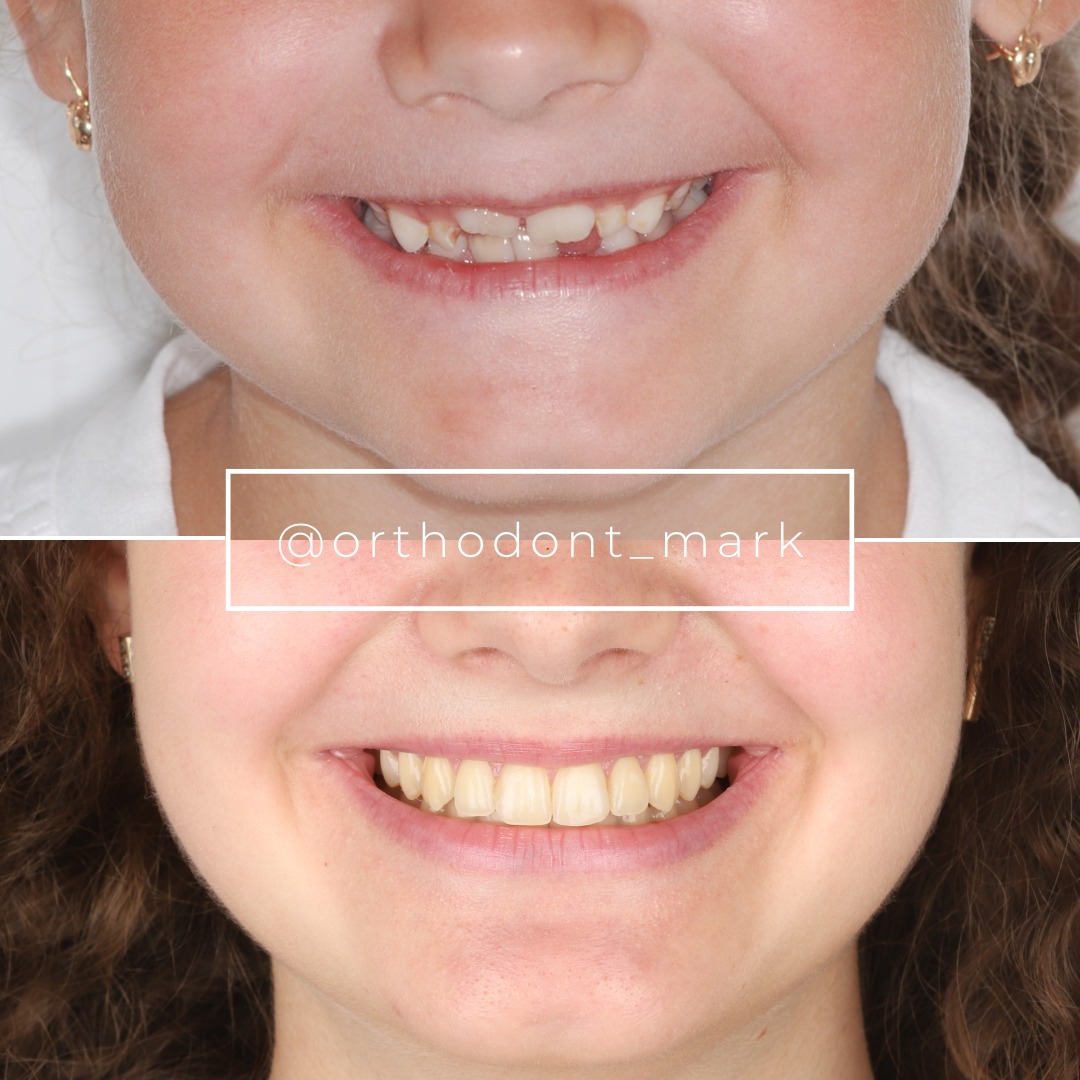
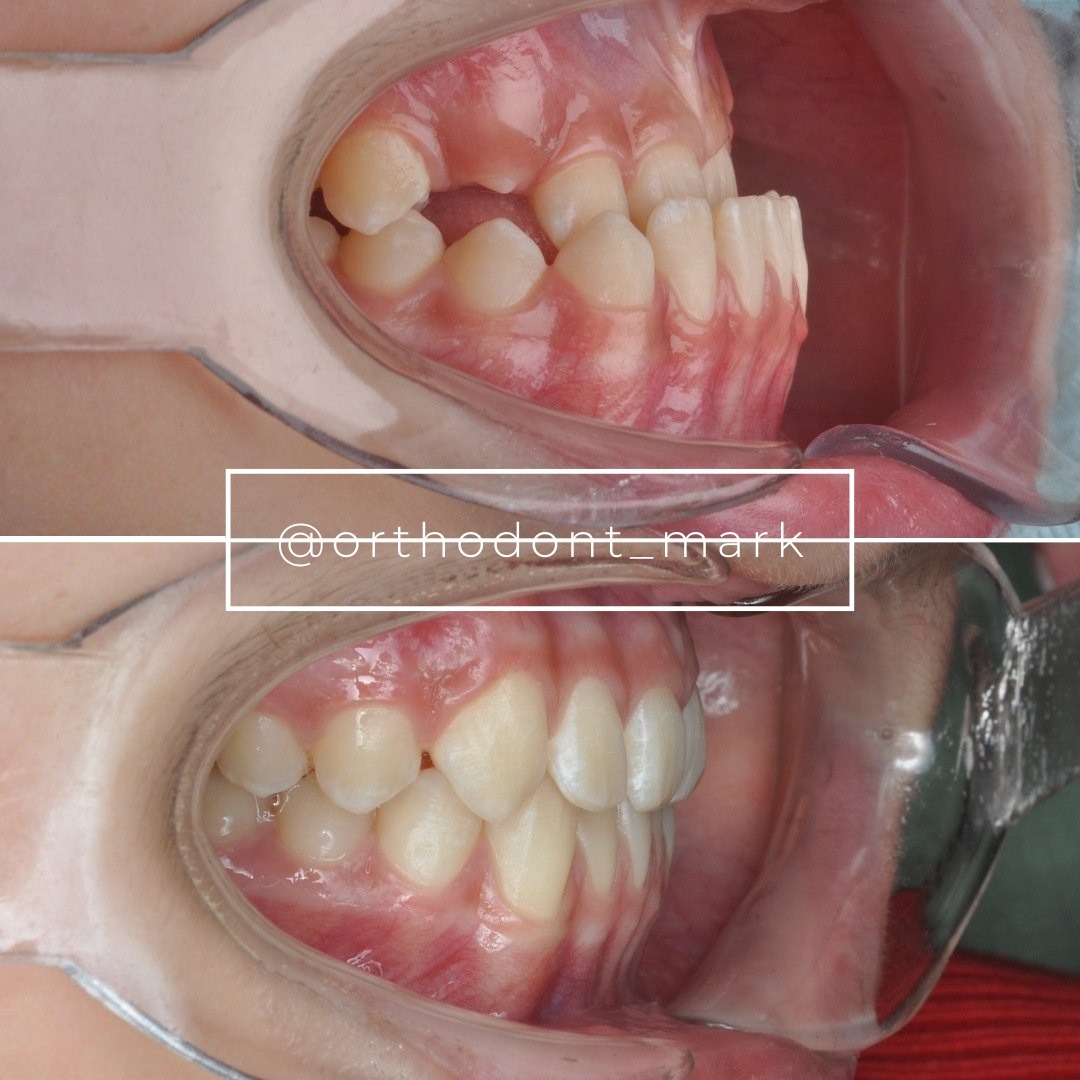
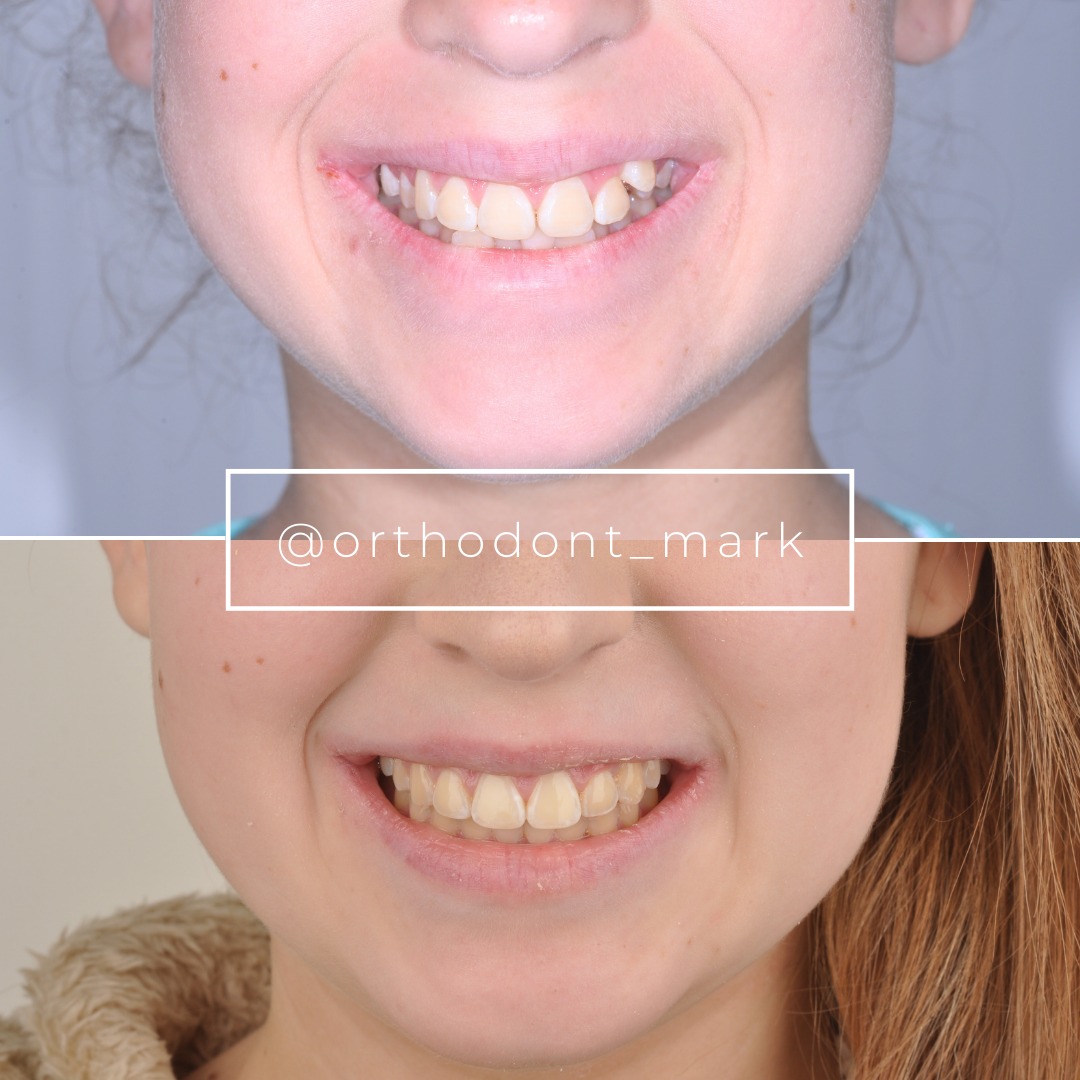
Clinical cases from Dr. Mark Radzhabov's practice
Learn the full MARPE protocol from Dr. Mark Radzhabov
Fundamental course covering CBCT patient selection, miniscrew planning, activation protocols, and 60+ clinical cases. Choose the access level that fits your practice.
Essentials of rapid palatal expansion for practicing orthodontists.
- Core RPE concepts and biomechanics
- 6 structured video lessons
- Clinical decision checklists
- Lifetime access to recordings
Deep-dive into MARPE protocol, diagnostics, and clinical execution.
- 6 modules covering MARPE from A to Z
- CBCT case selection walkthroughs
- Miniscrew placement and activation
- 60+ annotated clinical cases
- Direct Q&A with Dr. Mark Radzhabov
5-element medical consultation framework for dentists and orthodontists.
- Trust-building consultation protocol
- 5 lesson modules
- Templates for treatment plan delivery
- Works with any clinical specialty
Clinical FAQ
What is normal mucosal appearance 24 hours after miniscrew placement for MARPE?
Normal findings include mild erythema (redness) immediately around the screw, sharp mucosal margins, quick color recovery after blanching, minimal clear exudate, and no bleeding upon gentle probing. Discomfort rated 1–3 on a 10-point scale is typical.
How do I test miniscrew stability at 72 hours post-insertion?
Apply gentle lateral pressure to the screw head using a dental mirror or explorer handle. The screw should resist movement with no perceptible play. Mobility at this stage indicates inadequate bicortical fixation and warrants screw replacement before expansion activation.
When should I delay miniscrew-assisted expansion activation after placement?
Delay expansion if screw mobility is detected at 48–72 hours, if infection signs (pus, odor) develop, if severe blanching or swelling persists beyond 48 hours, or if pain worsens rather than improves. Allow 1–2 additional weeks for osseointegration before reassessing.
What post-insertion infection signs warrant immediate screw removal?
Remove the screw if abscess formation is evident, if purulent drainage persists despite chlorhexidine rinses, if the patient develops fever or regional lymphadenopathy, or if you suspect screw contact with tooth root. Allow healing before replacement at an alternative site.
How do I manage excessive gingival inflammation at day 2–3?
First, verify screw is not over-inserted into soft tissue. If over-inserted, back out slightly (one-quarter turn). Reinforce chlorhexidine rinse technique (twice daily, 30 seconds). If inflammation worsens despite compliance, consider temporary reduction in load or delay of expansion activation by 1 week.
Should I prescribe prophylactic antibiotics after miniscrew placement?
Prophylactic antibiotics are not routinely indicated. Reserve systemic antibiotics for confirmed infection (abscess, purulent drainage, fever, lymphadenopathy). Topical chlorhexidine rinses are standard antimicrobial management for the first 72 hours.
What dietary modifications should patients follow in the first 72 hours after miniscrew placement?
Recommend soft foods, avoid very hot or cold items that irritate the site, avoid crunchy or sticky foods that might contact the screw, and minimize talking or tongue play with the screw. Resume normal diet gradually after 48 hours if comfort improves.
Can I activate the MARPE appliance on day 3 if all assessments are normal?
Clinical best practice recommends delaying activation until day 7–14 post-insertion to allow primary osseointegration to progress further. Even with stable screw and mild inflammation at 72 hours, additional bone healing strengthens the construct before load is applied.
What should I document in the clinical record after miniscrew placement?
Document screw position, insertion torque, mucosal appearance, patient symptoms, pain level (0–10 scale, medications prescribed, compliance plan, and photographs in occlusal and lateral views. Establish a standardized form for day 1, day 2, and day 3 assessments.
How does age and sex affect inflammation response in the first 72 hours after MARPE miniscrew placement?
Jeon et al. (2022, Clinical Oral Investigations) showed that MARPE success rates are age and sex-dependent, with females having higher suture separation rates (94.17%) than males (61.05%). Early inflammatory response may vary by age; older patients may show different healing kinetics, warranting closer monitoring.
The critical window immediately after miniscrew placement sets the trajectory for your entire skeletal expansion case. By systematically monitoring stability, inflammation, and patient comfort during the first 72 hours, you significantly reduce the risk of screw failure and improve patient compliance. Dr. Mark Radzhabov recommends documenting baseline assessments and scheduling a structured follow-up protocol to catch early signs of trouble. Consider enrolling in the Orthodontist Mark MARPE mastery course for hands-on training in miniscrew insertion technique and post-operative management.