
Hybrid Hyrax in Adults:
When Bone-Borne Isn't
the Only Answer
Navigate adult palatal expansion with a mixed-anchorage strategy. Learn when hybrid Hyrax outperforms pure MARPE or traditional RPE in skeletally mature patients.
TL;DR Hybrid Hyrax in adults represents a mixed-anchorage approach that combines tooth-borne and bone-borne forces to maximize skeletal expansion while maintaining dental stability. This strategy is particularly valuable when pure bone-borne systems are unavailable or when clinical anatomy limits miniscrew placement.
Hybrid Hyrax in adults occupies a unique clinical niche between traditional tooth-anchored expansion and miniscrew-assisted systems. As skeletal maturity increases midpalatal suture rigidity, clinicians must choose between conventional rapid palatal expanders, purely bone-borne devices like MARPE, or hybrid approaches that leverage both dental and skeletal anchorage. This article examines the evidence, biomechanics, and practical protocol for hybrid Hyrax appliances in adult patients, drawing on clinical research and the evidence-based framework published by Dr. Mark Radzhabov at ortodontmark.com.
What Is Hybrid Hyrax in Adults?
dual-anchorage
Hybrid Hyrax in adults is a mixed-anchorage expansion appliance that distributes activation forces through both palatal miniscrews (bone-borne component) and maxillary teeth or bands (tooth-borne component) to achieve controlled skeletal widening while minimizing unwanted dental side effects. The concept emerged from evidence showing that purely tooth-borne rapid palatal expanders, while effective in adolescents, generate significant dentoalveolar changes in adults with fused or semi-fused midpalatal sutures. Clinical research indicates that approximately 18% of adult patients present with transverse maxillary constriction requiring orthopedic correction, yet conventional RPE devices in this population risk excessive buccal tipping, root resorption, and skeletal rotation. Hybrid systems represent a pragmatic middle ground: by anchoring part of the expansion vector to bone via 2–4 palatal miniscrews and retaining tooth-borne components (usually maxillary first molars or premolars), clinicians can titrate the ratio of skeletal to dental movement based on individual patient anatomy. This approach is particularly valuable in practices where pure bone-borne devices (MARPE or surgical options) are unavailable, cost-prohibitive, or anatomically contraindicated due to limited palatal height or bone density.
Why Adult Palatal Expansion Requires
Reassessment
Adult skeletal expansion differs fundamentally from adolescent treatment because midpalatal suture characteristics change dramatically with age. Evidence from surgical literature confirms that individual variability in midpalatal suture fusion is not directly correlated with chronological age, particularly in young adults, meaning some 20-year-olds present near-complete fusion while others retain partial patency into their 30s. Cone-beam computed tomography (CBCT) imaging has become essential to assess suture maturation status before selecting an expansion approach. When the midpalatal suture is significantly fused, tooth-borne RPE forces are distributed inefficiently: up to 60–70% of the activation in adult patients may produce dentoalveolar compensation (buccal tipping, rotation, vertical changes) rather than true skeletal expansion. This explains why purely tooth-borne expanders often fail to achieve adequate orthopedic results in adults or require prohibitively long treatment times. In contrast, bone-borne and hybrid approaches localize expansion forces directly to the suture system, bypassing dental anchorage constraints and triggering cellular remodeling in the midpalatal and circummaxillary suture regions. Surgical literature on SARME (surgically assisted rapid maxillary expansion) with and without midpalatal osteotomy demonstrates that suture disruption dramatically improves expansion efficiency—a principle that miniscrew-assisted systems exploit without the morbidity of full surgical intervention.
Implementing Hybrid Hyrax:
Patient Selection
and Appliance Design
Successful hybrid Hyrax treatment begins with meticulous patient assessment and appliance customization. Step 1: Suture maturation imaging. Obtain CBCT with coronal slices through the midpalatal suture and palatal height measurements; identify the anterior third of the suture for miniscrew placement (typically 3–9 mm lateral to the median suture, posterior to the canine–premolar contact area). Step 2: Palatal anatomy evaluation. Measure palatal bone height in the proposed miniscrew insertion zones; minimum 8–10 mm of bone height is recommended to accommodate miniscrew threading and avoid root proximity. Step 3: Appliance fabrication specifications. Hybrid Hyrax designs typically use 2–4 miniscrews (2–2.5 mm diameter, 10–14 mm length) with collar-retention components connected by precision casting or light-cured resin to a modified Hyrax screw mechanism. The tooth-borne component (first-molar bands or premolar contact arms) provides secondary anchorage and facilitates chairside adjustment. Step 4: Activation protocol. Begin with 0.25 mm daily activation for the first 5–7 days to establish tissue compliance, then advance to 0.5 mm per day (standard RPE rate). Hybrid systems typically require 8–14 weeks of activation to achieve 7–10 mm of expansion. Step 5: Monitoring and force titration. Evaluate diastema formation, dental tipping on periapicals, and patient comfort at 2-week intervals. If excessive buccal tipping occurs, reduce tooth-borne force contribution by adjusting band contact or engaging only the miniscrew-borne vector. Comprehensive literature on bone-borne expansion systems emphasizes that force ratios significantly influence skeletal-to-dental movement outcomes.
Hybrid Hyrax vs. Pure
Bone-Borne and Tooth-Borne
Systems in Adults
Clinical research comparing expansion modalities in adults reveals distinct trade-offs. Pure bone-borne systems (MARPE, MSE) achieve maximum skeletal expansion with minimal dentoalveolar side effects; case reports document 4–6 mm of true skeletal widening with only minor buccal tipping of the dentition. However, bone-borne systems require surgical implantation and removal of miniscrews, demand precise palatal anatomy (sufficient bone height and density), and involve higher material costs and chairside complexity. Traditional tooth-borne RPE in adults produces significant buccal tipping, dentoalveolar compensation, and variable skeletal response due to midpalatal suture rigidity. Hybrid systems occupy the middle ground: they achieve 3–5 mm of true skeletal expansion while distributing dentoalveolar effects across both miniscrew and tooth-borne components, reducing the magnitude of dental tipping in any single direction. Long-term follow-up data from hybrid Hyrax cases are limited, but early evidence suggests stability comparable to pure bone-borne systems when retention protocols include maxillary fixed bonded retainers and circumferential suture monitoring. Importantly, hybrid appliances offer practical advantages in resource-constrained settings or when miniscrew anatomy is marginal: if palatal height is 6–8 mm (suboptimal for bone-borne but adequate for hybrid), clinicians can still leverage skeletal anchorage without sacrificing the reliability of tooth-borne components. Surgical literature comparing SARME with and without midpalatal osteotomy demonstrates that suture disruption is the primary driver of expansion efficiency; hybrid systems achieve partial suture disruption through force concentration, without surgical intervention.
Avoiding Complications in
Adult Hybrid Expansion
Hybrid Hyrax appliances, while effective, present several technical and biological challenges that require careful management. Miniscrew stability and osseointegration is the primary concern: unlike pure bone-borne systems, hybrid appliances distribute forces between bone and tooth anchors, which can create shear stresses at miniscrew-bone interfaces. Clinical protocols should emphasize 2-week osseointegration periods before activation begins and regular radiographic monitoring for miniscrew mobility or bone loss. Uncontrolled dentoalveolar tipping occurs when tooth-borne forces dominate the expansion vector, particularly if first-molar bands are over-engaged or not properly relieved during activation. Solution: digitally design appliances to ensure miniscrew collars occupy 60–70% of the expansion moment arm, relegating tooth-borne arms to 30–40% mechanical contribution. Diastema reversal and relapse are common in adults because dentoalveolar compensation partially reverses post-activation; this is more pronounced in hybrid systems than pure bone-borne approaches. Mitigation strategies include extended retention (6–12 months passive holding phase) and maxillary fixed bonded retainers extending from canine to canine to stabilize expanded arch. Root proximity and miniscrew positioning errors can damage maxillary incisor or canine roots if miniscrews are placed too far anteriorly; always confirm position on periapical radiographs or CBCT before insertion. Patient discomfort and compliance during activation is higher in hybrid systems than pure bone-borne because tooth contact with arms creates localized pressure; educate patients preoperatively and consider 0.25 mm increments in the first 1–2 weeks. Surgical literature on SARME without midpalatal osteotomy revealed that patients without suture separation experienced greater discomfort during activation—a phenomenon analogous to hybrid systems where bone remains partially fused.
Hybrid Hyrax, MARPE, or Traditional
RPE: Which System
Fits Your Case?
Selecting the optimal expansion system for adult patients requires systematic evaluation of patient anatomy, clinical goals, practice resources, and biological constraints. Choose hybrid Hyrax when: (1) miniscrew-assisted rapid palatal expansion (MARPE) is not available due to cost, referral networks, or clinician training; (2) palatal bone height is 6–9 mm (suboptimal for 4-screw MARPE but adequate for 2–3 screw hybrid); (3) the patient accepts moderate dentoalveolar changes in exchange for simplified appliance mechanics; (4) comprehensive orthodontic treatment (braces, interarch coordination) is planned post-expansion, allowing dental tipping to be incorporated into fixed appliance phase. Choose pure bone-borne (MARPE) when: (1) transverse deficiency exceeds 8–10 mm and maximum skeletal gain is prioritized; (2) concurrent dental crowding or severe Class II/III is present—pure skeletal widening preserves arch perimeter for fixed appliance treatment; (3) palatal bone height >10 mm and density is adequate; (4) patient has medical or surgical contraindications to traditional surgical SARME; (5) practice has MARPE infrastructure (trained ancillary staff, miniscrew inventory, protocol experience). Choose traditional tooth-borne RPE only when: (1) patient is skeletally young (pre-pubertal or early pubescent) with documented open midpalatal suture; (2) transverse deficiency is mild (4–5 mm) and dentoalveolar changes are acceptable; (3) cost and simplicity are paramount and skeletal expansion is secondary. Hybrid Hyrax represents the pragmatic middle option for many adult practices, particularly those transitioning from RPE-only protocols toward skeletal anchorage without investing in full MARPE protocols. As published cases document, hybrid expansion achieves clinically significant skeletal widening while maintaining the familiar biomechanics and chairside ease of traditional appliance design.
Sequencing Hybrid Expansion
with Fixed Appliance
Therapy in Adults
Phase 1: Pre-expansion planning (2–4 weeks). After CBCT confirms expanded suture maturation and miniscrew-friendly anatomy, fabricate the hybrid appliance off-site and schedule miniscrew insertion appointment. Take preoperative impressions for definitive dental record. Phase 2: Miniscrew placement and passive holding (weeks 1–3). Insert 2–4 miniscrews under topical anesthesia in standard palatal positions; allow 2 weeks for osseointegration before any force application. Deliver hybrid Hyrax and engage tooth-borne components (first-molar bands) with light contact—do not activate yet. Phase 3: Activation (weeks 3–14). Begin 0.25 mm daily activation for 7 days, then advance to 0.5 mm daily. Schedule 2-week recall visits for comfort assessment, intraoral photography, and periapical radiographs to document diastema and dental tipping. Adjust arm contact or miniscrew force contribution as needed. Phase 4: Holding phase (weeks 14–22). After reaching target expansion (typically 7–10 mm), keep appliance fully passive for 6–8 weeks to allow bone remodeling and suture maturation. Do not remove miniscrews during this phase. Phase 5: Fixed appliance bonding (week 22). Remove hybrid Hyrax and miniscrews; place maxillary bonded retainer (canine-to-canine). Bond maxillary and mandibular fixed appliances 1–2 weeks after expansion completion, allowing initial dentoalveolar rebound. Fixed appliance therapy coordinates residual dental tipping, refines intercuspation, and establishes definitive occlusion—typically 16–20 months. Phase 6: Long-term retention. After fixed appliance removal, continue maxillary bonded retainer indefinitely; add removable retention (e.g., Essix or Hawley) as secondary stability measure. Retention is critical in adults because dentoalveolar compensation is more pronounced than in younger patients and partial reversal is expected. Orthodontist Mark emphasizes that hybrid expansion is not a stand-alone treatment modality but rather a foundational orthopedic phase that optimizes the maxillary base for subsequent comprehensive orthodontic correction.
Free Clinical Guide
Which Expansion Appliance at Which Age?
Get Dr. Mark Radzhabov's guide to skeletal-expansion appliances — indications, pros & cons, and how to choose by patient age. Free to your inbox.
Prefer video? Watch the free demo lesson on MARPE appliance types, features and trade-offs.
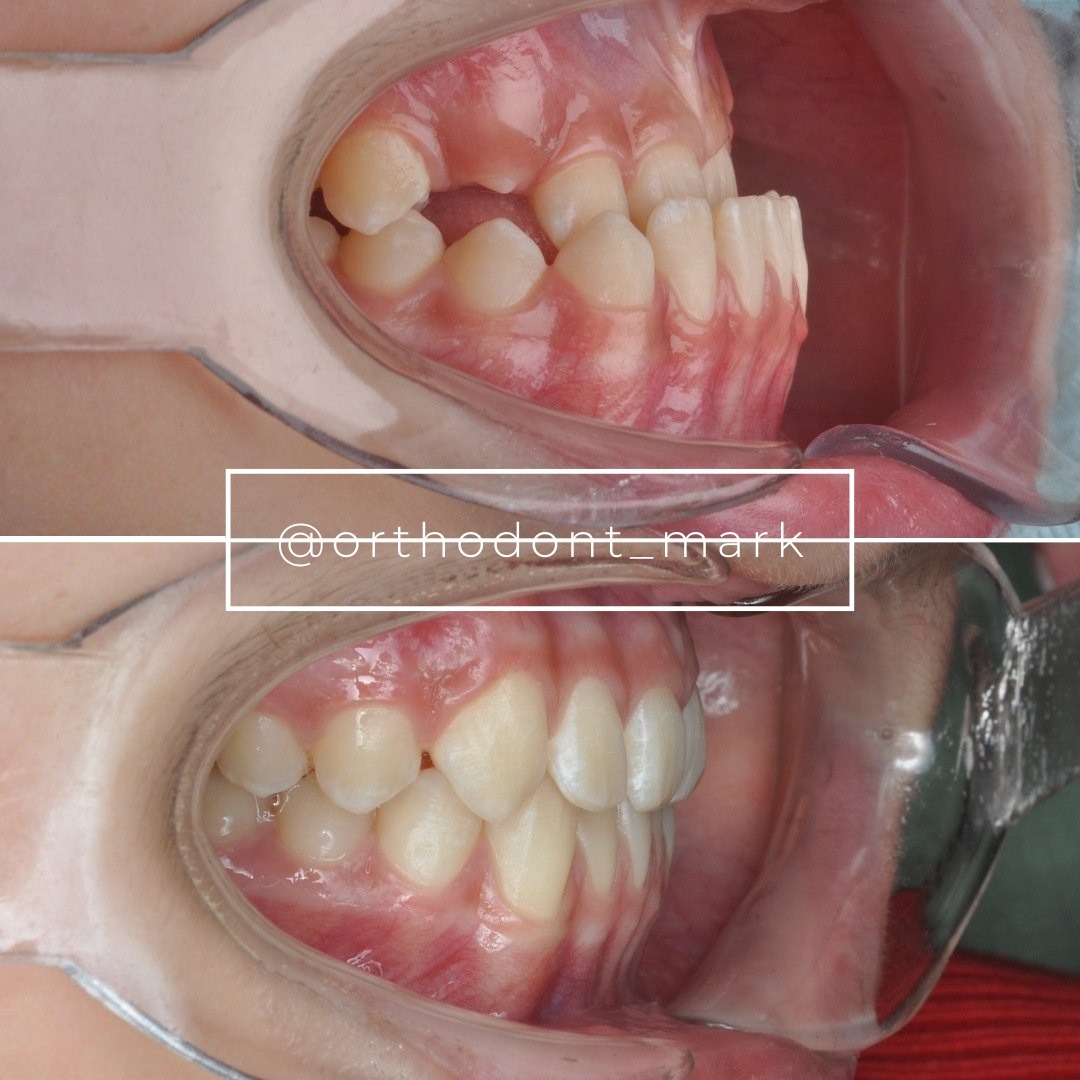
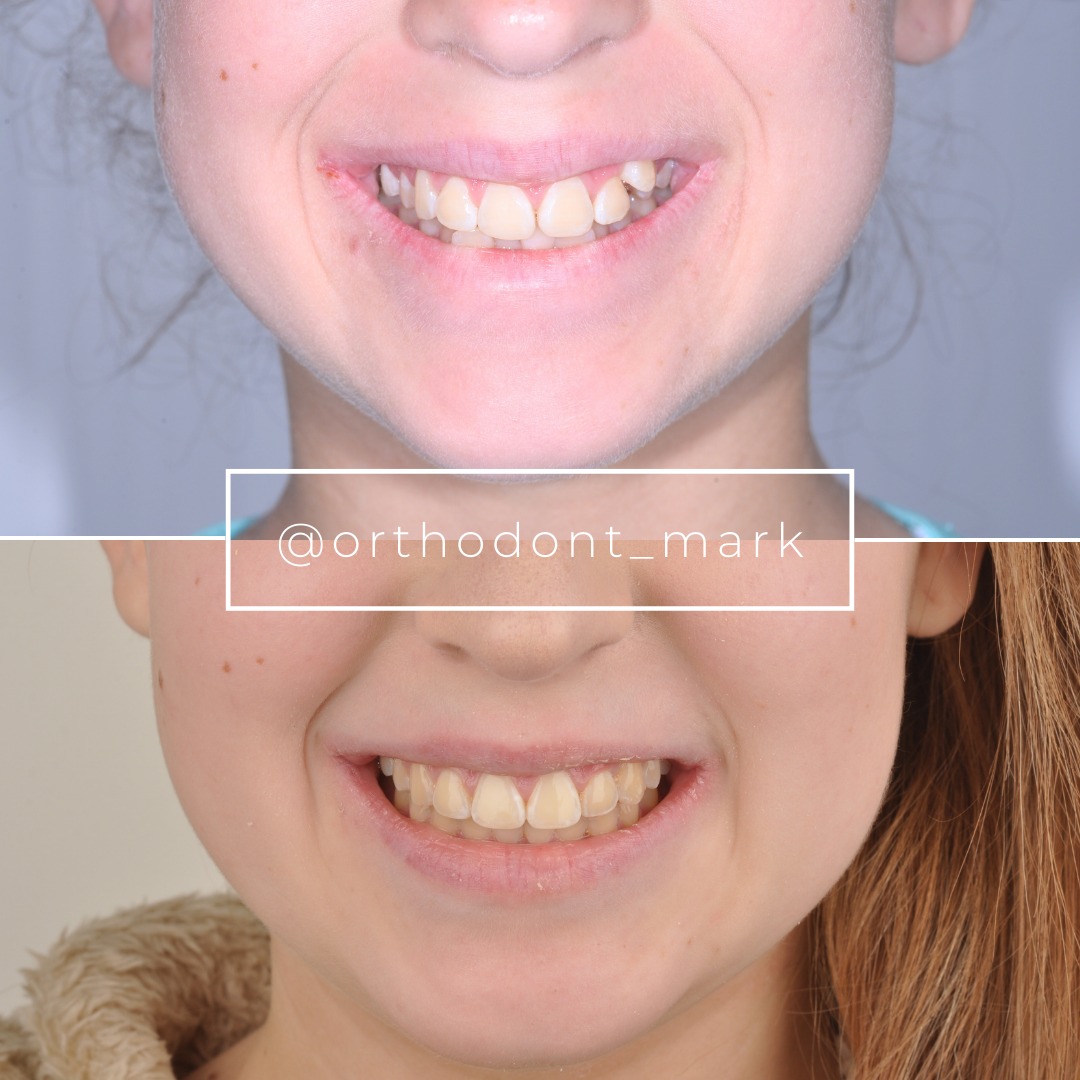
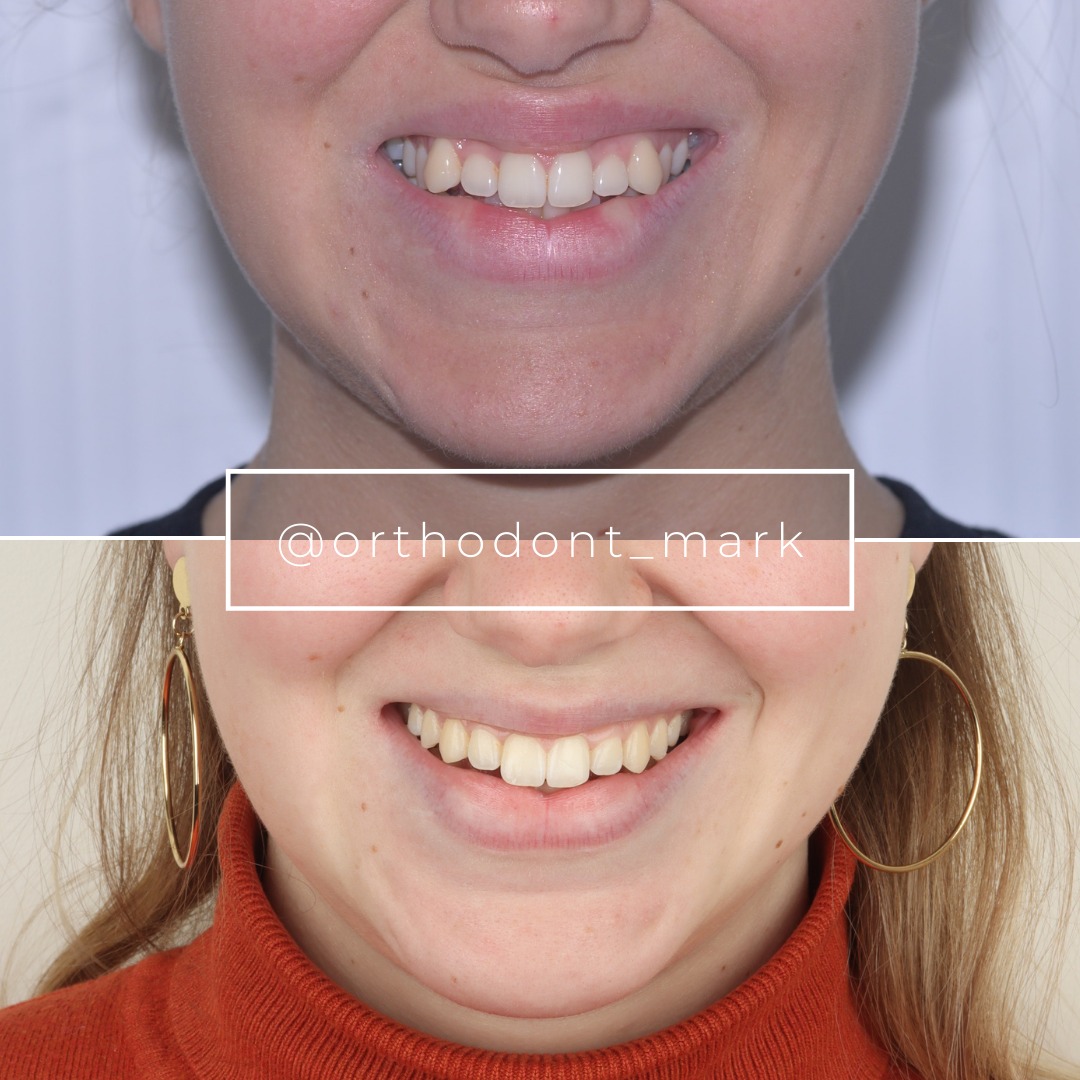
Documented outcomes
Clinical cases from Dr. Mark Radzhabov's practice
Learn the full MARPE protocol from Dr. Mark Radzhabov
Fundamental course covering CBCT patient selection, miniscrew planning, activation protocols, and 60+ clinical cases. Choose the access level that fits your practice.
Essentials of rapid palatal expansion for practicing orthodontists.
- Core RPE concepts and biomechanics
- 6 structured video lessons
- Clinical decision checklists
- Lifetime access to recordings
Deep-dive into MARPE protocol, diagnostics, and clinical execution.
- 6 modules covering MARPE from A to Z
- CBCT case selection walkthroughs
- Miniscrew placement and activation
- 60+ annotated clinical cases
- Direct Q&A with Dr. Mark Radzhabov
5-element medical consultation framework for dentists and orthodontists.
- Trust-building consultation protocol
- 5 lesson modules
- Templates for treatment plan delivery
- Works with any clinical specialty
Clinical FAQ
What is the optimal age window for hybrid Hyrax expansion in non-growing patients?
Hybrid Hyrax works in skeletally mature patients of any age if midpalatal suture maturation is documented via CBCT. Age alone does not determine candidacy; suture status does. Most successful cases are ages 18–40.
How does hybrid Hyrax expansion screw work compared to traditional Hyrax in adults?
Hybrid Hyrax distributes expansion forces through both palatal miniscrews (bone) and first-molar bands (teeth), reducing dentoalveolar tipping. Traditional Hyrax relies on teeth alone, producing 60–70% dentoalveolar compensation in adults.
What is the expected skeletal expansion achieved with hybrid Hyrax in adults?
Hybrid systems typically achieve 3–5 mm of true skeletal expansion with 0.5 mm daily activation over 8–14 weeks. Remaining activation produces dentoalveolar compensation, which is distributed between miniscrew and dental components.
How many miniscrews are required for a hybrid Hyrax appliance in adults?
Standard hybrid Hyrax designs use 2–4 miniscrews (2–2.5 mm diameter, 10–14 mm length), typically positioned 3–9 mm lateral to the midpalatal suture in the anterior third of the palate. Four screws provide maximum stability.
When should hybrid Hyrax be chosen over pure bone-borne MARPE in adult patients?
Choose hybrid when: MARPE is unavailable or cost-prohibitive; palatal bone height is 6–9 mm (suboptimal for 4-screw MARPE); patient accepts moderate dentoalveolar changes; or comprehensive fixed appliance therapy follows expansion.
What is the minimum palatal bone height required for hybrid expansion miniscrew placement?
Minimum 6–8 mm palatal height is acceptable for hybrid (2–3 screw configuration); pure bone-borne MARPE requires >10 mm. Always confirm exact anatomy via CBCT before appliance design.
How should I manage dentoalveolar tipping in hybrid Hyrax cases during activation?
Design appliances with 60–70% miniscrew force contribution and 30–40% dental component. Monitor tipping at 2-week recalls; reduce dental arm contact or disengage tooth-borne component if buccal tipping exceeds acceptable limits.
What retention protocol is recommended after hybrid Hyrax expansion in adults?
Implement 8–12 months extended retention with the appliance passive, maxillary bonded retainer (canine-to-canine) for life, and removable retention (Essix/Hawley). Hybrid systems show greater relapse risk than pure bone-borne systems.
Can hybrid Hyrax be used if the midpalatal suture is completely fused?
Yes. Hybrid systems exploit force concentration to achieve partial suture disruption without surgical intervention. Completely fused sutures still respond to sustained, directional forces delivered via bone-anchored components.
How long should osseointegration occur before hybrid Hyrax activation begins?
Allow 2 weeks minimum for miniscrew osseointegration before any force application. Some clinicians prefer 3 weeks in patients with lower bone density. Confirm stability on periapical radiograph before advancing activation.
The hybrid Hyrax represents a pragmatic middle ground when treatment anatomy or resource constraints preclude pure bone-borne expansion in adults. By understanding the biomechanical trade-offs—including expected dental tipping, bone remodeling patterns, and anchorage control—clinicians can integrate hybrid expansion into comprehensive treatment plans. Dr. Mark Radzhabov emphasizes case-by-case assessment: review your current MARPE and RPE protocols, evaluate patient anatomy on cone-beam imaging, and consider consultation resources at ortodontmark.com to optimize appliance selection for your next adult expansion case.