
Hybrid Hyrax vs Pure MSE:
Decision Tree for Borderline Cases
A clinical framework for selecting miniscrew-assisted devices when traditional rapid palatal expansion and pure MSE don't clearly fit. Evidence-based decision rules for skeletal maturity, bone morphology, and treatment goals.
TL;DR Hybrid Hyrax vs Pure MSE represents a critical clinical decision in borderline maxillary expansion cases. Pure MSE achieves greater skeletal contribution (56–83%) with less dental tipping, while hybrid approaches offer predictable dental anchorage when partial skeletal response is acceptable. Device selection depends on suture maturity, bone morphology, and treatment goals.
Selecting between hybrid Hyrax and pure MSE remains one of the most nuanced decisions in contemporary miniscrew-assisted rapid palatal expansion. In this article, Dr. Mark Radzhabov presents a clinical decision tree tailored to borderline cases—those patients who fall between clear indications for tooth-borne and pure skeletal expansion. Drawing on recent evidence and 10+ years of orthodontic practice at Orthodontist Mark, we examine the biomechanical, skeletal, and periodontal trade-offs that define successful outcomes in this ambiguous middle ground.
What Is Hybrid Hyrax vs Pure MSE?
Foundational Distinction
Hybrid Hyrax vs Pure MSE represents two distinct approaches to miniscrew-assisted rapid palatal expansion. The hybrid Hyrax combines dental anchorage (molars and premolars) with miniscrew support, distributing forces across tooth-supported arms and bone-anchored screws. Pure MSE (Maxillary Skeletal Expander) relies exclusively on four bicortically engaged miniscrews in the palate and nasal floor, eliminating dental contact entirely.
This fundamental difference in force delivery architecture produces measurably different skeletal and dental outcomes. A comparative cone-beam computed tomography study of 34 patients (mean ages 14.9 and 13.8 years) found that bone-anchored expanders (BAME—analogous to pure MSE) achieved 83% skeletal contribution to total expansion, compared to 56% for tooth-bone hybrid devices (MSE in that cohort). Total expansion at the first molar was 5.9 mm for the hybrid group and 4.7 mm for the pure bone-anchored group, yet the skeletal split magnitude differed dramatically due to differential dental tipping and buccal bone response.
The hybrid approach, however, confers advantages in force distribution predictability and reduced anatomical complexity during insertion. Hybrid devices require fewer positional constraints and tolerate greater variation in palatal bone morphology. This clinical flexibility makes the hybrid Hyrax attractive in borderline cases where patient anatomy or treatment timeline creates uncertainty about pure MSE feasibility.
Midpalatal Suture Maturity and
Skeletal Response
The degree of midpalatal suture fusion—assessed via CBCT staging or cone-beam radiography—is the primary determinant of whether hybrid or pure skeletal approaches will succeed. In skeletally immature patients (suture stages A–C per Angelieri classification), conventional rapid palatal expansion or light miniscrew-assisted therapy often achieves adequate skeletal opening. Borderline cases typically occupy stages C–D: suture fusion is advanced enough that tooth-borne forces produce compensatory dentoalveolar movement, yet bone maturity is insufficient for guaranteed pure skeletal response.
Pure MSE in borderline-mature sutures delivers superior skeletal opening because all four miniscrews are positioned to split the suture orthogonally along the interpremaxillary axis. The 2016 surgical comparison of SARME with and without midpalatal split showed that suture separation increased efficacy substantially when the palatal suture was surgically divided. While MARPE does not require surgical separation, the pure bone-anchored geometry approximates the biomechanical advantages of surgical splitting. In contrast, hybrid Hyrax forces act as a combination vector: the dental arms contribute tooth movement and buccal bone bending, while miniscrews provide posterior palatal anchorage. This mixed-force pattern reduces the magnitude of pure skeletal splitting.
Clinical implication: In suture stage C (early fusion, incomplete crossbar formation), hybrid Hyrax may suffice to achieve adequate transverse correction with acceptable skeletal and dental changes. In stage D (advanced fusion with thick crossbars), pure MSE is often necessary to overcome resistance and prevent excessive dental compensation. Borderline stage C–D cases demand individualized assessment of bone morphology and treatment tolerance.
Palatal Vault Dimensions,
Bicortical Engagement
and Implant Positioning
Pure MSE success depends critically on bicortical miniscrew engagement in both the palatal vault and nasal floor cortices. Digital planning using CBCT and virtual 3D positioning has become standard to verify adequate bone thickness and avoid anatomical hazards (neurovascular bundles, tooth roots, sinus floor). In patients with shallow palatal vaults, thin palatal mucosa, or flared palatal architecture, bicortical engagement may be compromised. These anatomical constraints frequently define the borderline case: the patient's transverse deficiency and skeletal maturity call for strong expansion, yet bone morphology creates uncertainty about miniscrew stability under orthopedic loads.
Hybrid Hyrax overcomes this constraint elegantly. The hybrid device requires miniscrew engagement in the anterior and posterior palate but does not depend exclusively on bicortical depth. The dental arms distribute force across the molars and premolars, reducing shear stress on the miniscrews and accommodating modest variations in palatal anatomy. This is clinically significant: patients with reduced palatal bone thickness, high-arched palates, or previously failed bone grafts are often better served by hybrid anchorage until bone remodeling creates a more favorable anatomy for pure skeletal devices in future treatment phases.
Best practice: Obtain CBCT scans and perform digital planning—whether using specialized software or simply measuring palatal and nasal floor bone thickness on axial slices—before committing to pure MSE in borderline-anatomy patients. If bicortical engagement cannot reliably be achieved at 8–10 mm depth bilaterally in the intended miniscrew sites, hybrid Hyrax becomes the safer choice. Orthodontist Mark emphasizes that this anatomical constraint is not a treatment failure; it is a signal to choose the device best matched to the patient's actual bone substrate.
Buccal Bone Thickness, Dental Tipping,
and Long-Term Stability
The comparative CBCT study of bone-anchored and hybrid expanders revealed significant differences in dental and periodontal side effects. Pure bone-anchored devices (MSE) produced less dental buccal tipping and less buccal bone reduction compared to hybrid appliances in the immediate post-expansion period. At the first molar, bone-anchored expanders resulted in minimal mesial-buccal tipping, whereas hybrid MSE generated greater buccal plate displacement and alveolar bone bending. This finding suggests that hybrid approaches accept some degree of dental compensation as the mechanical cost of mixing tooth and bone anchorage.
However, this comparison must be contextualized within treatment timeline and age. The cited study measured outcomes immediately post-expansion in adolescents (mean ages ~14 years). In older adolescents and young adults, dental tipping from hybrid expansion may persist longer and require extended fixed appliance therapy to correct. Conversely, if the patient is already undergoing comprehensive multibracket treatment, the additional dental movement from hybrid expansion is incorporated into the correction phase and may not represent a true liability.
Clinical consideration: For patients nearing or at skeletal maturity who require rapid orthopedic correction and will not tolerate prolonged treatment, pure MSE minimizes dental side effects and reduces the fixed appliance phase. For younger borderline patients (suture stage C, age 12–15) or those already committed to comprehensive treatment, hybrid Hyrax's slight increase in dental tipping is clinically acceptable and may be offset by superior patient comfort, simpler insertion, and reduced anatomical risk. Long-term periodontal stability—assessed via follow-up CBCT beyond the immediate post-expansion phase—remains understudied; most evidence centers on the initial 3–6 months post-expansion.
The Four-Step Framework:
Suture Stage, Bone Anatomy, Age, and Goals
A practical decision tree for borderline cases begins with suture maturity assessment. Use CBCT and apply the Angelieri staging system (stages A–F, where A is patent and F is completely fused). Patients in stage A–B are candidates for conventional rapid palatal expansion without miniscrews. Patients in stage E–F are committed to surgical SARME or pure MARPE/MSE. Borderline patients occupy stages C–D: the suture shows early fusion and incomplete crossbar formation (C) or advanced fusion with thick crossbars (D), but not complete bony fusion.
Second, assess palatal bone morphology via CBCT. Measure palatal vault depth, nasal floor bone thickness, and continuity of cortical bone at intended miniscrew sites (typically 6–8 mm posterior to the palatal rugae and in the anterior nasal floor). If bicortical thickness is ≥8 mm bilaterally and the palatal architecture is favorable, pure MSE is anatomically feasible. If palatal thickness is 5–8 mm, borderline, or if the nasal floor is thin or atypical, hybrid Hyrax reduces anatomical risk.
Third, consider patient age and skeletal timeline. Patients in the pubertal or early-postpubertal window (stages C–D suture, age 12–16) may benefit from hybrid expansion as a bridge therapy: hybrid Hyrax expands the transverse dimension, improves arch form, and may allow later alveolar bone thickness to increase, creating a more favorable anatomy for Phase 2 fixed appliance therapy or, if needed, future skeletal surgery. Patients in late adolescence or adulthood (age 17+, suture stage D–E) with true transverse skeletal discrepancy and high esthetic demands benefit from pure MSE's superior skeletal effect and minimal dental side effects.
Finally, clarify treatment goals and patient tolerance. If the primary goal is rapid, minimally invasive transverse correction with acceptance of some dental change, hybrid Hyrax is efficient and clinically sound. If the goal is maximal skeletal opening with minimal dental compensation, and the patient will tolerate miniscrew insertion and strict hygiene protocols, pure MSE is the correct choice. Borderline cases often arise when treatment goals are mixed: the patient wants rapid correction but also expects minimal dental side effects and low treatment burden.
Operationalization of Hybrid Hyrax
and Pure MSE in Practice
Once device selection is made, execution determines success. For hybrid Hyrax in borderline cases, begin with comprehensive pretreatment imaging including periapical radiographs of molar and premolar roots to rule out periapical pathology and confirm root morphology. Insert miniscrews under local anesthesia at sites offering good bone support and clearance from tooth roots (typically at the level of the palatal vault, posterior to the second rugae). Weld the expansion screw between molar bands using Dentaurum or equivalent titanium hyrax screws (Titan hyrax® or rematitan® expansion screws offer biocompatibility and consistent thread friction). Activation protocol: 1/4 turn twice daily (0.5 mm/day) for 7–10 days to achieve target expansion (typically 4–8 mm depending on pretreatment transverse discrepancy), then allow passive retention for 3–4 months before fixed appliance therapy.
For pure MSE in borderline cases, CBCT-guided digital planning is standard of care. Create a virtual model of the patient's palate and nasal floor, position four miniscrews (anterior pair at ~6 mm posterior to second rugae; posterior pair in the anterior nasal floor region), and either use a 3D-printed positioning guide or weld the expansion arms to molar bands using a laboratory template based on virtual planning. Insertion: place miniscrews under local anesthesia with local sedation if tolerated, achieving bicortical engagement at 8–12 mm depth. Activation: 1/4 turn twice daily for 7–10 days (more conservative than tooth-borne devices, given direct skeletal stress). Monitor for miniscrew mobility, soft-tissue response, and patient comfort. Diastema opening between central incisors signals successful midpalatal suture separation.
Post-expansion retention differs. Hybrid Hyrax remains in the mouth as a passive retainer during fixed appliance therapy, providing continuous anchorage and preventing relapse. Pure MSE miniscrews are typically removed after 3–6 months of retention (the timeline varies by clinician preference and bone maturation), then fixed appliance therapy proceeds. Some clinicians use a modified retention screw in place of the expansion screw to stabilize the arms post-expansion.
Avoiding Selection and Execution
Errors
Pitfall 1: Over-relying on age as a suture maturity proxy. Chronological age does not reliably predict midpalatal suture fusion. A 16-year-old may have stage B (patent) suture, while a 14-year-old may be stage D (advanced fusion). Always perform CBCT staging; do not assume age determines treatment approach. Borderline cases often arise when age-based assumptions fail and suture maturity is misclassified.
Pitfall 2: Inadequate bone assessment before pure MSE selection. Committing to pure MSE without confirming bicortical engagement capacity risks miniscrew failure, incomplete expansion, and patient frustration. A borderline patient with uncertain palatal anatomy should begin with hybrid Hyrax—a more forgiving approach—rather than proceeding with pure MSE and accepting the risk of inadequate purchase. Digital planning is not optional for pure MSE in borderline cases; it is a prerequisite.
Pitfall 3: Excessive activation rates in pure MSE. The temptation to activate pure MSE at 1/4 turn twice daily (same as tooth-borne RPE) is common and dangerous. Pure MSE forces are directly transmitted to the midpalatal suture without the buffering effect of periodontal ligament hyalinization. Many clinicians reduce activation to 1/4 turn once daily in borderline-mature sutures, or use a 3–4 day delay before activation initiation. Overly aggressive activation increases patient discomfort, may cause premature miniscrew loosening, and does not proportionally increase skeletal separation.
Pitfall 4: Neglecting post-expansion monitoring and retention timing. Borderline cases require longer post-expansion observation than clear-indication cases. Do not remove hybrid Hyrax arms or pure MSE miniscrews prematurely. Maintain expansion devices in situ for at least 3–4 months post-expansion to allow initial bone consolidation; longer retention (6–12 months) may be prudent in skeletally mature patients. Premature device removal correlates with transverse relapse, undoing the orthopedic benefit and requiring re-expansion.
Free Clinical Guide
Which Expansion Appliance at Which Age?
Get Dr. Mark Radzhabov's guide to skeletal-expansion appliances — indications, pros & cons, and how to choose by patient age. Free to your inbox.
Prefer video? Watch the free demo lesson on MARPE appliance types, features and trade-offs.
Documented outcomes
Clinical cases from Dr. Mark Radzhabov's practice
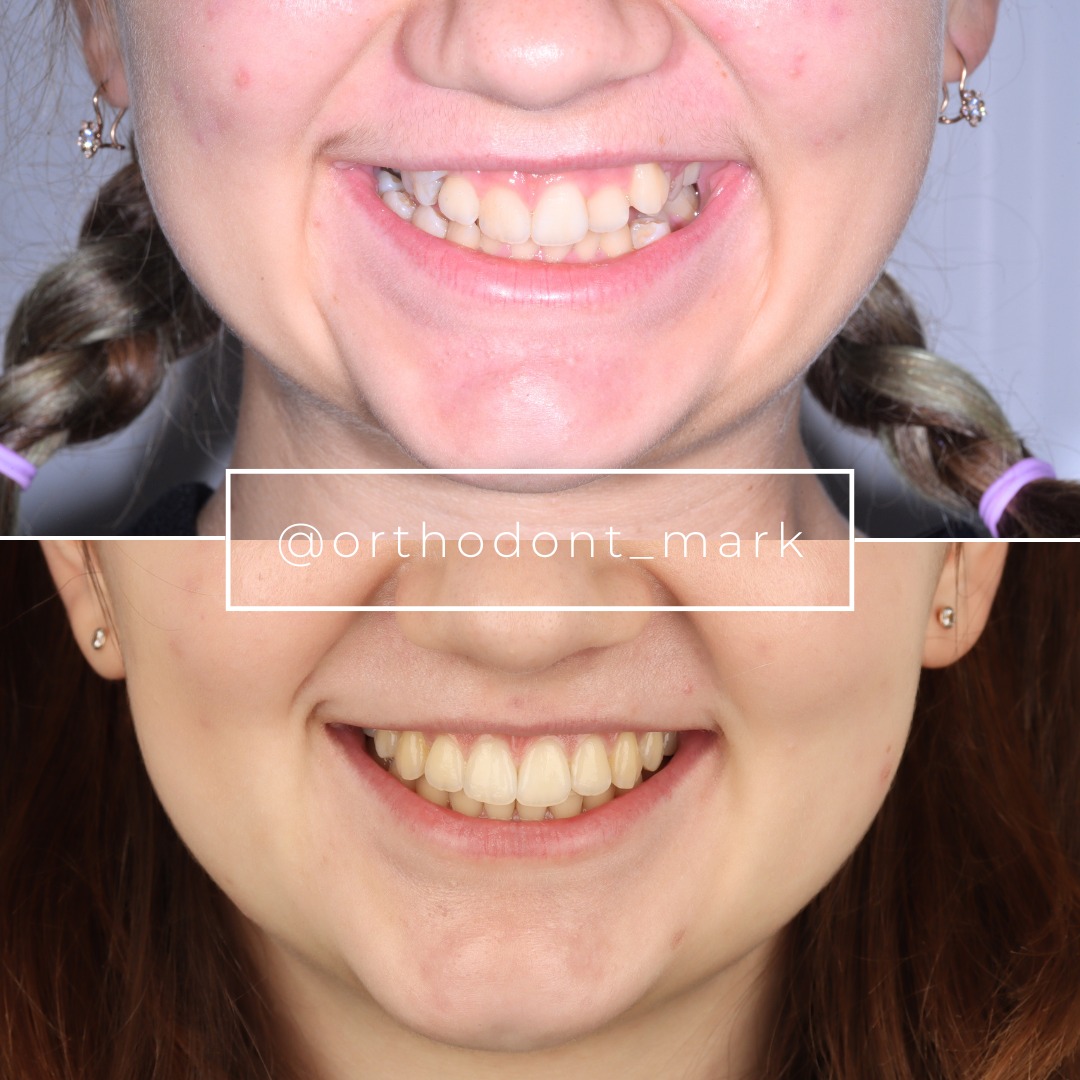
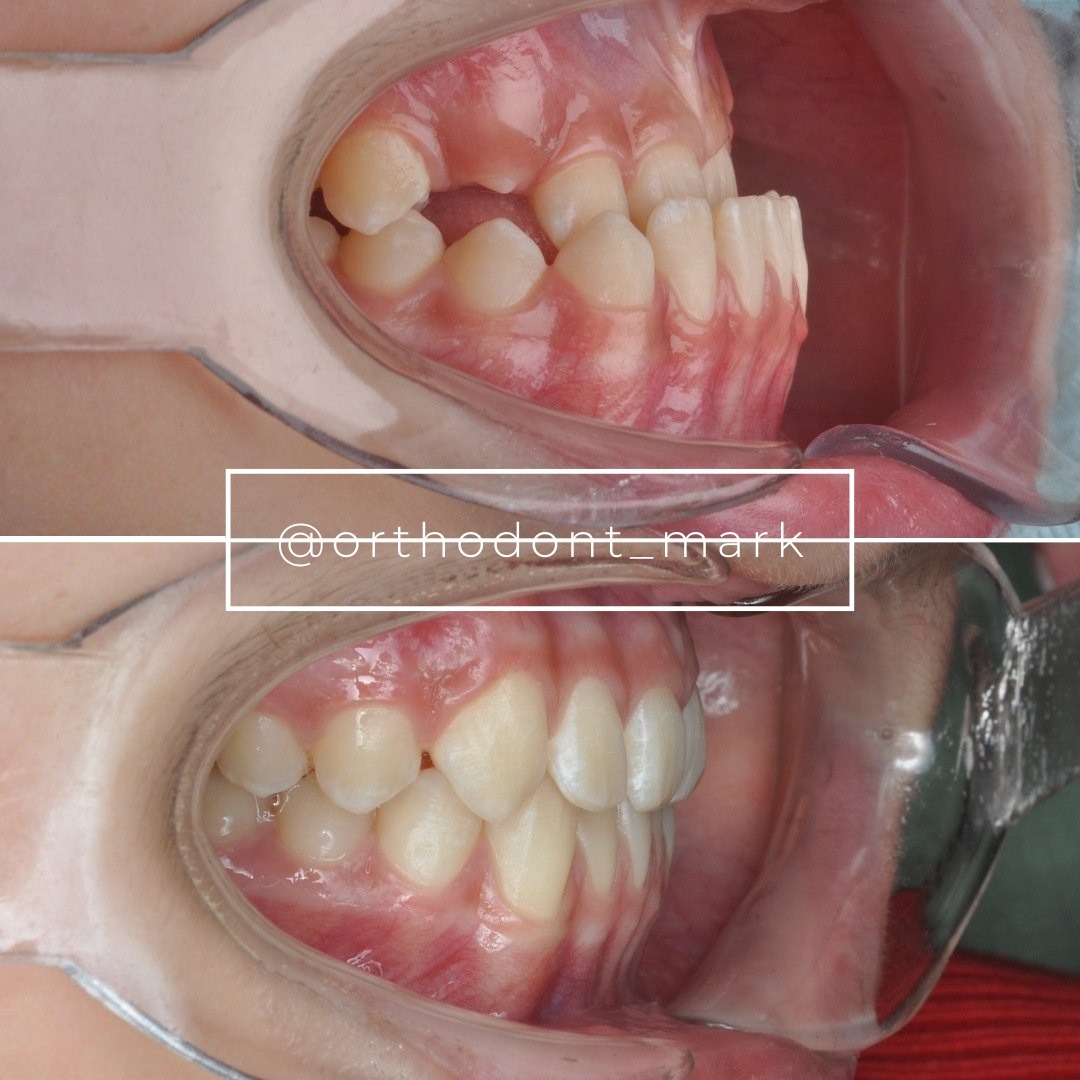
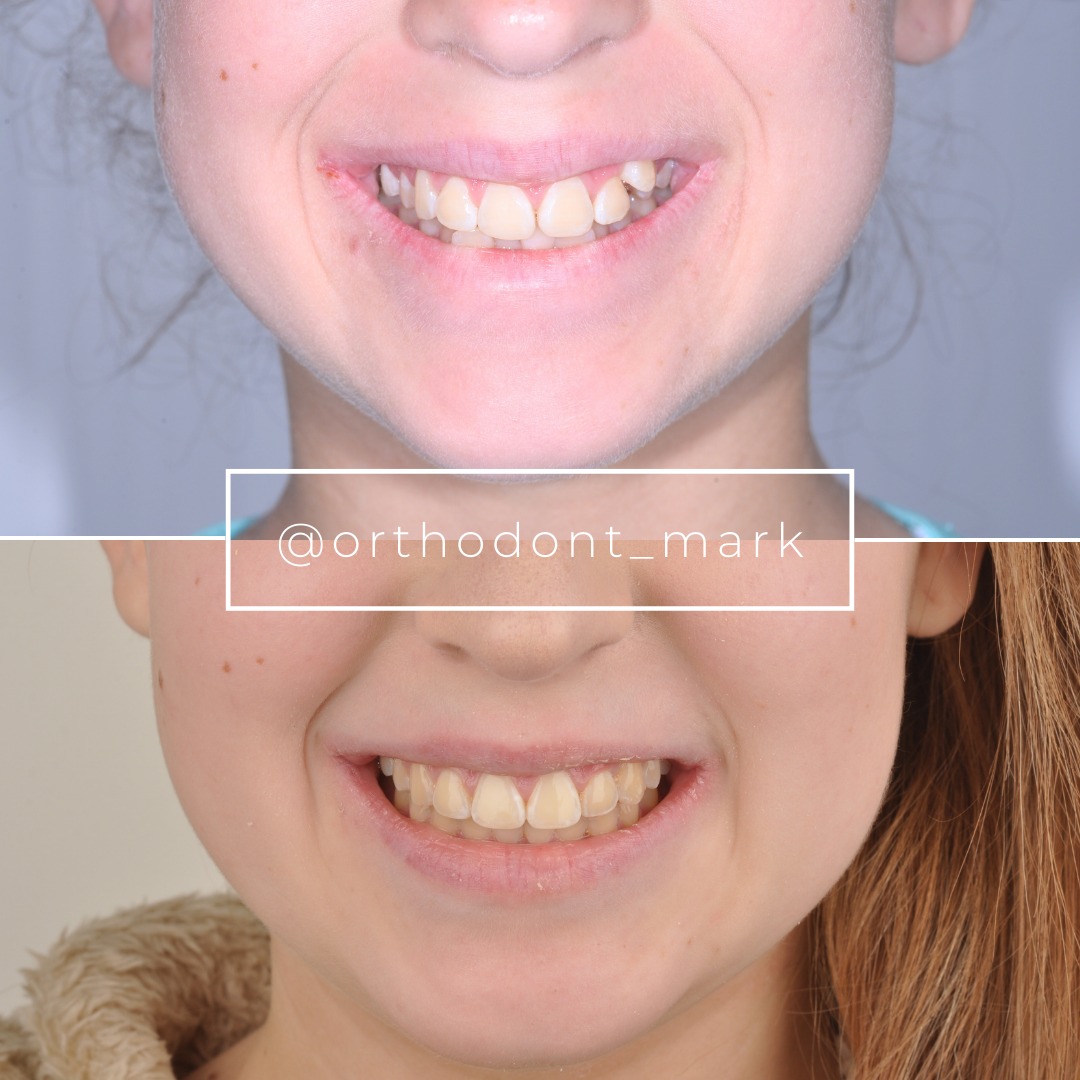
Learn the full MARPE protocol from Dr. Mark Radzhabov
Fundamental course covering CBCT patient selection, miniscrew planning, activation protocols, and 60+ clinical cases. Choose the access level that fits your practice.
Essentials of rapid palatal expansion for practicing orthodontists.
- Core RPE concepts and biomechanics
- 6 structured video lessons
- Clinical decision checklists
- Lifetime access to recordings
Deep-dive into MARPE protocol, diagnostics, and clinical execution.
- 6 modules covering MARPE from A to Z
- CBCT case selection walkthroughs
- Miniscrew placement and activation
- 60+ annotated clinical cases
- Direct Q&A with Dr. Mark Radzhabov
5-element medical consultation framework for dentists and orthodontists.
- Trust-building consultation protocol
- 5 lesson modules
- Templates for treatment plan delivery
- Works with any clinical specialty
Clinical FAQ
What is the Angelieri staging system and how does it guide hybrid Hyrax vs pure MSE selection?
Angelieri staging classifies midpalatal suture maturity via CBCT into stages A–F (patent to completely fused). Stages A–B favor conventional RPE; stages C–D are borderline and suit hybrid Hyrax or pure MSE based on bone anatomy; stages E–F require surgical SARME or committed MARPE. Use CBCT, not age, to stage suture maturity.
How do I measure palatal bone thickness to confirm bicortical engagement for pure MSE?
On CBCT axial slices, measure cortical bone depth at intended miniscrew sites (6–8 mm posterior to palatal rugae and anterior nasal floor). Bicortical engagement requires ≥8 mm thickness in both palatal vault and nasal floor. If thickness is 5–8 mm or anatomically atypical, select hybrid Hyrax instead.
Why does pure MSE produce less dental buccal tipping than hybrid Hyrax?
Pure MSE delivers all expansion force directly to the midpalatal suture via bicortical miniscrews, minimizing dental movement. Hybrid Hyrax combines tooth and bone anchorage, distributing forces across dental roots and causing buccal plate bending and tipping. This trade-off is acceptable when dental change is integrated into comprehensive treatment.
What activation rate is safe for pure MSE in borderline-mature sutures?
Many clinicians reduce activation to 1/4 turn once daily (0.25 mm/day) or every 2–3 days in borderline sutures (stage C–D), compared to 1/4 turn twice daily (0.5 mm/day) for conventional RPE. Conservative activation reduces patient discomfort and miniscrew loosening risk without compromising skeletal separation.
How long should hybrid Hyrax or pure MSE remain in place after target expansion is achieved?
Maintain expansion devices for 3–4 months minimum post-expansion to allow initial bone consolidation. In skeletally mature patients (suture stage D–E), 6–12 months of retention is prudent to prevent transverse relapse. Premature removal increases relapse risk and may undo orthopedic benefit.
Can I use digital planning and 3D-printed guides for hybrid Hyrax, or is it exclusive to pure MSE?
Digital planning is primarily developed for pure MSE, where bicortical miniscrew positioning is critical. Hybrid Hyrax is more forgiving anatomically and typically relies on traditional band-and-arm welding. However, CBCT assessment of palatal anatomy before hybrid Hyrax insertion remains best practice to confirm adequate miniscrew sites.
What patient age and suture stage combination most commonly defines 'borderline'?
Borderline cases typically combine suture stage C–D (early to advanced fusion) with age 12–18 years. Younger patients (12–16) with stage C suture may use hybrid Hyrax as bridge therapy; older patients (16+) with stage D suture usually favor pure MSE for maximal skeletal effect and faster correction.
If hybrid Hyrax expansion is insufficient, can I convert to pure MSE in the same patient?
Sequential expansion (hybrid then MSE) is possible but adds treatment complexity and time. Better approach: perform thorough CBCT-based bone assessment and suture staging before initial device selection. If bone anatomy is favorable, commit to pure MSE upfront; if uncertain, start with hybrid and plan potential Phase 2 skeletal correction.
How do I counsel borderline patients on expected outcomes and side effects for each device?
Hybrid Hyrax: moderate skeletal opening, some dental tipping, comfortable insertion, 7–10 day expansion. Pure MSE: maximal skeletal opening, minimal dental tipping, more complex insertion and activation care, potential for greater initial discomfort. Frame device choice as a match between anatomy, goals, and tolerance, not hierarchy of superiority.
What is the role of fixed appliance therapy timing relative to hybrid Hyrax vs pure MSE removal?
Hybrid Hyrax: begin comprehensive treatment immediately post-expansion; device remains in place as passive retainer during fixed appliance phase (6–24 months). Pure MSE: remove miniscrews after 3–6 months bone consolidation, allow 1–2 months healing, then initiate comprehensive therapy. Earlier fixed appliance start after hybrid expansion simplifies multi-phase treatment.
Borderline expansion cases demand individualized protocol selection rather than algorithmic choice. Hybrid Hyrax delivers predictability and reduced bone loss when partial skeletal effect suffices; pure MSE maximizes skeletal opening when true orthopedic expansion is the goal. The decision tree presented here—anchored in bone morphology, suture maturity, and treatment timeline—equips you to select confidently. Dr. Mark Radzhabov invites you to review borderline cases from your own practice using this framework, or explore advanced MARPE protocols through Orthodontist Mark's clinical resources.

