
MARPE Insurance Appeal:
Medical Necessity Defense
How to Build a Winning Claim Documentation Strategy
Insurance companies deny MARPE claims due to insufficient documentation, not clinical merit. This guide shows exactly what evidence payers need to approve skeletal expansion treatment.
TL;DR MARPE insurance denials often stem from missing medical necessity documentation. Present skeletal radiographic evidence (CBCT midpalatal suture maturity, transverse maxillary deficiency severity), clinical photographs, and age-dependent outcome data to build a defensible appeal. A structured appeal letter citing peer-reviewed outcomes—particularly superior skeletal vs. dentoalveolar effects—significantly improves approval rates.
Insurance claim denials for miniscrew-assisted rapid palatal expansion remain a frustration point for many orthodontists, yet most denials are reversible with proper documentation. Dr. Mark Radzhabov and the clinical team at Orthodontist Mark have built a systematic approach to defending MARPE in insurance appeals, focusing on medical necessity documentation that third-party payers actually recognize. This article covers the specific evidence payers demand: radiographic proof of skeletal deficiency, peer-reviewed outcome data, and the framing that transforms a cosmetic claim into a medical one. Whether you're facing a first denial or a second appeal, this guide provides the clinical justification and letter strategy to overturn it.
Why Insurance Denies MARPE Claims—and How Documentation Fixes It
documentation
Insurance denials for MARPE fall into three categories: (1) missing baseline radiographic evidence of skeletal deficiency, (2) insufficient published data showing medical benefit, and (3) failure to distinguish MARPE as a medical procedure from conventional cosmetic orthodontics. Most denials are not final—they reflect incomplete submission rather than payer policy against expansion.
Payers operate within medical necessity frameworks borrowed from oral and maxillofacial surgery. A transverse maxillary deficiency (TMD) causing crossbite, airway compromise, or TMJ dysfunction is recognized as medically necessary. The challenge lies in proving that MARPE—rather than dentoalveolar orthodontics alone—is the appropriate intervention. Third-party reviewers lack clinical context. They need radiographic proof, peer-reviewed efficacy data, and a written rationale tying patient anatomy to treatment choice.
The most successful orthodontists build this documentation at treatment planning, not after denial. A pre-treatment CBCT with annotated measurements, clinical photographs showing the malocclusion severity, and a signed clinical statement form the foundation of any appeal. When denial arrives, these materials become your leverage.
Building Your CBCT Documentation Case for MARPE Approval
CBCT documentation
Cone-beam computed tomography is the gold standard for MARPE pre-treatment assessment and the single most persuasive evidence in insurance appeals. Payers recognize CBCT because it objectively quantifies skeletal pathology—something 2D radiographs cannot reliably demonstrate. When submitting an appeal, include a pretreatment CBCT with the following annotated measurements:
Transverse maxillary width at the molar and premolar regions: Measure the distance from the buccal alveolar crest at the first molar (or first premolar) on the right to the corresponding point on the left. Compare to age-matched norms. A deficit of 5–8 mm or more constitutes objective skeletal deficiency and is persuasive to payers. Midpalatal suture maturation stage: Use Haas classification or morphologic indicators to document suture density. In adolescents, evidence of open or partially fused suture increases predicted responsiveness to expansion and justifies MARPE timing. For skeletally mature adults, a radiographically evident mature suture strengthens the case that miniscrew anchorage—rather than dentoalveolar tipping—is necessary.
Posterior crossbite severity and airway dimensions: Document the extent of crossbite (unilateral or bilateral, dentition stage), and measure the minimum sagittal airway space at the velopharyngeal port. Airway compromise is a strong medical necessity indicator. Include a statement:
Peer-Reviewed Efficacy Data: The Language Payers Understand
peer-reviewed
Insurance appeals succeed when you speak the payer's language: published clinical evidence. Unlike clinical judgment alone, peer-reviewed studies function as external validation that payers trust. When building your appeal, highlight three specific findings that consistently persuade third-party reviewers:
Superior skeletal expansion in MARPE vs. conventional RPE: A 2022 comparative study found that MARPE produced greater nasal width increase and greater palatal foramen separation compared to conventional tooth-borne expansion, with the MARPE group showing 56% skeletal contribution to total expansion at the molar versus 83% in pure bone-borne designs. In your appeal letter, frame this as:
The Medical Necessity Letter: Format, Language, and Persuasive Elements
Medical Necessity
A strong medical necessity letter is the centerpiece of your MARPE insurance appeal. Most denials reverse not because payers reject the treatment, but because the initial submission lacked the required written justification. Here is a proven structure:
Opening statement (1–2 sentences): Identify the patient, the requested procedure, and the reason for the letter. Example:
The Five-Step MARPE Claims Appeal Process
appeal process
Once a denial arrives, follow this structured protocol to maximize reversal odds. Most first denials are reversed on appeal if resubmitted with complete documentation.
Step 1: Obtain and review the denial letter (within 1 week of receipt). The denial letter usually states the specific reason:
Five Documentation Mistakes That Guarantee Appeal Denial
guarantee appeal
Pitfall 1: Submitting an appeal without a written clinical necessity statement. Many practices resubmit CBCT and photos but forget the letter. Payers need a clinician's signed statement explaining why MARPE is medically necessary for this specific patient. Without it, even excellent radiographic evidence sits unused. Always include a 1–2 page clinical statement signed by you and dated.
Pitfall 2: Citing clinical evidence without peer-reviewed backing. Phrases like “MARPE is the gold standard” or “skeletal expansion is superior” sound professional but do not persuade insurance reviewers. Instead
Free Clinical Guide
Which Expansion Appliance at Which Age?
Get Dr. Mark Radzhabov's guide to skeletal-expansion appliances — indications, pros & cons, and how to choose by patient age. Free to your inbox.
Prefer video? Watch the free demo lesson on MARPE appliance types, features and trade-offs.
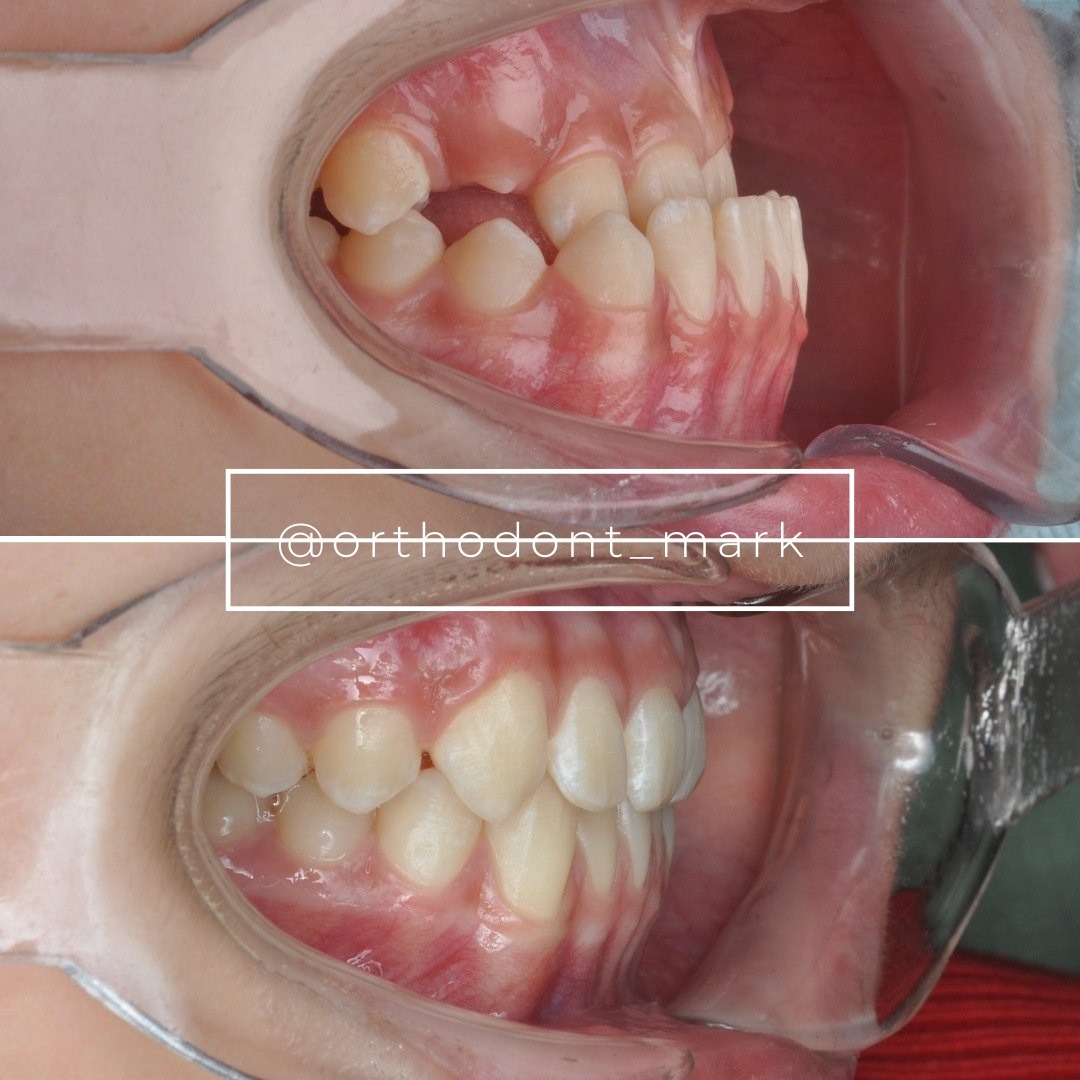
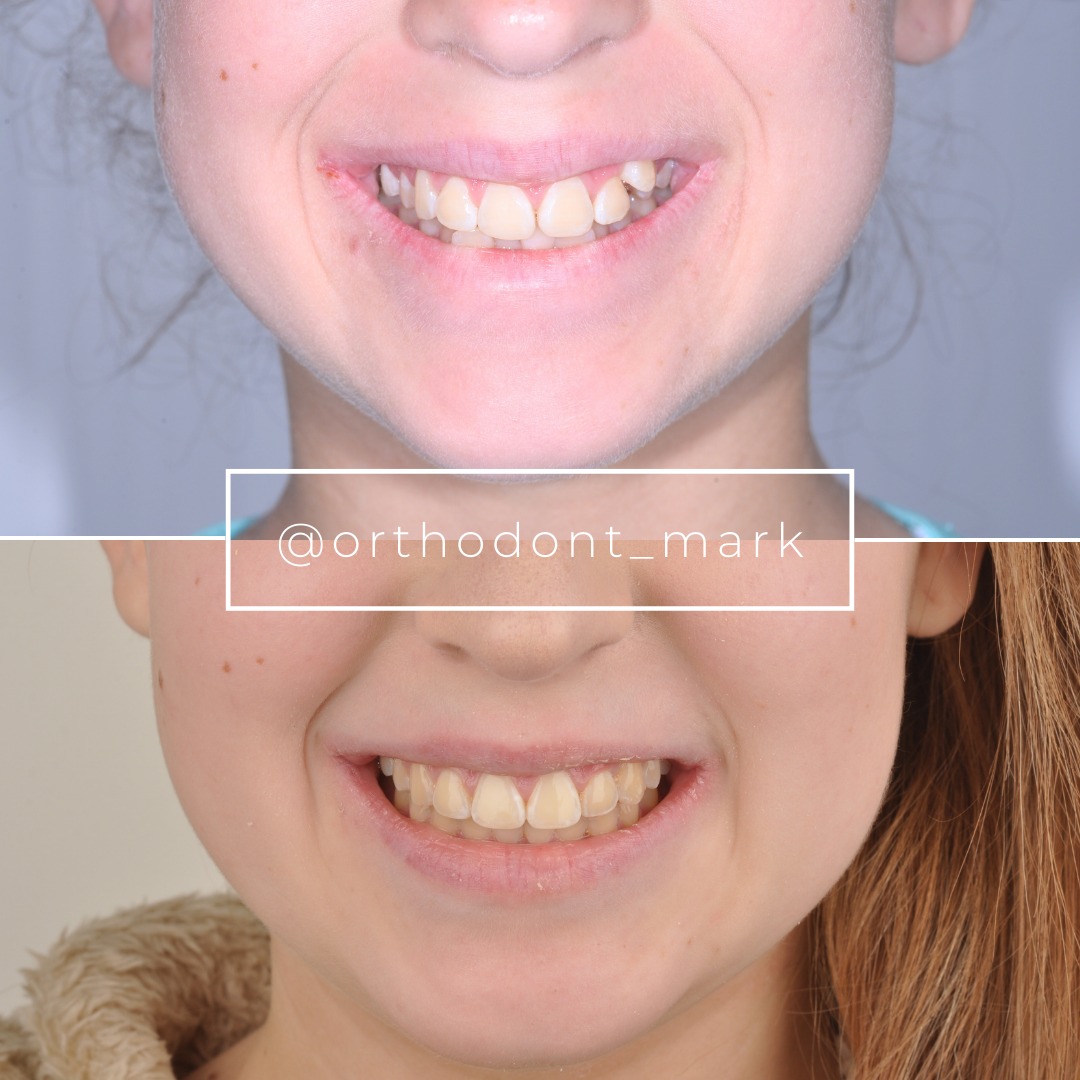
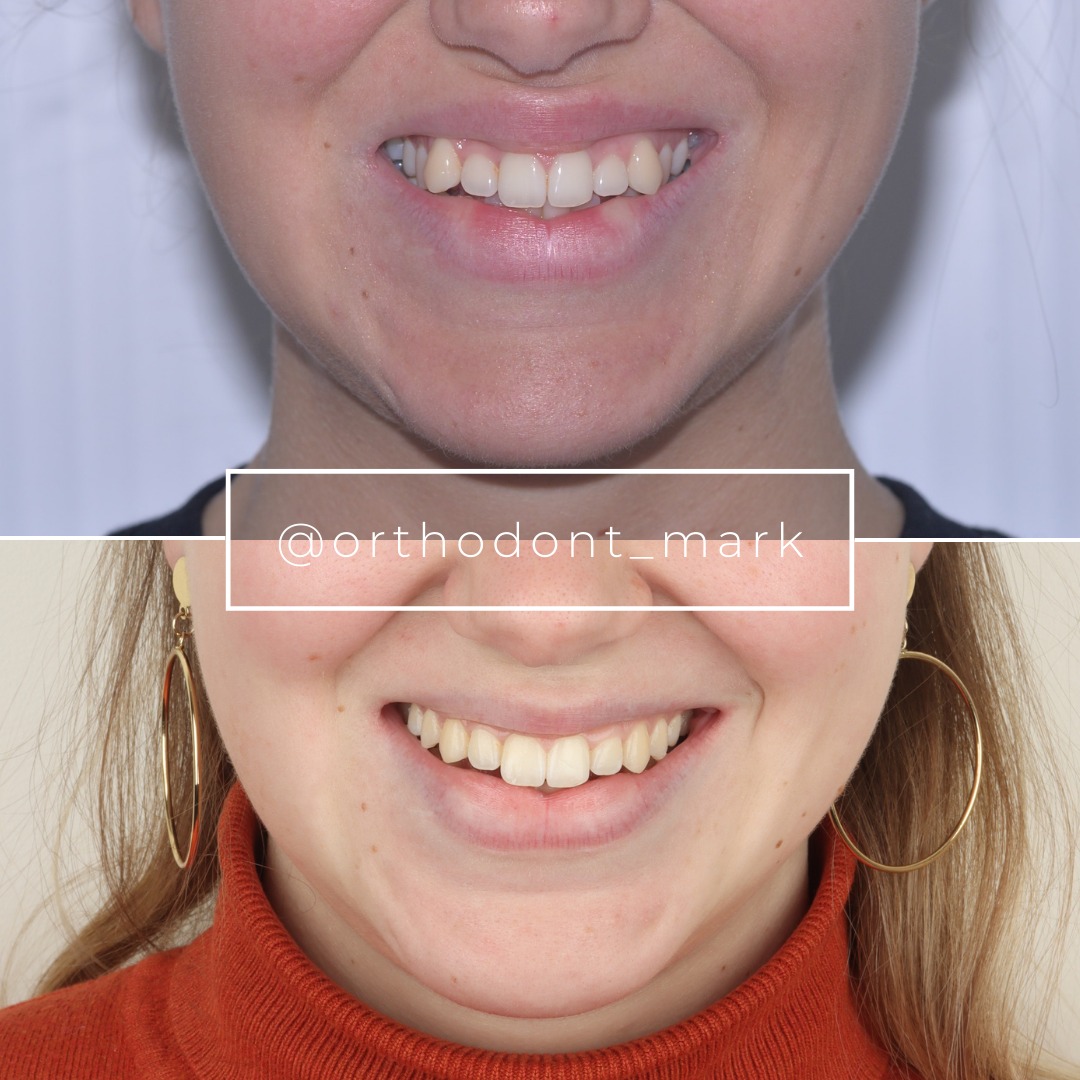
Documented outcomes
Clinical cases from Dr. Mark Radzhabov's practice
Learn the full MARPE protocol from Dr. Mark Radzhabov
Fundamental course covering CBCT patient selection, miniscrew planning, activation protocols, and 60+ clinical cases. Choose the access level that fits your practice.
Essentials of rapid palatal expansion for practicing orthodontists.
- Core RPE concepts and biomechanics
- 6 structured video lessons
- Clinical decision checklists
- Lifetime access to recordings
Deep-dive into MARPE protocol, diagnostics, and clinical execution.
- 6 modules covering MARPE from A to Z
- CBCT case selection walkthroughs
- Miniscrew placement and activation
- 60+ annotated clinical cases
- Direct Q&A with Dr. Mark Radzhabov
5-element medical consultation framework for dentists and orthodontists.
- Trust-building consultation protocol
- 5 lesson modules
- Templates for treatment plan delivery
- Works with any clinical specialty
Clinical FAQ
What specific CBCT measurements do insurers expect for MARPE pre-authorization?
Insurers require: (1) transverse maxillary width at molar and premolar regions (in mm), (2) midpalatal suture maturity stage (Haas classification or morphologic assessment), (3) sagittal airway dimension at velopharyngeal level, and (4) posterior crossbite severity documented in degree or clinical description. Always include annotated measurements on the CBCT report.
Can I appeal a MARPE denial after treatment has already started?
Appeals filed after treatment begins carry significantly lower approval rates because payers may classify them as moot. Submit pre-authorization claims before initial wire placement or appeal within 2 weeks of initial denial, before treatment commences.
Which peer-reviewed studies are most persuasive in MARPE insurance appeals?
The 2022 randomized clinical trial in BMC Oral Health comparing RPE and MARPE (midpalatal suture separation rates, skeletal contribution, dentoalveolar changes) and the 2021 comparative study in APOS Trends in Orthodontics (bone-borne vs. hybrid expanders) are the most current and payer-recognized sources.
What is the typical timeframe for MARPE insurance appeal review and decision?
Most payers provide a decision within 20–30 business days of a complete appeal submission. Request a specific review date in writing. Follow up 2 weeks after submission to confirm receipt and case tracking number.
How do I frame airway compromise in a MARPE medical necessity letter?
Measure sagittal pharyngeal depth on CBCT (normal ≥10 mm at velopharyngeal level). State: 'Patient exhibits velopharyngeal narrowing to [measurement] mm, consistent with mild airway obstruction. Maxillary expansion is expected to increase pharyngeal width and improve airway patency.' Link anatomic finding directly to health benefit.
Should I cite 'medical necessity' in my insurance claim or wait for denial first?
Always include a clinical necessity statement with the initial claim, not just after denial. Most denials cite 'insufficient documentation' on first submission. Comprehensive documentation with the initial claim increases first-time approval odds and strengthens appeals.
What language should I avoid in appeal letters to prevent cosmetic classification?
Avoid: 'improve smile,' 'enhance esthetics,' 'better alignment,' 'orthodontic correction,' or 'cosmetic straightening.' Use: 'functional crossbite correction,' 'eliminate gingival trauma,' 'restore normal mastication,' 'reduce TMJ loading asymmetry,' 'prevent periodontal compromise,' or 'restore airway patency.'
How many times can I appeal a MARPE claim denial?
You can typically appeal once through the payer's internal review process. If denied on second appeal, you may request an independent external review (available in most states), which is conducted by a neutral third-party physician reviewer. This step is legally protected and often reverses denials.
What if the payer's peer reviewer questions the efficacy of MARPE in skeletally mature patients?
Reference the 2021 comparative study showing 83% skeletal contribution in bone-borne miniscrew expanders and state: 'In skeletally mature patients, miniscrew anchorage avoids the need for surgical SARPE while achieving equivalent skeletal expansion, representing a medically appropriate, minimally invasive alternative.' Emphasize reduced surgical burden.
How do I document that MARPE caused less alveolar bone loss than conventional RPE in my appeal?
Reference the published finding: 'Prospective trials demonstrate that miniscrew-assisted expansion reduces buccal alveolar bone loss and compensatory dental tipping compared to tooth-borne expansion, improving long-term periodontal stability and reducing treatment risk.' Include the specific study citation in your appeal letter.
A successful MARPE insurance appeal hinges on three elements: objective radiographic evidence of transverse maxillary deficiency, published outcomes showing superior skeletal correction compared to dentoalveolar compensation, and a professionally written appeal that connects your clinical findings to payer medical necessity criteria. Dr. Mark Radzhabov recommends building your appeal file from treatment planning onward—CBCT analysis, clinical photographs, and a written clinical rationale—rather than scrambling after denial. Ready to strengthen your appeal documentation? Review your recent MARPE cases with this framework, or schedule a consultation to refine your orthodontic insurance documentation protocol.

