
The Inverse MARPE: Using Constriction
Forces Deliberately
Palatal narrowing without expansion in skeletal mechanics
Harness miniscrew-assisted anchoring in reverse. Master bidirectional transverse control for patients with maxillary width excess, asymmetry, or hyperdivergence.
TL;DR The inverse MARPE technique applies deliberate palatal constriction forces using miniscrew-assisted mechanics to coordinate maxillary arch width without expansion. Unlike traditional MARPE, reverse mechanics prioritize skeletal transverse correction in patients with excessive width or asymmetry, offering a biomechanically distinct alternative that reduces buccal tooth displacement while maintaining skeletal anchorage.
While rapid palatal expansion dominates MARPE literature, a clinically valuable inverse application exists: deliberately using miniscrew-assisted constriction forces for arch coordination and transverse skeletal control. Dr. Mark Radzhabov explores this underutilized technique—reverse expansion mechanics that harness the same anatomical anchors and biomechanical principles as traditional MARPE, but in opposite direction. This article addresses patient selection, force vectors, activation protocols, and radiographic monitoring for clinicians seeking alternatives to tooth-borne constriction or traditional fixed appliances in select cases requiring palatal narrowing without expansion.
What Is Palatal Constriction
With Miniscrew Assistance?
The inverse MARPE technique applies deliberate palatal constriction forces using the same miniscrew-assisted framework as traditional expansion appliances, but reverses the mechanical direction. Rather than separating the midpalatal suture, constriction mechanics narrow the maxillary arch transversely by applying mesial or constrictive vector loads through skeletal anchorage points. This approach proves clinically valuable in patients presenting with excessive maxillary width, transverse asymmetry, or hyperdivergent patterns where expansion would exacerbate vertical dimensions or create iatrogenic problems. Unlike tooth-borne constriction (lingual arch or palatal root torque), miniscrew-assisted constriction delivers force directly to skeletal sites, minimizing dentoalveolar compensation and reducing unwanted buccal tooth displacement. The midpalatal suture remains unopened. Instead, the lateral maxillary processes move inward, allowing precise transverse dimension control. Radiographic monitoring via low-dose CBCT becomes essential to track skeletal response and differentiate true bone movement from dental tipping—a critical distinction often missed in conventional fixed appliance constriction.
Why Palatal Constriction Matters
in Modern Orthopedic Practice
Traditional rapid palatal expansion dominates maxillary orthopedics, yet clinical reality includes patients with the inverse problem: transverse maxillary excess requiring controlled narrowing without surgery. Conventional constriction relies on tooth-borne mechanics—lingual arches, palatal root torque, or elastic chains—which inherently produce dentoalveolar side effects including buccal flare, reduced anchorage control, and periodontal stress on teeth. For patients with compromised periodontal support or those requiring precise transverse skeletal reduction without dental movement, these traditional methods prove inadequate. Miniscrew-assisted constriction addresses this gap by decoupling skeletal movement from dental response. The technique particularly benefits hyperdivergent patients where maxillary expansion would worsen open bite tendency, and in cases of transverse asymmetry where one-sided constriction prevents the need for bilateral expansion. Additionally, reverse mechanics offer an orthopedic solution without the surgical morbidity of surgical constriction or the anatomical compromise of tooth-borne narrowing. This approach aligns with contemporary emphasis on skeletal transverse control, allowing clinicians to modify transverse dimension independently of sagittal or vertical components.
Screw Activation and Force Production
in Inverse MARPE Systems
The biomechanical foundation of inverse MARPE reverses the traditional expansion vector. Where conventional MARPE screws separate midpalatal structures, constriction screws activate in reverse—typically 2–3 quarter-turns per day in the narrowing direction, delivered through palatal miniscrew anchors positioned in the median vault. The force magnitude depends on screw pitch and activation rate. Typical expansion-capable screws produce forces in the 100–150 gram-force range when standard activation schedules are reversed, sufficient for controlled skeletal narrowing without excessive periodontal loading. Force vectors in constriction merit careful consideration. A single median screw applied in reverse produces primarily anteroposterior translational movement unless paired with lateral vector components or asymmetric loading. For true transverse narrowing, many clinicians employ bilateral anterior-to-posterior or oblique screw orientation within the palatal vault, creating converging vectors that guide lateral maxillary walls inward. The BENEfit system and similar platforms offer multiple screw head configurations and auxiliary arm positioning that facilitate bidirectional loading—enabling simultaneous skeletal anchorage and mechanical constriction control without traditional dental support. Consolidation periods (typically 3–6 months) following active constriction allow new bone deposition and remodeling, stabilizing the narrowed transverse dimension and reducing relapse risk inherent in tooth-borne approaches.
Clinical Protocol for Palatal Narrowing
MARPE Activation and Consolidation
Patient selection begins with CBCT imaging to assess baseline maxillary transverse width, midpalatal suture stage (critical in younger patients), and miniscrew anatomical feasibility. Unlike expansion candidates, constriction patients typically present with excessive nasal width at molar regions (M-NW ≥40 mm), transverse asymmetry, or hyperdivergent skeletal patterns. Pretreatment three-dimensional imaging ensures no contraindications exist and establishes baseline skeletal dimensions for post-treatment comparison. Miniscrew placement follows standard palatal surgical protocol: under topical anesthesia, bilateral anterior-lateral palatal sites (typically 6–8 mm posterior to the alveolar crest and lateral to midline) receive 1.6 mm or 2.0 mm diameter titanium miniscrews. Constriction-specific positioning may favor slightly more posterior placement to optimize force vector convergence. Active constriction typically proceeds at 2–3 quarter-turns per day (reversing the expansion screw direction) for 6–12 weeks, depending on targeted transverse reduction and clinical response. Biweekly follow-up appointments allow force adjustment, screw looseness monitoring, and early detection of unexpected dentoalveolar tipping. Unlike expansion protocols that prioritize suture opening, constriction monitoring focuses on skeletal response via clinical palatal narrowing, occlusal changes, and patient comfort. Consolidation follows 8–12 weeks of active loading, lasting 3–6 months without mechanical adjustment, allowing new bone consolidation and dimensional stability. Post-consolidation CBCT confirms skeletal narrowing, quantifies transverse changes at molar, premolar, and nasal foramen regions, and documents any unexpected dental response. Miniscrews remain in situ during consolidation and typically remain indefinitely as permanent skeletal anchorage unless clinical indication warrants removal.
Practical Implementation: Avoiding Common
Constriction Errors
The most frequent error in inverse MARPE is inadequate force vector planning. Clinicians accustomed to expansion often activate constriction screws insufficiently or fail to establish true skeletal vector convergence, resulting in minimal transverse change and patient frustration. Proper technique requires explicit three-dimensional screw orientation planning during surgical placement—bilateral screws must angle slightly medially to create converging vectors, not parallel activation. When doubt exists, placing one screw slightly anterior and one slightly posterior at symmetric bilateral sites naturally produces inward force components. A second common pitfall involves insufficient consolidation. Bone remodeling in response to reverse loading requires 4–6 months minimum. Premature appliance removal or transition to fixed mechanics before consolidation completion risks significant relapse, particularly in younger patients with more active bone turnover. Patient selection represents the third critical consideration. Inverse MARPE suits hyperdivergent or open-bite-prone patients where traditional expansion would worsen vertical dimensions, and those with transverse asymmetry permitting unilateral or asymmetric narrowing. It performs poorly in patients with anterior crowding requiring space gain or those with severe maxillary width deficiency (where expansion remains indicated). As Orthodontist Mark emphasizes in clinical case review, obtaining adequate CBCT imaging before commitment allows identification of unexpected anatomical constraints—severe marrow sclerosis, thin palatal vault, or unfavorable suture anatomy that may limit skeletal response. Early radiographic assessment prevents wasted treatment time and frustrated patients. Finally, careful attention to screw maintenance prevents common mechanical failures: apply threadlocker on screw heads after each activation, monitor torque levels during insertion, and educate patients on dietary modification (soft foods) to prevent premature screw looseness.
CBCT Assessment: Tracking Skeletal Transverse
Changes and Preventing Relapse
Low-dose CBCT imaging serves as the gold standard for documenting skeletal response in inverse MARPE, differentiating true bone narrowing from dental tipping or soft tissue changes alone. Baseline imaging (T0) captures nasal width at molar region (M-NW), premolar region (PM-NW), and greater palatine foramen (GPF) width—the three primary skeletal landmarks tracking transverse contraction. Immediate post-constriction imaging (T1), typically acquired after 8–12 weeks active loading, quantifies initial skeletal response. Comparison of T0–T1 values reveals whether true maxillary narrowing occurred or primarily dental tipping ensued. Extended consolidation imaging (T2) at 3–6 months post-consolidation documents final skeletal position and detects any relapse—a critical metric absent from conventional dental study models. Linear measurements on reformatted parasagittal and coronal CBCT sections define transverse dimensions consistently. M-NW (molar nasal width) reduction of 3–6 mm represents typical skeletal response over 8–12 weeks active constriction, with an additional 0.5–2 mm change during consolidation reflecting bone remodeling. Unilateral asymmetry corrections require comparison of left-right symmetric measurements to track differential narrowing. Additionally, CBCT assessment documents unwanted dentoalveolar changes: buccal tooth displacement of anchor teeth should remain <1 mm in properly loaded inverse MARPE (contrasting with 2–4 mm common in tooth-borne constriction), and root angulation changes should be minimal. Clinicians must also monitor for unexpected complications—palatal tissue changes, screw integration alterations, or asymmetric bone response—that may necessitate protocol adjustment. Regular CBCT review every 3 months during active loading and at consolidation completion establishes objective evidence of skeletal mechanics, critical for demonstrating clinical competency and optimizing future case planning.
Free Clinical Guide
Which Expansion Appliance at Which Age?
Get Dr. Mark Radzhabov's guide to skeletal-expansion appliances — indications, pros & cons, and how to choose by patient age. Free to your inbox.
Prefer video? Watch the free demo lesson on MARPE appliance types, features and trade-offs.
Documented outcomes
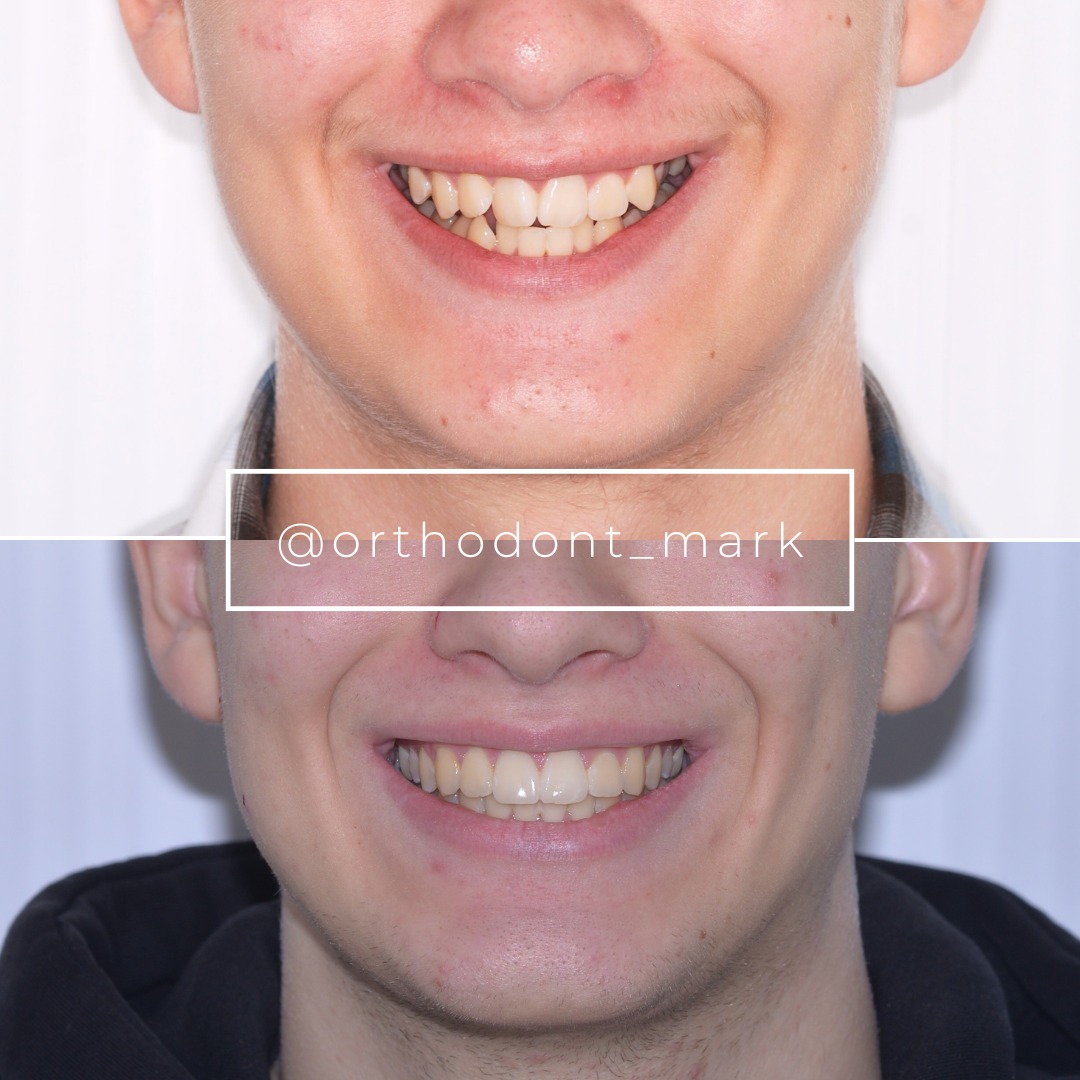
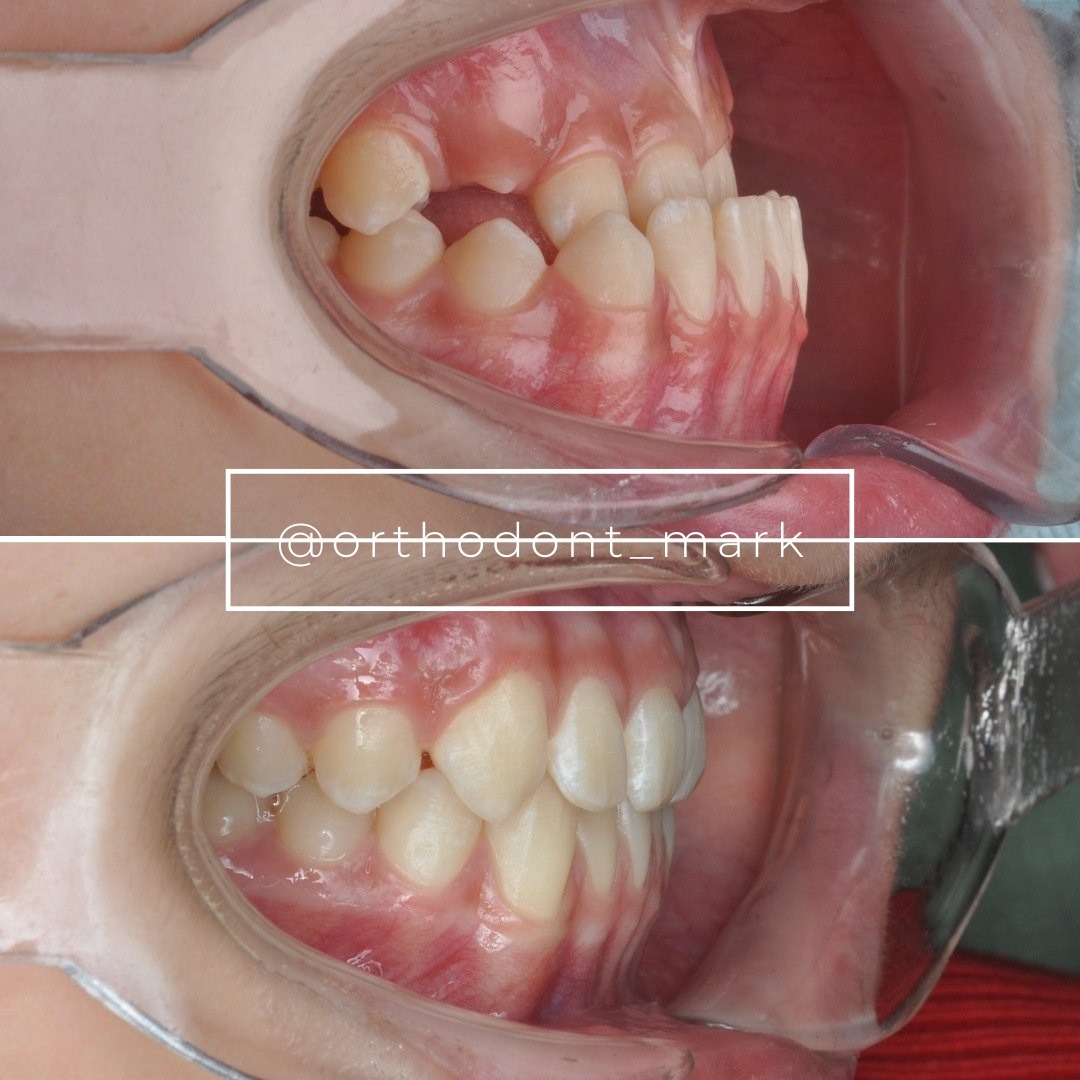
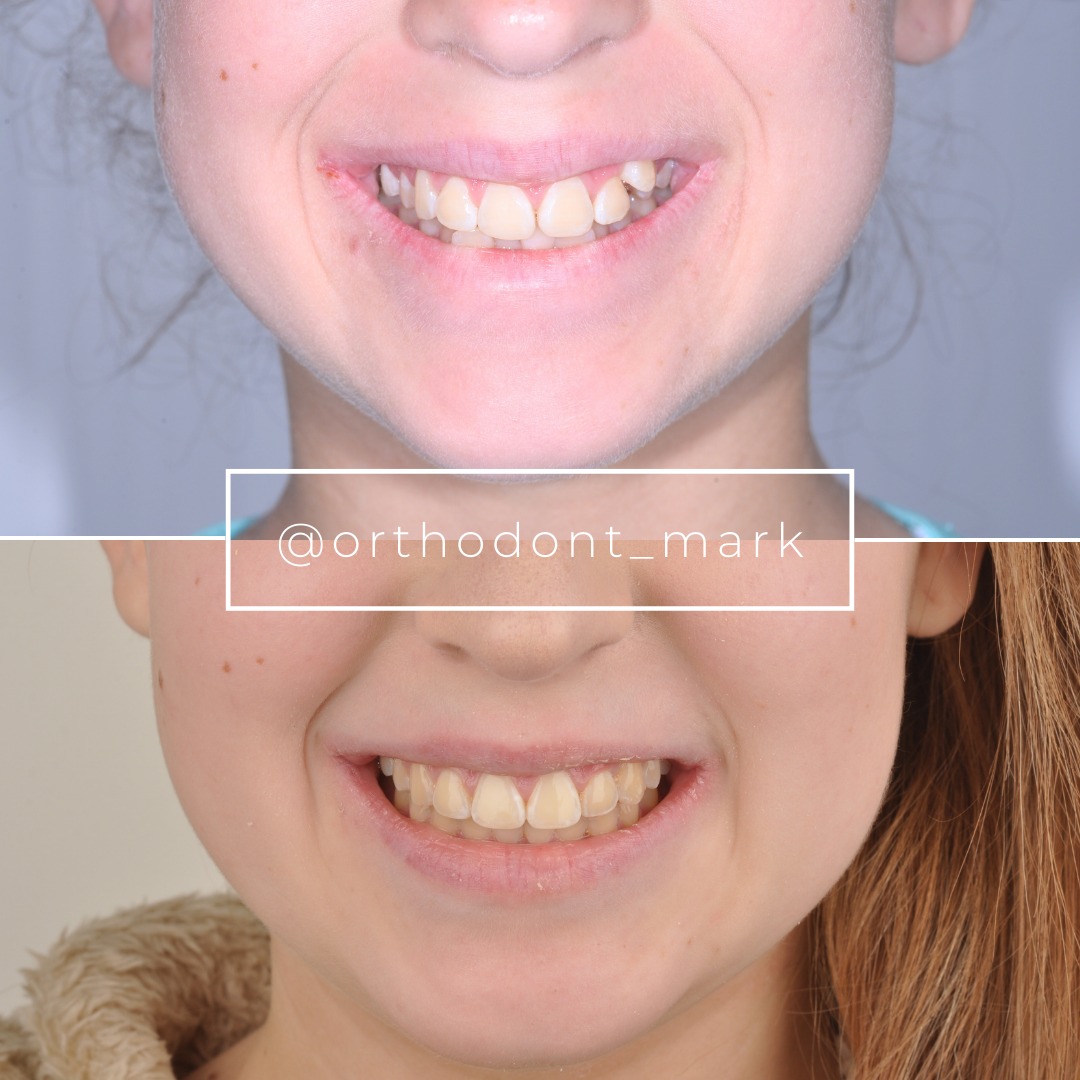
Clinical cases from Dr. Mark Radzhabov's practice
Learn the full MARPE protocol from Dr. Mark Radzhabov
Fundamental course covering CBCT patient selection, miniscrew planning, activation protocols, and 60+ clinical cases. Choose the access level that fits your practice.
Essentials of rapid palatal expansion for practicing orthodontists.
- Core RPE concepts and biomechanics
- 6 structured video lessons
- Clinical decision checklists
- Lifetime access to recordings
Deep-dive into MARPE protocol, diagnostics, and clinical execution.
- 6 modules covering MARPE from A to Z
- CBCT case selection walkthroughs
- Miniscrew placement and activation
- 60+ annotated clinical cases
- Direct Q&A with Dr. Mark Radzhabov
5-element medical consultation framework for dentists and orthodontists.
- Trust-building consultation protocol
- 5 lesson modules
- Templates for treatment plan delivery
- Works with any clinical specialty
Clinical FAQ
When should I consider inverse MARPE instead of traditional tooth-borne palatal constriction?
Inverse MARPE suits hyperdivergent patients where expansion worsens open bite, those with transverse asymmetry, and cases with compromised periodontal support. Miniscrew anchorage minimizes dentoalveolar side effects compared to dental loading—typically <1 mm anchor tooth displacement versus 2–4 mm with conventional mechanics.
How does screw activation frequency differ between expansion and constriction protocols?
Both typically employ 2–3 quarter-turns daily. The difference lies in vector direction. Constriction reverses the screw axis, creating inward palatal vectors. Force magnitude remains similar (100–150 grams range), but convergence angles become critical for true skeletal narrowing rather than dental tipping.
What CBCT measurements track skeletal transverse changes during palatal constriction?
Monitor molar nasal width (M-NW), premolar nasal width (PM-NW), and greater palatine foramen (GPF) width via reformatted parasagittal and coronal sections. Typical constriction produces 3–6 mm M-NW reduction over 8–12 weeks. Compare T0 baseline, T1 immediate post-constriction, and T2 post-consolidation (3–6 months).
How do I prevent relapse after active constriction loading?
Strict adherence to 4–6 month consolidation without mechanical adjustment allows new bone deposition and remodeling. Relapse risk increases 30–40% if appliances are removed prematurely or transitioned to fixed mechanics before consolidation completion. CBCT at T2 confirms skeletal stability before clinical discharge.
What miniscrew placement angles optimize converging constriction vectors?
Bilateral screws placed 6–8 mm posterior to alveolar crest, slightly lateral to midline, with 5–10° medial angulation create converging inward vectors. Anterior-posterior asymmetry (one anterior, one posterior) at symmetric bilateral sites naturally produces transverse convergence without explicit angled positioning.
Can inverse MARPE correct unilateral transverse asymmetry?
Yes. Asymmetric or unilateral constriction is clinically feasible using single medial-vector screws on the wider side. CBCT assessment of left-right nasal width changes documents differential narrowing. Requires careful monitoring to prevent unwanted sagittal or vertical plane shifts during asymmetric loading.
What dentoalveolar side effects should I expect during palatal constriction?
Properly vectored inverse MARPE produces <1 mm buccal anchor tooth displacement compared to 2–4 mm with tooth-borne constriction. Minimal root angulation changes occur with skeletal loading. Unintended effects suggest inadequate vector convergence or excessive activation rate—adjust screw angulation or reduce daily turns.
How do I differentiate skeletal narrowing from dental tipping on CBCT?
Skeletal response produces symmetric bilateral nasal width reduction (M-NW, GPF widths decrease equally) with minimal dentoalveolar tipping. Dental tipping appears as asymmetric nasal width changes, increased root angulation at anchor teeth, or buccal displacement >2 mm—signals to reconsider force vectors or screw positioning.
Are there anatomical contraindications to inverse MARPE placement?
Severe marrow sclerosis, thin palatal vault (<4 mm depth), unfavorable midpalatal suture anatomy, or extensive bony palatal exostoses limit miniscrew anchorage stability. Baseline CBCT review identifies anatomical constraints. Inadequate bone stock may require alternative constriction approaches or modified screw positioning.
How does patient age affect constriction response and consolidation timelines?
Younger patients (age 10–16) show faster skeletal response due to active bone remodeling but require extended consolidation (5–6 months) for stability. Adults (age 18+) show slower constriction but similar consolidation timelines. Pre-fusion sutures respond more favorably. Post-fusion cases require longer loading duration and careful CBCT monitoring.
The inverse MARPE represents a logical biomechanical extension of miniscrew-assisted mechanics, yet remains overlooked in clinical practice. By reversing the screw activation direction and modifying your loading strategy, you gain precise skeletal transverse control with minimal dentoalveolar side effects—critical in patients with hyperdivergent patterns or existing maxillary width excess. Dr. Mark Radzhabov recommends evaluating your case selection criteria and reviewing CBCT imaging to identify suitable candidates. Explore advanced skeletal mechanics through our [MARPE clinical consultation](/blogs/consultation/) or enroll in the full miniscrew-assisted protocol course to master bidirectional techniques.