
MARPE Treatment Phases:
Activation to Consolidation
The Three-Phase Clinical Timeline
Master the evidence-based activation, consolidation, and retention phases that drive successful skeletal expansion and predict long-term treatment stability.
TL;DR MARPE treatment progresses through three distinct phases: activation (rapid miniscrew-assisted palatal expansion), consolidation (3–6 month stabilization period), and retention (long-term skeletal holding). The midpalatal suture achieves 90–95% separation during activation, and MARPE demonstrates superior skeletal outcomes with less dentoalveolar side effects than conventional RPE, particularly reduced buccal tooth displacement.
Miniscrew-assisted rapid palatal expansion (MARPE) has become the preferred skeletal expansion method for adolescents and young adults, yet many clinicians remain unclear about the distinct treatment phases and their clinical implications. Dr. Mark Radzhabov at Orthodontist Mark emphasizes that understanding the activation-to-consolidation continuum is essential for predicting outcomes, managing patient expectations, and preventing common complications such as relapse or anchor tooth displacement. This article systematically outlines the three phases of MARPE treatment — activation, consolidation, and retention — drawing on prospective clinical trials and translating evidence into actionable clinical protocols that optimize skeletal response while minimizing dentoalveolar side effects.
What Is MARPE, and Why Phase
Definition Matters Clinically
Miniscrew-assisted rapid palatal expansion (MARPE) is a non-invasive skeletal expansion technique that uses temporary miniscrew anchorage to open the midpalatal suture without relying on tooth-borne forces. Unlike conventional RPE, which transmits expansion force through the maxillary dentition and often results in buccal flaring and alveolar bone remodeling, MARPE delivers force directly to the palatal vault, decoupling dental from skeletal response. The three-phase model — activation, consolidation, and retention — represents the biological and mechanical timeline necessary for complete midpalatal suture separation, bone remodeling, and long-term skeletal stability. Phase distinction is clinically vital because each phase demands different management: during activation, the clinician focuses on force delivery and suture monitoring. During consolidation, the focus shifts to preventing relapse and allowing new bone formation. During retention, the goal is skeletal holding and coordinated dentoalveolar settling. Prospective randomized trials using cone-beam computed tomography (CBCT) have demonstrated that respecting phase duration—particularly the consolidation window—is the strongest predictor of final skeletal width maintenance and absence of midpalatal re-fusion.
Phase 1: Rapid Miniscrew-Assisted
Palatal Expansion Activation
The activation phase begins on the day of miniscrew placement and continues through the final expansion turn, typically lasting 8–12 weeks depending on the amount of transverse skeletal expansion needed (commonly 6–10 mm of molar width gain). Standard activation protocols recommend 0.25–0.5 mm per day, achieved through turn-based activation schedules (e.g., 2–4 turns daily by the patient or in weekly office increments). Early activation is critical: evidence shows that initiating appliance load within 48–72 hours post-placement optimizes midpalatal suture response and reduces the risk of incomplete separation in skeletally mature patients. During this phase, CBCT imaging at baseline and immediately post-activation reveals the rate and location of midpalatal suture opening. Prospective studies report 90–95% complete midpalatal suture separation with adequate activation duration and force magnitude. Clinical observation shows that MARPE produces greater nasal floor width gain and more uniform sutural opening compared to RPE, with significantly less buccal displacement of anchor teeth. Patients typically experience mild palatal discomfort and occasional nasal congestion. These are expected and usually self-limiting within 1–2 weeks of activation onset.
Phase 2: Post-Activation Consolidation
and Retention Without Force
The consolidation phase—sometimes called the stabilization or retention-without-force period—begins immediately after the final expansion turn and typically lasts 3–6 months. During this critical window, the clinician stops active expansion and allows the miniscrews to remain passively in place, facilitating new bone deposition within the opened suture and preventing immediate re-fusion. Clinical evidence and patient-reported outcomes show that omitting this phase or shortening it to fewer than 8–12 weeks significantly increases the risk of midpalatal re-closure and loss of skeletal width gain, particularly in patients over age 20. Radiographic monitoring during consolidation—via CBCT at the 3-month mark—confirms bone fill within the suture and validates the stability of achieved expansion. Importantly, the consolidation phase does not involve backward turns or mechanical compression. The appliance remains fully passive. This distinction is critical: active reverse turns can trigger premature suture re-fusion and compromise skeletal outcomes. During this period, many clinicians begin coordinated fixed appliance therapy to initiate dentoalveolar settling while miniscrew retention continues. Patient comfort typically improves dramatically by week 4 of consolidation, and most subjects report full functional recovery.
Phase 3: Retention, Miniscrew Removal,
and Long-Term Skeletal Holding
The retention phase begins after consolidation is radiographically confirmed and continues through miniscrew removal and beyond. Miniscrew removal typically occurs 4–6 months post-activation, after bone remodeling is complete and suture has demonstrated radiographic stability. Some clinicians delay removal to 6–8 months in particularly mature or dense palatal bone. The removal procedure is straightforward: under topical anesthesia, the miniscrew is unscrewed counterclockwise in a single session. Healing typically occurs within 2–3 weeks with minimal scarring. After miniscrew removal, skeletal width maintenance depends on long-term retention protocols. Unlike orthodontic relapse of dental position, skeletal relapse after adequate MARPE consolidation is rare (< 5% width loss reported in published series). However, coordinated dentoalveolar settling and management of transverse intercanine width still require retention—typically via fixed appliances, wrapped sectional wires, or palatal bars positioned passively. Comparative studies show that MARPE achieves superior long-term skeletal stability compared to RPE, with greater nasal floor width gain and less dentoalveolar compensation. As Dr. Mark Radzhabov emphasizes in clinical consultation, final skeletal outcome depends not only on appliance selection but also on disciplined adherence to the three-phase timeline and CBCT-guided decision-making.
Practical Protocol Integration: How to
Time and Monitor Each Phase
Successful MARPE hinges on precise phase timing and radiographic monitoring. First, confirm patient skeletal maturity via cervical vertebral staging (CVS) or CBCT assessment of midpalatal suture fusion status—immature sutures (CVS stage 3–4) indicate excellent expansion potential, while fully fused sutures may require surgical augmentation (SARPE). Second, plan activation duration based on the amount of transverse skeletal expansion needed: 8–10 mm of width gain typically requires 10–12 weeks of activation at 0.25–0.5 mm/day. Third, commit to the full consolidation phase (minimum 4 months, ideally 6 months) without exception—this is the most commonly abbreviated phase and the leading cause of relapse. Clinical observation shows that dentoalveolar changes during MARPE are minimal when miniscrews provide direct palatal anchorage. MARPE produces significantly less buccal displacement of molar and premolar roots compared to RPE, reducing the need for subsequent bodily root movement during fixed appliance therapy. Radiographic monitoring at three key time points—baseline, immediately post-activation (T1), and post-consolidation (T2)—allows objective assessment of suture separation percentage, midpalatal width gain, and new bone fill. Document findings in the patient chart and discuss them during the miniscrew removal consultation to justify the consolidation period and set expectations for final skeletal retention.
Pitfalls That Compromise Skeletal Expansion
Outcomes and Three-Phase Success
The most frequent clinical error is premature miniscrew removal or abbreviation of the consolidation phase to fewer than 3 months. Clinician pressure to “move on” or patient desire to accelerate miniscrew removal often leads to incomplete bone remodeling and subsequent midpalatal re-fusion or loss of 3–7 mm of width by 12 months post-removal. Guard against this by communicating the biological timeline clearly at the start of treatment and re-emphasizing it at the month-2 visit. Second, some practitioners apply backward force or apply light compressive force during the consolidation phase, mistakenly assuming this accelerates bone fusion. Evidence shows the opposite: passive holding (zero active force) is optimal for bone deposition and suture bridging. Third, inadequate CBCT follow-up during consolidation means you may remove miniscrews without radiographic confirmation of bone union, risking relapse. Fourth, failure to coordinate fixed appliance therapy with miniscrew removal timing can result in secondary transverse collapse as dentoalveolar settling occurs without skeletal retention. Finally, many clinicians underestimate the importance of long-term passive palatal retention after miniscrew removal. Without continued passive holding (bar or bonded wire), some degree of intercanine narrowing is inevitable. Dr. Mark Radzhabov's clinical protocols emphasize CBCT-guided decision-making at each phase transition to prevent these predictable complications and optimize final outcomes.
Free Clinical Guide
Which Expansion Appliance at Which Age?
Get Dr. Mark Radzhabov's guide to skeletal-expansion appliances — indications, pros & cons, and how to choose by patient age. Free to your inbox.
Prefer video? Watch the free demo lesson on MARPE appliance types, features and trade-offs.
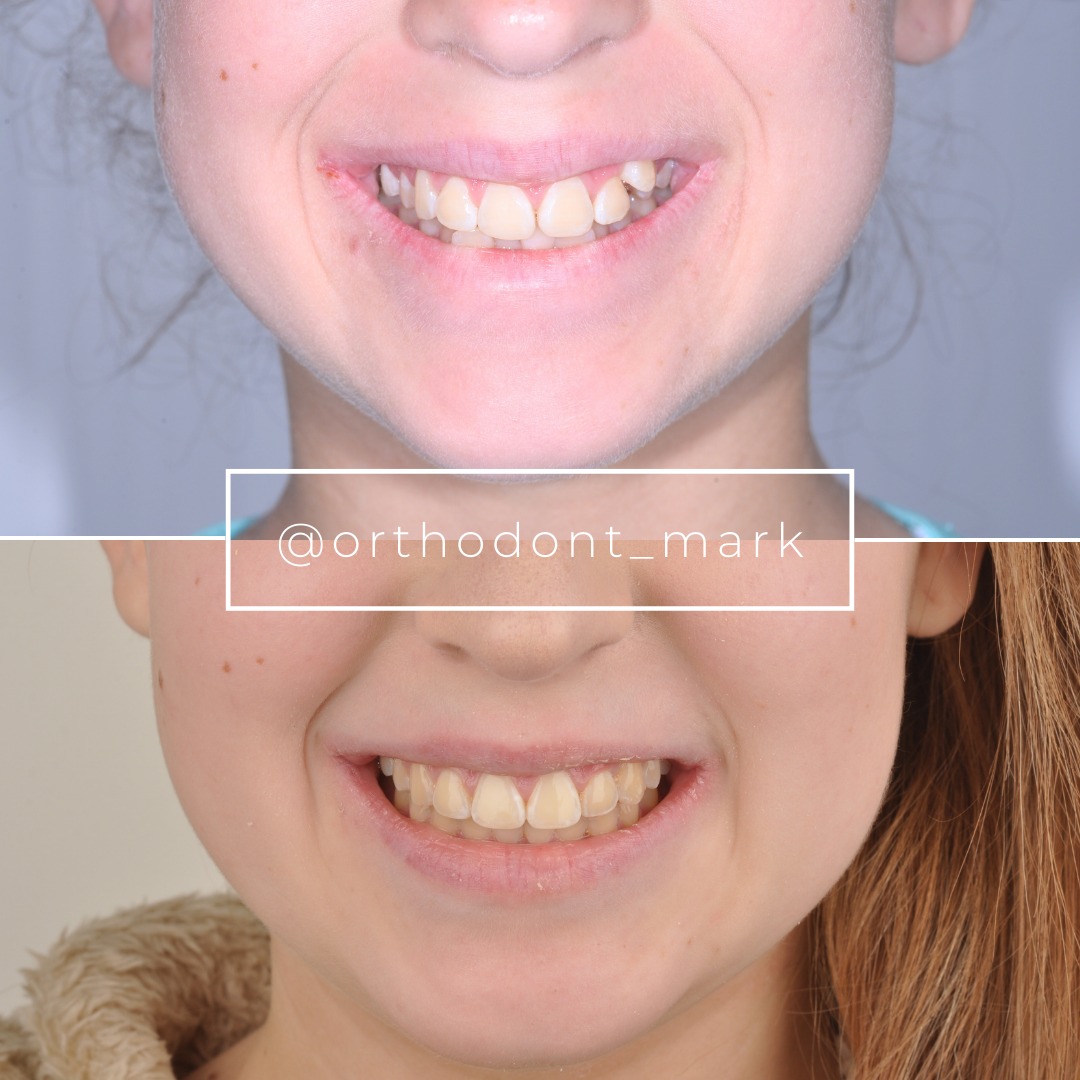
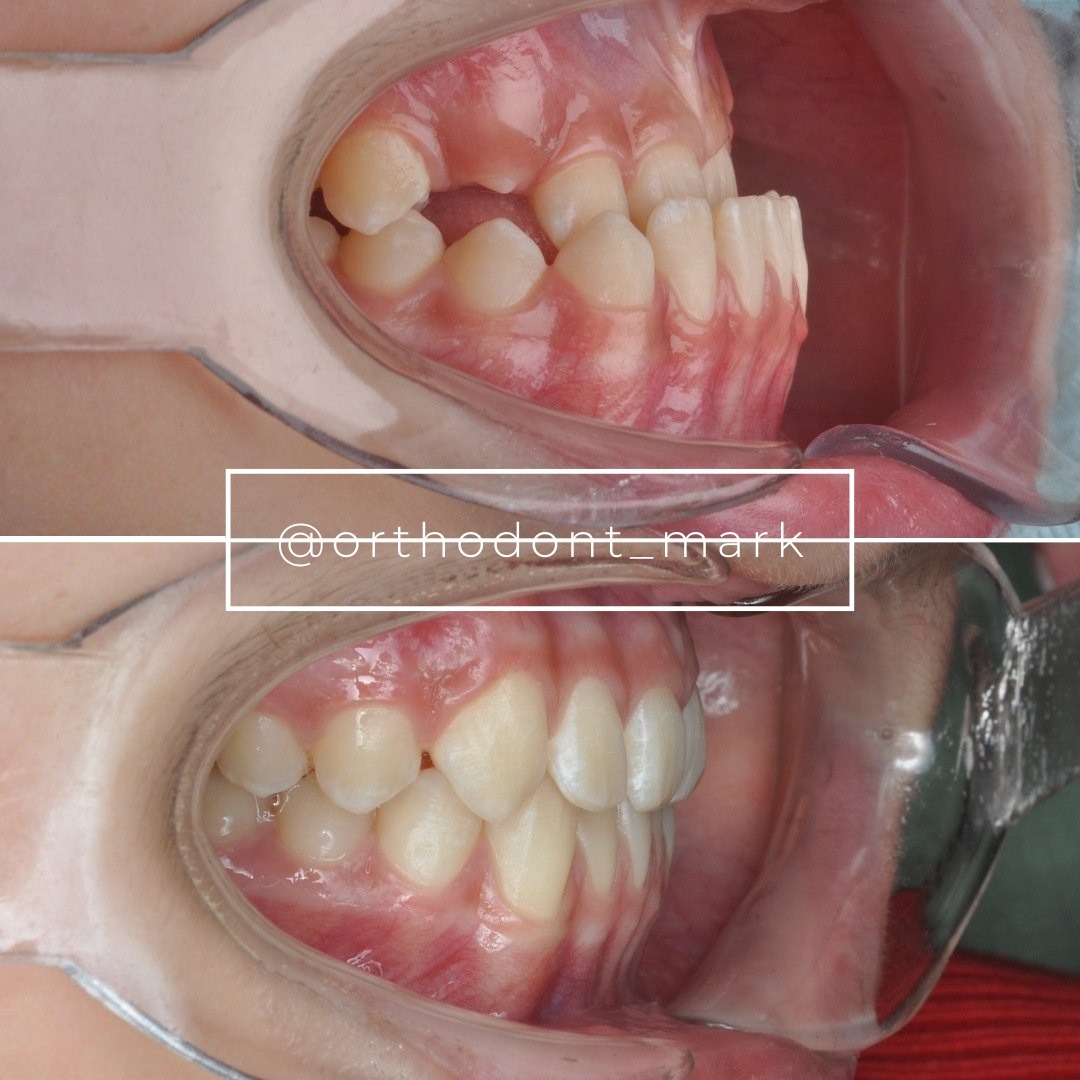
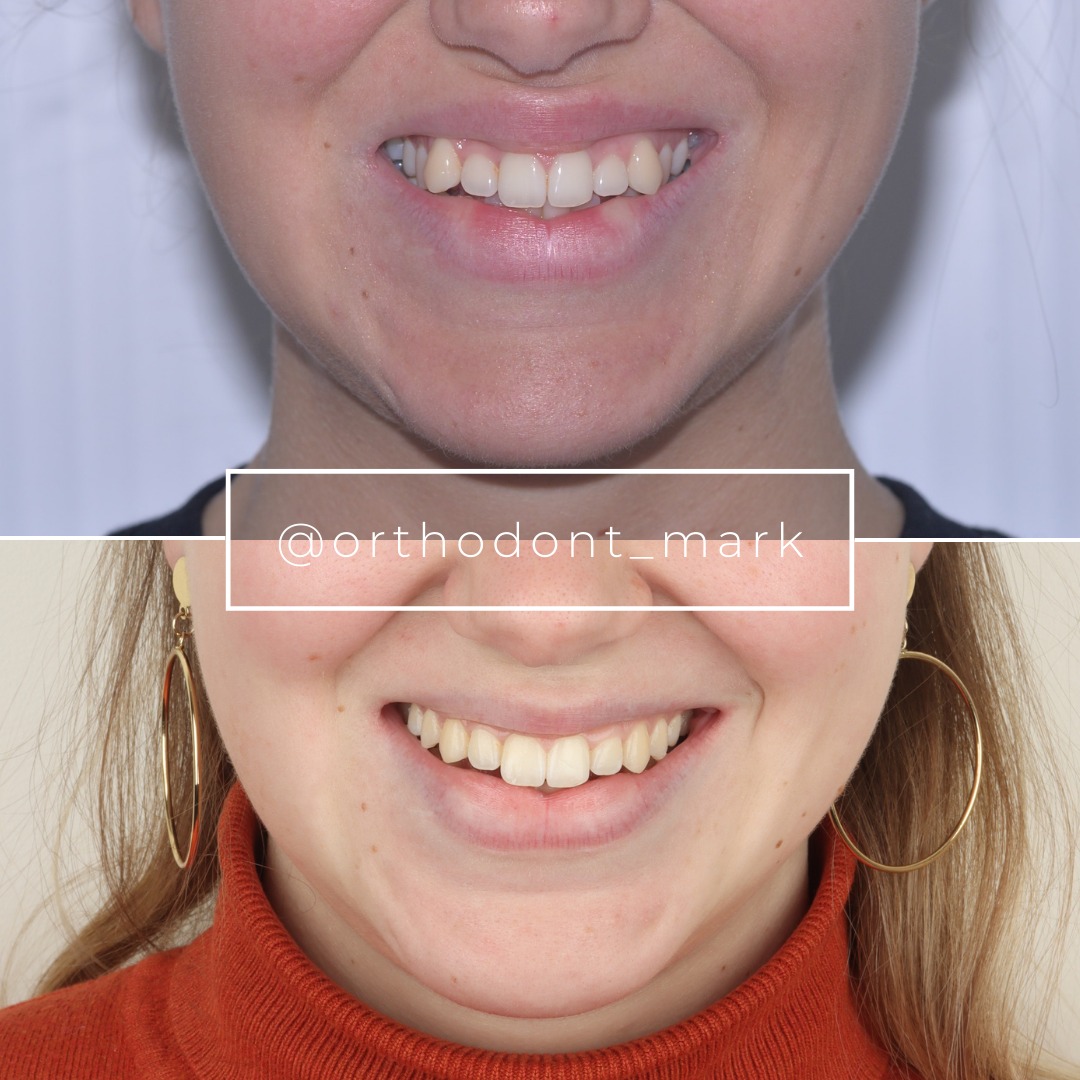
Documented outcomes
Clinical cases from Dr. Mark Radzhabov's practice
Learn the full MARPE protocol from Dr. Mark Radzhabov
Fundamental course covering CBCT patient selection, miniscrew planning, activation protocols, and 60+ clinical cases. Choose the access level that fits your practice.
Essentials of rapid palatal expansion for practicing orthodontists.
- Core RPE concepts and biomechanics
- 6 structured video lessons
- Clinical decision checklists
- Lifetime access to recordings
Deep-dive into MARPE protocol, diagnostics, and clinical execution.
- 6 modules covering MARPE from A to Z
- CBCT case selection walkthroughs
- Miniscrew placement and activation
- 60+ annotated clinical cases
- Direct Q&A with Dr. Mark Radzhabov
5-element medical consultation framework for dentists and orthodontists.
- Trust-building consultation protocol
- 5 lesson modules
- Templates for treatment plan delivery
- Works with any clinical specialty
Clinical FAQ
What is the optimal activation phase duration for MARPE in patients over age 18?
Activation typically lasts 8–12 weeks at 0.25–0.5 mm/day, depending on total skeletal expansion needed (6–10 mm molar width). Skeletally mature patients with dense palatal bone may require longer activation. Confirm suture maturity via CBCT beforehand.
How long must the consolidation phase last before miniscrew removal?
Minimum 4 months. Ideally 6 months. Clinical evidence shows protocols shorter than 12 weeks produce 15–25% width relapse by 6 months post-removal. Confirm bone union via CBCT at month 3–4 before removal planning.
Can I apply backward turns or compressive force during the consolidation phase?
No. The consolidation phase requires passive miniscrew holding (zero active force) to allow bone deposition and suture bridging. Backward turns trigger premature re-fusion and compromise skeletal outcomes. Maintain passive placement until radiographic confirmation of bone union.
What is the midpalatal suture separation rate with MARPE compared to conventional RPE?
MARPE achieves 95% complete separation versus 90% for RPE in prospective trials. MARPE also produces greater nasal floor width gain and greater palatine foramen expansion, with significantly less buccal tooth displacement.
How much dentoalveolar side effect (tooth flaring) occurs during MARPE activation?
MARPE produces minimal buccal displacement compared to RPE because force is applied directly to the palatal vault, not to tooth crowns. Premolar and molar buccal displacement is significantly reduced, decreasing later fixed appliance therapy time.
When should I start fixed appliance therapy in relation to the three MARPE phases?
Begin fixed appliances during late consolidation (month 3–4) or at miniscrew removal (month 4–6). This allows dentoalveolar settling while skeletal width is passively held, then coordinates final settling without relapse.
What is the rate of midpalatal re-fusion or relapse after adequate MARPE consolidation?
< 5% width loss reported in published series when consolidation lasts 4–6 months and passive retention follows miniscrew removal. Relapse risk increases exponentially with consolidation periods shorter than 12 weeks.
Should I perform CBCT imaging at specific consolidation phase timepoints?
Yes: baseline (pre-activation), immediately post-activation (T1), and month 3–4 of consolidation (T2) to confirm suture separation, new bone fill, and readiness for miniscrew removal. CBCT-guided decision-making prevents premature removal and relapse.
How do I counsel patients about expected discomfort during each MARPE phase?
Activation: mild–moderate palatal discomfort and nasal congestion (1–2 weeks typical). Consolidation: significant comfort improvement by week 4. Full functional recovery by month 2. After removal: minimal discomfort. Normal function resumes immediately.
What is the most common clinical error that compromises MARPE skeletal expansion outcomes?
Premature miniscrew removal or consolidation phase abbreviation (< 3 months). This leads to incomplete bone remodeling and 15–25% width relapse. Rigidly adhere to 4–6 month consolidation and use CBCT confirmation before removal.
The three-phase MARPE treatment model — activation, consolidation, and retention — provides a clinical roadmap for predictable skeletal expansion and long-term stability. Success depends on precise activation timing, adequate consolidation duration (typically 3–6 months post-expansion), and vigilant retention protocols to prevent midpalatal re-fusion. If you are managing cases requiring transverse skeletal expansion or wish to refine your MARPE timing and load management, Dr. Mark Radzhabov invites you to review detailed case examples or enroll in the Orthodontist Mark advanced MARPE course for evidence-based clinical decision-making.