
MARPE activation protocol:
manufacturer vs reality
what the evidence supports
Manufacturer guidelines provide a starting framework, but real-world MARPE activation demands clinical judgment. Learn how to adjust expansion protocols for age, skeletal maturity, and patient variables—backed by peer-reviewed research and 10+ years of clinical practice.
TL;DR MARPE activation protocol recommendations from manufacturers often differ from what experienced clinicians actually implement in daily practice. While manufacturers typically prescribe standardized turn schedules, clinical reality demands individualized adjustments based on patient age, skeletal maturity, and treatment goals—balancing rapid skeletal response with minimizing dentoalveolar side effects.
The gap between manufacturer-recommended MARPE activation protocols and what orthodontists actually do in clinical practice remains one of the most pragmatic challenges in skeletal expansion therapy. This evidence-based review examines how miniscrew-assisted rapid palatal expansion activation schedules are prescribed versus implemented, drawing on clinical experience and peer-reviewed research to help you optimize outcomes in your practice. Dr. Mark Radzhabov provides actionable guidance on protocol modifications that align with real-world constraints and patient variability.
What is MARPE activation protocol and why it shapes outcomes?
activation
MARPE activation protocol is the systematized schedule of screw turns—timing, frequency, and magnitude—designed to achieve transverse maxillary skeletal expansion while managing dentoalveolar and periodontal side effects. The activation rate directly determines the rate of midpalatal suture separation, nasal cavity widening, and the degree of buccal tipping of anchor teeth.
Manufacturers—including PSM BENEfit and other major implant systems—publish standardized protocols based on their device geometry and material properties. These typically specify initial activation rates (often 0.25 mm per turn) and daily or weekly turn frequencies. However, clinical outcomes depend heavily on patient-specific variables: skeletal maturity status, bone density at miniscrew insertion sites, periodontal health, maxillary morphology, and treatment timeline. A protocol optimal for a 14-year-old with open sutures differs significantly from one for a 35-year-old with fused palatal anatomy.
Recent prospective data shows that identical amounts of skeletal expansion (35 turns) in MARPE versus conventional RPE produce similar midpalatal suture separation rates—approximately 90–95%—yet differ in the distribution of skeletal versus dentoalveolar changes. The MARPE group achieves greater skeletal nasal width gain and lesser buccal tooth displacement, but activation protocol directly influences whether those theoretical advantages materialize in your patients. Suboptimal protocols—whether too rapid (risking miniscrew failure or excessive inflammation) or too slow (prolonging treatment or allowing inadequate suture response)—undermine clinical predictability.
How manufacturer recommendations compare to evidence-based adjustments
evidence-based
Manufacturers base their protocols on biomechanical modeling and short-term implant stability studies, but clinical practice reveals that one-size-fits-all activation schedules rarely account for biological variability. A Russian patent describing palatal expansion methodology specifies 8+ weeks of intensive expansion with 4 turns on procedure day and 3 turns daily for 10 days, repeated in cycles—a framework used in some clinical centers. However, this protocol assumes consistent patient compliance and similar skeletal and bone density profiles across all patients, which clinical experience contradicts.
Clinicians frequently modify three key parameters: (1) initial activation magnitude—some defer the standard 4-turn procedure-day activation in patients with visible miniscrew micromotion or limited pilot-hole integration; (2) daily turn frequency—advancing to 4 turns daily in compliant, skeletally immature patients, or reducing to 2 turns daily in dense palatal bone or patients with early signs of inflammation; and (3) consolidation length—extending retention beyond manufacturer specification (often 6 months) when treating adults or patients with delayed suture response.
Why the divergence? Miniscrew stress-strain characteristics, palatal bone density heterogeneity, patient age-dependent suture biology, and individual inflammatory capacity are difficult to standardize. Dr. Mark Radzhabov emphasizes that treatment planning errors—particularly mismatched activation protocols for vertical-growth patients or failure to account for contraindications—represent a major source of suboptimal outcomes. The clinical consensus among experienced practitioners is that activation protocol should be informed by diagnostic imaging (CBCT assessment of suture maturity and bone density), patient age, and the first 2 weeks of clinical observation (miniscrew stability, patient comfort, oral hygiene feasibility).
Common protocol deviations: categorizing what actually happens in practice
protocol deviations
Clinical experience reveals that protocol deviations fall into three broad categories. First, carelessness errors: applying a protocol designed for one MARPE device (e.g., MSE or Benefit system) to a different miniscrew system with distinct geometry and thread characteristics. These errors, while avoidable through procedural checklists, highlight the importance of device-specific training and documentation.
Second, technical failures: miniscrew mechanical failure (screw stripping, inadequate torque retention, or construct loosening) that forces unplanned protocol suspension or modification. These failures may reflect insufficient bone-screw interface integration—sometimes preventable through enhanced pilot-hole technique, nitride-coated miniscrews, or staged activation protocols in compromise bone.
Third, and most clinically relevant, treatment planning errors: selecting MARPE for patients with vertical growth patterns without accounting for concurrent vertical opening, inadequate TAD placement location, or overlooking contraindications entirely. A skeletally mature patient with high mandibular plane angle, anterior open bite tendency, and limited palatal bone thickness represents a poor candidate for aggressive MARPE—yet activation protocols often proceed unchanged. Clinicians must preemptively adjust activation magnitude and timing when treating marginal candidates.
How to personalize MARPE activation protocol for your patient population
personalize MARPE activation
Effective MARPE activation protocol balances manufacturer guidance with patient-specific diagnostic and clinical data. Step 1: Pre-treatment diagnostic assessment—obtain low-dose CBCT to evaluate midpalatal suture maturity (fused, partially fused, or patent), palatal bone density, maxillary morphology, and rule out anatomical contraindications. Patients with severe vertical growth patterns, anterior open bite, or insufficient palatal bone thickness warrant conservative activation protocols or alternative therapies.
Step 2: Device-specific protocol selection—identify your miniscrew system (PSM BENEfit, MSE, or other) and document the manufacturer's published activation schedule, including initial turn magnitude, daily frequency, and consolidation timeline. Use this as your baseline framework, not a rigid mandate.
Step 3: Age-stratified adjustment—In patients under age 16 with patent midpalatal sutures, standard manufacturer protocols (0.25 mm turn, 4 turns initial, 3 turns daily) often proceed without modification, assuming good miniscrew torque. In adolescents 16–18, monitor suture response closely; adjust daily turns downward (2–3 turns) if excessive inflammation or miniscrew micromotion appears. In adults over 25, anticipate delayed suture response and reduced bone remodeling—consider extending the expansion phase to 10–12 weeks or adjusting initial activation downward (2–3 turns on procedure day, 2 turns daily for 14 days) if palatal bone appears dense on CBCT.
Step 4: Two-week clinical checkpoint—At 2 weeks post-activation, evaluate miniscrew stability (detect micromotion via percussion test or radiograph), patient comfort, oral hygiene capacity, and visible midpalatal suture response. If miniscrew is secure and suture separation is advancing, proceed with standard protocol. If miniscrew shows micromotion or patient reports severe discomfort, reduce daily turn frequency by 1 turn and extend overall timeline. If suture response appears absent (no blanching or widening visible), advance to 4 turns daily and consider CBCT confirmation at 4–6 weeks.
Skeletal expansion changes: MARPE activation protocol and dimensional outcomes
skeletal expansion
The skeletal response to MARPE activation protocol differs meaningfully from conventional RPE, despite identical amounts of screw rotation. Prospective randomized data shows that when 35 turns of expansion are applied via identical magnitude (0.25 mm per turn = 8.75 mm total screw movement), MARPE produces greater nasal width gain—particularly in the molar region—compared to tooth-borne RPE. This occurs because miniscrew anchorage avoids the reciprocal buccal tipping of maxillary molars and premolars that occurs with palatal vault expanders.
The greater palatine foramen region also shows significantly increased skeletal width in MARPE groups across both immediate post-expansion and 3-month consolidation phases, indicating more complete posterior maxillary skeletal transverse expansion. Dentoalveolar changes, however, remain relatively similar between MARPE and RPE groups—except that MARPE demonstrates lesser buccal displacement of anchor teeth (premolar and molar buccolingual positions) because the expansion force vector does not create the same reciprocal dentoalveolar side effects.
Why this matters clinically: activation protocol decisions affect not only the rate of expansion but the proportion of skeletal versus dentoalveolar response. More aggressive daily turn frequencies (4 turns daily) in skeletally immature patients tend to maximize suture separation—likely due to higher stress magnitude accelerating suture opening—while more conservative protocols (2–3 turns daily) in adults produce slower but potentially more stable skeletal responses. The clinical implication: if your goal is maximum skeletal gain with minimal tooth movement, MARPE activation protocol should emphasize early, consistent activation in younger patients; if treating an adult with compromised periodontal health or limited bone, slower activation preserves periodontal integrity and may yield more predictable long-term stability.
When and how to modify MARPE activation protocol during treatment
modify MARPE activation
Despite careful pre-treatment planning, clinical circumstances often demand protocol adjustment mid-treatment. Miniscrew micromotion at week 2–3—detected via percussion test or radiographic looseness—requires immediate response: reduce daily turns by 50% (from 3 to 1–2 turns) and extend the active phase by 2–3 weeks to compensate. If micromotion persists after 1 week of reduced turns, consider miniscrew replacement at a different anatomical site and restart activation protocol on a conservative schedule.
Excessive inflammation or mucosal ulceration around miniscrew sites may indicate overaggressive activation in a patient with compromised bone density or heightened inflammatory response. Reduce turns immediately, prescribe chlorhexidine rinses, and extend active phase to maintain total expansion magnitude. If inflammation resolves within 1 week, resume standard protocol; if not, reduce daily turns further and lengthen consolidation phase by 4 weeks.
Unexpected vertical bite opening or anterior open bite deterioration during active expansion—particularly in patients with vertical growth patterns—demands protocol pause and treatment plan reevaluation. Continue MARPE if skeletal gain is significant and bite opening is manageable with concurrent intrusion mechanics; otherwise, reduce daily turn frequency (from 3 to 2 turns daily) and consider shorter active phase (6–8 weeks instead of 10–12) to limit vertical side effects. Dr. Mark Radzhabov recommends CBCT confirmation at 6 weeks to assess suture separation and vertical dimensional changes before deciding whether to continue.
Poor miniscrew integration or inadequate initial torque (detected at procedure day or week 1) requires staged activation: defer the standard 4-turn procedure-day activation, instead performing 2 turns and waiting 1 week for osseointegration, then advancing to 3 turns daily. This conservative approach prevents early screw failure but extends total treatment timeline by 1–2 weeks—a worthwhile trade-off for predictable long-term stability.
Free Clinical Guide
Which Expansion Appliance at Which Age?
Get Dr. Mark Radzhabov's guide to skeletal-expansion appliances — indications, pros & cons, and how to choose by patient age. Free to your inbox.
Prefer video? Watch the free demo lesson on MARPE appliance types, features and trade-offs.
Documented outcomes
Clinical cases from Dr. Mark Radzhabov's practice
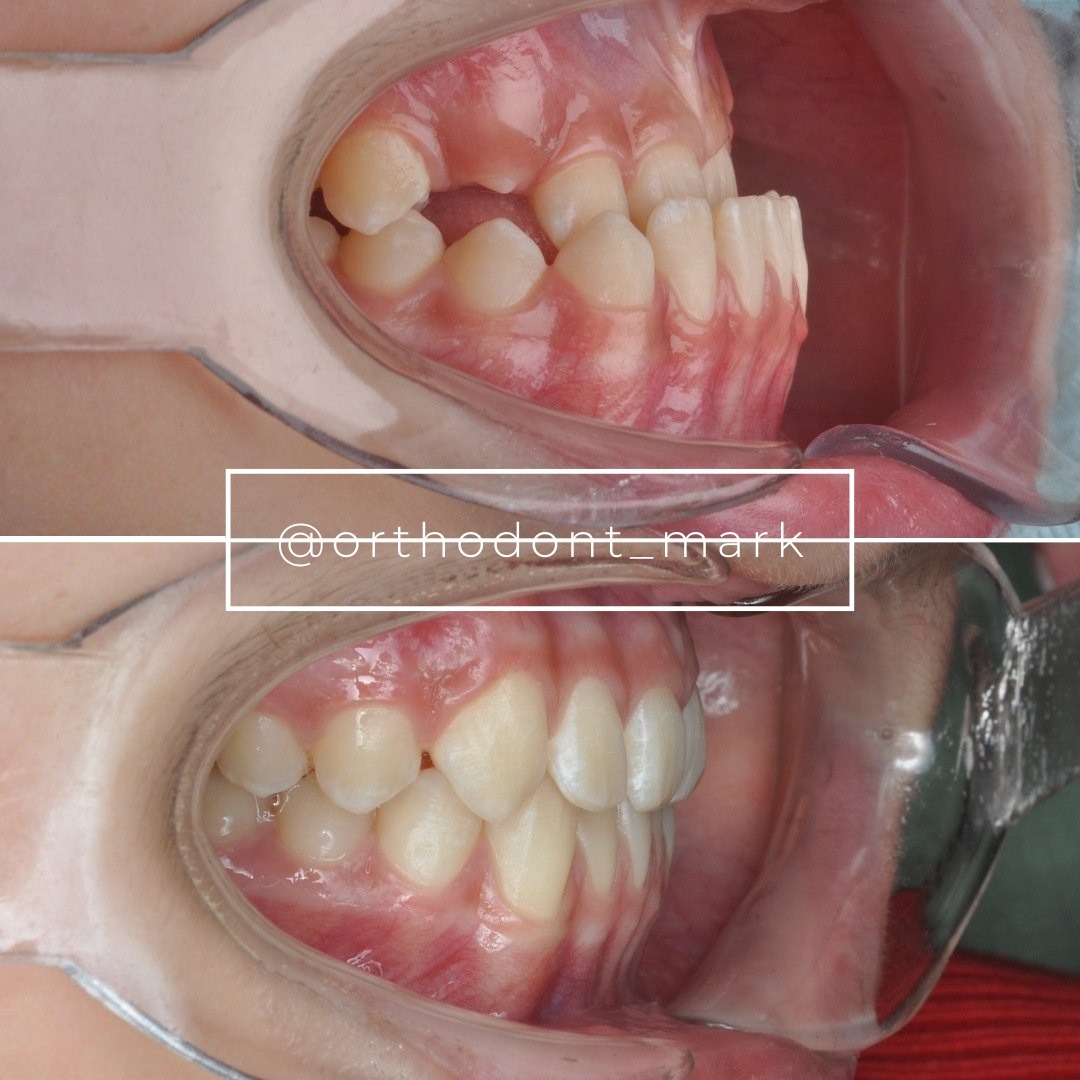
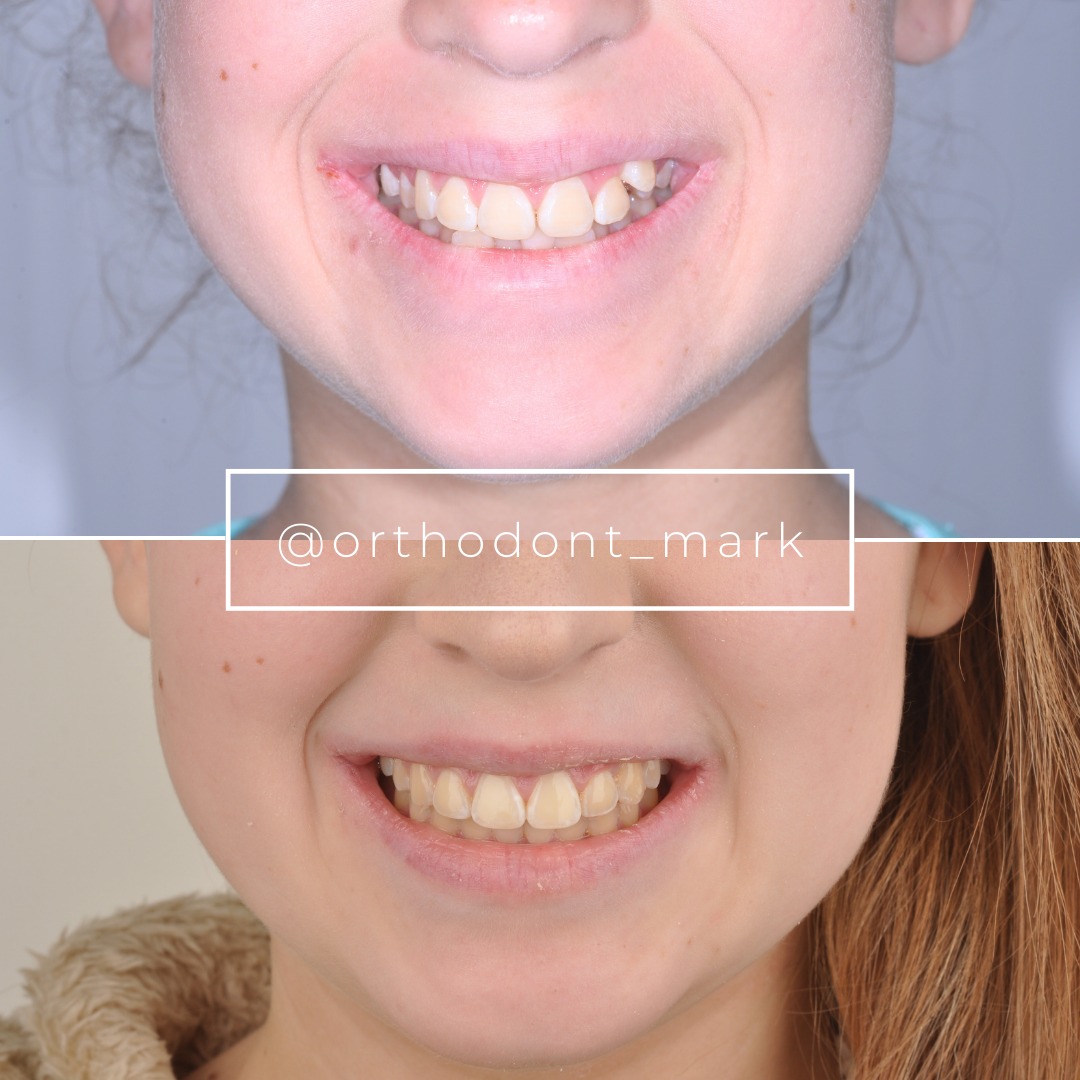
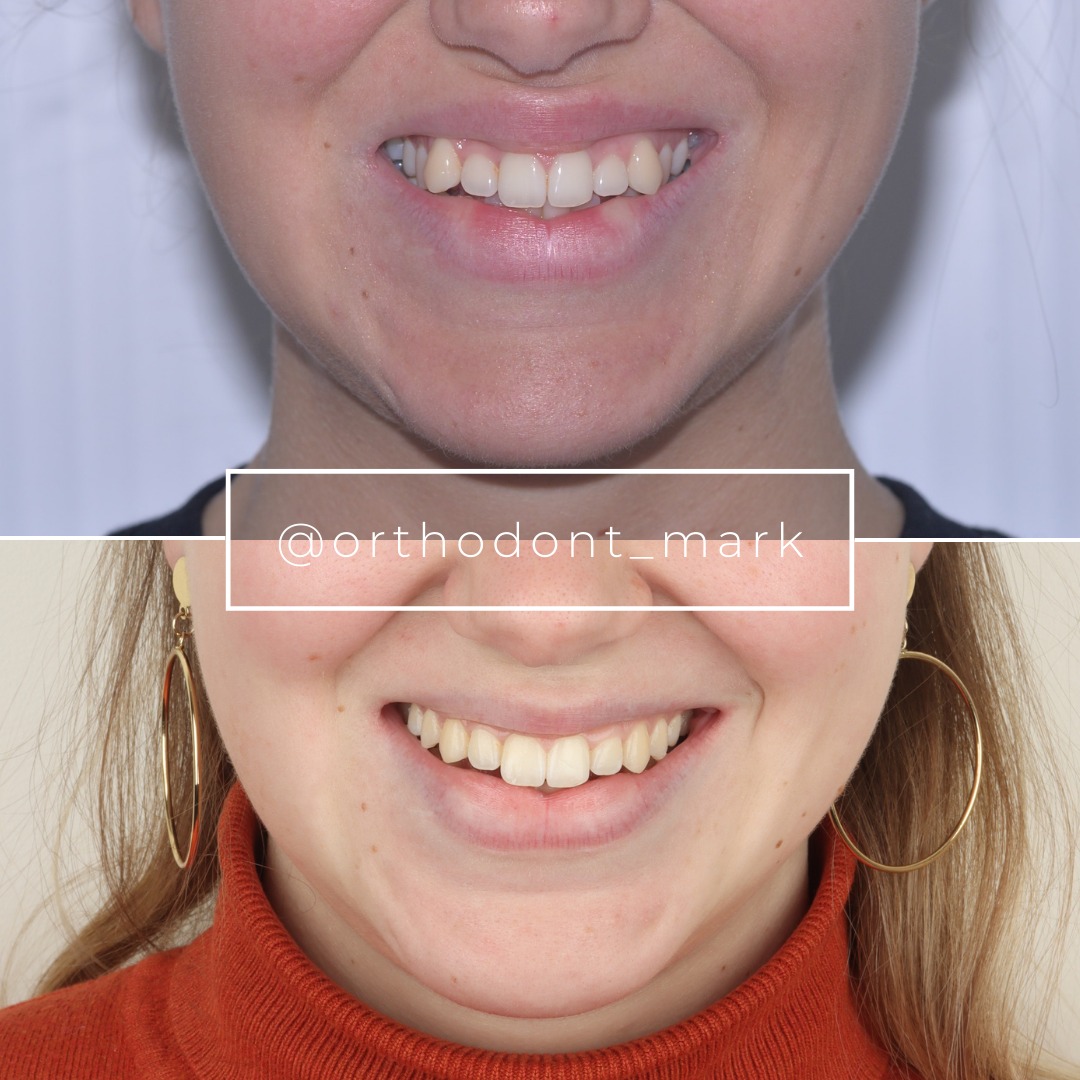
Learn the full MARPE protocol from Dr. Mark Radzhabov
Fundamental course covering CBCT patient selection, miniscrew planning, activation protocols, and 60+ clinical cases. Choose the access level that fits your practice.
Essentials of rapid palatal expansion for practicing orthodontists.
- Core RPE concepts and biomechanics
- 6 structured video lessons
- Clinical decision checklists
- Lifetime access to recordings
Deep-dive into MARPE protocol, diagnostics, and clinical execution.
- 6 modules covering MARPE from A to Z
- CBCT case selection walkthroughs
- Miniscrew placement and activation
- 60+ annotated clinical cases
- Direct Q&A with Dr. Mark Radzhabov
5-element medical consultation framework for dentists and orthodontists.
- Trust-building consultation protocol
- 5 lesson modules
- Templates for treatment plan delivery
- Works with any clinical specialty
Clinical FAQ
What is the standard MARPE activation protocol recommended by manufacturers?
Most manufacturers (PSM BENEfit, others) recommend 0.25 mm per turn, 4 turns on procedure day, 3 turns daily for 10 days, repeated in cycles over 8–10 weeks total active expansion. This assumes optimal miniscrew integration and patient compliance; clinical modification is common.
Why do clinicians modify manufacturer MARPE activation schedules?
Clinical variability in patient age, skeletal maturity, palatal bone density, miniscrew stability, inflammatory response, and treatment timeline necessitate adjustment. Rigid adherence to standard protocols risks miniscrew failure in dense bone, suboptimal suture response in adults, or excessive inflammation in sensitive patients.
How should MARPE activation protocol differ between adolescents and adults?
Adolescents (age <16–18) with patent sutures often tolerate standard or slightly aggressive protocols (3–4 turns daily, 8–10 week active phase). Adults (age >25) with fused/dense bone require conservative protocols (2–3 turns daily, 10–12 week active phase, extended 6–8 month consolidation) to ensure adequate suture response and minimize complications.
What clinical checkpoint decisions should guide mid-treatment MARPE protocol adjustments?
At 2–3 weeks, assess miniscrew stability (percussion test, radiograph), patient comfort, inflammation, and visible suture response. Miniscrew micromotion, excessive inflammation, or inadequate suture separation triggers 50% turn reduction and extended timeline. Stable miniscrew and advancing suture separation permit standard protocol continuation.
How does MARPE activation protocol affect skeletal versus dentoalveolar expansion outcomes?
MARPE produces greater skeletal nasal width and lesser buccal tooth displacement compared to tooth-borne RPE. Aggressive activation in immature patients maximizes skeletal response; conservative activation in adults yields slower but more stable skeletal gains with preserved periodontal health.
What miniscrew activation rate should I use in a patient with dense palatal bone?
Start conservatively: 2–3 turns on procedure day, 2 turns daily for 14 days, then reassess. Extend active phase to 10–12 weeks and consolidation to 6–8 months. Dense bone often shows delayed suture response; patience and CBCT confirmation at 6 weeks prevent overaggressive expansion errors.
Should I reduce MARPE activation turns if my patient develops vertical bite opening?
Yes—if vertical growth pattern dominates or anterior open bite worsens significantly, reduce daily turns (3 to 2) and shorten active phase (8 weeks instead of 10–12). Obtain CBCT at 6 weeks to assess skeletal gain versus vertical side effects. Some vertical opening is normal; excessive opening may require protocol adjustment or concurrent intrusion mechanics.
How do I detect and respond to miniscrew failure during MARPE activation?
Detect via percussion test, radiographic looseness, or patient report of screw movement. Immediately reduce daily turns 50%; if micromotion persists after 1 week, replace miniscrew at different site and restart conservative activation (2 turns day 0, 3 turns daily). Extended timeline ensures stable integration.
How long should the consolidation phase last after MARPE active expansion?
Manufacturer standard is often 6 months; however, clinical practice supports extension in adults (6–8 months minimum) and patients with dense bone. Consolidation allows suture remodeling and osseous adaptation. Shorter consolidation (4–6 weeks) may suffice in compliant immature patients with favorable biology.
What CBCT imaging timeline is recommended to confirm MARPE suture separation and guide protocol adjustments?
Baseline CBCT (pre-treatment) assesses suture maturity and bone density. Confirmation CBCT at 6 weeks guides mid-protocol decisions (adequate suture separation = continue; absent separation = increase turns or extend phase). Final CBCT at end of active phase and after consolidation confirms skeletal response and informs retention/debonding timing.
The discrepancy between manufacturer specifications and clinical reality underscores the need for practitioner judgment in MARPE activation. Rather than rigidly adhering to standardized protocols, evidence suggests individualized adjustment—informed by patient age, skeletal maturity status, and periodontal health—yields superior skeletal expansion with fewer complications. Dr. Mark Radzhabov encourages clinicians to review case studies and consultation resources at Orthodontist Mark to refine your personal MARPE activation framework.