
MARPE and Airway:
Does Palatal Expansion
Improve Breathing?
Evidence-based review of how miniscrew-assisted expansion affects nasal cavity geometry, airflow resistance, and oropharyngeal airway space in clinical practice.
TL;DR Miniscrew-assisted rapid palatal expansion (MARPE) can increase nasal cavity dimensions and reduce nasal airflow resistance by enlarging transverse maxillary width. However, obstructive sleep apnea remains multifactorial; palatal expansion alone is not a definitive OSA treatment but may improve airway geometry as part of comprehensive care.
The relationship between maxillary constriction and compromised airway function is well documented in clinical practice. This article reviews the mechanisms by which MARPE affects nasal cavity dimensions, oropharyngeal airway volume, and respiratory function—drawing on current evidence and Dr. Mark Radzhabov's clinical experience at Orthodontist Mark. Understanding whether palatal expansion meaningfully improves breathing is essential for case selection, patient communication, and interdisciplinary treatment planning.
Palatal Expansion and Nasal Airway:
Anatomical Mechanisms
How Skeletal Expansion Affects Breathing
Miniscrew-assisted rapid palatal expansion (MARPE) works by applying orthopedic force to the midpalatal suture, gradually separating it and increasing the transverse dimension of the maxilla. This skeletal expansion directly widens the nasal cavity floor and the lateral walls of the nasal passage. A foundational principle in craniofacial anatomy is that transverse maxillary deficiency narrows the distance between the nasal septum and the lateral nasal walls, increasing nasal airflow resistance and compromising nasal breathing. When the palate expands, the nasal cavity becomes wider, reducing the cross-sectional resistance to airflow. This dimensional change has been documented in cephalometric studies, which show enlargement of the nasal cavity following both rapid maxillary expansion (RME) and surgically assisted rapid maxillary expansion (SARPE). The mechanism is biomechanically straightforward: a wider palate means a wider nasal floor, and a wider nasal cavity permits more laminar airflow with less turbulence and resistance. However, it is critical to distinguish between anatomical change and functional improvement. While MARPE reliably increases nasal cavity dimensions, the clinical question—does this improve actual breathing?—requires careful examination of patient-reported outcomes and objective respiratory metrics. Many patients experience subjective improvements in nasal breathing after expansion, but the magnitude of improvement varies considerably and depends on baseline airway anatomy, the degree of expansion achieved, and other anatomical factors unrelated to palatal width.
Expansion Efficacy for Airway:
What Evidence Shows
Systematic Review Findings
A systematic review of orthodontic treatment in pediatric obstructive sleep apnea syndrome (OSAS) identified rapid maxillary expansion (RME) as the preferred orthodontic treatment strategy in children with maxillary constriction and sleep-disordered breathing. The review noted that children with maxillary transverse deficiency and concurrent OSAS showed excellent clinical results following RME, with improvements in sleep quality, oxygen saturation, and parent-reported daytime sleepiness. However, the same evidence emphasizes a crucial clinical caveat: OSAS is a multifactorial disorder. It does not appear to be solely related to oral cavity morphology, and therefore, it is not always possible to manage OSAS exclusively through orthodontic treatment. This distinction is vital. Expansion may improve the mechanical geometry of the airway, but it does not address all etiologic factors in sleep apnea, including neuromotor collapse, obesity-related pharyngeal narrowing, or adenotonsillar hypertrophy. In adults, the evidence base for MARPE's impact on airway function is smaller and less robust than in growing patients. Expansion in skeletally mature patients increases palatal width and nasal dimensions, but studies examining objective sleep metrics (apnea-hypopnea index, oxygen saturation nadirs) are limited. Some adult patients report subjective breathing improvements; others show minimal change in nocturnal respiratory events despite anatomical enlargement.
Clinical Integration:
Airway Assessment
and Case Selection
Effective use of skeletal expansion for airway improvement begins with comprehensive diagnostic assessment. Before recommending MARPE, evaluate the patient's baseline airway morphology using cone-beam computed tomography (CBCT), assess nasal breathing subjectively (patient interview and clinical observation), and consider objective measures such as the Epworth Sleepiness Scale (ESS) if sleep-disordered breathing is suspected. Identify whether maxillary transverse deficiency is truly a contributing factor to the patient's breathing complaints or whether other anatomical obstructions (large tonsils, adenoids, deviated septum, macroglossia) are primary. For pediatric patients with maxillary constriction and mild to moderate sleep symptoms, MARPE offers a strong treatment rationale. The expanding skeleton provides favorable response, and the expansion directly addresses a mechanical airway compromise. In these cases, interdisciplinary coordination with otolaryngology or sleep medicine enhances outcomes and ensures that non-skeletal airway issues are managed in parallel. For adults, the clinical case for MARPE based purely on airway improvement is more nuanced. Adult skeletons respond less robustly to expansion forces, and the gains in nasal cavity volume, while measurable, may not translate to meaningful improvement in sleep apnea indices. However, MARPE remains valuable in adult cases where maxillary transverse deficiency coexists with other treatment goals (occlusal correction, esthetic improvement, or correction of anterior open bite). In such multifactorial cases, airway improvement becomes a beneficial secondary outcome rather than the primary indication. A pragmatic approach: use CBCT airway analysis, baseline sleep questionnaires, and clinical judgment to set realistic patient expectations. Communicate that MARPE will expand the nasal cavity and may improve nasal breathing, but that sleep apnea treatment typically requires a comprehensive, multidisciplinary strategy.
MARPE, Airway Myths,
and Clinical Reality
Several misconceptions persist about palatal expansion and breathing. Clinicians must distinguish between theoretical airway enlargement and clinically meaningful improvement. A common myth is that MARPE “cures” sleep apnea. In reality, OSA involves complex interactions among airway geometry, neuromuscular tone, obesity, and sleep stage—none of which are fully addressed by skeletal expansion alone. Another misconception is that all patients with maxillary constriction have breathing problems; many have perfectly normal nasal breathing and experience no symptomatic benefit from expansion. A third area of confusion involves timing. Expansion in growing patients (children and early adolescents) is more likely to yield functional airway benefits because the skeleton is responsive and growth remodeling enhances long-term gains. In adults, expansion achieves dimensional change, but the absence of active craniofacial growth limits the magnitude of remodeling and the secondary benefits to adjacent structures. Finally, some clinicians assume that any increase in nasal cavity volume will improve symptoms. However, nasal breathing is influenced by turbinate function, septal deviation, mucosal inflammation, and neurosensory factors that are independent of palatal width. A patient may have a geometrically enlarged nasal cavity yet continue to experience nasal obstruction due to turbinate hypertrophy or septal deviation. This underscores the importance of comprehensive ENT evaluation alongside orthodontic intervention.
Measuring Airway Improvement:
Objective and Subjective
Assessment Methods
To evaluate whether MARPE produces meaningful airway benefit, clinicians should employ both objective and subjective outcome measures. Subjective assessment includes patient-reported nasal breathing quality (visual analog scale), daytime sleepiness (Epworth Sleepiness Scale administered pre- and post-treatment), and snoring frequency or volume reported by bed partners. These measures are clinically relevant and align with patient quality of life. Objective measures include CBCT volumetric analysis of the nasal cavity (pre- and post-expansion), linear cephalometric measurements of nasal cavity width, and in some cases, rhinomanometry or acoustic rhinometry to quantify nasal airflow resistance. However, these objective tools require specialized software and training and are not routine in most orthodontic practices. Consequently, many clinicians rely on clinical observation and patient feedback. A practical middle ground is to obtain pre- and post-treatment CBCT scans (which are often acquired for treatment planning anyway) and use volumetric analysis software to document changes in nasal cavity and nasopharyngeal airway volume. This provides objective documentation of dimensional change that can be communicated to referring sleep medicine physicians or ENT specialists. When discussing outcomes with patients, pair the imaging data with their subjective experience: “Your nasal cavity volume increased by 18%, and you report improved nasal breathing during the day and less snoring at night.” For patients with documented sleep apnea, baseline and post-treatment polysomnography (sleep study) is the gold standard for assessing OSA-specific improvement. However, insurance coverage for repeat sleep studies in the context of orthodontic treatment is variable, and many practices do not have direct access to sleep studies. In these cases, collaboration with a sleep medicine physician is essential for proper outcome documentation.
Multidisciplinary Management:
Coordinating Care
Across Specialties
The evidence is unequivocal: obstructive sleep apnea and airway-related breathing problems benefit from a multidisciplinary approach. As an orthodontist offering miniscrew-assisted expansion or other skeletal expansion techniques, you occupy a unique position—you can address the skeletal/dental component of maxillary constriction, but you are not equipped to manage sleep medicine, pulmonary function, or ENT-specific airway issues. Best practice includes establishing a referral relationship with a sleep medicine physician or otolaryngologist. When a patient presents with both malocclusion and suspected sleep-disordered breathing, collaborate on diagnostic evaluation. The sleep specialist can order polysomnography and provide baseline OSA severity; the ENT can assess adenotonsillar size, turbinate function, and septal anatomy. Armed with this information, you can design an orthodontic plan that addresses the skeletal/dental components while respecting the limits of your scope. For example, a 12-year-old with maxillary transverse deficiency, mild snoring, and daytime somnolence might benefit from RME coordinated with adenotonsillar evaluation. If adenoids are significantly enlarged, the ENT may recommend adenoidectomy as the primary intervention, with expansion as a secondary or preventive measure. Conversely, a skeletally mature adult with maxillary constriction and moderate sleep apnea might pursue MARPE for occlusal correction while being referred to sleep medicine for continuous positive airway pressure (CPAP) or mandibular advancement device (MAD) therapy. This interdisciplinary model also includes communication with the patient's general dentist and primary care physician. Ensure that all providers understand the treatment plan and outcomes. When MARPE is completed, provide a clinical summary noting the expansion achieved, any changes in airway dimensions, and subjective breathing improvements. This documentation supports ongoing medical care and helps prevent fragmented, uncoordinated treatment.
Free Clinical Guide
Which Expansion Appliance at Which Age?
Get Dr. Mark Radzhabov's guide to skeletal-expansion appliances — indications, pros & cons, and how to choose by patient age. Free to your inbox.
Prefer video? Watch the free demo lesson on MARPE appliance types, features and trade-offs.
Documented outcomes
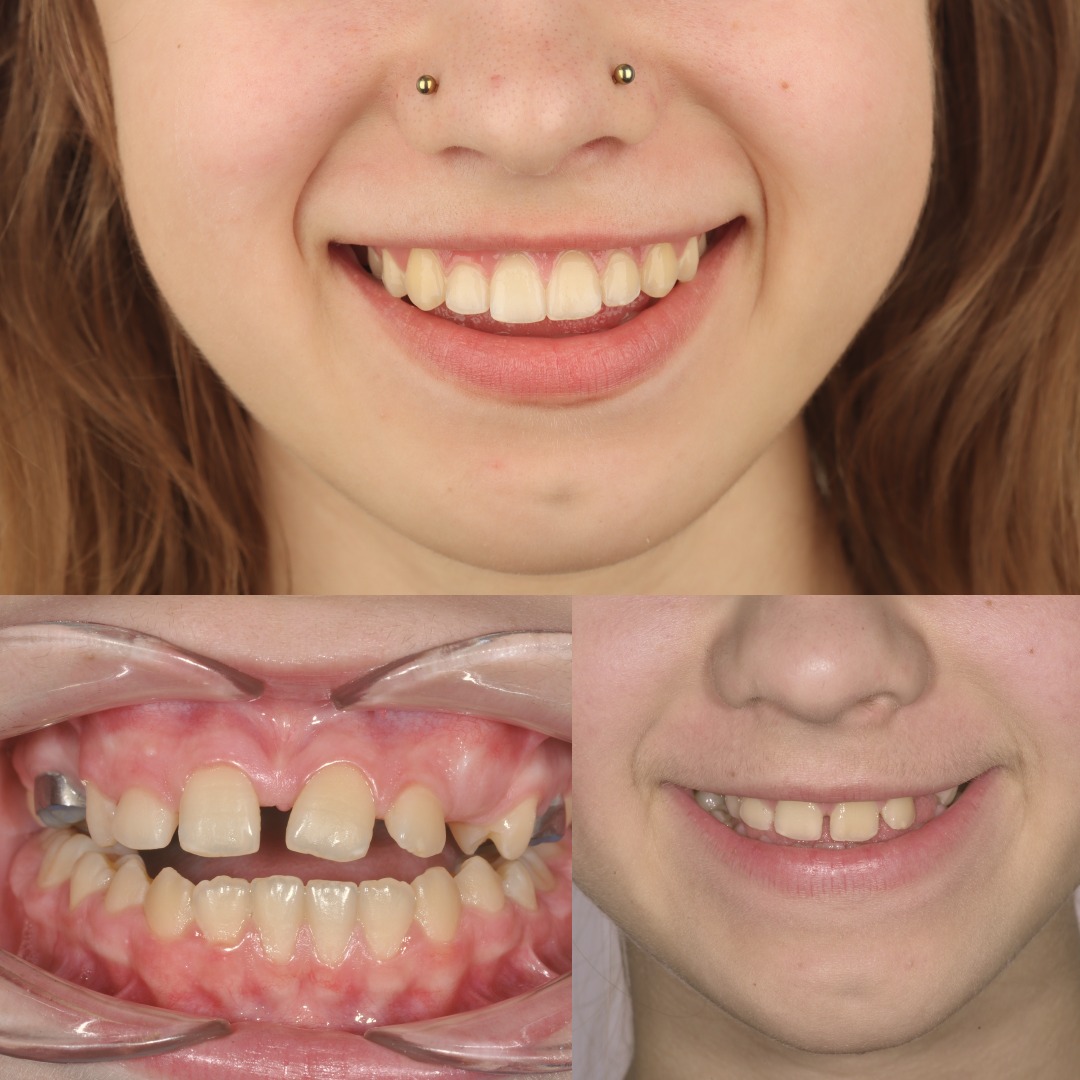
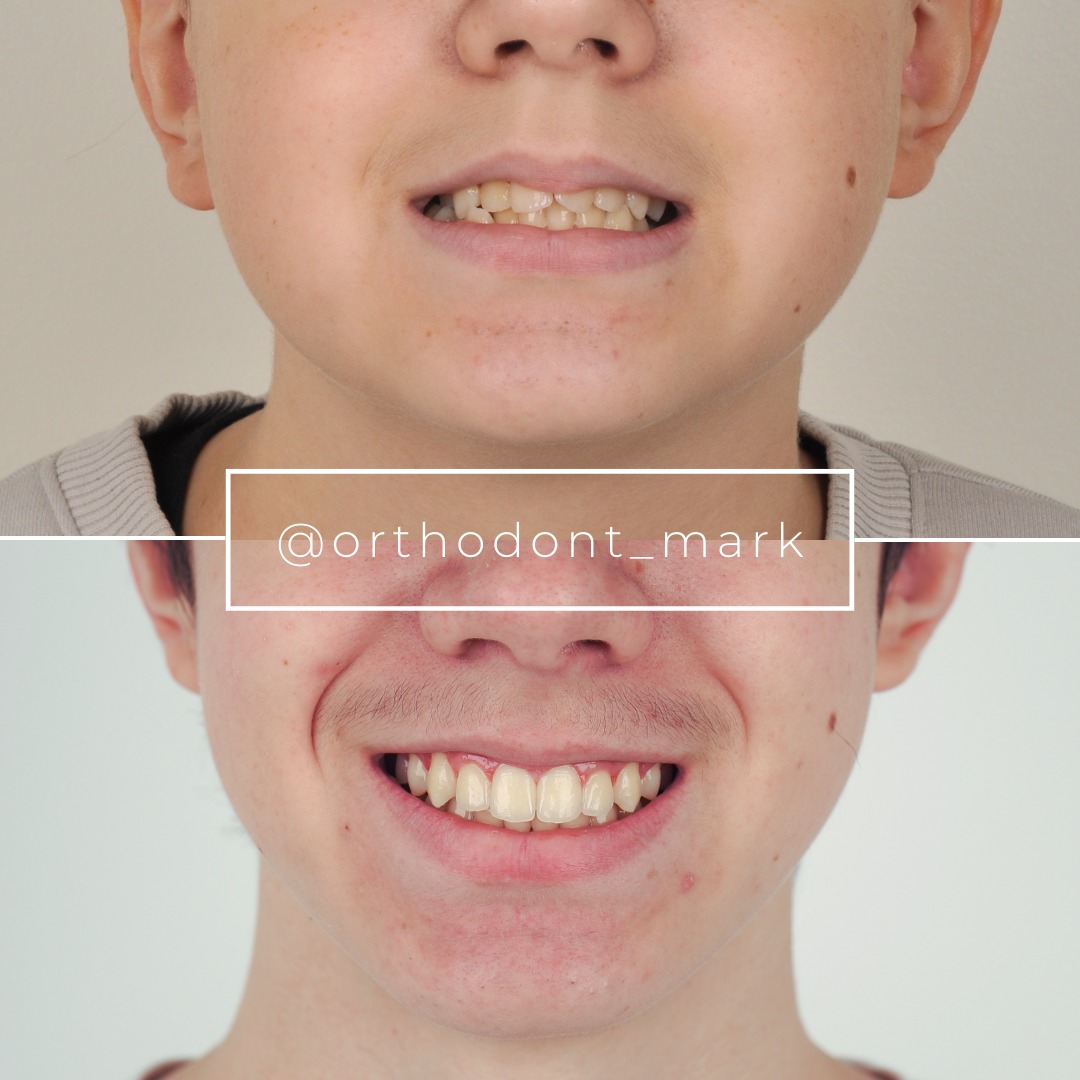
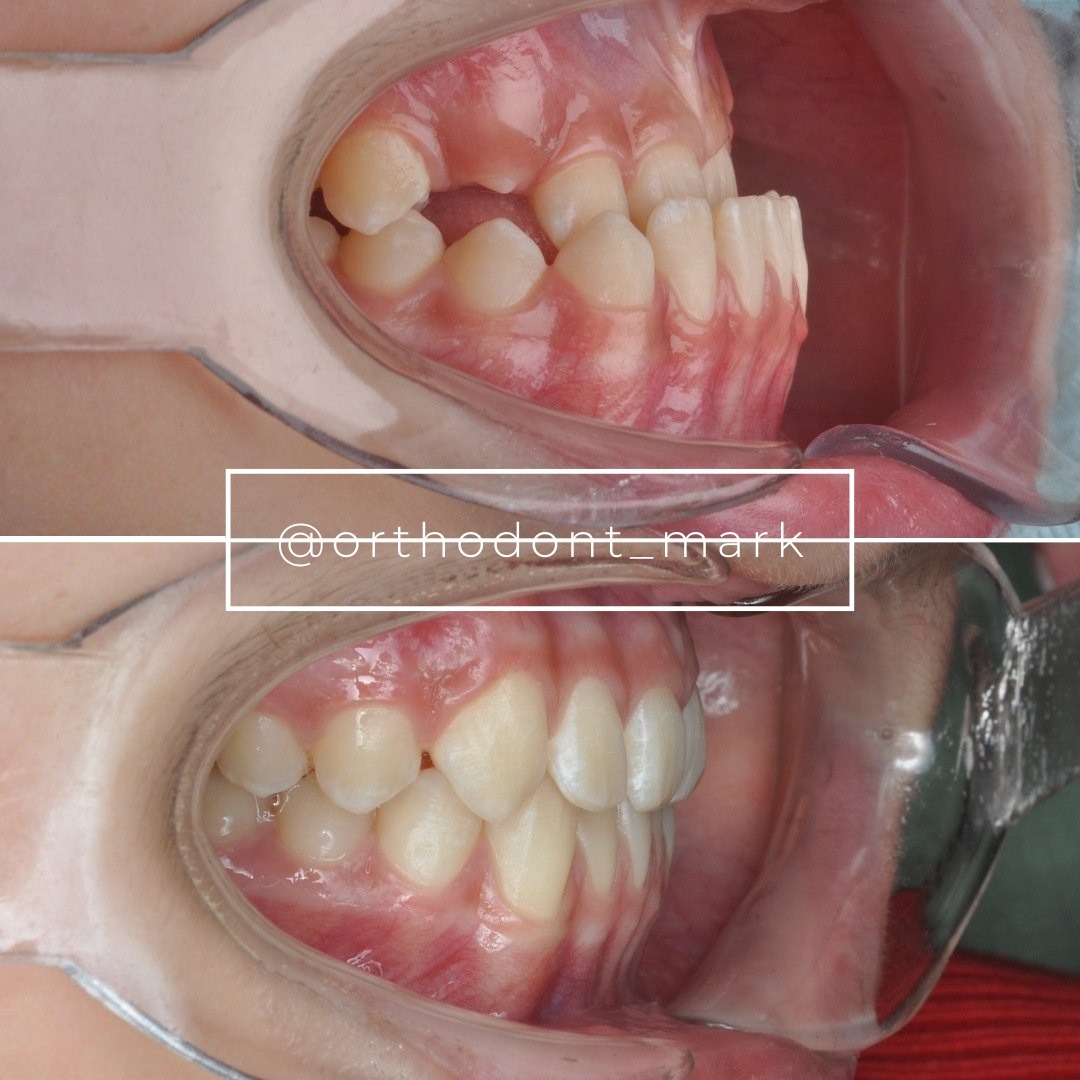
Clinical cases from Dr. Mark Radzhabov's practice
Learn the full MARPE protocol from Dr. Mark Radzhabov
Fundamental course covering CBCT patient selection, miniscrew planning, activation protocols, and 60+ clinical cases. Choose the access level that fits your practice.
Essentials of rapid palatal expansion for practicing orthodontists.
- Core RPE concepts and biomechanics
- 6 structured video lessons
- Clinical decision checklists
- Lifetime access to recordings
Deep-dive into MARPE protocol, diagnostics, and clinical execution.
- 6 modules covering MARPE from A to Z
- CBCT case selection walkthroughs
- Miniscrew placement and activation
- 60+ annotated clinical cases
- Direct Q&A with Dr. Mark Radzhabov
5-element medical consultation framework for dentists and orthodontists.
- Trust-building consultation protocol
- 5 lesson modules
- Templates for treatment plan delivery
- Works with any clinical specialty
Clinical FAQ
How much does the nasal cavity typically enlarge following MARPE treatment?
Nasal cavity volume typically increases 18–35% following miniscrew-assisted expansion, with the exact magnitude varying by patient age, baseline morphology, and expansion rate. Cephalometric studies document reliable widening of the nasal cavity floor and lateral nasal walls.
Can MARPE alone treat obstructive sleep apnea in adults?
No. MARPE improves nasal cavity dimensions but does not reliably resolve OSA in adults. Sleep apnea is multifactorial (pharyngeal tone, obesity, neuromotor factors); expansion is one component within comprehensive sleep medicine management.
What is the age window for optimal airway response to rapid palatal expansion?
Growing patients (children and early adolescents) show the most favorable airway response because active craniofacial growth enhances remodeling. Adults achieve dimensional gain but with less predictable functional improvement and minimal secondary skeletal remodeling.
How do I assess whether transverse maxillary deficiency is truly causing a patient's breathing symptoms?
Use CBCT airway analysis, clinical nasal breathing assessment (patient interview, observation), and rule out other obstructions (adenoids, turbinate hypertrophy, septal deviation). Refer to ENT or sleep medicine if diagnosis is unclear.
Should I order a sleep study before recommending MARPE for airway improvement?
Yes, if OSA is suspected. Polysomnography establishes baseline severity and provides objective post-treatment comparison. Coordinate with sleep medicine for diagnostic workup and interpretation of results.
Does palatal expansion reduce nasal airflow resistance?
Yes. By widening the nasal cavity floor and lateral nasal walls, expansion increases the cross-sectional area and reduces turbulent airflow resistance, improving nasal breathing mechanics in most patients.
What is the role of CBCT volumetry in documenting airway outcomes?
CBCT volumetric analysis quantifies changes in nasal cavity and nasopharyngeal airway volume pre- and post-treatment, providing objective documentation to communicate with patients and referring physicians.
How do I communicate MARPE limitations to patients seeking sleep apnea treatment?
Explain that while expansion enlarges the nasal cavity and may improve nasal breathing, OSA is complex and often requires additional interventions (CPAP, weight loss, positional therapy, or surgical airway procedures).
What is the relationship between maxillary transverse deficiency and pediatric sleep apnea?
Children with maxillary constriction often have narrowed nasal cavities and elevated nasal airflow resistance. RME or MARPE is the preferred orthodontic intervention for pediatric OSAS in these cases, with excellent clinical outcomes.
Should I refer all MARPE patients to sleep medicine for post-treatment polysomnography?
Refer patients with baseline sleep apnea diagnosis for follow-up sleep study to objectively assess OSA improvement. For patients without baseline OSA but improved subjective nasal breathing, clinical observation and patient-reported outcomes may suffice, but sleep medicine referral is prudent if symptoms persist.
MARPE can expand the nasal cavity and reduce nasal airflow resistance by increasing transverse maxillary width, but it should not be positioned as a standalone OSA treatment. Clinicians must recognize the multifactorial nature of sleep-disordered breathing and refer patients appropriately for sleep medicine evaluation. Dr. Mark Radzhabov and the Orthodontist Mark team recommend integrating airway assessment into your diagnostic protocol and consulting a detailed case review or course on skeletal expansion outcomes.