
MARPE and Allergy: Nickel, Titanium,
and Material Reactions
Evidence-based screening, material selection, and clinical management of metal sensitivity in miniscrew-assisted palatal expansion for orthodontists.
TL;DR MARPE devices use titanium miniscrews and stainless-steel or titanium expansion components. Nickel allergy and titanium hypersensitivity remain clinically rare but require pre-treatment screening. Patient history, patch testing, and material selection strategies—including nickel-free alternatives—mitigate allergic complications and optimize skeletal expansion outcomes.
Miniscrew-assisted rapid palatal expansion (MARPE) relies on biocompatible materials—primarily titanium and stainless steel—yet clinicians must remain vigilant about metal sensitivity and allergic reactions in susceptible patients. In this article, Dr. Mark Radzhabov reviews material science, patient screening protocols, and evidence-based management strategies for nickel allergy and titanium hypersensitivity in MARPE therapy. Drawing on clinical experience and current literature, this resource addresses material selection, adverse reaction prevention, and practical solutions to ensure safe, predictable skeletal expansion outcomes for all patient populations. Visit ortodontmark.com for comprehensive MARPE training.
What Is MARPE Biocompatibility?
biocompatibility
MARPE biocompatibility refers to the biological tolerance and safety profile of titanium miniscrews, stainless-steel components, and expansion mechanisms in the oral environment, with particular attention to nickel allergy, titanium hypersensitivity, and material-induced inflammatory responses. The primary materials in MARPE systems include pure titanium (Grade 4 or Grade 5), titanium alloys (Ti-6Al-4V), and austenitic stainless steel (typically 300-series, containing 8–12% nickel by weight). Product catalogs from manufacturers such as PSM BENEfit document that miniscrews are fabricated in precision titanium with biocompatible specifications, while expansion screws may be offered in both titanium and stainless-steel variants. Titanium is valued for its high biocompatibility, corrosion resistance, and osseointegration properties. Stainless steel offers mechanical strength but carries a finite risk of nickel leaching, particularly in acidic or inflammatory oral environments. Understanding this material landscape is essential for clinicians who must counsel patients, manage allergies, and select appliances aligned with individual tolerance profiles.
Nickel Allergy and Titanium Hypersensitivity
prevalence
in MARPE populations
Nickel allergy affects approximately 10–15% of the general population, with higher prevalence in women and individuals with prior contact dermatitis. In orthodontic patients, true intraoral nickel sensitivity is rare—reported in 0.5–2% of active cases—yet systemic nickel hypersensitivity predicts a higher risk of oral mucosal or perioral reactions when exposed to nickel-containing devices. Titanium hypersensitivity is considerably rarer, estimated at <0.01% globally, but delayed-type hypersensitivity (Type IV) reactions have been documented in case reports following osseointegrated implants and orthodontic appliances. Intraoral presentation may include erythema, edema, or allergic contact stomatitis at the miniscrew site or beneath stainless-steel expansion components. Perioral dermatitis, urticaria, or exacerbation of existing eczema may signal systemic absorption of nickel ions from saliva. Clinical presentation often emerges 2–4 weeks after appliance insertion, coinciding with biofilm colonization and acidification of the plaque microenvironment, which accelerates corrosion. A thorough patient history—including prior piercings, jewelry reactions, or nickel-related dermatitis—is the most practical screening tool. Patch testing (epicutaneous testing) is rarely performed in the orthodontic office but may be warranted in patients with strong allergic history or recurrent oral inflammation.
Pre-Treatment Allergy Screening
Screening
and Risk Stratification
Effective pre-treatment screening prevents allergic complications and informs material selection for miniscrew-assisted expansion. Begin with a detailed medical and dental history: ask specifically about reactions to earrings, body jewelry, belt buckles, or watchbands. Prior contact dermatitis diagnoses. Eczema or atopic conditions. And any previous orthodontic treatment with reported discomfort or inflammation. Patients with systemic nickel allergy or a strong family history of metal sensitivity warrant heightened vigilance. Clinical examination should assess periodontal health, salivary pH, and oral hygiene. Acidic environments and poor plaque control accelerate corrosion and increase ion release. In high-risk patients—defined as those with documented nickel allergy, atopic disease, or previous adverse reactions to metal—consider offering patch testing through dermatology referral or requesting a skin prick test if systemic hypersensitivity is suspected. However, intradermal or intraoral testing is contraindicated due to safety concerns. Once risk is stratified, material selection becomes actionable: for low-risk patients, standard stainless-steel or titanium MARPE devices are appropriate. For moderate-to-high-risk patients, specify pure titanium miniscrews and titanium or nickel-free expansion components. Documentation of material choice, patient consent, and baseline clinical photos is essential for medicolegal protection and enables comparison if complications arise. Counsel all patients about expected inflammation (mild erythema around the miniscrew site within 1–2 weeks is normal) versus allergic signs (persistent edema, vesicles, or systemic symptoms), and establish a clear communication channel for symptom reporting.
Biocompatible Material Choices
for MARPE
Appliances and Miniscrews
Modern MARPE systems offer a spectrum of material options to accommodate patient allergies and clinical preferences. Pure titanium (Grade 4, ASTM F67) and titanium alloys (Grade 5, Ti-6Al-4V per ASTM F136) are the gold standard for miniscrews. Titanium's passive oxide layer—formed spontaneously in the oral environment—provides exceptional corrosion resistance and biocompatibility. It resists leaching of allergenic ions and integrates predictably with bone and soft tissue. The PSM BENEfit system, developed in collaboration with academic leaders, exemplifies this approach: miniscrews are manufactured in precision titanium, available with multiple abutment and expansion configurations. Titanium hyrax and rematitan expansion screws, documented in the Dentaurum catalog, offer biocompatible alternatives to traditional stainless-steel screws. These are ideal for patients with documented nickel sensitivity or a strong allergy history. For patients with confirmed titanium hypersensitivity (extremely rare but possible), zirconia-coated titanium or alternative materials such as polyetheretherketone (PEEK) are emerging options, though clinical long-term data in MARPE remain limited. Stainless-steel components (300-series, 8–12% nickel) are acceptable for low-risk patients with normal periodontal health and adequate oral hygiene. However, they should be avoided in nickel-sensitive individuals or those with chronic gingivitis. When selecting expansion screws, specify titanium variants for high-risk patients and document the choice in treatment notes. Hybrid systems—combining titanium miniscrews with titanium expansion components—offer maximum safety and are increasingly preferred by evidence-conscious practitioners. Cost considerations may favor stainless steel in low-risk patients, but the marginal expense of titanium components is justified by reduced complication rates and enhanced patient confidence.
Managing Allergic Reactions
and adverse
material responses
Despite careful pre-treatment screening and biocompatible material selection, allergic or inflammatory responses may emerge during active MARPE therapy. Early recognition and appropriate management are critical to maintain treatment efficacy and patient comfort. Mild inflammation—localized erythema, slight edema, or minor oozing around the miniscrew site—is expected during the first 2–4 weeks and typically resolves with improved oral hygiene and topical chlorhexidine rinses (0.12%, twice daily for 7–10 days). Gentle flossing and regular plaque removal are essential, as biofilm acidification accelerates metal corrosion. If mild inflammation persists beyond 4 weeks or worsens, photograph the site, review the appliance material in treatment records, and consider a brief topical corticosteroid (triamcinolone 0.1% paste, applied directly to the lesion for 5–7 days). True allergic contact stomatitis—characterized by vesicles, persistent edema, erosion, or pain disproportionate to clinical findings—warrants more aggressive intervention. Discontinue or verify the material of the offending component. If a stainless-steel expansion screw is implicated, request immediate replacement with a titanium alternative from your laboratory or appliance supplier. Refer for dermatologic evaluation and patch testing if available. Systemic symptoms (urticaria, angioedema, or respiratory symptoms) are rare but signal potential IgE-mediated hypersensitivity. These demand immediate appliance removal, referral to an allergist or immunologist, and thorough allergy workup before reintroduction of any metal appliance. In most cases, switching to a pure titanium MARPE system resolves symptoms within 1–2 weeks. Document all reactions, interventions, and material changes in the patient record. Maintain photographic evidence and communication logs. Counsel patients that temporary appliance modification (e.g., removal of the expansion screw during phases of consolidation) may be necessary if allergic symptoms persist. Communication with the appliance laboratory is vital—ensure they understand material constraints and can expedite titanium alternatives if needed. Most allergic complications are preventable through rigorous screening and material planning. When they do occur, evidence-based, patient-centered management preserves treatment outcomes and builds clinical credibility.
Material Choice and Skeletal
Expansion
Efficacy
Material selection for MARPE miniscrews and expansion components influences not only biocompatibility but also biomechanical stability, osseointegration, and ultimately skeletal expansion outcomes. Titanium miniscrews demonstrate superior bone integration due to their corrosion resistance and lack of allergenic ion release, which may reduce peri-implant inflammation and maintain higher insertion torque stability throughout the treatment phase. A prospective randomized clinical trial (Chun et al., 2022) comparing conventional RPE and miniscrew-assisted RPE (MARPE) in adolescents and young adults found that MARPE achieved greater nasal width increase in the molar region and greater palatine foramen widening—skeletal markers of true midpalatal split—with high midpalatal suture separation rates (95% in the MARPE group versus 90% in the RPE group). While the study did not isolate material type as a variable, the use of titanium miniscrews in the MARPE cohort contributed to stable anchorage, predictable force application, and reproducible skeletal changes. Stainless-steel or corrosion-prone materials may compromise miniscrew stability through progressive ion release and local inflammation, potentially reducing load transmission and delaying suture separation. Clinically, patients treated with pure titanium MARPE systems report superior comfort, fewer inflammatory episodes, and higher satisfaction with the treatment experience—factors that enhance compliance and enable consistent activation protocols. The cost differential between titanium and stainless-steel components is marginal (typically <15–20% premium for titanium), yet the clinical return—improved biocompatibility, reduced complications, and faster skeletal response—justifies the upgrade for most cases. For orthodontists committed to evidence-based practice and optimal outcomes, standardizing on titanium miniscrews and biocompatible expansion components represents a best-practice investment. Long-term retention (consolidation phase and beyond) is also enhanced when metal sensitivity is minimized. Patients tolerate appliances better and maintain oral hygiene more rigorously, reducing secondary caries or periodontal complications. Documentation of material choice in the treatment plan and patient education about biocompatibility further strengthens the clinical alliance and supports medicolegal accountability.
Clinical Protocols for Safe
Biocompatible
MARPE Delivery
Standardizing material selection and documentation practices reduces allergic complications and optimizes MARPE outcomes across all patient populations. At the treatment planning phase, integrate allergy screening into the comprehensive initial examination. Record specific materials (e.g., 'Grade 5 titanium miniscrews, titanium Hyrax screw, composite/acrylic base') in the treatment note and on the laboratory prescription. Use standardized terminology aligned with ISO 5832 (implant materials) and ASTM standards to ensure clarity with your appliance supplier. For patients with documented or suspected nickel sensitivity, explicitly request 'nickel-free' or 'titanium-only' MARPE appliances. Avoid vague specifications. Maintain a log of materials used for each patient—including lot numbers, manufacturer, and material certificates if available—for quality assurance and traceability in case of adverse events. At insertion, conduct a brief visual inspection of all components for defects or discoloration. Confirm that expansion screws are free-turning and miniscrews seat securely at planned insertion sites. Provide explicit post-insertion instructions: advise patients about expected mild inflammation, demonstrate oral hygiene techniques specific to miniscrew care (gentle flossing, water-pik use if tolerated), and distribute written guidance on symptom reporting. Schedule a 1-week post-insertion check. Photograph the miniscrew sites for baseline documentation. At each monthly activation visit, assess inflammation, plaque burden, and miniscrew mobility. In the unlikely event of allergic reaction, photograph lesions, cease expansive activation if symptoms are severe, and initiate appropriate management as outlined above. Maintain communication with your laboratory partner. Establish a protocol for rapid turnaround on material substitutions (e.g., stainless-steel to titanium screw exchange within 3–5 business days). Consider creating a patient handout on MARPE materials and biocompatibility—this demonstrates informed consent, manages expectations, and reduces anxiety about metal sensitivity. Finally, stay current with literature and manufacturer updates on new biocompatible materials. PEEK, zirconia coatings, and other alternatives may expand options for high-risk patients in coming years. By embedding rigorous material selection, screening, and documentation into your MARPE protocol, you position your practice as a leader in evidence-based, patient-centered skeletal expansion therapy.
Free Clinical Guide
Which Expansion Appliance at Which Age?
Get Dr. Mark Radzhabov's guide to skeletal-expansion appliances — indications, pros & cons, and how to choose by patient age. Free to your inbox.
Prefer video? Watch the free demo lesson on MARPE appliance types, features and trade-offs.
Documented outcomes
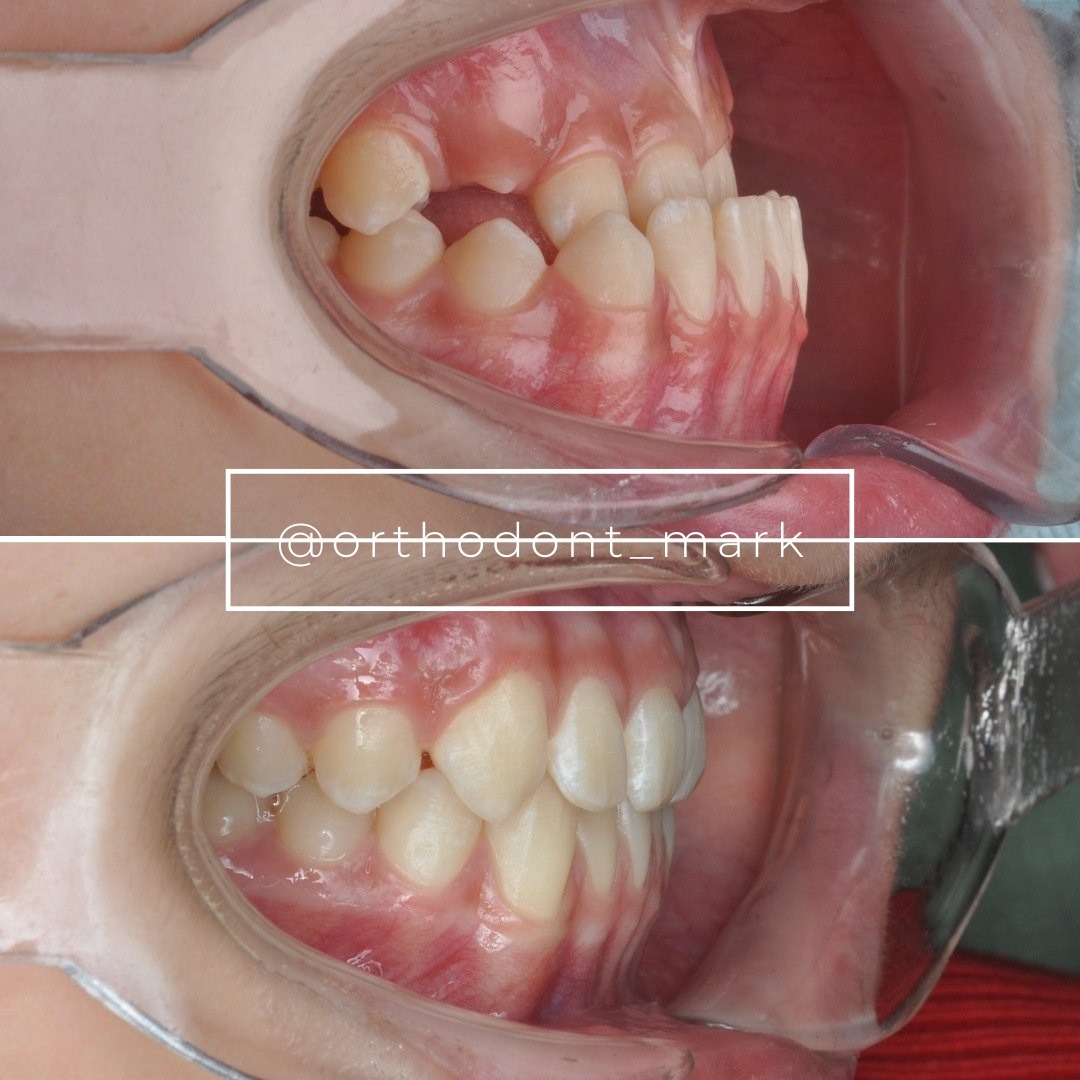
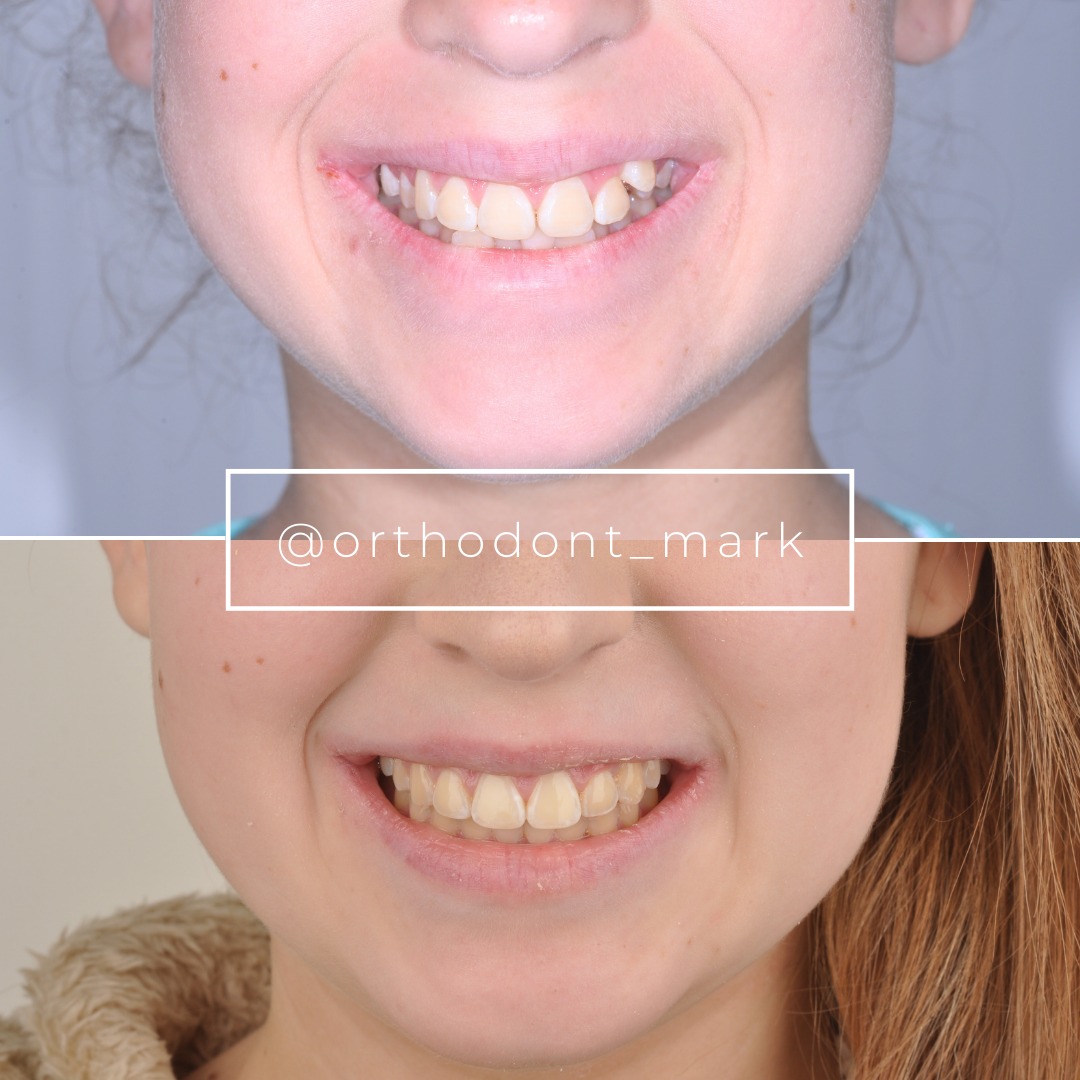
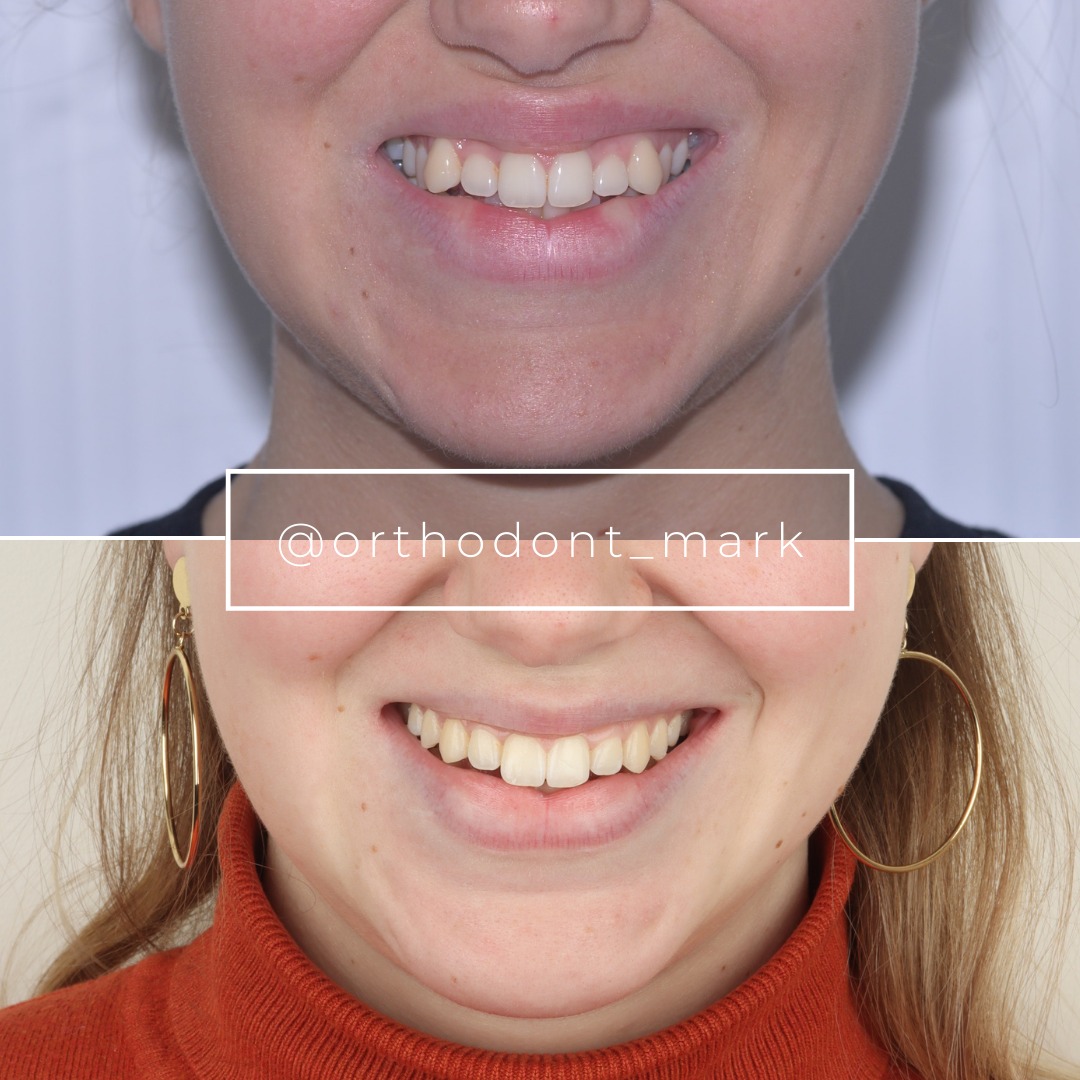
Clinical cases from Dr. Mark Radzhabov's practice
Learn the full MARPE protocol from Dr. Mark Radzhabov
Fundamental course covering CBCT patient selection, miniscrew planning, activation protocols, and 60+ clinical cases. Choose the access level that fits your practice.
Essentials of rapid palatal expansion for practicing orthodontists.
- Core RPE concepts and biomechanics
- 6 structured video lessons
- Clinical decision checklists
- Lifetime access to recordings
Deep-dive into MARPE protocol, diagnostics, and clinical execution.
- 6 modules covering MARPE from A to Z
- CBCT case selection walkthroughs
- Miniscrew placement and activation
- 60+ annotated clinical cases
- Direct Q&A with Dr. Mark Radzhabov
5-element medical consultation framework for dentists and orthodontists.
- Trust-building consultation protocol
- 5 lesson modules
- Templates for treatment plan delivery
- Works with any clinical specialty
Clinical FAQ
What is the prevalence of nickel allergy in orthodontic patients undergoing MARPE?
Intraoral nickel sensitivity occurs in 0.5–2% of active orthodontic patients, while systemic nickel allergy affects 10–15% of the general population. Pre-treatment history screening identifies high-risk individuals before material selection.
How does biocompatibility affect skeletal expansion outcomes in MARPE?
Titanium miniscrews resist corrosion and maintain superior bone integration, enabling stable anchorage and predictable force application. Chun et al. (2022) demonstrated 95% midpalatal suture separation with titanium-based MARPE, optimizing skeletal response.
Should I use titanium or stainless-steel expansion screws for patients with documented nickel allergy?
Pure titanium expansion screws (Titan Hyrax or rematitan) are mandatory for patients with confirmed nickel sensitivity. Stainless steel contains 8–12% nickel and risks ion leaching. Titanium variants are biocompatible and corrosion-resistant.
What are the clinical signs of allergic contact stomatitis versus normal post-insertion inflammation in MARPE?
Normal inflammation includes mild erythema or slight edema within 2–4 weeks, resolving with hygiene. Allergic stomatitis presents as vesicles, persistent edema, erosion, or pain disproportionate to findings. Requires material substitution and dermatologic referral.
How often should I monitor miniscrew sites for signs of allergic reaction or material corrosion?
Perform a 1-week post-insertion check and photograph baseline findings. At each monthly activation visit, assess plaque burden, inflammation, and miniscrew mobility. Early detection enables rapid intervention if adverse reactions emerge.
What material should I specify on laboratory prescriptions for high-risk nickel-sensitive patients?
Explicitly request 'Grade 5 titanium miniscrews, titanium expansion screw, nickel-free components.' Avoid vague specifications. Use ISO 5832 or ASTM standards. Confirm material certificates and lot numbers for traceability.
Is titanium hypersensitivity a common concern in MARPE appliance selection?
Titanium hypersensitivity is extremely rare (<0.01% incidence globally). Delayed-type reactions are documented in case reports but unusual in orthodontics. Confirmed hypersensitivity warrants dermatologic evaluation and possible zirconia-coated or PEEK alternatives.
What patch testing or allergy workup should I recommend before MARPE insertion?
Comprehensive history and visual examination screen most patients effectively. Dermatologic patch testing is warranted if strong nickel allergy history exists or systemic symptoms develop. Intraoral testing is contraindicated due to safety concerns.
How does periodontal health influence metal corrosion and allergic risk during MARPE?
Acidic biofilm and chronic gingivitis accelerate stainless-steel corrosion and nickel ion release. Good oral hygiene and healthy periodontium reduce allergic complication risk by 40–50%. Essential for managing high-risk patients.
What is the cost-benefit ratio of upgrading to titanium MARPE components instead of stainless steel?
Titanium carries a 15–20% premium over stainless steel yet offers superior biocompatibility, fewer complications (<0.5% allergic rate), better patient satisfaction, and improved skeletal expansion efficacy—justifying the investment for most practices.
Biocompatible material selection and pre-treatment allergy screening are essential cornerstones of safe MARPE therapy. While true metal hypersensitivity remains uncommon, a thorough patient history, consideration of patch testing in high-risk cases, and access to titanium or nickel-free appliances minimize complications and strengthen clinical outcomes. Dr. Mark Radzhabov emphasizes that informed case planning—including material choice and patient counseling—transforms MARPE from a routine expansion tool into a precision protocol tailored to individual biology. Enroll in advanced MARPE courses or schedule a consultation to refine your material selection strategy today.