
MARPE Anchorage Loss:
Quantifying Miniscrew Migration
During Rapid Palatal Expansion
Clinical measurement protocols and evidence-based strategies to minimize TAD displacement and preserve skeletal effect in adult expansion therapy.
TL;DR MARPE anchorage loss refers to unwanted miniscrew displacement during rapid palatal expansion, reducing skeletal effect and increasing dental tipping. Migration magnitude depends on patient age, sex, screw insertion depth, and expansion velocity. Measuring displacement via periapical radiographs and CBCT guides protocol adjustment and predicts treatment success. Proper TAD placement, controlled activation schedules, and periodic stability assessment minimize anchorage loss.
Miniscrew-assisted rapid palatal expansion (MARPE) has revolutionized skeletal expansion in postpubertal patients, yet miniscrew migration remains a significant clinical variable that orthodontists must actively manage. When bone-borne miniscrews displace during treatment, the intended skeletal effect diminishes and undesired dental movement increases, compromising the entire expansion strategy. Dr. Mark Radzhabov emphasizes that quantifying miniscrew migration during expansion—rather than assuming stability—is essential to predicting clinical outcomes and adjusting protocols in real time. This article reviews the biomechanical basis of anchorage loss, evidence-based measurement methods, and practical clinical strategies to keep TAD displacement within acceptable limits and maximize true skeletal gain.
What Is Miniscrew Migration in
MARPE Anchorage Loss
and Why It Matters
Miniscrew migration in MARPE refers to the progressive displacement of bone-anchored temporary anchorage devices (TADs) during active expansion. Unlike traditional RPE, which relies on tooth-borne anchors and inevitably produces dental side effects, miniscrew-assisted expansion attempts to achieve true skeletal widening with minimal dental movement. However, when miniscrews migrate apically, laterally, or rotate, the expansion force vector shifts, the load per unit bone changes, and the appliance behavior drifts toward a more dental-driven pattern. This phenomenon is not rare: a 2022 clinical study of 215 patients undergoing MARPE found significant variability in both the success of midpalatal suture separation and the magnitude of skeletal response, with age and sex as primary biological modulators. Older patients and males, in particular, demonstrated reduced suture separation rates and smaller amounts of basal bone expansion. Understanding the mechanisms and measurement of miniscrew displacement is therefore not academic—it directly affects whether a patient achieves the planned skeletal gain or instead receives a hybrid expansion with excessive alveolar tipping and residual crowding.
Biomechanical Drivers of Miniscrew
Displacement
During Expansion
Miniscrew migration occurs at the bone–implant interface when the magnitude, direction, or duration of applied force exceeds the local bone's capacity to maintain stable osseointegration. During palatal expansion, the hyrax screw (or hybrid expander) delivers a horizontal, posteriorly directed force to the TAD heads. If the miniscrews are inserted too shallow or at a suboptimal angle, lateral and apical stress concentration accelerates micromotion and bone resorption around the threads. The palatal bone itself—typically 2–4 mm thick over the midsagittal suture and up to 8 mm lateral to it—varies substantially with age and sex: older patients exhibit increased bone density but also greater interdigitation of the midpalatal suture, which paradoxically increases resistance to both suture separation and screw stability. In younger patients with less dense, more compliant bone, miniscrews may achieve excellent osseointegration yet still migrate if activation protocols are too aggressive (e.g., 1 mm per day or faster). The screw itself matters: wider-diameter implants (diameter >2.0 mm) with deeper thread engagement resist migration better than narrower designs, but larger screws require more precise insertion to avoid vessels and nerve damage. Dr. Mark Radzhabov's clinical protocol emphasizes controlled activation schedules (0.2–0.25 mm every 48–72 hours) paired with periapical radiographic checks every 2–3 weeks to catch early migration signs before they compound.
Measuring Miniscrew Displacement:
Radiographic and Clinical Methods
for Anchorage Loss Assessment
Direct measurement of miniscrew migration requires radiographic comparison of TAD position at insertion versus at sequential time points during treatment. Periapical (PA) radiographs remain the clinical standard for rapid monitoring: standardized vertical and horizontal reference lines (e.g., distance from the screw apex to the midpalatal suture, or from the screw head to a fixed anatomical landmark) are recorded at baseline, mid-expansion, and end of active phase. A migration of >2 mm apically or >1.5 mm laterally is clinically significant and typically warrants activation-schedule adjustment or, in severe cases, screw repositioning. Cone-beam computed tomography (CBCT) provides three-dimensional assessment and is especially valuable in complex cases or when two-dimensional radiographs show atypical migration patterns. CBCT captures the screw's exact angulation, depth of insertion, and proximity to anatomical hazards, and allows volumetric bone density measurement around the implant—a sensitive marker of early osseointegration loss. For routine clinical practice, serial PA radiographs (standardized horizontally and vertically using a bite index or paralleling technique) suffice and are cost-effective. Clinically, gentle probing of the screw with a dental explorer can reveal micro-mobility. If the screw moves under light pressure before the expansion force is removed, migration has likely begun. Some practitioners take intraoral photographs at each visit with a fixed reference grid to detect subtle screw head displacement relative to adjacent teeth or palatal anatomy. The suture separation ratio (a measurement derived from the PA radiograph showing the distance between the nasal cortex layers at the apex versus at the crestal aspect of the suture) is an indirect marker of successful skeletal effect. If the ratio stagnates despite continued activation, miniscrew migration or bone resorption is probable.
Surgical Placement and Activation
Protocols to Minimize Anchorage Loss
in MARPE Treatment
Miniscrew-assisted rapid palatal expansion success begins with precise insertion technique. After topical and infiltration anesthesia (chlorhexidine or iodine antiseptic rinse), the clinician marks the insertion site on the palate—typically at the intersection of the perpendicular bisector of the first and second molars and a transverse line 5–10 mm anterior to the posterior nasal spine. The site must be perpendicular to the palatal curvature and positioned to avoid roots and major vessels. A zone of 6–8 mm clearance from tooth apices is standard. The screw is inserted with controlled, low-speed torque (manual screwdriver preferred over cordless drivers to preserve tactile feedback) until the head contacts the palatal mucosa with light blanching. Over-insertion compresses mucosa, delays healing, and promotes inflammation. Under-insertion leaves the screw too mobile and reduces initial stability. Post-insertion, the clinician confirms stability with light probing and documents screw head position relative to adjacent anatomy using a photograph or radiograph. Activation protocols should begin 48 hours after insertion (allowing initial osseointegration) and follow a conservative schedule: 0.2 mm per 48–72 hours for the first 2 weeks, then 0.25 mm per 48 hours if radiographic checks show no migration. Faster rates (0.5 mm per day) increase miniscrew displacement risk, particularly in patients over 35 years old or with denser bone. Periodic radiographic assessment every 2–3 weeks allows early detection of >1 mm cumulative migration. If detected, the activation interval is extended (e.g., 0.2 mm every 96 hours) or briefly paused to allow bone remodeling. After achieving the target expansion (typically 8–12 mm skeletal gain), a 6-month retention phase with the appliance in place but inactivated is essential: this allows bone to consolidate and reduces the risk of relapse-induced miniscrew loosening. Discontinuing activation does not immediately stop migration. Residual forces continue to stress the bone–implant interface for weeks. Supporting patient hygiene instructions—gentle daily chlorhexidine rinse, avoidance of hard foods directly over the screw, and reporting any pain or mobility—are non-negotiable.
Age, Sex, and Bone Quality as
Predictors of Anchorage Loss
in Adult MARPE Patients
Patient age is the single strongest predictor of MARPE outcomes and miniscrew stability. A 2022 clinical study of 215 subjects (ages 6–60 years) by Jeon et al. (2022, Clinical Oral Investigations) found that suture separation success rates were 94.17% in females and 61.05% in males overall, but stratification by age revealed a striking trend: older males had the lowest success rates and smallest amounts of basal bone expansion. The mechanism involves both reduced suture plasticity (the midpalatal suture becomes increasingly interdigitated and mineralized after age 20) and potentially altered bone remodeling kinetics around the miniscrew. Males consistently showed higher failure rates across all age cohorts, suggesting sex-dependent differences in bone density, cortical thickness, or load-bearing capacity. Patients over 40 years old, regardless of sex, warrant extra caution: these individuals are candidates for slower activation schedules, shorter expansion targets, and more frequent radiographic monitoring. Bone quality, assessed grossly during insertion as resistance to screw penetration, predicts miniscrew stability: very dense bone (high insertion torque, >50 N·cm) often correlates with good initial stability but may exhibit stress-shielding effects and paradoxically higher displacement rates if activation velocity is not reduced. Conversely, softer bone (low insertion torque, <30 N·cm) presents early osseointegration risk but may migrate less once osseointegrated if loading is gentle. Systemic factors—bisphosphonate use, osteoporosis, diabetes, heavy smoking—impair bone remodeling and increase both migration and healing time. These patients should be identified at the treatment planning consultation and either deferred or managed with longer osseointegration periods and extended retention. Local factors such as palatal scarring from prior surgery, thinned mucosa, or ectopic vascular anatomy increase mechanical instability and warrant CBCT imaging before miniscrew placement.
Managing Progressive Miniscrew
Migration and Anchorage Loss
During Active Treatment
Early detection of miniscrew migration is the key to intervention success. If biweekly or triweekly radiographs reveal >1 mm of apical or >0.8 mm of lateral displacement, the first step is always to extend the activation interval (shift from 48-hour to 72-hour or 96-hour activation cycles) rather than reposition immediately. This reduced-loading approach often halts migration within 2–3 weeks while allowing healing of the stressed bone–implant interface. If migration continues despite longer intervals, a second radiograph 3 weeks later determines whether the screw is stabilizing or progressing. Cumulative migration exceeding 2 mm apically or 1.5 mm laterally, or any combination that compromises the planned expansion vector, may necessitate screw repositioning: the appliance is removed, the loose screw is extracted, and a new screw is placed 3–5 mm away from the original site. This procedure is minor but adds time and patient burden, making prevention the preferred strategy. In rare cases where a single miniscrew on one side shows severe migration while the contralateral side is stable, asymmetric expansion may paradoxically continue if the stable screw receives slightly increased load—clinicians must monitor the midline diastema carefully to ensure the expansion vector remains symmetrical. Patients with profound anchorage loss (>2.5 mm on one or both sides) within the first 4 weeks should be counseled that true skeletal expansion may be compromised and that dental tipping will be more prominent. Alternatives such as surgical-assisted palatal expansion (SARPE) or modified activation protocols with wider spacing between activation cycles should be discussed. Documentation is critical: note screw position relative to landmarks, activation history, and any clinical signs of mobility in the patient record at each visit, creating a radiographic evidence trail that guides treatment adjustment decisions and protects against liability claims if complications arise.
Integrating Miniscrew Displacement
Monitoring into Clinical Practice
Management and Documentation
Successful MARPE programs adopt a structured workflow that makes miniscrew stability assessment routine, not optional. At the initial MARPE insertion visit, before placing the appliance, take a baseline periapical radiograph of both miniscrews with a standardized technique (bite index or paralleling cone) and measure the distance from the screw apex to the midpalatal suture and from the screw head to the highest point of palatal contour. Document these measurements in the patient chart. Establish a radiographic schedule: baseline (at insertion), then 2 weeks into expansion, then every 3 weeks during the active phase. Create a simple one-page migration tracking form that lists activation dates, cumulative expansion turns, and radiographic findings with migration measurements. Many practices photograph the screw heads at insertion and every 4 weeks using an intraoral camera with a reference grid, providing a visual record that complements radiographs. At each activation visit, perform a brief clinical stability check: retract the cheek, visualize the screw, and lightly probe the head with a dental explorer. Any visible micromotion warrants immediate radiographic evaluation. Train your clinical staff to recognize the difference between normal screw position and early displacement. This shifts the burden away from the doctor and ensures consistent monitoring. If migration is detected, adjust the activation schedule in writing—e.g., “Reduce activation to 0.2 mm every 4 days due to 1.2 mm apical migration noted on PA” —and set a specific follow-up radiograph date (e.g., “recheck PA in 2 weeks”). At the retention phase (after achieving target expansion), update the radiographic documentation one final time to quantify total miniscrew displacement and correlate it with the amount of skeletal separation achieved. This data becomes part of your case outcome record and, over time, refines your patient selection and protocol modifications. Dr. Mark Radzhabov's resource library includes downloadable migration tracking templates and radiographic reference grids. Integrating these into your practice accelerates the adoption of evidence-based monitoring without disrupting workflow.
Free Clinical Guide
Which Expansion Appliance at Which Age?
Get Dr. Mark Radzhabov's guide to skeletal-expansion appliances — indications, pros & cons, and how to choose by patient age. Free to your inbox.
Prefer video? Watch the free demo lesson on MARPE appliance types, features and trade-offs.
Documented outcomes
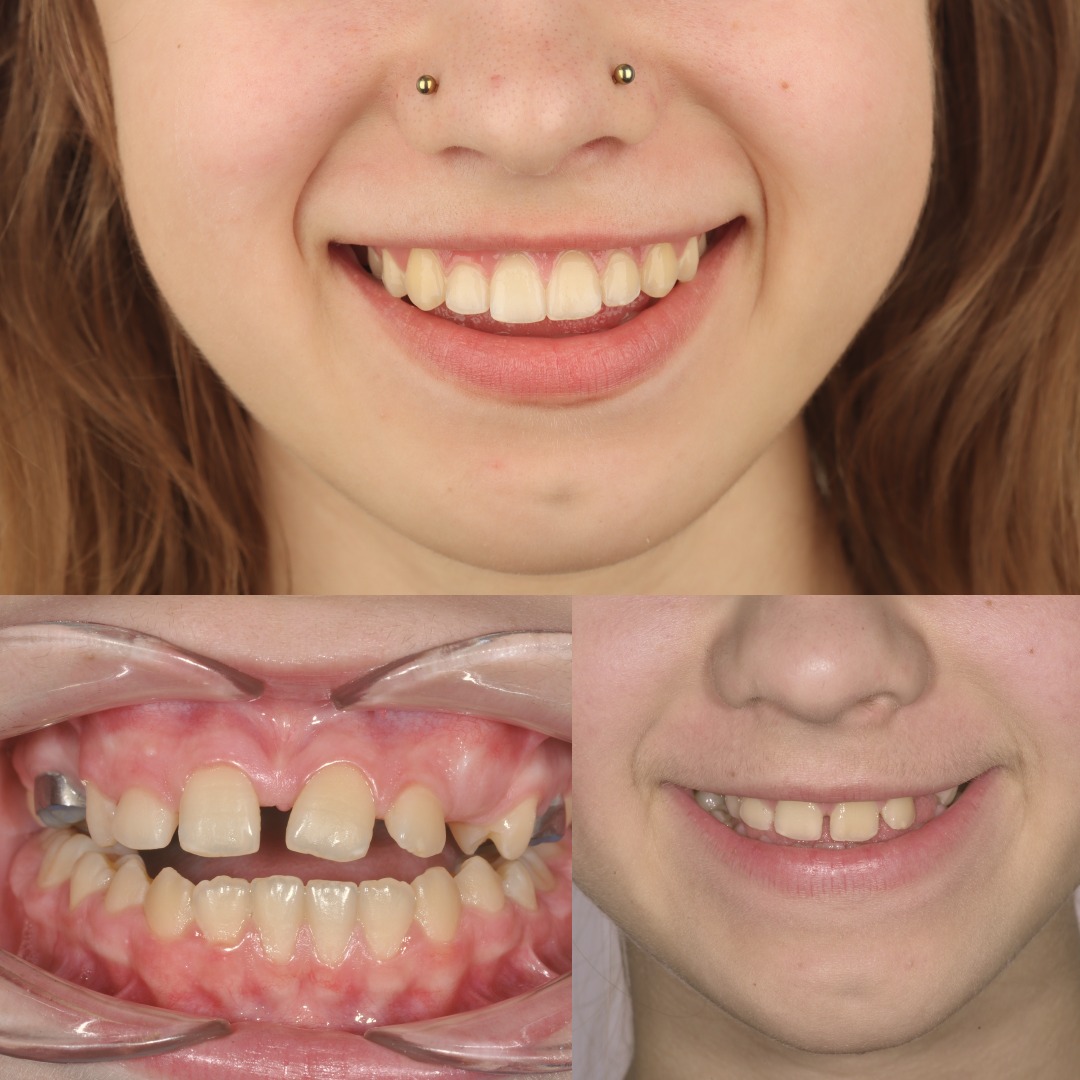
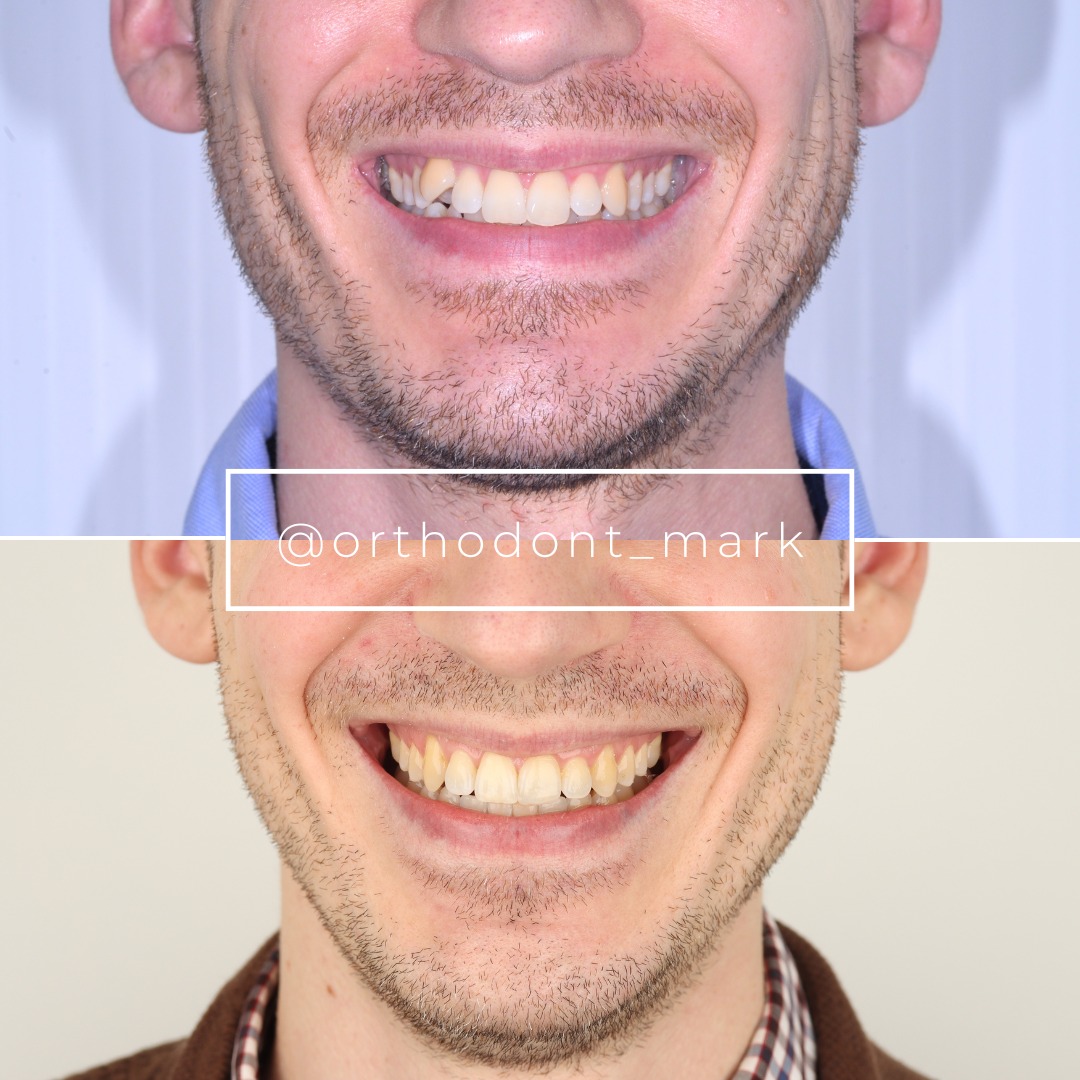
Clinical cases from Dr. Mark Radzhabov's practice

Learn the full MARPE protocol from Dr. Mark Radzhabov
Fundamental course covering CBCT patient selection, miniscrew planning, activation protocols, and 60+ clinical cases. Choose the access level that fits your practice.
Essentials of rapid palatal expansion for practicing orthodontists.
- Core RPE concepts and biomechanics
- 6 structured video lessons
- Clinical decision checklists
- Lifetime access to recordings
Deep-dive into MARPE protocol, diagnostics, and clinical execution.
- 6 modules covering MARPE from A to Z
- CBCT case selection walkthroughs
- Miniscrew placement and activation
- 60+ annotated clinical cases
- Direct Q&A with Dr. Mark Radzhabov
5-element medical consultation framework for dentists and orthodontists.
- Trust-building consultation protocol
- 5 lesson modules
- Templates for treatment plan delivery
- Works with any clinical specialty
Clinical FAQ
How much miniscrew migration is acceptable during MARPE treatment?
Up to 1 mm total apical or 0.8 mm lateral migration is typically tolerable and self-limiting if activation is extended. Migration >2 mm apically or >1.5 mm laterally signals bone resorption and warrants protocol adjustment or repositioning.
What age group has the highest risk of miniscrew migration during expansion?
Males over 40 years old show the highest rates of both miniscrew migration and suture nonseparation. In younger patients, migration is lower. In females at any age, migration and suture separation failures are less frequent than in males.
How often should I take radiographs to monitor miniscrew displacement?
Baseline radiograph at insertion, then every 2–3 weeks during active expansion. If migration is detected, recheck within 2 weeks. After completing expansion, take a final radiograph to document total displacement and correlate with skeletal gain achieved.
Can miniscrew migration be reversed once detected?
Early detection allows reversal via protocol adjustment: extend activation intervals to 72–96 hours and allow 2–3 weeks for bone healing. Most cases stabilize without needing repositioning if caught before cumulative migration exceeds 1.5 mm.
What insertion technique minimizes miniscrew migration from the start?
Perpendicular placement to palatal curvature, 5–10 mm spacing between screws, controlled torque insertion until light mucosal blanching, 48-hour osseointegration wait, and baseline radiographic documentation establish the best initial stability.
Does the speed of MARPE activation directly affect miniscrew migration rates?
Yes. Faster activation (0.5 mm/day or more) increases migration risk, especially in older or male patients. Conservative schedules (0.2–0.25 mm per 48–72 hours) combined with radiographic monitoring reduce displacement significantly.
How do I differentiate between acceptable miniscrew stability and early osseointegration failure?
Clinical probing should show no micromotion under light pressure. Radiographic migration of <1 mm over 2–3 weeks is normal healing; migration >1 mm warrants extended activation intervals and repeat imaging in 2 weeks to confirm stabilization.
Should I use CBCT or periapical radiographs to monitor miniscrew displacement?
Periapical radiographs with standardized bite index are the clinical standard for routine monitoring (cost-effective, available at every visit). CBCT is reserved for complex cases, asymmetric migration, or when 2D radiographs show atypical patterns.
What systemic factors increase the risk of miniscrew migration during MARPE?
Bisphosphonate use, osteoporosis, diabetes, heavy smoking, and poor oral hygiene impair bone remodeling and increase migration risk. These patients require longer osseointegration periods (7–10 days), slower activation, and extended retention to minimize complications.
When should I recommend surgical-assisted palatal expansion (SARPE) instead of MARPE due to expected anchorage loss?
If initial patient consultation identifies male sex, age >45, high bone density, or prior palatal surgery, and if CBCT shows thin palatal bone (<3 mm) or ectopic anatomy, discuss SARPE as an alternative to MARPE to avoid repeated miniscrew repositioning.
Miniscrew migration during MARPE is not a binary success-or-failure outcome. It exists on a continuum influenced by patient biology, appliance design, and activation protocol. Clinicians who regularly assess TAD stability via radiography and adjust expansion velocity accordingly achieve more predictable skeletal expansion and reduce the need for retreatment or surgical assistance. Dr. Mark Radzhabov's clinical education platform (ortodontmark.com) provides detailed case reviews, protocol videos, and evidence-based guidance on TAD placement, screw selection, and real-time monitoring strategies. To refine your MARPE outcomes, review a case with your current protocol and consider enrollment in the advanced miniscrew stability module—early detection of anchorage loss prevents costly complications downstream.