
MARPE Anchorage Borrowed
From the Zygoma
An Off-Palate Approach to Skeletal Expansion
Leverage zygomatic bone density and cortical quality to achieve miniscrew-assisted expansion without palatal load concentration. Evidence-based protocol for adult patients with advanced sutural maturation.
TL;DR MARPE anchorage borrowed from the zygoma represents an off-palate alternative approach using extrapalatal miniscrew placement to distribute expansion forces away from palatal structures. This technique leverages zygomatic bone density and cortical quality to reduce palatal suture maturation effects in adult patients while maintaining skeletal expansion efficacy. Clinical evidence supports miniscrew-assisted expansion across diverse age groups, particularly when traditional palatal sites face anatomical constraints or compromise.
Miniscrew-assisted rapid palatal expansion (MARPE) has transformed how orthodontists achieve skeletal widening in adults and skeletally mature patients who would traditionally require surgical intervention. However, conventional MARPE designs anchor exclusively to the anterior palate, concentrating expansion forces through a limited region and potentially compromising palatal bone integrity. In this article, Dr. Mark Radzhabov examines an emerging off-palate strategy: borrowing anchorage from the zygoma to distribute forces more favorably across the maxillofacial skeleton. This approach offers clinicians an alternative when palatal anatomy is unfavorable, sutural maturation is advanced, or when supplementary skeletal expansion support is needed alongside traditional miniscrew-assisted expansion.
What Is MARPE Anchorage Borrowed From the Zygoma?
off-palate approach
An Alternative to Conventional Palatal Miniscrew Placement
Traditional miniscrew-assisted rapid palatal expansion relies on two or four anterior palatal miniscrews anchored in the T-zone—a well-defined region of dense cortical bone in the midline anterior palate. While this technique has proven effective across broad patient populations, it concentrates all expansion forces through a single anatomical region, potentially overwhelming palatal bone density or accelerating sutural closure in skeletally mature patients. The off-palate approach, conversely, distributes loading to the zygomatic process and lateral maxillary cortex, engaging stronger and often less-compromised bone architecture. This strategy is particularly valuable in adult patients where conventional palatal sutural separation becomes biomechanically challenging, or in cases where palatal bone volume is anatomically limited. By borrowing anchorage from the zygoma—a structure naturally designed to withstand significant occlusal and masticatory forces—clinicians can achieve genuine skeletal expansion with reduced reliance on a single sutural zone. The zygomatic approach also permits hybrid miniscrew-assisted expansion protocols that combine anterior palatal and lateral zygomatic support, creating a more distributed and physiologically favorable load pathway. Research on temporary orthodontic anchorage devices has demonstrated that zygomatic regions possess excellent cortical bone quality and bone-borne stability comparable to or exceeding anterior palatal sites, making them an underutilized resource in modern MARPE design.
When Off-Palate Miniscrew Placement Becomes the Primary
Treatment Strategy
Successful off-palate miniscrew-assisted expansion hinges on rigorous patient assessment and anatomical planning. Cone-beam computed tomography (CBCT) imaging should evaluate multiple anatomical landmarks: midpalatal suture maturation stage, palatal bone height and width, zygomatic cortical thickness, and proximity of miniscrew sites to vital structures. Govaerts et al. (2023), Journal of Orofacial Orthopedics examined suture maturation on 100 female CBCT scans and found that midpalatal suture closure progresses significantly from age 14 to 17 years, with stage D and E closure present in 61% of 15-year-old females. In male patients, the relationship between age and suture nonseparation is even stronger, with success rates dropping markedly above age 18–20. These data underscore the importance of patient age in predicting conventional MARPE outcomes. However, they also justify zygomatic anchorage selection in older adults where palatal sutural response is compromised. Clinical observation across practice settings suggests that patients aged 25–45 with maxillary transverse deficiency and mature or fused palatal sutures represent ideal candidates for off-palate approaches. Additionally, patients with limited palatal bone height due to prior surgery, resorption, or anatomical variation benefit from distributed zygomatic loading. CBCT should confirm cortical thickness ≥3 mm at proposed zygomatic miniscrew sites and identify safe insertion windows away from infraorbital neurovascular bundles and dental roots. Three-dimensional imaging also permits custom surgical guides or CAD/CAM-designed appliances that precisely position zygomatic miniscrews in optimal load-bearing zones.
Optimal Miniscrew Positioning for Off-Palate MARPE Protocols
Extrapalatal Sites
Strategic Placement Beyond the Anterior Palate
Zygomatic miniscrew placement requires precise anatomical knowledge and careful surgical technique. The primary anchorage region for off-palate MARPE consists of the zygomatic process lateral to the maxillary tuberosity, positioned at the junction of cortical zones identified through CBCT. Unlike conventional anterior palatal miniscrew insertion—which follows well-established protocols in the T-zone with relatively low complication rates—zygomatic placement demands careful avoidance of the infraorbital foramen and preservation of soft tissue contours to minimize patient discomfort. Miniscrew diameter typically ranges from 1.6 to 2.0 mm, with insertion depth of 8–12 mm into zygomatic cortex, confirmed intraoperatively using anatomical landmarks or insertion guides. The lateral positioning also influences appliance design: zygomatic miniscrews are often connected to the expansion body via lateral arms or hybrid connectors that transmit force along the maxillary-zygomatic interface rather than through palatal sutures alone. Research on temporary orthodontic anchorage devices confirms that miniscrews positioned in areas of dense cortical bone—such as zygomatic cortex—achieve superior stability and longer clinical service life compared to less-dense regions. Insertion guides manufactured via selective laser melting or 3D printing enhance accuracy and reduce operative time, permitting single-appointment placement of both palatal and zygomatic miniscrews alongside final appliance seating. Force magnitude applied to zygomatic miniscrews should remain consistent with conventional MARPE protocols (0.5 N to 1 N total force, distributed across miniscrews) to avoid overloading individual sites and precipitating bone loss or miniscrew loosening. Clinical monitoring every 2–3 weeks ensures miniscrew stability and permits early detection of any loosening or soft tissue inflammation at zygomatic sites.
Activation Protocols for Off-Palate Miniscrew-Assisted Expansion
Force Magnitude and Timing
Off-palate MARPE activation follows biomechanical principles similar to conventional palatal miniscrew-assisted expansion, yet with modifications to account for distributed zygomatic loading. Total expansion force across all miniscrews (anterior palatal and zygomatic) should remain in the range of 0.5–1.0 N to avoid excessive periodontal and osseous stress. When combining anterior palatal miniscrews with zygomatic anchorage, force should be proportionally distributed—for example, 0.25 N per anterior palatal miniscrew and 0.25 N per zygomatic miniscrew if using four total miniscrews. Activation typically begins 7–10 days after miniscrew placement and appliance seating to permit osseointegration and soft tissue adaptation. Daily activation increments of 0.5 mm (or 0.25 mm twice daily) are standard, yielding approximately 3.5 mm per week of expansion. This activation rate mirrors conventional rapid palatal expansion (RPE) and honors the biological windows for sutural separation and bone remodeling. Clinical observation across adult populations undergoing MARPE demonstrates that sustained activation over 8–12 weeks is required to achieve measurable midpalatal suture separation and transverse basal bone expansion in skeletally mature patients. Radiographic assessment via periapical radiographs at 2-week intervals permits visualization of midline diastema formation and early signs of palatal suture opening. Alternating expansion and constriction strategies—sometimes termed Alt-RAMEC—may enhance skeletal response in patients with advanced sutural maturation by creating biological stimulus windows. However, this approach requires extended treatment duration (9 weeks or longer) and should be reserved for cases where conventional activation yields insufficient response. Patient compliance regarding activation frequency is paramount. Gaps or inconsistency in daily screw advancement reduce biological response and may result in ankylosis of the miniscrew within surrounding bone.
Assessing Skeletal Expansion Response and Suture Separation
Evidence-Based Monitoring
Radiographic assessment is central to confirming successful off-palate miniscrew-assisted expansion and guiding treatment continuation or modification. Periapical radiographs obtained at baseline, 4 weeks, 8 weeks, and at completion of active expansion phase provide quantifiable measurement of midline diastema formation and midpalatal suture separation. Suture separation ratio—defined as the width of the anterior midpalatal suture divided by total maxillary width on periapical radiograph—offers an objective metric for skeletal response. Clinical data spanning diverse age and sex cohorts reveal significant age and sex-dependent variation in suture separation success: female patients show higher overall success rates in conventional MARPE (94% in one multi-center analysis), while male patients demonstrate more variable outcomes, particularly above age 18–20, with success rates declining to 61% in older cohorts. These findings underscore that zygomatic anchorage may be particularly valuable in male patients or those above age 25–30, where conventional palatal sutural response becomes unpredictable. Beyond radiographic sutures, clinicians should observe for clinical diastema between maxillary central incisors, which typically appears within 2–4 weeks of activation in responsive patients. The absence of diastema by week 4–6 may signal insufficient skeletal response and necessitate protocol modification—such as increased activation frequency, force augmentation (within safe limits), or introduction of alternating expansion cycles. CBCT imaging at baseline and completion permits three-dimensional evaluation of basal bone expansion, assessment of potential buccal dehiscence or lingual cortical thickness changes, and confirmation that expansion was truly skeletal rather than purely dental. Miniscrew stability should be clinically verified at each visit. Mobility or pain may indicate loosening, requiring temporary deactivation pending osseointegration recovery or, in rare cases, miniscrew replacement.
Expected Outcomes and Management of Adverse Events
Skeletal Expansion Efficacy
and Off-Palate Complications
Off-palate miniscrew-assisted expansion offers distinct advantages over tooth-borne rapid palatal expansion (RPE), particularly in reducing root resorption, dental tipping, and gingival recession—complications that arise when expansion forces are exclusively distributed through dental roots. By anchoring partly or wholly to zygomatic bone-borne miniscrews, clinicians minimize dental side effects and achieve more direct skeletal force application. Expected skeletal outcomes in responsive patients include 5–8 mm of transverse maxillary widening at the dentoalveolar level and 2–4 mm of basal skeletal expansion, measured at the level of the maxillary basal bone. Midline diastema formation typically ranges from 3–6 mm following active phase completion, and approximately 50–70% of the diastema closes spontaneously during the retention phase (6–12 months), while the remaining width represents permanent skeletal gain. Complications specific to zygomatic miniscrew placement, although uncommon, include infraorbital nerve paresthesia (transient in most cases, resolving within weeks), soft tissue inflammation or hypertrophy at the zygomatic insertion site, and, rarely, damage to tooth roots if miniscrew placement strays from planned trajectory. Prevention relies on meticulous CBCT planning, use of surgical insertion guides, and careful flap reflection during placement. Miniscrew loosening—a potential complication at any site—occurs in roughly 5–15% of miniscrews over a 12–18-month period. Loosened zygomatic miniscrews may be replaced without significantly interrupting treatment, whereas loosening of anterior palatal miniscrews requires immediate intervention to preserve force transmission. Infection or periminiscrew soft tissue pathology is uncommon when oral hygiene is adequate and miniscrew sites are monitored at regular intervals. Post-expansion retention protocols should include passive holding of the expansion appliance (without further activation) for 3–6 months to permit ossification of newly separated sutures and stabilization of transverse skeletal changes, followed by transition to conventional fixed appliances for final occlusal refinement.
Designing Hybrid MARPE Appliances for Off-Palate Anchorage
Appliance Manufacturing
and Insertion Strategies
Modern off-palate miniscrew-assisted expansion appliances leverage computer-aided design (CAD/CAM) and selective laser melting (SLM) manufacturing to achieve high precision and structural rigidity. The hybrid design typically incorporates engagement slots or ball-joint connectors for both anterior palatal and lateral zygomatic miniscrews, with an expansion screw mechanism positioned centrally or slightly offset to accommodate the distributed loading topology. Rigid construction is essential: appliances manufactured via SLM using titanium or high-strength metal powders demonstrate superior stiffness compared to traditional laboratory-cast designs, translating to more predictable force transmission and reduced unwanted tooth movement during expansion. Clinicians may choose between two insertion workflows. The “Appliance First” approach involves fabricating the expansion appliance in the laboratory, then seating it in the mouth and subsequently placing miniscrews through pre-planned osteotomy sites (identified via CBCT and marked on surgical guides). Conversely, the “Bone First” or “TADs First” approach places miniscrews in planned positions initially, followed by impression/scan capture and laboratory fabrication of the appliance—a workflow that permits miniscrew position confirmation prior to appliance design. Current evidence and clinical practice trends favor hybrid workflows using CAD/CAM surgical guides: miniscrews are positioned first (confirmed radiographically), and the appliance is then manufactured with precise connectors matching actual miniscrew positions, achieving single-appointment activation in some settings. This approach reduces treatment duration and simplifies clinical workflow. When designing off-palate hybrid appliances, laboratory partners should ensure that lateral arms or zygomatic connectors are positioned to avoid impingement on buccal soft tissues and that connector angulation permits optimal force vectors toward planned expansion centers. Acrylic resin connectors are generally avoided in favor of rigid metal alloy or 3D-printed connectors to maintain biomechanical integrity throughout the active phase. Customized rapid prototyping of appliances also permits fabrication of insertion guides that position both palatal and zygomatic miniscrews with millimeter-level accuracy, substantially reducing operative time and surgical complexity.
Free Clinical Guide
Which Expansion Appliance at Which Age?
Get Dr. Mark Radzhabov's guide to skeletal-expansion appliances — indications, pros & cons, and how to choose by patient age. Free to your inbox.
Prefer video? Watch the free demo lesson on MARPE appliance types, features and trade-offs.
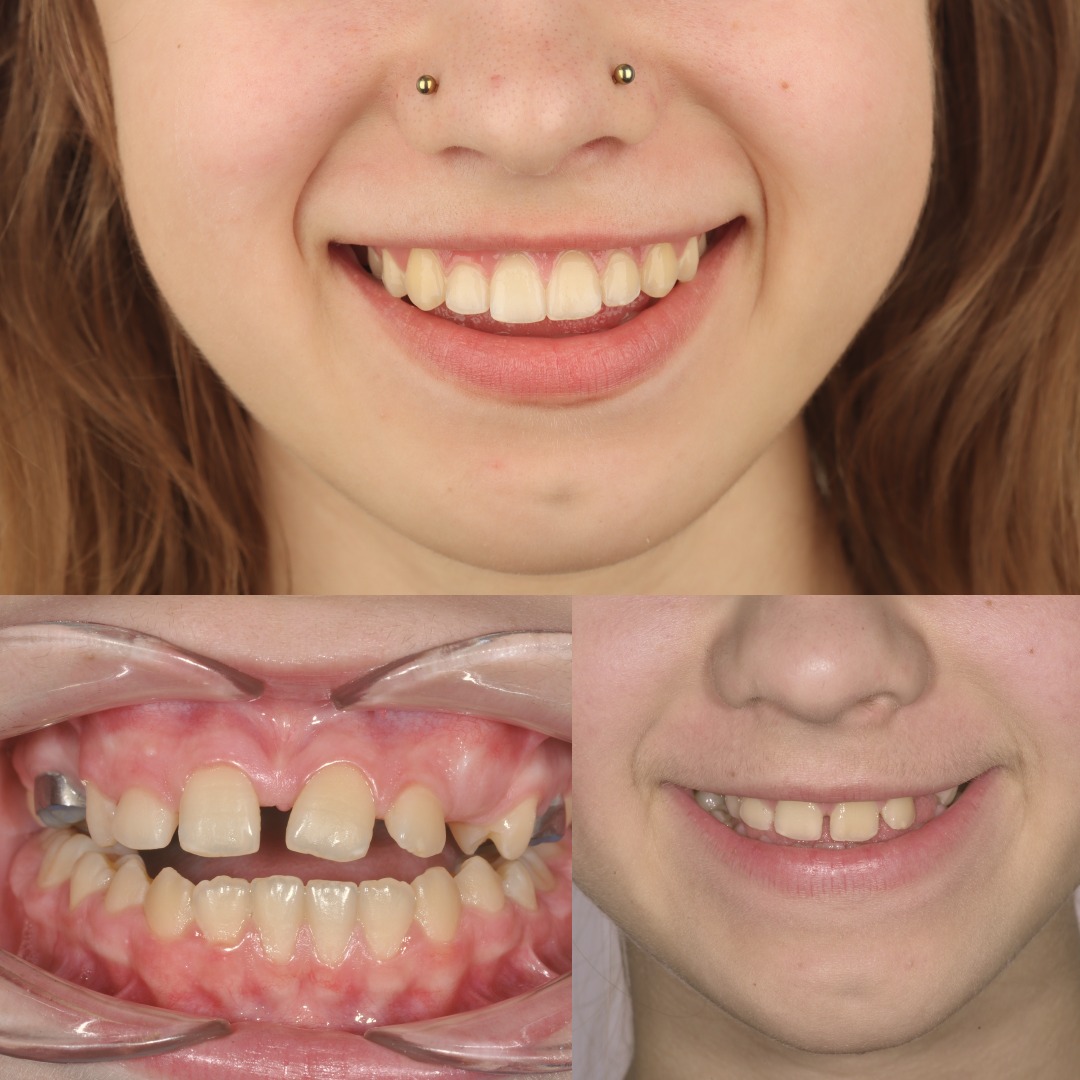
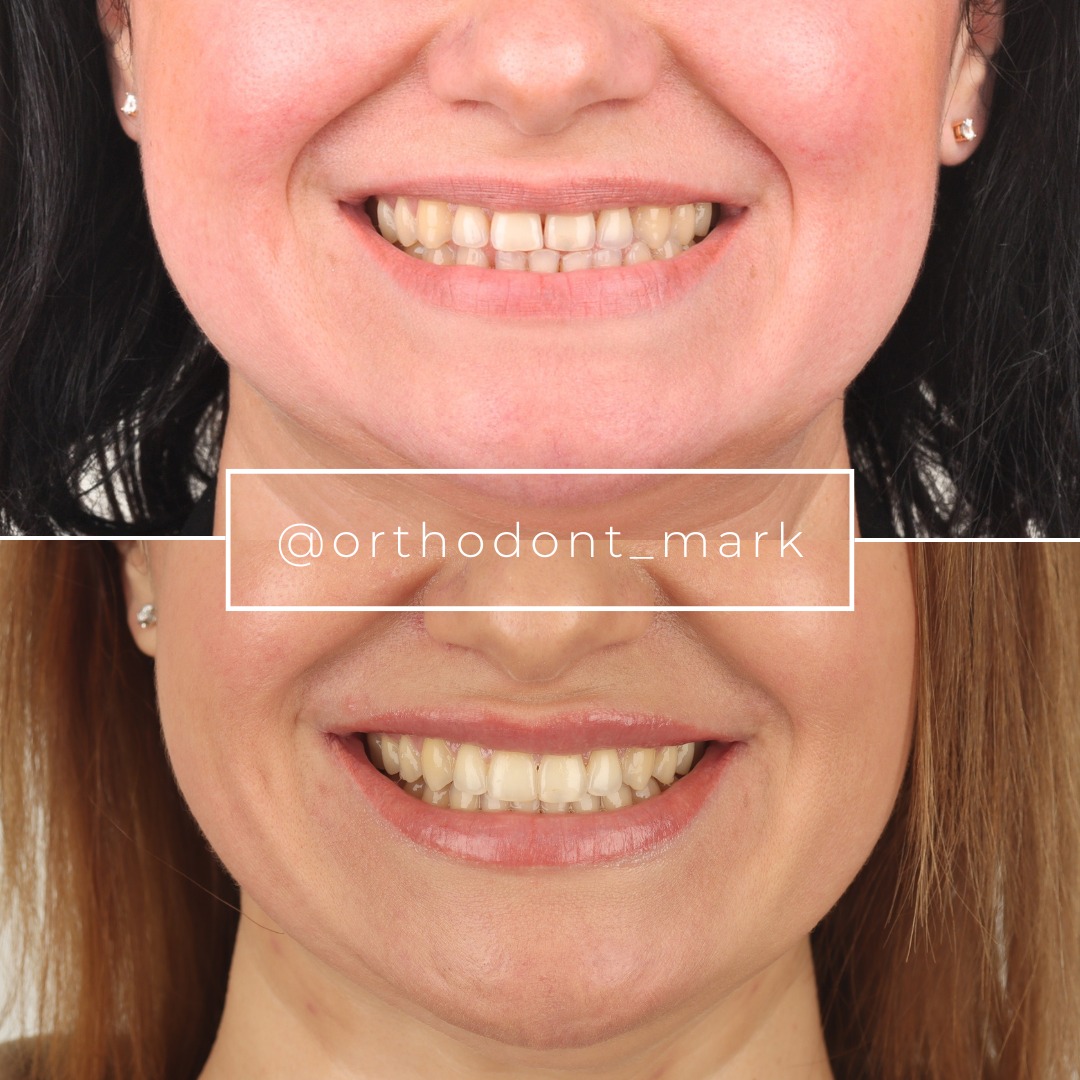
Documented outcomes
Clinical cases from Dr. Mark Radzhabov's practice
Learn the full MARPE protocol from Dr. Mark Radzhabov
Fundamental course covering CBCT patient selection, miniscrew planning, activation protocols, and 60+ clinical cases. Choose the access level that fits your practice.
Essentials of rapid palatal expansion for practicing orthodontists.
- Core RPE concepts and biomechanics
- 6 structured video lessons
- Clinical decision checklists
- Lifetime access to recordings
Deep-dive into MARPE protocol, diagnostics, and clinical execution.
- 6 modules covering MARPE from A to Z
- CBCT case selection walkthroughs
- Miniscrew placement and activation
- 60+ annotated clinical cases
- Direct Q&A with Dr. Mark Radzhabov
5-element medical consultation framework for dentists and orthodontists.
- Trust-building consultation protocol
- 5 lesson modules
- Templates for treatment plan delivery
- Works with any clinical specialty
Clinical FAQ
What is the optimal age range for zygomatic anchorage in MARPE treatment?
Zygomatic anchorage is most beneficial in patients aged 25–45 with mature or fused palatal sutures and limited conventional expansion response. CBCT confirmation of advanced suture closure helps identify candidates unsuitable for anterior palatal-only MARPE.
How does off-palate miniscrew placement reduce dental side effects?
Bone-borne zygomatic anchorage bypasses dental roots, distributing expansion forces directly to skeletal sites. This eliminates tooth-borne complications: root resorption, incisor tipping, and gingival recession inherent to conventional RPE systems.
What CBCT measurements confirm zygomatic miniscrew placement safety?
Cortical thickness ≥3 mm at proposed miniscrew sites, clear visualization of infraorbital foramen location, and confirmation of adequate distance from dental roots are critical. Axial and coronal slices guide insertion trajectory planning.
How much skeletal expansion is realistically achieved with off-palate MARPE?
Expected outcomes: 5–8 mm transverse dentoalveolar widening and 2–4 mm basal skeletal expansion. Magnitude depends on sutural maturation stage, patient age, and compliance with daily activation (0.5 mm increments).
What is the recommended total force magnitude for hybrid palatal and zygomatic miniscrew systems?
Maintain 0.5–1.0 N total force distributed proportionally across all miniscrews (e.g., 0.25 N per palatal and 0.25 N per zygomatic miniscrew). Excessive force increases loosening risk and bone loss.
Can zygomatic miniscrews be successfully replaced if loosening occurs?
Yes, loosened zygomatic miniscrews can typically be replaced without interrupting treatment. New sites 3–4 mm adjacent to original insertion reduce risk of refailure. Palatal miniscrew loosening requires more urgent intervention.
How long should active expansion phase continue before entering retention?
Active phase typically lasts 8–12 weeks (0.5 mm daily activation). Retention phase follows: 3–6 months of passive appliance holding permits ossification of separated sutures and stabilization of skeletal changes before transition to fixed appliances.
What is the difference between 'Appliance First' and 'Bone First' insertion workflows for off-palate MARPE?
Appliance First: fabricate appliance first, then place miniscrews. Bone First: place miniscrews first (confirmed radiographically), then fabricate appliance. Current best practice favors Bone First with CAD/CAM guides for superior accuracy and single-appointment placement.
How does suture separation success rate vary by age and sex in MARPE patients?
Female patients show ~94% suture separation success, while older males (ages 25+) show markedly reduced success (~61%). These data justify zygomatic anchorage selection in older males and patients with mature palatal sutures.
What radiographic intervals confirm adequate skeletal response during off-palate MARPE treatment?
Periapical radiographs every 2 weeks visualize midline diastema formation and suture separation. Clinical diastema should appear by weeks 2–4. Absence by week 6 may signal insufficient response, prompting protocol modification or Alt-RAMEC alternating activation.
An off-palate approach to MARPE anchorage borrowed from the zygoma expands the clinical toolkit for transverse maxillary expansion, particularly in adult patients with limited palatal bone stock or advanced skeletal maturation. While miniscrew placement and activation protocols demand precision, the ability to distribute forces across multiple skeletal sites reduces unwanted dental side effects and improves predictability. Dr. Mark Radzhabov recommends careful patient selection, rigorous CBCT assessment of zygomatic and palatal bone architecture, and ongoing radiographic monitoring throughout treatment. To discuss case-specific anchorage strategies or explore hybrid miniscrew-assisted expansion protocols for your practice, visit Orthodontist Mark's consultation portal or review detailed treatment planning resources.