
MARPE desensitization protocol
protocol
for the anxious adult patient
Evidence-based stepwise framework for miniscrew placement, device insertion, and activation strategies that reduce anxiety while preserving skeletal expansion outcomes in adult patients.
TL;DR A structured MARPE desensitization protocol for anxious adults involves graduated exposure to miniscrew placement, staged device insertion, and customized activation schedules that reduce anticipatory anxiety while maintaining skeletal expansion outcomes. This stepwise approach addresses psychological barriers without compromising the biomechanical success of skeletal expansion therapy in adult patients.
Adult patients presenting with transverse maxillary deficiency frequently harbor significant anxiety about miniscrew-assisted rapid palatal expansion (MARPE), particularly regarding miniscrew placement, palatal instrumentation, and the sensation of active expansion. Dr. Mark Radzhabov has developed a clinical framework that decouples psychological desensitization from biomechanical activation, allowing clinicians to build patient confidence before committing to full treatment. This article outlines a practical, stepwise MARPE desensitization protocol—from pre-treatment counseling through staged miniscrew placement and gradual activation—supported by evidence on adult skeletal response and anxiety reduction strategies in orthodontics. Understanding how to sequence these interventions is essential for improving patient compliance and treatment outcomes in anxious adult expansion cases.
Understanding anxiety in adult palatal
expansion treatment
Adult patients pursuing MARPE frequently report high baseline anxiety related to miniscrew placement, palatal instrumentation, and the subjective sensation of expansion force. Unlike adolescent patients, who may demonstrate greater neuroplasticity in adapting to new oral sensations, anxious adults often develop anticipatory anxiety that undermines treatment acceptance and compliance. This anxiety is not irrational—it reflects legitimate concerns about pain, tissue trauma, and loss of control during a procedure performed in a confined intraoral space. Clinical observation suggests that patients who experience high anxiety at intake are significantly more likely to request treatment modifications, reduce activation frequency, or discontinue treatment prematurely, thereby jeopardizing the skeletal expansion outcomes that MARPE promises. A structured desensitization protocol—introduced at the first consultation and reinforced throughout treatment—can systematically reduce this psychological barrier while preserving the biomechanical integrity of skeletal expansion therapy. The goal is not to eliminate anxiety entirely, but to lower it below the threshold at which it compromises treatment compliance and clinical decision-making.
Phase 1: consultation and psychological
preparation
The first clinical encounter sets the psychological tone for the entire MARPE treatment journey. Begin by conducting a structured anxiety assessment using a validated tool (e.g., modified Dental Anxiety Scale) to quantify baseline fear and identify specific phobia triggers—miniscrew insertion, palatal pressure, active expansion sensation, or fear of procedural complications. Provide a detailed, non-alarming explanation of MARPE mechanics: explain that miniscrews are placed in dense palatal bone (not soft tissue), that the expansion force is distributed across the skeletal palate (not concentrated on teeth), and that most patients report mild-to-moderate pressure sensation rather than pain. Use intraoral photography and three-dimensional CBCT reconstructions to demystify the anatomy. Show the patient exactly where miniscrews will be placed relative to the midpalatal suture and root apices. Discuss realistic timelines: active expansion typically spans 8–12 weeks, with additional consolidation periods, rather than the 2–3 week schedules some patients anticipate. Offer a staged commitment model: position the initial miniscrew placement as a low-stakes diagnostic step, with explicit permission to reassess before committing to the full activation protocol. This framing reduces the perception of irreversibility and gives anxious patients a sense of control. Provide written educational materials (with diagrams) that the patient can review at home, and encourage a trusted companion to attend the consultation to reinforce key points and provide post-procedure support.
Phase 2: desensitization to miniscrew
insertion
The insertion of bilateral palatal miniscrews represents the highest-anxiety moment in many adults' treatment journey. A desensitization approach involves breaking this single procedure into graduated exposure steps. At the first visit, perform palatal palpation and topical desensitization of the insertion sites using 20% benzocaine spray or eutectic mixture of local anesthetics (EMLA) cream applied 10–15 minutes before injection. Explain tactile sensations in real-time: “You will feel pressure as the needle approaches,” “Light sting as local anesthetic infiltrates,” “Vibration as the miniscrew driver engages.” Allow the patient to signal (with a hand-raise system) if anxiety peaks, pausing the procedure for breathing exercises and mental reframing. Some clinicians report success with inserting only one miniscrew at the first appointment, allowing the patient 24–48 hours to integrate the sensation and build confidence before inserting the contralateral screw at a separate appointment. This approach trades procedure efficiency for psychological gain. For patients with severe dental phobia, nitrous oxide (N₂O) inhalation sedation during miniscrew placement can be justified. Evidence supports N₂O as an anxiolytic without compromising miniscrew stability or osseointegration. After miniscrew insertion, provide explicit post-insertion care instructions and schedule a brief 24-hour follow-up call to assess pain level, swelling, and emotional response. This demonstrates clinical attentiveness and normalizes minor discomfort.
Phase 3: graduated device insertion and
activation schedules
Once miniscrews are osseointegrated (typically 2 weeks post-insertion), the rapid palatal expander (RPE or hybrid Hyrax device) is cemented or bonded to anchor teeth. For anxious patients, consider a sub-maximal seating approach: insert and check the device at one appointment without immediate activation, allowing the patient a 1–2 week adaptation period to acclimate to the intraoral bulk, altered phonetics, and sensation of palatal pressure. This interim period mimics exposure therapy in behavioral psychology—repeated, low-intensity contact with the feared stimulus reduces its threat value. At the second appointment, initiate activation at a conservative rate: rather than the standard 1 turn per day (0.25 mm expansion), begin with 0.5 turns per day (0.125 mm per day) for the first 2–3 weeks. Document this modified schedule in the patient's chart and explain that expansion rate will increase as the patient's comfort level rises. Many anxious adults report that the first 2–3 weeks of minimal activation allow them to distinguish expansion sensation from normal palatal pressure, reducing alarm. Some patients respond well to self-managed, home-based activation after this adaptation phase, as it restores a sense of control. Others prefer clinician-directed activation at scheduled appointments. Offer this choice explicitly. For the MSE (Maxillary Skeletal Expander) system, which incorporates rigid skeletal fixation, some patients find the “gentler” biomechanics psychologically reassuring compared to tooth-borne or hybrid systems, even though biomechanical outcomes are comparable. Tailor device selection partly to anxiety profile.
Phase 4: consolidation and anxiety
monitoring during treatment
Throughout the 8–12 week active expansion phase, maintain frequent low-stress contact with the patient. Schedule brief (15-minute) appointments every 2 weeks, rather than longer appointments spaced 4–6 weeks apart. Frequent short visits provide reassurance and allow early detection of psychological distress. At each visit, explicitly acknowledge the patient's compliance and effort: “Your adherence to the activation schedule is excellent—this is the behavior that drives skeletal expansion.” Use periapical radiographs (or low-dose CBCT if clinically indicated) to document midpalatal suture separation and show the patient the radiographic evidence of skeletal change. Seeing objective evidence of progress significantly reinforces motivation and reduces the sense that discomfort is “pointless.” During the 3–6 month consolidation period (when expansion is paused but miniscrews remain), anxiety typically decreases substantially because active force is absent. Use this window to discuss the next phase of treatment: orthodontic alignment, miniscrew removal timing, and retention planning. Some anxious adults benefit from a detailed removal appointment schedule shared months in advance, allowing mental preparation. If the patient reports persistent anxiety, pain, or emotional distress, offer a single consultation with a mental health professional experienced in dental anxiety (cognitive-behavioral therapy or acceptance and commitment therapy can be specifically effective for dental procedure anxiety).
Skeletal expansion outcomes and age-dependent
response in adult patients
Recent prospective randomized trials comparing MARPE to conventional tooth-borne rapid palatal expansion (RPE) in adolescents and young adults document that MARPE achieves greater skeletal widening at the nasal floor and greater palatine foramen, with reduced buccal displacement of anchor teeth, thereby providing superior orthopedic outcomes. A 2022 prospective randomized clinical trial using low-dose CBCT reported that midpalatal suture separation frequency was 95% in the MARPE group versus 90% in the RPE group, with significantly greater increase in nasal width in the molar region in the MARPE cohort. However, success rates are age- and sex-dependent: in adults, particularly males, suture separation success declines with advancing age, and the amount of skeletal expansion achieved decreases in older age groups. A 2022 clinical investigation of 215 MARPE patients (ages 6–60 years) found that suture separation success was 94.17% in females but only 61.05% in males (Jeon et al., 2022, Clinical Oral Investigations). In males, older age was statistically associated with nonseparation. These findings underscore the importance of realistic patient counseling: anxious adults aged 40+ should be informed that skeletal expansion success, while possible, is less predictable than in younger patients, and that supplemental surgical corticotomy or SARPE (surgically-assisted rapid palatal expansion) may be indicated if MARPE alone does not achieve adequate suture separation. This transparency prevents anxiety-driven disappointment if skeletal response is suboptimal. Importantly, even in cases where suture separation is incomplete, dentoalveolar (tooth-borne) widening continues, and some patients achieve acceptable anterior-posterior and vertical changes through non-skeletal adaptation.
Patient selection and risk-benefit counseling
for anxious populations
Not every anxious adult is a candidate for MARPE. A systematic patient selection process should weigh psychological readiness against clinical necessity. Strong candidates for MARPE desensitization protocols are anxious adults with objective transverse maxillary deficiency (unilateral or bilateral posterior crossbite, severe crowding, or protrusion requiring orthopedic space gain) who express explicit interest in non-surgical expansion despite anxiety. Conversely, anxious adults with mild transverse discrepancies or those whose primary concern is cosmetic crowding may be better served by conventional extraction-based or camouflage orthodontics, which avoid palatal instrumentation entirely. Before proceeding with the desensitization protocol, assess the patient's ability to tolerate the psychological demands: Can they commit to 10–12 weeks of active expansion with weekly or bi-weekly appointments? Do they have realistic expectations about discomfort and timeline? Do they express genuine motivation for the outcome (improved airway, facial symmetry, reduced relapse risk), or are they pursuing treatment primarily due to pressure from a family member? Anxious patients who lack intrinsic motivation often abandon treatment at the first sign of discomfort. In such cases, candidly recommend deferring MARPE until motivation aligns with psychological readiness. For patients who proceed, document the desensitization protocol explicitly in the informed consent: specify the staged activation schedule, miniscrew insertion approach, and the patient's explicit permission to pause or adjust the protocol if anxiety exceeds predefined thresholds. This written agreement protects both clinician and patient by establishing shared expectations.
Building a MARPE anxiety-management workflow
into daily practice
Implementation begins with infrastructure: develop a standardized intake form that includes a validated anxiety assessment (e.g., Modified Dental Anxiety Scale, 4-item version) to quantify baseline fear and track changes over time. Train clinical staff to recognize anxiety-related body language (muscle tension, rapid breathing, avoidance of eye contact) and to respond with calm, reassuring communication. Create a visual timeline poster for the patient waiting area that depicts the four phases of MARPE treatment with estimated anxiety levels at each phase—patients often feel relieved knowing that anxiety naturally decreases after miniscrew placement. Stock your operatory with materials that support desensitization: topical anesthetics (benzocaine 20%, EMLA cream), a desktop CBCT viewer or tablet showing before-and-after radiographs, and written educational handouts (in multiple languages if relevant to your patient population) that explain MARPE mechanics without inflammatory language. Schedule anxious MARPE cases at a time of day when you are less rushed and can allocate uninterrupted time for patient communication and intra-operative reassurance. Consider appointing a single team member (hygienist, assistant, or coordinator) as the “MARPE anxiety champion” for your practice—this person becomes familiar with each anxious patient's specific phobia triggers, preferred communication style, and progress, fostering continuity and trust. Orthodontist Mark recommends developing a simple patient journal or checklist that the patient completes weekly during the active expansion phase, documenting activation date, perceived discomfort level (0–10 numeric rating scale), and any adjustments requested. Review this journal at each appointment, reinforcing improvements and addressing concerns proactively. These small procedural changes—often implemented at minimal cost—significantly improve the psychological experience and clinical outcomes for anxious adult MARPE patients.
Free Clinical Guide
Which Expansion Appliance at Which Age?
Get Dr. Mark Radzhabov's guide to skeletal-expansion appliances — indications, pros & cons, and how to choose by patient age. Free to your inbox.
Prefer video? Watch the free demo lesson on MARPE appliance types, features and trade-offs.
Documented outcomes
Clinical cases from Dr. Mark Radzhabov's practice
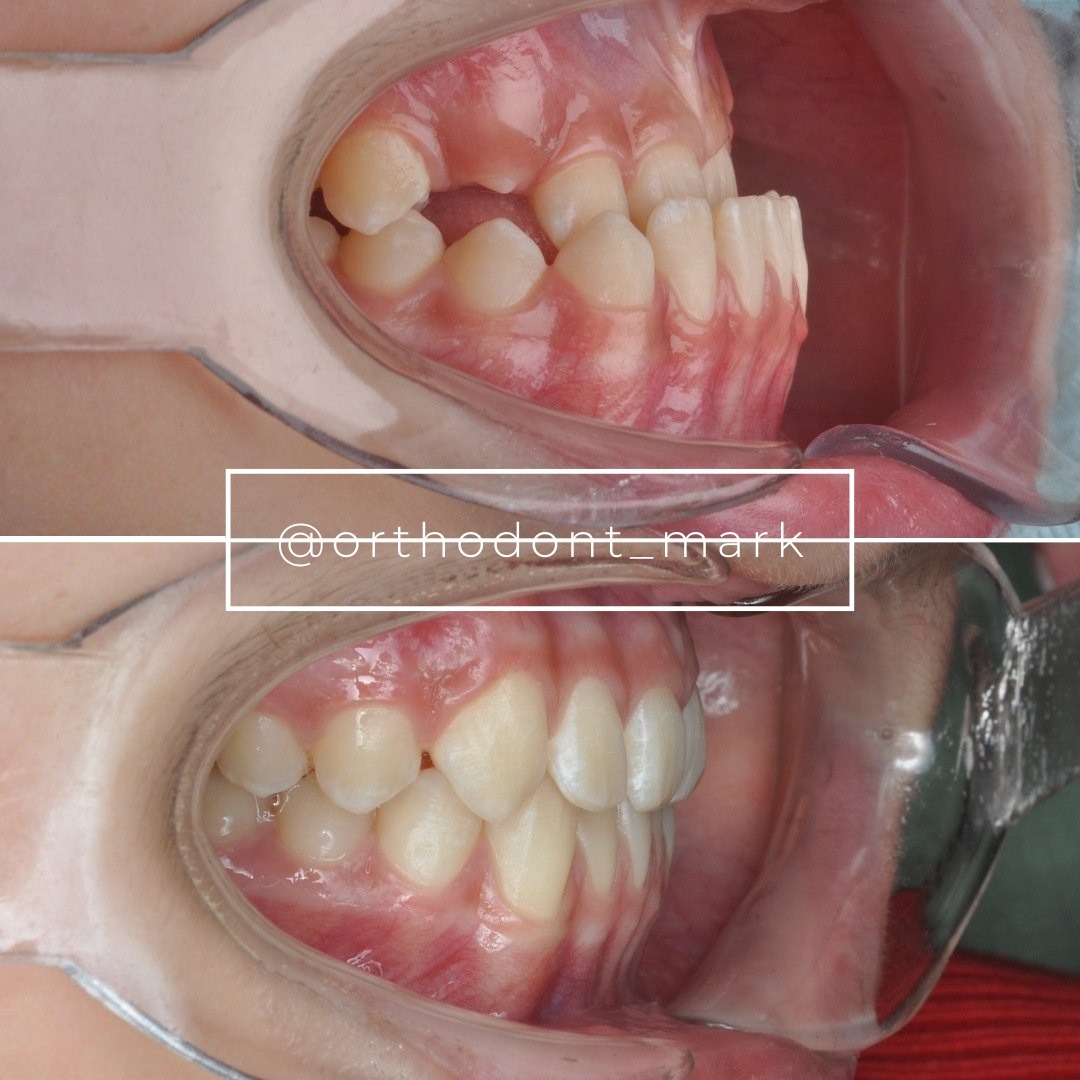
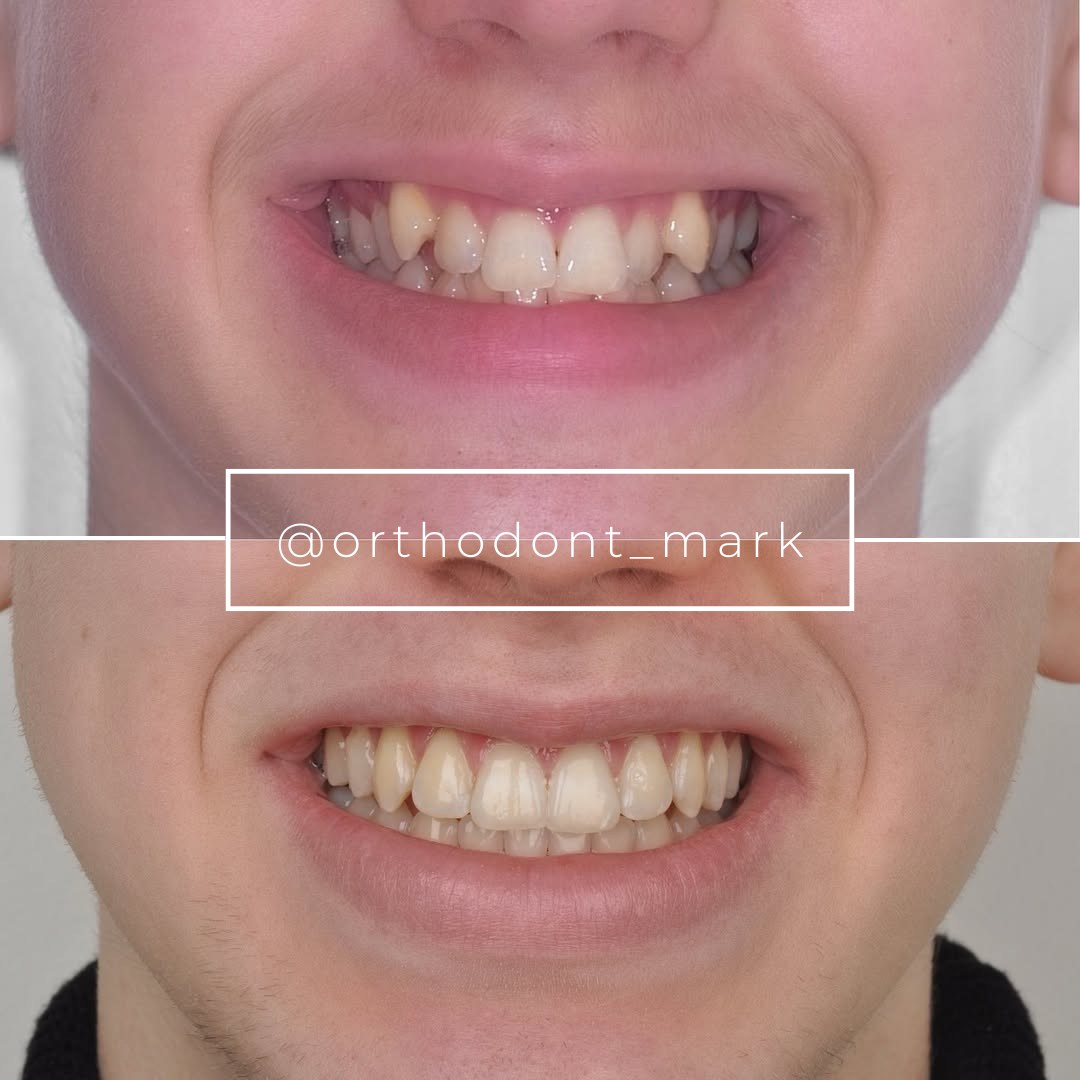
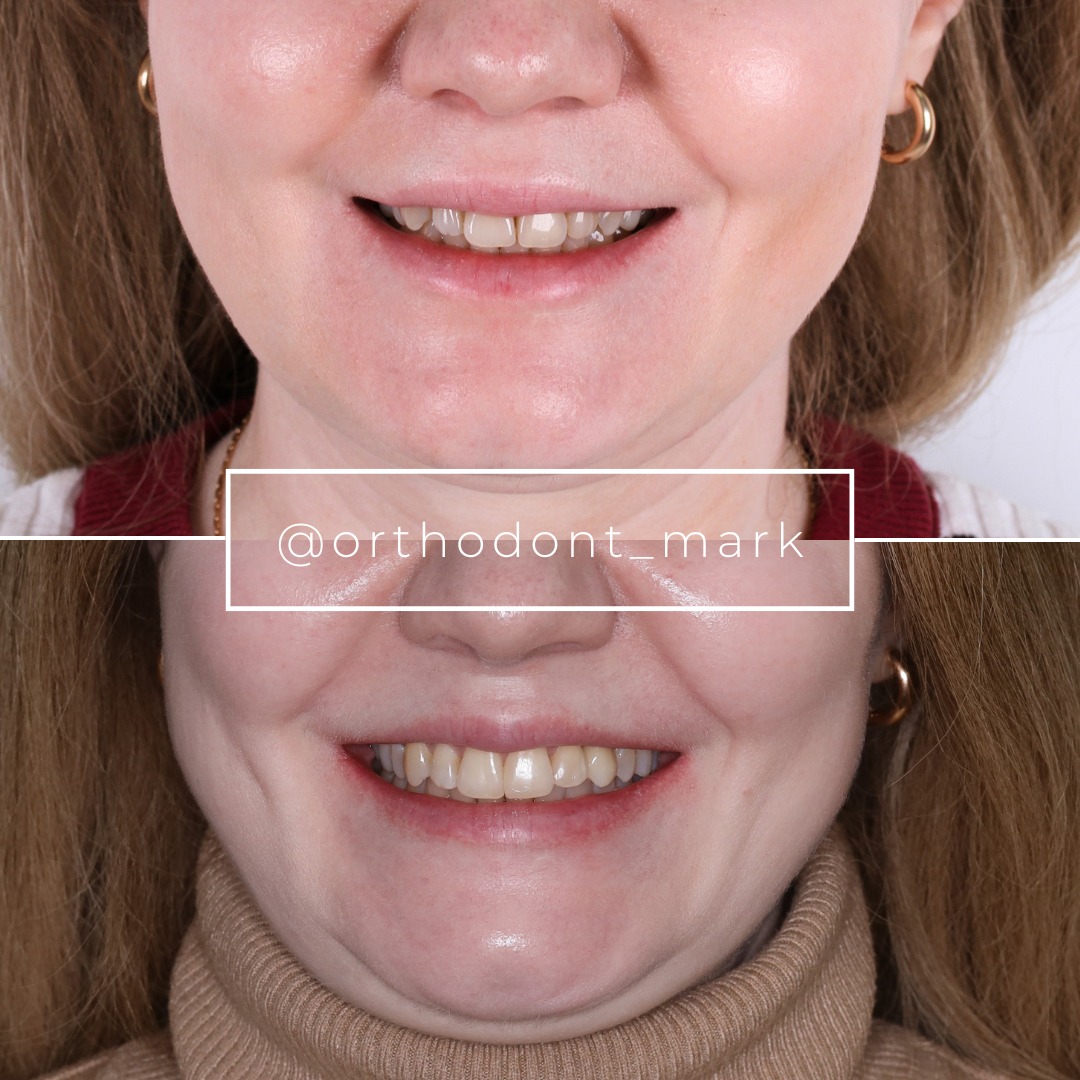
Learn the full MARPE protocol from Dr. Mark Radzhabov
Fundamental course covering CBCT patient selection, miniscrew planning, activation protocols, and 60+ clinical cases. Choose the access level that fits your practice.
Essentials of rapid palatal expansion for practicing orthodontists.
- Core RPE concepts and biomechanics
- 6 structured video lessons
- Clinical decision checklists
- Lifetime access to recordings
Deep-dive into MARPE protocol, diagnostics, and clinical execution.
- 6 modules covering MARPE from A to Z
- CBCT case selection walkthroughs
- Miniscrew placement and activation
- 60+ annotated clinical cases
- Direct Q&A with Dr. Mark Radzhabov
5-element medical consultation framework for dentists and orthodontists.
- Trust-building consultation protocol
- 5 lesson modules
- Templates for treatment plan delivery
- Works with any clinical specialty
Clinical FAQ
What is the optimal age to initiate MARPE in anxious adults with transverse maxillary deficiency?
MARPE can be initiated at any age, but success rates decline with age, particularly in males over 40. Anxious adults under 30 show 90%+ suture separation success. Those over 40 show 60–75%. Counsel patients realistically and consider supplemental corticotomy for older adults if MARPE alone proves insufficient.
How should a clinician manage a patient who requests miniscrew placement under sedation?
Nitrous oxide (N₂O) inhalation sedation is acceptable for anxious miniscrew placement and does not compromise osseointegration. Ensure proper monitoring, obtain informed consent for sedation, and schedule placement when your team can provide appropriate supervision and post-operative recovery time.
What is the difference between MARPE desensitization and conventional MARPE activation for anxious patients?
Desensitization adds staged device insertion (1–2 week adaptation before activation), graduated activation schedules (0.5 turns/day initially vs. standard 1 turn/day), and frequent brief appointments. These modifications improve psychological adaptation without sacrificing skeletal outcomes or final expansion magnitude.
Should anxious adults with mild transverse discrepancies pursue MARPE?
No. If transverse deficiency is mild and the primary driver is cosmetic crowding, camouflage orthodontics or extraction-based treatment avoids palatal instrumentation and is psychologically less demanding. Reserve MARPE for cases with objective skeletal transverse deficiency and strong patient motivation for orthopedic correction.
How often should anxious MARPE patients be seen during active expansion?
Bi-weekly appointments (15–20 minutes each) are ideal for anxious patients. Frequent brief visits provide reassurance, allow early detection of psychological distress, and create opportunities to show radiographic progress. Longer intervals (4–6 weeks) increase anxiety between appointments.
What is the suture separation rate in anxious female adults treated with MARPE?
Recent prospective data show approximately 94% suture separation success in female MARPE patients across age ranges. Males show lower rates (61% overall, declining further with age). This sex-dependent difference should be disclosed during informed consent to manage patient expectations.
Can cognitive-behavioral therapy help anxious adults tolerate MARPE better?
Yes. CBT targeting dental anxiety and exposure therapy (gradual, repeated contact with feared stimuli) can improve psychological adaptation. Consider referring anxious patients to a mental health professional experienced in dental anxiety for support during treatment.
What should clinicians document regarding MARPE anxiety-management protocols in the patient record?
Document baseline anxiety assessment (e.g., Dental Anxiety Scale score), specific phobia triggers identified, staged protocol modifications agreed upon, and patient's explicit consent for graduated activation. This protects both clinician and patient and establishes shared accountability for the treatment plan.
How does skeletal expansion differ between MARPE and conventional RPE in adult patients?
MARPE achieves greater skeletal widening at the nasal floor and greater palatine foramen separation compared to tooth-borne RPE, with reduced buccal tooth movement. This superior skeletal response is one clinical argument for choosing MARPE despite higher patient anxiety, especially in anxious adults motivated by orthopedic gains.
What is the role of periapical radiographs during MARPE treatment in anxious patients?
Periapical radiographs document midpalatal suture separation and show objective evidence of skeletal expansion progress. Reviewing these images with the patient reinforces motivation, normalizes initial discomfort as necessary to achieve change, and reduces anxiety-driven treatment abandonment.
Anxiety management in adult MARPE treatment is not ancillary—it is foundational to clinical success. By implementing a structured desensitization protocol, orthodontists can significantly reduce patient-reported fear, improve long-term compliance, and achieve the skeletal expansion outcomes that adult patients require. Dr. Mark Radzhabov's stepwise approach is grounded in evidence from adult expansion studies and behavioral psychology, making it immediately actionable in clinical practice. Consider reviewing your current MARPE intake process and identifying opportunities to introduce graduated exposure and customized activation schedules. Visit ortodontmark.com to explore detailed case reviews, downloadable patient consent templates, and the full MARPE desensitization course for orthodontic professionals.

