
MARPE and Bisphosphonate Patients:
Expansion in Altered Bone Turnover
Evidence-Based Protocols for Suppressed Bone Metabolism
When skeletal expansion meets bone resorption inhibition: clinical decision-making for miniscrew placement, load management, and risk assessment in bisphosphonate-treated adults.
TL;DR MARPE and bisphosphonate patients present unique clinical challenges due to suppressed bone turnover and remodeling. Miniscrew-assisted rapid palatal expansion depends on active osteoclastic activity at the midpalatal suture. Bisphosphonate therapy inhibits bone resorption, potentially reducing expansion efficacy and increasing infection risk. Treatment success requires careful patient selection, modified activation protocols, and enhanced monitoring for complications.
Miniscrew-assisted rapid palatal expansion (MARPE) has transformed adult orthodontic treatment by enabling non-surgical skeletal expansion in postpubertal patients. However, an emerging clinical challenge arises when patients present with concurrent bisphosphonate therapy—medications used for osteoporosis, metastatic bone disease, and multiple myeloma. These agents profoundly suppress bone turnover, the very biological process upon which MARPE depends. In this article, Dr. Mark Radzhabov examines the intersection of MARPE and altered bone metabolism, offering evidence-based protocols for patient selection, load management, and risk mitigation. Understanding the interplay between miniscrew biomechanics and bisphosphonate pharmacology is essential for safe, predictable outcomes.
What Is MARPE and Bisphosphonate Patient Management?
altered bone metabolism
MARPE relies on active osteoclastic resorption at the midpalatal suture and rapid bone deposition to achieve skeletal separation. Bisphosphonate medications—used extensively for osteoporosis, metastatic disease, and multiple myeloma—bind to bone mineral and inhibit osteoclast function, drastically reducing bone turnover rates. In healthy adults undergoing skeletal expansion, the midpalatal suture experiences mechanical stress that triggers resorption and remodeling. Bisphosphonates interfere with both processes, creating a paradox: the patient requires orthodontic expansion yet possesses compromised biological capacity for bone remodeling. This does not mean MARPE is contraindicated in these patients, but it demands a fundamentally different clinical approach. Treatment protocols must account for slower separation rates, prolonged healing timelines, and heightened risk of bone-related complications such as delayed union, infection, and potential bisphosphonate-related osteonecrosis of the jaw (BRONJ) at miniscrew sites. Clinical observation from orthodontists managing medically complex cases shows that activation force and timing must be substantially reduced compared to standard MARPE protocols. Furthermore, baseline imaging and bone quality assessment become non-negotiable prerequisites for case acceptance.
Why Bone Turnover Rate Changes Everything in
MARPE treatment outcomes
The success of miniscrew-assisted rapid palatal expansion depends on the biological capacity of the midpalatal suture to separate and remodel. A 2022 study in Clinical Oral Investigations found that suture separation success declined with patient age, particularly in males, with older patients showing reduced likelihood of both separation and sufficient basal bone expansion. In bisphosphonate-treated patients, this age-related decline is compounded by pharmacological suppression of osteoclasts. The clinical implications are significant: expansion timelines extend substantially, activation forces must be reduced to avoid iatrogenic bone damage, and radiographic monitoring must be more frequent to detect early signs of delayed healing or complications. Bisphosphonate-related osteonecrosis of the jaw (BRONJ) has been documented in orthodontic cases, particularly when miniscrews are placed in regions of prior extraction or trauma. In patients undergoing skeletal expansion with concurrent bisphosphonate therapy, the combination of miniscrew insertion trauma, mechanical loading, and suppressed bone remodeling creates a compounding risk. Additionally, the duration and type of bisphosphonate therapy matter: intravenous zoledronic acid (Zometa) produces more potent and prolonged suppression than oral alendronate, and patients on therapy for more than 3–5 years show significantly higher BRONJ risk. Understanding these nuances allows the clinician to make evidence-informed decisions about whether MARPE is appropriate, or whether surgical expansion or no expansion at all is the safer choice.
MARPE Protocol Modification for Bisphosphonate
Patients: Patient Selection and Load Management
Successful MARPE and bisphosphonate patient management begins with comprehensive medical history and risk stratification. Step one: obtain detailed information on bisphosphonate type (oral vs. intravenous), duration of therapy (≥3–5 years = higher BRONJ risk), indication (osteoporosis vs. metastatic disease), and any history of dental extractions or implant placement. Step two: baseline cone-beam computed tomography (CBCT) or periapical imaging to assess bone density, suture maturation, and anatomy. Patients with severely compromised bone quality, prior extraction sites in the palate, or long-term high-dose intravenous bisphosphonate therapy should be counseled that MARPE carries elevated risk and that surgical expansion or conventional RPE with modified protocols may be preferable. For candidates who proceed, activation must be conservative: initial screw turns should be reduced to 0.25 mm per week (versus the standard 0.5–1.0 mm per week), and monitoring intervals extended to 2–3 weeks. Force application should prioritize tissue compatibility over speed. Dr. Mark Radzhabov emphasizes that in bisphosphonate-treated patients, the goal shifts from rapid skeletal expansion to controlled, biologically compatible expansion that minimizes resorptive stress on the suture and miniscrew integration sites. Miniscrew material—preferably titanium or titanium alloy—should be selected for biocompatibility, and placement should avoid regions of prior extraction if possible. Post-insertion, chlorhexidine rinses and enhanced oral hygiene protocols reduce bacterial colonization at the abutment, mitigating infection risk. Radiographic monitoring should include periapical or CBCT imaging at baseline, 6–8 weeks into activation, and every 8–12 weeks thereafter, rather than the typical 4–6 week intervals used in standard MARPE cases.
Common Mistakes: Rapid Expansion in Low
Bone Turnover Patients
The most frequent clinical error in MARPE treatment of bisphosphonate patients is applying standard activation protocols without modification. Clinicians accustomed to 0.5–1.0 mm weekly expansion in healthy adults may inadvertently apply the same force to bisphosphonate-treated patients, resulting in excessive suture stress, delayed separation, and compromised miniscrew osseointegration. The consequences are subtle but serious: incomplete skeletal expansion despite prolonged treatment, miniscrew mobility or failure, peri-implant soft-tissue inflammation, and in severe cases, delayed healing or necrosis at the suture or insertion site. A second common pitfall is insufficient pre-treatment assessment of bone quality. Clinicians who do not obtain baseline imaging or who dismiss poor radiographic bone density as 'acceptable' may proceed with cases that carry unacceptably high risk. Bisphosphonate-related osteonecrosis of the jaw (BRONJ) risk escalates dramatically in patients with prior extractions, implant placement, or severe osteoporosis—features that must be identified and weighed against the clinical benefit of skeletal expansion. Third, post-insertion follow-up is often inadequate. In standard MARPE cases, routine checks at 4–6 weeks may suffice. In bisphosphonate patients, longer intervals (2–3 weeks) are necessary to detect early signs of infection, insufficient separation, or miniscrew complications before they become irreversible. Finally, clinicians may underestimate the psychological and medical complexity of these patients. A patient on bisphosphonate therapy for metastatic cancer, for example, may face competing priorities and reduced quality of life, making long-term orthodontic compliance difficult. Shared decision-making and honest discussion of realistic timelines and outcomes are essential.
Clinical Decision-Making: Should This Bisphosphonate Patient
Undergo MARPE?
Patient selection is paramount in MARPE and bisphosphonate patient management. The decision to proceed should integrate bone quality, bisphosphonate type and duration, indication for therapy, patient age, skeletal maturity, and severity of the transverse deficiency. A structured risk assessment framework helps: (1) Bisphosphonate duration and type: Patients on oral bisphosphonates for ≤3 years with good bone density may be candidates. Those on intravenous therapy or oral therapy for ≥5 years carry substantially elevated BRONJ risk and should be carefully evaluated or deferred to surgical alternatives. (2) Bone density and suture maturation: CBCT showing excellent trabecular density and early-to-mid stage suture interdigitation favor MARPE. Severe osteoporosis or extensively fused sutures suggest surgical expansion or retention of the transverse deficiency. (3) Prior dental trauma or extractions: Palatal extractions, implant placement, or severe periodontal disease elevate BRONJ risk and may contraindicate MARPE. (4) Patient age and biological reserve: Older patients and those with comorbidities have reduced healing capacity. Skeletal expansion in such patients is inherently slower and carries higher risk. (5) Severity and urgency of the transverse deficiency: Minor crowding or posterior crossbite may not justify the risks of MARPE in a high-risk bisphosphonate patient, whereas severe anterior crowding with functional impact may warrant cautious expansion. If the decision is to proceed, treatment planning must explicitly acknowledge the modified timeline and reduced expansion rate. If decline, consultation with the patient's physician regarding bisphosphonate continuation, switching to less suppressive agents, or temporary therapy interruption during orthodontics may be appropriate, though such decisions require careful medical judgment and are beyond the scope of orthodontics. In complex cases, Dr. Mark Radzhabov advocates for multidisciplinary consultation with the patient's primary care physician or oncologist to align treatment goals and optimize medical management.
Handling Complications in MARPE and Bisphosphonate
Patients: Infection, Delayed Healing, and BRONJ
Despite careful case selection and conservative protocols, complications in MARPE and bisphosphonate patient populations may arise. Early recognition and swift intervention are essential. Peri-implant inflammation—manifested as swelling, erythema, or exudate around the miniscrew abutment—is the most common complication in bisphosphonate-treated patients and reflects the suppressed immune and inflammatory response. Management includes enhanced chlorhexidine rinses (0.12%, twice daily for 1–2 weeks), gentle mechanical debridement to remove plaque and calculus, and consideration of antibiotic coverage if signs of systemic infection emerge. If inflammation persists despite conservative measures, miniscrew removal may be necessary. The site should then be allowed to heal for 4–6 weeks before reinsertion at an alternative location. Delayed suture separation—defined as <50% expected separation after 8–12 weeks of activation—occurs more frequently in bisphosphonate-treated populations and reflects compromised bone resorption. Management involves continued conservative activation at the reduced rate (0.25 mm weekly), extended monitoring, and realistic discussion with the patient about the prolonged timeline. If separation remains inadequate after 6 months of treatment, surgical separation (SARPE) may be necessary. Miniscrew mobility or loss of osseointegration presents as clinical movement of the screw or radiographic widening of the peri-implant space. This complication requires immediate miniscrew removal and reassessment. Biological factors (severe osteoporosis, bisphosphonate suppression) and/or mechanical factors (excessive force, poor placement) must be identified. Reinsertion is possible at an alternative site after 4–6 weeks of healing. Bisphosphonate-related osteonecrosis of the jaw (BRONJ) is rare in orthodontics but carries serious morbidity. Clinical signs include persistent bone exposure, non-healing extraction sockets, or areas of necrotic bone adjacent to miniscrew sites. Management is conservative: chlorhexidine rinses, avoidance of further surgical intervention if possible, and referral to oral surgery or oncology if extensive disease is present. Prevention remains the paramount strategy: meticulous case selection, conservative force application, and enhanced infection prevention are far more effective than treating established BRONJ.
Free Clinical Guide
Which Expansion Appliance at Which Age?
Get Dr. Mark Radzhabov's guide to skeletal-expansion appliances — indications, pros & cons, and how to choose by patient age. Free to your inbox.
Prefer video? Watch the free demo lesson on MARPE appliance types, features and trade-offs.
Documented outcomes
Clinical cases from Dr. Mark Radzhabov's practice
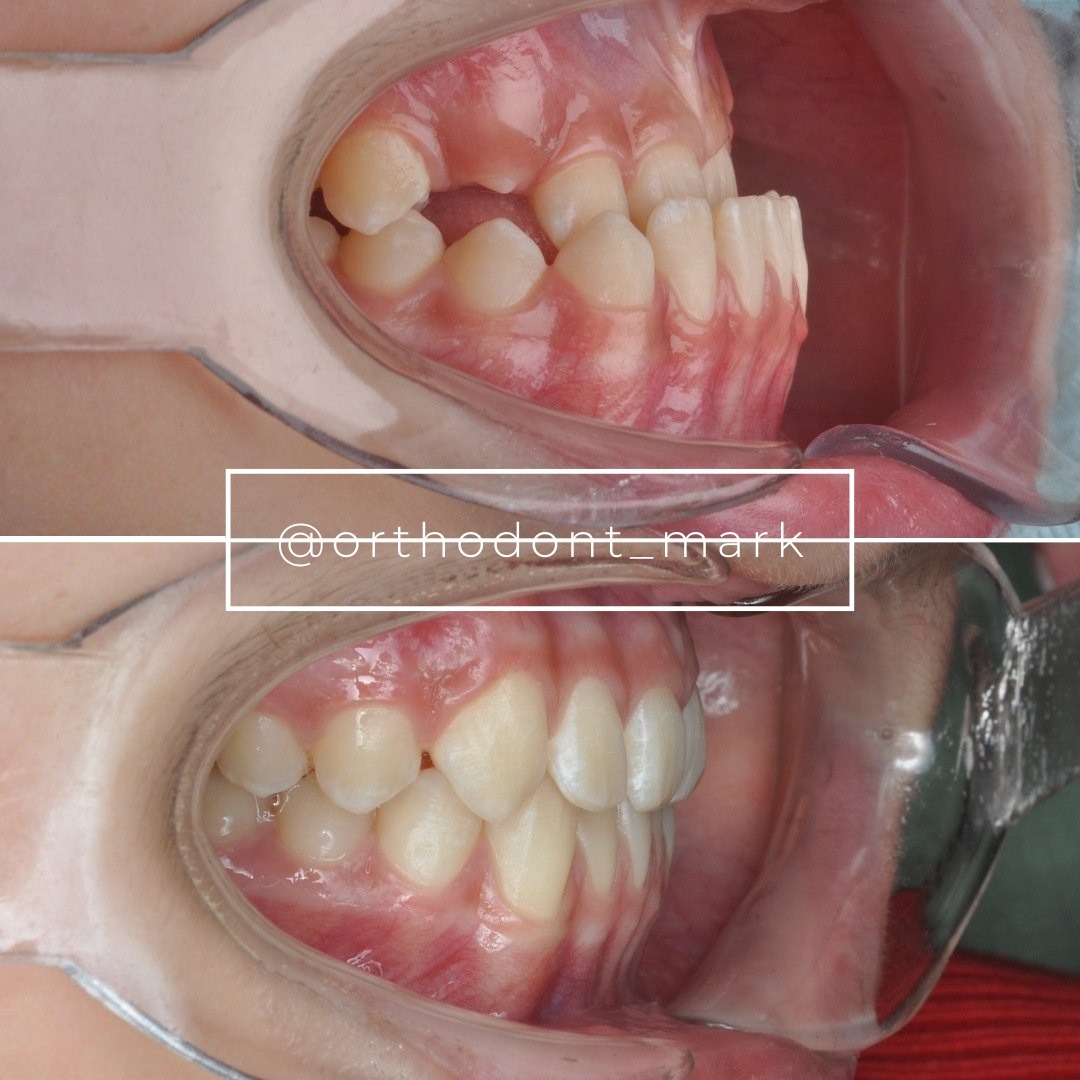


Learn the full MARPE protocol from Dr. Mark Radzhabov
Fundamental course covering CBCT patient selection, miniscrew planning, activation protocols, and 60+ clinical cases. Choose the access level that fits your practice.
Essentials of rapid palatal expansion for practicing orthodontists.
- Core RPE concepts and biomechanics
- 6 structured video lessons
- Clinical decision checklists
- Lifetime access to recordings
Deep-dive into MARPE protocol, diagnostics, and clinical execution.
- 6 modules covering MARPE from A to Z
- CBCT case selection walkthroughs
- Miniscrew placement and activation
- 60+ annotated clinical cases
- Direct Q&A with Dr. Mark Radzhabov
5-element medical consultation framework for dentists and orthodontists.
- Trust-building consultation protocol
- 5 lesson modules
- Templates for treatment plan delivery
- Works with any clinical specialty
Clinical FAQ
Can MARPE be used in patients on long-term bisphosphonate therapy for osteoporosis?
Yes, but with significant protocol modifications. Patients on oral bisphosphonates for ≤3 years with good bone density are candidates. Those on therapy for ≥5 years carry elevated BRONJ risk and require careful assessment. Activation must be reduced to 0.25 mm/week, and monitoring intervals extended to 2–3 weeks.
How does bisphosphonate-related suppression of bone turnover affect miniscrew osseointegration?
Bisphosphonates inhibit osteoclast activity, reducing bone resorption by 40–70%. This delays miniscrew integration, impairs soft-tissue healing around the abutment, and increases risk of peri-implant inflammation and potential infection. Enhanced post-insertion care and longer integration timelines are necessary.
What is BRONJ, and how does MARPE increase the risk in bisphosphonate patients?
Bisphosphonate-related osteonecrosis of the jaw (BRONJ) is non-healing bone necrosis, typically triggered by dental trauma or surgery. Miniscrew insertion creates localized trauma. Combined with suppressed bone remodeling and immune function, BRONJ risk increases. Risk escalates with IV therapy, long-term use (≥3–5 years), and prior dental extractions.
Should baseline CBCT imaging always be obtained before MARPE in a bisphosphonate patient?
Yes. CBCT allows assessment of suture maturation, trabecular bone density, and palatal anatomy. Severe osteoporosis or very early suture fusion may contraindicate MARPE. Imaging provides objective data for informed case selection and risk counseling.
How does skeletal expansion in altered bone turnover differ biologically from expansion in healthy bone?
In healthy bone, mechanical stress at the midpalatal suture triggers rapid osteoclastic resorption and osteoblastic deposition, achieving expansion in weeks. Bisphosphonates suppress resorption, slowing this remodeling cycle by 2–3 fold, extending treatment timelines and reducing final expansion magnitude.
Is there a maximum duration of bisphosphonate therapy beyond which MARPE is contraindicated?
No absolute cutoff, but clinical risk escalates significantly after 3–5 years of therapy, especially with IV agents. Intravenous bisphosphonates for metastatic disease may necessitate deferral of elective MARPE or consideration of surgical alternatives. Consult the patient's physician regarding therapy duration and indication.
What activation protocol should be used for MARPE in bisphosphonate-treated patients?
Reduce weekly turns to 0.25 mm (versus standard 0.5–1.0 mm). Extend monitoring to 2–3 week intervals and obtain radiographic follow-up at baseline, 6–8 weeks, and every 8–12 weeks thereafter. This conservative approach reduces iatrogenic bone damage and infection risk.
Can peri-implant inflammation at the miniscrew site be safely managed without removal?
Early inflammation (swelling, erythema) can be managed conservatively with chlorhexidine rinses (0.12%, twice daily), gentle mechanical cleaning, and consideration of short-term antibiotics. If inflammation persists despite conservative measures, miniscrew removal and replicate at an alternative site is indicated.
When should surgical expansion (SARPE) be recommended instead of MARPE in a bisphosphonate patient?
Consider SARPE if (1) bone density is very poor, (2) bisphosphonate therapy is long-term IV (≥5 years), (3) prior palatal extractions create high BRONJ risk, or (4) patient age and comorbidities suggest low healing reserve. SARPE bypasses miniscrew integration and may be safer in very high-risk cases.
Should a patient's bisphosphonate therapy be discontinued before MARPE?
This is a medical decision beyond orthodontist scope and requires consultation with the patient's physician. Discontinuation carries risks depending on the indication (osteoporosis, metastatic disease). In some cases, temporary interruption during active expansion may be considered, but only with physician approval.
MARPE and bisphosphonate patients demand a nuanced, medication-informed clinical approach. Suppressed bone turnover fundamentally changes the timeline and mechanism of skeletal expansion, requiring modified activation protocols and vigilant monitoring for infection and delayed healing. Dr. Mark Radzhabov's clinical framework emphasizes baseline bone quality assessment, conservative force application, and consideration of surgical alternatives in high-risk cases. If you are treating a patient on bisphosphonate therapy who requires transverse maxillary expansion, consult the detailed case protocols and load-management guidelines available through Orthodontist Mark's MARPE education platform or book a clinical consultation to review your specific case.