
MARPE for the Brachycephalic Face:
Vertical Control Strategy
Preventing clockwise rotation in transverse expansion
Master the biomechanics of miniscrew-assisted expansion in short-face morphology. Evidence-based protocol to expand transversely without iatrogenic vertical changes.
TL;DR MARPE for the brachycephalic face requires deliberate vertical control strategy to prevent clockwise rotation and posterior vertical dimension increase. Miniscrew-assisted rapid palatal expansion offers superior skeletal response compared to conventional RPE, with reduced dentoalveolar side effects when vectors are carefully managed during activation and consolidation phases.
Treating the brachycephalic face with MARPE demands precision in vertical dimension management. The miniscrew-assisted rapid palatal expansion appliance provides skeletal expansion with inherently lower vertical side effects than tooth-borne systems, yet clinicians must still employ deliberate vector control to prevent unwanted clockwise rotation of the maxilla and posterior downward displacement. At Orthodontist Mark, Dr. Mark Radzhabov synthesizes clinical evidence and practical mechanics to address the unique challenge: how to expand transversely while respecting the already-short lower anterior facial height characteristic of hypodivergent morphology. This article details patient selection, appliance positioning, and activation protocols proven to maintain vertical control throughout treatment.
What Is MARPE and Why Vertical Control Matters
Vertical Control
in the Brachycephalic Face
MARPE for the brachycephalic face is a skeletal expansion strategy that uses miniscrews placed in the palate to achieve transverse maxillary width gain while minimizing vertical rotation and maintaining or reducing anterior facial height in patients with short hypodivergent morphology. The brachycephalic face is characterized by reduced lower anterior facial height (LAFH), a more horizontal growth vector, and greater resistance to vertical changes—making it inherently favorable for expansion. However, any expansion appliance risks creating undesired vertical side effects: clockwise rotation of the maxilla, posterior downward displacement, or extrusion of anchor teeth. Conventional RPE (rapid palatal expansion) applies force through dental anchors, leading to greater buccal alveolar tipping and vertical changes. MARPE redirects force through skeletal anchors (miniscrews), which theoretically decouples transverse expansion from vertical displacement and dentoalveolar compensation. Clinical evidence supports this advantage. A prospective randomized controlled trial reported that MARPE achieved greater nasal width expansion and greater palatine foramen separation compared to tooth-borne RPE at both immediate and 3-month consolidation intervals. Critically, MARPE demonstrated lesser buccal displacement of anchor teeth throughout the expansion and consolidation periods, meaning the vertical and transverse dental side effects were minimized. For the brachycephalic patient—where vertical increase is unwelcome—this is a decisive advantage. Yet MARPE is not a passive appliance. Clinician control over screw positioning, loading magnitude, and activation vector remains essential to preserve vertical stability.
Diagnostic Criteria for MARPE in Brachycephalic
Hypodivergent
Morphology
Not every brachycephalic patient is a MARPE candidate, nor does every brachycephalic case require the same treatment intensity. A comprehensive pretreatment assessment is essential to predict skeletal response and vertical risk. Begin with lateral cephalometry and CBCT to quantify: anterior facial height (ANS-Me), posterior facial height (S-Go), and vertical growth direction (FMA, SN-GoGn). Patients with FMA >32°, SN-GoGn >40°, or ANS-Me > Posterior facial height represent divergent patterns that may not benefit from expansion—they are at higher risk for vertical exacerbation. True brachycephalic candidates have FMA <25°, SN-GoGn <32°, and relatively balanced or reduced ANS-Me, signaling skeletal maturity and horizontal growth. Age and skeletal maturation are critical modifiers. In adolescents (Cervical Vertebral Maturation Stage 4–6), the midpalatal suture remains open; even conventional RPE may succeed. However, MARPE shows particular advantage in the post-pubertal adolescent and young adult (age 14–25) where suture fusion is partial to moderate but still responsive to sustained force. In adults >25 years with fused midpalatal sutures (confirmed on CBCT), MARPE becomes the gold standard for non-surgical expansion. Assess also the patient's cephalometric prediction: will transverse expansion alone address the malocclusion, or will vertical changes undermine the occlusal outcome? If the brachycephalic patient has a normal or reduced overbite, and transverse discrepancy is the primary driver, MARPE is ideal. If the patient has anterior openbite or gummy smile coexisting with transverse deficiency, MARPE must be combined with vertical intrusion mechanics (discussed below) or staged treatment planning.
Miniscrew Placement and Vector Design for Vertical Stability
Vector Design
to Prevent Clockwise Rotation
The position of the miniscrews and the direction of the expansion vector fundamentally determine whether vertical control is achieved. Miniscrew placement in the brachycephalic case should be slightly posterior to the conventional location—moved 2–3 mm distally from the midline and positioned in the posterior hard palate (between the first and second molar region) rather than the anterior palate. This posterior positioning creates a vector of force that passes through or slightly superior to the transverse center of resistance of the maxilla, reducing the moment arm for clockwise rotation. If screws are placed too far anteriorly (near the first premolar-molar junction), the expansion vector passes below the center of resistance, creating a clockwise moment that tilts the maxillary plane downward—the opposite of what the brachycephalic case requires. The conventional MSE (mid-palatal screw expansion) appliance architecture—with two anterior and two posterior miniscrews—permits differential vector control: greater force through the posterior screws can create a slightly intrusive component, counteracting the natural tendency of expansion to extrude the buccal cusps and increase posterior vertical dimension. In the brachycephalic face, consider requesting the appliance laboratory to set the posterior screws with a slight inward (lingual) tilt relative to the anterior screws, or activate the posterior screws at a slightly higher frequency (e.g., 4 turns/day) compared to the anterior screws (3 turns/day) if clinically indicated. This differential activation is subtle but can preserve horizontal vector dominance. Alternatively, stage the expansion into two phases: Phase 1 (rapid expansion, conventional 4 turns/day bilaterally) achieved over 8–10 weeks, followed by Phase 2 (maintenance with selective anterior activation only) to consolidate gains without additional posterior vertical increase during the consolidation period.
Activation Sequence and Consolidation Timeline for Vertical Control
Consolidation Timeline
Preserving Gains Without Vertical Relapse
The standard MARPE activation protocol is 1 turn per day (0.2 mm screw advance), but the brachycephalic case may benefit from modified timing. Week 1 (Days 1–7): Bilateral equal activation, 1 turn/day (0.2 mm/day) per screw. This establishes patient tolerance and permits early suture separation recognition (midline diastema appearance, nasal width increase). Monitor for pain, swelling, or sign of suture resistance. Absence of diastema by day 5–7 may indicate fusion resistance, warranting discussion of surgical assistance (SARPE) with the patient. Week 2–10 (Days 8–70): Continue 1 turn/day per screw bilaterally, maintaining equal pressure. In the brachycephalic face, some clinicians reduce frequency to 0.5 turns/day (0.1 mm/day) to lower strain and allow better skeletal adaptation. This extends the active phase to 12–14 weeks but may reduce relapse. Assess on lateral cephalometry at weeks 4 and 8 to confirm horizontal vector dominance and absence of clockwise maxillary rotation (SN-GoGn should remain stable or decrease slightly). Consolidation Phase (Post-Activation): 6–8 months. This is critical for the brachycephalic case. Do not remove the appliance immediately after desired width is achieved. Instead, lock the expansion screw and retain the miniscrews in situ for at least 6 months—longer if finances permit (8–12 months in adult patients). During consolidation, the midpalatal suture undergoes woven bone deposition and calcification. In the brachycephalic face, the horizontal skeletal pattern favors bone quality and healing, but early appliance removal risks asymmetric or incomplete consolidation. Consider applying light fixed appliances (0.014" NiTi or similar) during consolidation to begin transverse dental leveling and avoid interim relapse. After consolidation, remove miniscrews under local anesthesia and begin comprehensive fixed appliance treatment to refine occlusion and address any residual vertical or sagittal discrepancies.
Preventing Vertical Complications: Coexisting Openbite, Gummy Smile, and Alveolar Height Loss
Preventing Vertical Complications
Some brachycephalic patients present with anterior openbite, excessive gingival display (gummy smile), or alveolar bone loss in the anterior region—conditions that contraindicate standard expansion or require integrated vertical management. If the brachycephalic patient has anterior openbite (OJ < 0), MARPE expansion alone will worsen the discrepancy unless coupled with anterior intrusion mechanics. Consider a hybrid protocol: MARPE for transverse correction, combined with light intrusive force (using miniscrew-supported springs or posterior bite ramps) to intrude the maxillary anterior teeth and close the openbite during the consolidation phase. This requires careful coordination with the MARPE appliance design and may necessitate consultation with a skeletal expansion specialist—such as Dr. Mark Radzhabov, whose clinical practice emphasizes three-dimensional control in complex cases. Gummy smile (excessive vertical gingival display) in a brachycephalic patient signals anterior maxillary dentoalveolar protrusion or vertical extrusion relative to the lip. MARPE may worsen this if anterior teeth extrude during expansion. To mitigate, discuss with the appliance laboratory whether anterior miniscrews can be positioned slightly more gingivally (deeper into the palate), or request a hybrid design with anterior plates that provide light intrusive loading. After expansion, plan subsequent intrusion of maxillary incisors using TADs (temporary anchorage devices) or full fixed appliances with intrusive mechanics. Alveolar bone loss in the anterior (periodontal compromise, previous extraction) requires extra caution: ensure miniscrew placement avoids compromised zones, and plan periodontal assessment pre-treatment and post-removal. MARPE is not contraindicated in periodontal patients, but the timeline may extend and post-operative periodontal care is mandatory.
Expected Skeletal Response and Monitoring Midpalatal Suture Separation
Skeletal Response
Research comparing MARPE to conventional RPE in adolescent and young adult cohorts documents consistent skeletal response patterns. Midpalatal suture separation occurred in 95% of MARPE and 90% of conventional RPE cases (Chun et al. (2022), BMC Oral Health) when expansion was pursued to a target of 35 turns (approximately 7 mm of screw advance). In the brachycephalic face, suture separation is often more complete because the horizontal growth vector and lower suture fusion resistance favor dissociation. Monitor for suture separation clinically (maxillary midline diastema width) and radiographically (posteroanterior cephalometry or coronal CBCT at weeks 4, 8, and post-expansion). If diastema is absent by week 6–8 and CBCT shows no suture separation, suspect high suture fusion resistance and discuss SARPE (surgical-assisted expansion) with an oral surgeon. Proceeding with further MARPE activation risks dentoalveolar tipping without skeletal gain. Nasal width and skeletal dimension gains in MARPE are greater than in tooth-borne RPE, particularly in the molar region and at the greater palatine foramen. In the brachycephalic case, expect the following: intercanine width increase of 4–6 mm, intermolar width increase of 6–8 mm, and nasal cavity width increase of 2–4 mm. These gains are primarily skeletal (midpalatal suture separation) rather than dentoalveolar (tooth tipping), confirming that vertical side effects are minimal. Perform lateral cephalometry at pre-treatment (T0), immediate post-expansion (T1), and 3–6 months post-consolidation (T2) to verify that: (1) SN-GoGn angle remains stable or decreases slightly, (2) maxillary plane angle (NsPd or SN-Palate) does not increase, and (3) ANS-Me (anterior facial height) remains unchanged or decreases. If posterior facial height (S-Go) increases or the vertical dimension at the molar region increases beyond 1–2 mm, suspect posterior vertical extrusion and consider earlier transition to comprehensive fixed appliance treatment with intrusive mechanics.
MARPE Versus SARPE: When Skeletal Expansion Alone Falls Short
MARPE Versus SARPE
The choice between MARPE and surgical-assisted palatal expansion (SARPE) in the brachycephalic adult depends on suture maturation, patient tolerance for extended treatment, and surgical risk appetite. MARPE is non-invasive and can be accomplished in the outpatient setting with no general anesthesia. It requires months rather than weeks, but compliance-dependent activation is the trade-off. SARPE (with or without midpalatal osteotomy) achieves rapid expansion in 1–2 weeks of active treatment, making it suitable for adults requiring fast results or those with highly fused midpalatal sutures. A comparative study of SARME (surgically assisted rapid maxillary expansion) with and without midpalatal split found that patients receiving midpalatal osteotomy achieved greater efficacy (higher diastema width and radiographic suture separation) but reported similar post-operative discomfort. The key finding: midpalatal surgical separation did not increase patient pain, yet patients undergoing expansion without surgical separation reported greater discomfort during appliance activation and post-operative phases. For the brachycephalic patient, this has practical implications. If CBCT and clinical signs (absent diastema, no suture separation by week 6–8) suggest high suture resistance, MARPE will be prolonged and increasingly uncomfortable. SARPE becomes more efficient. However, if early suture separation is confirmed and the patient tolerates activation, MARPE offers equivalent skeletal gain, lower surgical morbidity, and reduced cost. A useful decision rule: attempt MARPE first in patients <30 years old with partial suture fusion; if resistance is evident by week 8, convert to SARPE. In adults >35 years with complete suture fusion, SARPE is often the primary choice to ensure predictable and timely expansion. Discuss both options transparently with the patient, emphasizing that brachycephalic morphology favors excellent healing and skeletal stability post-expansion regardless of method chosen.
Free Clinical Guide
Which Expansion Appliance at Which Age?
Get Dr. Mark Radzhabov's guide to skeletal-expansion appliances — indications, pros & cons, and how to choose by patient age. Free to your inbox.
Prefer video? Watch the free demo lesson on MARPE appliance types, features and trade-offs.
Documented outcomes
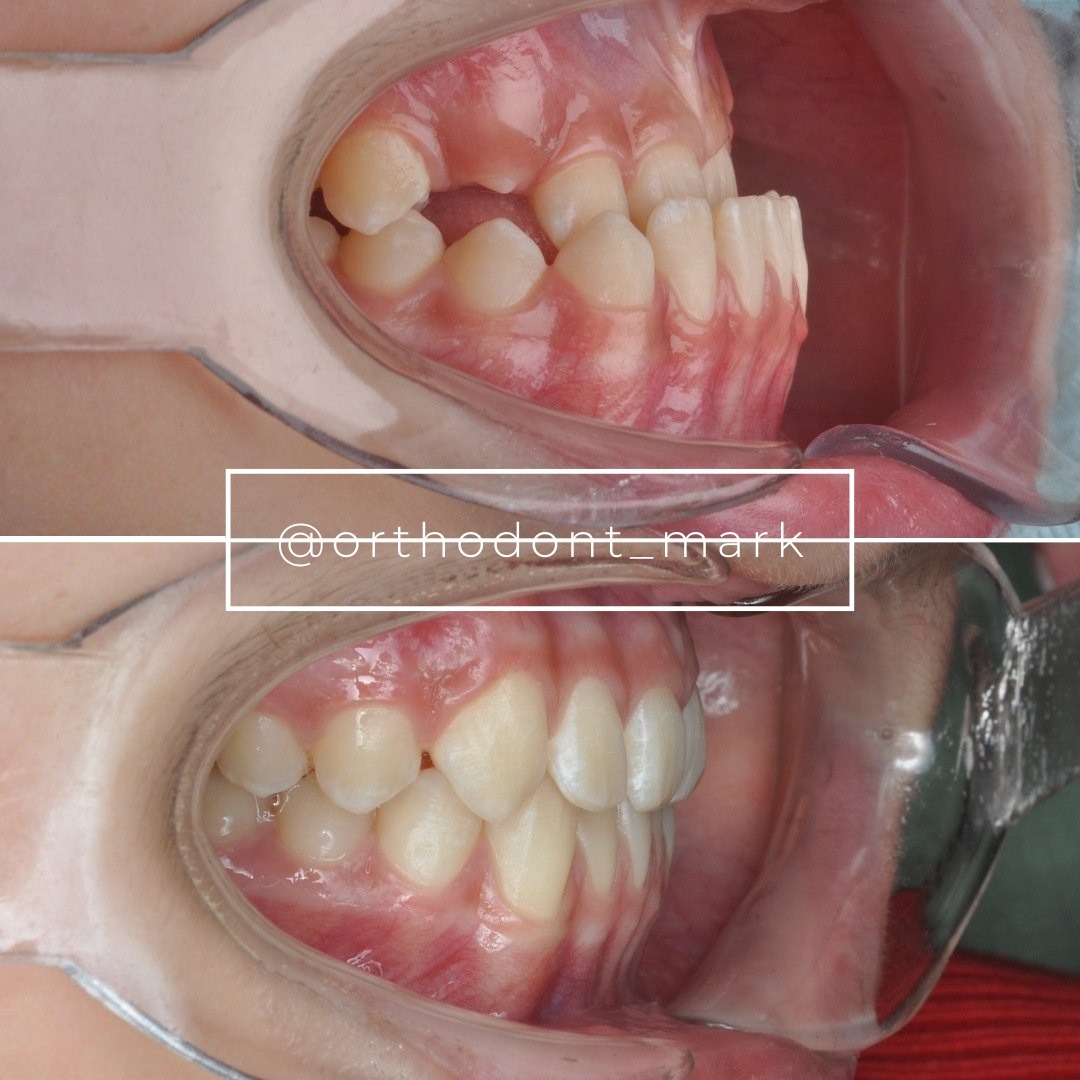
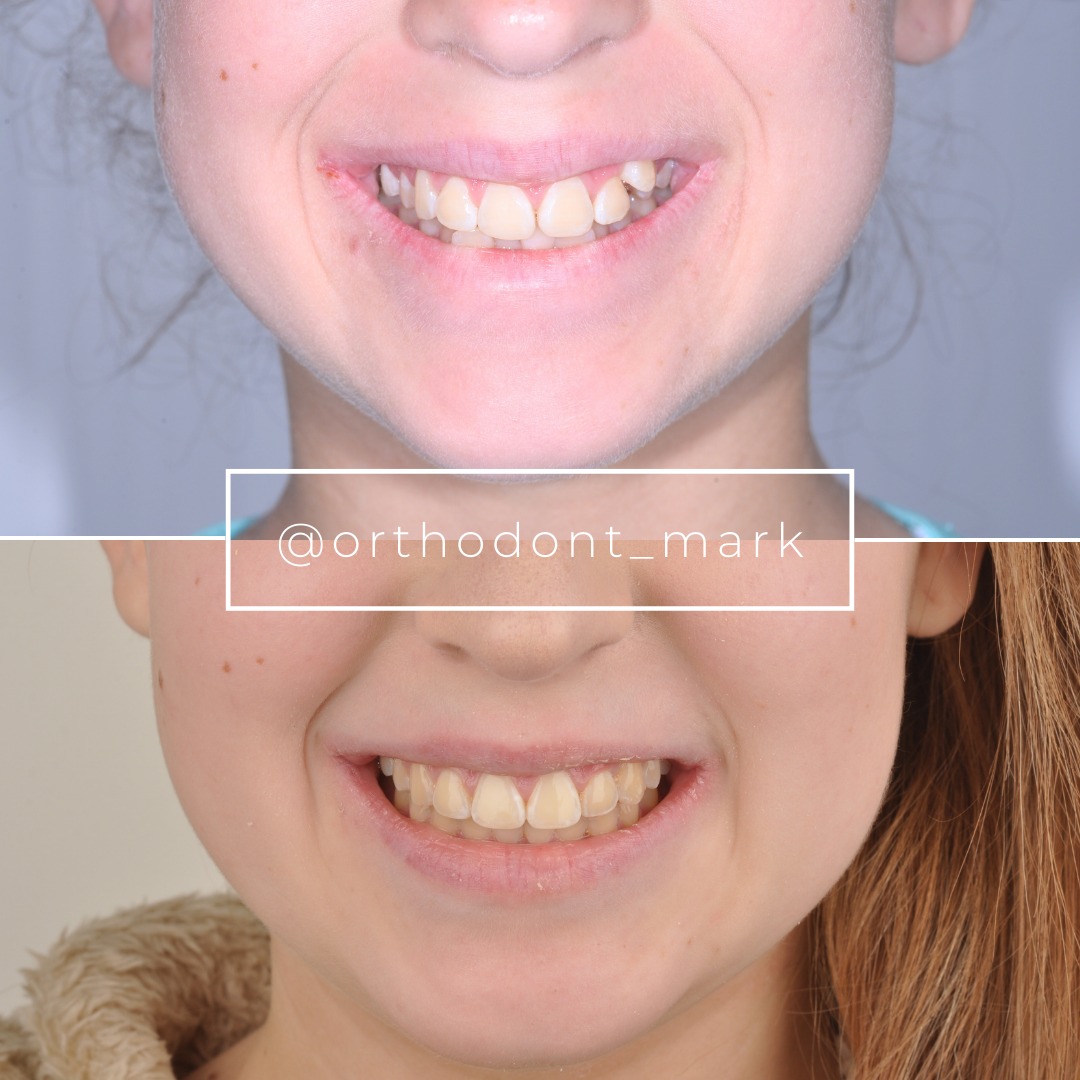
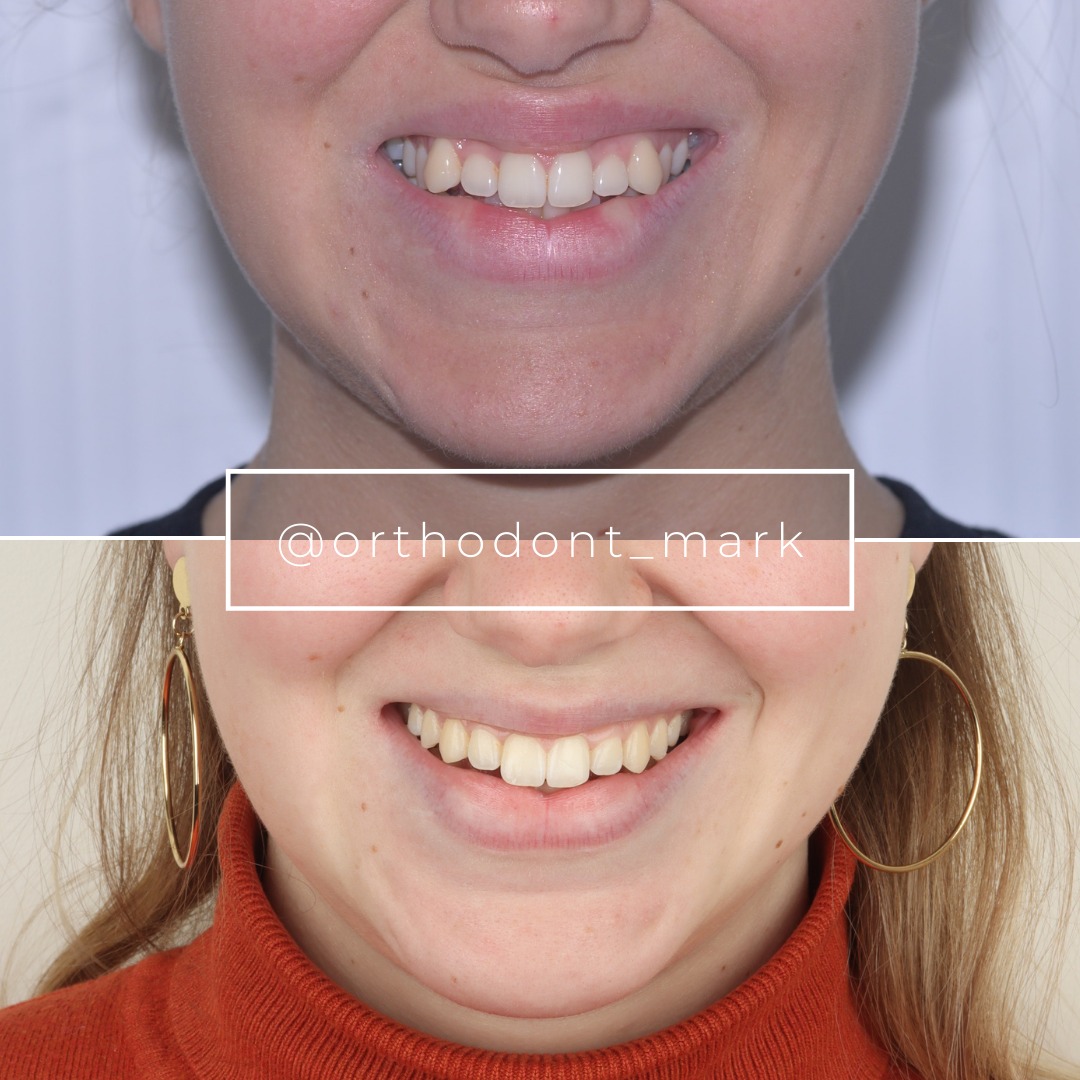
Clinical cases from Dr. Mark Radzhabov's practice
Learn the full MARPE protocol from Dr. Mark Radzhabov
Fundamental course covering CBCT patient selection, miniscrew planning, activation protocols, and 60+ clinical cases. Choose the access level that fits your practice.
Essentials of rapid palatal expansion for practicing orthodontists.
- Core RPE concepts and biomechanics
- 6 structured video lessons
- Clinical decision checklists
- Lifetime access to recordings
Deep-dive into MARPE protocol, diagnostics, and clinical execution.
- 6 modules covering MARPE from A to Z
- CBCT case selection walkthroughs
- Miniscrew placement and activation
- 60+ annotated clinical cases
- Direct Q&A with Dr. Mark Radzhabov
5-element medical consultation framework for dentists and orthodontists.
- Trust-building consultation protocol
- 5 lesson modules
- Templates for treatment plan delivery
- Works with any clinical specialty
Clinical FAQ
What is the optimal age window for miniscrew-assisted rapid palatal expansion in non-growing patients?
MARPE is most predictable in patients aged 14–30 years with partial to moderate midpalatal suture fusion. Post-pubertal adolescents benefit from faster bone remodeling. Adults >35 years with complete suture fusion often require surgical-assisted expansion (SARPE) for reliable results within reasonable timeframes.
How do I prevent clockwise rotation of the maxilla during MARPE in a brachycephalic face?
Position miniscrews posteriorly (between first and second molar regions) so the expansion vector passes through or slightly above the transverse center of resistance. Consider differential activation (posterior screws at higher frequency) or anterior screw emphasis during consolidation to maintain horizontal vector dominance.
What is the difference between vertical control with MARPE and conventional tooth-borne RPE?
MARPE anchors to the skeletal midpalate, decoupling transverse expansion from dentoalveolar side effects. Evidence shows MARPE produces less buccal tooth displacement and vertical extrusion compared to RPE, making it ideal for patients with low or normal anterior facial height.
When should I suspect midpalatal suture resistance and consider converting to SARPE?
If no maxillary midline diastema appears by weeks 6–8 of activation and CBCT shows absent or minimal suture separation despite correct screw positioning, suture fusion resistance is high. Continuing MARPE will cause increased dentoalveolar tipping without skeletal gain. Discuss SARPE with the patient and an oral surgeon.
How long should the consolidation phase last after MARPE expansion is complete?
Minimum 6 months in adolescents and young adults; 8–12 months in adults >30 years or those with initially high suture fusion resistance. Longer consolidation ensures woven bone maturation and reduces relapse risk, particularly important in brachycephalic cases with horizontal growth patterns.
Can I use MARPE in a brachycephalic patient with anterior openbite?
MARPE alone will not close openbite and may worsen it. Plan hybrid therapy: MARPE for transverse correction, combined with intrusive mechanics (miniscrew-supported springs or bite ramps) during consolidation or subsequent fixed appliance phase to intrude maxillary anterior teeth and close the openbite.
What are the key radiographic signs of successful skeletal response versus pure dentoalveolar change?
Successful skeletal response includes: maxillary midline diastema (clinical), midpalatal suture separation on PA cephalometry or coronal CBCT, increased nasal width, and stable or decreased vertical dimensions. Dentoalveolar change alone shows buccal tooth displacement without suture separation—a sign to halt MARPE and reassess.
How does miniscrew placement location affect vertical outcome in MARPE?
Anterior placement (first premolar-molar region) creates a moment arm that tilts the maxilla clockwise, increasing posterior vertical dimension. Posterior placement (first to second molar region) passes the force vector closer to the transverse center of resistance, reducing vertical moment and preserving horizontal skeletal response.
Should I use differential screw activation (different turn frequencies for anterior versus posterior miniscrews) in brachycephalic expansion?
Yes, selectively. In brachycephalic cases with low anterior facial height, consider activating posterior screws at slightly higher frequency or emphasis to create a subtle intrusive bias and counteract the natural extrusive effect of expansion on posterior dentition, preserving vertical stability.
What factors predict better outcomes with MARPE versus SARPE in hypodivergent adult patients?
MARPE success is higher when midpalatal suture shows partial fusion on CBCT, patient age is <30 years, and suture separation appears clinically by week 6–8. SARPE is preferable if suture fusion is complete, patient age >35 years, or rapid expansion is needed for time-sensitive case coordination. Both methods achieve similar final skeletal gains in brachycephalic morphology.
Successful MARPE treatment in brachycephalic patients hinges on pretreatment assessment of vertical dimension, precise miniscrew placement, and conservative activation sequencing. The evidence shows that skeletal expansion is achievable without iatrogenic vertical increase when the clinician respects the biomechanical constraints of the hypodivergent face. Dr. Mark Radzhabov recommends a combined pre-activation CBCT evaluation and staged activation model (detailed in his clinical curriculum) to predict and prevent vertical complications. If you are managing a brachycephalic case or wish to refine your MARPE protocol, schedule a case review or explore Orthodontist Mark's advanced expansion courses to align your treatment plan with the latest evidence.