
MARPE in cleft palate patients:
Protocols that work
Beyond the standard approach
Cleft palate anatomy demands modified miniscrew placement, advanced imaging, and individualized expansion protocols. Learn the evidence-based framework that standard guidelines miss.
TL;DR MARPE in cleft palate patients demands protocol modifications beyond standard cases. Palatal bone anatomy, miniscrew placement zones, and expansion timing differ significantly from non-cleft populations, requiring pre-treatment CBCT analysis and individualized treatment planning.
Miniscrew-assisted rapid palatal expansion (MARPE) in patients with cleft palate represents one of the most under-discussed applications in contemporary orthodontics. Standard MARPE protocols—developed for unaffected palatal anatomy—often fail or produce suboptimal results when applied to cleft populations. In this evidence-based review, Dr. Mark Radzhabov examines the anatomical, biomechanical, and clinical considerations that distinguish cleft palate MARPE from conventional cases, drawing on anatomical studies and clinical protocols to establish a framework for safer, more predictable outcomes.
Understanding palatal bone anatomy in cleft palate patients
cleft palate anatomy
Standard MARPE protocols rely on predictable palatal anatomy: lateral anterior palate offers maximum bone thickness, bone height increases with age, and bilateral symmetry is assumed. None of these assumptions hold reliably in cleft palate populations. Cleft patients present with significantly altered bone morphology—the cleft segment demonstrates reduced bone volume, irregular ridge contours, and compromised cortical integrity at standard miniscrew insertion sites. A 2016 cone-beam computed tomographic study evaluating 431 orthodontic patients aged 9–30 years established that the greatest bone thickness occurs in the lateral anterior palate, with male patients showing 1.2 mm greater thickness than females, and younger patients (9–13 years) demonstrating less bone height than older cohorts. However, these data represent healthy, non-cleft populations. In cleft cases, the cleft segment itself disrupts this normal anatomy, and even the non-cleft side often exhibits secondary changes due to surgical repair during infancy. Scar tissue from primary palatal surgery remodels bone and soft tissue architecture unpredictably. CBCT evaluation is mandatory—not optional—to map the actual bone available at each potential miniscrew site. Clinical palpation or periapical radiographs are insufficient and have led to miniscrew failures, root contact, and failed expansion in cleft cases treated by practitioners relying on standard zone recommendations.
Optimal miniscrew placement zones in cleft palate
miniscrew placement
Standard MARPE placement guidelines recommend the paramedian lateral anterior palate, typically 5–8 mm lateral to the midline and between the first and second premolars sagittally. This region works well in non-cleft patients because the bone is thick, corticated, and distant from tooth roots. In cleft palate, however, this zone may be compromised on the cleft side, and even on the non-cleft side, surgical scar tissue can reduce bone quality. The fundamental rules for successful miniscrew placement in cleft cases remain unchanged—avoid root contact, select bicortical fixation when possible, and use appropriate screw length and diameter—but the application differs dramatically. Clinical protocols emphasize choosing the optimal placement site first, then avoiding contact with tooth roots, and using taps of proper length and diameter. In cleft palate, the optimal site often shifts posteriorly or moves to the non-cleft side if the cleft side bone is inadequate. Some clinicians prefer placing both miniscrews on the non-cleft side, creating an asymmetrical but biomechanically sound setup. CBCT cross-sections at 2 mm intervals should be reviewed in sagittal, coronal, and axial planes to identify zones with at least 6–7 mm of corticated bone free of root apices and sinus floor proximity. Failure to perform this analysis results in miniscrew failures, loss of anchorage, and abandonment of MARPE treatment—a costly setback in patients who are already surgically compromised.
Expansion timing and activation in cleft palate MARPE
expansion protocols
Standard MARPE activation typically begins 3–5 days after miniscrew insertion, with screw turns of 0.25 mm per turn (daily activation). Most protocols employ 4 turns per day for 2–4 weeks, achieving rapid palatal expansion through skeletal separation of the maxillary midline. This aggressive timeline works in healthy bone with intact remodeling capacity. In cleft palate, bone quality is compromised by surgical intervention during infancy and by the inherent developmental deficit of the cleft itself. Published expansion protocols using laser-assisted corticotomy combined with rapid palatal expansion report a minimum active expansion phase of 8 weeks, followed by 6 months of retention, with dynamic monitoring throughout treatment. Cleft palate cases benefit from extended expansion phases—often 10–12 weeks—because the altered bone remodels more slowly and is susceptible to relapse if expansion velocity exceeds the ossification front. Some evidence suggests that 4 turns per day for 3 days, followed by 3 turns per day for 10 days, repeated 4 times over 8+ weeks, reduces bone density and allows more controlled expansion while minimizing root resorption and miniscrew failure. The retention phase should extend beyond 6 months in cleft cases; 9–12 months is more conservative and reduces relapse risk. Clinicians treating cleft palate MARPE must monitor expansion rate radiographically every 2 weeks and be prepared to reduce activation velocity if miniscrew mobility, patient discomfort, or radiographic signs of inadequate bone response emerge.
Common errors in MARPE treatment of cleft palate patients
cleft orthodontic treatment
The most frequent failure in cleft palate MARPE occurs when clinicians apply non-cleft protocols without anatomical modification. Four errors dominate: (1) No pre-treatment CBCT—practitioners place miniscrews based on palpation or 2D radiographs, frequently hitting roots, sinus floor, or inadequate bone; (2) Bilateral placement in the standard zone despite unilateral bone deficiency—both screws go to the same paramedian site even though the cleft side offers insufficient bone; (3) Activation at standard velocity (4 turns/day) despite compromised bone remodeling, leading to miniscrew loosening, loss of anchorage, and failed expansion; and (4) Insufficient retention—removing the expansion device after 6 months despite ongoing dentoalveolar remodeling in surgical sites, resulting in relapse and wasted treatment time. A fifth, subtler error is misdiagnosis of MARPE contraindications. Some factors—smoking, systemic disease, poor oral hygiene—increase risk of miniscrew failure and slow osseointegration in all patients, but these risks are magnified in cleft cases. Dr. Mark Radzhabov emphasizes that treating cleft palate with MARPE requires a fundamentally different mindset: every patient is anatomically unique, CBCT is the entry point, not an optional refinement, and activation velocity must be guided by radiographic evidence of bone response, not a predetermined protocol. Clinicians who skip CBCT or apply textbook MARPE to cleft patients should expect failure rates 2–3 times higher than in non-cleft cohorts.
MARPE device selection and hybrid expansion systems
miniscrew-assisted expansion
Modern MARPE systems offer multiple configurations: fixed screw-retained plates, hybrid hybrid hyrax designs, and modular beneplate systems that allow screw adjustment and accessory mounting. In cleft palate cases, system selection should be driven by anatomy, not convenience. Hybrid hyrax designs—combining tooth-borne retention with miniscrew anchorage—work well when the anterior teeth are intact and periodontal support is adequate. However, cleft palate patients often have missing lateral incisors, compromised incisor root morphology, or canines in non-ideal positions. Fixed screw-retained systems (beneplate or equivalent) offer superior control and stability in cleft cases because they eliminate dependence on tooth support and provide absolute skeletal anchorage. Beneplate systems (or similar) allow precise screw positioning, accommodate bilateral asymmetrical placement, and provide modular accessory options for distalizers, springs, or posterior extensions—useful when posterior maxillary width deficiency coexists with anterior cleft. The choice of screw—diameter, length, pitch—must be guided by CBCT findings. Standard 1.6 mm diameter miniscrews often suffice in cleft bone if the corticated zone is adequate; however, some clinicians prefer 1.8 or 2.0 mm screws in compromised bone to increase primary stability. Length selection is critical: screws that are too short lose bicortical purchase and fail early; screws that are too long penetrate the nasal floor or sinus, causing iatrogenic complications. CBCT planning software allows virtual screw placement, measuring the available bone corridor at each candidate site and recommending optimal length. Practitioners who omit this step are practicing without a safety net.
Expected outcomes and monitoring in cleft palate MARPE
skeletal expansion cleft
Success in cleft palate MARPE is defined differently than in non-cleft cases. Standard MARPE in healthy patients aims for 7–10 mm of skeletal midpalatal suture opening, documented on post-treatment CBCT and correlating with dental arch expansion of 8–12 mm. Cleft palate cases often achieve less absolute expansion—4–8 mm of skeletal opening—because the cleft itself already provides a discontinuity and the surgical repair has remodeled the palatal soft tissue. The clinical goal shifts from maximal opening to restoring functional transverse width, closing residual anterior crossbite, and improving occlusal relationships while avoiding root resorption and miniscrew failure. Monitoring must be rigorous: periapical radiographs at 4-week intervals to assess miniscrew stability and root proximity; CBCT at mid-treatment (4–6 weeks into activation) to confirm expansion direction and miniscrew positioning; clinical assessment of expansion rate and miniscrew mobility at each visit. If a miniscrew becomes loose, shows signs of mobility, or radiographic evidence suggests loss of osseointegration, activation should be halted immediately and the screw either re-tightened or repositioned. Continued activation into a failing miniscrew results in loss of all skeletal anchorage and collapse of the expansion attempt. Post-retention follow-up should extend 12–24 months post-appliance removal to document stability of achieved expansion and assess periodontal and endodontic health of teeth near miniscrew sites and the midpalatal region. Published expansion protocols incorporating laser-assisted corticotomy and extended retention phases report successful outcomes, but cleft cases demand even longer follow-up because surgical sites remodel unpredictably.
Free Clinical Guide
Which Expansion Appliance at Which Age?
Get Dr. Mark Radzhabov's guide to skeletal-expansion appliances — indications, pros & cons, and how to choose by patient age. Free to your inbox.
Prefer video? Watch the free demo lesson on MARPE appliance types, features and trade-offs.
Documented outcomes
Clinical cases from Dr. Mark Radzhabov's practice
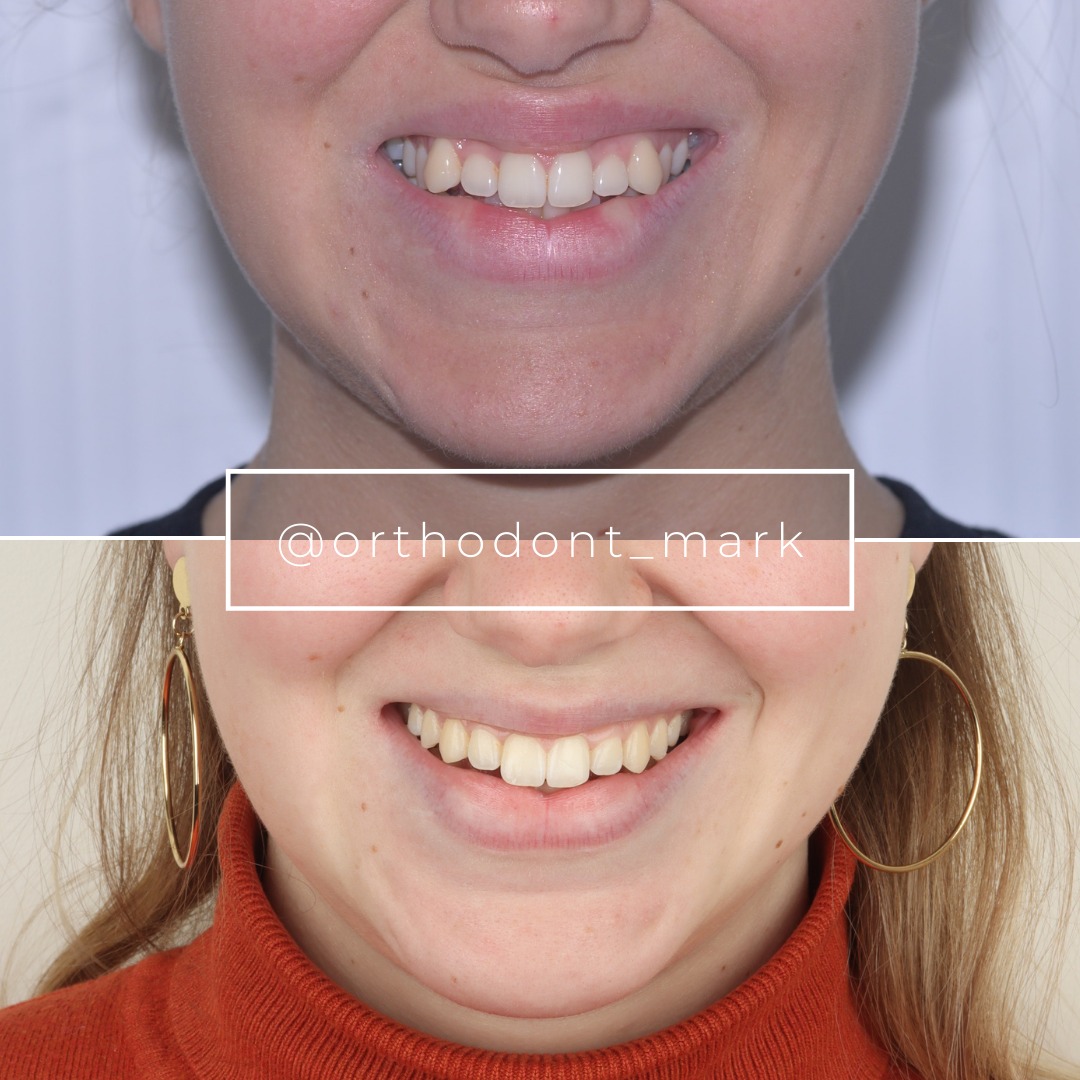
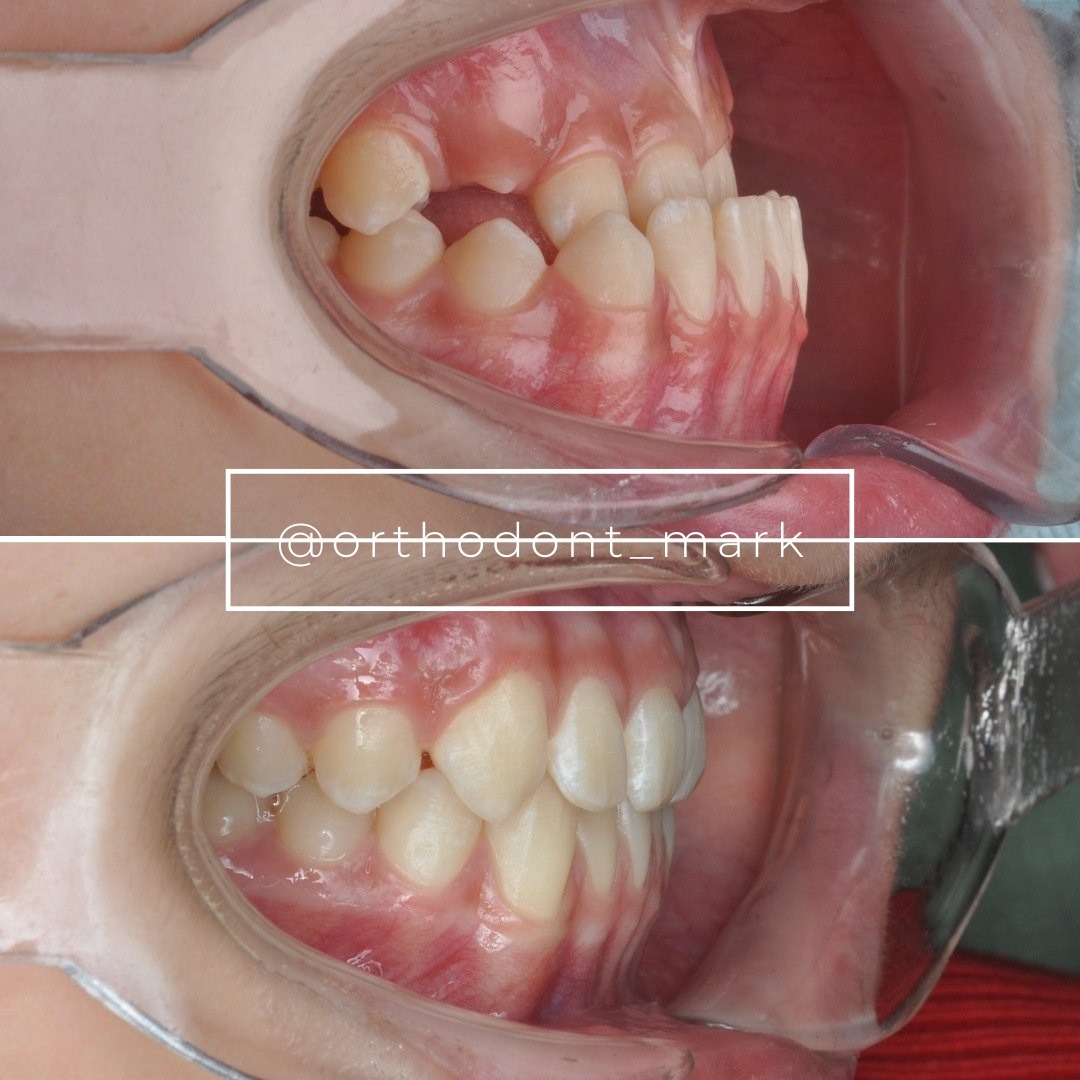
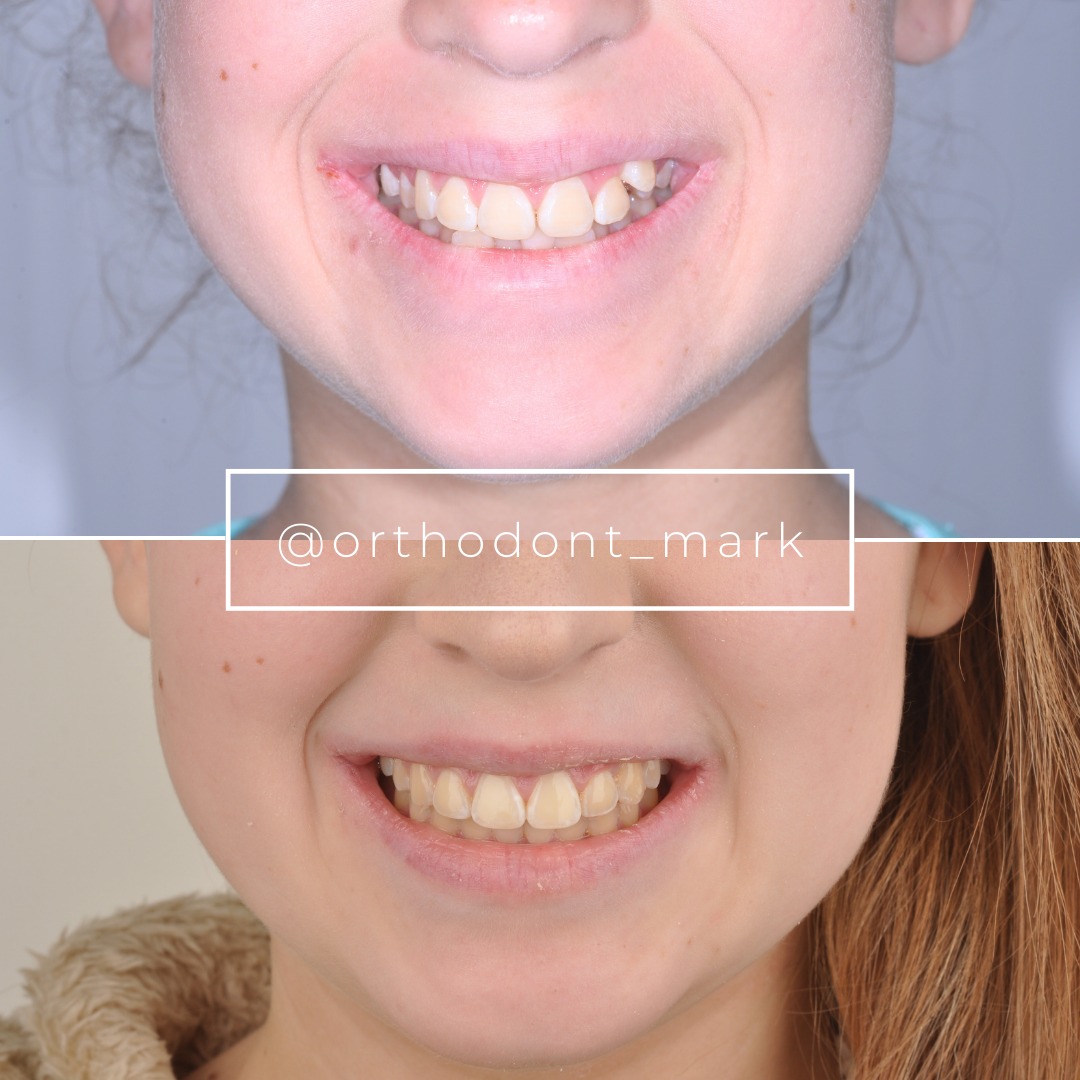
Learn the full MARPE protocol from Dr. Mark Radzhabov
Fundamental course covering CBCT patient selection, miniscrew planning, activation protocols, and 60+ clinical cases. Choose the access level that fits your practice.
Essentials of rapid palatal expansion for practicing orthodontists.
- Core RPE concepts and biomechanics
- 6 structured video lessons
- Clinical decision checklists
- Lifetime access to recordings
Deep-dive into MARPE protocol, diagnostics, and clinical execution.
- 6 modules covering MARPE from A to Z
- CBCT case selection walkthroughs
- Miniscrew placement and activation
- 60+ annotated clinical cases
- Direct Q&A with Dr. Mark Radzhabov
5-element medical consultation framework for dentists and orthodontists.
- Trust-building consultation protocol
- 5 lesson modules
- Templates for treatment plan delivery
- Works with any clinical specialty
Clinical FAQ
What is the optimal miniscrew diameter and length for MARPE placement in cleft palate patients?
Screw dimensions are determined by CBCT-identified bone corridors. Standard 1.6 mm diameter with 6–7 mm corticated bone is sufficient if bicortical; some cleft cases benefit from 1.8–2.0 mm diameter for increased primary stability. Length is individualized; CBCT planning software prevents undersizing or oversizing.
How does cleft palate bone quality affect miniscrew osseointegration and MARPE success rates?
Cleft bone demonstrates reduced density, scar tissue remodeling, and slower osseointegration compared to non-cleft populations. This requires extended activation timelines (8–10 weeks vs. 2–4 weeks standard), reduced daily turns, and longer retention (9–12 months vs. 6 months).
Should miniscrews be placed bilaterally in the standard paramedian zone for cleft palate MARPE?
No. Standard bilateral placement often fails on the cleft side due to inadequate bone. CBCT guides individualized placement; many cleft cases use bilateral screws on the non-cleft side or asymmetrical positioning, sacrificing symmetry for biomechanical reliability.
What are the most common reasons for MARPE failure in cleft palate patients?
No pre-treatment CBCT (leading to root contact and inadequate bone selection); bilateral standard placement despite unilateral deficiency; standard activation velocity in compromised bone; and insufficient retention. Each error is avoidable with anatomical planning.
How long should the retention phase last after active expansion in cleft palate MARPE cases?
Minimum 9–12 months, compared to 6 months in non-cleft cases. Surgical sites in cleft palate remodel unpredictably, and dentoalveolar relapse risk is higher. Extended retention reduces relapse and ensures stable ossification.
Is laser-assisted corticotomy recommended as an adjunct to MARPE in cleft palate patients?
Evidence suggests corticotomy reduces bone density and facilitates expansion in patients with restricted palatal width or previous surgical scarring. Transepigingival laser point corticotomy, combined with extended expansion phases (8+ weeks) and retention, has shown clinical benefit in published protocols.
What monitoring protocol minimizes miniscrew failure risk in cleft palate MARPE treatment?
Periapical radiographs every 4 weeks during activation; CBCT at mid-treatment (4–6 weeks); clinical assessment of miniscrew mobility and expansion rate at each visit. Halt activation if miniscrew loosens or radiographic evidence suggests loss of osseointegration.
Can hybrid hyrax designs be used in cleft palate MARPE, or must systems be screw-retained only?
Hybrid designs work if anterior teeth and periodontal support are adequate. However, cleft patients often have missing lateral incisors or compromised incisor anatomy; fixed screw-retained systems (beneplate) provide superior control and eliminate tooth-dependence in these cases.
How should activation velocity be adjusted for cleft palate MARPE compared to standard protocols?
Standard MARPE uses 4 turns per day. In cleft bone, reduce to 4 turns on procedure day, then 3 turns daily for 10 days, repeated over 8–10 weeks. This slower velocity accommodates compromised bone remodeling and reduces root resorption risk.
What patient factors increase MARPE contraindication risk in cleft palate cases beyond non-cleft populations?
Smoking, diabetes, and poor oral hygiene magnify miniscrew failure risk in all patients but are especially critical in cleft cases with already-compromised bone. Systemic disease and immunosuppression further impair osseointegration and healing in surgical sites.
Successful MARPE in cleft palate patients depends on abandoning one-size-fits-all protocols in favor of anatomy-driven, individualized treatment planning. CBCT evaluation, precise miniscrew site selection, and modified expansion schedules are non-negotiable steps. If you treat cleft cases or encounter unexpected MARPE failures, reviewing your palatal anatomy assessment protocol is the first clinical action. Dr. Mark Radzhabov's evidence-based approach to MARPE ensures you optimize outcomes across all skeletal expansion cases.