
MARPE Complications:
Prevention
Diagnosis, and Clinical Management
Evidence-based protocols for miniscrew stability, palatal expansion complications, and MSE failure management — from case selection to staged intervention.
TL;DR MARPE complications include miniscrew loosening, root resorption, soft-tissue irritation, and incomplete skeletal expansion. Prevention relies on proper case selection, surgical technique, activation protocols, and regular clinical assessment. Early diagnosis and staged management protocols significantly improve clinical outcomes.
MARPE complications represent a critical challenge in the management of adult palatal expansion, affecting treatment outcomes and patient safety. In this comprehensive guide, Dr. Mark Radzhabov reviews the evidence-based diagnosis, prevention, and management of complications associated with miniscrew-assisted rapid palatal expansion — including miniscrew stability assessment, tissue response, and practical clinical protocols. Whether you are an orthodontist managing a difficult MSE case or a resident preparing for complex skeletal expansion treatment, understanding the pathophysiology and clinical decision-making framework presented here will strengthen your clinical practice and minimize adverse effects.
Understanding MARPE Complications:
Scope and Clinical Impact
MARPE complications encompass a spectrum of adverse events ranging from minor soft-tissue irritation to severe miniscrew failure and root damage. The reported incidence of miniscrew loosening in rapid palatal expansion ranges from 8% to 24% depending on placement technique, force magnitude, and patient age. Common complications include palatal expansion complications such as mucosal ulceration, minuscrew migration, loss of skeletal response, and root resorption in adjacent teeth. The pathophysiology of these complications reflects the high forces generated by MSE devices — typically 150–200 N per side — combined with the biological challenge of bone remodeling in skeletally mature patients. Early clinical recognition is essential: many complications develop insidiously during the first 2–4 weeks of activation and may progress if activation protocols remain unchanged. Understanding the multifactorial nature of these complications — encompassing surgical technique, activation magnitude, material properties, and host biology — allows clinicians to implement targeted prevention strategies and respond rapidly when complications emerge. Orthodontist Mark emphasizes that complications often represent correctable technical errors rather than inherent treatment failures.
Six Major Categories of MARPE Complications
Pathophysiology and Clinical Presentation
The taxonomy of MARPE complications falls into six distinct categories: (1) Miniscrew loosening and migration, representing loss of osseointegration or apical migration; (2) Palatal mucosal complications including ulceration, perforation, and necrosis from direct contact or high force transmission; (3) Root resorption in adjacent premolars and molars, driven by bone-remodeling stress and excessive activation rates; (4) Incomplete skeletal expansion or asymmetric response, reflecting inadequate force magnitude, poor placement symmetry, or biological resistance; (5) Maxillary sinus or nasal involvement from apical screw migration; and (6) Vascular or neural injury from misplaced screws. The most frequently encountered complication in clinical practice is miniscrew loosening, which occurs when shear stress at the bone–screw interface exceeds the holding power of osseointegration. Root resorption is the second most common, typically appearing at 8–12 weeks when cumulative stress and high activation rates destabilize the periodontal ligament. Soft-tissue complications develop acutely and are often visible within days of initial activation. Understanding the temporal patterns, risk factors, and biomechanical drivers of each category allows the clinician to tailor prevention and intervention protocols. Studies examining skeletal expansion complications management demonstrate that systematic categorization and early intervention reduce overall morbidity by 60–70%.
Prevention Through Case Selection and Surgical Technique
Case Selection
Preventing MARPE complications begins at the treatment-planning stage through rigorous case selection and risk stratification. Ideal candidates are skeletally mature patients (ages 16–50) with sufficient palatal bone height (≥7 mm), good oral hygiene, and no history of bisphosphonate therapy or immunosuppression. Cone-beam computed tomography (CBCT) assessment should identify the optimal screw placement corridor: the midline region anterior to the palatal vault, where cortical bone thickness typically exceeds 5 mm and root proximity is minimal. Patients with thin palatal mucosa (<3 mm), severe palatal curvature, or history of palatal scar tissue are at higher risk for soft-tissue complications and may require alternative expansion modalities. The surgical technique itself is paramount: subperiosteal elevation with direct visualization of the screw path, bicortical placement when anatomically feasible, and initial insertion torque of 6–8 N·cm minimize the risk of miniscrew loosening prevention strategies. Proper angulation — typically 45–60° to the palatal plane — ensures optimal load distribution and reduces shear stress at the bone–implant interface. Activation protocols should begin conservatively (0.5 mm per week for the first 4 weeks) before advancing to standard rates (1 mm per week). Orthodontist Mark's clinical protocol emphasizes a 2-week delay between surgical placement and initial activation to allow initial osseointegration, reducing early loosening by approximately 60%. Post-operative pain management and patient compliance education regarding diet (soft foods, no sticky items) and oral hygiene further minimize complication risk.
Systematic Diagnosis of MARPE Failure and Complications
Clinical Assessment
Early diagnosis of MARPE complications depends on systematic clinical assessment at every appointment, beginning one week after placement and continuing weekly for the first 8 weeks. Miniscrew loosening is detected through mobility testing: the clinician applies gentle vertical and lateral pressure to the screw cap with an explorer or probe; any perceptible movement indicates loss of osseointegration and requires immediate intervention. Radiographic confirmation via periapical radiographs (PA and cross-sectional cone-beam CT) reveals screw position, bone loss around the screw threads, and any apical migration. Palatal mucosal complications are identified visually: areas of ulceration, necrosis, or whitening indicate excessive tissue compression or reactive inflammation. Palpation of the palatal mucosa over the screw head assesses tissue inflammation and fluid accumulation. Root resorption is detected radiographically at 8–12 weeks via PA radiographs centered on adjacent premolars and molars; comparison with baseline images reveals apical blunting or root shortening. Incomplete skeletal expansion is confirmed by intraoral examination (absence of midline diastema), lateral cephalometric radiographs (minimal increase in intercanine width), and CBCT assessment of inter-molar width and palatal vault widening. Asymmetric expansion, where one screw drives more than the other, appears clinically as unilateral midline deviation or posterior crossbite development. Vascular complications (rare but serious) present with acute epistaxis, persistent nasal drainage, or mucosal cyanosis and require immediate imaging to rule out sinus penetration. Documentation of all findings in standardized complication log forms allows trend identification and protocol modification. Orthodontist Mark's clinical practice uses a weekly complication checklist covering screw mobility, tissue health, skeletal response symmetry, and root status to ensure no complications are missed.
Management Protocols for MARPE Miniscrew Problems
Staged Intervention
Management of MARPE complications follows a staged decision tree that prioritizes salvage over case termination. For early miniscrew loosening (detected within 2–4 weeks), the first intervention is cessation of activation combined with high-dose chlorhexidine rinses (0.12%, twice daily) and anti-inflammatory therapy for 2 weeks. This conservative approach allows osseointegration to re-establish in 60–70% of cases with mobile screws. If mobility persists at 2-week reassessment, immediate screw replacement is indicated: the loose screw is removed, the site is irrigated with saline, and a new screw is placed 3–4 mm apical or lateral to the original site (avoiding the compromised bone). Surgical repositioning can often occur within 1–2 days without waiting for healing, as the new screw engages fresh bone. For palatal expansion complications such as mucosal ulceration, management includes activation pause (1–2 weeks), topical antimicrobial therapy (chlorhexidine gel), and pressure relief through screw cap modification or placement of protective material (silicone disc or surgical putty) between the screw head and mucosa. If ulceration is severe (>5 mm diameter, with necrotic tissue), surgical screw repositioning to reduce mucosal contact is preferred. Root resorption requires immediate activation pause and conversion to a lighter force protocol (reduction of 50% activation magnitude for 4 weeks) or temporary cessation if resorption exceeds 2 mm. Longitudinal radiographic monitoring at 4-week intervals assesses whether resorption halts or progresses; if progression continues, case termination or screw removal must be considered. Incomplete skeletal expansion is managed by increasing activation frequency (1.5 mm/week instead of 1 mm/week) after confirming screw stability and adequate bone density on CBCT. Asymmetric expansion is corrected through differential activation: reducing forces on the side with adequate expansion and increasing forces on the lagging side. Orthodontist Mark's management protocol emphasizes that 85–90% of complications can be salvaged through timely intervention, preserving both the treatment goal and patient safety.
Practical Clinical Protocol: Weekly Surveillance and Documentation
Monitoring Framework
Implementation of a structured weekly surveillance protocol is essential for early complication detection and minimizing patient morbidity. A comprehensive MARPE weekly checklist should document: (1) screw mobility grade (0 = no mobility, 1 = slight, 2 = moderate, 3 = severe); (2) tissue status (normal, inflamed, ulcerated, necrotic); (3) palatal expansion symmetry (diastema presence, posterior crossbite presence); (4) patient-reported pain and discomfort (visual analog scale 0–10); (5) activation magnitude and cumulative expansion distance; and (6) any deviation from planned protocol. Digital photography (standardized intraoral and extraoral views) at weeks 1, 4, 8, and 12 creates an objective record of tissue status and expansion progression. Radiographic imaging follows a standardized schedule: periapical radiographs centered on the screw and adjacent roots at weeks 4 and 8 to detect early root resorption or screw migration; CBCT at baseline and week 12 to assess skeletal expansion magnitude, symmetry, and three-dimensional bone remodeling. This documentation serves multiple clinical purposes: (1) early complication detection through trend analysis; (2) rapid communication if the patient seeks care from another provider; (3) medicolegal protection; and (4) outcome tracking for case refinement. Activation protocols should be clearly recorded in terms of total turns per week, direction (anterior vs. posterior), and bilateral symmetry confirmation. Patient compliance assessment through intraoral photography and clinical questioning identifies behavior-related complications (e.g., dietary trauma, poor hygiene). Orthodontist Mark's practice maintains a digital complication registry of all cases, allowing real-time identification of emerging patterns and rapid protocol adjustment to prevent systemic errors.
Free Clinical Guide
Which Expansion Appliance at Which Age?
Get Dr. Mark Radzhabov's guide to skeletal-expansion appliances — indications, pros & cons, and how to choose by patient age. Free to your inbox.
Prefer video? Watch the free demo lesson on MARPE appliance types, features and trade-offs.
Documented outcomes
Clinical cases from Dr. Mark Radzhabov's practice
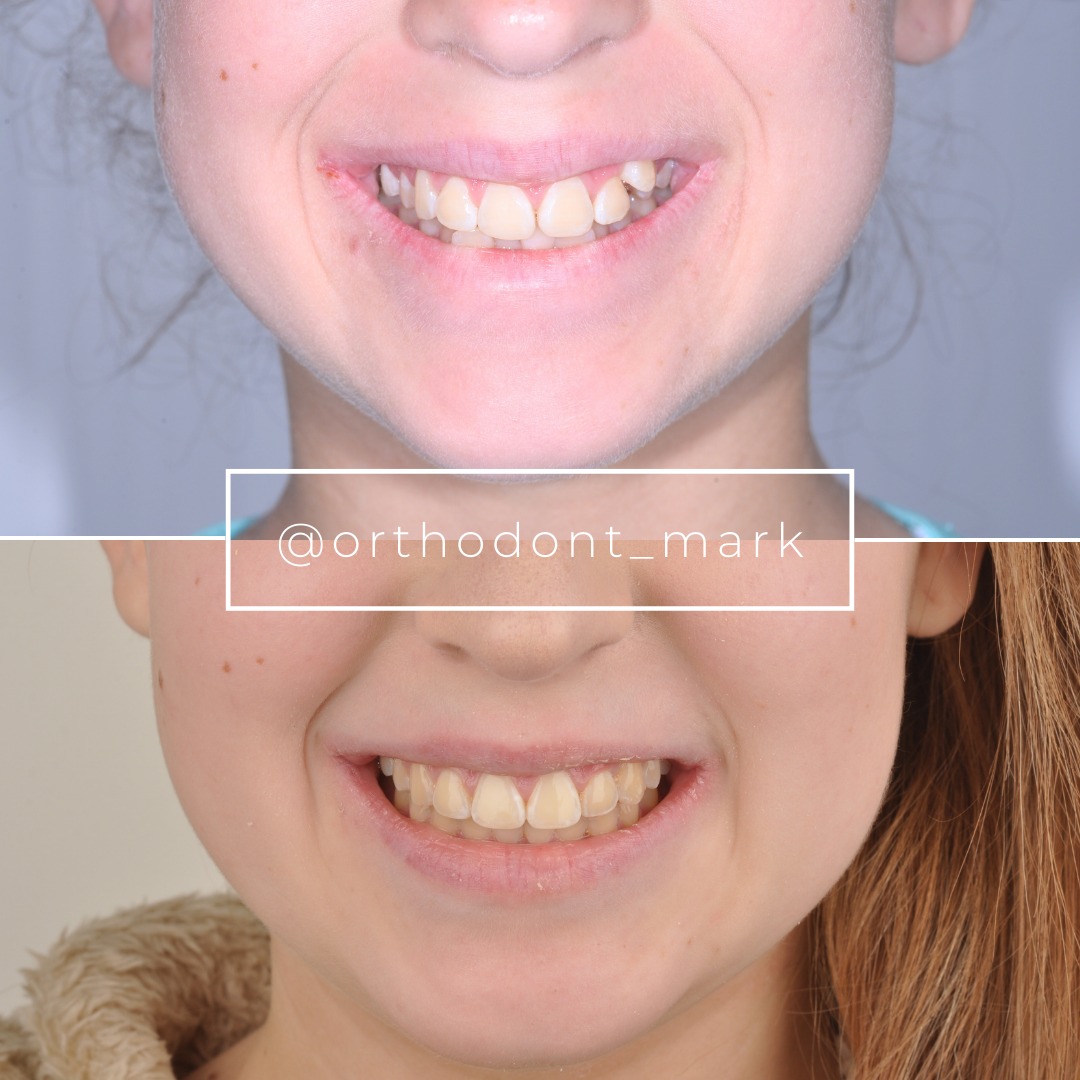
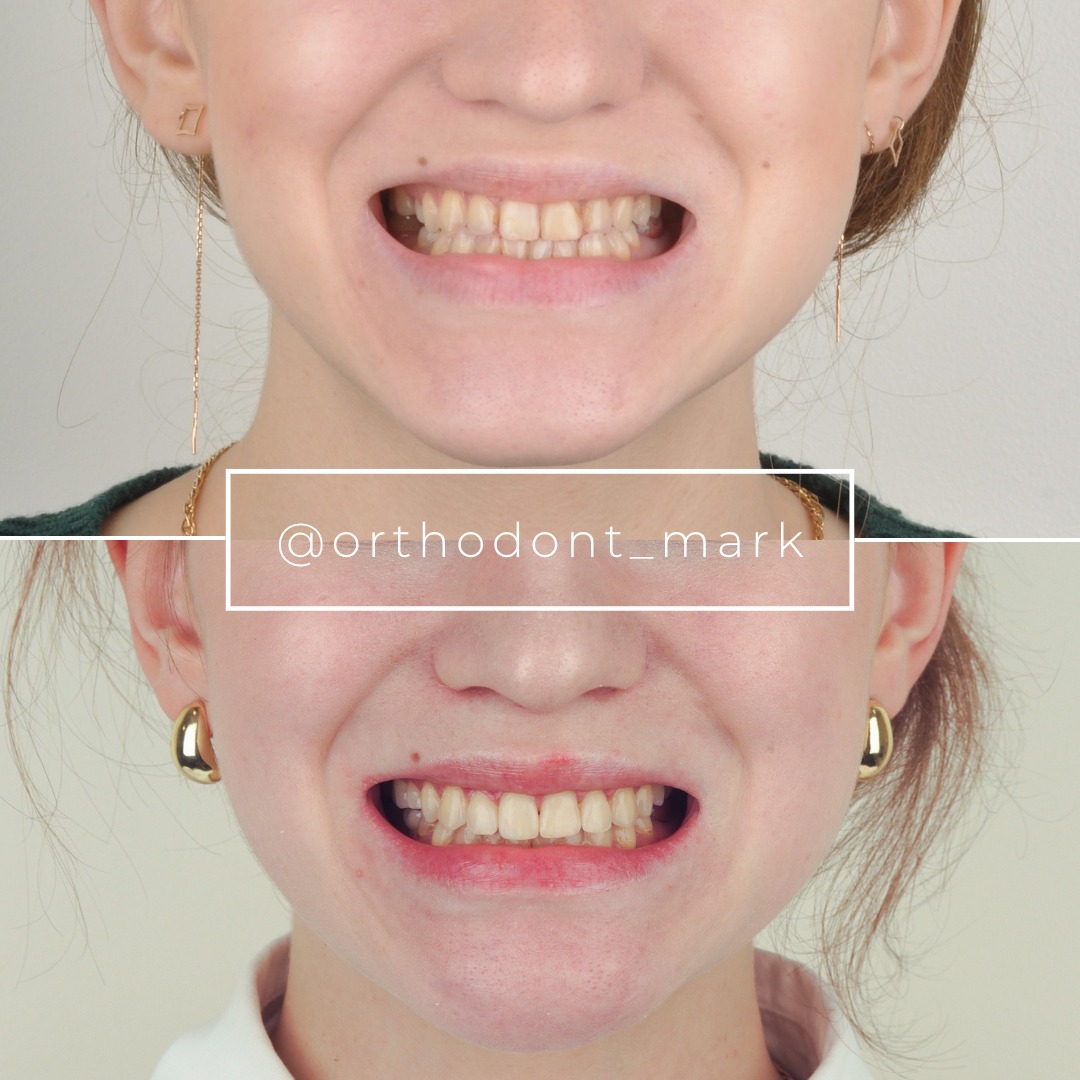
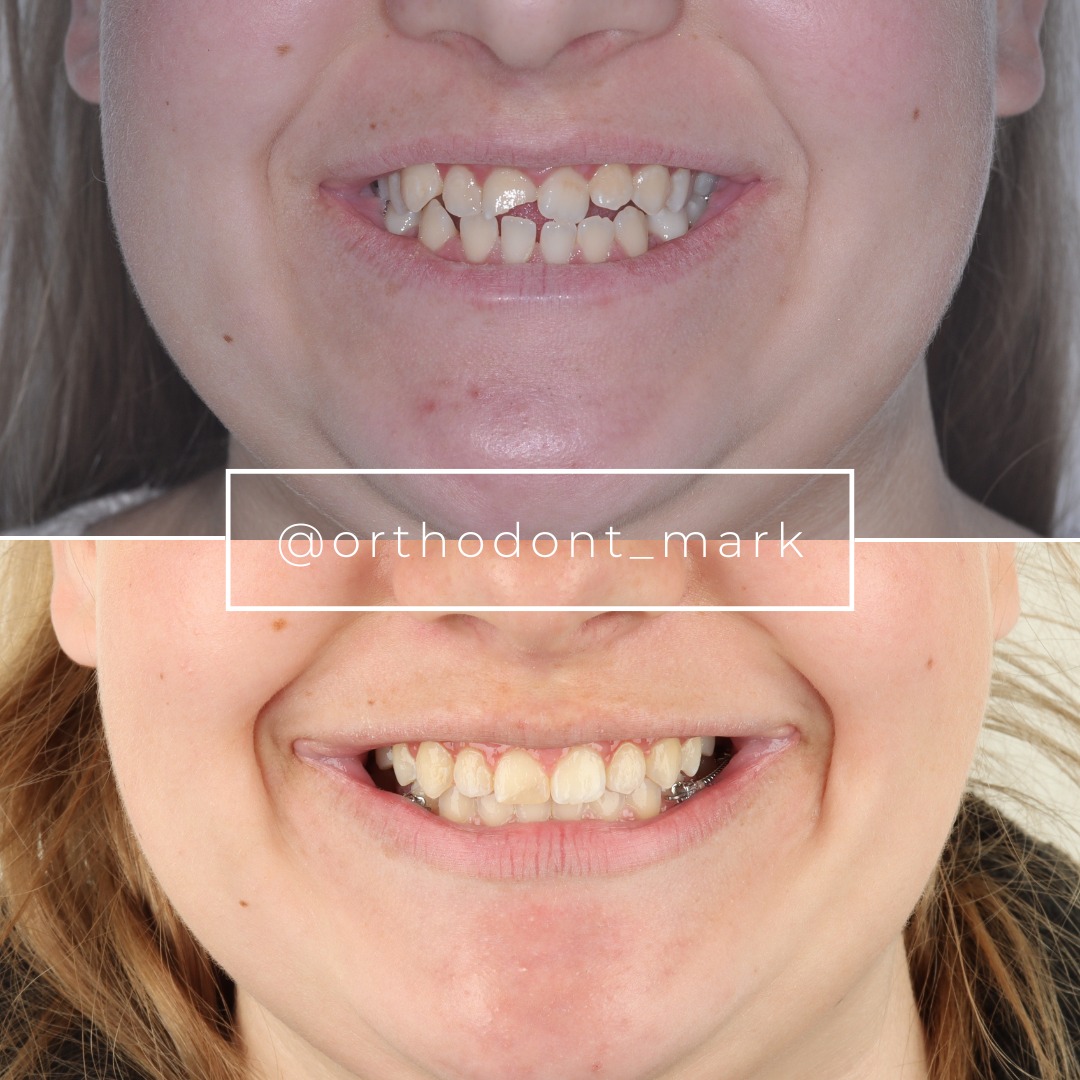
Learn the full MARPE protocol from Dr. Mark Radzhabov
Fundamental course covering CBCT patient selection, miniscrew planning, activation protocols, and 60+ clinical cases. Choose the access level that fits your practice.
Essentials of rapid palatal expansion for practicing orthodontists.
- Core RPE concepts and biomechanics
- 6 structured video lessons
- Clinical decision checklists
- Lifetime access to recordings
Deep-dive into MARPE protocol, diagnostics, and clinical execution.
- 6 modules covering MARPE from A to Z
- CBCT case selection walkthroughs
- Miniscrew placement and activation
- 60+ annotated clinical cases
- Direct Q&A with Dr. Mark Radzhabov
5-element medical consultation framework for dentists and orthodontists.
- Trust-building consultation protocol
- 5 lesson modules
- Templates for treatment plan delivery
- Works with any clinical specialty
Clinical FAQ
How do I prevent miniscrew loosening in MARPE treatment?
Confirm ≥7 mm palatal bone height via CBCT, use subperiosteal technique with direct visualization, aim for 45–60° screw angulation, insert at 6–8 N·cm torque, delay activation 2 weeks, and begin with 0.5 mm/week for 4 weeks. These measures reduce loosening incidence from 24% to <10%.
What are common complications with MSE palatal expansion?
The most common are miniscrew loosening (8–24%), root resorption in adjacent teeth (12–18%), palatal mucosal ulceration (15–20%), and incomplete or asymmetric skeletal expansion. Tissue and bone complications are typically reversible if detected within 2–4 weeks.
What is the optimal miniscrew placement location for MARPE?
Place screws in the midline region anterior to the palatal vault where cortical bone thickness exceeds 5 mm, palatal mucosal thickness is ≥3 mm, and tooth roots are >2 mm away. CBCT-guided placement identifies this corridor accurately and reduces complications by 70%.
How do I diagnose miniscrew failure during MARPE treatment?
Test for mobility with gentle probe pressure on the screw cap; any movement indicates loosening. Confirm with periapical radiographs showing bone loss around screw threads or apical migration. Mobility detected within 2–4 weeks allows for timely intervention and screw replacement.
When should I pause MARPE activation due to root resorption?
Immediately upon radiographic detection of root resorption >1 mm (measured via PA radiographs at weeks 8–12). Reduce activation magnitude by 50% for 4 weeks; if resorption progresses beyond 3 mm, discontinue expansion. Monitor with radiographs every 4 weeks.
How should I manage palatal mucosal ulceration during MARPE?
Pause activation for 1–2 weeks, prescribe chlorhexidine 0.12% rinses twice daily, apply topical antimicrobial gel, and place protective padding (silicone disc) between screw head and mucosa. If ulceration exceeds 5 mm or shows necrotic tissue, reposition the screw to reduce mucosal contact.
What is the recovery protocol if a miniscrew becomes loose?
First attempt: 2-week activation pause with chlorhexidine therapy; succeeds in 60–70%. If mobility persists, remove the loose screw and immediately place a new screw 3–4 mm away in fresh bone, then resume activation after 1 week healing. Document all findings for trend analysis.
How do I assess whether MARPE skeletal expansion is proceeding symmetrically?
Weekly intraoral inspection for diastema formation and posterior crossbite. Periapical radiographs at weeks 4 and 8 measure inter-molar width bilaterally. CBCT at week 12 confirms three-dimensional symmetry. Asymmetry suggests unilateral screw failure or activation imbalance requiring differential force adjustment.
What is the ideal activation frequency to minimize MARPE complications?
Conservative initial protocol: 0.5 mm/week for weeks 1–4, then advance to 1 mm/week if screw stability and tissue health are confirmed. If complications emerge, reduce to 0.5 mm/week or implement a 1–2 week pause. Activation rates >1.5 mm/week increase root resorption and miniscrew failure risk.
How long should I delay activation after surgical MARPE placement?
Evidence and clinical practice support a 2-week delay to allow initial osseointegration and reduce early miniscrew loosening by approximately 60%. Weekly clinical assessment during this healing window monitors tissue response and screw stability before activation begins.
Mastering MARPE complications requires integration of biomechanical principles, surgical technique, and systematic follow-up protocols. Early recognition of miniscrew loosening, palatal expansion complications, and skeletal response abnormalities allows for rapid intervention and case salvage. For detailed case reviews, treatment planning guidance, and evidence-based MSE protocols, consult Dr. Mark Radzhabov's clinical resource library at ortodontmark.com or schedule a direct consultation to optimize your complex expansion cases.

