The MARPE Consent Conversation:
Scripting Honest Risk Talk
Evidence-Based Scripts for Orthodontists
Master the informed consent process for miniscrew-assisted palatal expansion. Learn how to discuss complications, manage patient expectations, and document your risk disclosure.
TL;DR The MARPE consent conversation requires a structured, honest approach to risk disclosure. Key complications include gingival inflammation (83.9%), pain (45%), asymmetric expansion (47.8%), and rare events like temporary hearing loss. Effective informed consent for miniscrew-assisted expansion balances realistic expectations with the skeletal benefits of true palatal suture separation, ensuring patients understand that most complications are reversible with appropriate management.
Informed consent for miniscrew-assisted rapid palatal expansion (MARPE) remains one of the most challenging clinical conversations an orthodontist conducts. Unlike tooth-borne RPE, MARPE carries specific risks — gingival inflammation, pain, microimplant complications, and asymmetric expansion — that demand transparent discussion before case acceptance. In this article, Dr. Mark Radzhabov outlines a practical consent framework: how to frame MARPE benefits and risks, scripts for difficult questions, and how to calibrate your language to adult and late-adolescent patients. The goal is a conversation that protects both clinician and patient while building confidence in skeletal expansion outcomes.
Understanding MARPE Informed Consent
informed consent
and Its Clinical Importance
Informed consent for MARPE differs fundamentally from standard orthodontic consent. The procedure involves surgical placement of temporary palatal implants, activation of a jacksrew mechanism, and forced separation of the midpalatal suture—a process with documented complications. A prospective randomized clinical trial by Chun et al. (2022), BMC Oral Health 22:114, demonstrated that the midpalatal suture was successfully separated in 95% of MARPE cases (versus 90% with conventional RPE), and a retrospective series of 256 consecutively treated patients by Yoon et al. (2022), AJO-DO Clinical Companion, put the real-world figure at 87.8%, yet side effects were nearly universal. Understanding what your patient must know, how to present it, and how to document it is your legal and ethical obligation. The consent conversation serves three clinical purposes: (1) it ensures the patient (and parent, if applicable) understands the procedure's mechanism and timeline, (2) it identifies and discusses the most common and rarest complications, and (3) it allows you to assess whether the patient is emotionally and practically prepared for the commitment. Many practitioners rush this step or assume that a handout suffices. Instead, the most effective consent is a live, two-way dialogue that you document in the patient record—ideally with a written checklist signed at the end of the consultation. The evidence is clear: patients who understand that gingival inflammation occurs in roughly 84% of cases, that pain is common but manageable, and that asymmetric expansion is correctable with orthodontic mechanics report higher satisfaction and lower dropout rates. They also trust their clinician more when complications arise because they expected them. Conversely, patients surprised by pain or swelling often interpret these normal events as treatment failure and may seek second opinions or legal recourse.
Structuring the MARPE Risk Discussion:
Common vs. Rare
Complications
A transparent consent framework separates complications into tiers: expected, common, and rare. This approach prevents information overload while ensuring you do not omit critical risks. Expected (Nearly Universal) Complications: Gingival inflammation around the miniscrews is nearly certain. Frame this not as a complication but as a normal inflammatory response to the appliance. Patients should expect redness, swelling, and bleeding when flossing around the implants. Teach them proper hygiene—soft toothbrush, chlorhexidine rinse during the active expansion phase, and gentle flossing. Pain during and immediately after activation is also expected. Reassure patients that this typically peaks 24–48 hours after activation and resolves within 3–5 days with over-the-counter analgesics. Common (40–50%) Complications: Asymmetric expansion occurs in roughly 48% of cases. This means one side of the maxilla expands more than the other—a radiographically measurable phenomenon (>1 mm difference). Importantly, asymmetric expansion is not a failure. It is managed during subsequent phase II orthodontics with differential elastics and rotational mechanics. Showing your patient a before-and-after CBCT image of a case you managed helps normalize this finding. Appliance breakage (10% of cases) is also relatively common and should be discussed. Reinforce that diet modifications (no hard, sticky, or chewy foods) reduce this risk, but breakage can still occur and will require repair in the office. Rare but Serious Complications: Temporary hearing loss, severe sinus infections, numbness, and tooth discoloration (suggesting vitality loss) are documented but uncommon. Mention them briefly and reassure the patient that these have resolved in all cases in your practice and in published literature. Do not dwell on rare events—doing so may create unnecessary anxiety—but do not omit them, as informed consent requires disclosure of all known risks, even if unlikely.
Seven Opening Statements for the MARPE Consent Conversation
Consent Scripts
That Build Trust
The following scripts are starting points. Adapt them to your practice voice and the patient's age and understanding. The key is to speak conversationally, pause for questions, and check for understanding. Script 1: Setting Expectations (Early in Conversation) “MARPE is not like a traditional braces treatment. We're using small titanium implants in your palate—bone underneath your gums—to directly separate the suture in the middle of your roof of mouth. Because we're not pulling on your teeth, we can achieve true skeletal expansion in adults and older teens. But using implants means you'll have an appliance in your mouth that requires careful care. Let me walk you through what to expect, including what happens in the first week, what's normal, and what would be unusual.” Script 2: Normalizing Inflammation (Addressing the 84% Risk) “About eight out of ten MARPE patients develop some redness and swelling around where the implants sit—just like when someone gets a new piercing. It's not an infection. It's inflammation. We manage it with a special rinse and a soft toothbrush. If you see this, don't panic. It's expected, and it tells me the body is responding. What's important is that you call us if the swelling spreads to your face or if you develop a fever, because that would be different.” Script 3: Addressing Pain (45% Risk) “After we activate the expander, you'll likely feel pressure or mild-to-moderate pain for the first 24 to 48 hours. Ibuprofen or acetaminophen works well. I recommend taking it preemptively before activation and then as needed for three to five days. By day four or five, most patients tell me the discomfort is gone. This is not a sign something is wrong—it's just how bone remodels under pressure.” Script 4: Explaining Asymmetric Expansion (48% Risk) “When we look at your X-rays after expansion is complete, we might see that one side of your palate expanded a bit more than the other. This happens in about half of cases and is completely normal. It's not something I did wrong. It's how your bone responds. And it's not a problem because we correct any remaining asymmetry later with your regular braces.” Script 5: The 'Rare but Real' Talk “I've never seen this in my practice, but I want you to know it's possible: some patients report temporary hearing changes or a brief sinus irritation. These resolve on their own. And very rarely, a tooth beneath an implant can lose vitality—which we'd catch immediately on X-rays. If any of these happen, I'll know exactly what to do. But I want you aware so there are no surprises.” Script 6: Activating Compliance (Age-Appropriate) “Your job during MARPE is as important as mine. You'll need to avoid hard, sticky, and chewy foods—no popcorn, nuts, or caramel. You'll also have to keep the implant sites very clean, which takes a few extra minutes. If you're not ready to commit to that, we should talk about whether MARPE is the right choice for you right now.” Script 7: The Consent Checklist Close “Before you say yes, I want to make sure I've answered all your questions and that you understand what we're doing. Let me review the key points with this checklist, and then you sign it so we both have a record of what we discussed.”
Anticipating and Answering Patient Questions in MARPE Consent
Tough Questions
and How to Handle Them
Certain questions will arise repeatedly. Here are evidence-informed responses that balance honesty with reassurance. “Will this hurt?” “There is a difference between discomfort and pain. During activation, you'll feel pressure—like someone is gently pushing on the roof of your mouth. Over the next day or two, this becomes mild-to-moderate aching, similar to orthodontic soreness. By day three or four, it's gone. We manage it with over-the-counter pain relievers. Most patients say it's less painful than they expected.” “What if one side expands more than the other?” “Asymmetric expansion happens in about half of cases and is completely normal. It doesn't mean we did anything wrong. Your body just responds slightly differently on one side. We measure it on X-rays and use braces later to fine-tune the result. By the end of treatment, your arch is symmetric.” “What if the implant breaks or comes loose?” “Implant fracture is rare with titanium miniscrews, and if it happened, we'd replace it. Loosening is more common—if an implant isn't getting the bone support it needs, we remove it and place a new one. Either way, it's an office visit, not an emergency. Avoiding hard foods drastically reduces this risk.” “Can you expand just one side if I need it?” “Potentially, yes. But full bilateral expansion is usually more stable and more effective at achieving skeletal changes. If asymmetry is extreme or if only one side truly needs expansion, we can discuss a modified plan. But I'd recommend bilateral unless there's a specific reason not to.” “What if the bone doesn't separate—what if it fails?” “Suture separation occurs in 88% to 95% of MARPE cases, especially in patients under 30. In the small percentage where it doesn't happen, we'd know it within the first 3 weeks—the screw wouldn't advance smoothly. Then we'd pause, let the bone consolidate, and consider either continuing at a slower pace or moving to surgical SARPE if skeletal expansion is critical. But this is rare, and we monitor it closely from the start.” “How much time off work or school do I need?” “Most patients don't need time off. The appliance is entirely in your mouth. You might be a bit sore for the first few days after activation, but you can function normally. If your job is very physical or if you play contact sports, you might want to take it easier for 48 hours. But typical school or desk work? No problem.” “Can I eat normally?” “Not during expansion. Hard, sticky, and chewy foods—popcorn, nuts, caramel, chewing gum—risk breaking the appliance. You'll be on a soft diet for the first week after each activation, then slowly return to more normal foods. Once expansion is done and the appliance comes off, you eat normally again. It's temporary.” “What if I want to quit halfway through? ”That's your right, but I'll counsel you on what happens. If you stop expansion early, your bone will begin to stabilize—which is why retention is important. If you've achieved some expansion but not your full goal, you'll need to decide whether to wear a retainer at that point or, potentially, restart later. But ideally, we complete the full protocol.“ ”What's the actual success rate?“ ”Suture separation—the goal of MARPE—is achieved in roughly 90% of cases. Among those where separation occurs, skeletal change is excellent. Age, bone density, and compliance affect the outcome. Because you're a good candidate, I'm confident we'll succeed. But I never say 100%—some variation is normal.“ ”How is this better than traditional RPE?“ ”Traditional RPE works great in kids because their sutures are soft and easy to separate. In adults, the suture is fused and hard—RPE often just tilts and tips the teeth outward instead of opening the suture. MARPE pulls on bone, not teeth, so the suture actually separates and you get true skeletal expansion. The trade-off is the implants and the temporary inflammation around them. For you as an adult, that trade-off is worth it."
Writing and Signing the MARPE Consent Record
Documentation
and Follow-Up Compliance
Documentation is not defensive—it is the marker of professional care. Your written consent record should include: 1. Narrative Summary: A brief note that you discussed MARPE mechanism, expected timeline (8+ weeks active expansion plus 6 months retention), and specific complications (gingival inflammation, pain, asymmetry, breakage, rare events). 2. Signed Checklist: A one-page form listing key points—“I understand that gingival inflammation is common…”, “I understand that pain is expected in the first few days…”, “I understand that asymmetric expansion may occur and will be managed in phase II…” Each item should be initialed by the patient (or parent if minor). This checklist is not a substitute for the live conversation. It is a record that the conversation happened. 3. Activation Instructions: A take-home card specifying how to activate (number of turns per day), diet restrictions, hygiene protocol (chlorhexidine rinse, soft toothbrush), pain management, and when to call if problems arise. 4. Post-Activation Follow-Up: Schedule the patient to return 1 week after the first activation for assessment of inflammation, implant stability, and tissue response. This early check-in catches problems (severe infection, implant loosening) early and shows the patient that you are monitoring closely. 5. Retention Agreement: Before activation, discuss the 6-month retention protocol. Many patients think expansion ends when the screw stops turning. Clarify that the bone must consolidate for 6 months—during which the appliance remains in place but is not activated. Some practices use a locked screw. Others rely on patient and parent compliance. Document which approach you are using and why. Compliance during the active expansion phase is highest when patients understand each step. Distribute an Expansion Calendar—a simple printed grid showing the date and number of turns for each week. This normalizes the commitment and gives the patient a visual sense of progress. Patients who see tangible weekly milestones report higher satisfaction and lower dropout rates.
Consent Conversations for Teens, Young Adults, and Adults
Age-Specific Language
and Parental Involvement
The maturity, medical literacy, and decision-making autonomy of your patient change with age. Adjust your consent approach accordingly. Late Adolescents (Ages 15–17): Parent and teen should both be present. Frame the conversation to the teen first—acknowledge that they will live with the appliance and feel the discomfort, so their buy-in matters. Use peer-friendly language: “About half the people doing MARPE experience some asymmetry, but we fix that later” rather than clinical jargon. Show pictures or videos of the appliance if available. Then address the parent separately (or with teen present) about monitoring and support—diet compliance, hygiene, managing pain, attending appointments. Both teen and parent sign the consent. Young Adults (Ages 18–25): Direct the conversation to the patient. They are autonomous and should understand the full risk-benefit calculus. They often have work or school pressures, so acknowledge the time commitment (office visits, diet restrictions, 6-month retention). Use evidence-based language: “Research shows suture separation is successful in 90% of cases, with pain being common but temporary and inflammation being expected and manageable.” Mature Adults (Ages 26+): Adults often ask more detailed questions and appreciate transparency about rare risks. They may have had previous orthodontics, so they understand soreness and appliance hygiene. Emphasize the advantage of MARPE over surgical SARPE: “This achieves skeletal expansion without general anesthesia or surgical recovery.” They may also ask about longevity—whether the expanded palate remains stable. Reassure them that retention and stability outcomes in MARPE are comparable to RPE in growing patients, with proper post-expansion retention.
When to Pause or Decline MARPE: Red Flags in Consent
Red Flags
That Suggest Alternative Treatment
During the consent conversation, certain patient factors should prompt you to reconsider MARPE candidacy or to be extra cautious. High Anxiety or Needle Phobia: If a patient expresses extreme anxiety about implant placement or has a history of adverse reactions to dental procedures, discuss sedation options upfront and consider whether MARPE is psychologically sustainable for them. Some patients are better suited to slower RPE or to SARPE under sedation. Poor Oral Hygiene: MARPE requires diligent hygiene around the implants. If your patient has a history of plaque accumulation, gum disease, or poor compliance with oral care, discuss this explicitly. You might require pre-treatment plaque control and a hygiene preview appointment before MARPE placement. Unrealistic Expectations: A patient expecting MARPE to fix their entire occlusion or to avoid future braces is setting themselves up for disappointment. Clarify that MARPE expands the palate. Subsequent orthodontics address alignment, overbite, and overjet. Patients who want MARPE solely because it is “faster” should be counseled on the 8-week active expansion plus 6-month retention—it is not a shortcut. Severe Systemic Disease or Medication: Immunosuppression, uncontrolled diabetes, or medications that impair bone healing (e.g., certain bisphosphonates) may contraindicate MARPE or require modification. Discuss with the patient's physician if uncertain. Previous Palatal Trauma or Scar Tissue: If the patient has a history of palatal cleft repair, previous implant failure, or significant scarring, imaging and surgical consultation may be warranted before MARPE. Scar tissue can compromise implant integration. Insufficient Bone or Anatomic Constraints: CBCT imaging before MARPE is standard. If bone height in the midpalatal region is less than 8 mm, or if major nerves or blood vessels are too close to planned implant sites, modify your surgical approach or consider referral. When you identify a red flag, do not dismiss the patient—instead, have an honest conversation. “Based on what you've shared about your anxiety around needles, I want to make sure MARPE is the right fit. Would you like to try sedation? Or would a slower, tooth-based expansion feel less stressful to you?” This collaborative approach strengthens trust and often leads to the right treatment choice.
Free Clinical Guide
Which Expansion Appliance at Which Age?
Get Dr. Mark Radzhabov's guide to skeletal-expansion appliances — indications, pros & cons, and how to choose by patient age. Free to your inbox.
Prefer video? Watch the free demo lesson on MARPE appliance types, features and trade-offs.
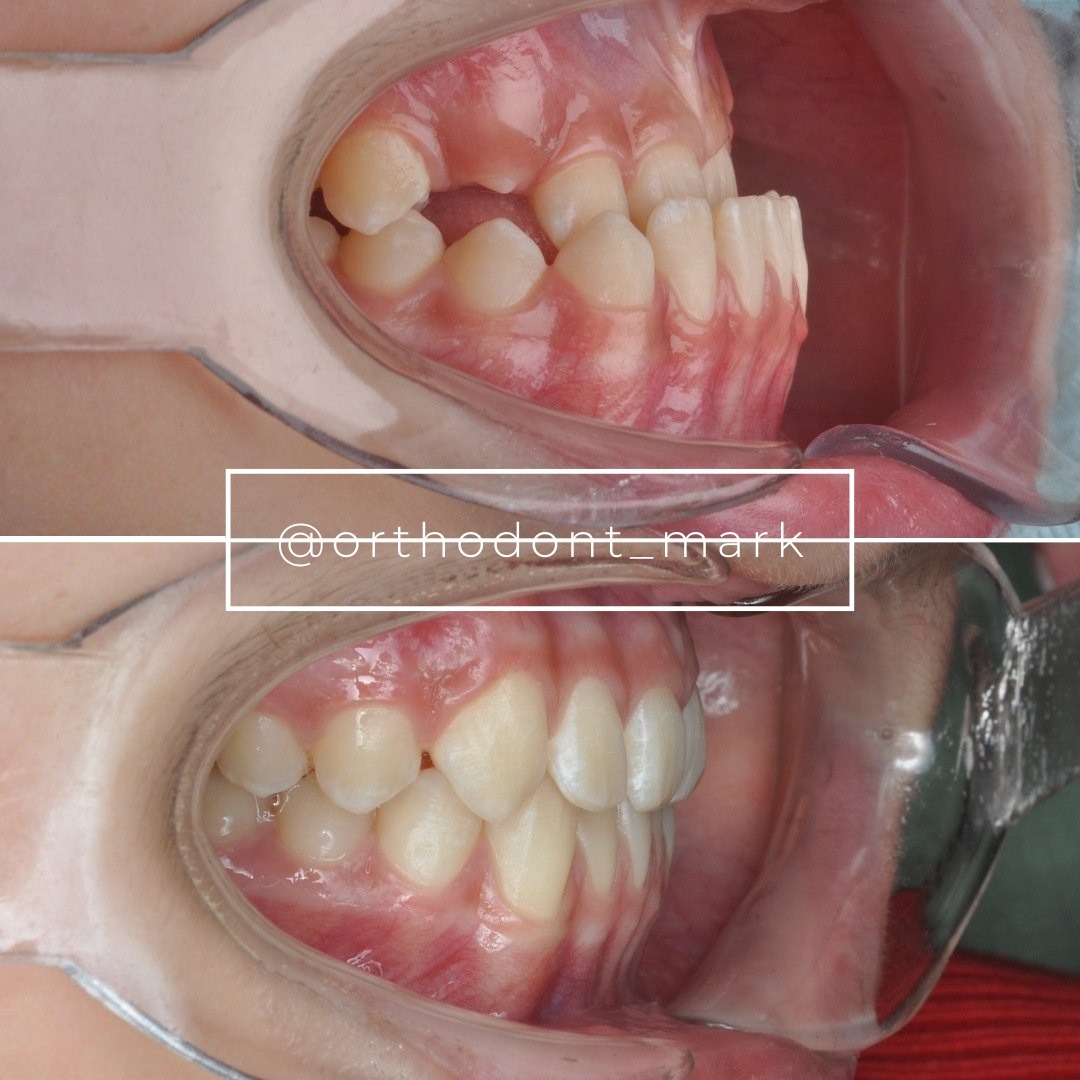
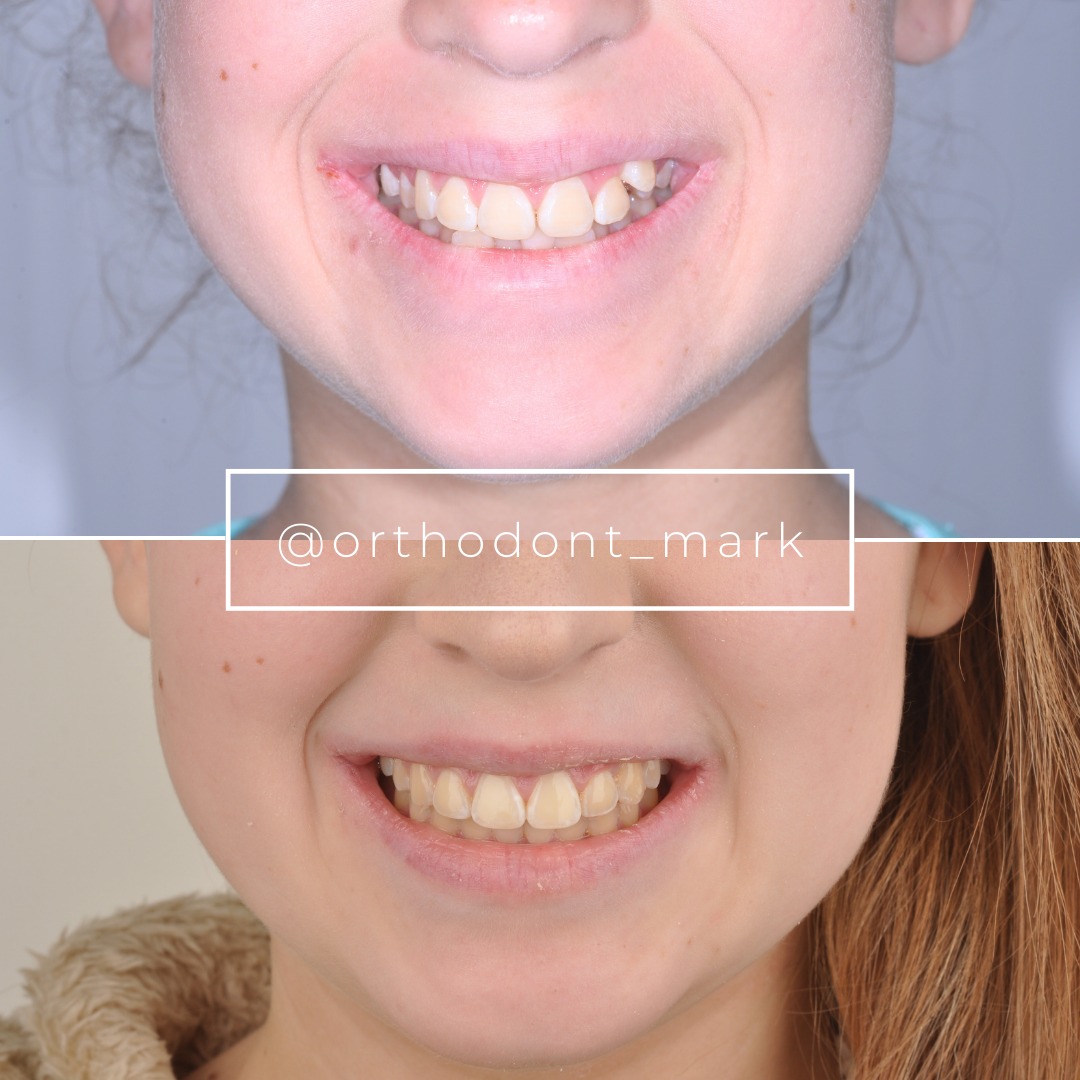
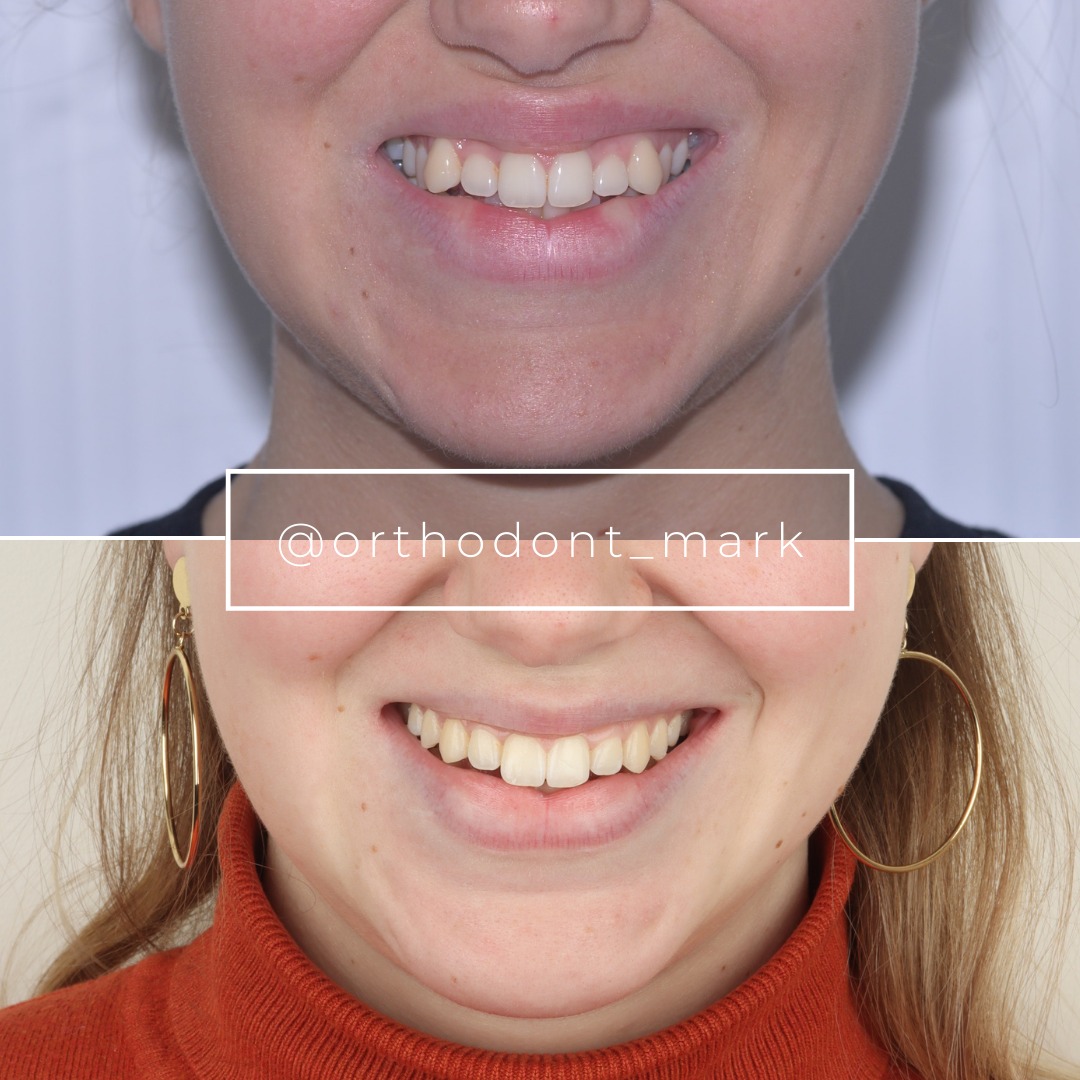
Documented outcomes
Clinical cases from Dr. Mark Radzhabov's practice
Learn the full MARPE protocol from Dr. Mark Radzhabov
Fundamental course covering CBCT patient selection, miniscrew planning, activation protocols, and 60+ clinical cases. Choose the access level that fits your practice.
Essentials of rapid palatal expansion for practicing orthodontists.
- Core RPE concepts and biomechanics
- 6 structured video lessons
- Clinical decision checklists
- Lifetime access to recordings
Deep-dive into MARPE protocol, diagnostics, and clinical execution.
- 6 modules covering MARPE from A to Z
- CBCT case selection walkthroughs
- Miniscrew placement and activation
- 60+ annotated clinical cases
- Direct Q&A with Dr. Mark Radzhabov
5-element medical consultation framework for dentists and orthodontists.
- Trust-building consultation protocol
- 5 lesson modules
- Templates for treatment plan delivery
- Works with any clinical specialty
Clinical FAQ
What is the most common complication of MARPE that patients should expect?
Gingival inflammation around the implants occurs in ~84% of cases and is expected, not pathological. Management includes chlorhexidine rinse and soft-bristle toothbrush. Pain during the first 48 hours post-activation is also common (45%) and resolves with over-the-counter analgesics.
How do I explain asymmetric expansion to a patient during the MARPE consent conversation?
Asymmetric expansion (>1 mm difference) occurs in ~48% of cases and is normal. Explain that it reflects individual bone response, not clinician error, and that it is fully corrected during phase II orthodontics using differential mechanics. Show imaging examples from your own cases.
What should I document to protect myself legally during MARPE informed consent?
Document a narrative summary of the discussion, use a signed checklist of key points (expected complications, timeline, dietary restrictions), provide written activation instructions, schedule early post-activation follow-up, and clarify the retention protocol. This record demonstrates informed consent occurred.
How do I handle a patient who is anxious about miniscrew implants during the consent conversation?
Acknowledge the anxiety, offer sedation or anesthesia options, and clarify the implant placement procedure (typically 5–10 minutes per site under topical or local anesthesia). If anxiety remains severe, discuss whether slower RPE or SARPE under sedation might suit them better.
What are the red flags that suggest a patient is not a good MARPE candidate?
Red flags include high anxiety with needle phobia, poor oral hygiene history, unrealistic expectations, uncontrolled systemic disease, severe scar tissue, or insufficient palatal bone. Discuss these openly and offer alternative treatments (RPE, SARPE) when MARPE is contraindicated.
How do I explain the difference between MARPE and surgical SARPE during informed consent?
MARPE is nonsurgical, uses bone-anchored miniscrews, and has faster suture separation (~90% success rate) with reversible side effects (inflammation, pain, asymmetry). SARPE requires surgical sectioning and general anesthesia but may be necessary if bone density is extremely high or if MARPE fails.
Should parents and adolescent patients participate equally in MARPE consent discussions?
Yes. Direct the clinical explanation to the adolescent (emphasizing that they will feel the discomfort), then address the parent's role in supporting compliance (diet monitoring, hygiene, appointment attendance). Both should sign the consent checklist to ensure shared understanding.
What timeline should I give patients for MARPE expansion and retention?
Active expansion typically takes 8+ weeks (4 cycles of 2-week activation and 1-week deactivation). Retention is 6 months with the appliance locked or in place but not activated. Total treatment time is ~7–8 months before removal and transition to phase II braces.
How do I prepare a patient for the gingival inflammation they will experience during MARPE?
Frame it as expected, not pathological. Explain that redness, swelling, and bleeding around implants mirror normal piercing inflammation. Teach proper hygiene (soft toothbrush, chlorhexidine rinse), and advise them to call only if swelling spreads to the face or if fever develops.
What rare MARPE complications should I disclose in informed consent even if unlikely?
Rare complications (<2% incidence) include temporary hearing loss, sinus infection, numbness, and tooth discoloration (vitality loss). Disclose them briefly, reassure based on your experience and published data, but do not dwell on them—unnecessary emphasis creates unjustified anxiety.
Honest risk talk is not a liability risk—it is the foundation of informed consent and durable patient relationships. When patients understand that gingival inflammation is common (not a failure), that pain is manageable, and that asymmetric expansion responds well to compensatory mechanics, they remain compliant and trusting throughout treatment. Dr. Mark Radzhabov recommends documenting your consent conversation in narrative form in the patient's record and using a signed consent checklist specific to MARPE. To refine your own consent scripts and review case-specific risk communication, explore our MARPE case review and consultation services at Orthodontist Mark.