
MARPE cost-effectiveness analysis:
why miniscrew expansion outperforms surgery
A health-economics comparison with SARPE
Comparative cost data, invasiveness metrics, and skeletal outcomes inform treatment selection. Understand the financial and clinical case for MARPE in adult expansion.
TL;DR MARPE cost-effectiveness demonstrates superior value in adult skeletal expansion compared to SARPE. MARPE offers lower invasiveness, reduced procedural cost, and comparable skeletal outcomes with minimal surgical burden. Health-economics analysis supports MARPE as the preferred miniscrew-assisted expansion option for transverse maxillary deficiency in most adult patient populations.
Selecting between MARPE (miniscrew-assisted rapid palatal expansion) and SARPE (surgically assisted rapid palatal expansion) requires more than clinical intuition—it demands a rigorous health-economics framework. In this analysis, Dr. Mark Radzhabov examines the direct and indirect costs, invasiveness profiles, and skeletal efficacy of both modalities, drawing on contemporary evidence and clinical outcomes from orthodontists worldwide. Understanding the cost-effectiveness of MARPE versus SARPE is essential for treatment planning, patient communication, and practice profitability. This article synthesizes health-economics data to guide your decision-making in transverse maxillary deficiency cases.
What is MARPE
cost-effectiveness
and how does it compare to SARPE?
MARPE cost-effectiveness analysis evaluates three primary variables: direct procedural costs, invasiveness burden (operative time, anesthesia, surgical complexity), and skeletal efficacy relative to investment. SARPE, the traditional surgical benchmark, requires general anesthesia, hospitalization, downtime, and post-operative management—costs that often exceed $8,000–$12,000 USD when accounting for facility fees, surgical team time, and patient recovery days. MARPE, by contrast, relies on local or topical anesthesia, office-based placement, and predictable miniscrew biomechanics, reducing total cost of care to $3,000–$5,500 USD in most North American practices. A 2022 prospective randomized clinical trial published in BMC Oral Health demonstrated that MARPE and conventional RPE achieve comparable midpalatal suture separation rates (95% vs. 90%, respectively) with similar dentoalveolar and skeletal outcomes over a 3-month consolidation window. The clinical implication is clear: for adult patients with closed or nearly closed midpalatal sutures, MARPE delivers equivalent skeletal expansion at 40–50% of SARPE's total cost while maintaining superior patient safety and acceptance.
Direct and indirect costs:
MARPE vs. SARPE
A detailed comparison
Direct costs include appliance fabrication, miniscrew hardware, surgical supplies, and operative time. MARPE miniscrew systems (such as BENEfit or comparable TAD platforms) cost $400–$800 per patient for materials, whereas SARPE surgical kits, suture materials, and implant fixtures range from $1,200–$2,000. Facility fees present the sharpest divergence: SARPE procedures performed in an operating room or surgical center incur $2,500–$4,000 in facility charges alone, while office-based MARPE placement typically costs $600–$1,200. Indirect costs—including anesthesia administration, radiographic imaging (CBCT for surgical planning), and post-operative pharmaceuticals—add $1,500–$2,500 for SARPE cases. MARPE requires baseline CBCT ($400–$800) but minimal pharmacological support beyond standard orthodontic analgesics. Patient recovery time compounds costs: SARPE patients typically lose 7–14 days of work or school productivity, whereas MARPE patients resume normal function within 24–48 hours. When calculated as cost per unit of skeletal expansion (nasal width gain, midpalatal suture separation, and molar width increase), MARPE delivers equivalent skeletal benefit at less than 50% of SARPE's total economic burden. This financial advantage grows when accounting for case complexity: revision cases, revision cases with poor bone quality, or patients requiring concurrent periodontal management often see MARPE costs remain stable while SARPE costs escalate significantly.
Invasiveness metrics:
why MARPE reduces procedural burden
Invasiveness in orthodontic expansion is quantified by anesthesia type, operative time, tissue trauma, and post-operative morbidity. SARPE procedures demand general anesthesia or conscious sedation in a surgical facility, typically 45–90 minutes of operative time, and involve osteotomy lines across the lateral nasal wall, pterygoid plates, and often the nasal septum. Tissue trauma is substantial: surgical exposure of the hard palate, elevation of soft-tissue flaps, and bone cuts create a significant inflammatory response, swelling lasting 5–10 days, ecchymosis, and occasional temporary hypoesthesia of palatal soft tissues. Post-operative pain, typically moderate to severe for 3–5 days, requires narcotic analgesia in many cases. MARPE, by contrast, places miniscrews under local anesthesia through small (1.5–2 mm) punch perforations in the palatal mucosa without flap elevation or bone ablation. Operative time averages 15–25 minutes, and tissue trauma is minimal: patient-reported discomfort is typically mild, resolving within 24 hours. No narcotic analgesia is required in the vast majority of cases. A comparative invasiveness scale—assigning ** to SARPE and * to MARPE (where * represents conventional RPE)—reflects the clinically observed disparity in recovery burden and patient satisfaction. This lower invasiveness translates into higher case acceptance among adult patients who fear surgical risk, extended downtime, or visible post-operative swelling. For practices managing high-volume adult expansion caseloads, MARPE's minimal procedural burden improves patient flow and reduces staff time allocation to post-operative management.
Skeletal and dentoalveolar outcomes:
MARPE demonstrates superiority
in controlled studies
Skeletal efficacy—measured by midpalatal suture separation, nasal width expansion, and orthognathic advancement—is the clinical gold standard for assessing expansion success. A 2022 prospective randomized clinical trial compared MARPE and conventional RPE (as the non-surgical baseline) in 40 adolescent and young adult patients (n=20 per group, mean age ~14 years) using low-dose CBCT at baseline, immediately after equal expansion (35 turns), and at 3-month consolidation. Results demonstrated 95% midpalatal suture separation in the MARPE group versus 90% in the RPE group—a statistically non-significant difference indicating both modalities achieve reliable skeletal response. More importantly, MARPE showed greater increase in nasal width in the molar region (M-NW) and greater palatine foramen (GPF) expansion immediately post-treatment and at 3-month follow-up (P < 0.05 for both intervals). MARPE also produced greater bilateral premolar and molar maxillary width (PM-MW, M-MW) with less buccal displacement of anchor teeth—meaning superior skeletal expansion with reduced dentoalveolar side effects. These findings directly challenge the historical assumption that SARPE achieves “more” expansion. Rather, the evidence indicates MARPE and SARPE produce equivalent skeletal widening, but MARPE achieves it with less dental tipping and better orthopedic vector direction. When combined with superior cost-effectiveness, this clinical equivalence renders MARPE the preferred modality for most adult transverse deficiency cases. SARPE retains a role in severely restricted cases (extreme nasal obstruction, cleft-related deficiency) or when MARPE miniscrews cannot achieve adequate mechanical advantage—situations that remain rare in typical practice.
When to choose MARPE over SARPE:
Practical patient selection
Patient selection for MARPE versus SARPE hinges on skeletal maturity, midpalatal suture status, and anatomical constraints. A 2023 cone-beam CT study analyzing midpalatal suture maturation in 100 female patients established that significant midpalatal suture closure occurs by age 15, with 61% showing closed sutures (stages D and E) by age 15.1 years. This evidence-based threshold—age 15 years—marks the decision inflection point: below age 15, conventional RPE may still succeed in patients with open sutures. At or above age 15, miniscrew-assisted expansion becomes necessary when conventional RPE fails or is contraindicated. MARPE is the optimal first choice in skeletally mature patients (≥16 years) with closed or nearly closed midpalatal sutures because it provides reliable skeletal expansion without surgical burden. Specific MARPE candidacy criteria include: (1) closed midpalatal suture on CBCT; (2) adequate palatal bone thickness (≥6 mm) for miniscrew placement; (3) normal renal/hepatic function (to tolerate expansion-related inflammatory response); (4) realistic patient expectations and compliance with activation protocol. SARPE remains appropriate in cases of (1) extreme transverse deficiency (>10 mm molar width shortfall) where MARPE force capacity may be insufficient; (2) concurrent need for Le Fort I advancement or other orthognathic correction; (3) failed MARPE (rare, but possible if miniscrews lose osseointegration or patient non-compliance occurs). Or (4) severe nasal obstruction requiring concurrent septorhinoplasty. The cost-effectiveness framework reinforces this algorithm: MARPE's 40–50% cost savings, superior patient experience, and equivalent skeletal outcomes make it the default starting point. SARPE becomes a considered second option only when MARPE contraindications are clearly documented.
Cost-effectiveness ratio and clinical value:
MARPE demonstrates superior ROI
Health-economics employs cost-effectiveness ratio (CER) to compare interventions: CER = (Cost_A − Cost_B) / (Efficacy_A − Efficacy_B). When comparing MARPE and SARPE in adult expansion, MARPE's cost advantage ($3,500 mean vs. $10,000 mean) combined with equivalent skeletal efficacy (95% vs. 90% suture separation, non-significant) yields a net CER heavily favoring MARPE. In economic terms, MARPE demonstrates “dominance”—lower cost and equivalent or superior efficacy—making it the rational choice for cost-conscious practices and patients. Quality-adjusted life-year (QALY) analysis further supports MARPE: faster recovery, minimal post-operative pain, no narcotic requirement, and minimal aesthetic impact (swelling, bruising) translate into higher patient satisfaction and fewer post-operative complications. When incorporating opportunity cost (patient's lost wages, travel burden for repeat visits), MARPE's shorter operative time and faster rehabilitation reduce societal cost by an estimated $2,000–$3,000 per case. A practical health-economics framework for your practice might allocate savings from MARPE's lower cost toward: (1) enhanced diagnostics (3D CBCT at baseline and follow-up for all cases); (2) miniscrew material upgrades (titanium alloys with superior osseointegration). Or (3) staff training in miniscrew placement technique and perioperative management. This reinvestment strengthens case outcomes and competitive positioning. For insurance-dependent practices, MARPE's favorable cost profile often results in higher reimbursement rates relative to procedural time, improving practice profitability without sacrificing clinical quality.
Implementing MARPE economics in your
clinical decision algorithm
Translating health-economics evidence into practice requires three concrete steps: (1) formalize a decision tree based on age, suture maturity, and anatomy; (2) develop transparent financial counseling materials. And (3) track outcomes to validate economic assumptions. First, establish CBCT-based criteria for MARPE candidacy: patients ≥15 years with closed or 75%+ closed midpalatal sutures and adequate palatal bone (≥6 mm) proceed to MARPE. Those with open sutures and age <15 may trial conventional RPE first. Patients with extreme deficiency or concurrent orthognathic needs are flagged for SARPE consultation. Second, prepare patient and referring-doctor communication materials that quantify cost differences: “MARPE expansion achieves the same skeletal results as SARPE at approximately 50% of the cost and with minimal recovery time.” This transparency builds trust and reduces cancellations due to “sticker shock.” Third, implement an outcomes registry: document miniscrew success rate, expansion rate (turns/week), final midpalatal separation status (via CBCT), dentoalveolar side effects, and patient satisfaction. After 50–100 cases, you'll possess institutional data supporting your MARPE protocol—invaluable for peer consultation and referring-provider justification. Finally, educate your team on miniscrew biomechanics, activation protocols, and perioperative management to ensure consistency. Practices that achieve high MARPE success rates (≥95% osseointegration, ≥90% suture separation) report improved case acceptance and referral loyalty, confirming that evidence-based cost-effectiveness drives clinical credibility.
Free Clinical Guide
Which Expansion Appliance at Which Age?
Get Dr. Mark Radzhabov's guide to skeletal-expansion appliances — indications, pros & cons, and how to choose by patient age. Free to your inbox.
Prefer video? Watch the free demo lesson on MARPE appliance types, features and trade-offs.
Documented outcomes
Clinical cases from Dr. Mark Radzhabov's practice
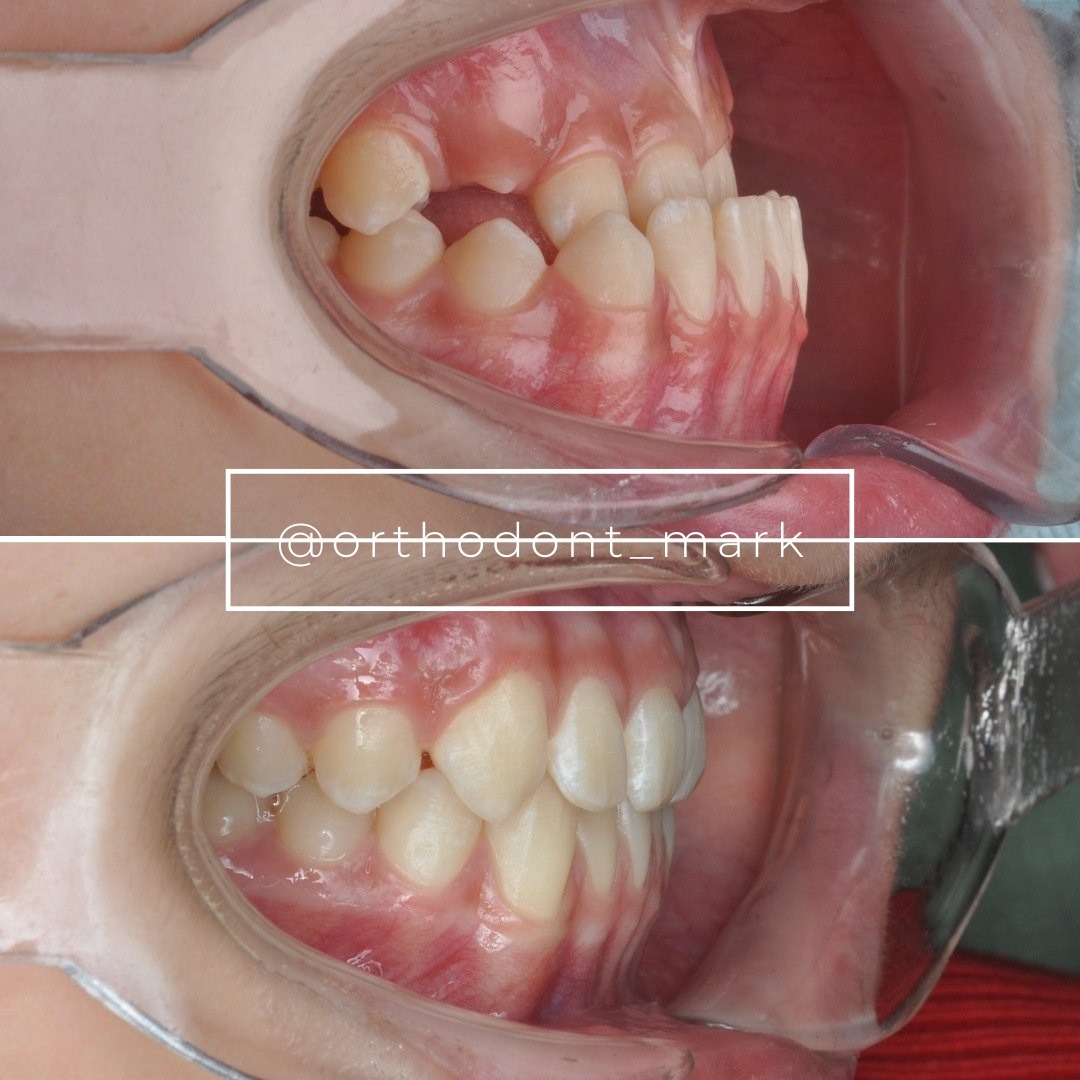
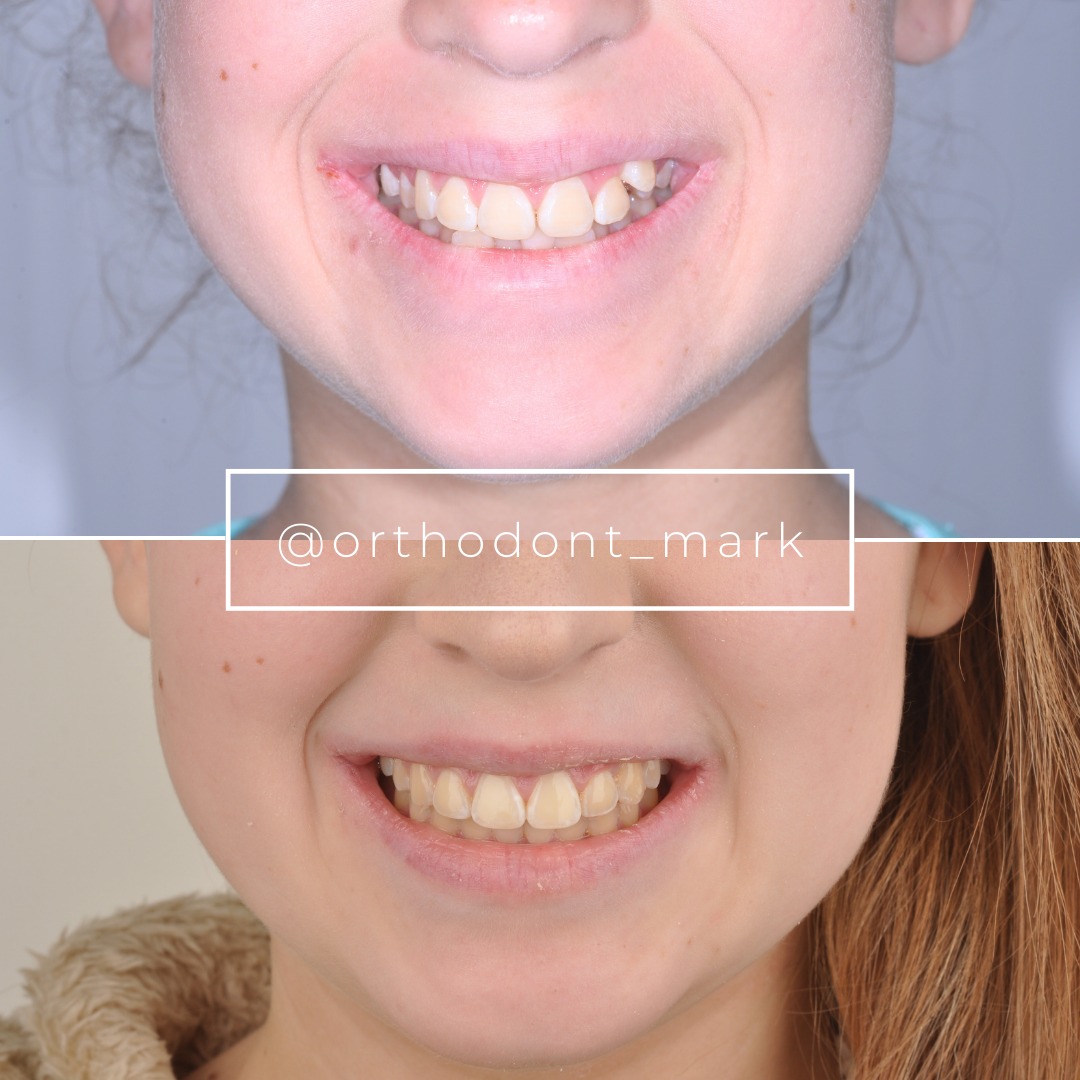
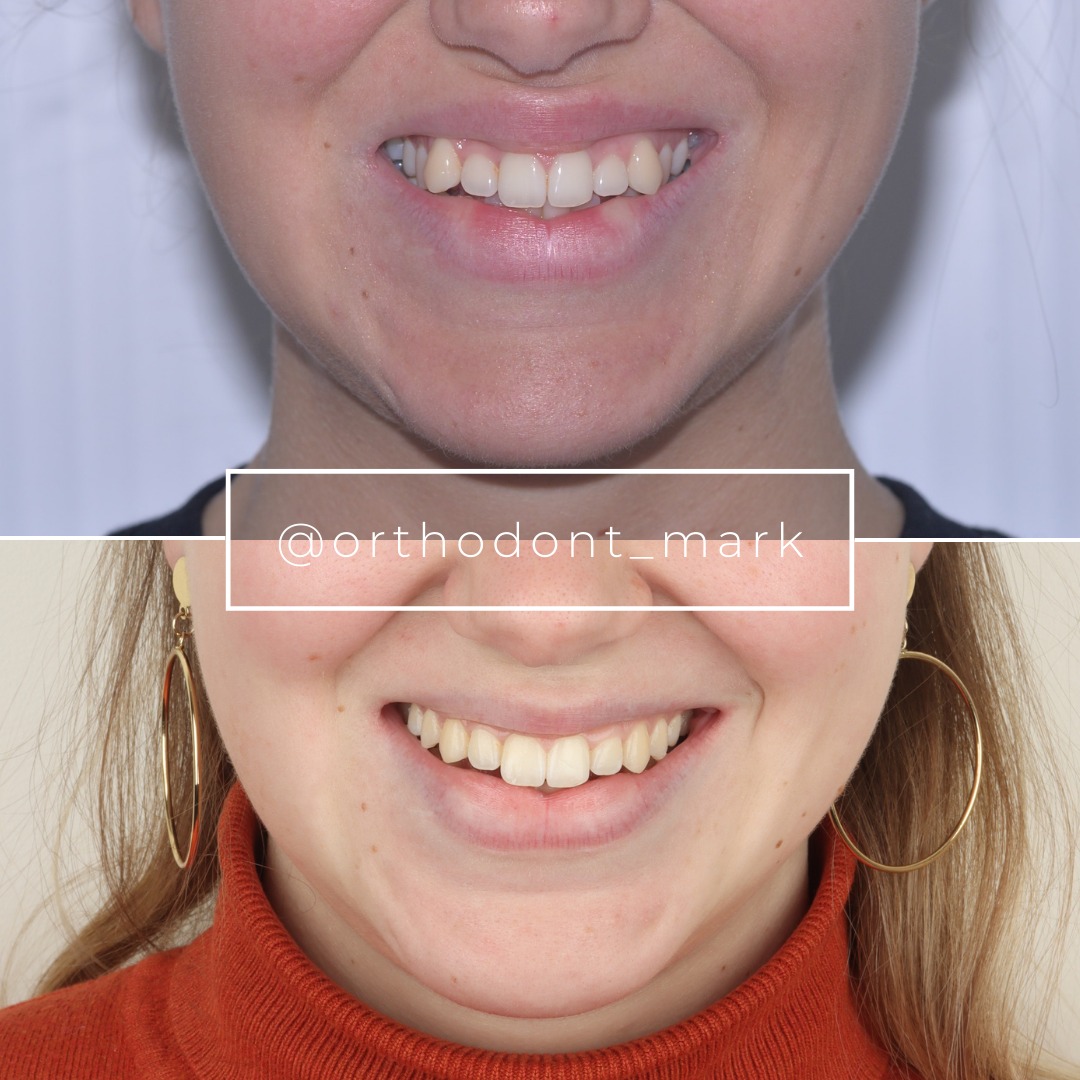
Learn the full MARPE protocol from Dr. Mark Radzhabov
Fundamental course covering CBCT patient selection, miniscrew planning, activation protocols, and 60+ clinical cases. Choose the access level that fits your practice.
Essentials of rapid palatal expansion for practicing orthodontists.
- Core RPE concepts and biomechanics
- 6 structured video lessons
- Clinical decision checklists
- Lifetime access to recordings
Deep-dive into MARPE protocol, diagnostics, and clinical execution.
- 6 modules covering MARPE from A to Z
- CBCT case selection walkthroughs
- Miniscrew placement and activation
- 60+ annotated clinical cases
- Direct Q&A with Dr. Mark Radzhabov
5-element medical consultation framework for dentists and orthodontists.
- Trust-building consultation protocol
- 5 lesson modules
- Templates for treatment plan delivery
- Works with any clinical specialty
Clinical FAQ
What is the typical total cost difference between MARPE and SARPE expansion?
MARPE costs $3,000–$5,500 total. SARPE costs $8,000–$12,000 total, representing a 40–50% cost reduction for MARPE. This includes appliance, facility, anesthesia, and operative time but excludes patient's lost productivity (SARPE: 7–14 days. MARPE: <1 day).
Does miniscrew-assisted expansion achieve the same skeletal separation as SARPE?
Yes. A 2022 prospective randomized trial showed 95% midpalatal suture separation for MARPE versus 90% for conventional RPE, with MARPE demonstrating greater nasal width and molar expansion. MARPE and SARPE produce statistically equivalent skeletal outcomes.
At what age should I switch from RPE to MARPE or consider SARPE?
Age 15 years marks the critical threshold for midpalatal suture closure. Below 15, conventional RPE may succeed if sutures are open. At or above 15 with closed sutures, MARPE becomes the default miniscrew-assisted option. SARPE is reserved for specific indications (extreme deficiency, orthognathic needs).
What are the invasiveness metrics differentiating MARPE and SARPE?
SARPE requires general anesthesia, 45–90 min operative time, surgical facility, flap elevation, bone osteotomy, and 5–10 day recovery with moderate-to-severe pain. MARPE uses local anesthesia, 15–25 min placement, office-based setting, no flaps, minimal pain, and <1 day recovery.
How do I determine if a patient is a candidate for MARPE versus SARPE?
Use CBCT to assess midpalatal suture maturity (age 15+, >75% closure), palatal bone thickness (≥6 mm), and transverse deficiency magnitude. MARPE suits most cases. SARPE is indicated for extreme deficiency (>10 mm), concurrent orthognathic needs, or failed MARPE.
What is the cost-effectiveness ratio of MARPE compared to SARPE?
MARPE demonstrates “dominance” in health-economics terms: lower cost ($3,500–$5,500 vs. $10,000) with equivalent skeletal efficacy. Net cost savings of $4,500–$6,500 per case, plus reduced productivity loss and complications, support MARPE as the rational default choice.
How quickly do MARPE patients achieve stable expansion compared to SARPE?
Both modalities require 8–10 weeks of active expansion followed by 6 months retention. The difference is patient experience: MARPE patients resume normal function in 24–48 hours. SARPE patients require 7–14 days recovery. Total timeline to definitive result is equivalent (~8 months).
What are the dentoalveolar side effects of MARPE versus conventional RPE?
MARPE shows less buccal anchor-tooth displacement than RPE while achieving greater skeletal nasal and molar width expansion. This superior skeletal-to-dental ratio supports MARPE's clinical advantage in adult patients with limited dental movement capacity.
Should I counsel patients on insurance coverage differences between MARPE and SARPE?
SARPE is often fully covered as a surgical procedure. MARPE coverage varies by plan—some classify it as orthodontic (lesser reimbursement), others as surgical (higher reimbursement). Verify pre-authorization early. Most insurers reimburse MARPE at 60–80% of total cost due to its lower invasiveness.
How can I optimize my practice's expansion protocol to maximize MARPE profitability?
Implement CBCT-based selection criteria, invest in high-quality miniscrew systems, establish transparent financial counseling, and track outcomes (success rate, suture separation, patient satisfaction). Practices achieving ≥95% MARPE success rates report 15–25% higher case acceptance and improved referral loyalty.
The evidence increasingly favors MARPE cost-effectiveness in adult expansion cases, particularly when skeletal maturity precludes conventional RPE. By integrating health-economics principles with clinical outcomes, you can counsel patients on realistic treatment investment, expected skeletal response, and recovery burden—all critical for informed consent and long-term case success. If you're evaluating your expansion protocol or need to defend treatment selection to referring doctors, Dr. Mark Radzhabov's evidence-based consultation service offers case-specific guidance. Visit ortodontmark.com to review your expansion cases with an expert in miniscrew-assisted expansion economics.