
MARPE Decision in 30 Seconds:
Rapid Triage Heuristic
for Skeletal Expansion Screening
A data-driven three-point screening protocol to predict miniscrew-assisted rapid palatal expansion success before treatment planning, based on age, sex, and midpalatal suture maturity.
TL;DR The MARPE decision in 30 seconds hinges on three rapid triage factors: chronological age (success peaks before age 25), biological sex (females show 94% suture separation vs. 61% in males), and midpalatal suture maturity on radiographs. A prospective randomized clinical trial demonstrated that MARPE achieves greater skeletal nasal width than conventional expansion with reduced dental tipping—but age-dependent outcomes demand clinician judgment before treatment planning.
Maxillary transverse deficiency in adolescents and young adults demands swift clinical judgment—but deciding between conventional rapid palatal expansion, surgical intervention, or miniscrew-assisted rapid palatal expansion (MARPE) can feel like a black box. Dr. Mark Radzhabov at Orthodontist Mark distills the evidence into a 30-second triage heuristic: three data points that separate candidates who will succeed from those at risk for failure. This article unpacks the rapid triage MARPE decision-making framework, grounded in recent prospective trials and clinical outcomes, to help you make faster, evidence-backed calls in the consultation chair.
What Is the MARPE Decision
Rapid Triage Heuristic
and Why It Matters
The MARPE decision in 30 seconds is a rapid triage heuristic that condensed a decade of clinical evidence into three screening variables: chronological age, biological sex, and midpalatal suture maturity on periapical or CBCT imaging. Unlike subjective case-by-case judgment, this protocol provides a predictive benchmark: which patients are likely to achieve successful midpalatal suture separation with miniscrew-assisted expansion, and which should be directed toward surgical or staged treatment pathways. Why does this matter? Because conventional rapid palatal expansion (RPE) relies entirely on dental and alveolar leverage—teeth act as anchors, and as the palate expands, the anchor teeth tip buccally, introducing dentoalveolar side effects. Miniscrew-assisted rapid palatal expansion (MARPE) bypasses dental anchorage by loading the midpalatal suture directly through bone-borne fixation, which shifts the expansion vector from dental crowns to skeletal bone. However, MARPE success depends critically on whether the midpalatal suture will actually separate under load. That probability changes dramatically with age and sex, and it is invisible to the naked eye. The rapid triage heuristic gives you a 30-second answer: Ask three questions, read the radiographs, and predict your likelihood of success before investing in miniscrew placement and appliance activation.
Chronological Age and Suture
Maturity Interdigitation
in MARPE Outcomes
Age is your first rapid screening variable. The midpalatal suture gradually transitions from a loose, collapsing structure (childhood) to a dense, interlocking lattice of bone (adulthood) as the patient matures. This interdigitation—the mechanical "locking". Of suture edges—increases predictably with age and fundamentally changes the biomechanics of expansion. In clinical practice, MARPE success rates follow an age gradient: patients under 25 years old show the highest success rates for suture separation. Success declines measurably in the late 20s and continues to drop through the 30s and beyond. A retrospective analysis of 215 subjects (ages 6–60) by Jeon et al. (2022, Clinical Oral Investigations) found that older patients—particularly males in their 40s and 50s—face substantially reduced likelihood of achieving sufficient basal bone expansion when treated with miniscrew-assisted expansion alone. The practical implication: If your patient is under 25 with a patent midpalatal suture (visible on radiograph), MARPE is your first-line choice for skeletal expansion. Between ages 25 and 35, the decision becomes contingent—suture maturity on imaging becomes your deciding factor. After 35, especially in males, frank discussion about surgical alternatives or combined surgical–orthodontic protocols becomes clinically responsible. Age is not destiny, but it strongly predicts your expansion outcome.
Sex-Dependent MARPE Success
Rates and Clinical Implications
for Patient Counseling
The second triage variable is biological sex—and the data are dramatic. Female patients consistently demonstrate suture separation rates near 94%, while male patients show only 61% success. This is not a small margin. It is a 33-percentage-point difference that appears across all age groups and demands explicit clinical acknowledgment. Why? Skeletal maturity and suture ossification appear to progress faster and more extensively in males than females, independent of chronological age. Some evidence suggests that testosterone-driven bone maturation accelerates midpalatal suture interdigitation in males. Whether the mechanism is hormonal, biomechanical, or both remains an area of active research, but the clinical fact is unambiguous: a 30-year-old female and a 30-year-old male have markedly different probabilities of successful MARPE-driven suture separation. Practical triage: In your 30-second screening, if your patient is female and under 35, MARPE success is highly probable (>90%). If your patient is male and over 30, you must verify suture maturity on imaging and consider discussing staged or surgical options. If your patient is a male over 40, surgical assistance should be part of your informed-consent conversation. This is not a contraindication to MARPE—it is a risk-stratification tool that improves your outcomes and patient satisfaction.
Midpalatal Suture Maturity on
Periapical and CBCT Imaging
as the Final Triage Gate
The third and final triage variable is radiographic confirmation: Look at the midpalatal suture on a periapical radiograph or, preferably, a low-dose CBCT volume. In children and young adolescents, the suture appears as a clear radiolucent (dark) line running sagittally through the hard palate—a simple, collapsing structure. As the patient ages, this line becomes progressively denser, more irregular, and eventually (by the 50s) may be nearly radiographically invisible due to complete ossification. On periapical film, a clear, uninterrupted dark line suggests a patent, separable suture—your green light for MARPE. A partial or interrupted suture suggests intermediate maturity and warrants CBCT confirmation. A dense, sclerotic, or nearly invisible suture on plain film is your caution signal and should trigger either CBCT clarification or a pivot toward surgical-assisted expansion. CBCT provides superior definition and allows you to measure actual suture separation post-treatment, but the three-factor rapid triage can be completed on standard intraoral radiographs in 30 seconds. Dr. Mark Radzhabov and many clinicians in the miniscrew-assisted expansion space have standardized low-dose CBCT pre-treatment imaging to confirm suture anatomy, measure palatal height and width, and verify miniscrew placement zones. This removes guesswork and aligns your radiographic prediction with actual treatment outcomes. Before activating any MARPE appliance, confirm suture maturity on imaging—it is the final gate in your triage protocol.
Rapid Triage MARPE Protocol:
Three Questions
and Your Decision Point
Here is the MARPE decision in 30 seconds, formatted as a clinical flowchart you can commit to memory: Question 1: How old is the patient? If under 25, proceed to Question 2. If 25–35, note the age and move to Question 2 with heightened radiographic scrutiny. If over 35, especially if male, mark this case as high-risk and plan CBCT confirmation before any commitment. Question 2: Is the patient male or female? Female patients across all age ranges show 94% suture separation success. Male patients show only 61% overall. Use this sex differential to contextualize your age assessment. A 28-year-old female is low-risk. A 28-year-old male is moderate-risk. Question 3: What does the midpalatal suture look like on the PA radiograph? Take 15 seconds to examine the sagittal suture line in the hard palate. Is it a clear dark line (patent), a hazy or interrupted line (intermediate), or barely visible (ossified)? Match the radiographic appearance to your age and sex assessment. If patent + female + under 35: proceed with confidence. If patent + male + over 30: confirm with CBCT. If ossified + either sex + over 40: discuss SARPE or staged protocols. This is not a rigid algorithm—it is a rapid risk-stratification framework that informs your clinical judgment. Every patient deserves informed consent, and these three factors provide the evidence base for that conversation. MARPE success is highest in young females with patent sutures. It declines predictably in older males with dense sutures. Your 30-second assessment flags the cases most likely to succeed and alerts you to those needing additional planning.
MARPE vs. Conventional RPE:
Skeletal and Dentoalveolar Comparison
on Low-Dose CBCT
Beyond the rapid triage heuristic, it is worth understanding what MARPE actually accomplishes—because the skeletal expansion benefits justify the additional invasiveness and cost compared to conventional tooth-borne expansion. A prospective randomized clinical trial compared conventional RPE and miniscrew-assisted rapid palatal expansion (MARPE) in 40 patients (14 male, 26 female. Mean age ~14 years) using low-dose CBCT imaging at baseline, immediately after 35 turns of identical expansion, and after a 3-month consolidation period. The results were striking on the skeletal side: MARPE produced significantly greater increases in nasal width at the molar region and greater palatine foramen expansion—markers of true basal bone expansion—compared to conventional RPE. More clinically relevant, MARPE reduced buccal tipping of the anchor teeth (premolars and molars) across all measured points. This means less dentoalveolar compensation and a more purely skeletal result. The midpalatal suture separation frequency was similar in both groups (~90–95%), but the distribution of expansion was fundamentally different: MARPE shifted loading from dental roots to the maxillary skeletal base itself. For patients with constricted maxillae and limited airway space (common in sleep-disordered breathing populations), this skeletal-dominant expansion pattern can be clinically significant. For patients with prior orthodontic relapse or severe crowding requiring space gain at the bone level, MARPE offers a mechanical advantage. However, these benefits come with the cost of miniscrew placement, longer treatment duration, and the age-dependent success rates outlined in your rapid triage protocol.
Free Clinical Guide
Which Expansion Appliance at Which Age?
Get Dr. Mark Radzhabov's guide to skeletal-expansion appliances — indications, pros & cons, and how to choose by patient age. Free to your inbox.
Prefer video? Watch the free demo lesson on MARPE appliance types, features and trade-offs.
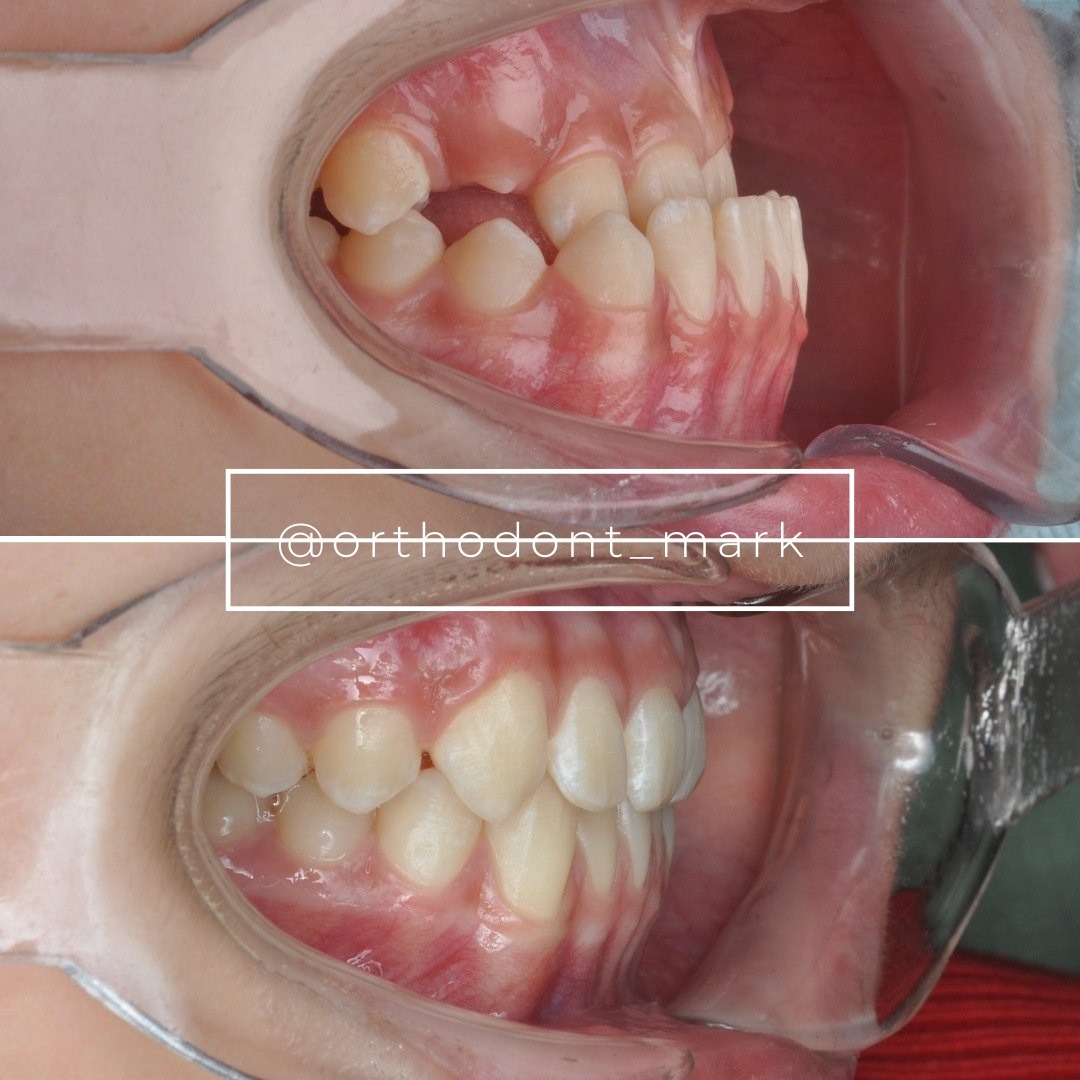
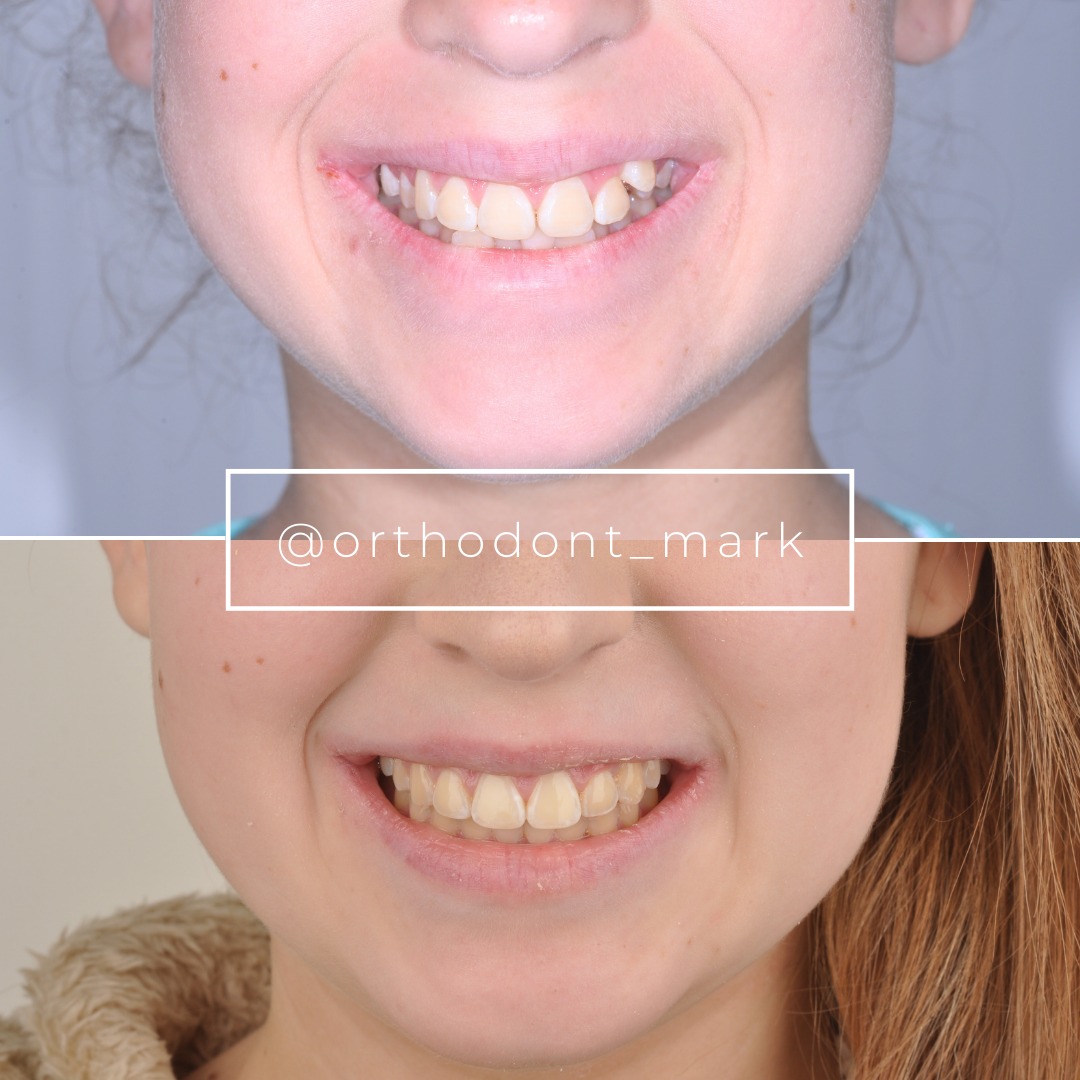
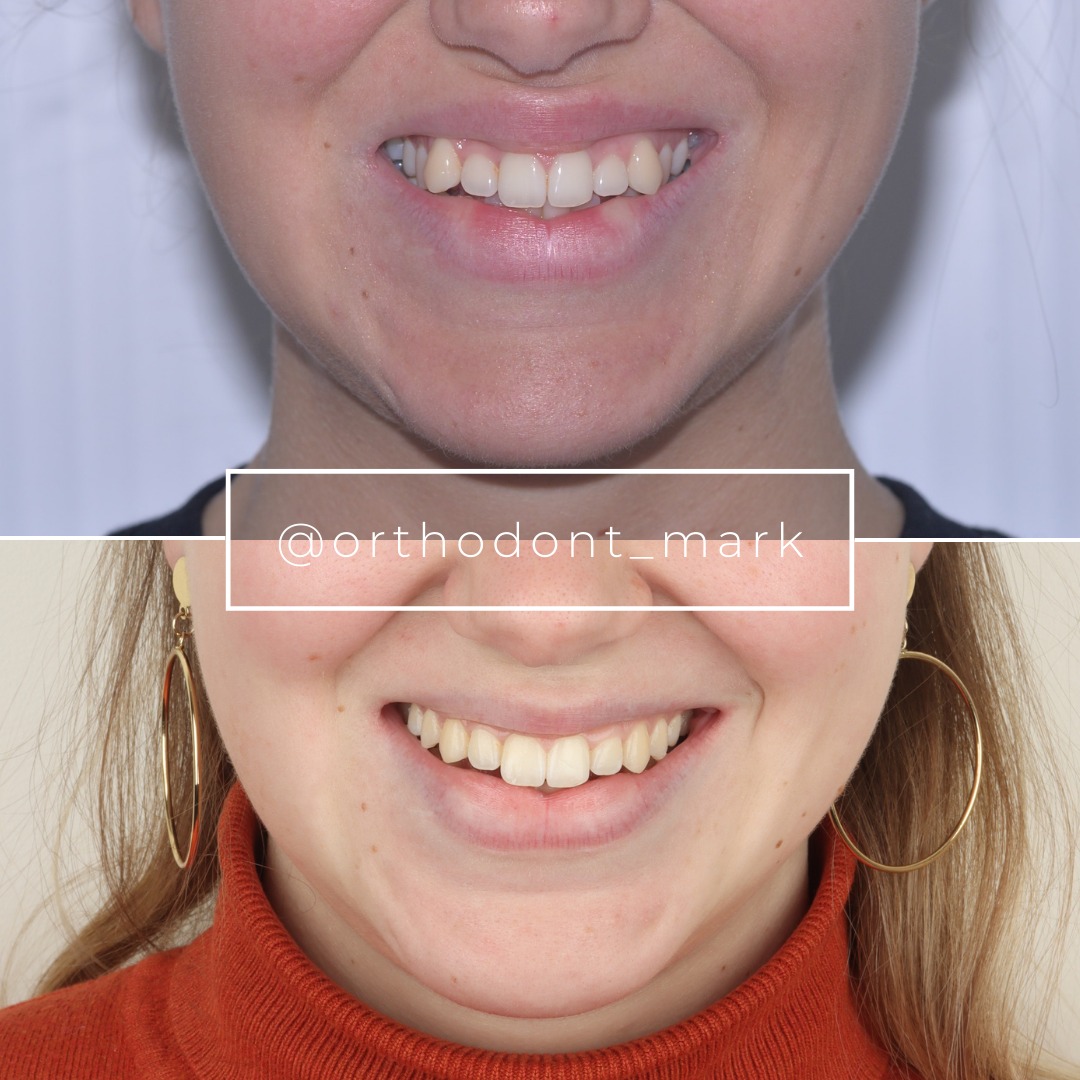
Documented outcomes
Clinical cases from Dr. Mark Radzhabov's practice
Learn the full MARPE protocol from Dr. Mark Radzhabov
Fundamental course covering CBCT patient selection, miniscrew planning, activation protocols, and 60+ clinical cases. Choose the access level that fits your practice.
Essentials of rapid palatal expansion for practicing orthodontists.
- Core RPE concepts and biomechanics
- 6 structured video lessons
- Clinical decision checklists
- Lifetime access to recordings
Deep-dive into MARPE protocol, diagnostics, and clinical execution.
- 6 modules covering MARPE from A to Z
- CBCT case selection walkthroughs
- Miniscrew placement and activation
- 60+ annotated clinical cases
- Direct Q&A with Dr. Mark Radzhabov
5-element medical consultation framework for dentists and orthodontists.
- Trust-building consultation protocol
- 5 lesson modules
- Templates for treatment plan delivery
- Works with any clinical specialty
Clinical FAQ
What is the optimal age window for MARPE treatment in non-growing patients?
MARPE success is highest under age 25. Measurably declines ages 25–35. And faces substantial risk over 35, especially in males. Biological sex modulates this trend—females maintain high success rates (>90%) across broader age ranges than males.
How do male and female MARPE success rates differ clinically?
Female patients achieve 94.17% suture separation success. Male patients achieve only 61.05%—a 33-point difference (Jeon et al., 2022, Clinical Oral Investigations). This sex-dependent outcome is independent of chronological age and should inform informed consent conversations.
What radiographic signs predict MARPE expansion success or failure?
A clear, uninterrupted dark line on the midpalatal suture (periapical film) indicates a patent, separable suture—green light for MARPE. Dense, sclerotic, or nearly invisible sutures signal high maturity and warrant CBCT confirmation or surgical alternatives.
Should I use CBCT before every MARPE case, or only in uncertain cases?
Dr. Mark Radzhabov and evidence-based clinicians recommend low-dose CBCT pre-treatment for all MARPE cases to confirm suture anatomy, verify miniscrew placement zones, and measure post-treatment separation—removing radiographic ambiguity and improving outcomes.
How does MARPE skeletal expansion differ biomechanically from conventional RPE?
MARPE loads the midpalatal suture directly through bone-anchored miniscrews, producing greater basal bone expansion and reduced buccal tipping of anchor teeth compared to tooth-borne RPE, which relies entirely on dental leverage and anchorage.
What is the 30-second MARPE triage protocol I should use in consultation?
Ask three rapid questions: (1) How old is the patient? (2) Is the patient male or female? (3) Is the midpalatal suture patent on radiographs? Match age + sex + suture maturity to predict success likelihood and inform treatment planning.
At what age should I recommend surgical-assisted palatal expansion over MARPE?
Frankly discuss SARPE as an alternative when the patient is over 35–40, especially if male with a dense/ossified suture on imaging. MARPE alone in older males faces 50% or greater failure risk for adequate basal expansion.
Can MARPE be successfully used in adults over 40?
MARPE can be attempted in adults over 40, but success rates drop substantially—particularly in males. Suture maturity on CBCT and frank discussion of surgical options should precede treatment planning in this age group.
How does midpalatal suture maturity progression affect MARPE outcomes across decades?
The suture transitions from patent (collapsing, childhood) to dense interdigitated bone (adulthood). This interdigitation increases predictably with age and reduces MARPE success. Radiographic maturity on CBCT is the final triage gate before miniscrew placement.
What is the consolidation period and retention timeline after MARPE expansion?
Clinical protocols typically include 6–12 weeks of active expansion, followed by 6 months of retention (appliance left in place), then removal. Low-dose CBCT confirmation at 3 months post-expansion assesses suture separation and consolidation before appliance removal.
The MARPE decision in 30 seconds is not a guess—it is anchored in age, sex, and radiographic suture maturity. Females under 30 with clear midpalatal suture definition represent your highest-success cohort. Older males, particularly those over 35, demand frank conversation about surgical alternatives. Dr. Mark Radzhabov recommends pairing this rapid screening with low-dose CBCT confirmation before loading to maximize your expansion success rate. Ready to systematize your case triage? Schedule a consultation or review a live case study on the Orthodontist Mark platform to apply this protocol to your patient population.

