
MARPE Documentation for Litigation:
What Records Protect You
Comprehensive informed consent, imaging protocols, and treatment logs are your best defense against orthodontic litigation. Learn the documentation standards that establish clinical judgment and prove standard-of-care.
TL;DR MARPE documentation for litigation requires comprehensive informed consent, detailed treatment notes, baseline and post-expansion CBCT imaging, activation protocols, and radiographic evidence of suture separation. Proper medicolegal records protect against malpractice claims by establishing clinical judgment, patient selection criteria, and evidence-based technique application. Documentation should include skeletal maturity assessment, risk disclosure, and outcome monitoring.
Miniscrew-assisted rapid palatal expansion (MARPE) litigation risk hinges on documentation quality. In this article, Dr. Mark Radzhabov outlines the essential records, consent protocols, and radiographic evidence that protect your practice from medicolegal exposure. Whether you are treating adolescents with open sutures or mature adults with fused midpalatal anatomy, comprehensive MARPE documentation—including imaging, informed consent, and protocol notes—establishes clinical judgment and demonstrates standard-of-care adherence. This guide provides actionable frameworks for building litigation-resistant files.
What Is MARPE Documentation for
Litigation Protection
MARPE documentation for litigation comprises the systematic clinical record that demonstrates your adherence to standard-of-care throughout diagnosis, treatment planning, informed consent, active expansion, and retention phases. This record includes skeletal maturity assessment, CBCT imaging analysis, written informed consent signed by the patient or guardian, detailed treatment notes documenting activation protocols, radiographic evidence of midpalatal suture separation, and consolidation period monitoring. A complete file protects you by establishing that clinical decisions were evidence-based, patient risks were disclosed, and outcomes were monitored according to accepted protocols. Courts and expert witnesses evaluate whether your documentation shows you followed accepted techniques and monitored for complications. Without comprehensive records, even successful cases become defensible only through testimony. With solid documentation, your file speaks for itself. Orthodontists who manage MARPE cases face higher litigation risk because expansion outcomes depend on skeletal maturity, age, sex, and individual anatomical response—factors that require transparent informed consent and baseline documentation. The BENEfit system and other miniscrew-assisted devices offer precision, but that precision must be supported by detailed clinical records that track screw placement, loading protocols, and radiographic response.
Essential Records: The MARPE Documentation
Checklist
What Must Be in Your File
Your MARPE documentation file must include six foundational elements: (1) Patient demographics and skeletal maturity assessment—documented chronological age, cervical vertebral maturation stage (CVMS) or dental stage, and any anatomical risk factors. (2) Baseline CBCT imaging with three-dimensional analysis of the midpalatal suture, nasal width, and palatal anatomy, stored with radiologist report. (3) Signed informed consent addressing expansion mechanism, anticipated skeletal response, dentoalveolar side effects (buccal tipping of anchor teeth, alveolar bone resorption risk in some cases), timing of suture separation expectations, and documented discussion of age-dependent success rates. (4) Detailed treatment planning notes explaining patient selection criteria, why MARPE was chosen over RPE or SARPE, and expected outcomes based on age and skeletal status. (5) Activation and protocol logs documenting screw placement date, insertion torque, loading timeline (typical protocols call for 1–2 week latency, then 0.5 mm/day or 4 turns per day), consolidation period length, and any deviation from standard protocol. (6) Serial radiographs or CBCT imaging at post-expansion and 3–6 month consolidation intervals showing evidence of midpalatal suture separation or bone response. Evidence from recent studies shows that midpalatal suture separation occurs in 79.5–95% of MARPE cases, with lower rates in older males. Documenting this anatomical response is critical. Each element serves a specific legal purpose: demographics establish informed decision-making, imaging proves baseline status and post-treatment change, consent protects against battery and negligence claims, treatment notes show standard-of-care adherence, and outcome imaging validates your clinical assertions.
Skeletal Maturity Assessment and Patient
Selection Documentation
Your MARPE documentation must clearly show how you assessed skeletal maturity and why you selected MARPE over other expansion methods. Record the patient's cervical vertebral maturation stage (CVMS) or hand-wrist radiograph stage, dental stage, and any clinical observations (e.g., pubertal stage, growth velocity assessment). For adolescents, document whether the patient is pre-pubertal, pubertal, or post-pubertal, because this determines success likelihood and informs consent. For adults, explicitly note chronological age and explain why you chose MARPE rather than surgical assistance (SARPE) or tooth-borne RPE. Research shows that MARPE success and amount of suture separation decrease significantly with age, particularly in males over 25. Failure to document this reasoning exposes you to claims that you applied an inappropriate technique. Your notes should explain: (1) why this patient is a candidate for non-surgical expansion, (2) what imaging or clinical evidence supports your skeletal maturity assessment, (3) what outcome you expect based on the patient's age and sex, and (4) what alternative techniques were considered and why MARPE was chosen. If a patient is borderline (e.g., a 28-year-old male with moderate transverse deficiency), document a discussion of SARPE as an alternative and the patient's informed choice to attempt MARPE first. This documentation demonstrates that your treatment selection was not automatic but based on evidence-based criteria. Additionally, if the patient is a younger female (higher success rate) versus an older male (lower success rate), note this in your documentation—it shows you understood and factored in the sex- and age-dependent variation in suture separation success.
Informed Consent: What Must Be
Disclosed and Documented
Informed consent is the cornerstone of orthodontic documentation for litigation. Your MARPE consent form must address: (1) Mechanism of expansion—explain that MARPE uses miniscrews anchored to palatal bone to apply direct skeletal force, bypassing dental anchorage, which reduces dentoalveolar side effects compared to tooth-borne RPE. (2) Expected skeletal response—disclose that successful suture separation depends on patient age, sex, and skeletal maturity, with lower success rates in males (Jeon et al. (2022), Clinical Oral Investigations: 61.05% in males versus 94.17% in females across a 6–60 year sample). (3) Dentoalveolar changes—document that MARPE still causes some dentoalveolar changes, including buccal tipping of anchor teeth, though less than conventional RPE. A 2022 prospective trial showed that MARPE resulted in lesser buccal displacement of anchor teeth compared to RPE, but buccal movement still occurred. (4) Timing and protocol—explain the typical latency period (1–2 weeks post-insertion before activation begins), activation schedule (0.5 mm/day or 4 turns daily is common), and consolidation period (typically 6 months to 1 year of retention after expansion ends). (5) Complications—disclose potential miniscrew loosening, screw fracture, soft-tissue irritation, infection risk, and the rare but possible failure to achieve suture separation (requiring SARPE or alternative management). (6) Retention requirements—explain that retention protocols vary and that relapse is possible if retention is inadequate. (7) Alternative techniques—mention conventional RPE, SARPE, and non-treatment as alternatives, and document why MARPE is being recommended for this specific patient. Have the patient and parent/guardian (if minor) sign and date the consent form. A witness signature strengthens the record. Keep a copy in the chart and provide a copy to the patient. If any aspect of the treatment changes (e.g., you need to extend the expansion phase), document a revised discussion and re-consent. Consent is not a one-time signature. It is an ongoing disclosure process.
CBCT Imaging Documentation and Radiographic
Evidence of Suture Separation
CBCT imaging is your primary objective evidence of MARPE outcome and should be documented systematically. Baseline CBCT (pre-treatment) should include a radiologist report measuring midpalatal suture anatomy, nasal width, palatal vault dimensions, and any anatomical variations (e.g., wide interdigitated suture, dense alveolar bone, palatal tori). This baseline establishes the starting point and demonstrates your understanding of the patient's skeletal anatomy before treatment. Immediately post-expansion CBCT documents whether suture separation occurred and quantifies the amount of skeletal widening at the suture, greater palatine foramen, and nasal width. Consolidation-phase CBCT (typically 3–6 months after expansion) shows whether bone has remodeled and stabilized. Store all CBCT images with formal radiologist reports in the patient chart. Periapical radiographs can also document midline diastema, a clinical sign of suture separation, though CBCT is the gold standard. If suture separation did not occur, document this radiographically—it shifts the clinical narrative from failure to a case of skeletal fusion requiring SARPE or alternative management. Courts and expert witnesses value objective imaging because it removes subjective clinical assessment. If your file includes pre-treatment, post-expansion, and consolidation CBCT images with formal measurements, you have demonstrated thorough documentation and evidence-based monitoring. Conversely, if CBCT is missing or inadequate, expert witnesses may testify that you failed to document outcomes or monitor for complications. Store images securely and maintain backup copies. Digital formats (DICOM files) are preferable to printed films for litigation because they can be independently analyzed by experts.
Activation Protocol Documentation: The Expansion
Treatment Log
Your treatment notes must document every screw activation visit with specific details: insertion date, screw diameter and length, insertion torque, latency period (if applicable), activation start date, activation schedule (e.g., 0.5 mm/day, 4 turns per day), patient compliance with self-activation instructions, and any clinical observations. A typical protocol involves a 1–2 week latency post-insertion (allowing miniscrew osseointegration), followed by 0.5 mm/day expansion (equivalent to 4 turns on a hyrax-type expander). Document whether you followed this standard protocol or deviated—if you deviated, explain why (e.g., slow initial response, need for extended expansion). Record the total number of turns, estimated amount of expansion achieved, and duration of active expansion phase. When the patient reaches target expansion or you determine expansion is complete, document the date expansion ended and consolidation protocol began. For consolidation, document that the screw remains in place but is not activated further (passive retention). Typical consolidation lasts 6–12 months. If you encounter complications (screw loosening, patient non-compliance, inadequate suture separation), document your response and any protocol modifications. These detailed logs demonstrate that you followed standard MARPE protocol or made informed deviations. If complications occur and you lack documentation of your intervention, expert witnesses may testify that you failed to monitor or respond appropriately. Conversely, detailed logs showing your proactive management strengthen your defense. Use a standardized treatment log template for consistency. This is more defensible than narrative notes scattered throughout the file. At each visit, document: date, screw activation status, turns applied, estimated expansion, patient compliance, clinical findings (midline spacing, occlusal changes), planned next activation, and any deviations from protocol with clinical rationale. This systematic documentation is the hallmark of standard-of-care practice.
Common Litigation Scenarios and How Documentation
Protects Your Practice
MARPE litigation typically arises from four scenarios: (1) Failure to achieve suture separation—patient expects wide expansion but radiographs show minimal bone separation. Defense relies on pre-treatment documentation that clearly communicated age-dependent success rates and the possibility of insufficient response. (2) Dentoalveolar side effects—patient complains of loose teeth, root resorption, or alveolar bone loss. Defense requires documentation that dentoalveolar changes were disclosed in informed consent and that monitoring radiographs show changes within expected ranges (MARPE still causes some tooth movement despite skeletal anchoring). (3) Miniscrew complications—screw loosens, fractures, or causes soft-tissue infection. Defense requires documentation of insertion technique, osseointegration latency, and any relevant pre-existing risk factors (e.g., poor bone quality). (4) Prolonged treatment or insufficient retention—patient claims treatment took too long or relapsed. Defense requires documentation of activated expansion phase, consolidation protocol, and retention appliance type. In each scenario, comprehensive documentation—informed consent, imaging, treatment notes, and outcome evidence—shifts the burden to the plaintiff to prove deviation from standard of care. Without documentation, your testimony alone may be insufficient, especially if the plaintiff's expert witness testifies that standard MARPE protocol calls for extended consolidation, detailed radiographic monitoring, or earlier diagnosis of miniscrew failure. With solid documentation, you can point to your written protocol, imaging evidence, and signed consent forms, making it difficult for an expert to testify that you deviated from accepted practice. Courts recognize that orthodontic outcomes depend on skeletal maturity and patient compliance. Comprehensive documentation demonstrates that you accounted for these variables in your treatment planning and monitoring. If you used a standardized BENEfit system or other established device with manufacturer guidelines, document that you followed those guidelines. This external standard strengthens your defense because you can cite manufacturer protocols and clinical research supporting your technique.
Building a Litigation-Ready MARPE Documentation
System for Your Practice
Establish a standardized MARPE documentation system that every team member follows. Create a MARPE checklist covering patient demographics, skeletal maturity assessment, informed consent, baseline imaging, treatment protocol, activation logs, and outcome monitoring. Train your clinical staff to complete this checklist at each stage. Assign responsibility (e.g., dental hygienist obtains informed consent, treatment coordinator records activation details). Use an electronic health record (EHR) system with templates for MARPE cases, ensuring consistent documentation across your practice. Build CBCT imaging into your MARPE protocol: baseline pre-treatment, immediately post-expansion, and at 3-month and 6-month consolidation intervals. Establish a relationship with a radiologist or radiologic technician who provides formal written reports. These reports become part of your documentation and carry more weight than informal radiograph review. Store all CBCT images and radiologist reports securely with backup copies. Digital formats (DICOM) are preferable. Develop a written informed consent form specific to MARPE, reviewed by a healthcare attorney, that addresses age-dependent success rates, miniscrew risks, dentoalveolar side effects, timing, retention requirements, and alternatives. Have all patients (or parents/guardians) sign and date. Store the signed original in the file and provide a copy to the patient. Create a standardized activation log template with fields for insertion torque, screw specifications, latency period, activation start date, daily schedule, total turns per visit, estimated expansion, consolidation start date, and any protocol deviations with rationale. Use this log consistently. Document your patient selection and treatment planning process: why this patient is a candidate for MARPE, what skeletal maturity assessment supported your decision, and why MARPE was chosen over RPE or SARPE. Record this reasoning in your treatment plan notes. If your practice uses the BENEfit system or another established device, maintain a reference copy of manufacturer guidelines and document that your protocol aligns with manufacturer recommendations. This external standard bolsters your defense. At treatment completion, create a summary document in the file listing all CBCT imaging dates, objective radiographic findings (e.g.,
Free Clinical Guide
Which Expansion Appliance at Which Age?
Get Dr. Mark Radzhabov's guide to skeletal-expansion appliances — indications, pros & cons, and how to choose by patient age. Free to your inbox.
Prefer video? Watch the free demo lesson on MARPE appliance types, features and trade-offs.
Documented outcomes
Clinical cases from Dr. Mark Radzhabov's practice
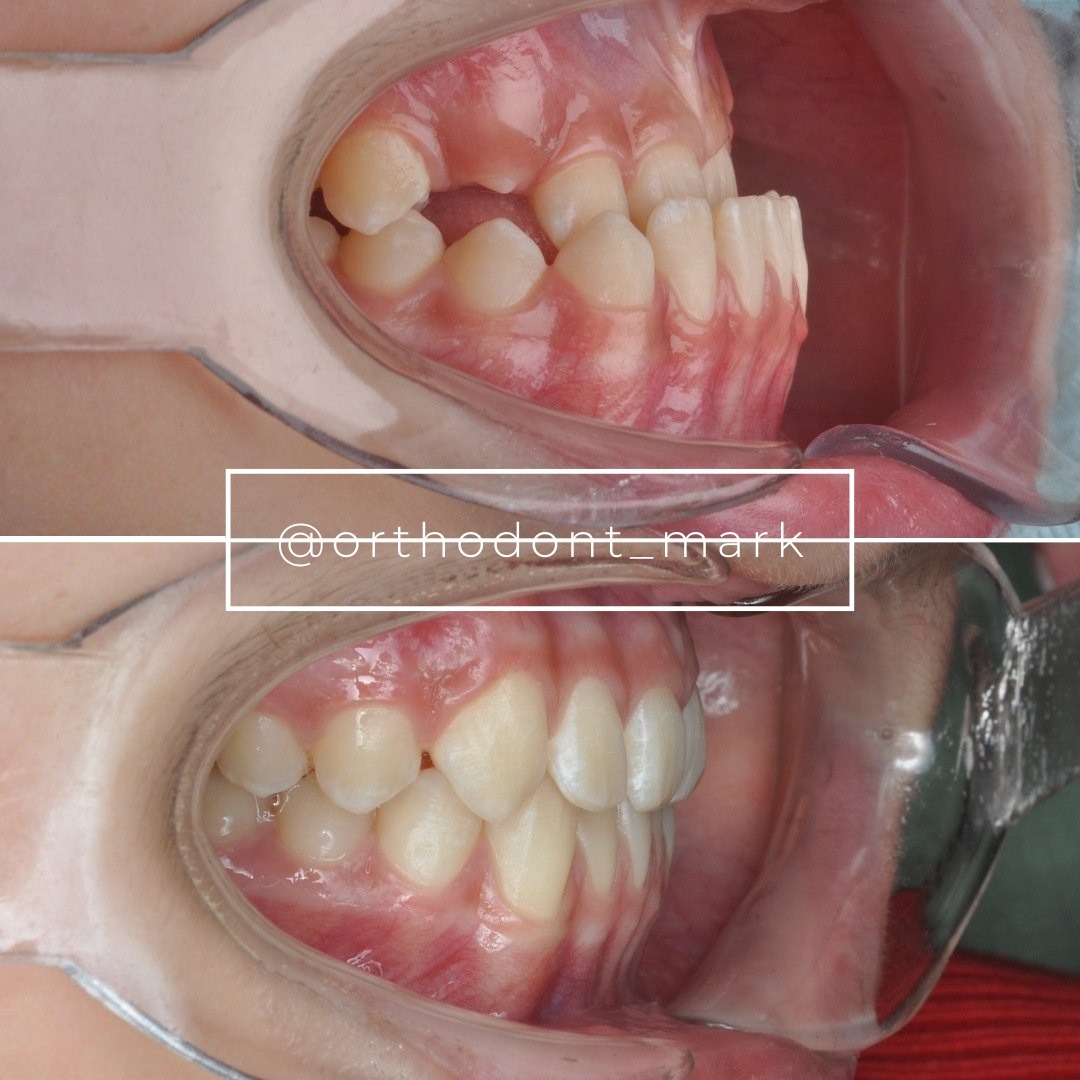


Learn the full MARPE protocol from Dr. Mark Radzhabov
Fundamental course covering CBCT patient selection, miniscrew planning, activation protocols, and 60+ clinical cases. Choose the access level that fits your practice.
Essentials of rapid palatal expansion for practicing orthodontists.
- Core RPE concepts and biomechanics
- 6 structured video lessons
- Clinical decision checklists
- Lifetime access to recordings
Deep-dive into MARPE protocol, diagnostics, and clinical execution.
- 6 modules covering MARPE from A to Z
- CBCT case selection walkthroughs
- Miniscrew placement and activation
- 60+ annotated clinical cases
- Direct Q&A with Dr. Mark Radzhabov
5-element medical consultation framework for dentists and orthodontists.
- Trust-building consultation protocol
- 5 lesson modules
- Templates for treatment plan delivery
- Works with any clinical specialty
Clinical FAQ
What specific information must be included in MARPE informed consent to protect against negligent treatment claims?
Informed consent must disclose age- and sex-dependent success rates (Jeon et al., 2022: 61.05% in males, 94.17% in females), miniscrew risks (loosening, fracture, infection), dentoalveolar side effects, activation protocol timeline, consolidation requirements, complications, and alternative techniques (RPE, SARPE). Signed, dated consent with witness strengthens defense.
How should I document skeletal maturity assessment for MARPE patient selection?
Record cervical vertebral maturation stage (CVMS) or dental stage, chronological age, pubertal status, and any anatomical findings. Explain why MARPE was chosen over RPE or SARPE for this specific patient. This reasoning demonstrates evidence-based decision-making and supports clinical judgment if litigation arises.
What is the minimum CBCT imaging protocol for legally defensible MARPE documentation?
Obtain baseline CBCT before treatment, immediately post-expansion, and at 3–6 month consolidation. Store images with formal radiologist reports. This three-point imaging protocol provides objective evidence of suture separation and post-expansion remodeling, meeting standard-of-care documentation.
How detailed should activation logs be for MARPE treatment records?
Document insertion torque, screw diameter and length, latency period, activation start date, daily schedule (turns per day), total turns per visit, estimated expansion, consolidation start date, patient compliance, and any protocol deviations with rationale. This level of detail proves protocol adherence and supports malpractice defense.
What should I do if MARPE fails to achieve adequate suture separation?
Document radiographic evidence of inadequate separation and your clinical response (extended expansion, SARPE referral, retention without further activation). Contemporaneous documentation of your management demonstrates standard-of-care monitoring. Pre-treatment consent addressing suture separation variability reduces negligent treatment liability.
How can I defend against miniscrew complications (loosening, infection) in litigation?
Document insertion technique (torque, placement site, bone quality), osseointegration latency (1–2 weeks standard), screw specifications, insertion date, and timing of any loosening onset. Informed consent addressing hardware risks strengthens defense. Documented appropriate monitoring and timely intervention (screw removal, replacement) supports standard-of-care claim.
Should I use a standardized MARPE documentation template or allow individual clinician notes?
Use a standardized checklist and EHR template to ensure consistent, complete documentation across your practice. Standardized formats are more legally defensible because they demonstrate systematic adherence to protocol. Individual notes supplement templates but should not replace structured documentation.
What is the role of radiographic evidence in defending MARPE litigation?
Radiographs (periapical, panoramic, CBCT) provide objective proof of baseline anatomy, suture separation, or complications. Expert witnesses value imaging because it removes subjective clinical judgment. Complete radiographic documentation at baseline, post-expansion, and consolidation is your strongest defense against disputes over outcomes.
How should I document patient non-compliance with self-activation instructions for MARPE?
Record compliance assessment at each visit (patient reports, clinical findings like midline spacing). If non-compliance occurs, document your clinical response and any protocol modifications. This documentation shows you monitored for and managed compliance variables, reducing liability for inadequate outcomes due to patient error.
What retention protocol documentation is needed to defend against relapse claims?
Document consolidation period length (typically 6–12 months passive retention), retention appliance type (fixed, removable), patient instructions for retention wear, and compliance monitoring. Clear documentation of retention protocol and patient acknowledgment reduces relapse liability because you establish that stability required ongoing retention.
Strong orthodontic documentation for MARPE cases requires more than clinical notes. It demands systematic consent, imaging protocols, and outcome tracking that create a defensible clinical record. Dr. Mark Radzhabov recommends that every practice establish a MARPE documentation checklist covering informed consent, skeletal maturity assessment, CBCT imaging, activation logs, and consolidation periods. If you manage complex expansion cases or face adult patients with high expectations, investing in structured medicolegal records will reduce liability and build confidence in your clinical decisions. Review your current MARPE documentation protocols and ensure they meet these standards.