
MARPE for the Edentulous-Adjacent
Maxilla
Skeletal Expansion Without Dental Dependence
A clinically practical guide to miniscrew-assisted expansion in patients with missing or compromised dentition, anchoring directly to the palatal skeleton for predictable orthopedic results.
TL;DR MARPE for the edentulous-adjacent maxilla relies on skeletal anchorage via miniscrews placed in intact palatal bone, bypassing the need for dental support. Success depends on bone density, patient age, and miniscrew stability rather than tooth anchorage, making it viable for partial edentulism and implant-supported cases.
Conventional rapid palatal expansion (RPE) has long depended on tooth-borne anchorage, a limitation that becomes critical in patients with missing teeth, compromised periodontium, or planned implant sites. MARPE—miniscrew-assisted rapid palatal expansion—fundamentally changes this equation by anchoring the expansion device directly to the palatal skeleton, independent of dental support. In this article, Dr. Mark Radzhabov reviews the clinical rationale, biomechanical principles, and evidence-based protocol for performing MARPE in edentulous-adjacent maxillae, with guidance on case selection, miniscrew placement, and expected skeletal outcomes. This approach expands the field of maxillary expansion to patients previously considered unsuitable for conventional treatment.
Understanding MARPE for Compromised
Dentition
The Shift from Tooth to Bone Anchorage
Conventional rapid palatal expansion (RPE) distributes expansion force through the maxillary molars and premolars, creating both skeletal and dentoalveolar changes. In edentulous or severely compromised maxillae—whether from tooth loss, severe periodontal disease, or strategic extraction for implant site preservation—this tooth-anchored approach becomes unreliable. The dental units either do not exist or cannot withstand the lateral forces without unacceptable tipping and bone loss. MARPE sidesteps this problem entirely by anchoring the expansion screw directly to the palatal skeleton via two miniscrews (typically placed anterior and posterior to the hard palate midline). This bone-to-bone load path isolates orthopedic expansion from dental anatomy.
The biological rationale rests on the same principle that drives RPE: stress applied perpendicular to the midpalatal suture triggers suture separation and lateral maxillary expansion. However, by removing the dental lever arm, MARPE clinicians reduce unwanted buccal tipping of anchor teeth (because there are no anchor teeth) and increase the proportion of true skeletal movement relative to dentoalveolar change. This is particularly valuable in cases where implant sites or residual ridge anatomy must be preserved for future prosthodontic rehabilitation.
Research comparing conventional and miniscrew-assisted expansion shows that MARPE achieves greater nasal width at the molar region and greater palatine foramen expansion, indicating more robust basal bone opening. The dentoalveolar profile is similar between the two techniques when comparable amounts of expansion are delivered, but MARPE eliminates the need for healthy anchor teeth, expanding the patient population eligible for orthopedic expansion.
Age-Dependent Success Rates and Bone
Response
Expectations Across the Adult Lifespan
Unlike children and adolescents, where RPE and MARPE achieve near-universal suture separation, adult MARPE outcomes are age and sex dependent. A clinical study of 215 MARPE cases across a wide age range (6–60 years) by Jeon et al. (2022, Clinical Oral Investigations) found overall suture separation success of 79.53%, with notable sex differences: 94.17% in females versus 61.05% in males. In older male patients, the success rate dropped substantially, reflecting the progressive interdigitation and mineralization of the midpalatal suture with age. This underscores a critical point: in edentulous-adjacent patients—who are often older and more likely to be male—MARPE success is not guaranteed even with optimal miniscrew stability.
For clinicians managing edentulous patients, this means realistic counseling about expected suture separation is mandatory. Patients in their 30s and beyond, particularly males, may experience incomplete midpalatal suture opening despite adequate miniscrew load and months of active expansion. When suture separation does occur in older patients, the amount of basal bone opening is often reduced compared to younger cohorts. This does not mean MARPE should be abandoned in older, edentulous patients—merely that dentoalveolar expansion and, to a lesser degree, skeletal correction are still achievable even if midpalatal suture opening is incomplete.
The practical implication is that case selection for edentulous-adjacent MARPE should weigh patient age, sex, and radiographic estimation of midpalatal suture density via cone-beam computed tomography (CBCT). Pretreatment CBCT is essential to assess palatal bone quality and miniscrew placement corridors. Patients over 45, particularly males, warrant a candid discussion about the probability of incomplete suture separation and may benefit from surgical assistance (SARPE) if complete transverse expansion is the goal. Younger edentulous patients (under 40) generally show favorable outcomes with MARPE alone.
Miniscrew Placement and Activation
Strategy
Anchoring to Palatal Bone Without Teeth
Successful MARPE in the edentulous-adjacent maxilla hinges on precise miniscrew positioning in the palatal skeleton. Standard placement involves two 1.6 mm diameter miniscrews inserted at a convergent angle (typically 45–60 degrees) into the hard palate, positioned anterior to the greater palatine foramen and posterior to the incisive foramen. The anterior screw anchors near the junction of the anterior third of the hard palate (between the incisors), while the posterior screw sits in the mid-palate, lateral to the midline and above the junction of the hard and soft palate. This geometry creates a broad load base that distributes force across the palatal skeleton and reduces shear stress on individual miniscrews.
In truly edentulous patients, the absence of dental landmarks requires reliance on skeletal and vascular anatomy. CBCT is mandatory to identify the width and density of the palate at the planned screw sites and to avoid the greater and lesser palatine neurovascular bundles. A surgical guide—either 3D printed or fabricated on a resin model—significantly improves accuracy and reduces operative time. The miniscrews themselves must be rigidly connected to an expansion device (typically a modified Hyrax appliance with sleeves or plates welded to the miniscrew heads). The hybrid Hyrax design, which accommodates both tooth-borne and bone-borne anchorage, is ideal for partially edentulous cases where residual teeth may assist in retention even if they do not drive expansion.
Activation protocol follows the same general schedule as RPE: 0.5 mm per day (one quarter turn on the Hyrax screw in a four-pitch design) for approximately 8–12 weeks, depending on the target transverse dimension and radiographic evidence of suture separation. Clinicians should monitor for miniscrew loosening (assessed by gentle percussion during recall visits) and adjust activation speed if mobile miniscrews are detected. Post-expansion retention requires a consolidation phase of 4–6 months with the appliance in place and the screw deactivated, allowing new bone formation within the widened suture and at the alveolar level.
MARPE vs. RPE vs. SARPE: Efficacy,
Invasiveness
and Cost in Edentulous Scenarios
Three primary techniques are available for maxillary transverse expansion: conventional RPE (tooth-borne), surgical-assisted RPE (SARPE), and MARPE (miniscrew-borne). In patients with intact, healthy dentition and adequate periodontium, RPE remains the gold standard—it is minimally invasive, lowest cost, and achieves consistent results across a wide age range in growing and pubertal patients. However, in edentulous or severely compromised dentitions, RPE is either impossible (no teeth to anchor to) or contraindicated (inadequate periodontal support). SARPE—involving bilateral pterygomaxillary disjunction and often bilateral LeFort I osteotomy—guarantees suture separation and large transverse expansion in adult patients regardless of age or bone density. SARPE is the most invasive and costly option but delivers the most predictable result in severely restricted maxillae and older patients with ossified sutures.
MARPE occupies the middle ground: it is more invasive than tooth-borne RPE but substantially less invasive than SARPE, and its cost is comparable to or slightly higher than RPE (depending on miniscrew and hybrid appliance selection) but a fraction of surgical expansion. For the edentulous-adjacent patient under age 45 with moderate transverse deficiency, MARPE offers efficacy comparable to RPE in growing patients and avoids the need for surgery. For patients over 50 or with severe ossification of the midpalatal suture, SARPE remains the more reliable choice if complete suture separation is mandatory. The decision tree should account for the patient's age, degree of suture mineralization (assessed by CBCT), extent of edentulism, and timeline for definitive implant or prosthodontic treatment.
A practical framework from clinical evidence suggests RPE for healthy-dentate young patients, MARPE for edentulous or compromised-dentate patients under 45, and SARPE for patients over 45 with severe ossified sutures or for cases where predictable maxillary repositioning in three dimensions is essential (e.g., before extensive implant rehabilitation). Orthodontist Mark frequently employs MARPE in his clinical practice as the preferred choice for partially edentulous cases because it balances efficacy, invasiveness, and cost while preserving future implant site anatomy.
Common Pitfalls and Strategies for
Robust
Bone-Anchored Expansion
Miniscrew stability is the Achilles heel of MARPE in any patient but becomes more critical in the edentulous-adjacent maxilla where alternative retention (via residual teeth) may be limited. Miniscrew loosening typically occurs within the first 2–3 weeks of activation and manifests as tactile mobility or patient-reported clicking during screw turns. Early detection is paramount: any loosening should prompt immediate removal and replacement of the offending miniscrew at an adjacent palatal site (typically 3–5 mm displaced laterally). To minimize loosening risk, ensure miniscrew length (typically 8–10 mm) achieves bicortical purchase into the dense palatal skeleton and avoid placement in areas of thin bone or high vascularity near the neurovascular canals.
Suture resistance—the failure of the midpalatal suture to separate despite adequate miniscrew stability and load—is more common in older patients and males. If no radiographic evidence of suture opening is apparent after 8–10 weeks of continuous expansion, CBCT reassessment is warranted. If the miniscrews remain stable and bone response is minimal, two options exist: (1) continue expansion for another 4–6 weeks with the expectation of limited but real skeletal gain, or (2) proceed to surgical assistance (SARPE) if complete transverse maxillary correction is non-negotiable. Many edentulous-adjacent patients achieve acceptable results with partial suture separation because their implant site dimensions and ridge anatomy are already compromised. Hence, the goal may be to restore functional occlusal width rather than achieve maximal skeletal expansion.
Alveolar bone changes in edentulous regions warrant attention. MARPE typically creates a relative expansion of the basal skeleton with minimal dentoalveolar side effects (since teeth are absent or few in number). However, if residual posterior teeth or implant abutments are present, buccal bone plate resorption can occur, particularly if expansion is rapid or if the miniscrews are positioned too close to residual tooth roots. Preoperative CBCT planning that maps both miniscrew and residual tooth anatomy prevents this complication. Postoperative CBCT at 3 months and 6 months monitors for unexpected bone loss and confirms consolidation in the expanded suture space.
Free Clinical Guide
Which Expansion Appliance at Which Age?
Get Dr. Mark Radzhabov's guide to skeletal-expansion appliances — indications, pros & cons, and how to choose by patient age. Free to your inbox.
Prefer video? Watch the free demo lesson on MARPE appliance types, features and trade-offs.
Documented outcomes
Clinical cases from Dr. Mark Radzhabov's practice
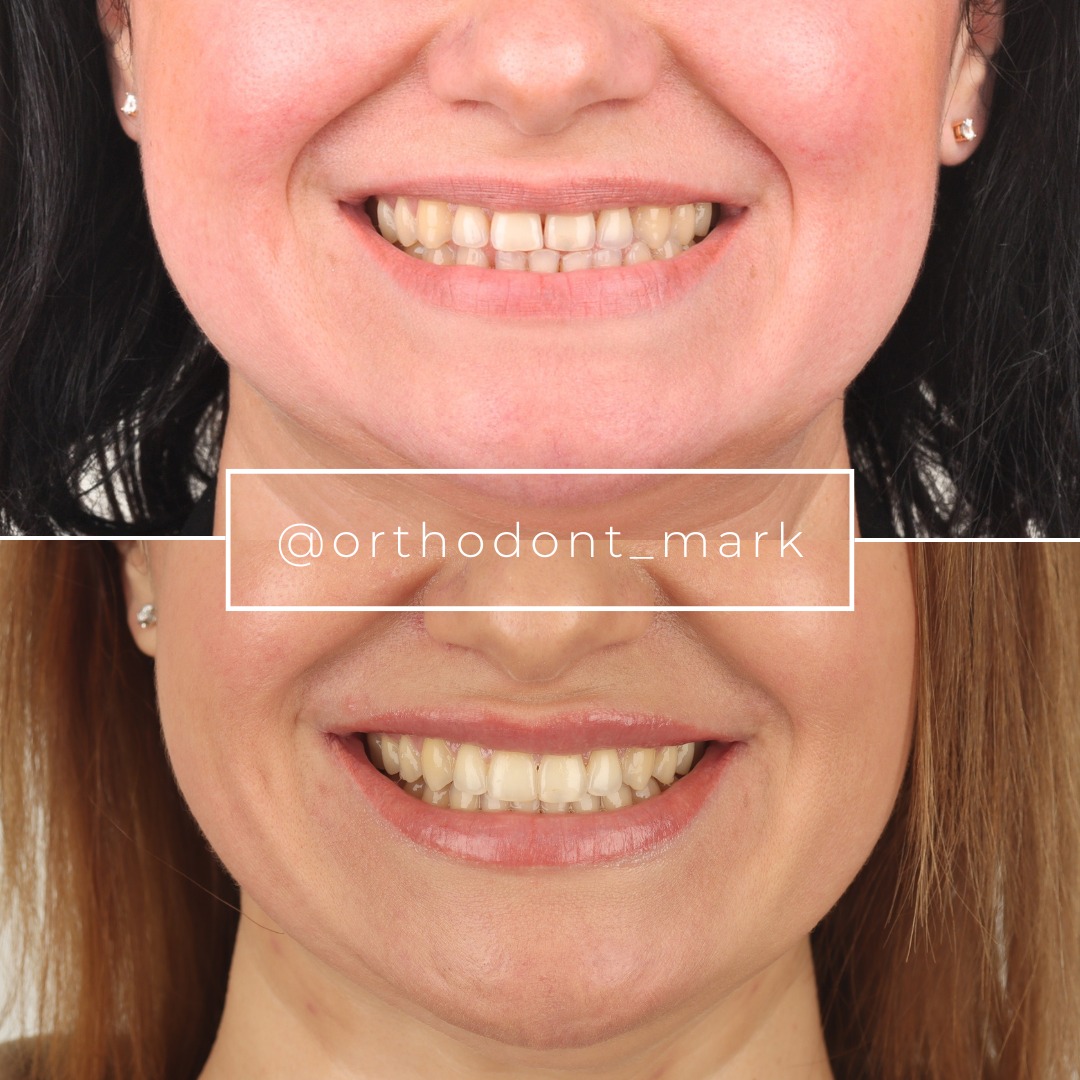
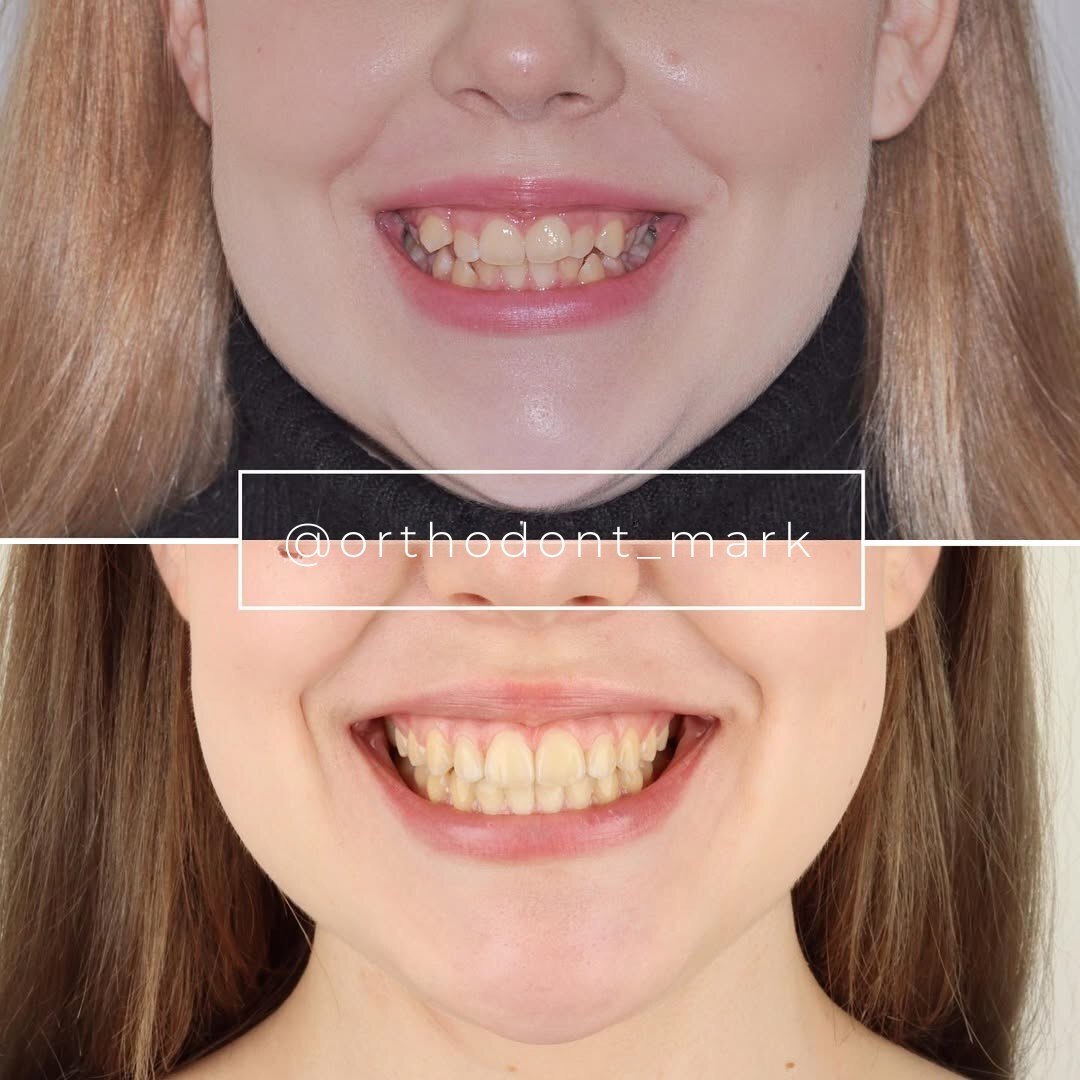
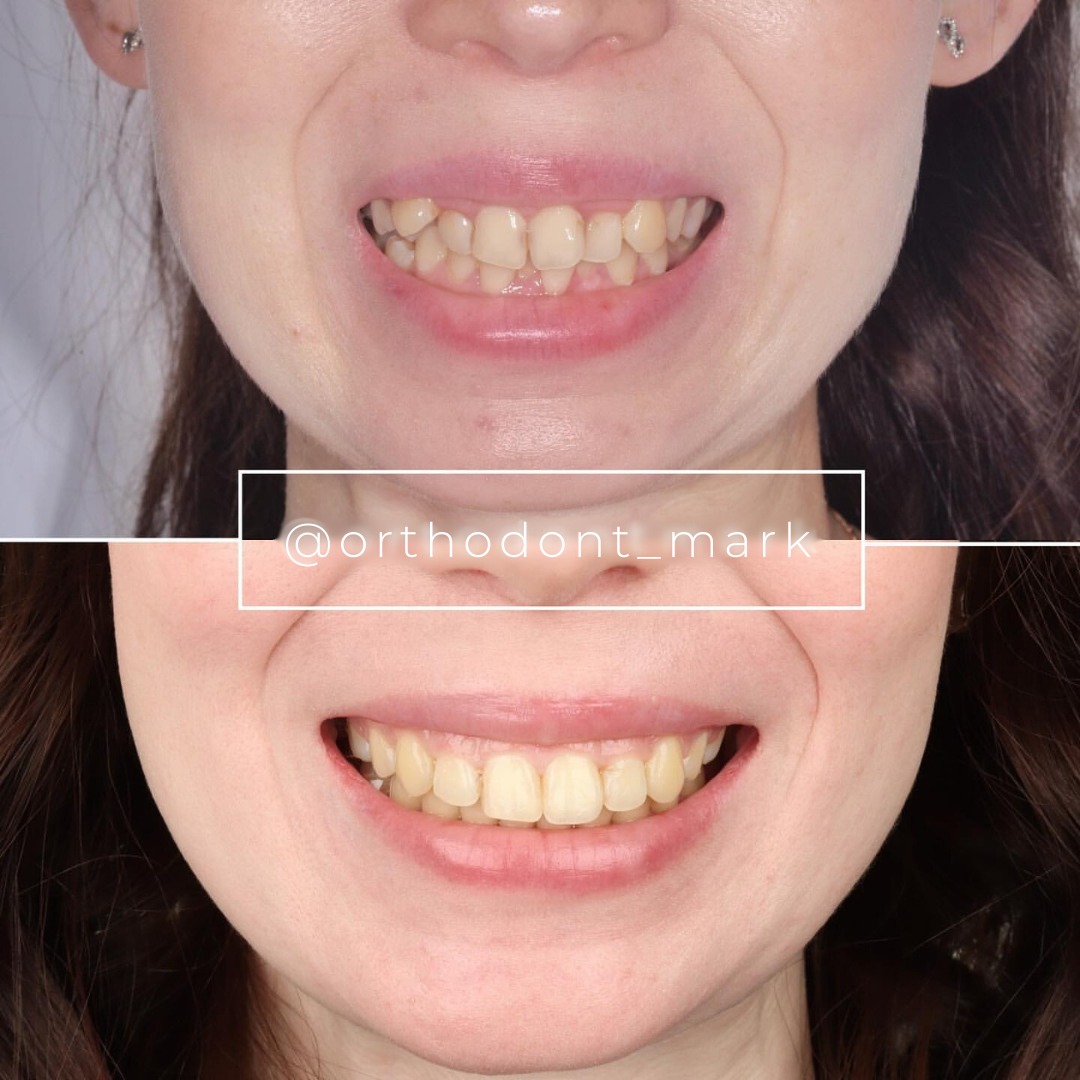
Learn the full MARPE protocol from Dr. Mark Radzhabov
Fundamental course covering CBCT patient selection, miniscrew planning, activation protocols, and 60+ clinical cases. Choose the access level that fits your practice.
Essentials of rapid palatal expansion for practicing orthodontists.
- Core RPE concepts and biomechanics
- 6 structured video lessons
- Clinical decision checklists
- Lifetime access to recordings
Deep-dive into MARPE protocol, diagnostics, and clinical execution.
- 6 modules covering MARPE from A to Z
- CBCT case selection walkthroughs
- Miniscrew placement and activation
- 60+ annotated clinical cases
- Direct Q&A with Dr. Mark Radzhabov
5-element medical consultation framework for dentists and orthodontists.
- Trust-building consultation protocol
- 5 lesson modules
- Templates for treatment plan delivery
- Works with any clinical specialty
Clinical FAQ
Can MARPE be used when teeth are completely missing in the maxilla?
Yes. MARPE is entirely bone-anchored and requires no dental support. Miniscrews are placed directly in the palatal skeleton, making it ideal for fully or partially edentulous patients and those undergoing implant-supported rehabilitation where tooth-borne anchorage is absent or compromised.
What is the success rate of suture separation in MARPE for adult males over 40?
Clinical data show approximately 61% suture separation success in males over 40, compared to 94% in females. Older males have greater risk of incomplete midpalatal suture opening due to progressive suture ossification, requiring case-by-case assessment via CBCT before treatment.
How is miniscrew placement optimized in the edentulous maxilla?
CBCT-guided placement ensures bicortical engagement in the hard palate away from the greater and lesser palatine neurovascular bundles. Typical sites are anterior (near the incisive foramen) and posterior (mid-palate, lateral to midline). A 3D-printed surgical guide improves accuracy.
What appliance design works best for MARPE in partially edentulous cases?
A hybrid Hyrax—modified with sleeves or plates to accept miniscrew heads while retaining bands or clasps on residual teeth—balances bone and tooth anchorage. This design is ideal for mixed edentulous scenarios where a few posterior teeth remain.
How long does active expansion take in MARPE for edentulous patients?
Standard protocols call for 8–12 weeks of active expansion at 0.5 mm daily (one quarter turn per day on a four-pitch Hyrax screw), followed by 4–6 months of retention with the appliance locked in place to allow bone consolidation.
What is the main advantage of MARPE over SARPE for edentulous-adjacent expansion?
MARPE avoids surgical osteotomy, reducing operative morbidity, cost, and recovery time while achieving comparable skeletal expansion in patients under 45. SARPE remains superior for severe ossified sutures or in patients over 50 where predictability is paramount.
How do you manage miniscrew loosening during MARPE treatment?
Early detection via percussion and palpation at recall visits is critical. Any loose miniscrew should be removed and replaced at an adjacent palatal site within 2–3 weeks. Ensure bicortical purchase and avoid high-vascularity zones to minimize early loosening risk.
Can MARPE be combined with implant placement in the same edentulous region?
Yes, but sequencing matters. Expand first with MARPE, allow a 6-month consolidation period, then plan implant placement in the widened ridge. Preoperative CBCT planning ensures miniscrews do not compromise future implant sites.
What radiographic signs indicate successful midpalatal suture separation in MARPE?
Periapical radiographs show a radiolucent line (widening) at the midpalatal suture. CBCT confirms suture opening and measures the degree of skeletal versus dentoalveolar change. A negative result after 8–10 weeks suggests suture resistance and may warrant surgical consideration.
How does the amount of skeletal expansion in MARPE compare to conventional RPE?
A randomized clinical trial reported greater nasal width and greater palatine foramen expansion in MARPE at both immediate post-expansion and 3-month consolidation periods. MARPE shows more robust basal bone opening and less buccal tipping of anchor teeth (because none are present).
MARPE for the edentulous-adjacent maxilla represents a paradigm shift in how we approach skeletal expansion in partially edentulous patients. By relying on direct bone anchorage rather than dental support, clinicians can achieve genuine orthopedic expansion even when the traditional tooth-anchored appliance is contraindicated. The key to success lies in meticulous case selection, careful miniscrew placement in the palatal vault, and realistic expectations about bone response based on patient age and density. If you manage complex cases involving partial edentulism and transverse maxillary deficiency, Dr. Mark Radzhabov invites you to explore his comprehensive MARPE training course and consultation services at ortodontmark.com to refine your protocol and expand your clinical scope.