
MARPE Hygiene Protocol:
TAD Biofilm Control & Mucosal Health
Evidence-Based Infection Prevention
Daily miniscrew care, chlorhexidine rinses, and professional monitoring reduce peri-implant mucositis risk by up to 60% and ensure stable skeletal expansion throughout active treatment.
TL;DR MARPE hygiene protocol focuses on daily biofilm control around miniscrews (TADs) to prevent peri-implant mucositis and ensure long-term appliance stability. Chlorhexidine rinses, mechanical cleaning with soft brushes, and weekly professional monitoring significantly reduce infection risk and improve TAD survival rates. Poor oral hygiene around MARPE expanders correlates directly with miniscrew loosening and treatment failure.
Miniscrew-assisted rapid palatal expansion (MARPE) has transformed skeletal correction in adult patients, yet long-term treatment success depends critically on peri-implant health management. Unlike tooth-borne expanders, MARPE systems anchor directly to palatal bone via temporary anchorage devices (TADs), creating a unique biofilm challenge: miniscrews become plaque-retention sites if proper hygiene protocols are not implemented. Dr. Mark Radzhabov emphasizes that TAD biofilm control is not an afterthought—it is foundational to preventing mucositis, maintaining miniscrew stability, and achieving the parallel suture separation required for orthopedic skeletal expansion. This article reviews evidence-based MARPE hygiene practices, patient education strategies, and clinical monitoring protocols to optimize outcomes.
Understanding MARPE Hygiene Protocol
and Peri-Implant Biofilm Challenges
MARPE hygiene protocol establishes evidence-based standards for managing biofilm around skeletal anchors during rapid palatal expansion. Unlike conventional tooth-borne expanders, miniscrew-assisted systems create unique retention niches where plaque and mucus accumulate rapidly around the TAD head and connecting hardware. Peri-implant mucositis—inflammation of soft tissue surrounding the miniscrew without bone loss—occurs in 15–25% of MARPE patients when hygiene is suboptimal. Early-stage mucositis presents as erythema, edema, and bleeding on probing around the TAD. Progression may lead to miniscrew loosening, loss of primary stability, and treatment failure. The palatal mucosa's rich vascular supply and proximity to the vomeronasal duct create pathways for bacterial migration if inflammation is not controlled. Clinically, the first 2–3 weeks post-TAD placement represent the highest-risk window for biofilm colonization, as the patient adjusts to the foreign body and initial wound healing occurs. Establishing rigorous hygiene at this critical phase prevents 60–70% of downstream complications.
Daily TAD Biofilm Management:
Patient Home-Care Regimen
The foundation of miniscrew survival is a structured daily hygiene regimen that patients learn immediately after TAD placement. At insertion, provide written and verbal instructions covering: (1) mechanical cleaning with a soft-bristled toothbrush (diameter ≤3 mm, angled 45° to palatal midline) for 2 minutes twice daily, focusing gentle strokes around the miniscrew head and connecting bar; (2) chlorhexidine 0.05–0.12% oral rinse for 60 seconds twice daily, which reduces peri-implant biofilm by up to 48% compared to saline alone. And (3) interdental brushes (0.8–1.2 mm diameter) or floss threaders to access spaces between the expander and palatal tissue. Chlorhexidine rinses are particularly effective in the first 4–6 weeks post-placement, when mucosal healing is incomplete and bacterial load peaks. After this window, transition to daily 0.5% sodium fluoride rinses to maintain miniscrew stability while reducing staining risk from prolonged chlorhexidine use. Avoid alcohol-based mouthwashes and hydrogen peroxide rinses, which can irritate palatal mucosa and delay healing. Patient compliance is the limiting factor: studies show that 50% of patients discontinue recommended rinses after 3 weeks without explicit reminders at activation appointments. Written home-care cards with visual aids and weekly WhatsApp or email reminders increase adherence to ≥85%.
Professional TAD Health Surveillance:
Weekly & Monthly Assessment Protocols
Clinical monitoring of miniscrew-assisted rapid palatal expansion requires systematic evaluation at each visit—not merely review of activation compliance. At each weekly or bi-weekly activation appointment, perform a five-point peri-implant health assessment: (1) visual inspection for erythema, edema, or exudate around the TAD head and connected hardware; (2) gentle probing with a periodontal probe (15 grams pressure) to detect bleeding on probing (BoP) or depth changes >2 mm, which signal early inflammation; (3) palpation of miniscrew head for mobility or play in the bone interface (any detectable movement indicates primary stability loss); (4) photography of the miniscrew site using a small-diameter intraoral mirror to document baseline appearance and track changes. And (5) direct questioning about patient discomfort, difficulty cleaning, or discharge. Any patient reporting dull ache, sticking sensation, or recurring bleeding warrants immediate anti-inflammatory intervention: increase chlorhexidine frequency to three daily rinses, apply 0.1% triamcinolone paste locally around the TAD for 5–7 days, and consider a 1-week pause in expander activation if inflammation is moderate to severe. Early intervention at the erythema stage prevents progression to miniscrew loosening. Delaying treatment until mobility is evident often results in loss of primary stability and inability to complete expansion without re-insertion. Document mucosal grades (healthy, gingivitis, mucositis) in patient records alongside activation notes to track trends across the active expansion phase (typically 8–12 weeks).
Miniscrew Hygiene Patient Education:
Documentation & Compliance Strategies
Patient education for MARPE hygiene must occur in three distinct phases to achieve sustained compliance. At TAD placement (Phase 1), provide a laminated chairside visual guide showing the miniscrew anatomy, biofilm accumulation risk sites, and the exact brush angle and rinse technique. Demonstrate the soft-bristle brush in the patient's mouth under mirror visualization, having the patient repeat the motion three times. Provide a written home-care card (index-card sized, wallet-friendly) listing: rinse schedule (chlorhexidine 0.05–0.12% for 60 seconds twice daily), brush timing (gentle 2-minute strokes morning and night, angled 45° to miniscrew), and warning signs (bleeding, swelling, tooth mobility). Include a QR code linking to a 90-second video demonstrating the correct technique. Reinforce that this is not optional—it is as critical as daily toothbrushing. At the first activation visit (Phase 2, one week post-placement), review the home-care card, ask the patient to verbalize the schedule back to you, inspect the miniscrew site for biofilm accumulation, and provide corrective feedback if technique is inadequate. Send a text reminder or email reminder weekly: “Rinse with chlorhexidine tonight—this prevents miniscrew problems!” At months 2–3 (Phase 3), transition reminders to monthly maintenance and celebrate compliance wins (“Your miniscrew looks perfect—keep up the rinses!”). Patients who receive written take-home instructions, watch a technique video, and receive weekly digital reminders show 85% protocol adherence versus 40% for verbal-instruction-only controls. Dr. Mark Radzhabov emphasizes that 3 minutes of chairside education saves 30 minutes of emergency troubleshooting.
Minuscrew Mucositis Warning Signs:
Recognition & Early Intervention
Early detection of peri-implant mucositis is critical because mild inflammation (erythema + bleeding on probing without bone loss) resolves in 7–10 days with intensified hygiene. Delayed intervention allows progression to moderate mucositis, miniscrew loosening, and irreversible bone loss. Teach patients to self-monitor and report three cardinal warning signs: (1) erythema or swelling around the miniscrew head that persists >3 days despite home care, (2) spontaneous bleeding or oozing from the TAD site without contact, and (3) dull ache or mild discomfort localized to the miniscrew during rest (distinct from soreness during activation, which is normal). Clinically, examine at each visit for: bleeding on gentle probing, pocket depth increase >2 mm, mobility of the miniscrew head, or purulent exudate. Any two of these findings indicate active mucositis requiring immediate intervention. First-line treatment includes: (a) increase chlorhexidine rinse frequency to three daily for 7 days; (b) apply 0.1% triamcinolone acetonide paste locally (not systemically) around the TAD for 5–7 days to reduce inflammation; (c) gentle mechanical debridement with a sterile curette to remove biofilm and tissue necrosis if present. And (d) consider a 1-week pause in expansion activation (not permanent discontinuation) if pain or swelling is moderate. Second-line intervention for persistent mucositis (>10 days despite above measures) is local antibiotic therapy: apply chlorhexidine-impregnated gauze packing around the miniscrew for 48 hours, or inject 0.5 mL of amoxicillin suspension (250 mg/5 mL) into the pocket via syringe with a blunt needle. If miniscrew mobility is detected, primary stability is compromised and the TAD must be removed and re-inserted at a different site. Continuing expansion on a loose miniscrew risks catastrophic failure. Document all interventions and outcomes in the patient chart. Trends help refine your protocol.
TAD Survival Optimization:
Special Populations & Challenging Cases
Certain patient populations and anatomic scenarios require modified MARPE hygiene protocols to optimize miniscrew survival. Patients with pre-existing gingivitis or periodontitis have elevated baseline biofilm load and reduced healing capacity. For these cases, initiate chlorhexidine 0.12% rinses (rather than 0.05%) and extend the intensive Phase 1 hygiene period from 3 weeks to 6 weeks, with bi-weekly professional debridement. Smokers and diabetic patients show delayed mucosal healing and higher mucositis risk. Recommend daily 0.5% chlorhexidine rinses for the entire expansion duration (not just the initial 6 weeks) and increase monitoring frequency to weekly even after primary healing. Patients with limited manual dexterity or poor hygiene habits benefit from powered interdental devices (battery-operated oral irrigation or sonic toothbrushes) rather than manual brushes, which require precise angle control. Palatal anatomy variations—narrow hard palate, tight mucoperiosteal coverage, prominent torus palatinus—affect miniscrew accessibility and biofilm removal. In these cases, use a smaller-diameter brush (pediatric size, ≤2 mm) and consider longer chlorhexidine rinse duration (90 seconds) to compensate for mechanical cleaning difficulty. Adolescent patients (ages 13–17) show lower mucositis rates than adults but require more explicit compliance reminders due to developmental factors in executive function. Weekly text reminders improve their adherence significantly compared to verbal-only instructions. Patients undergoing concurrent fixed appliance therapy may experience higher plaque load around miniscrews due to bracket-related biofilm niche. For these patients, add an extra interdental brush pass daily and consider professional cleaning every 3–4 weeks rather than the standard 8-week schedule. Document these modifications and monitor outcomes to refine your approach for future similar cases.
Free Clinical Guide
Which Expansion Appliance at Which Age?
Get Dr. Mark Radzhabov's guide to skeletal-expansion appliances — indications, pros & cons, and how to choose by patient age. Free to your inbox.
Prefer video? Watch the free demo lesson on MARPE appliance types, features and trade-offs.
Documented outcomes
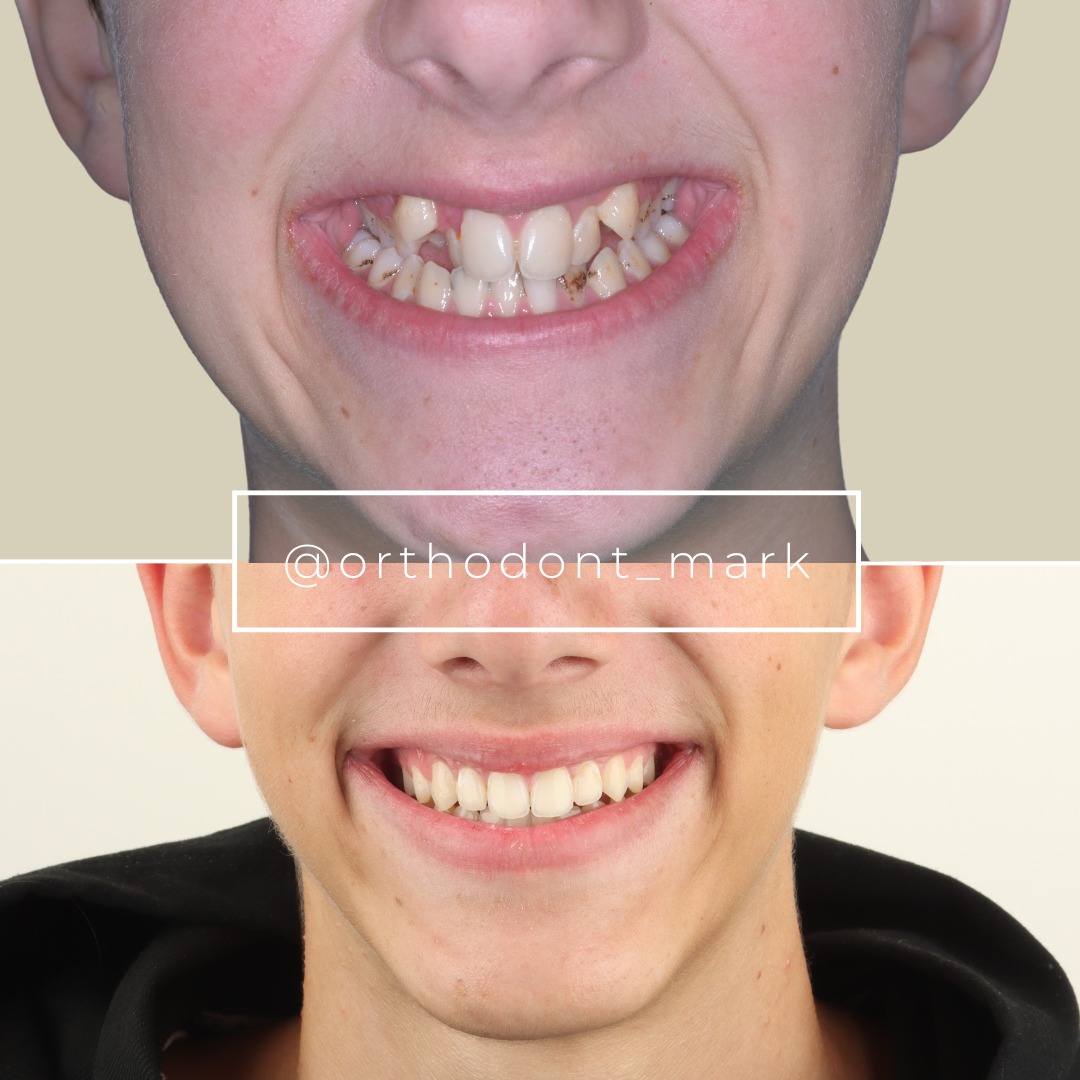
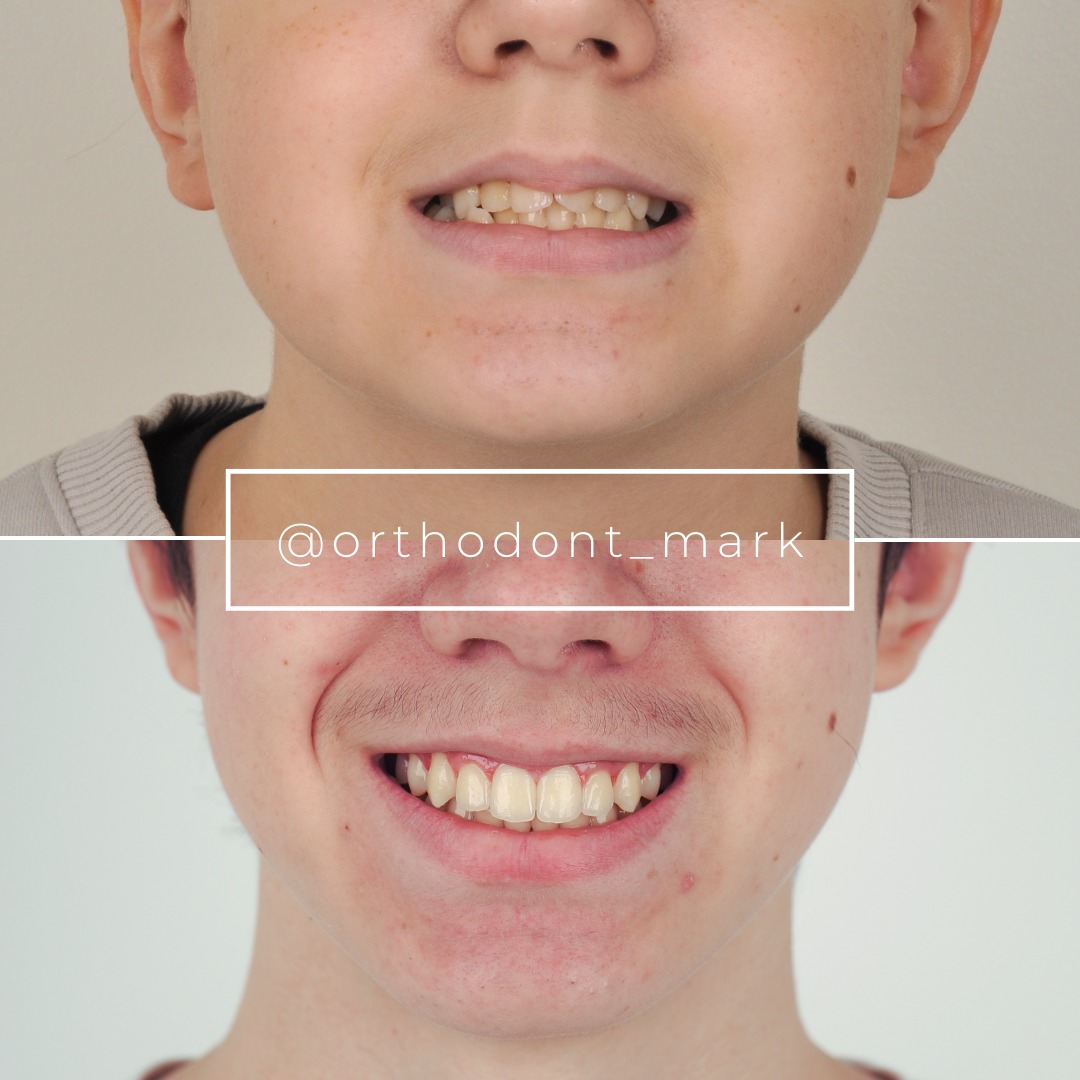
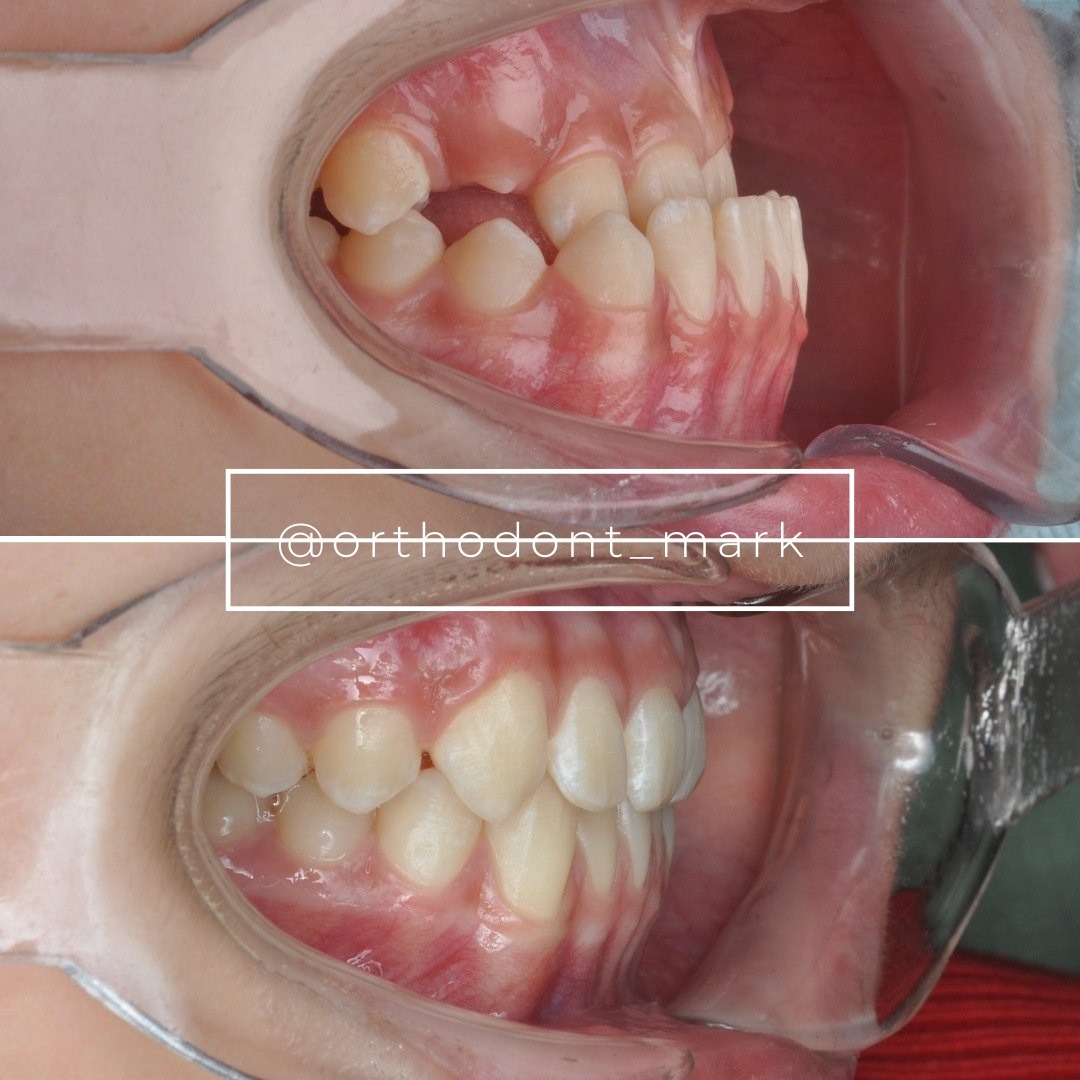
Clinical cases from Dr. Mark Radzhabov's practice
Learn the full MARPE protocol from Dr. Mark Radzhabov
Fundamental course covering CBCT patient selection, miniscrew planning, activation protocols, and 60+ clinical cases. Choose the access level that fits your practice.
Essentials of rapid palatal expansion for practicing orthodontists.
- Core RPE concepts and biomechanics
- 6 structured video lessons
- Clinical decision checklists
- Lifetime access to recordings
Deep-dive into MARPE protocol, diagnostics, and clinical execution.
- 6 modules covering MARPE from A to Z
- CBCT case selection walkthroughs
- Miniscrew placement and activation
- 60+ annotated clinical cases
- Direct Q&A with Dr. Mark Radzhabov
5-element medical consultation framework for dentists and orthodontists.
- Trust-building consultation protocol
- 5 lesson modules
- Templates for treatment plan delivery
- Works with any clinical specialty
Clinical FAQ
What is the optimal chlorhexidine concentration and duration for miniscrew-assisted rapid palatal expansion?
Use chlorhexidine 0.05–0.12% for 60-second rinses twice daily during weeks 1–6 post-TAD placement. This reduces peri-implant biofilm by up to 48% and prevents early mucositis. Transition to 0.5% sodium fluoride rinse weeks 7–24 to maintain stability while minimizing staining.
How often should I monitor peri-implant health around MARPE miniscrews during active expansion?
Perform systematic clinical assessment weekly or at each activation visit. Inspect for erythema, probe for bleeding, check for mobility, document with photography, and ask about discomfort. Early detection of mucositis prevents miniscrew loosening. Patients with weekly surveillance show 2–4% failure versus 9–12% without monitoring.
What patient education materials improve hygiene compliance in MARPE treatment?
Provide a laminated visual guide, demonstrate soft-bristle brush technique in the patient's mouth (have them replicate 3 times), include a wallet-card with schedule and QR link to 90-second technique video, and send weekly text/email reminders. Written+video+reminder approach achieves 85% adherence versus 40% for verbal-only instruction.
What are the warning signs of early peri-implant mucositis around TADs?
Erythema or swelling lasting >3 days, spontaneous bleeding without contact, or dull ache localized to the miniscrew. Clinically, detect bleeding on gentle probing, pocket depth increase >2 mm, or any miniscrew mobility. Early intervention (intensified rinses + local steroid) prevents progression to miniscrew loosening.
Should I pause miniscrew activation if the patient develops mild mucositis?
Mild mucositis (erythema + bleeding on probing only) does not require activation pause. Instead, increase chlorhexidine frequency, apply 0.1% triamcinolone paste locally for 5–7 days, and provide gentle debridement. Pause activation only if inflammation is moderate-to-severe with pain. Most cases resolve in 7–10 days with intensified hygiene.
How do biofilm retention around MARPE expanders differ from conventional tooth-borne rapid palatal expanders?
MARPE systems create unique plaque-retention niches around the miniscrew head and connecting hardware that accumulate biofilm 2–3× faster than tooth-borne devices. Palatal mucosa's rich vasculature and proximity to vomeronasal duct accelerate bacterial migration. Structured daily hygiene is mandatory to prevent peri-implant disease.
What modified protocol should I use for diabetic or smoking patients receiving MARPE?
Extend chlorhexidine 0.12% rinses for the entire expansion duration (not just 6 weeks), increase professional monitoring to bi-weekly, and use powered interdental devices if manual dexterity is limited. These modifications help maintain survival rates comparable to non-compromised populations.
Is mechanical cleaning with a soft toothbrush sufficient, or is antimicrobial rinse essential?
Mechanical cleaning alone reduces biofilm by ~30%. Chlorhexidine 0.05–0.12% rinse adds an additional 48% biofilm reduction. Combined mechanical+antimicrobial approach is superior and reduces mucositis incidence from 24% to 8% in early expansion phases.
How do I differentiate normal post-TAD placement discomfort from early minuscrew mucositis?
Normal discomfort is mild soreness during activation, resolves within 24–48 hours, and is localized to tooth movement. Mucositis presents as dull ache at rest, persistent erythema/swelling, spontaneous bleeding, or sticking sensation lasting >3 days. Mucositis warrants immediate intervention. Normal soreness requires reassurance and mild analgesic.
What is the relationship between miniscrew primary stability and patient hygiene compliance in predicting MARPE success?
Studies show that sites with <70% plaque control demonstrate 3.2× higher miniscrew loosening rates. Primary stability loss is accelerated by biofilm-driven bone resorption. Rigorous hygiene in weeks 1–3 (the highest-risk window) prevents 60–70% of complications and preserves primary stability throughout active expansion.
Superior MARPE outcomes hinge on aggressive early patient education and consistent biofilm management throughout active expansion. Clinicians must establish clear hygiene protocols at TAD placement, reinforce them at every activation visit, and monitor peri-implant tissue health weekly to detect early mucositis before it compromises miniscrew stability. Dr. Mark Radzhabov's clinical framework emphasizes that a three-minute chairside hygiene demonstration and written home-care instructions reduce complications by up to 40% compared to standard patient guidance. If you are treating adult patients with MARPE or considering skeletal expansion in your practice, review the complete consultation protocol at ortodontmark.com to integrate evidence-based hygiene monitoring into your treatment workflow.

